How to plan your Vaishno Devi itinerary from Delhi
Expert advice on trains, timing, and the climb for your pilgrimage
A realistic 3-day Vaishno Devi itinerary from Delhi. Learn how to navigate the train journey, manage your time in Katra, and prepare for the trek.
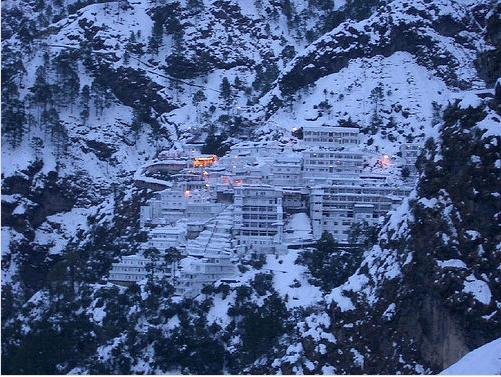
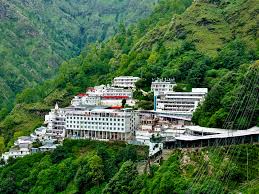
The path to the shrine is illuminated and active throughout the night.Photo: Yatin. 123 · CC BY-SA 4.0
The first time I took the night train from New Delhi to Katra, I made the mistake of thinking I could start the trek the moment I arrived. I was exhausted, the air was sharp, and the 12-kilometre climb ahead felt insurmountable. A successful trip isn't just about reaching the Bhawan; it's about respecting the rhythm of the journey.
Whether you are planning your first pilgrimage or returning, this guide focuses on making the most of your time. By mapping out a solid Vaishno Devi itinerary from Delhi, you avoid the common pitfalls of fatigue and last-minute scrambling. From booking the right train to understanding the local pace in Katra, here is how we structure these trips for our clients.
The Delhi to Katra train experience
Connectivity has improved significantly since the Vande Bharat Express started running. It is hands-down the most efficient way to travel if you want to save time. The train usually departs New Delhi early in the morning and reaches Katra by mid-afternoon, allowing you to settle in before the evening rush.
If you prefer overnight travel, the Shri Shakti Express remains a reliable favourite. It leaves Delhi around 11:30 PM and arrives in Katra early the next morning. However, bear in mind that arriving after a full night of travel often means you need a few hours to refresh before hitting the trail. Do not underestimate the need for a decent bed and a hot shower before you start your ascent.
- Vande Bharat: Best for speed and daytime comfort.
- Shri Shakti Express: Ideal if you want to wake up in Katra.
- Book at least 60 days in advance to secure preferred classes.
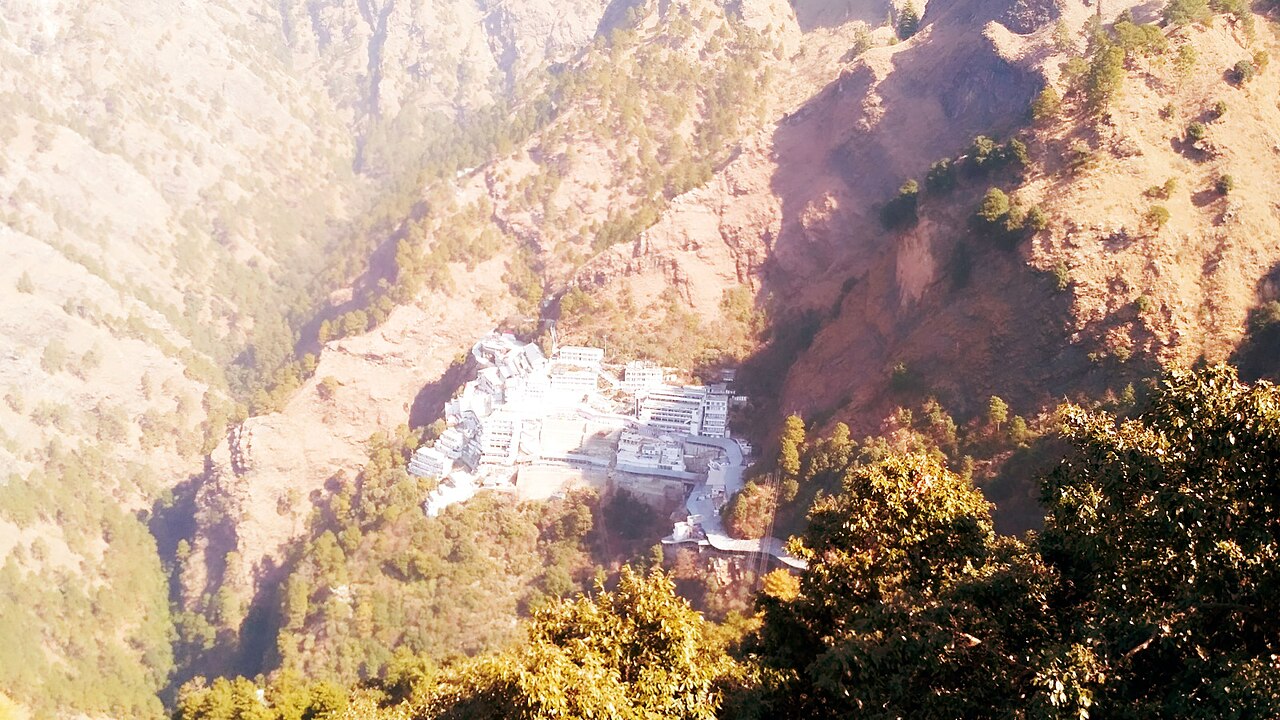
Day 1: Arrival and base camp logistics
Once you arrive in Katra, your priority should be the Yatra Parchi (registration slip). While you can get these online, having a physical copy or ensuring your digital one is scanned at the Yatra Registration Counter near the bus stand is critical. Do not skip this step.
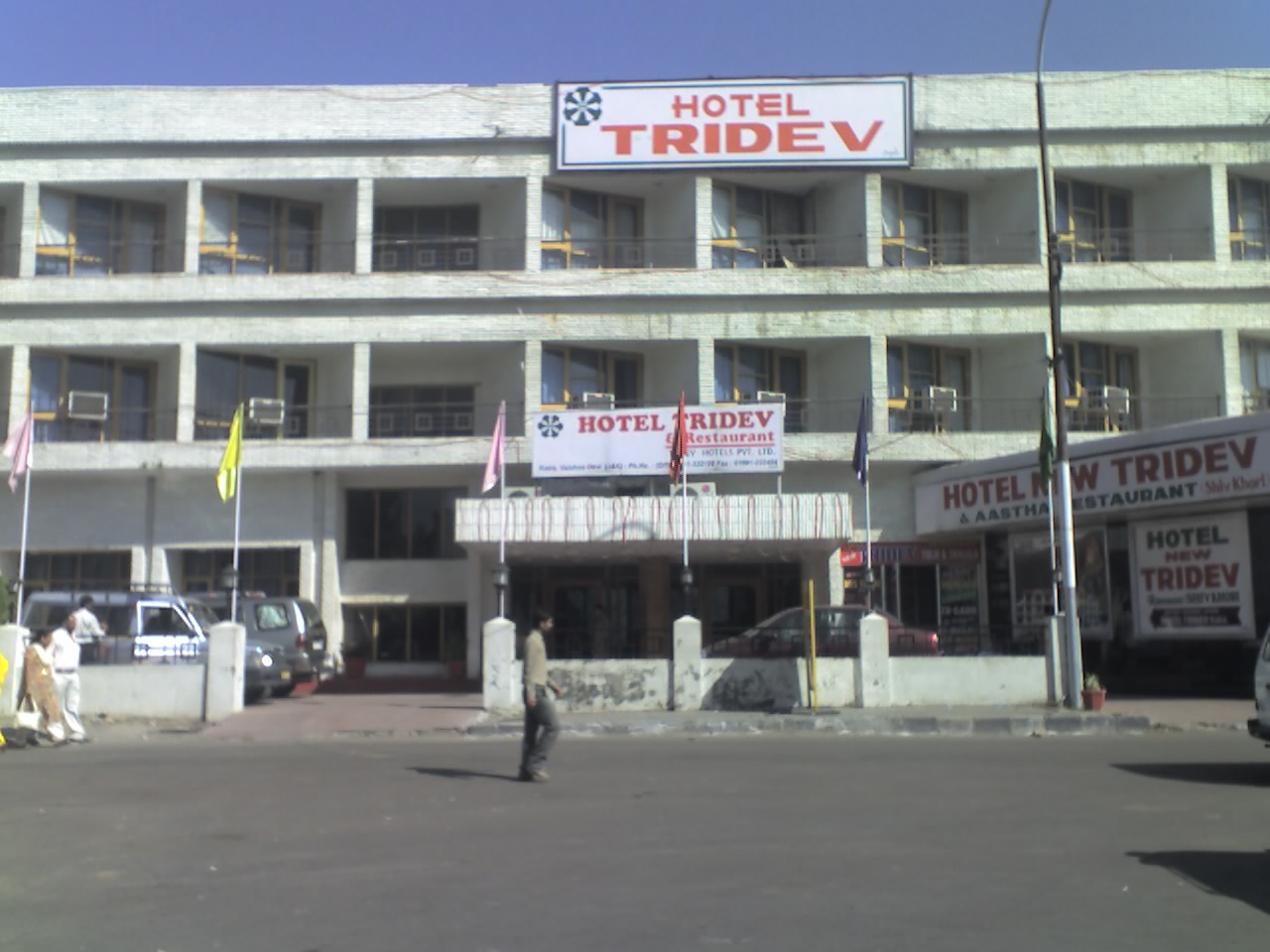
Use the afternoon to explore the local markets. Katra is essentially one long, winding street of shops selling dry fruits, woollens, and offerings for the shrine. If you have time, consider a quick visit to the Raghunath Temple in Jammu if you are stopping over there, though most pilgrims prefer heading straight to the base camp to avoid backtracking.
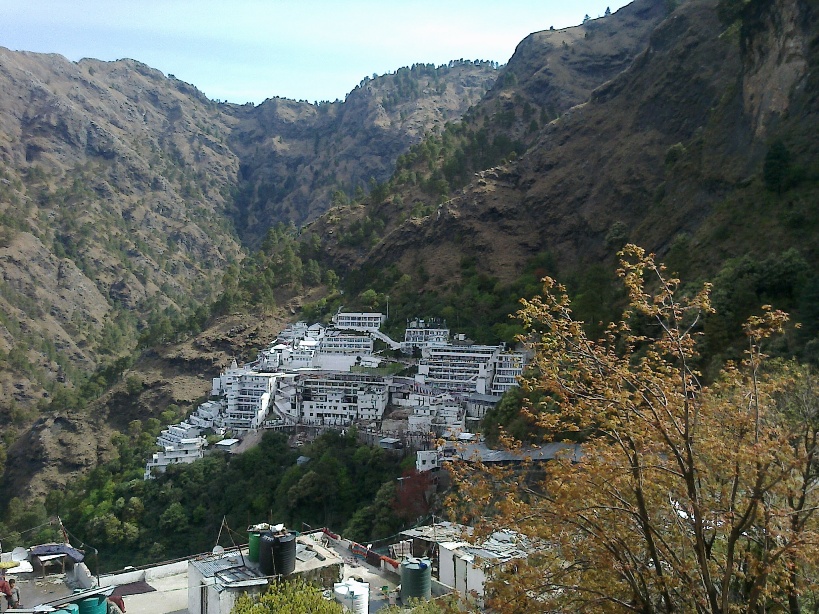
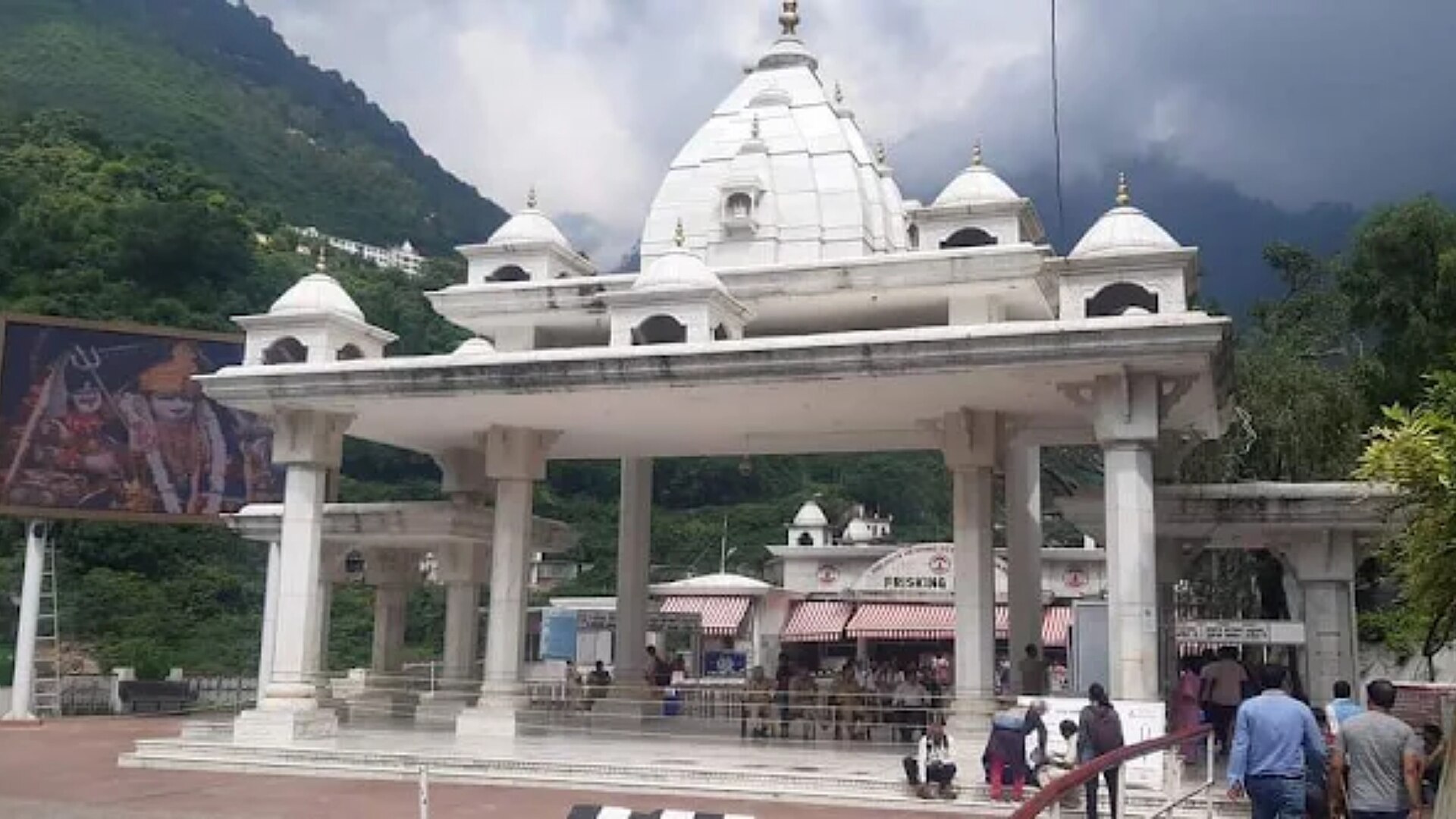
Day 2: The Yatra day
The best time to start the climb is either very early in the morning, around 4:00 AM, or late in the evening. During the day, the path gets crowded and the sun can make the incline feel much harder than it is. I always suggest our clients aim for the early morning start; the cool air is invigorating.
The route is well-paved, but it is steep in sections. If you aren't a regular hiker, don't feel pressured to rush. There are plenty of water points and snack stalls along the way. If you find the walk too taxing, ponies and palanquins are available, but they need to be hired at the official counters. Never negotiate with unofficial touts at the gate.
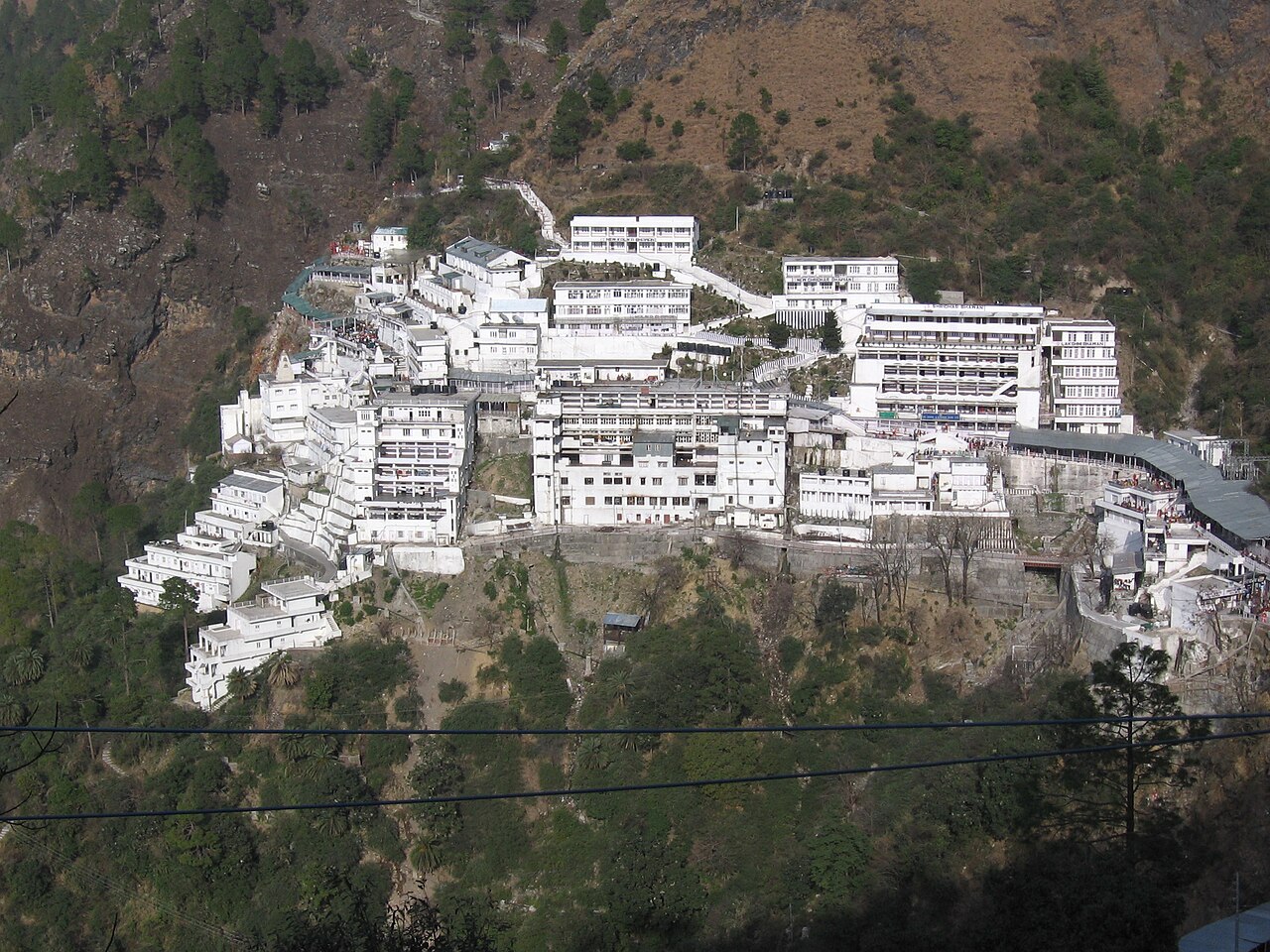
Day 3: Return journey and nearby exploration
Most pilgrims aim to return to Katra by midday on the third day. If you have the energy, you might consider a short excursion to Shiv Khori. It’s a fascinating cave shrine about 80 kilometres from Katra. It’s a long drive, so only add this if you have an evening train booked from Katra.
Alternatively, if you want a quieter end to your trip, Patnitop is a great option. It’s a higher altitude meadow about 80 kilometres away. It’s peaceful, and the view of the valley is a perfect contrast to the intense spiritual focus of the yatra. Just remember to allow enough buffer time for the mountain roads, which can be prone to traffic.
Customising your pilgrimage for families
Travelling with children or elderly family members requires a different pace. I often tell families to split their journey over two days rather than trying to finish the 12-kilometre trek in one go. There are decent accommodation options mid-way at Adhkuwari.
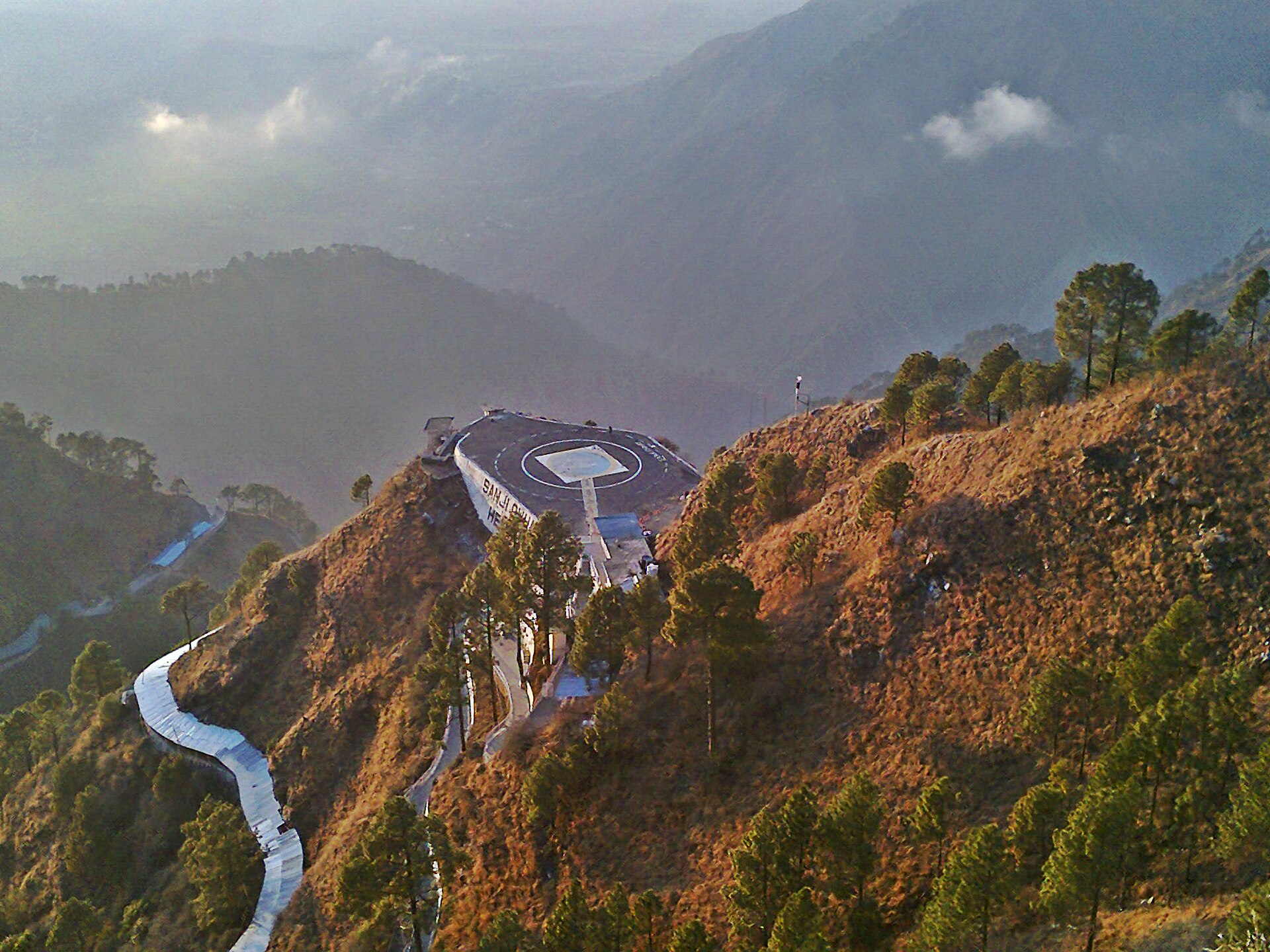
Booking a helicopter flight from Katra to Sanjichhat can also save a significant amount of time and physical strain. These slots are limited and sell out months in advance, so if you are planning a trip with seniors, contact us early to see what we can secure for your dates.
Before you book
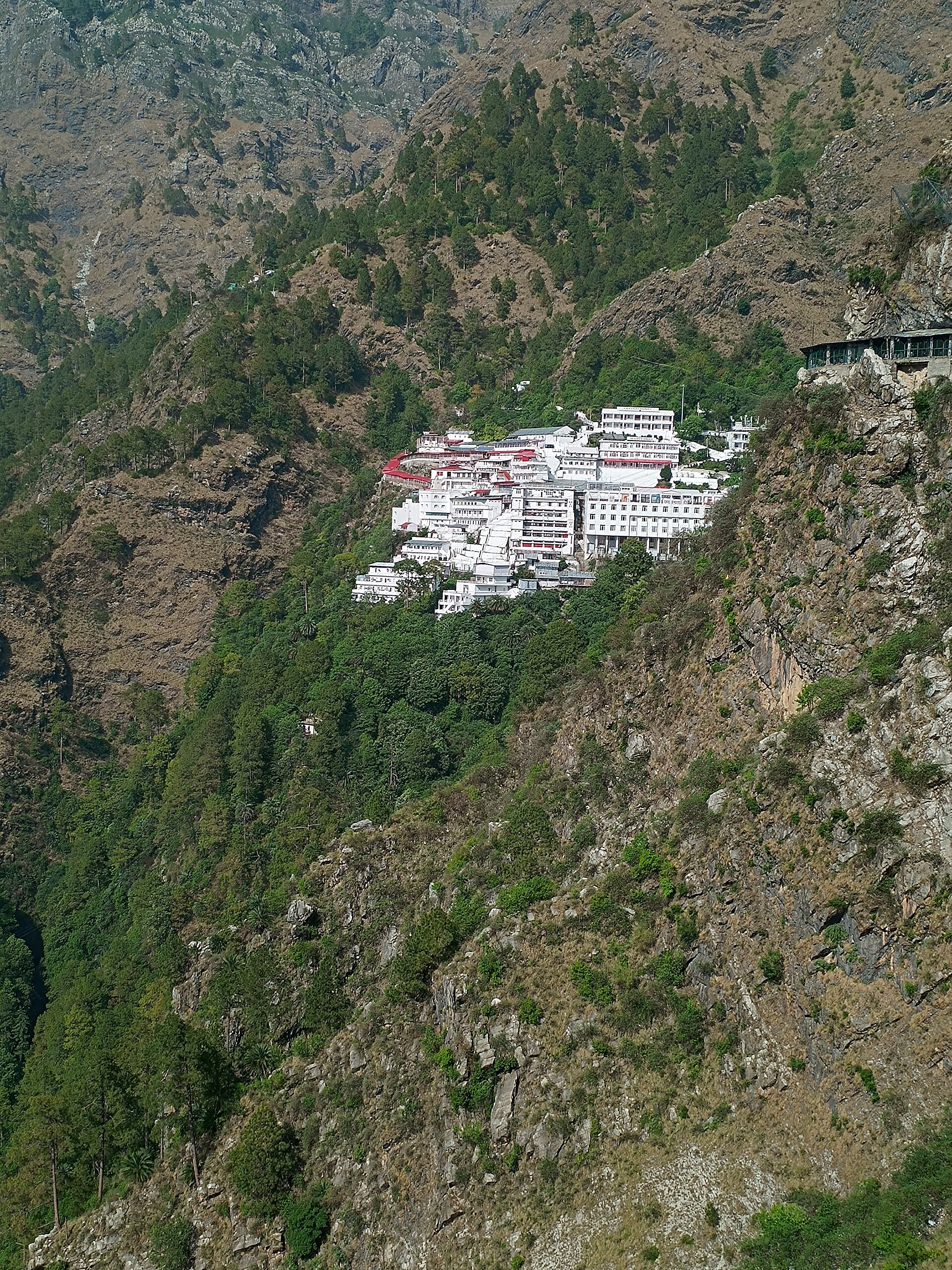
The walk up to the Bhawan is as much about the physical journey as the destination. By keeping your schedule flexible and planning your logistics from Delhi with care, you turn a stressful trip into a meaningful experience. Whether you choose to walk the entire way or use the provided transport services, the focus should remain on the experience.
If you need help coordinating train timings, hotel bookings in Katra, or transport to nearby sights like Shiv Khori, feel free to reach out. We can help you build a smooth, worry-free plan.
Need help planning your Vaishno Devi pilgrimage?
We specialize in curating comfortable and efficient itineraries from Delhi to Katra. Let us handle the logistics.
Contact Our Travel TeamWritten by
Kashmir, Jammu & Ladakh specialists
We plan and run trips across Kashmir, Jammu and Ladakh every week of the year. Everything here comes from routes we drive, stays we inspect and questions our travellers actually ask.
Quick answers
Questions we get asked
How many days are needed for a trip from Delhi?
A 3-day itinerary is ideal. It allows for one day of travel, one day for the trek and darshan, and one day for return or local sight-seeing.
Is it better to take the train or fly to Jammu?
The train to Katra is the most convenient as it brings you directly to the base camp. Flying to Jammu requires a 2-hour taxi ride to reach Katra.
Can I do the trek in one day?
Yes, many people complete the 24-kilometre round trip in one day, but it requires good physical fitness and a very early start.
What should I pack for the climb?
Pack light. Carry a small daypack with water, light snacks, a jacket, and comfortable walking shoes. Leave heavy luggage at your hotel.
When is the best time to visit?
The yatra is year-round. March to June and September to November offer the most pleasant weather for the climb.
Photography credits
- Photo: Yatin. 123 · CC BY-SA 4.0
- Photo: Lpp3535 · CC BY-SA 4.0
- Photo: Periogaurav · CC BY-SA 4.0
- Photo: SUDEEP PRAMANIK · CC BY-SA 4.0
- Photo: Abhishek Chandra · Public domain
- Photo: Maximafunction · CC0
- Photo: Junereads · CC BY-SA 4.0