Planning Your Journey Around the Hemis Festival
Everything you need to know to experience Ladakh's most vibrant masked dance celebration without the logistical chaos.
Planning a hemis festival tour? Discover exact dates, crowd management tips, tour inclusions, and how to build your complete Ladakh itinerary around it.
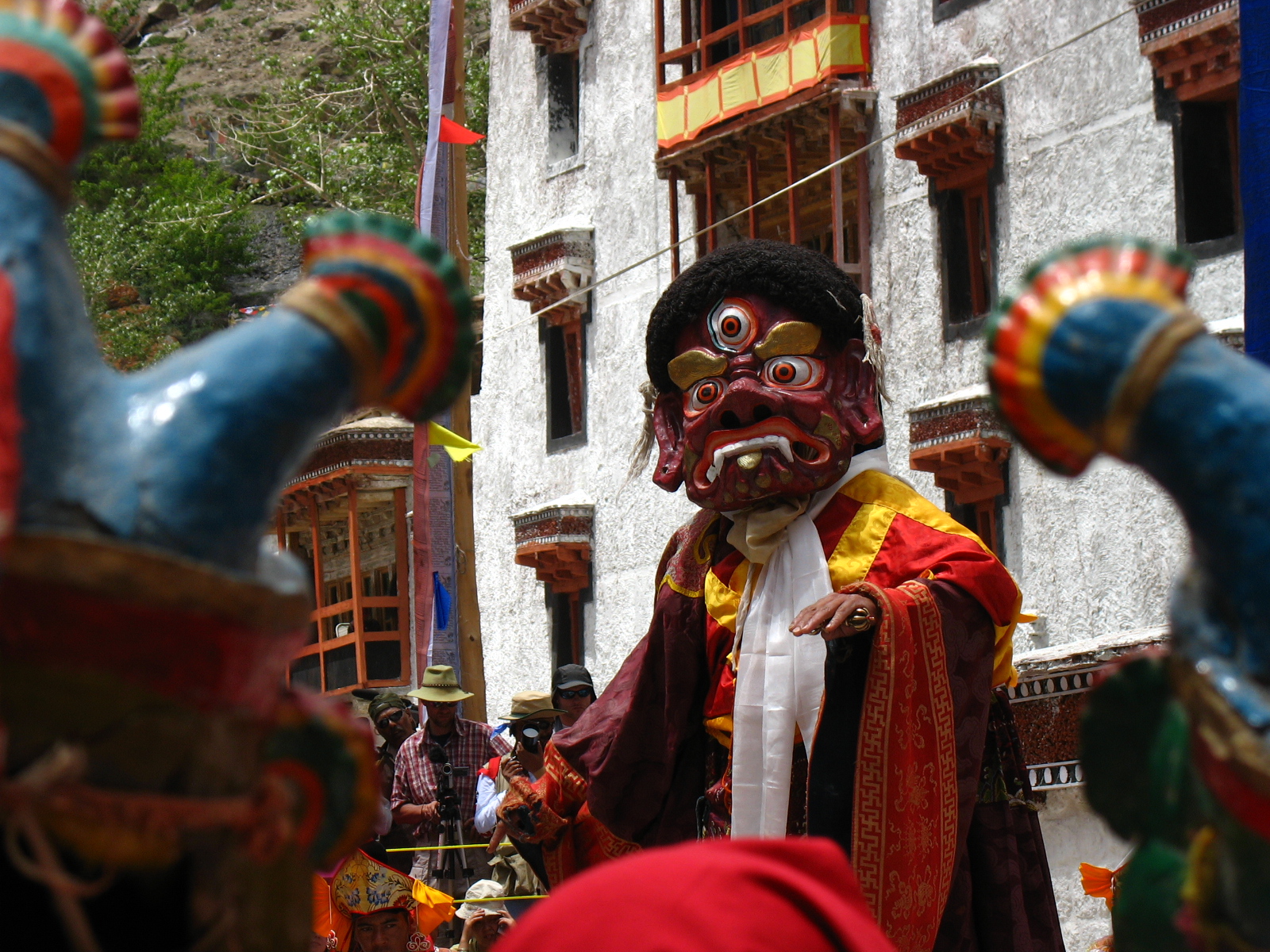
Monks performing traditional sacred dances during the Hemis Festival.Photo: MaryOfPrag · CC BY-SA 4.0
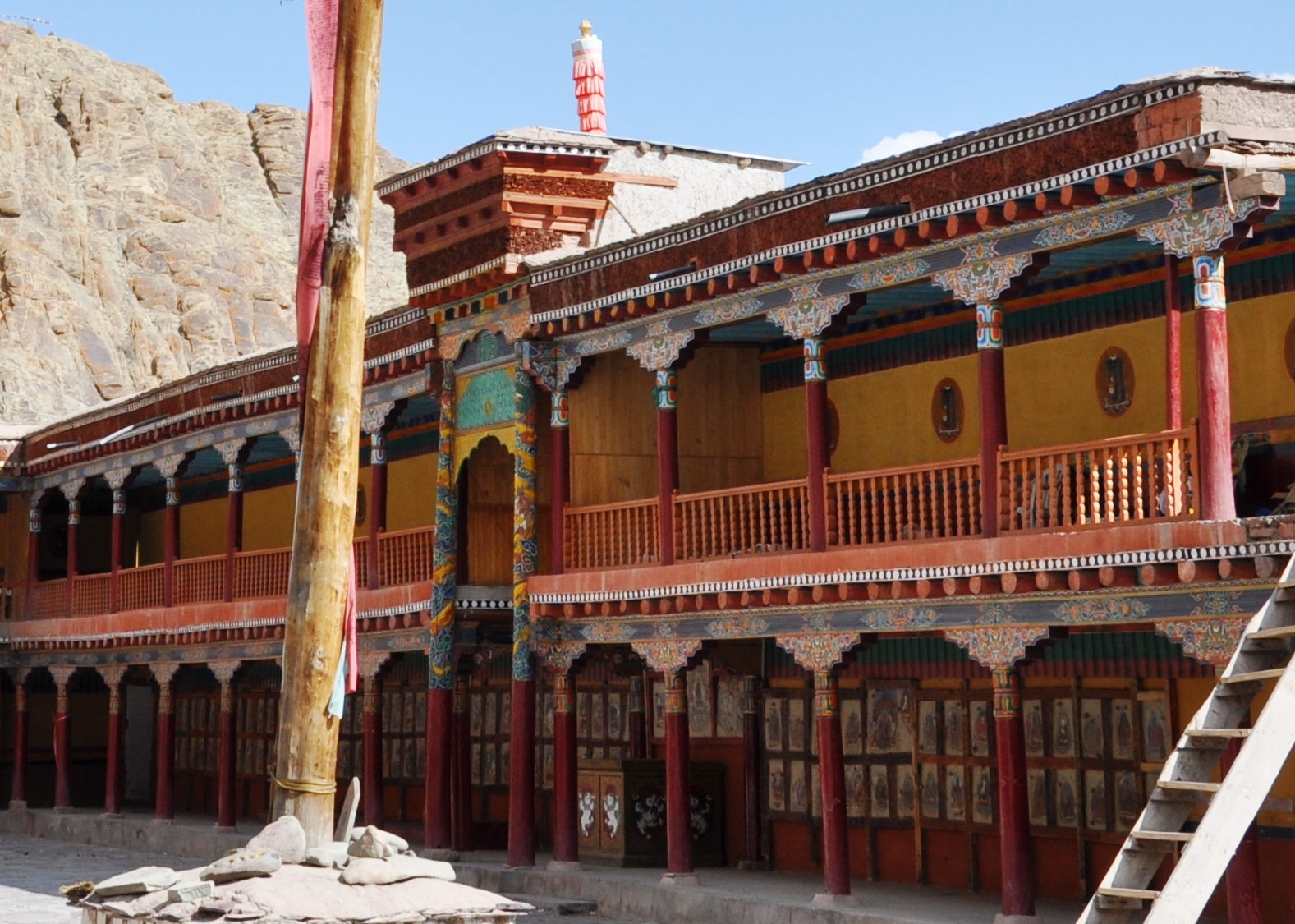
The sound of long copper horns reverberates off the stone cliffs long before you catch your first glimpse of the silk thangka unfurling down the monastery facade. Down in the courtyard, drums beat out a hypnotic, slow rhythm that vibrates straight through the soles of your boots. You are standing shoulder-to-shoulder with hundreds of pilgrims in traditional gonchas, watching lamas spin in intricate silk robes and terrifying demon masks.
Attending the Hemis Festival is easily one of the most powerful cultural experiences in the Himalayas, but it requires precise planning. Because the event falls during peak summer tourist season, hotel rooms in Leh vanish months in advance, transport gets heavily bottlenecked, and vantage points in the central courtyard fill up hours before the performances begin.
We coordinate dozens of bespoke trips around Hemis Tsechu every year. This guide breaks down how to secure your spot, what to expect from the daily schedule, and how to build a smooth, balanced itinerary around Ladakh's most celebrated summer gathering.
Why You Must Book Early for the Hemis Festival
If you wait until spring to start planning a hemis festival tour, you will find yourself locked out of the best accommodation options in Leh and the immediate Indus valley. The festival celebrates the birth anniversary of Guru Padmasambhava and draws thousands of visitors from across the globe, creating intense demand for a limited number of hotel beds.
Booking early does more than just secure a room; it locks in prime seating positions. While general courtyard seating is available on a first-come, first-served basis, having an experienced local operator means your party gets positioned where you can actually see the masked dancers without staring at the back of someone else's camera lens.
Flight prices follow the same steep upward curve as hotel inventory fills up. Securing your domestic connections and tour packages six to nine months ahead protects you from last-minute surge pricing and ensures your preferred dates are fully confirmed.
- High demand exhausts Leh hotel inventory months before summer
- Early booking secures optimal vantage points in the main monastery courtyard
- Flight prices surge significantly if left to the final weeks
- Advanced permit processing prevents last-minute administrative delays
Understanding the Festival Schedule and Key Highlights
The Hemis Festival runs for two days during the Tibetan lunar month, usually falling in late June or early July. The exact Hemis Tsechu dates shift slightly every year according to the lunar calendar, so you must verify the astrological calendar before booking your flights.
Day one is marked by the unfolding of a massive sacred thangka of Padmasambhava on the southern wall of the monastery compound, visible only for a brief window in the morning. This is followed by slow, meditative masked dances performed by monks who embody protective deities and spiritual guardians.
Day two features more energetic performances, acrobatics, and rituals symbolising the triumph of good over evil. Understanding this sequence helps you pace your energy, ensuring you are present for the most significant morning rituals rather than exhausting yourself standing in the midday sun.
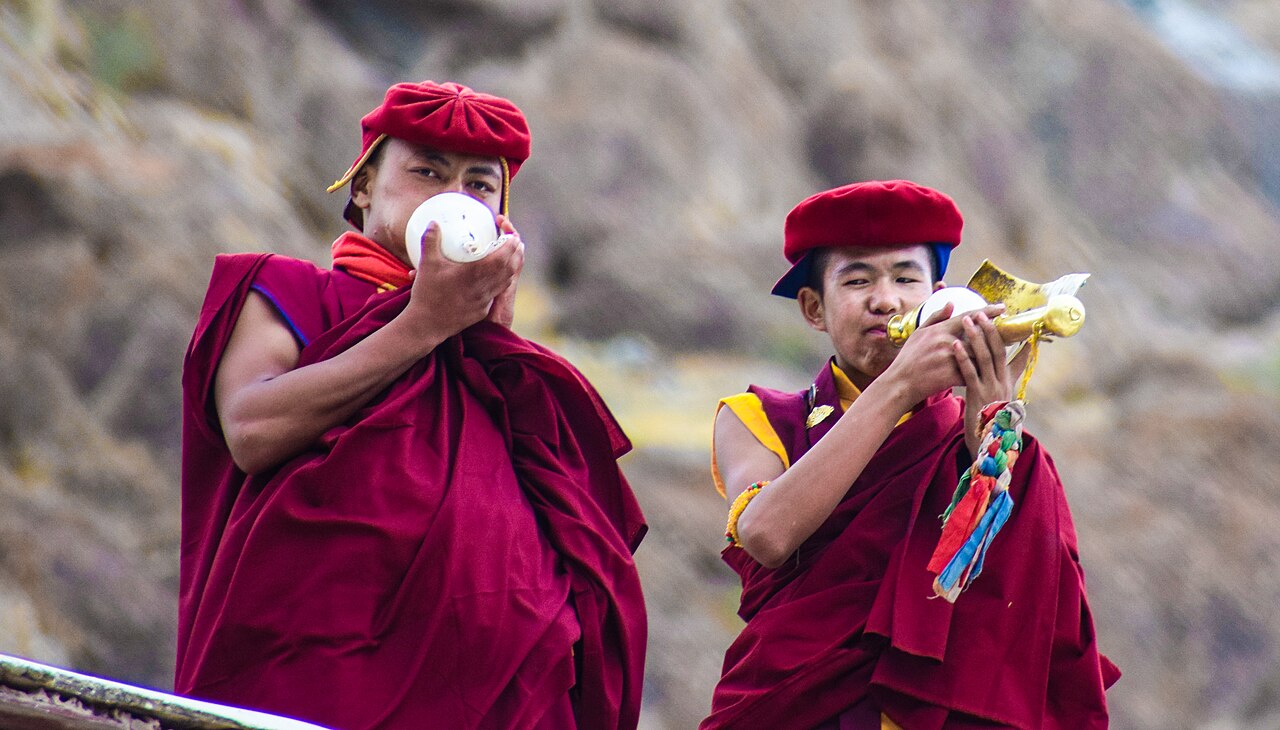
The sound of long copper horns reverberates off the stone cliffs long before you catch your first glimpse of the silk thangka unfurling down the monastery facade.
What is Included in Our Festival Tour Packages
Navigating the crowds at Hemis during festival days can be overwhelming if you are left to fend for yourself. Our comprehensive packages are engineered to eliminate every friction point, from the moment you land at the airport to your front-row seat in the courtyard.
Your package includes private chauffeured transport from Leh to Hemis Monastery and back, timed to avoid the worst of the highway traffic jams. We provide local cultural guides who translate the complex religious symbolism of the masked dances, explaining the backstory of each deity and protector deity portrayed by the lamas.
We also handle all entry donations, bottled water supplies, and reserved seating arrangements. You get to step past the general crowds into designated viewing zones, giving you clear lines of sight for photography and quiet contemplation.
Tips for Staying Comfortable During the Event
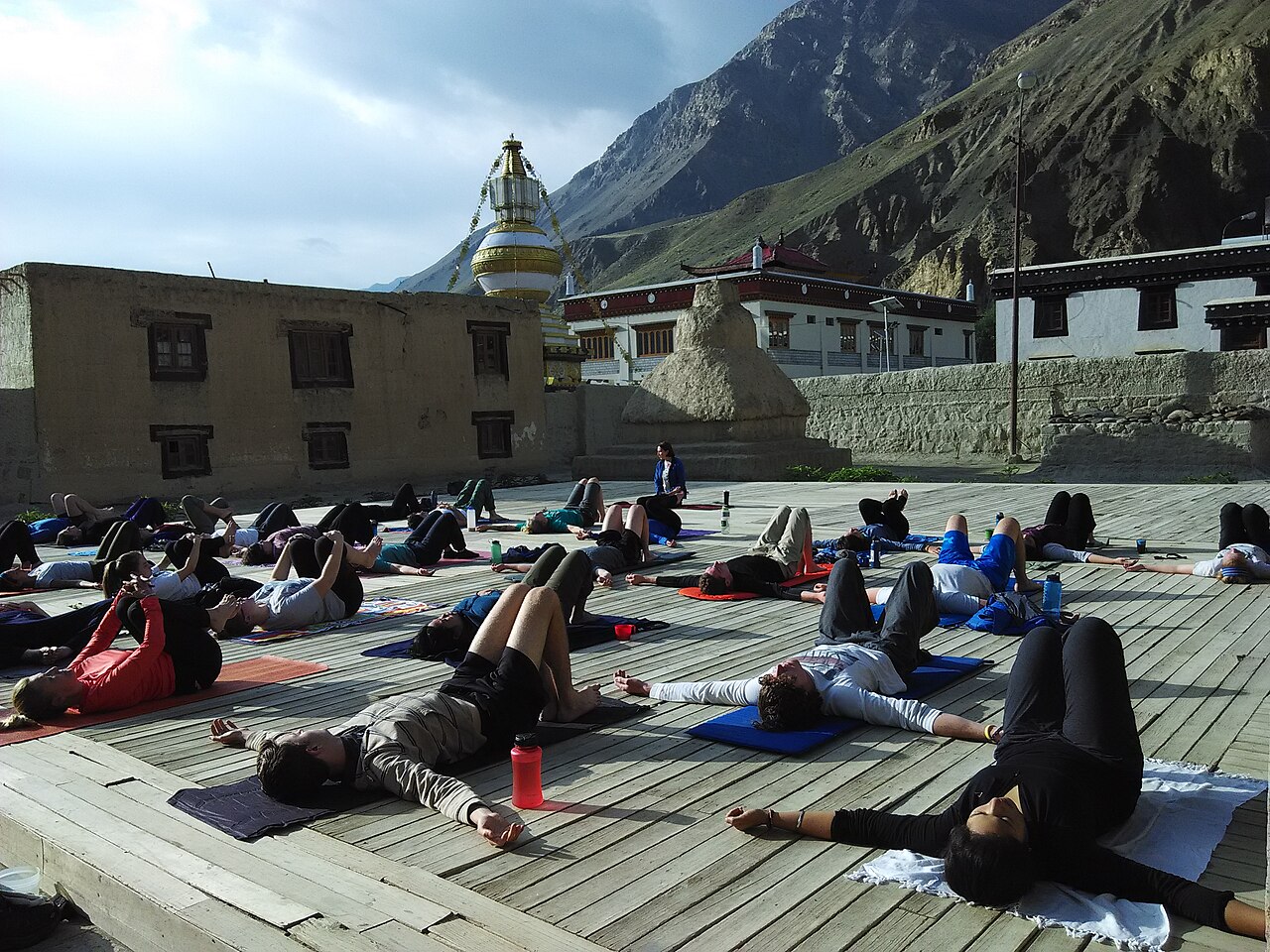
Spending six hours sitting on stone steps or standing in a packed courtyard at 3,500 metres takes a toll on your body if you are unprepared. The sun is deceptively fierce during the day, while mountain breezes can drop the temperature rapidly the moment a cloud crosses the sky.
Layering is your best defence against the elements. Wear breathable cotton or merino wool base layers topped with a windproof jacket, and never forget a wide-brimmed hat, polarized sunglasses, and high-SPF sunscreen. Hydration is equally critical; carry a refillable flask and drink continuously throughout the performances.
Pacing yourself is vital. You do not need to stand in the centre of the crowd for every single dance sequence. Our guides know quiet alcoves along the upper balconies where you can rest your legs, enjoy a packed lunch, and still watch the spectacle unfold below.
Planning Your Entire Ladakh Itinerary Around It
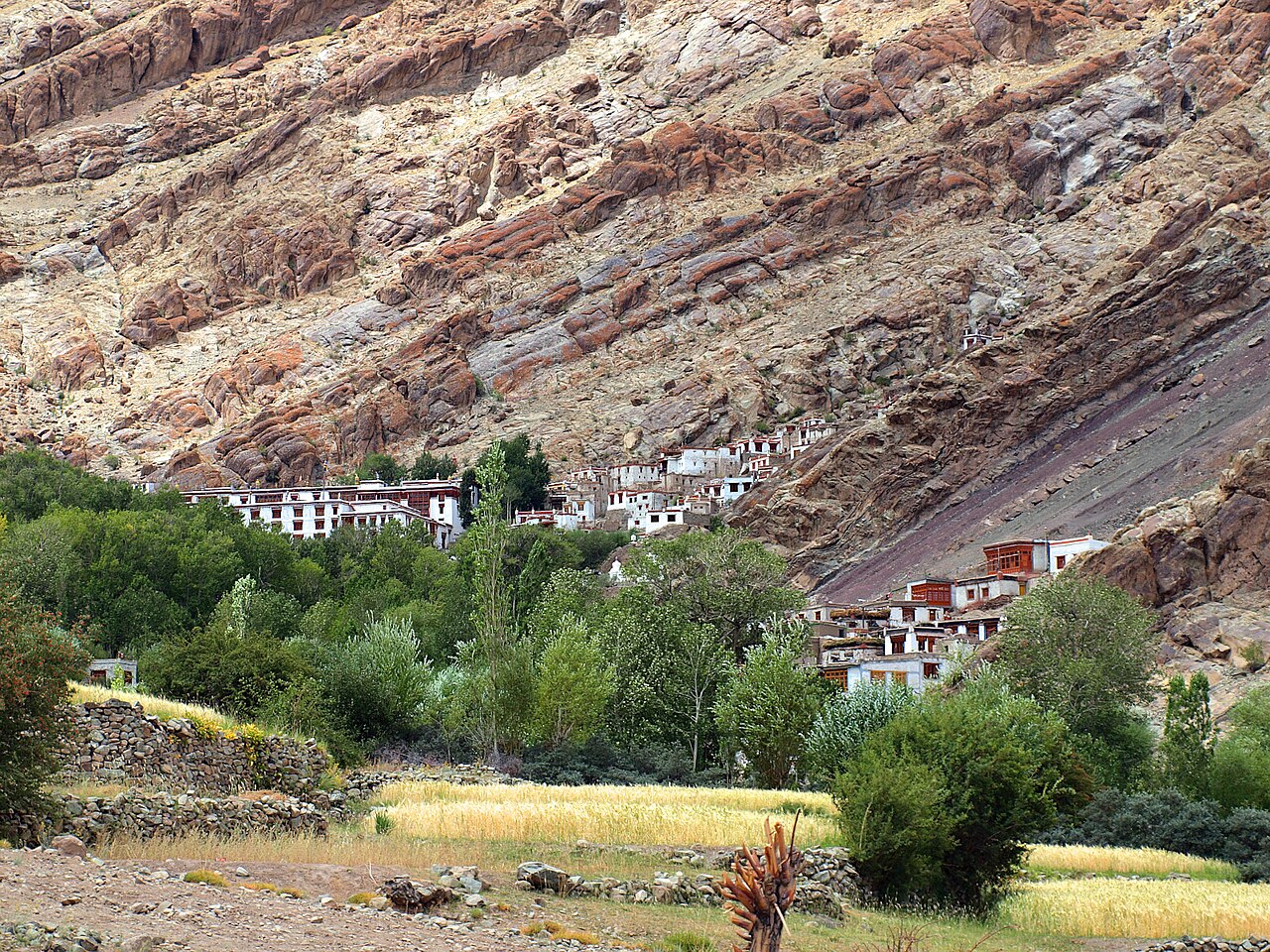
The festival should anchor your trip, but it should not be the only thing you do. A well-designed itinerary builds up to the festival days with gradual acclimatisation and exploration of quieter valley gompas like Thiksey and Spituk, allowing your body and mind to adjust.
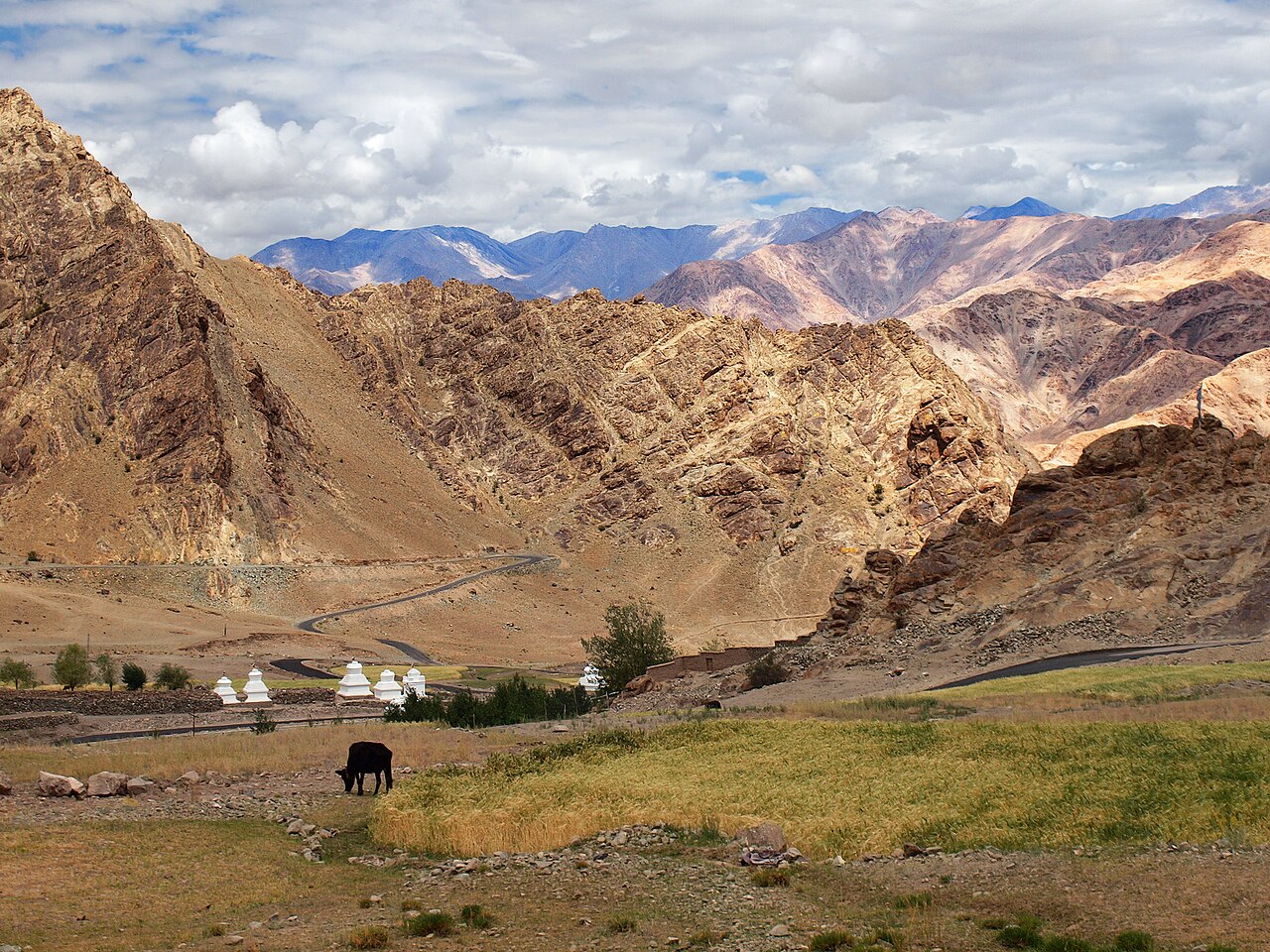
Once the two days of masked dances conclude, we route your journey outward toward Pangong Tso or Nubra Valley. This creates a natural narrative arc: you start with intense cultural immersion in the central valley, then transition into the sweeping silence of high-altitude desert lakes and mountain passes.
By letting us orchestrate the flow, you avoid the chaotic rush of tourists trying to enter and exit Hemis on the exact same morning, ensuring a smooth, memorable Himalayan holiday.
Before you book
Witnessing the drums, horns, and sacred dances of the Hemis Festival is a transformative travel memory that stays with you for a lifetime. Doing it right means leaving the complex coordination to people who know every corner of the valley.
Get in touch with our team in Srinagar and Leh today to reserve your spot for the upcoming festival season and start building your custom itinerary.
Secure Your Place at the Hemis Festival
Let our local experts design a seamless cultural tour with guaranteed accommodation, permits, and prime viewing spots.
Book Your Festival TourCaption for your own post
Drums, brass horns, and sacred masked dances. Experience the magic of the Hemis Festival with our expert local team.
Written by
Kashmir, Jammu & Ladakh specialists
We plan and run trips across Kashmir, Jammu and Ladakh every week of the year. Everything here comes from routes we drive, stays we inspect and questions our travellers actually ask.
Written by cultural tour leads who have guided travellers through numerous Hemis Tsechu celebrations across the Indus valley.
Quick answers
Questions we get asked
When does the Hemis Festival take place?
The festival falls on the 10th day of the Tibetan lunar month, usually in late June or early July. Exact dates change every year according to the lunar calendar.
How do I book tickets for the Hemis Festival?
There are no formal entry tickets sold online, but festival tour packages with reserved seating and transport must be booked well in advance through local operators.
What happens on the first day of the festival?
The primary highlight of day one is the rare unfurling of a giant sacred thangka of Guru Padmasambhava down the monastery wall, accompanied by morning prayers and masked dances.
Is photography allowed during the masked dances?
Yes, photography is permitted in most courtyard areas, but respect sacred indoor shrines where cameras are strictly prohibited. Always ask before photographing monks close up.
How far is Hemis Monastery from Leh?
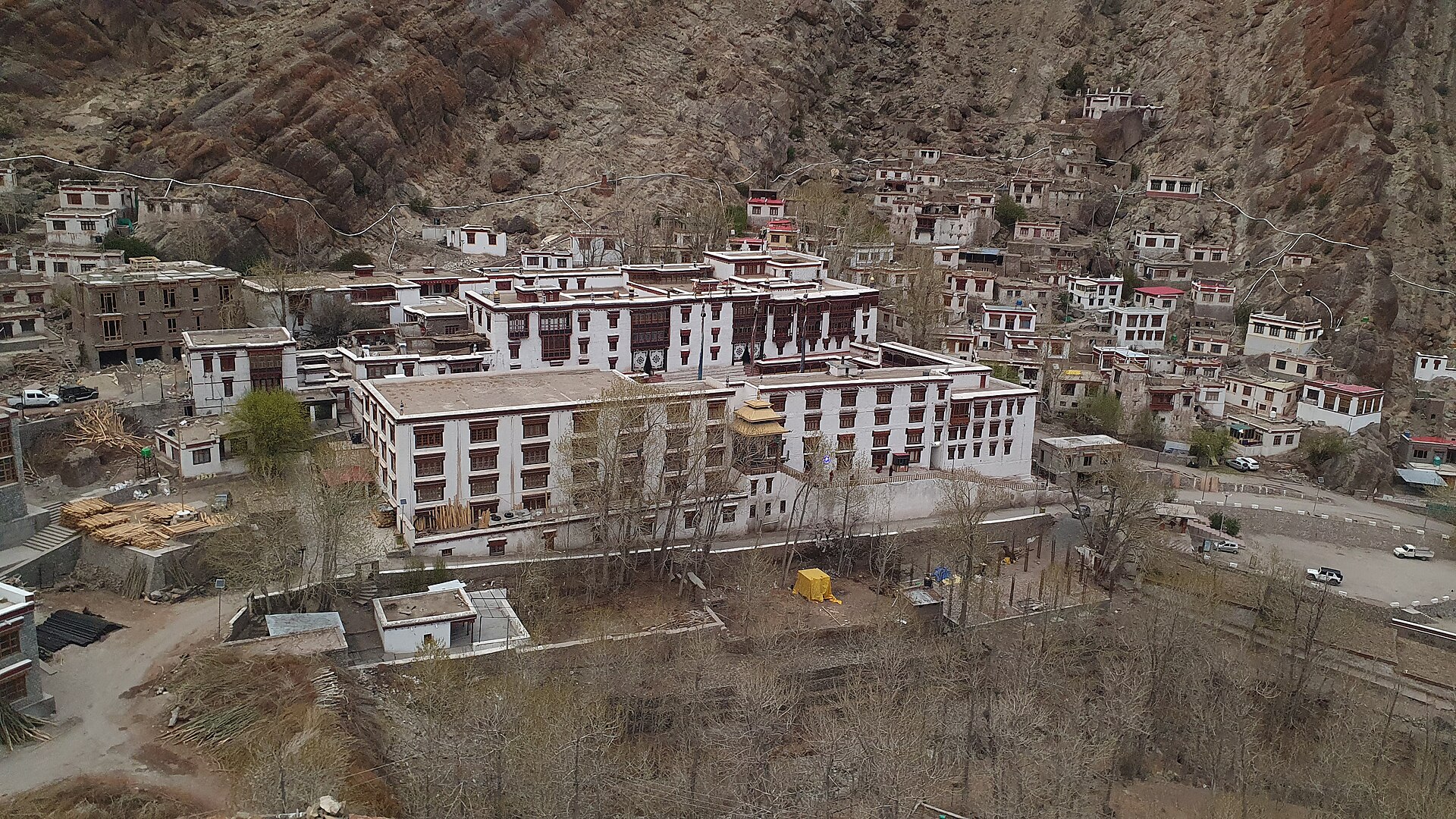
Hemis Monastery is located about 45 kilometres southeast of Leh, taking roughly an hour to an hour and a half by road depending on festival traffic.
Photography credits
- Photo: MaryOfPrag · CC BY-SA 4.0
- Photo: Stanzin1945 · CC BY-SA 4.0
- Photo: Rajani Gairshail · CC BY-SA 4.0
- Photo: Reflectionsbyprajakta · CC BY-SA 4.0
- Photo: Sumita Roy Dutta · CC BY-SA 4.0
- Photo: Stegop · CC BY-SA 4.0
- Photo: Stegop · CC BY-SA 4.0