Planning Your Jammu Pilgrimage: Recommended Duration
How many days for a balanced trip
Wondering about the days required for jammu pilgrimage? We look at how to structure your time between Shiv Khori, Vaishno Devi, and local sight-seeing.
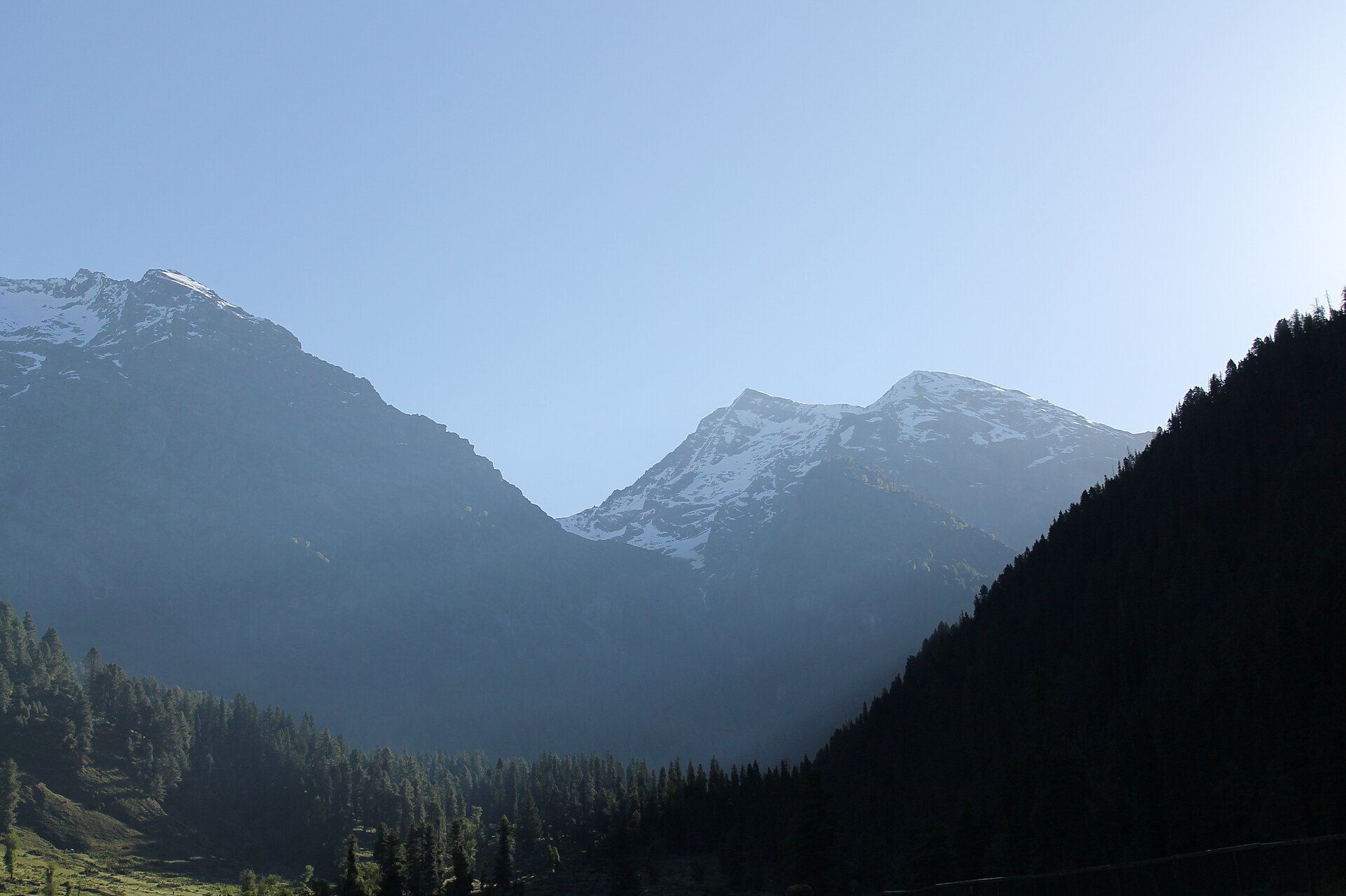
A well-planned itinerary allows you to appreciate the quiet mountain mornings.Photo: Sara Kothari · CC BY-SA 4.0
I have seen travelers try to cram everything into 24 hours, running from the bus station to the cave and back, leaving them exhausted and missing the stillness of the mountains. When you are looking at the days required for jammu pilgrimage, the math isn't just about travel time—it is about the physical demand and the need for reflection.
A well-structured itinerary ensures you see the main sites like the cave shrine and the temples around Jammu city without feeling like you are constantly in a transit queue. We find that a 3-day window is the sweet spot for a balanced, meaningful visit.
Designing a Balanced Jammu Itinerary
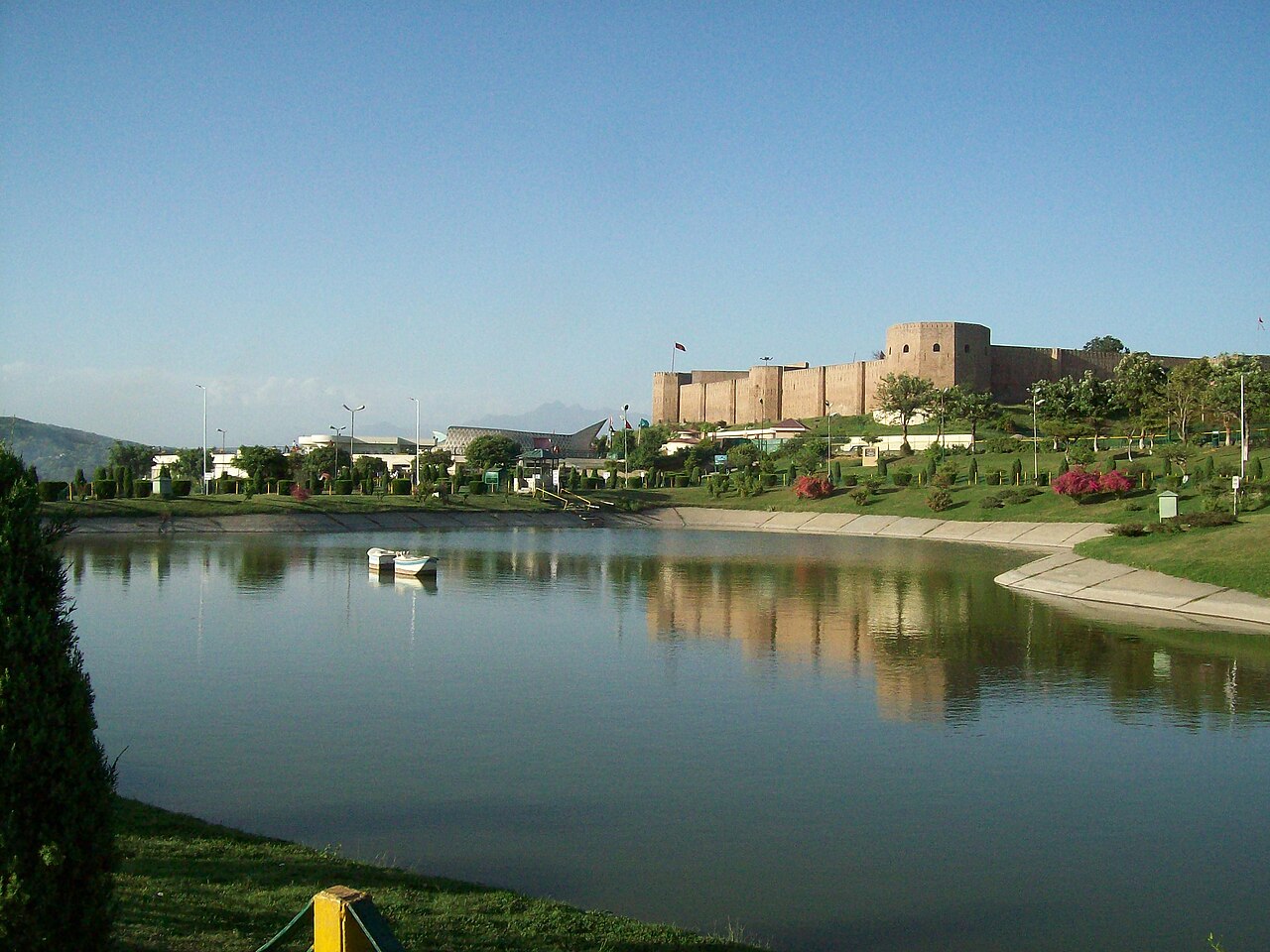
The best itineraries start by layering your intensity. Do not schedule back-to-back mountain treks. If you are doing the Shiv Khori trek, pair it with a low-intensity day in Jammu city to visit the Raghunath Temple or Bahu Fort. This alternating rhythm keeps your legs fresh and your mood high.
Your entry and exit points also matter. Whether you are arriving by flight into Jammu Airport or by train into the Katra station, use that as the anchor for your route. If you arrive early, start with the local city sites before heading toward the mountain shrines.
Why a 3-Day Trip is Optimal
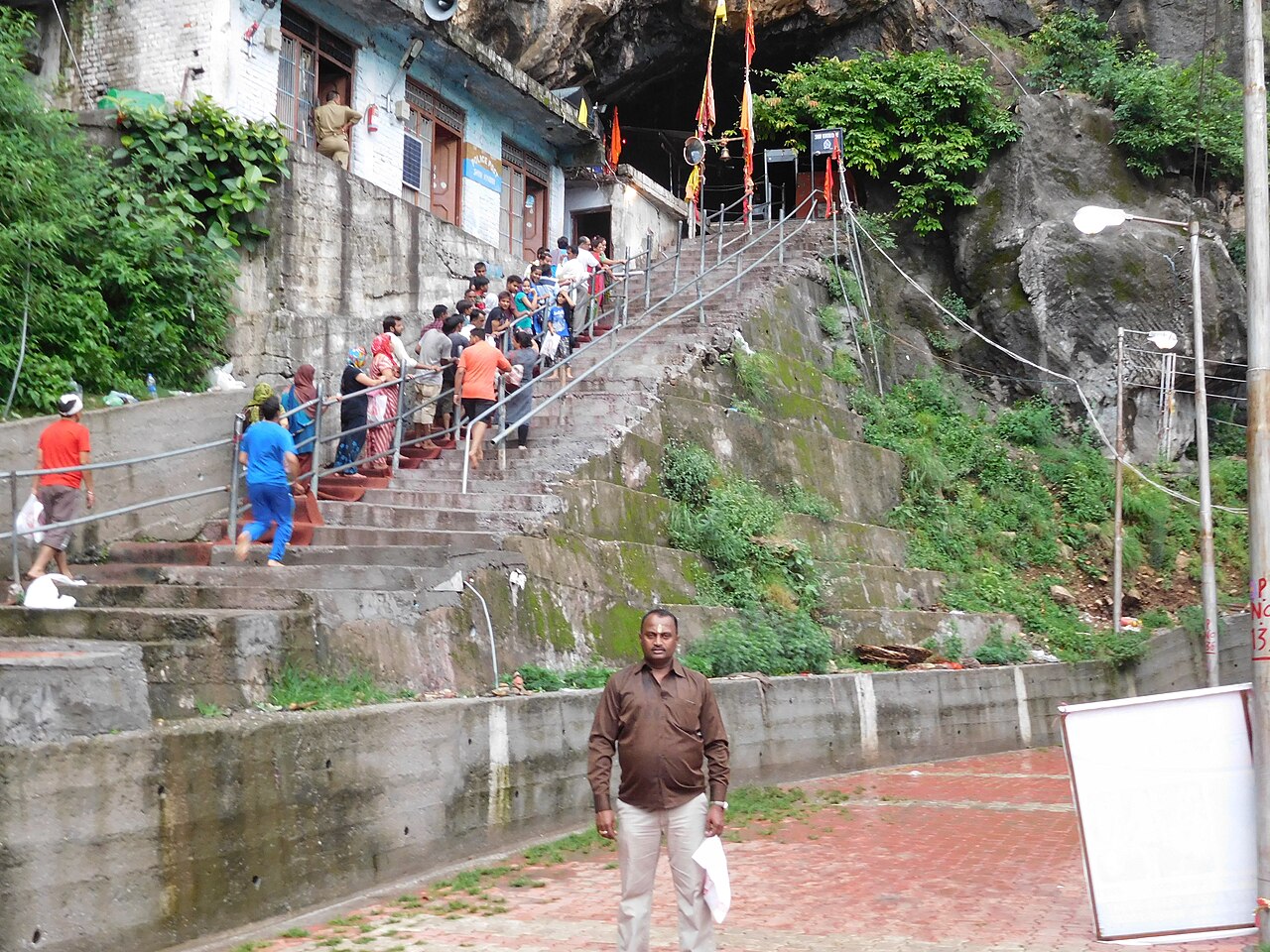
Three days gives you enough room to breathe. Day one can be arrival and exploring the local markets or the historic Bahu Fort. Day two is your trek to the Shiv Khori cave, starting early to beat the heat. Day three allows for a relaxed morning before you head to your next destination or return home.
When you force this into two days, you lose the opportunity to actually see the region. You become a passenger of your own schedule, constantly rushing to the next vehicle. Three days turns a stressful sprint into a pilgrimage.
Sample Itinerary: Combining Two Major Shrines
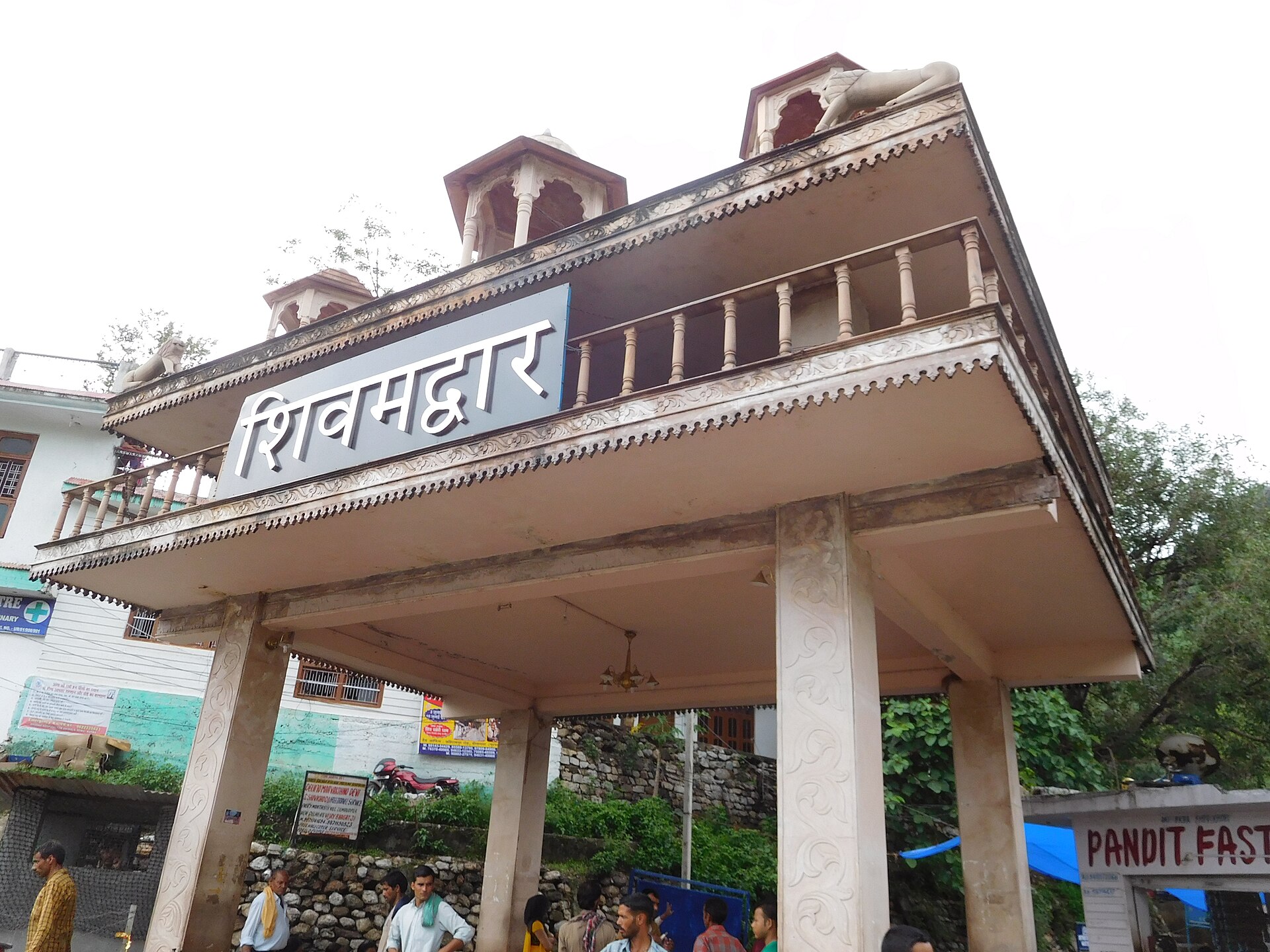
If you are looking to combine Vaishno Devi and Shiv Khori, you need at least four days. Start your first day with the journey to Katra. Devote your second day to the trek toward the Bhawan. Day three is travel to Ransoo, and day four is the Shiv Khori visit.
This sequence is tried and tested. It accounts for the physical toll of both climbs and allows you to use the transit time between Katra and Ransoo as a period to rest your body. Trying to do both in three days is technically possible but physically taxing for most people.
Factors Adding Days to Your Schedule
If you plan to travel during the monsoon, add an extra day. Road delays in the mountains are common, and you don't want a washed-out road to ruin your connection to your flight or train. Flexibility is the hallmark of a smart traveler.
Another factor is your group composition. If you are traveling with elderly parents or young children, you must slow the pace down significantly. Add at least one buffer day to handle the inevitable slow starts and the need for more frequent breaks during the trekking portions of your pilgrimage.
Allocating Time for Rest and Reflection
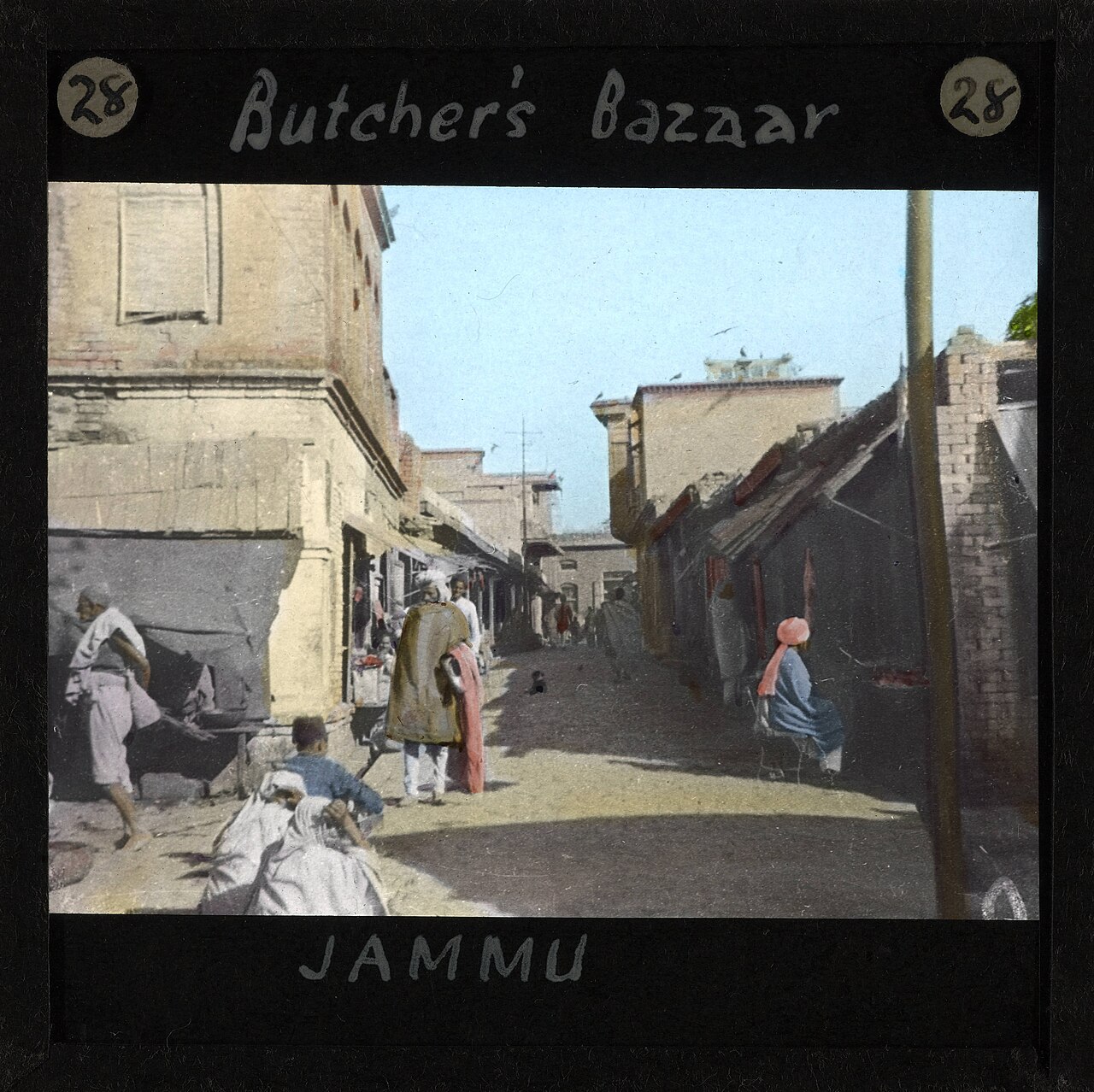
Don't overlook the value of just sitting in the mountain air. Many people spend their whole trip looking through a camera lens or checking their watch. Build in a few hours of 'dead' time—time where you have no appointment, no transport, and no plan.
This is when the actual experience sinks in. Whether it is a quiet hour at the Raghunath Temple or a morning spent observing the valley from your hotel balcony, these moments of stillness are what you will actually remember when you look back at your photos years later.
Before you book
The beauty of a pilgrimage is not in the distance covered or the number of shrines checked off a list, but in the quality of the journey itself. When you plan a realistic duration, you transform the trip from a series of transit connections into an experience you can actually appreciate.
If you would like us to help structure your dates or coordinate the transport between these sites, please get in touch. Our team at Skywale Packages specializes in creating balanced itineraries that respect both your time and your physical comfort.
Ready to design your Jammu itinerary?
Contact us today, and let's build a balanced, stress-free travel plan together.
Get Help With PlanningWritten by
Kashmir, Jammu & Ladakh specialists
We plan and run trips across Kashmir, Jammu and Ladakh every week of the year. Everything here comes from routes we drive, stays we inspect and questions our travellers actually ask.
Quick answers
Questions we get asked
How many days are recommended for a Jammu pilgrimage?
A minimum of 3 days is recommended to balance the physical demands of trekking with the opportunity to explore local sites like Raghunath Temple.
Can I visit both Vaishno Devi and Shiv Khori in one trip?
Yes, but it requires at least 4 days to allow for physical recovery between the two significant treks.
What happens if there are road delays during the monsoon?
Mountain travel can be prone to delays due to weather. Always include a buffer day in your itinerary to prevent missing transport connections.
Is travel with children or elderly different?
Yes, it is essential to build in extra time, slower transit, and more frequent rest periods to accommodate varying physical needs.
How should I structure my sightseeing?
Alternate your high-intensity mountain treks with lower-energy days visiting urban heritage sites like Bahu Fort or local markets.
Photography credits
- Photo: Sara Kothari · CC BY-SA 4.0
- Photo: Itzseoprasoon · CC BY-SA 4.0
- Photo: Ms Sarah Welch · CC BY-SA 4.0
- Photo: Tejan gupta · CC BY-SA 4.0
- Photo: Shail112 · CC BY-SA 4.0
- Photo: Unknown author Unknown author · Public domain
- Photo: Itzseoprasoon · CC BY-SA 4.0