Ladakh Travel Logistics: Tours and Transport for Remote Monasteries
Navigating the high-altitude terrain and booking your journey to places like Hemis
Planning a trip to Ladakh? We explain the reality of regional transport, how to reach remote sites like Hemis Monastery, and the truth about helicopter travel.
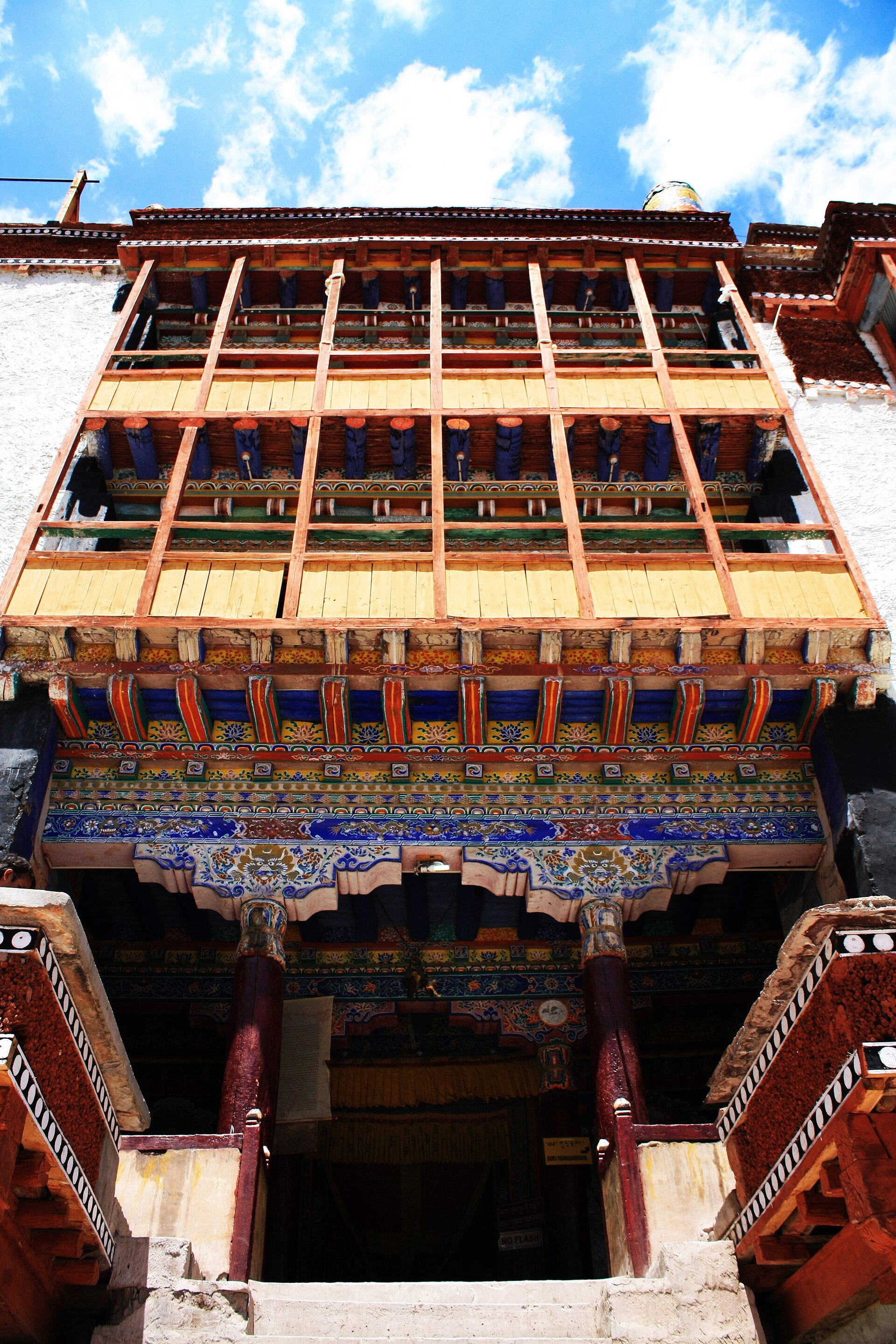
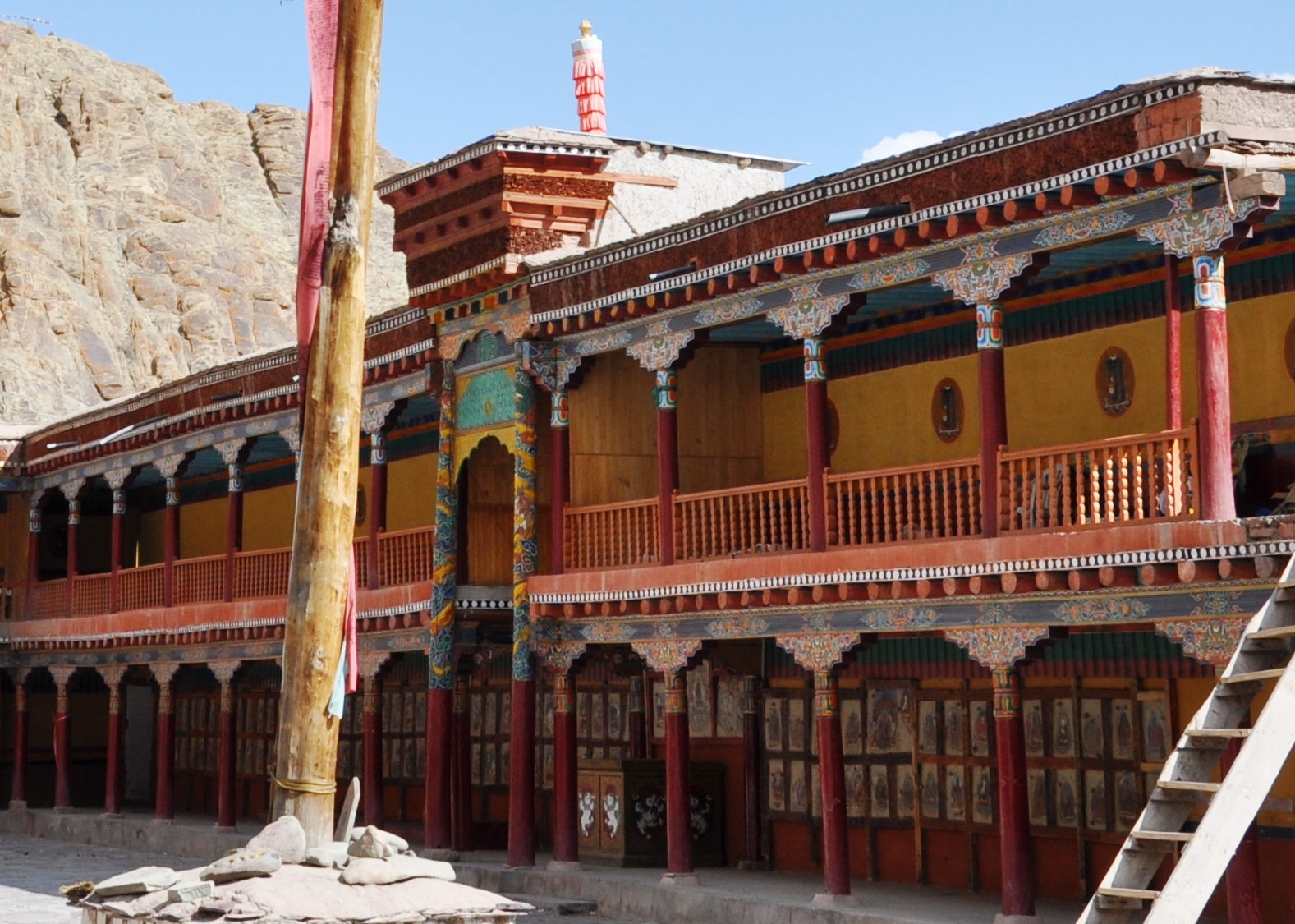
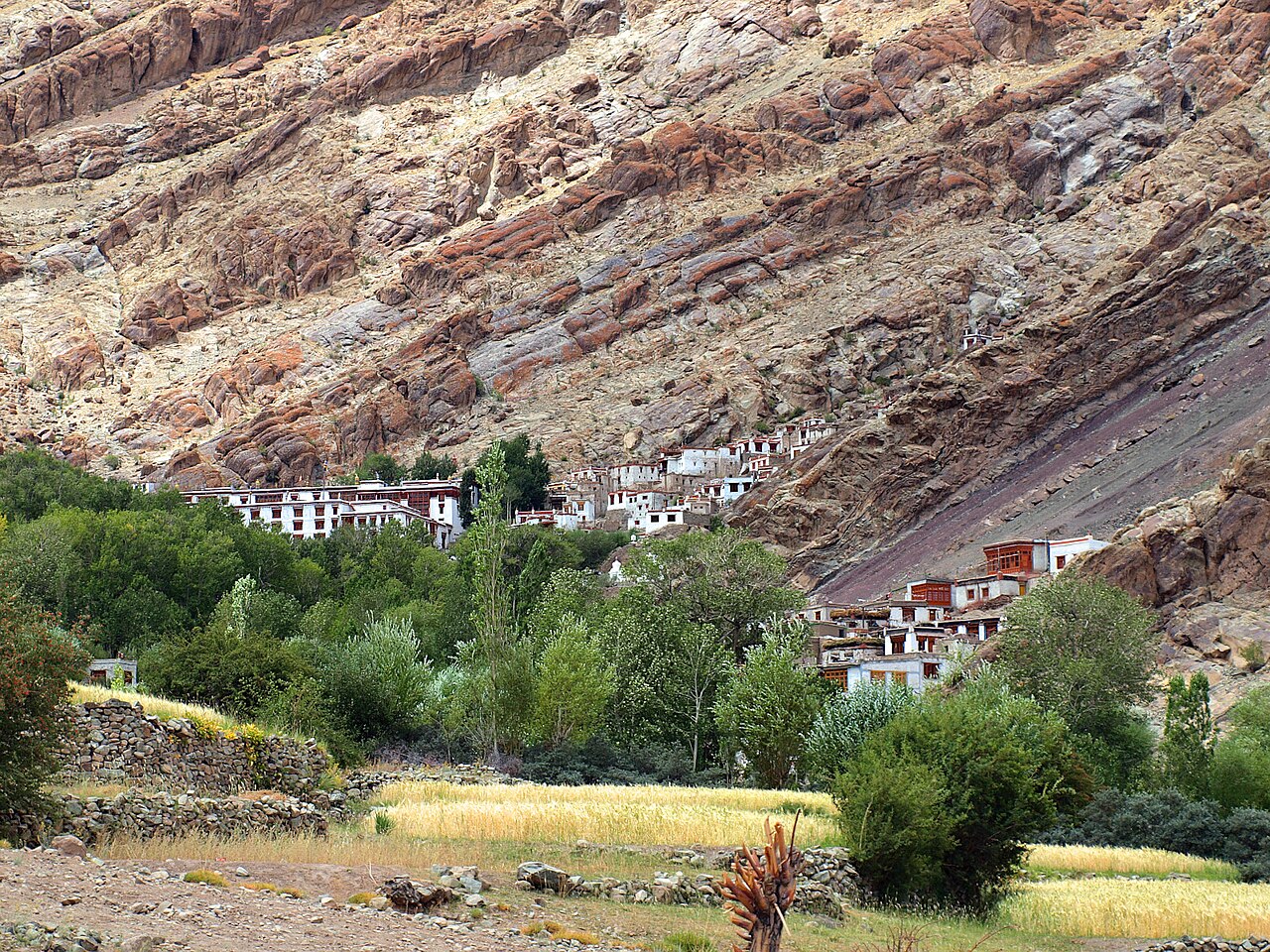
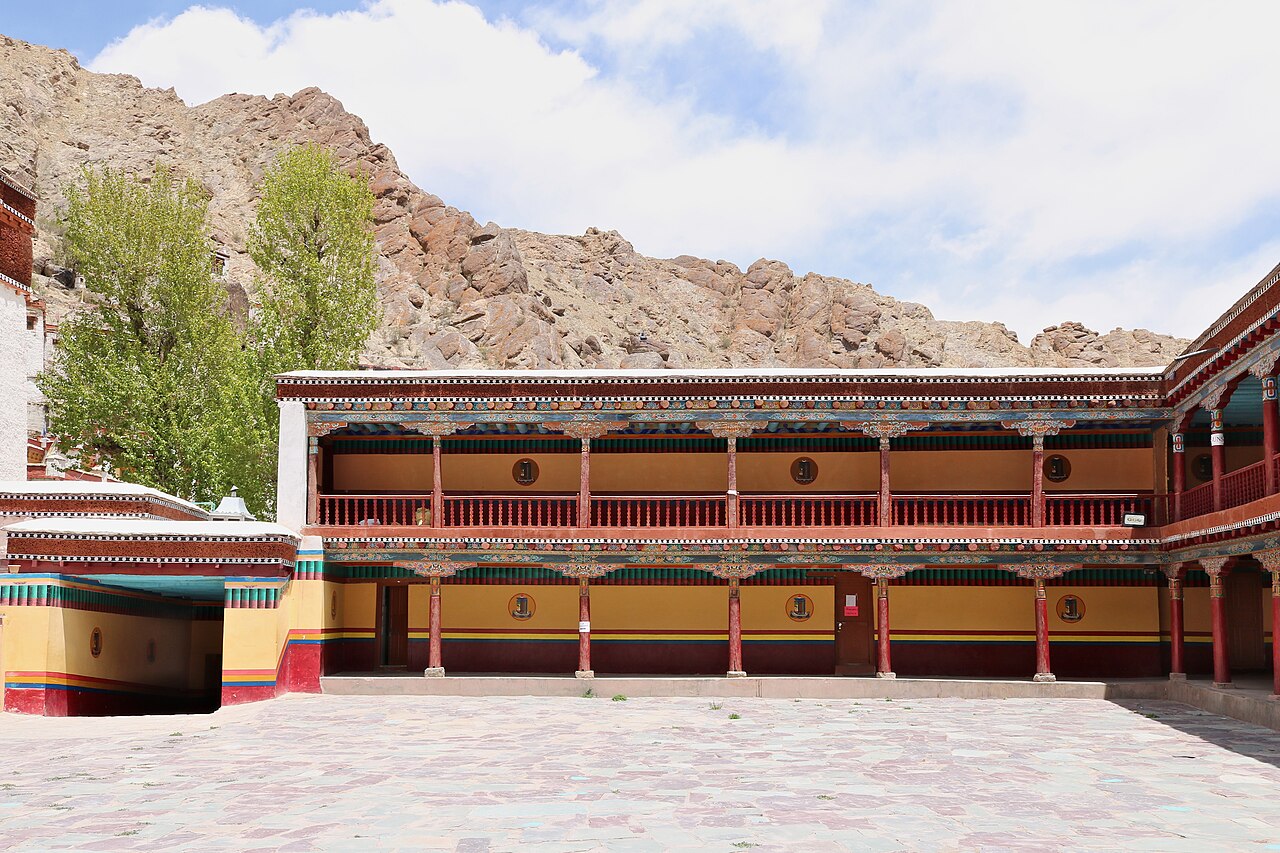
Hemis Monastery is one of the most significant spiritual sites in the region.Photo: Mufaddal Abdul Hussain · CC BY-SA 3.0
I remember my first time driving from Leh to Hemis Monastery; the engine sputtered as the incline sharpened, and I realised then that this landscape doesn't care about your schedule. It is a place that demands preparation, patience, and a reliable plan before you even touch down.
Many travellers ask if they can bypass the rugged mountain roads with ladakh helicopter tours. While the military and emergency services operate in these skies, reliable commercial helicopter services for sightseeing are non-existent. You are here for the journey across the high desert, not a quick flight over it.
Understanding Current Transport Options
Most visitors start their journey in Leh. From there, you are looking at hiring private taxis or joining small group transfers to reach major sites like Hemis or Thiksey Monastery. Private taxis remain the most flexible way to navigate the region, allowing you to stop for photos or manage altitude acclimatisation at your own pace.
Public buses exist but are infrequent and often crowded. If you have only a few days, do not rely on them. Rental cars or motorcycles are options only if you are an experienced high-altitude driver. The roads are narrow, winding, and prone to unpredictable weather changes even in the height of summer.
The Reality of Helicopter Travel in Ladakh
Let’s be clear: you cannot reach Mount Kailash or any remote monastery by helicopter. Commercial charters are not available for tourism, and the high-altitude conditions make non-essential flights extremely dangerous. The airspace is heavily controlled and prioritized for logistical and emergency needs.
If you see advertisements claiming otherwise, be very wary. Travelling in Ladakh requires respecting the geography. The beauty of places like Pangong Tso is earned through the hours spent on the road, watching the scenery shift from barren rock to deep blue water.
How Guided Tours Simplify Your Logistics
Ladakh tour planning is best left to those who navigate these roads daily. We arrange vehicles that are serviced for high-altitude performance, and our drivers know how to handle the sudden gravel stretches or temporary blockages. You won't have to worry about permits for inner-line areas or finding fuel in remote mountain outposts.
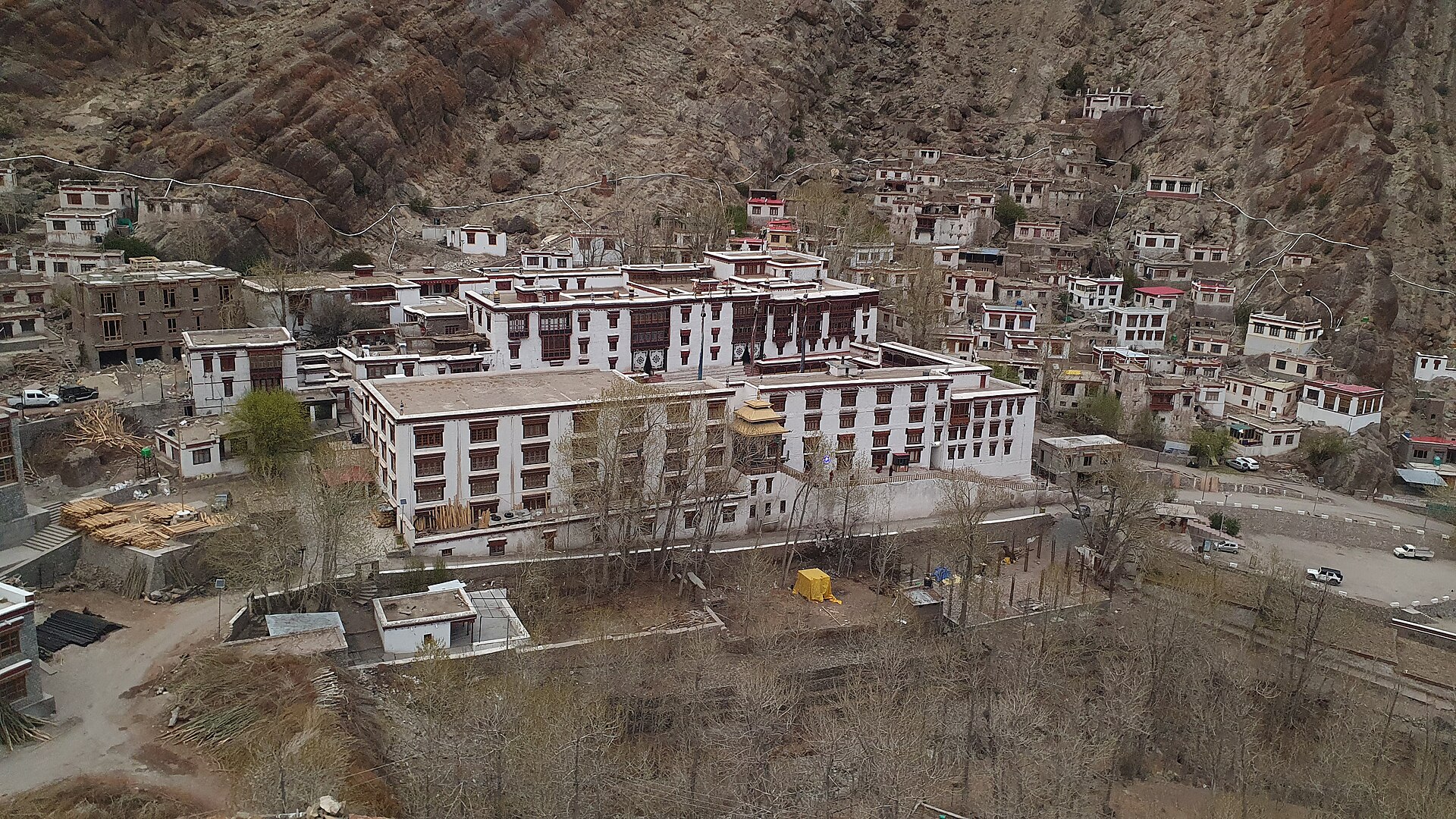
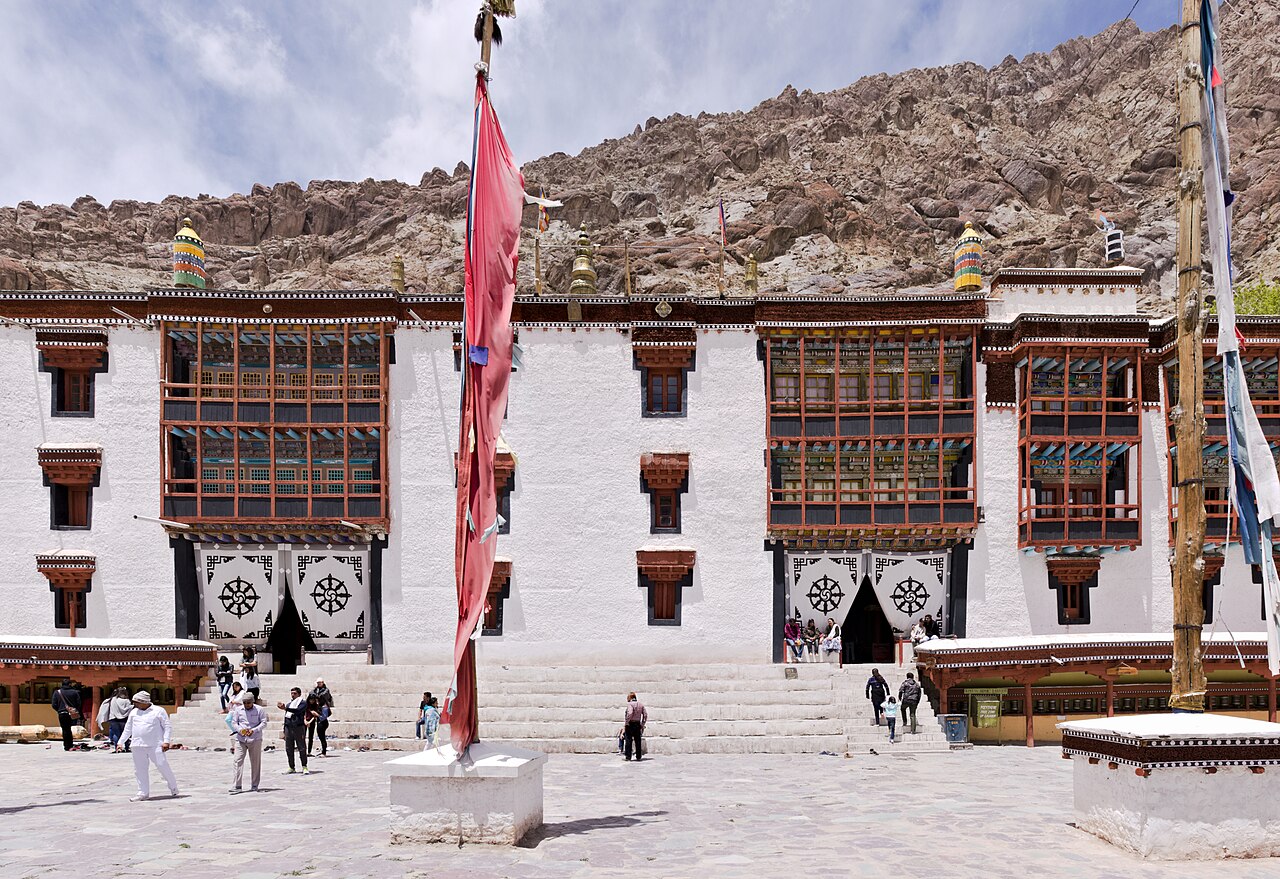
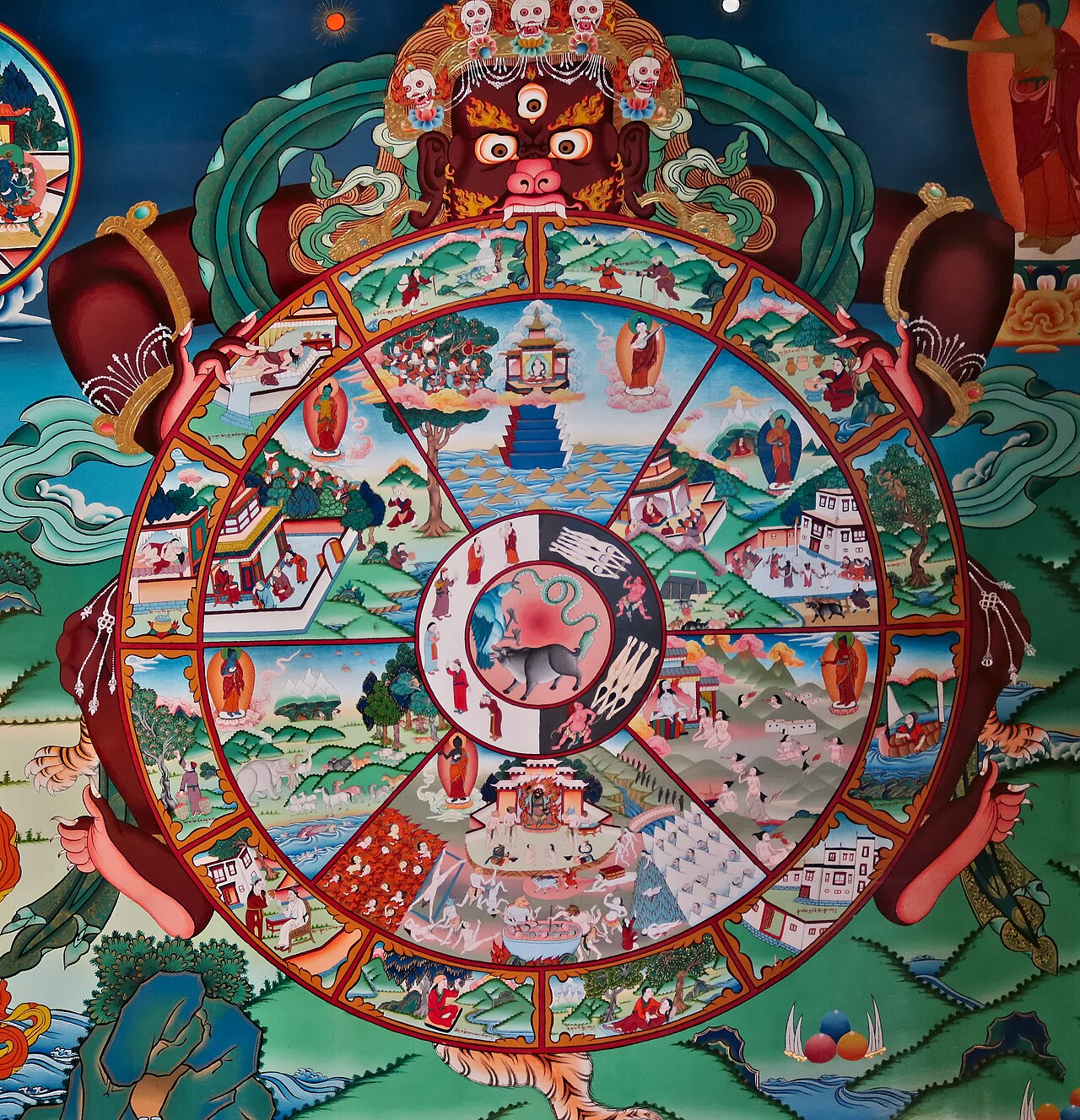
A professional guide adds context to your visit. When you walk into the prayer hall at Hemis, you want someone to explain the significance of the murals and the history of the Drukpa Lineage. It turns a simple sightseeing stop into a meaningful cultural encounter.
Accessing Remote Monasteries Safely
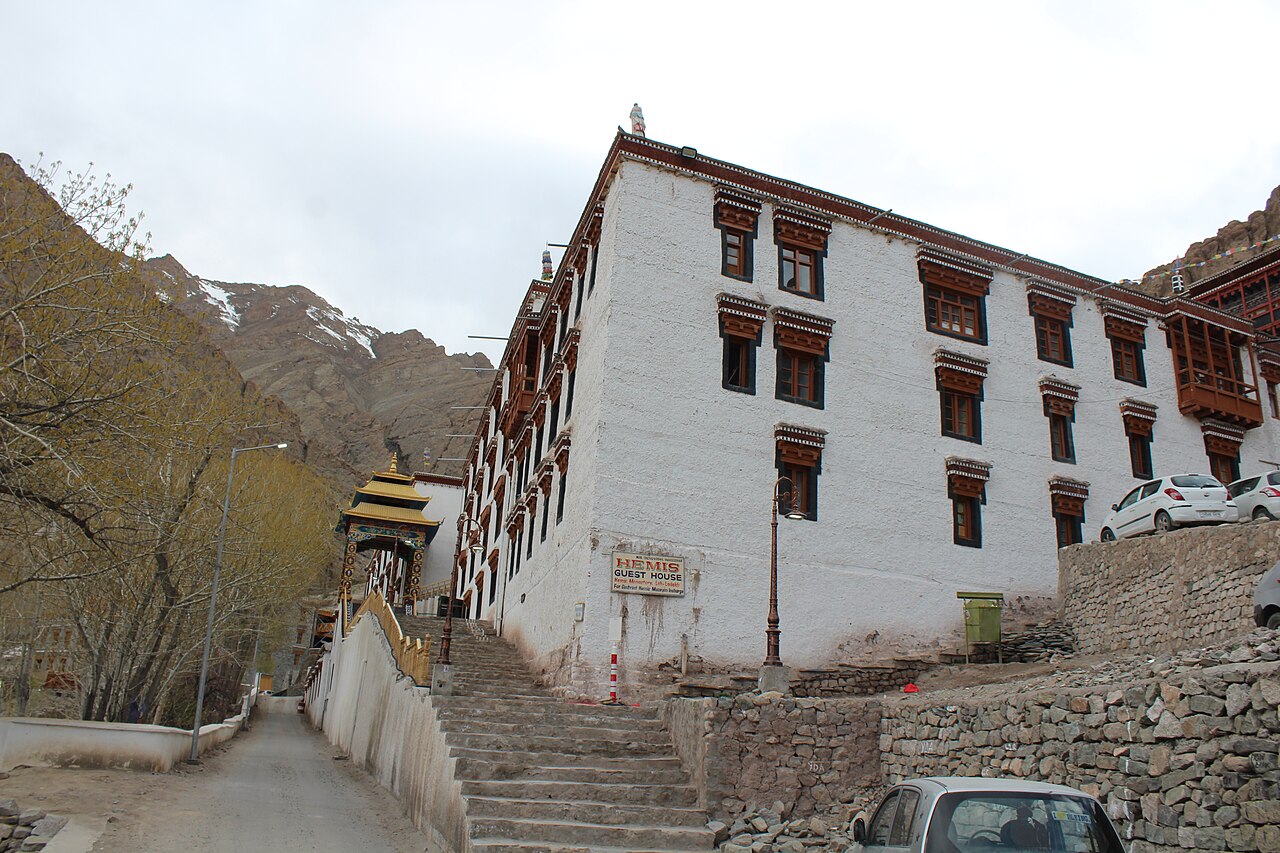
To visit a monastery like Hemis, plan for at least a full day. Start early—around 8:00 AM—to avoid the midday sun and the influx of other vehicles. The road involves steep climbs, and it’s common to see local monks walking the same route you are driving.
Wear layers. Even if the sun is bright at 10:00 AM, the temperature inside the stone walls of the monastery will be significantly cooler. Drink more water than you think you need, and don't push your body on the first two days after arriving in Leh.
Booking Your Stress-Free Vacation
The most successful trips we organize are the ones that balance structured transport with enough downtime for exploration. We book everything from your airport pickup to the permits required for the mountain passes. This way, you spend your energy soaking in the views rather than haggling with taxi drivers or searching for last-minute hotel rooms.
If you are ready to start planning, reach out. We can help you build an itinerary that covers the essentials without rushing your experience.
Before you book
Ladakh is not a place you visit to check off a list. It is a place you enter with an open mind and a slow pace. Whether you are aiming for the quiet corners of a monastery or the vast stillness of a high-altitude lake, the logistics should be the last thing on your mind.
If you have questions about which routes are open or need help stringing your days together, let us know. We are always here to help you refine your plans.
Let's plan your Ladakh journey
Drop us a line and let's discuss your dates, preferred style of travel, and the sights you don't want to miss.
Contact UsWritten by
Kashmir, Jammu & Ladakh specialists
We plan and run trips across Kashmir, Jammu and Ladakh every week of the year. Everything here comes from routes we drive, stays we inspect and questions our travellers actually ask.
Quick answers
Questions we get asked
Can I reach remote monasteries like Hemis by helicopter?
No. There are no commercial helicopter tours available for tourists. All transport between sites is conducted via road using local taxis or pre-booked tour vehicles.
Is it better to rent a car or hire a driver in Ladakh?
Hiring a local driver is significantly safer and more convenient. They know the terrain, the condition of the mountain passes, and how to manage the altitude, which is essential for a stress-free trip.
How long does it take to get from Leh to Hemis Monastery?
It usually takes about 1.5 to 2 hours by car, depending on traffic and the number of stops you make along the way. It is a perfect half-day trip from Leh.
Do I need permits to visit monasteries?
While entry to monasteries is simple, travel to certain border areas like Pangong Tso or Nubra Valley requires an Inner Line Permit. We handle all these documents when you book with us.
What is the best way to avoid altitude sickness?
Hydration is key. Spend your first two days resting in Leh, avoid strenuous activity, and consult your doctor about preventative medication if you are prone to altitude issues.
Photography credits
- Photo: Mufaddal Abdul Hussain · CC BY-SA 3.0
- Photo: Stanzin1945 · CC BY-SA 4.0
- Photo: Stegop · CC BY-SA 4.0
- Photo: Kmohankar · CC BY-SA 4.0
- Photo: Ingo Mehling · CC BY-SA 3.0
- Photo: Ingo Mehling · CC BY-SA 3.0
- Photo: Ingo Mehling · CC BY-SA 3.0