Is Post-Pandemic Kashmir Tourism Back to Normal?
A local guide to current travel conditions across the valley and beyond.
Wondering if it's the right time to visit? Here is a realistic look at post-pandemic Kashmir tourism and what you should expect on the ground.
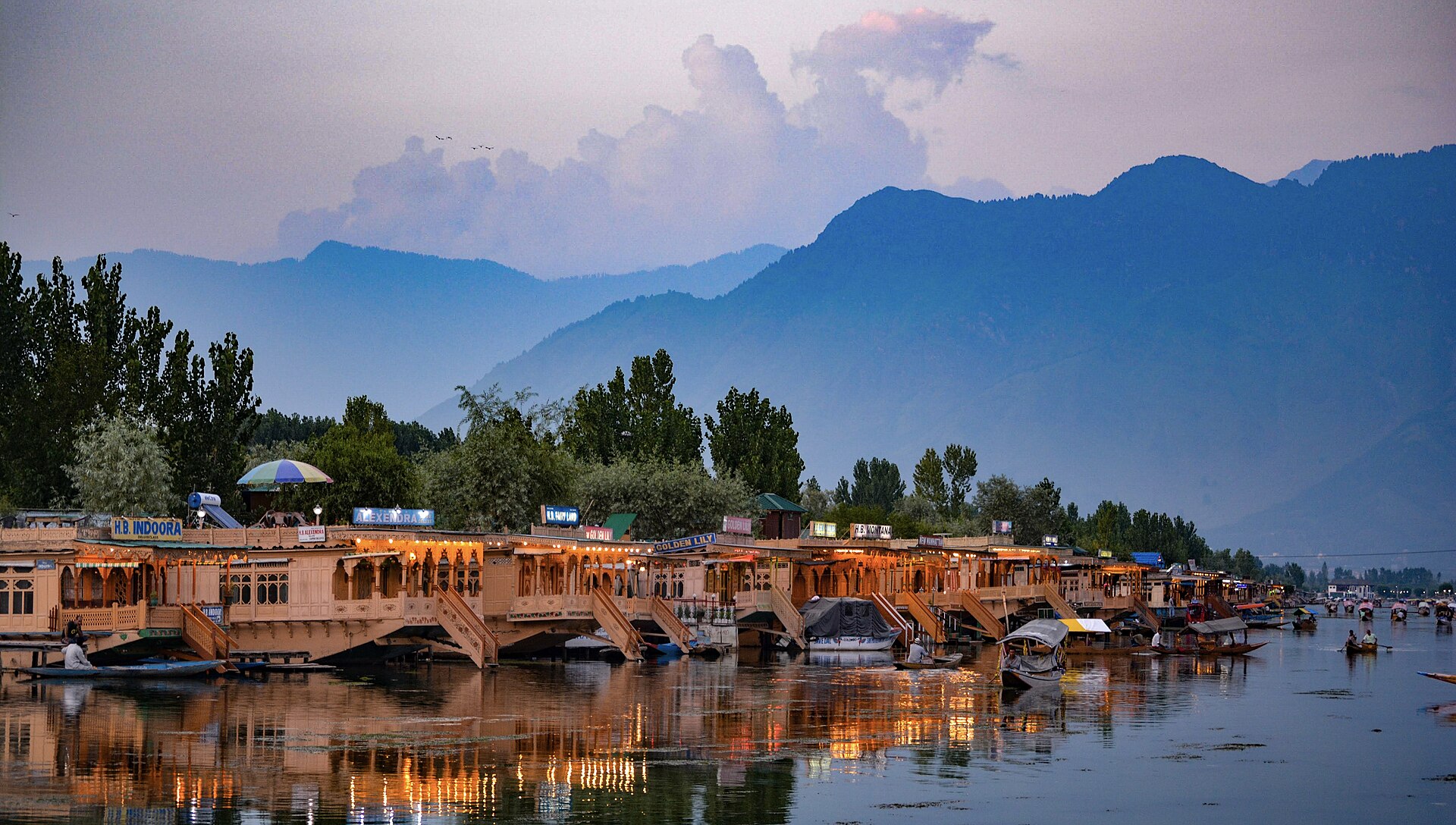
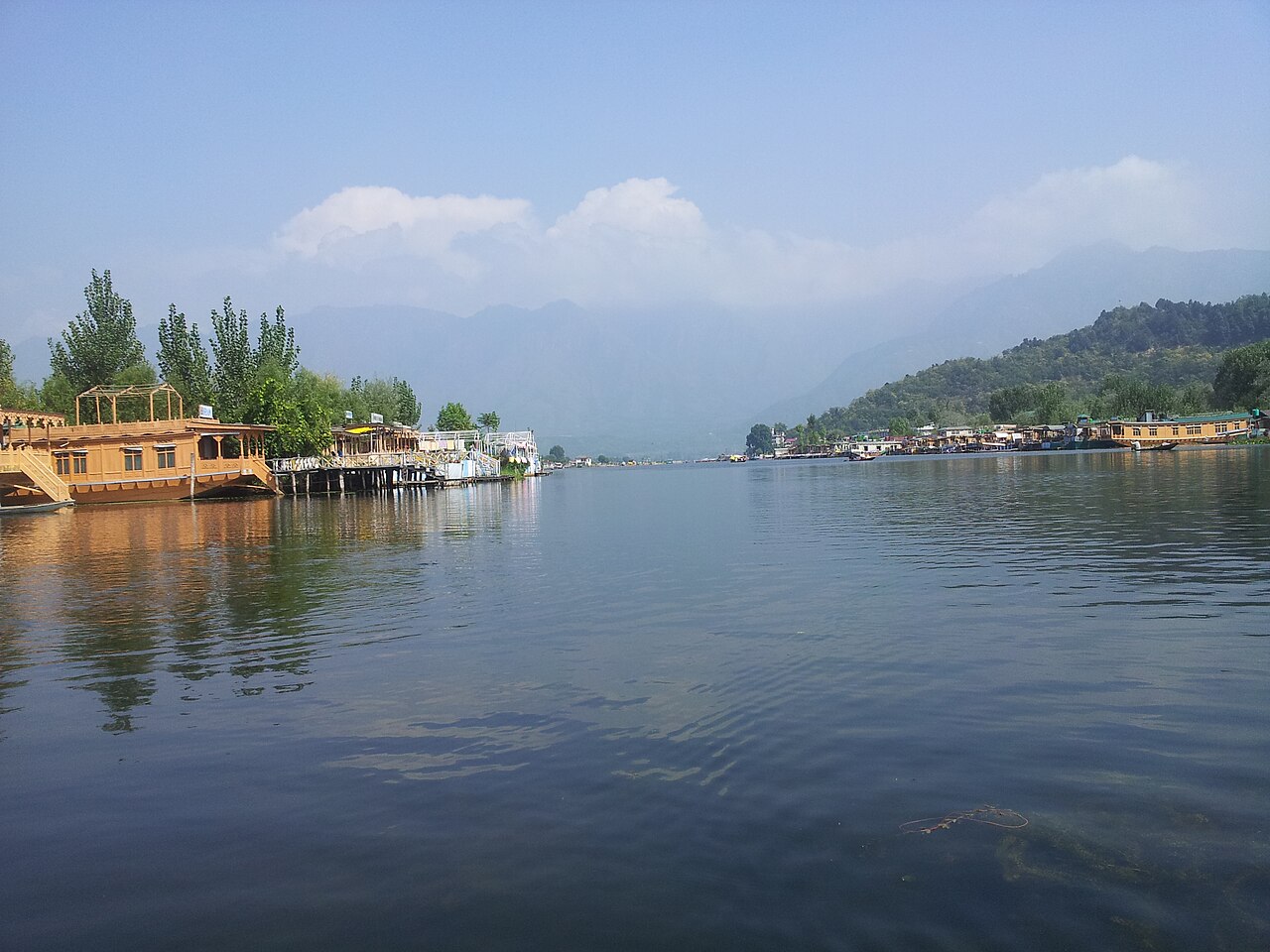
The serene morning atmosphere at Dal Lake remains the highlight of any visit.Photo: Steve Evans from Citizen of the World · CC BY 2.0
The silence on the Boulevard Road used to be deafening, but last Tuesday, the shikaras were back to their rhythmic splashing, and the air smelled firmly of charcoal-grilled wazwan.
I stood on the banks of Dal Lake watching a group of travellers haggle over saffron prices, and it struck me—the post-pandemic Kashmir tourism scene has firmly regained its heartbeat. For those wondering if the region is back to normal, the answer is a resounding yes, though the experience has evolved in ways that make travel smoother than it was five years ago.
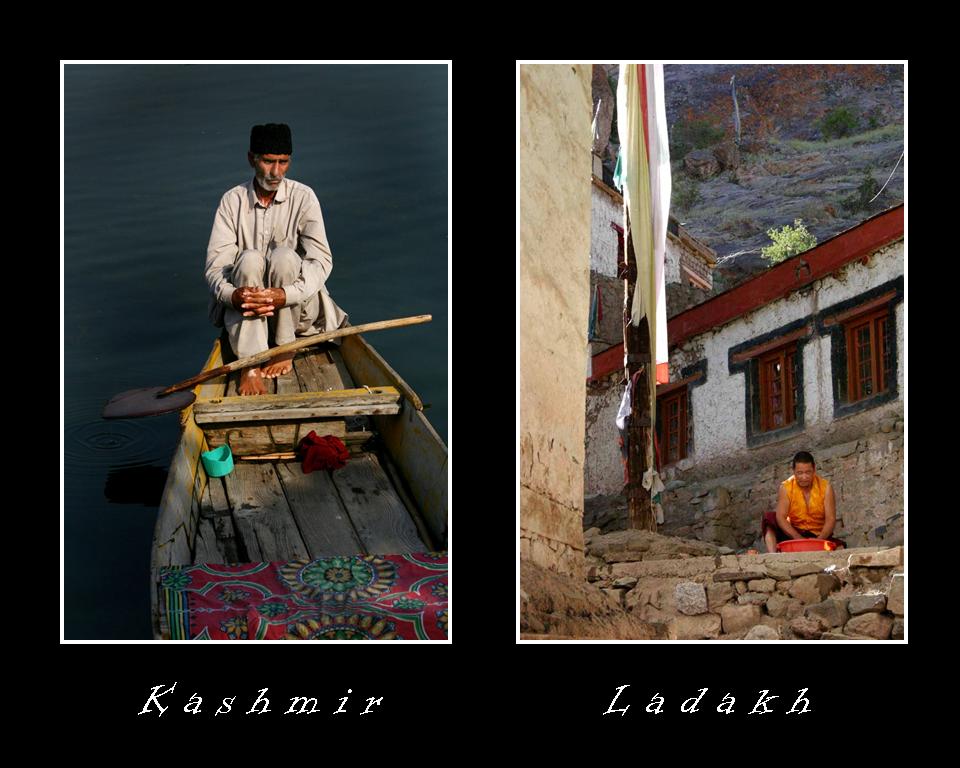
As we help clients navigate their itineraries, we see a shift toward more organised, high-quality service providers. Whether you are aiming for the high-altitude silence of Ladakh or the willow-lined canals of Srinagar, the infrastructure is robust, and the logistics are as reliable as they have ever been.
The Current State of Tourism
If you remember the uncertainty of travel in 2020 or 2021, you can set those concerns aside. Tourism here has not just resumed; it has matured. The crowds have returned, but the spread of destinations has widened, taking pressure off the usual hotspots.
Expect to see fully operational transport networks, busy marketplaces, and a consistent flow of flights into Srinagar and Leh. We find that the most common question is about movement restrictions. Currently, there are no special permits required for Indian nationals to visit the main tourist hubs, and international travellers can move freely with their standard documentation, though inner-line permits are still necessary for specific border areas in Ladakh.
Infrastructure and Transport Upgrades
The most noticeable change in the last two seasons has been the road connectivity. The new tunnels, including the Z-Morh and the expansion of the highway toward Jammu, have shaved hours off transit times. You might find yourself arriving in Sonamarg for lunch when you previously would have reached it by dinner.
Public transport is still better handled by private operators for tourists. We arrange dedicated vehicles for our guests, as it ensures you are not waiting on schedules that don't accommodate mountain weather delays. It is a smarter way to manage your time, especially if you have only a week or ten days to see both valleys.
Navigating Popular Sites
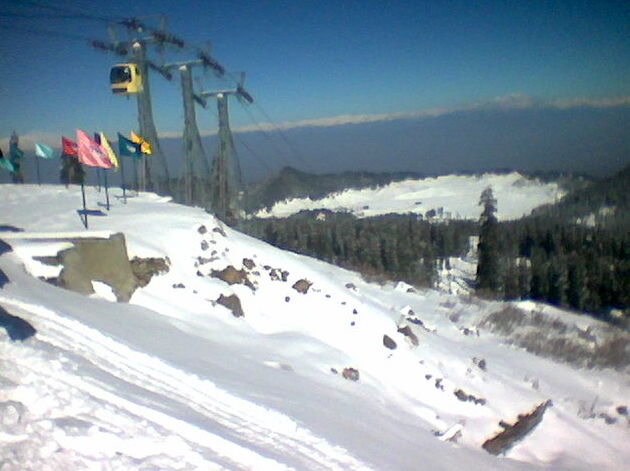
Popular sites like Gulmarg and Pahalgam are busy, particularly during peak summer and winter months. The gondola in Gulmarg is the single most sought-after ticket. Since the pandemic, the system for purchasing tickets has moved almost entirely online.
I always tell my guests: do not wait until you arrive at the counter. These tickets sell out weeks in advance for peak season. By booking your tour package through a local operator, you ensure we manage these slots for you before you even land at the airport.
New Tourism Initiatives
The regional administration has put significant effort into off-beat destinations to manage visitor flow. You will notice newer accommodations in spots like Doodhpathri and Yusmarg that did not have much to offer a few years ago.
These areas provide a reprieve from the heavier foot traffic of the main circuits. If you prefer solitude, we are now recommending these regions for mid-length stays.
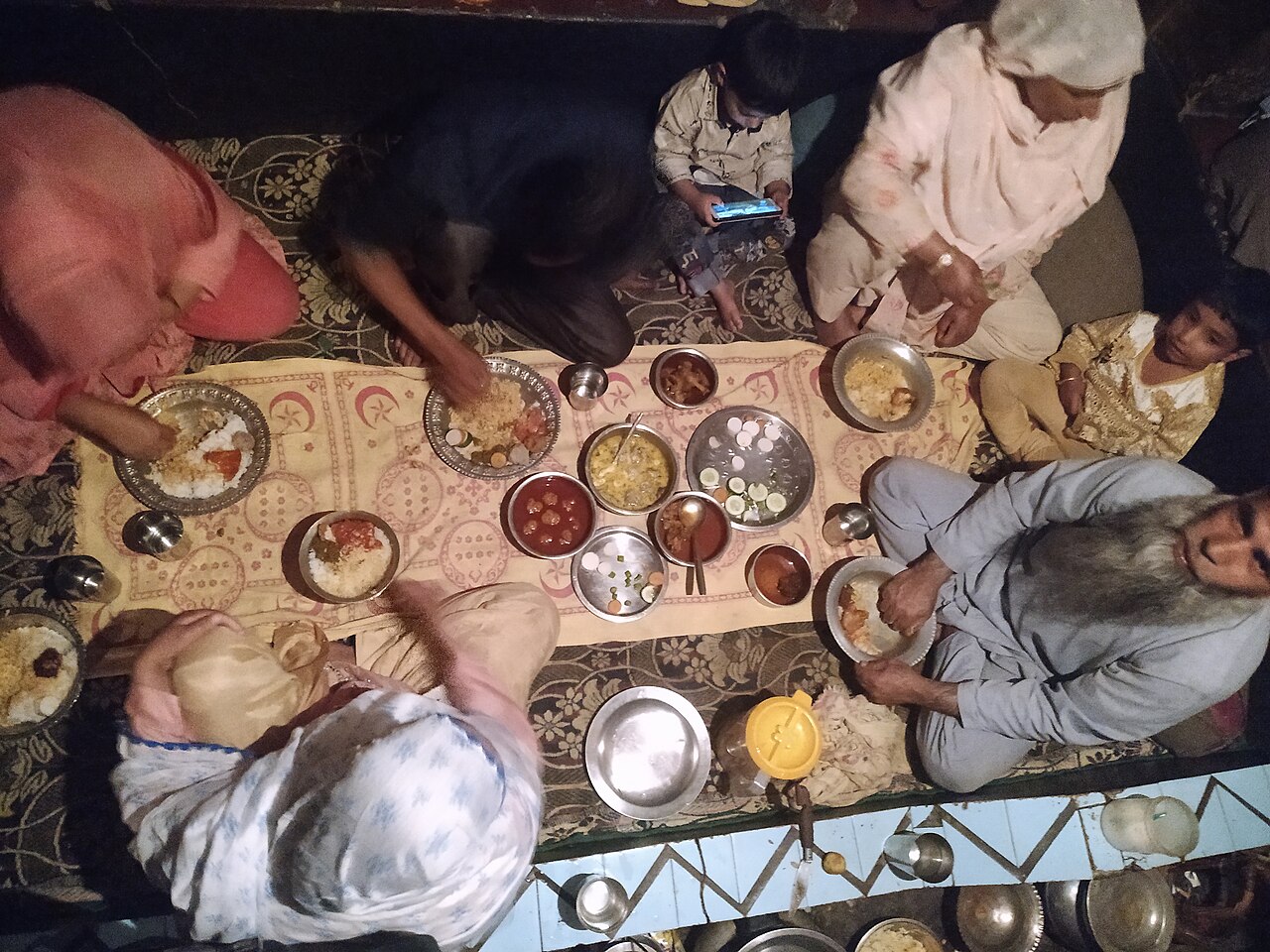
Supporting Local Businesses
Responsible tourism is not just a catchphrase; it is essential for the longevity of the Kashmiri handicraft and service sectors. When you buy pashmina or walnut wood carvings, try to visit the artisan workshops directly rather than just picking up factory-made items in souvenir shops.
By choosing local guides and family-run guesthouses, you are putting money back into the community. We prioritize these local partners because their knowledge of the mountain passes and hidden meadows is simply superior to any guidebook.
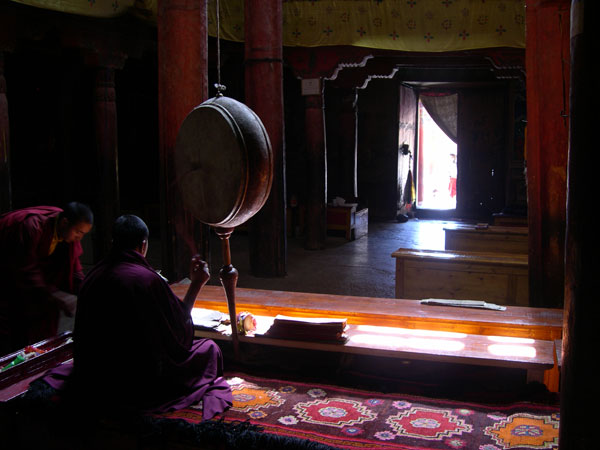
How to Plan a Responsible Visit
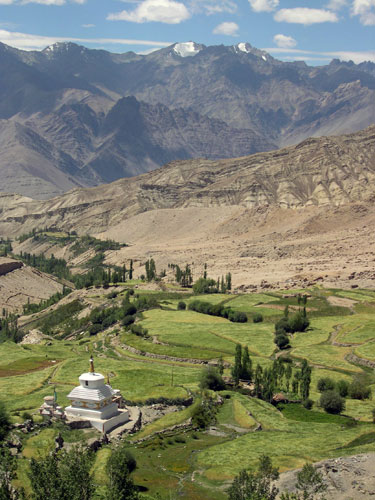
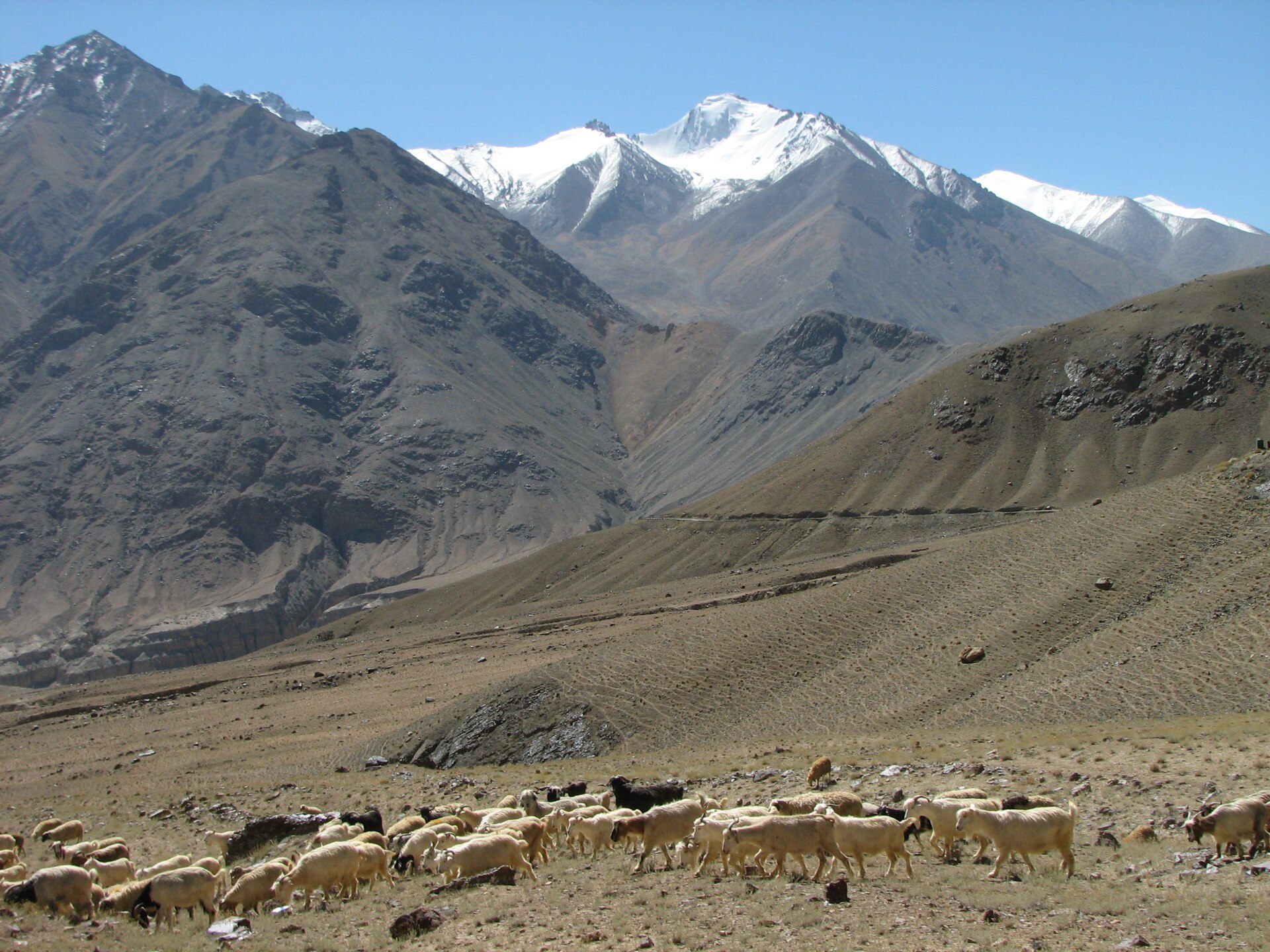
Planning a trip now means being mindful of your environmental footprint. The high-altitude ecosystems in Ladakh and the upper reaches of Kashmir are fragile. We insist that all our guests carry their waste back to urban centres where disposal is managed.
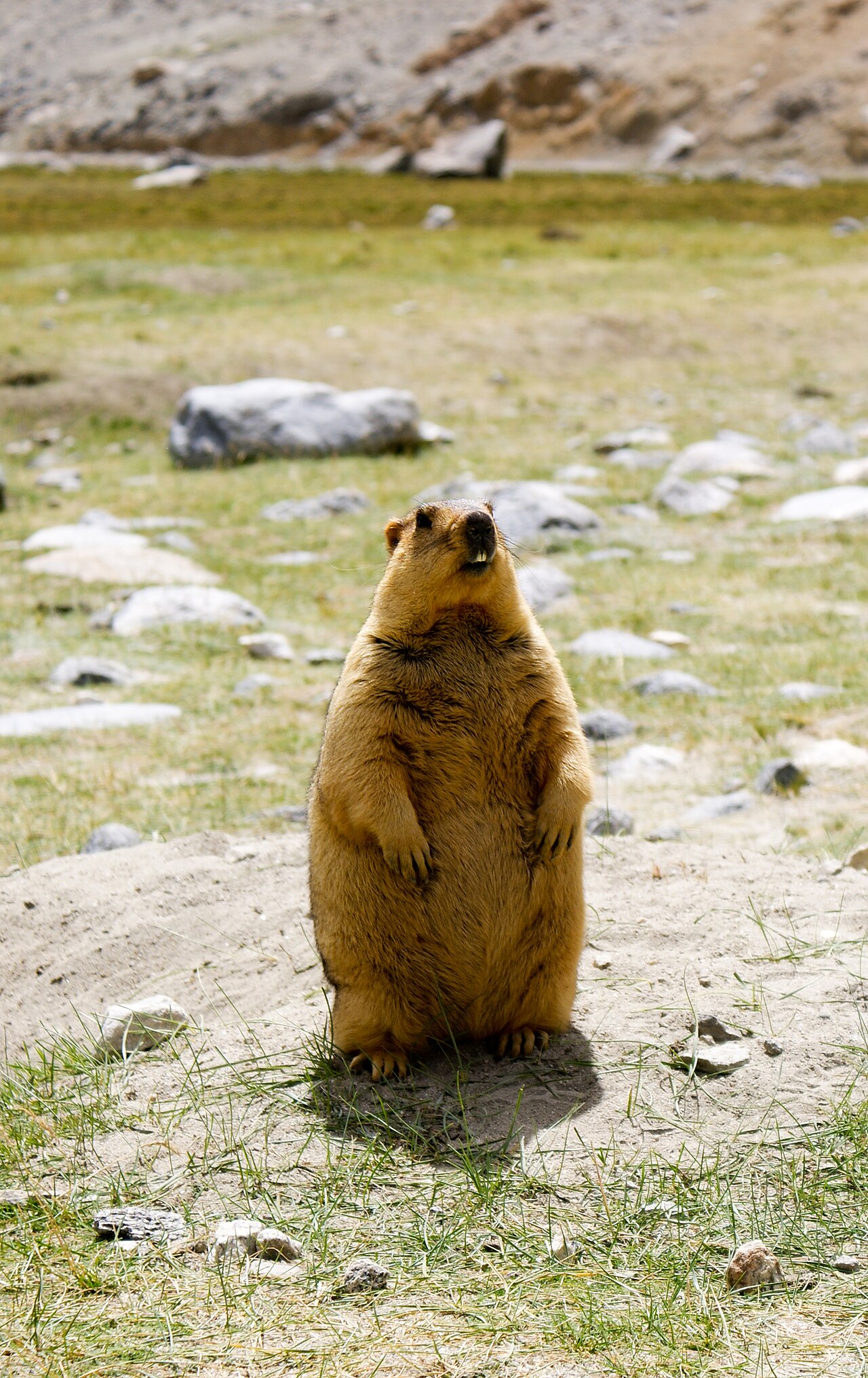
Stay on marked paths, support sustainable homestays, and keep your interactions with wildlife at a respectful distance. It is simple, but it makes a massive difference for the people who call these mountains home.
Before you book
The post-pandemic landscape of Kashmir is vibrant, accessible, and waiting to be explored with a sense of perspective. Whether you are looking for the thrill of the ski slopes or the quiet reflection of a sunset by the Dal, the region has adapted beautifully to meet modern travel expectations.
If you are ready to start planning your next journey into these mountains, reach out to us. We would be happy to discuss your preferences and help you create an itinerary that feels authentic and well-managed.
Ready to Plan Your Trip?
We know these mountains like the back of our hands. Let us help you organize your travel.
Contact Our TeamWritten by
Kashmir, Jammu & Ladakh specialists
We plan and run trips across Kashmir, Jammu and Ladakh every week of the year. Everything here comes from routes we drive, stays we inspect and questions our travellers actually ask.
Quick answers
Questions we get asked
Is it safe to travel to Kashmir right now?
Yes, tourism is active and safe. Millions of visitors travel through the valley annually for holidays and pilgrimages. We recommend following standard travel advice and working with established local operators for smooth logistics.
Do I need special permits for Ladakh?
Indian citizens require an Inner Line Permit to visit protected areas like Nubra Valley and Pangong Lake. International tourists need a Protected Area Permit. Both are easily processed through authorized local agencies like ours.
What is the best way to travel around the valley?
Private hired vehicles are the standard for tourists. They offer the flexibility to stop for photos, manage your own schedule, and navigate mountain roads safely, which is difficult with public buses or shared taxis.
Can I visit Kashmir year-round?
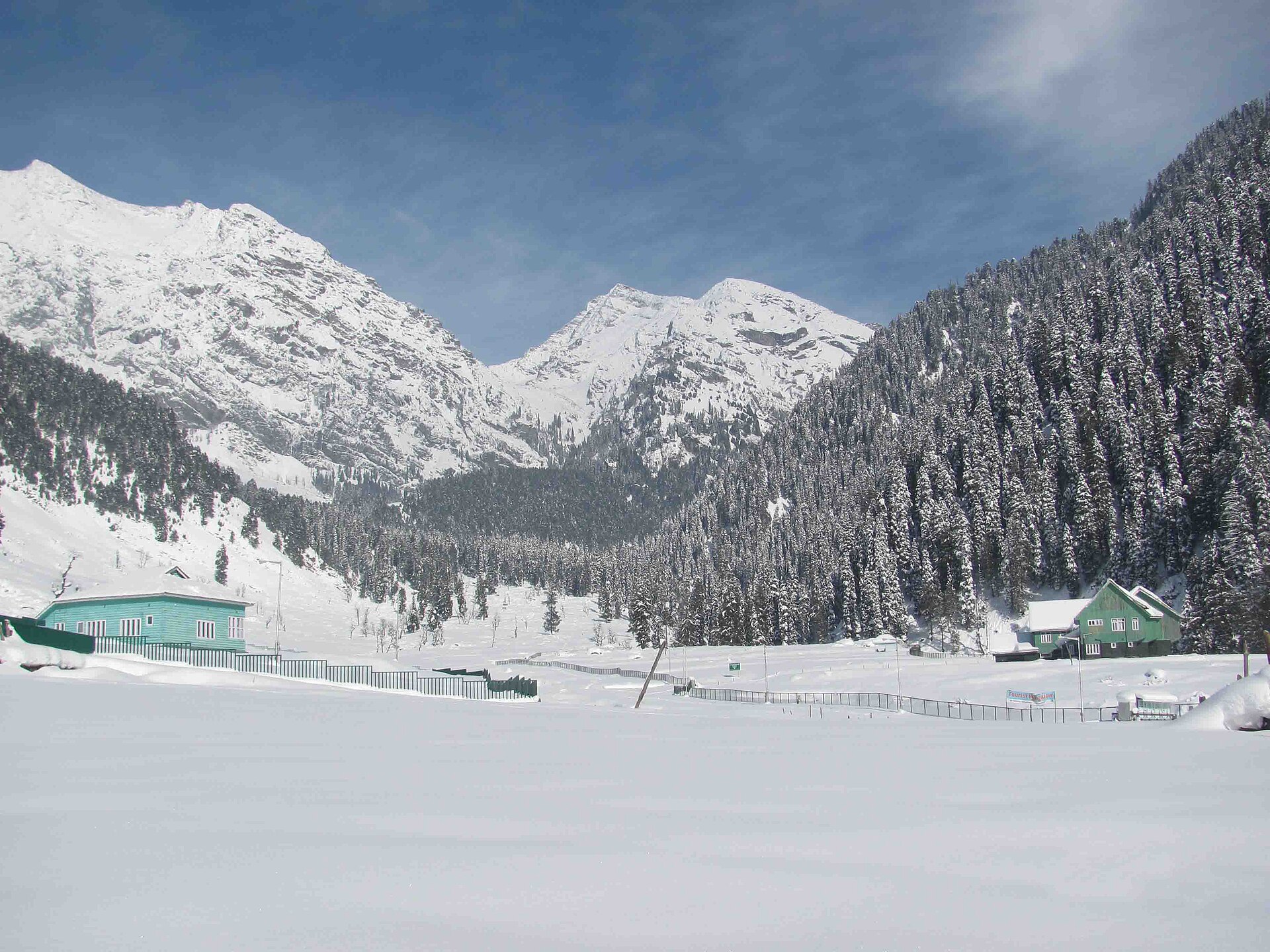
Kashmir is a year-round destination. You get snow sports in winter, blooming flowers in spring, pleasant summers, and vibrant autumn foliage. Each season offers a completely different landscape and set of activities.
Are mobile services working in Kashmir?
Yes, mobile connectivity is excellent in Srinagar and major towns. In remote mountainous areas or high-altitude passes in Ladakh, network can be patchy, but most hotels and homestays provide Wi-Fi access.
Photography credits
- Photo: Steve Evans from Citizen of the World · CC BY 2.0
- Photo: Henk Monster · CC BY 3.0
- Photo: Muzzyy at English Wikipedia · Public domain
- Photo: Vishalmgs · CC BY-SA 4.0
- Photo: Subhrajyoti Parida · CC BY 4.0
- Photo: Abharam wani · CC BY-SA 4.0
- Photo: Baldiri · CC BY-SA 3.0