Heritage Tours of Raghunath Temple
Discovering the royal history of Jammu's most sacred site.
Dive into the rich history of the Raghunath Temple, built by Maharaja Gulab Singh. Explore why a dedicated heritage tour is the best way to experience these monuments.
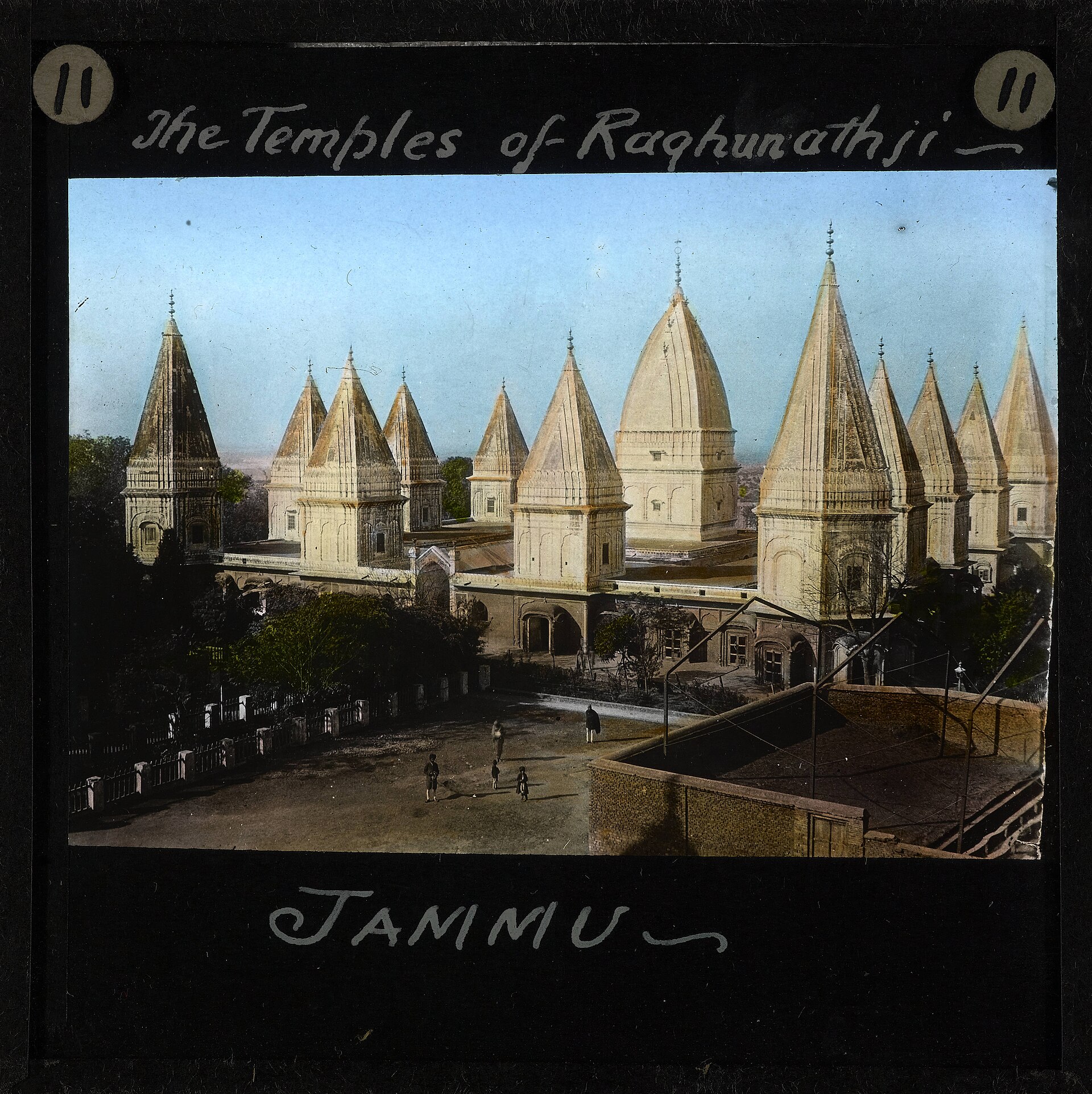
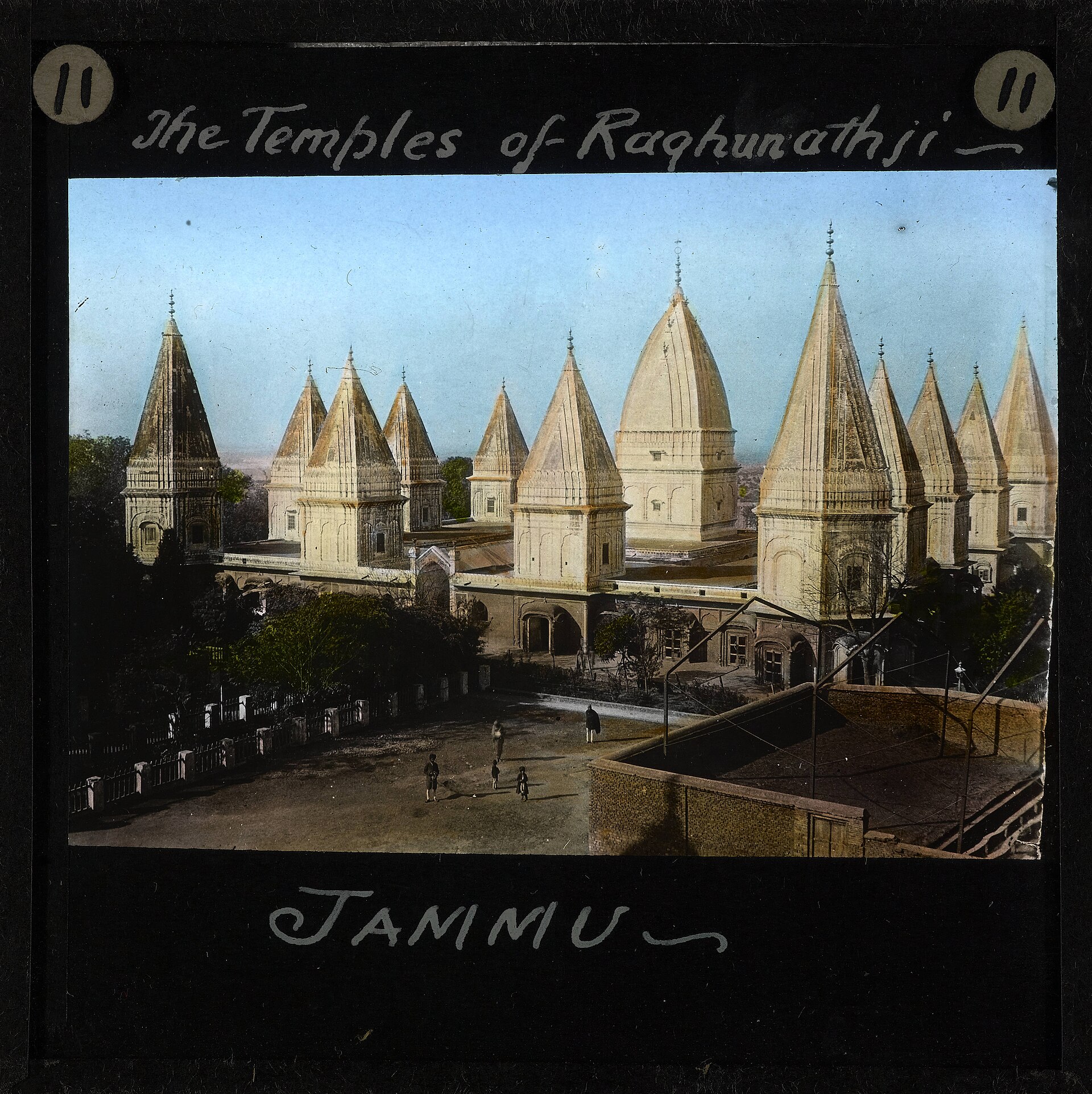
The craftsmanship at Raghunath Temple tells the story of an era of royal patronage.Photo: Unknown author Unknown author · Public domain
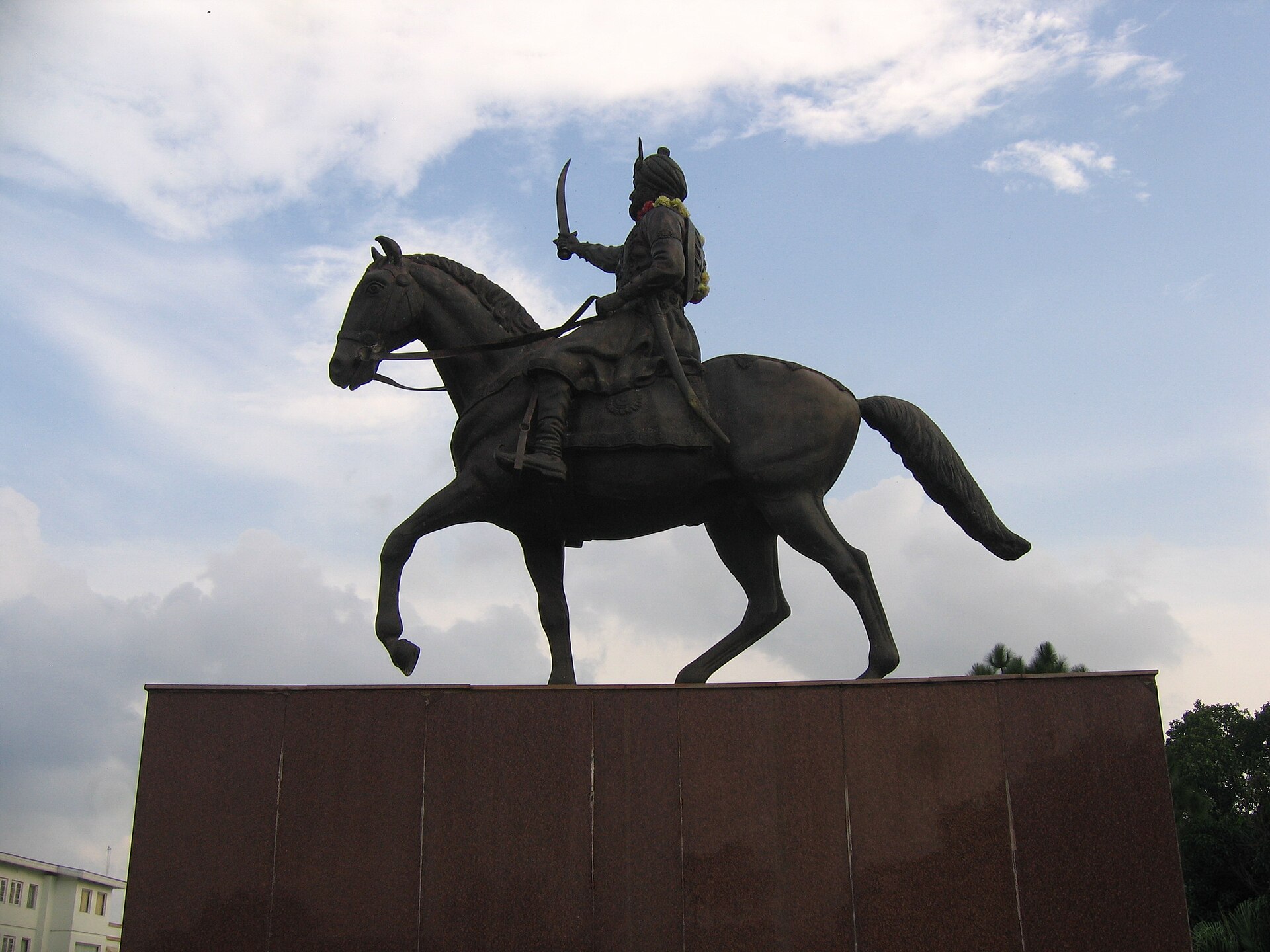
When you stand before the gold-plated spires of the Raghunath Temple, it is hard to ignore the weight of the nineteenth century pressing in from every side. The temple was commissioned by Maharaja Gulab Singh in 1835 and completed by his son, Maharaja Ranbir Singh. This was an era of profound change for the Dogra dynasty, and every inch of this site reflects that transition.
Understanding the Raghunath temple history tour options allows you to appreciate more than just the surface-level beauty of the structure. It is a portal into the past, telling the story of a region that was rapidly defining its own identity amidst the larger geopolitical shifts of the time.
The History Behind the Architecture
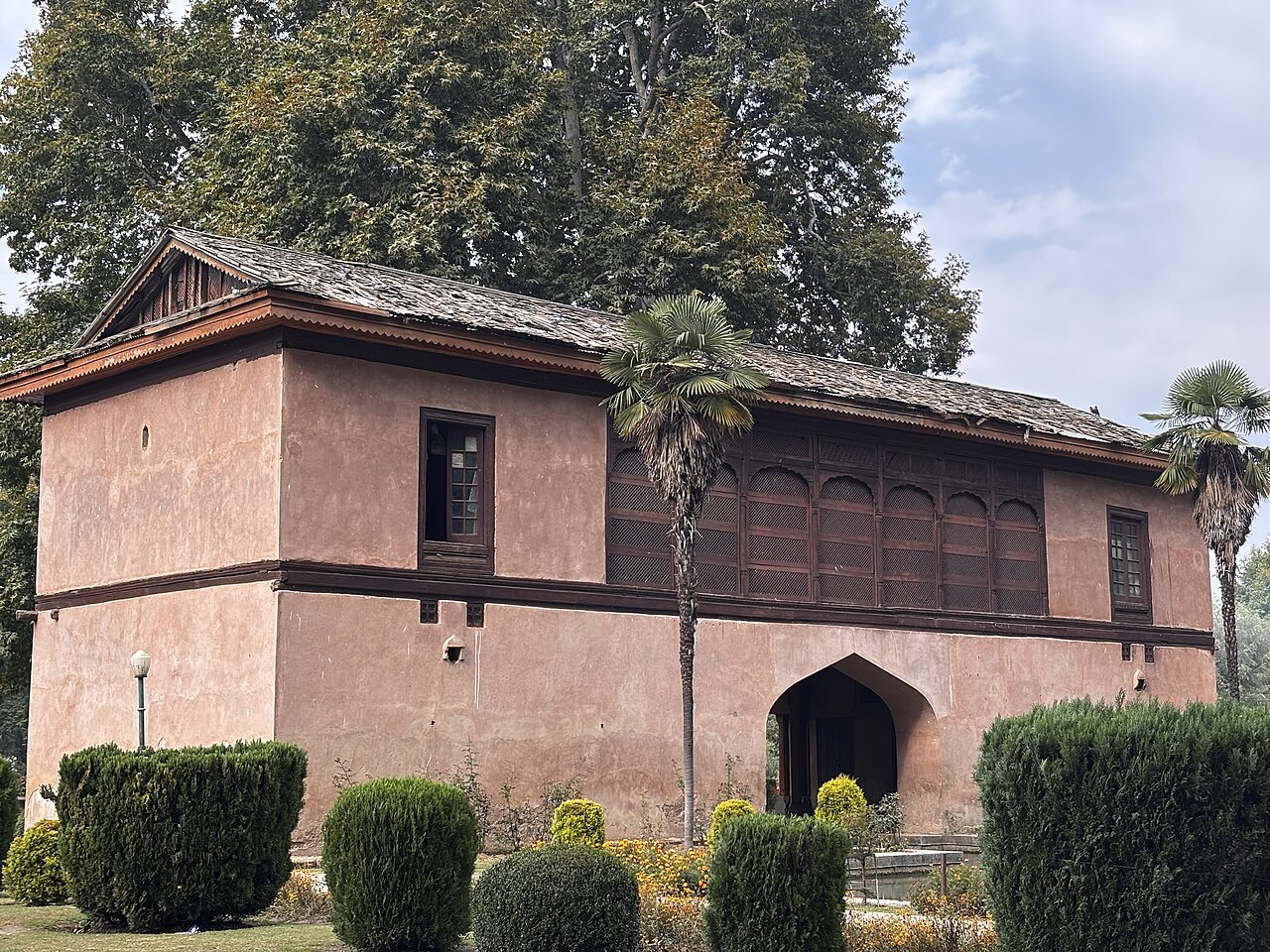
The architecture here is unique, blending influences from both the plains and the mountains. You see the influence of Mughal aesthetics in the arches, while the temple’s verticality speaks to the local hill-temple traditions of the region.
It is important to remember that this wasn't just a building; it was a statement of faith and power for the Dogra rulers. The complex contains seven shrines, each dedicated to a different deity, housing thousands of saligrams brought from the banks of the Gandaki River. Every time I walk through, I try to look past the crowds and imagine what it must have been like when the royal family arrived for worship.
Why History Lovers Choose Our Tours
Most casual tourists walk in, take a look, and walk out. A heritage tour changes the pace entirely. We focus on the details that disappear in the background noise: the specific stonework, the provenance of the idols, and the stories of the Dogra dynasty that are rarely included in standard brochures.
Our heritage guides are not just narrators; they are researchers. They can explain how the temple served as a social hub in the 1800s and why the choice of gold plating was so politically symbolic at the time. You leave with a sense of the place's actual life, not just its visual components.
Exclusive Access and Information
There are areas and historical records that aren't open to the general public. While we respect the sanctity of the prayer areas, our heritage tours provide access to archival context and deeper explanations of the rituals that define this space.
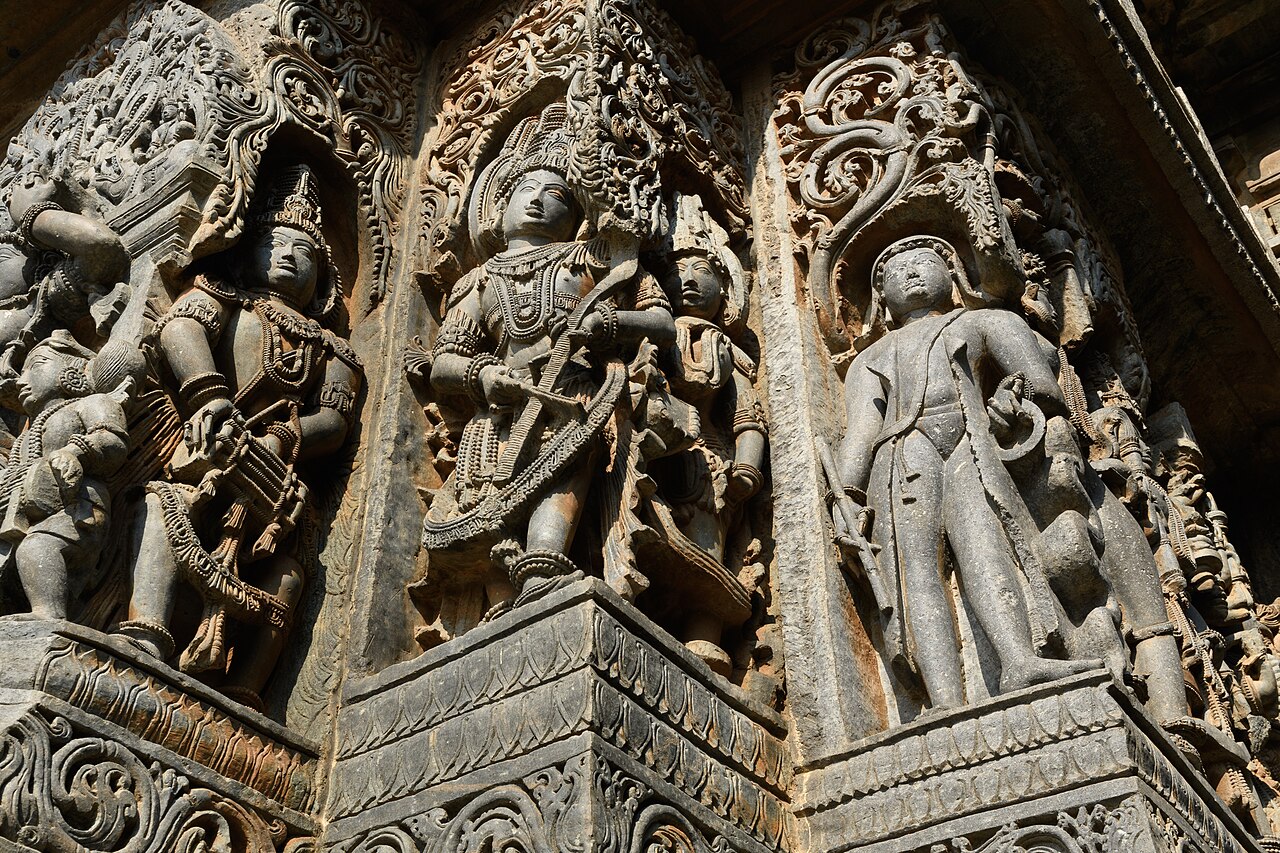
We also make sure you have the time to sit and look. The temple isn't a museum; it is an active, living religious site. Our tours prioritize respect for the devotees while ensuring you get the quiet moments necessary to study the intricate reliefs on the outer walls of the shrines.
Comparing Heritage Packages in Jammu
Not all heritage packages are created equal. Some prioritize volume—seeing five sites in one day—while others focus on depth. We believe in the latter. A good heritage package should include the Raghunath Temple, but also link it to other monuments like Bahu Fort to provide a full picture of the Dogra royal legacy.
Compare the depth of the guide's expertise before you book. Does the tour company have a specific heritage focus, or is this just another item on a list? The difference is usually in the quality of the narrative and the ability to answer questions about the socio-political climate of the 19th century.
Preserving the Tradition of Raghunath
Preservation is a massive concern. As Jammu modernizes, the pressure on these historical sites is increasing. By choosing a tour that emphasizes heritage and respectful tourism, you are contributing to a culture of preservation.
We encourage our guests to look at the work being done to maintain the gold leaf and the stone carvings. It is a slow, expensive process, and seeing it firsthand helps one understand the importance of keeping these traditions alive for the next generation of travelers.
Before you book
The Raghunath Temple is more than an ancient structure; it is a repository of Jammu's identity. Understanding its history transforms your visit from a quick walk-through into a meaningful exploration of the royal past that shaped this region.
If you would like to go deeper into the history of these sites, contact Skywale Packages. We love helping guests who want to move past the surface and connect with the real heritage of our home.
Want to dive into Jammu's heritage?
Book a private heritage tour with us to uncover the history behind Jammu's most iconic temple.
Explore Heritage ToursWritten by
Kashmir, Jammu & Ladakh specialists
We plan and run trips across Kashmir, Jammu and Ladakh every week of the year. Everything here comes from routes we drive, stays we inspect and questions our travellers actually ask.
Quick answers
Questions we get asked
What century does the temple architecture reflect?
The temple complex is largely a product of the 19th century, reflecting the architectural and cultural ambitions of the early Dogra rulers.
Can I learn about the Dogra dynasty on this tour?
Yes. Our heritage tours specifically focus on the history of the Dogra rulers, providing context on their influence and the significance of the monuments they commissioned.
Does the heritage tour include other sites?
Yes, we often combine the Raghunath Temple with other sites like Bahu Fort to provide a comprehensive understanding of the regional history.
Is the temple a UNESCO World Heritage site?
No, it is not a UNESCO site, but it is protected and maintained as a significant cultural landmark within the state's heritage conservation efforts.
How far in advance should I book a heritage tour?
To secure a specialized heritage guide, we recommend booking at least two weeks in advance. This ensures we can align your visit with the availability of our lead experts.
Photography credits
- Photo: Unknown author Unknown author · Public domain
- Photo: Vinayaraj · CC BY-SA 3.0
- Photo: Kakarrote · CC BY-SA 4.0
- Photo: KahkashaaN · CC BY-SA 4.0
- Photo: Basavarajmin21 · CC BY-SA 4.0
- Photo: Raghunath Mva · CC BY-SA 4.0
- Photo: Noorullah21 · CC BY 4.0