Manasbal Lake in Winter: A Guide to the Quiet Season
Seeing Kashmir's deepest lake when the crowds have long gone.
Winter wraps the Manasbal Lake in a serene embrace, as misty mornings and empty shores reveal a side of Kashmir most visitors miss entirely.
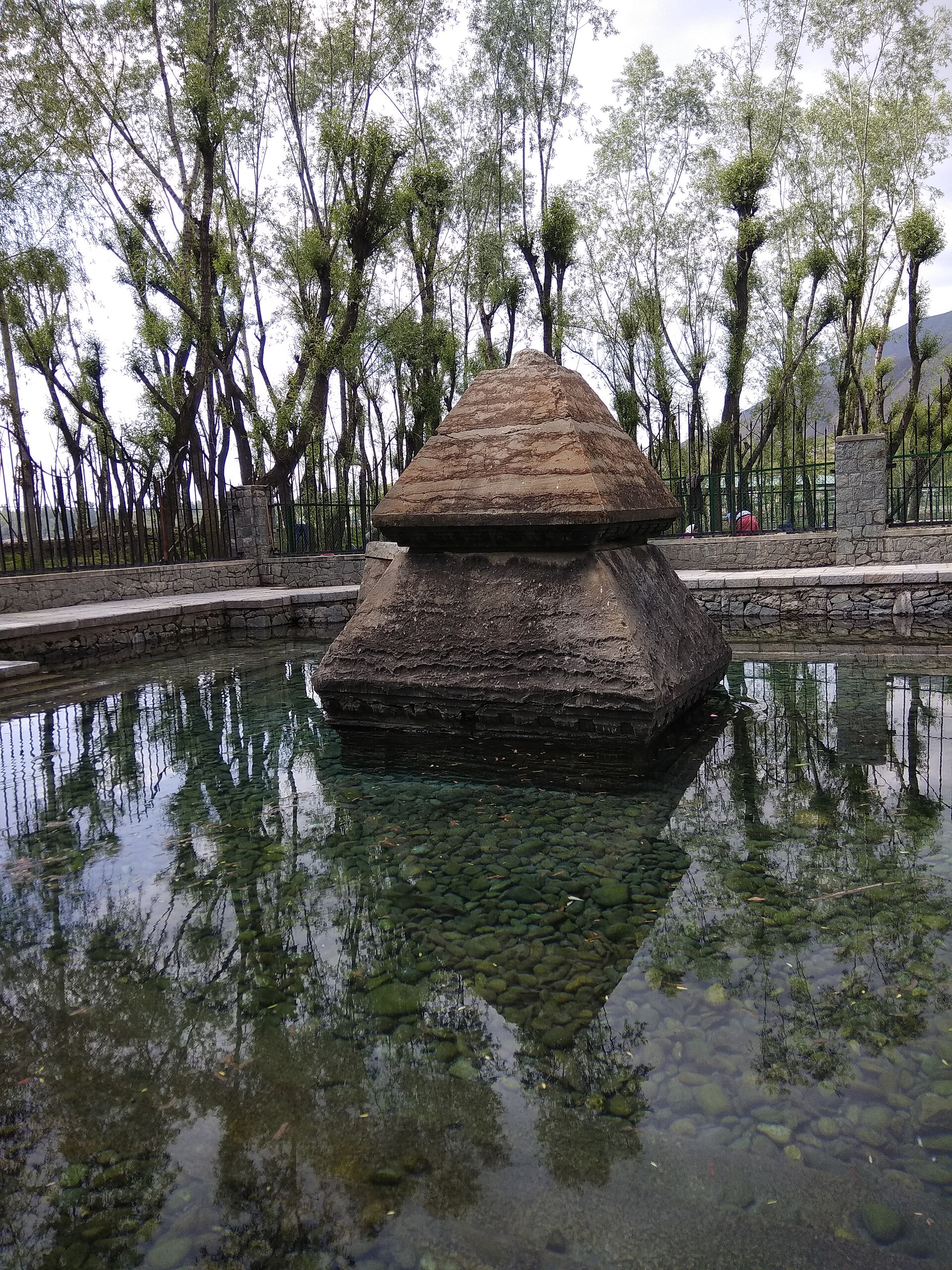
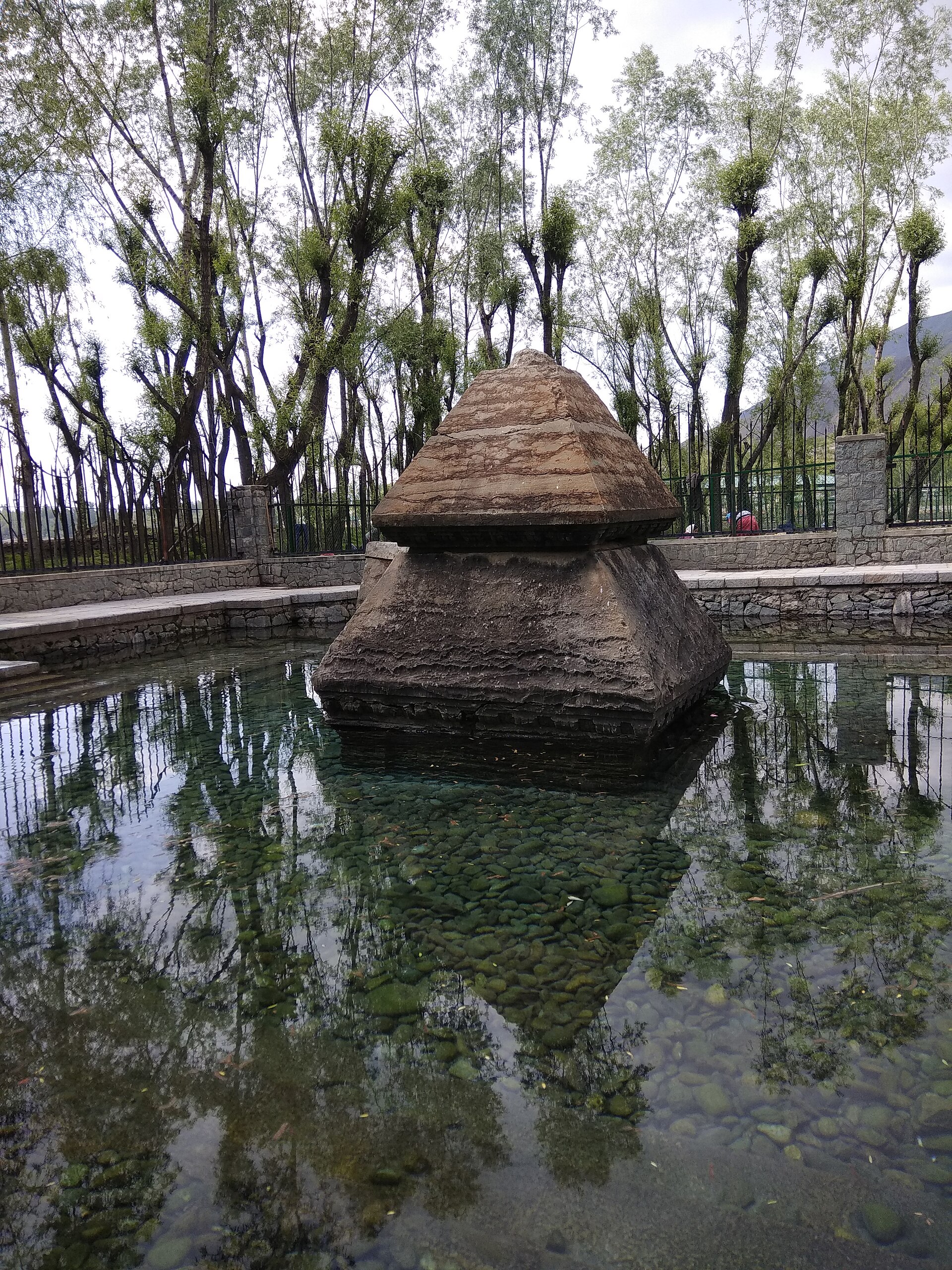
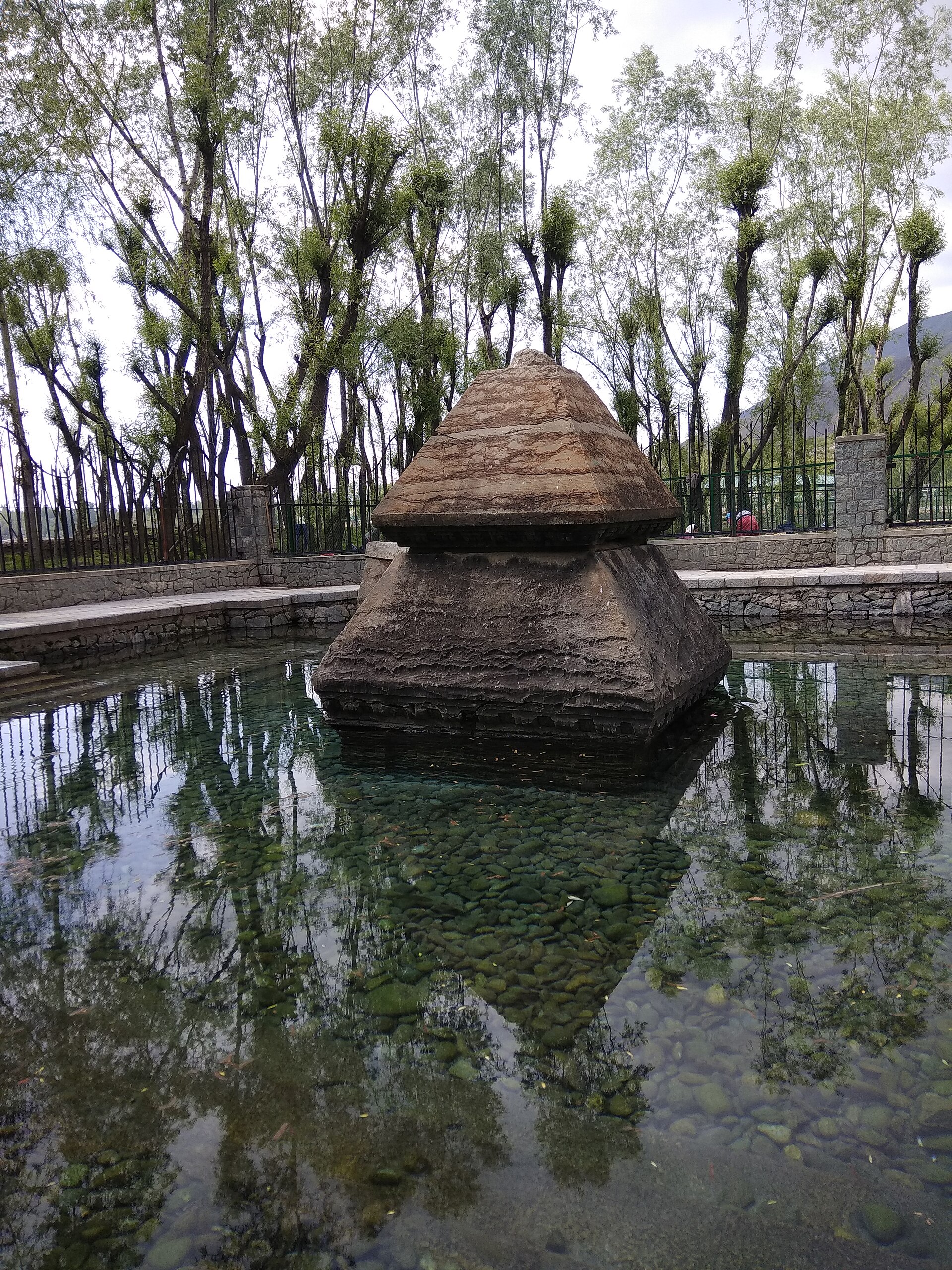
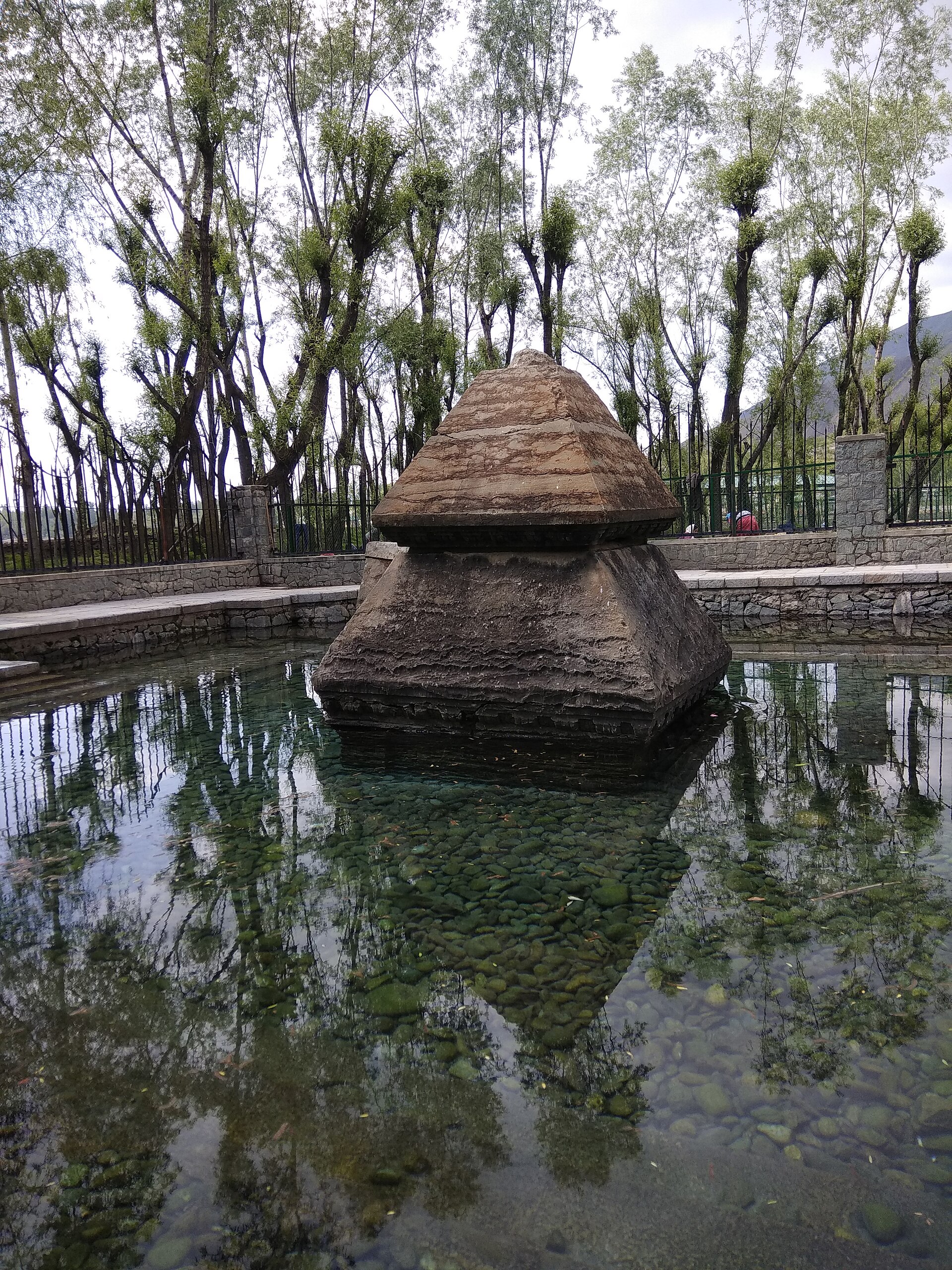
The morning mist at Manasbal often lingers until midday in the heart of winter.Photo: Pronobeshng · CC BY-SA 4.0
The silence at Manasbal Lake in January is heavy enough to feel in your chest.
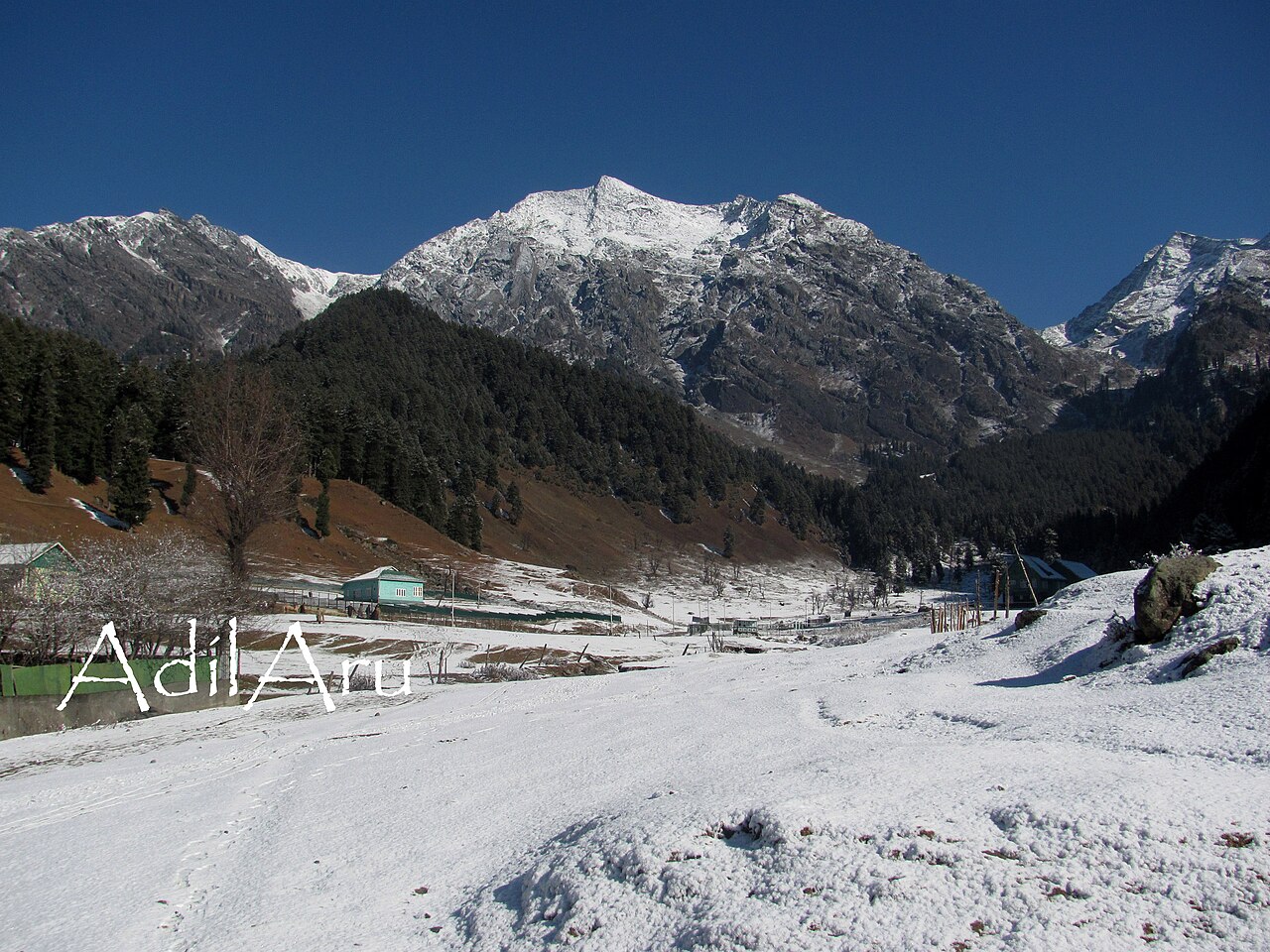
Most tourists head straight for Gulmarg when the first snowfall hits, leaving the Ganderbal district to its own devices. When I first visited Manasbal Lake in winter, the only sound was the distant call of a kingfisher and the creak of a solitary shikara tethered to a frost-covered dock. It is not a place for high-octane thrills, but for those who want to see the landscape stripped back to its essentials.
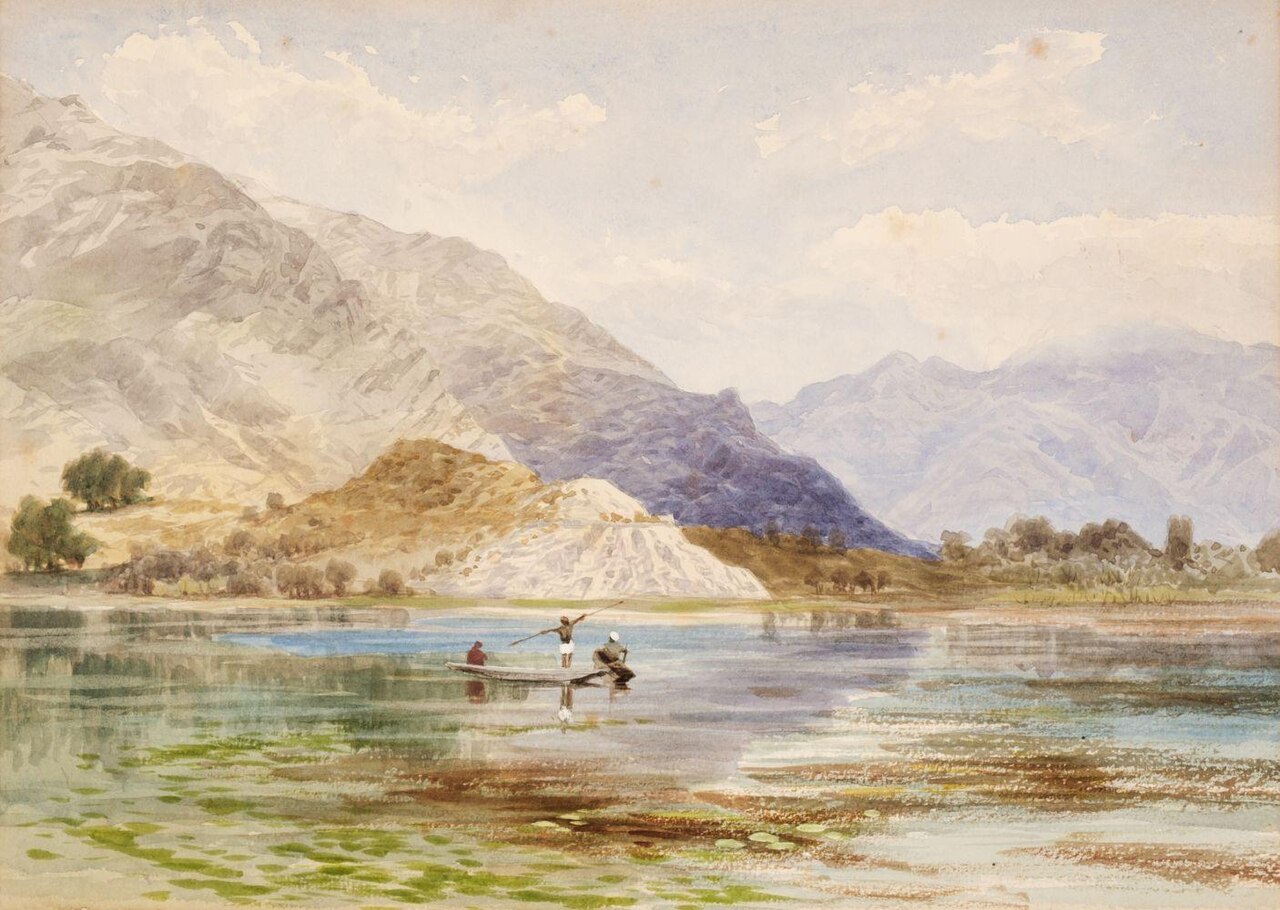
Visiting in the off-season requires a different mindset. You aren't here for the summer lotus blooms or the bustling picnic parties. You are here to witness the mirror-like reflections on the water, the way the surrounding mountains turn a jagged shade of slate grey, and the crisp, biting air that smells entirely of woodsmoke and damp earth. It is a slow, quiet experience that demands patience.
The Winter Atmosphere at Manasbal
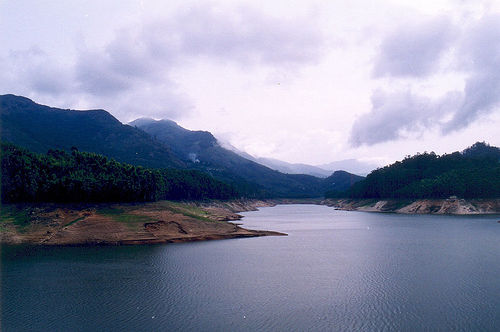
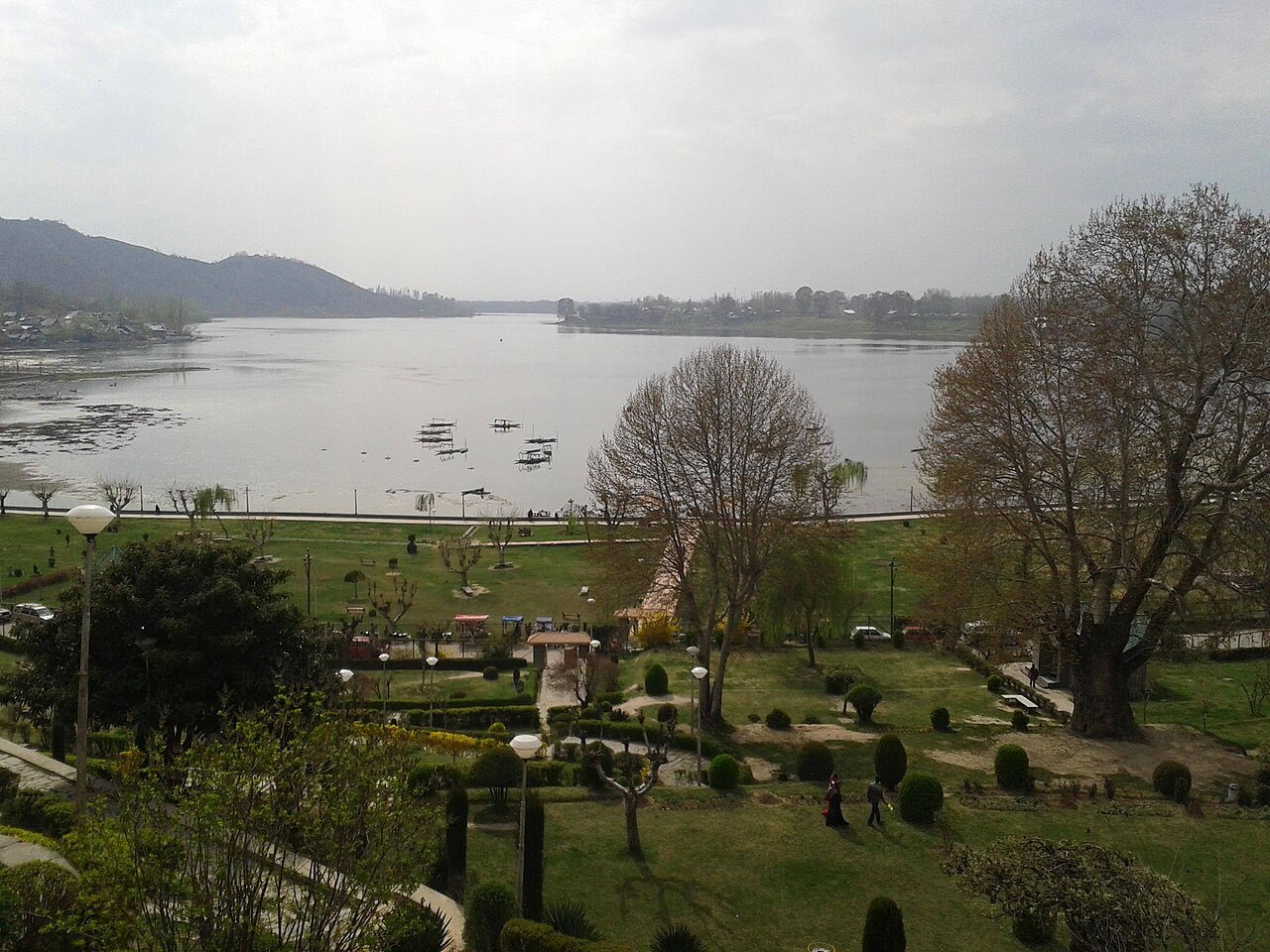
The lake shifts temperament significantly once November settles in. The water levels rise slightly as snowmelt begins to influence the catchment, and the clarity of the water is startling. Without the reflection of the summer lotus pads, the lake becomes a deep, dark reservoir that seems to hold the sky.
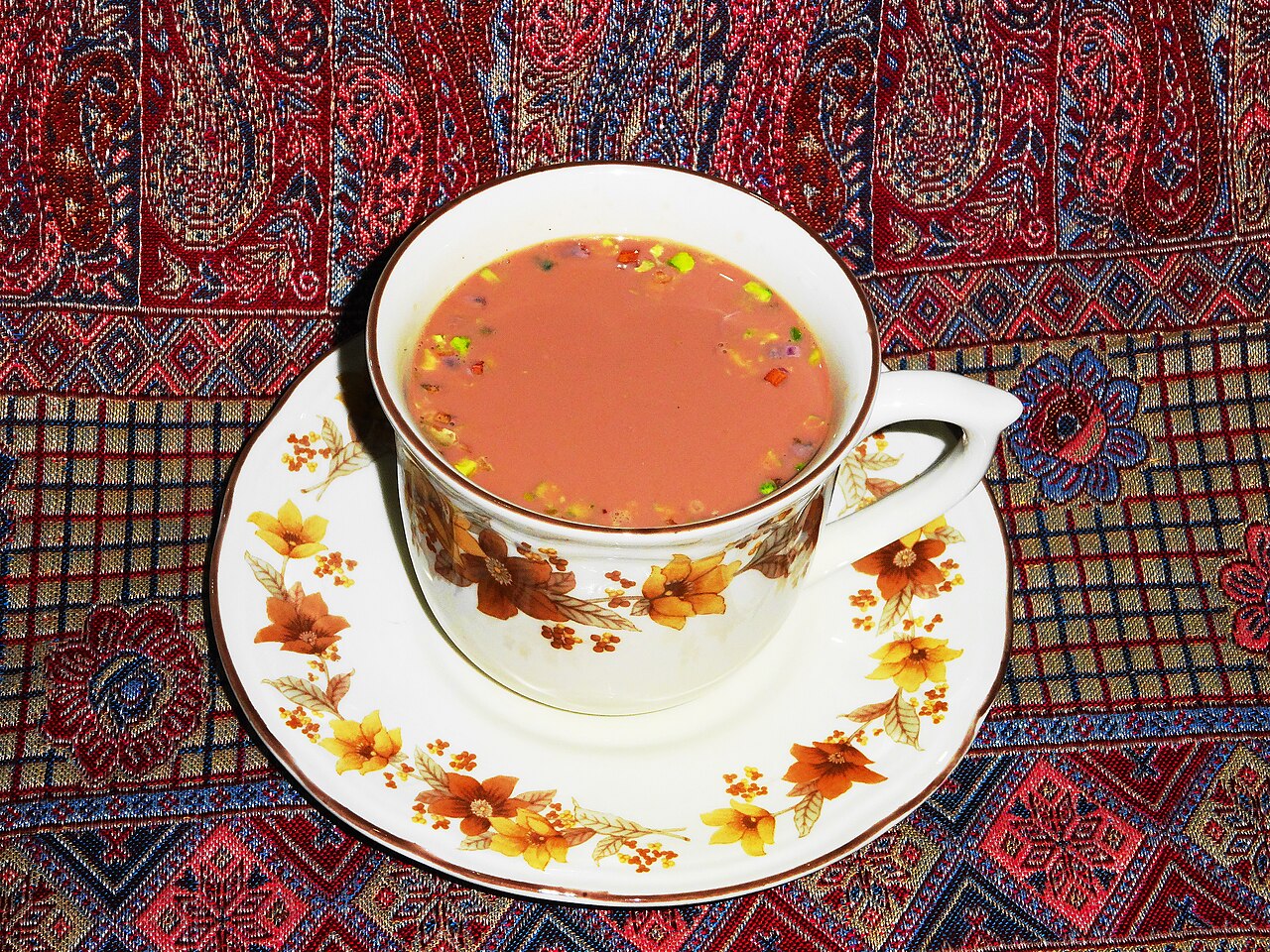
Expect temperatures to hover between -2°C and 8°C during the day. By dusk, that drop is sharp. You will find that the local villagers are far more relaxed during these months. They aren't rushing to manage boat queues; they are drinking noon-chai in small heated rooms, and they are usually happy to talk if you offer a polite greeting.
Managing Expectations in the Off-Season
If you are expecting luxury amenities, rethink the plan. Many of the small kiosks and snack stalls that line the waterfront close by late October. You need to come prepared. I always carry a thermos of hot tea and a heavy wool shawl. You should assume that you will need to be self-sufficient for a few hours.
Access is generally good, though if there has been heavy snowfall, the smaller roads leading to the lake edge can become slushy. We recommend hiring a local driver from Srinagar who knows the specific Ganderbal approach routes. They understand how to handle the slick conditions better than rental car drivers accustomed to the city.
Winter Activities and Observation
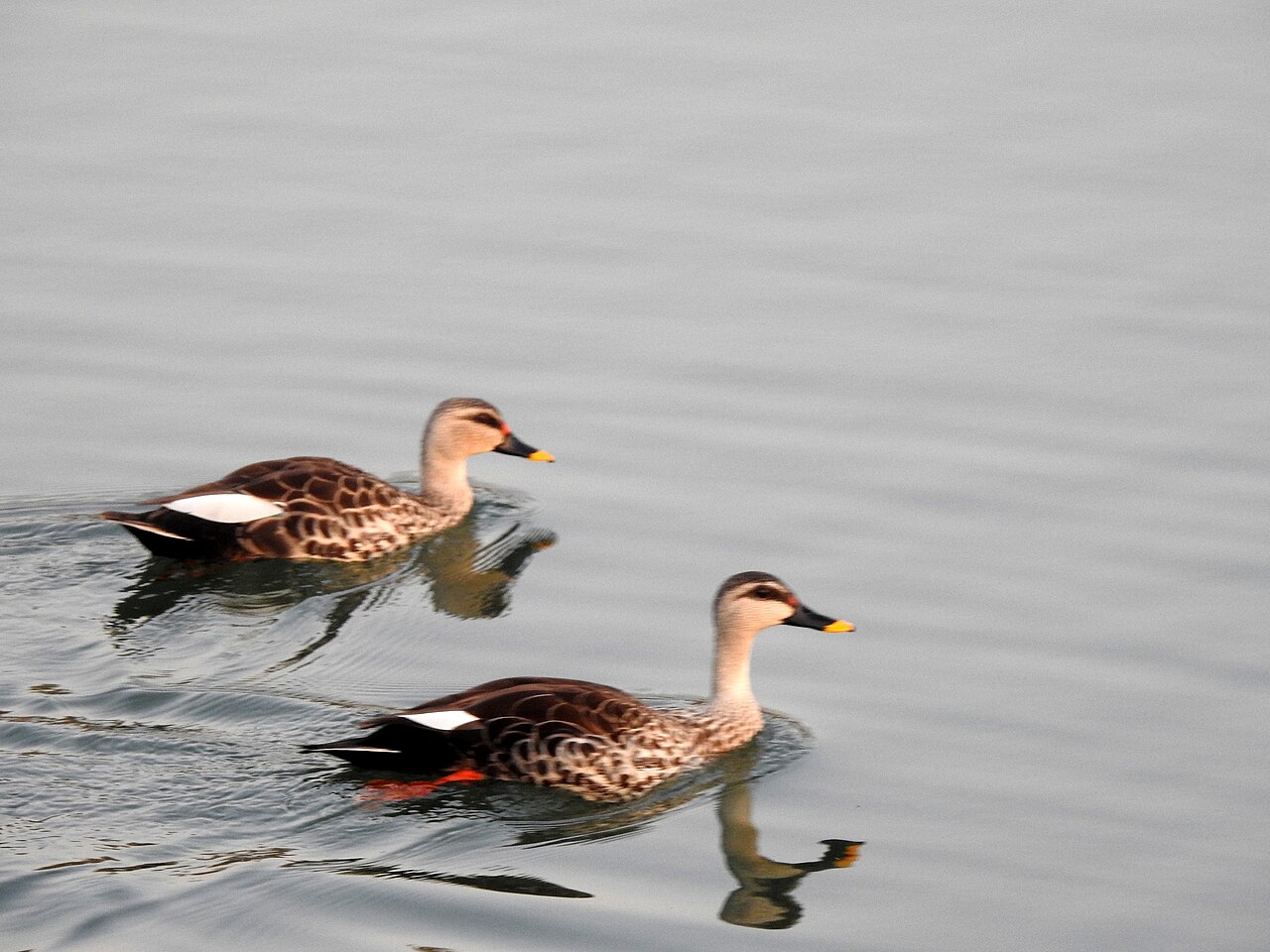
Birdwatching is the primary draw for those who make the trip in January and February. The lake becomes a significant wintering ground for migratory birds. If you have a decent pair of binoculars, take them. You will see species that avoid the warmer, busier wetlands closer to Srinagar.
Photography is also at its peak here. The winter light is soft, lacking the harsh glare of the summer midday sun. It stays lower in the sky for longer, giving you that golden, elongated shadow effect for several hours. Just be sure to keep your camera batteries inside your coat—the cold drains them surprisingly fast.
Planning Your Winter Kashmir Itinerary
Do not try to make Manasbal your only stop for the day. Combine it with a drive through the rural Ganderbal countryside. The landscape here feels more authentic than the main highway routes. You can easily spend three hours walking the perimeter or sitting by the shore before moving toward other nearby locations.
If you are heading back to Srinagar, consider stopping in the outskirts to see how the local willow craft is prepared. Winter is when the artisans are most active, processing the wood indoors.
Why Winter Provides Real Solitude
In the height of summer, Manasbal is a destination. In winter, it is a mood. You won't find the noise of motorboats or the chatter of large groups. You have the freedom to walk the banks, find a quiet spot on a jetty, and actually hear the wind through the poplars.
It is the perfect antidote to the intensity of the major tourist circuits. If you find yourself needing to reset, this is where you go.
Before you book
Manasbal Lake in winter is a stark, quiet beauty. It doesn't ask for your attention; it simply exists, holding the winter sky in its deep waters. For those of us who live here, it is a reminder that Kashmir has a rhythm beyond the tour brochures.
If you are looking for a day of genuine silence, get in touch with us at Skywale Packages. We can arrange a comfortable, warm vehicle and a driver who knows the quietest spots to park, giving you the time you need to properly take in the lake.
Need help planning a winter day out?
We know the best routes and the most reliable drivers for winter travel. Reach out to us to start building your Kashmir itinerary.
Contact UsWritten by
Kashmir, Jammu & Ladakh specialists
We plan and run trips across Kashmir, Jammu and Ladakh every week of the year. Everything here comes from routes we drive, stays we inspect and questions our travellers actually ask.
Quick answers
Questions we get asked
Is it safe to visit Manasbal in winter?
Yes, it is perfectly safe, but you must be mindful of the cold and potentially icy road conditions. Always travel with a reputable local driver.
Are there boat rides in winter?
While some boatmen are available, they operate on an ad-hoc basis. Don't expect the same frequency or standard as the summer season.
What is the best way to get there from Srinagar?
A private taxi is the best option. It takes about an hour depending on the traffic, and you can control your own schedule for the return trip.
Should I visit Wular Lake on the same day?
It is possible, but they are different directions. Manasbal is a better standalone half-day trip unless you have a full day and a sturdy vehicle.
Is there accommodation near the lake?
Options are very limited in winter. It is much more practical to base yourself in Srinagar and treat Manasbal as a day trip.
Photography credits
- Photo: Pronobeshng · CC BY-SA 4.0
- Photo: User:Deepak · CC BY-SA 3.0
- Photo: Colonel George Strahan (1839 – 7 January 1911) · Public domain
- Photo: AdilAru · CC BY-SA 3.0
- Photo: Harvinder Chandigarh · CC BY-SA 4.0
- Photo: Miansari66 · CC0
- Photo: Asif.mirr201 · CC BY-SA 3.0