The Perfect Manasbal Lake Itinerary
How to make the most of a morning in Kashmir's quietest corner.
Short on time but want to see the real Kashmir? Follow this half-day itinerary for Manasbal Lake, covering boating, ruins, and the best local views.
The soft morning light is the best time to experience the stillness of the lake.Photo: Pronobeshng · CC BY-SA 4.0
Most people treat Manasbal as an afterthought, a quick stop on the way to somewhere else, but I suggest doing the opposite. By dedicating just four or five hours specifically to the lake, you avoid the rush and actually see the transition from the bustling city of Srinagar to the quiet, agricultural lands of Ganderbal.
This Manasbal Lake itinerary is designed for a morning start. The light on the water is best before noon, and the air is crisp enough to make the hour-long drive from Srinagar feel like a journey through changing landscapes rather than just a transit.
Morning Departure from Srinagar
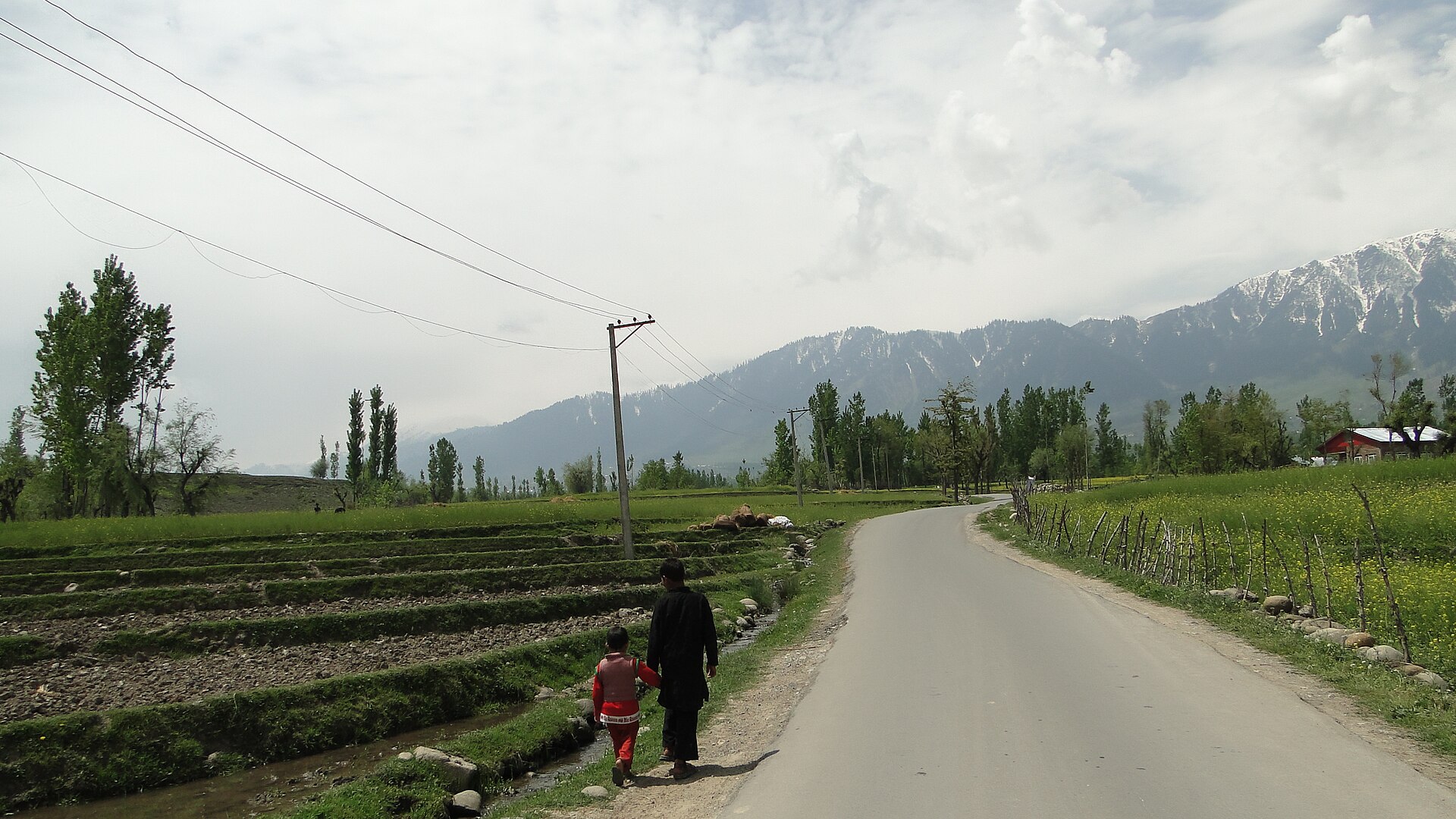
Leave your hotel in Srinagar by 7:30 or 8:00 AM. Traffic in the city can be erratic, so starting early ensures you reach the lake before the day warms up too much. The route takes you through the Ganderbal district, offering a look at the local life in the paddy fields and willow plantations that line the road.
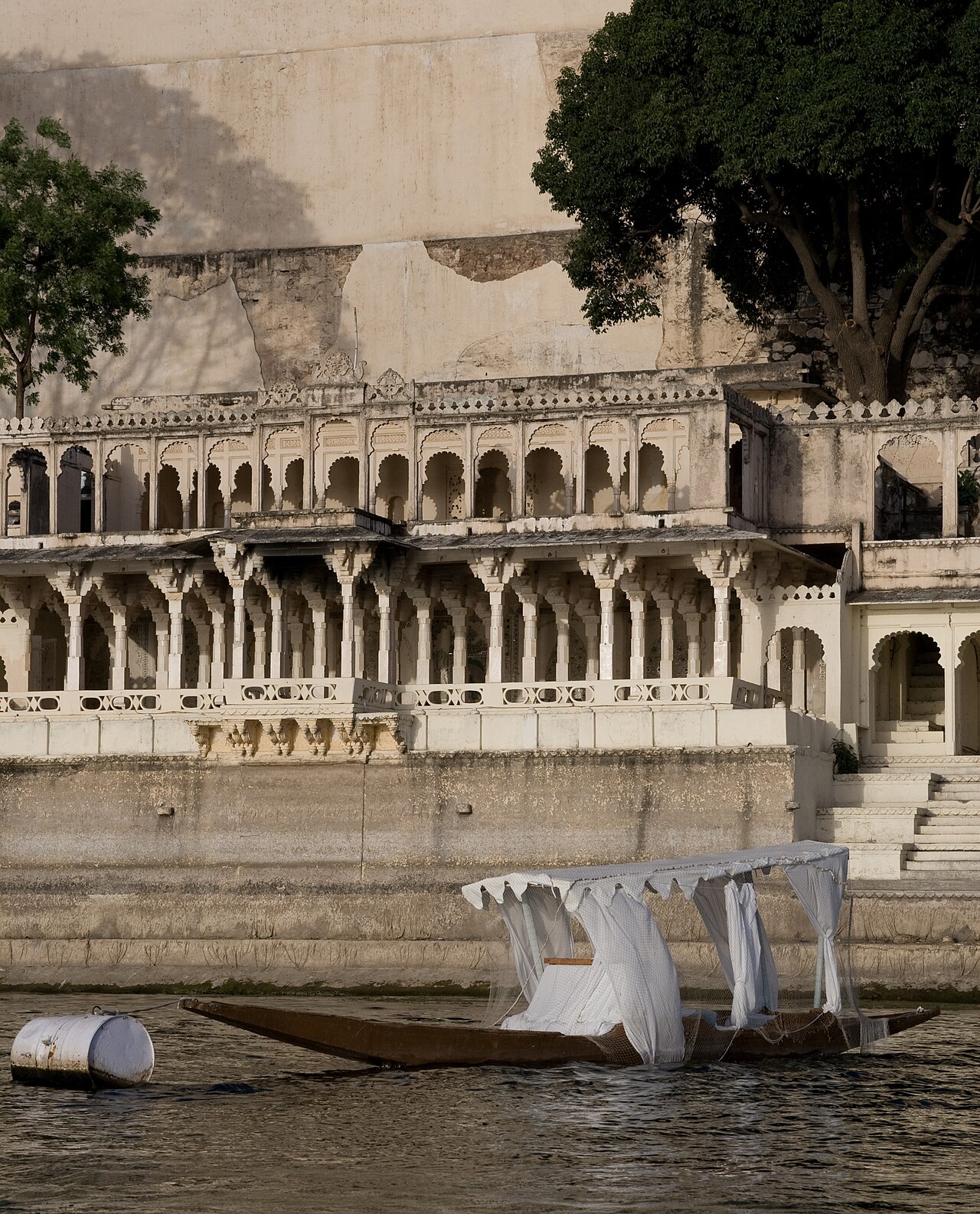
When you arrive, skip the main entrance crowds and head straight to the quieter docking areas. By getting there early, you have your pick of the shikaras. The boatmen here are generally less harried than in the city, and they are usually happy to take you on a slower, more deliberate route around the perimeter.
Mid-Morning: Boating and Lotus Viewing
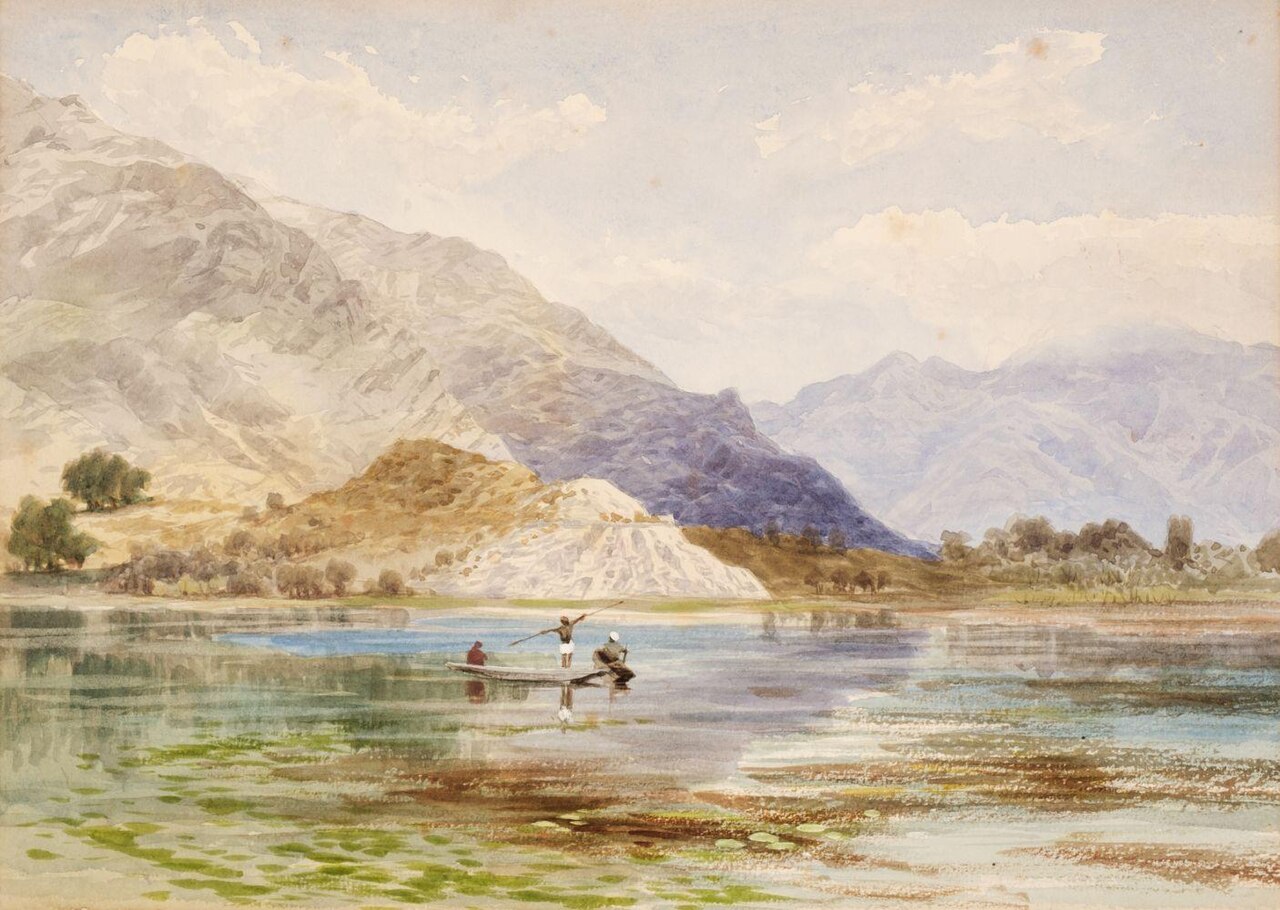
Once you are on the water, ask your boatman to head toward the southern end of the lake, where the lotus patches are densest. In mid-summer, this area is a sea of pink and green. The sheer depth of the lake becomes obvious here; look down into the water, and you will see how it transitions from the shallow reed beds into the deep, dark basin.
Spend at least an hour on the water. Bring a pair of binoculars if you are interested in birds, as the reeds are home to various migratory species that are rarely found in the busier, more developed areas near Dal Lake. It is quiet enough that you can actually hear the birdsong over the sound of the boat's oars.
Exploring Jarokha Bagh Ruins
After your boat ride, ask to be dropped off near the eastern shore to walk through the ruins of Jarokha Bagh. These stone remnants are a relic of the Mughal period, and there is no fencing or ticket-style tourism here. It is just you and the weathered sandstone.
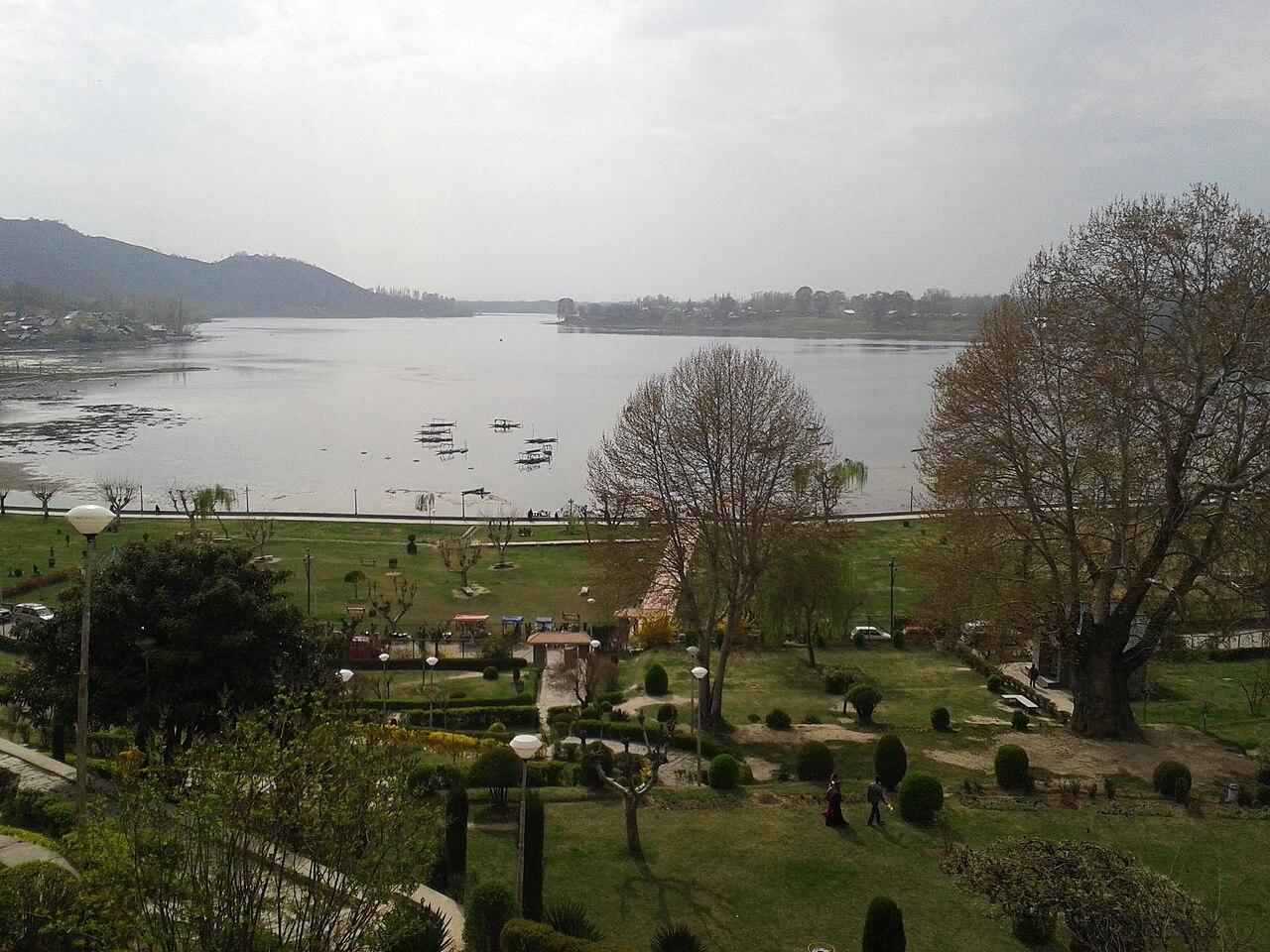
Take your time climbing the stairs to the upper levels of the pavilion. From here, you get a bird's-eye view of the lake you were just rowing across. It helps put the scale of the water body into perspective. The site is rarely crowded, so you have the freedom to take photos without having to wait for a clear frame.
Lunch Options Near the Lake
For lunch, look for the small, family-run food stalls near the park entrance. They aren't fancy, but they offer some of the most honest local food in the district. You can often find freshly prepared snacks like nadru monje, a lotus stem fritter that is a staple of the Kashmir valley.
If you prefer a more formal sitting, there are a few basic restaurants in the Ganderbal area that serve standard Kashmiri wazwan-inspired meals. Keep your expectations grounded; this is a rural area, and the charm lies in the simplicity of the ingredients, which are often sourced from the surrounding fields.
Tips for a Smooth Half-Day Excursion
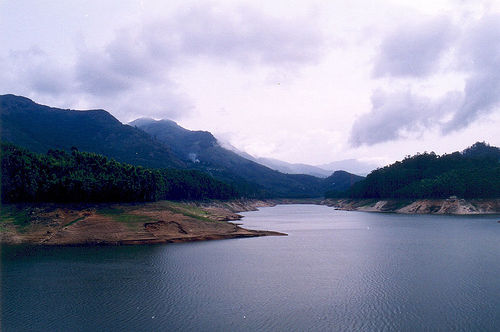
The biggest tip I can give is to keep your schedule flexible. If you spend longer than expected at the ruins, don't rush. The beauty of Manasbal is that it doesn't have a list of 'must-see' checkpoints that you need to tick off. It is an ambient experience.
Pack a light jacket, as even in summer, the air near the lake can be cool in the morning. Also, make sure your driver knows that you want to stick to the quieter spots rather than the main public park. They might be used to taking visitors to the busier pier, so it pays to be clear about your preference for a peaceful morning.
Before you book
Spending half a day at Manasbal is one of the best ways to understand the quieter rhythms of life in Kashmir. It is a rare chance to see a slice of the valley that remains mostly undisturbed by the heavy commercial interest found elsewhere.
If you are putting your own itinerary together and need a hand with transport or local advice, we are here to help. Reach out to Skywale Packages, and we can arrange a driver who knows exactly how to get you to the best vantage points without any fuss.
Want us to plan your Manasbal trip?
We know the best routes and hidden spots around the lake to ensure you have a relaxing, hassle-free morning.
Get in touch with usWritten by
Kashmir, Jammu & Ladakh specialists
We plan and run trips across Kashmir, Jammu and Ladakh every week of the year. Everything here comes from routes we drive, stays we inspect and questions our travellers actually ask.
Quick answers
Questions we get asked
Do I need a guide for Manasbal Lake?
You do not need a professional guide. The boatman can show you the major points, and the lake is small enough that you can navigate the ruins on your own.
Is it possible to swim in Manasbal?
Swimming is generally discouraged. The lake is quite deep, and there are no lifeguards or official facilities for swimming. Stick to the boat rides.
Are there restrooms near the lake?
There are basic public facilities near the main park entrance, but they are limited. Plan to use facilities in your transport or at a restaurant in Ganderbal.
Can I visit Manasbal after a trip to Sonamarg?
Yes, it is on the way back from Sonamarg. However, it is better visited on its own to avoid rushing through either the lake or the mountain pass.
What should I bring for the trip?
Bring a camera, a light jacket, comfortable walking shoes for the ruins, and enough cash for the boat hire and local snacks as digital payments can be unreliable.
Photography credits
- Photo: Pronobeshng · CC BY-SA 4.0
- Photo: Ankur P from Pune, India · CC BY-SA 2.0
- Photo: particlem · CC BY 2.0
- Photo: Colonel George Strahan (1839 – 7 January 1911) · Public domain
- Photo: Asif.mirr201 · CC BY-SA 3.0
- Photo: User:Deepak · CC BY-SA 3.0
- Photo: Srishti Sethi · CC BY-SA 4.0