Choosing the Best Time for a Sinthan Top Tour
Understand weather patterns, snow conditions, and seasonal access for your visit.
Learn about weather windows, temperature ranges, and seasonal advantages to find the best time to visit sinthan top.
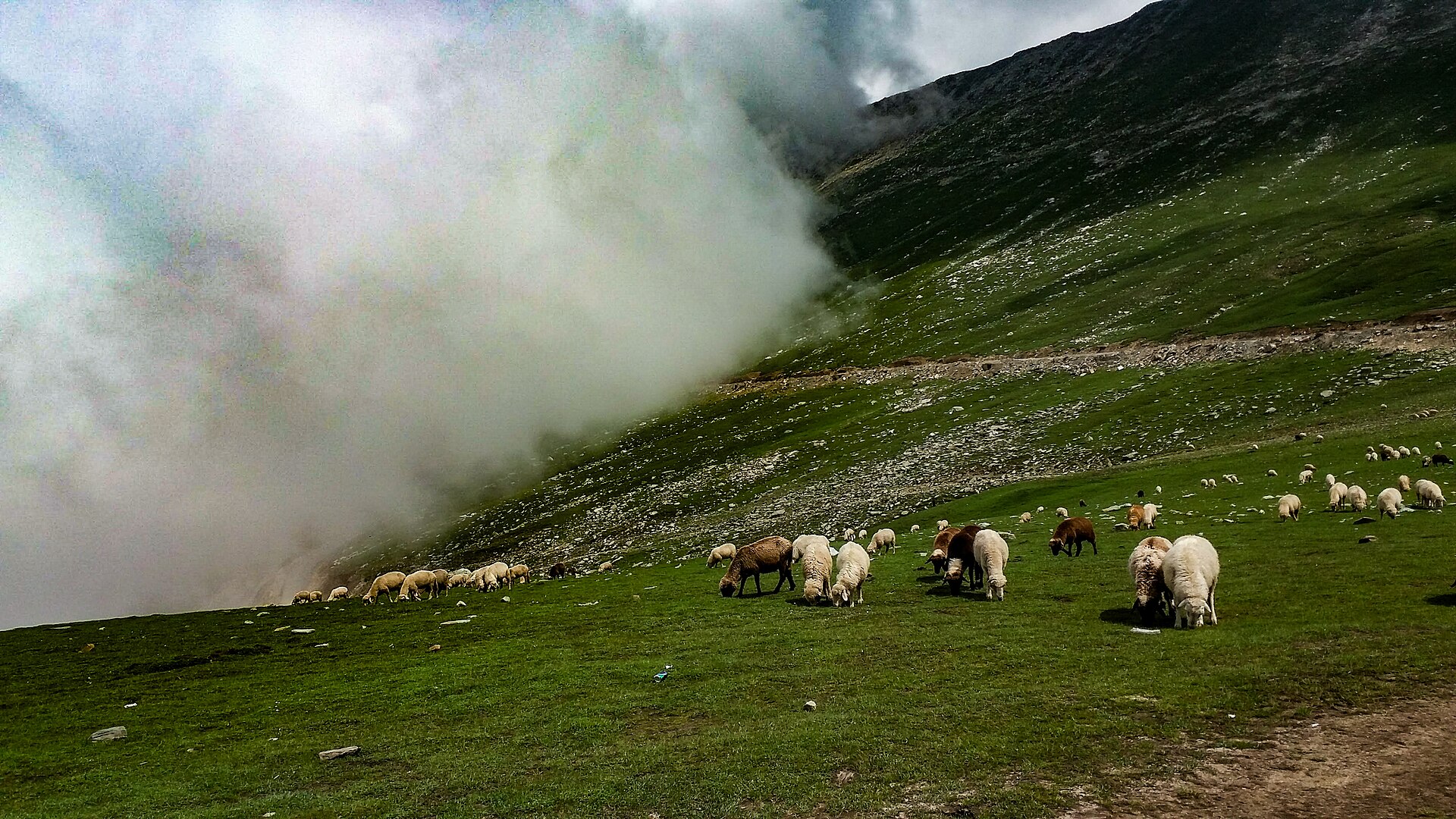
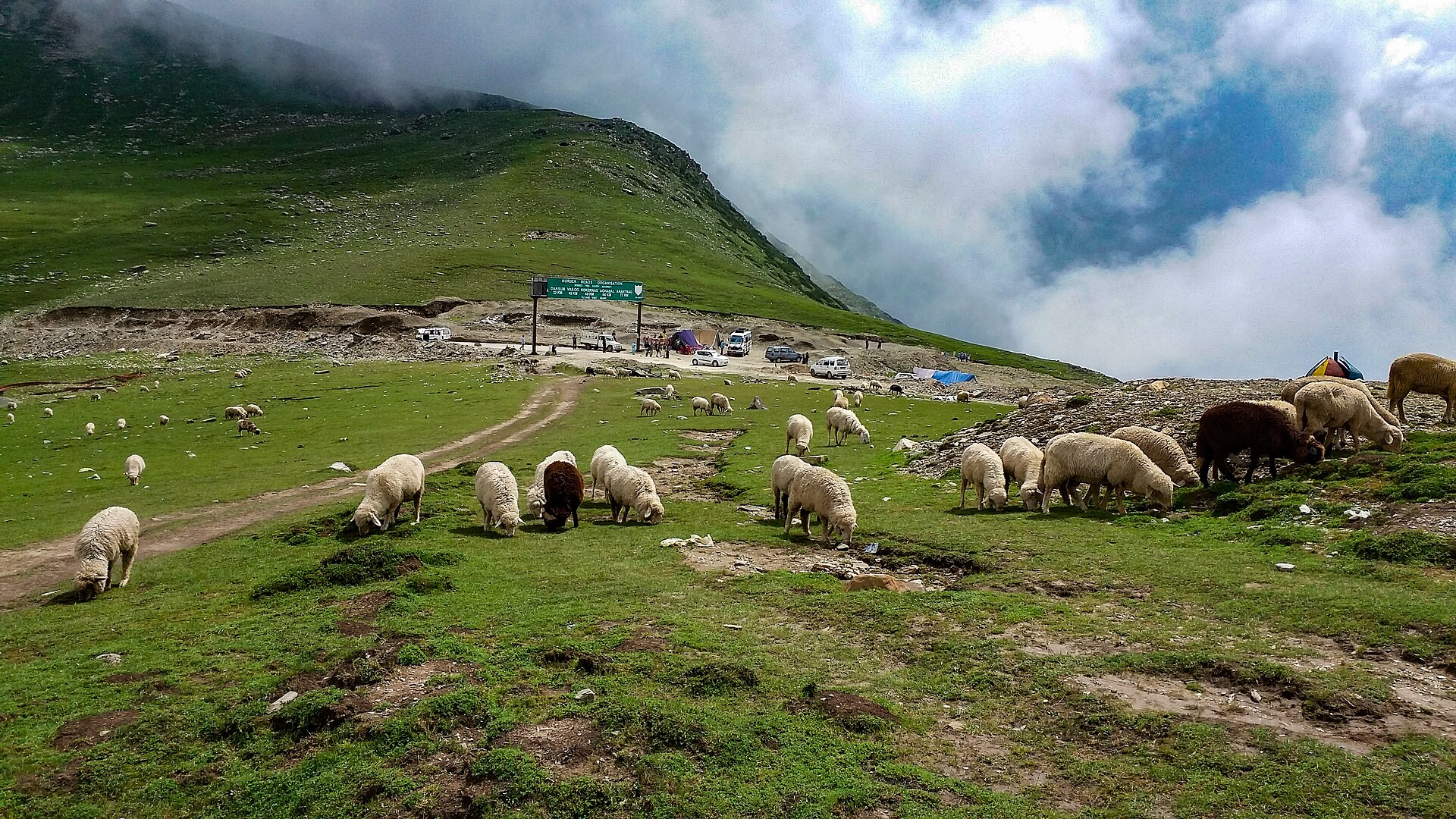
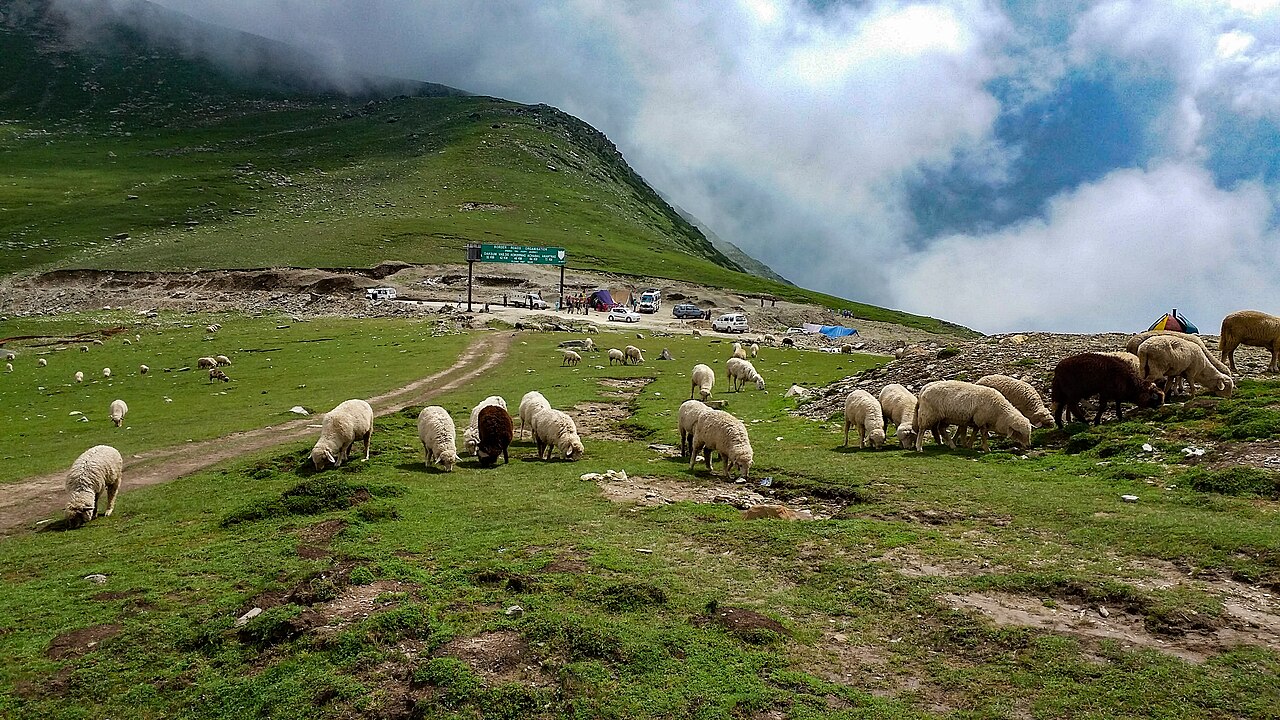
Summer brings lush green pastures and clear skies to the high pass.Photo: Madhumita Das · CC BY-SA 4.0
Snow poles line the edges of the tarmac right up to July, serving as a quiet reminder of how harsh the winters are at nearly four thousand metres. Figuring out the best time to visit sinthan top depends entirely on whether you want to see stubborn lingering snowdrifts or emerald green alpine meadows stretching toward Kishtwar.
Timing your trip incorrectly can mean turning back halfway because heavy snow or sudden mountain fog has closed the pass. Understanding the seasonal rhythms of the region ensures you pick a window when the sky stays clear and the road remains fully open.
The Peak Season for Mountain Access
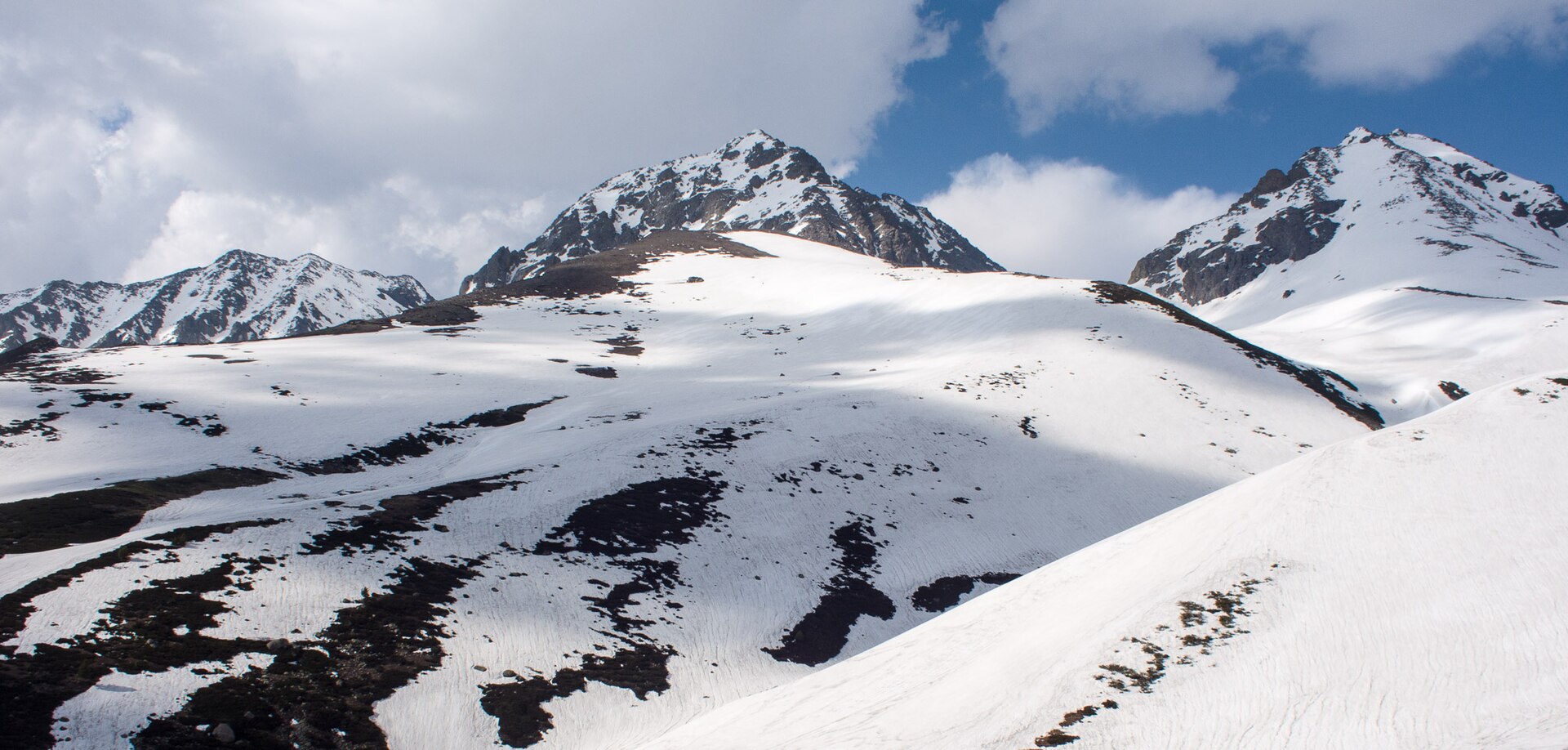
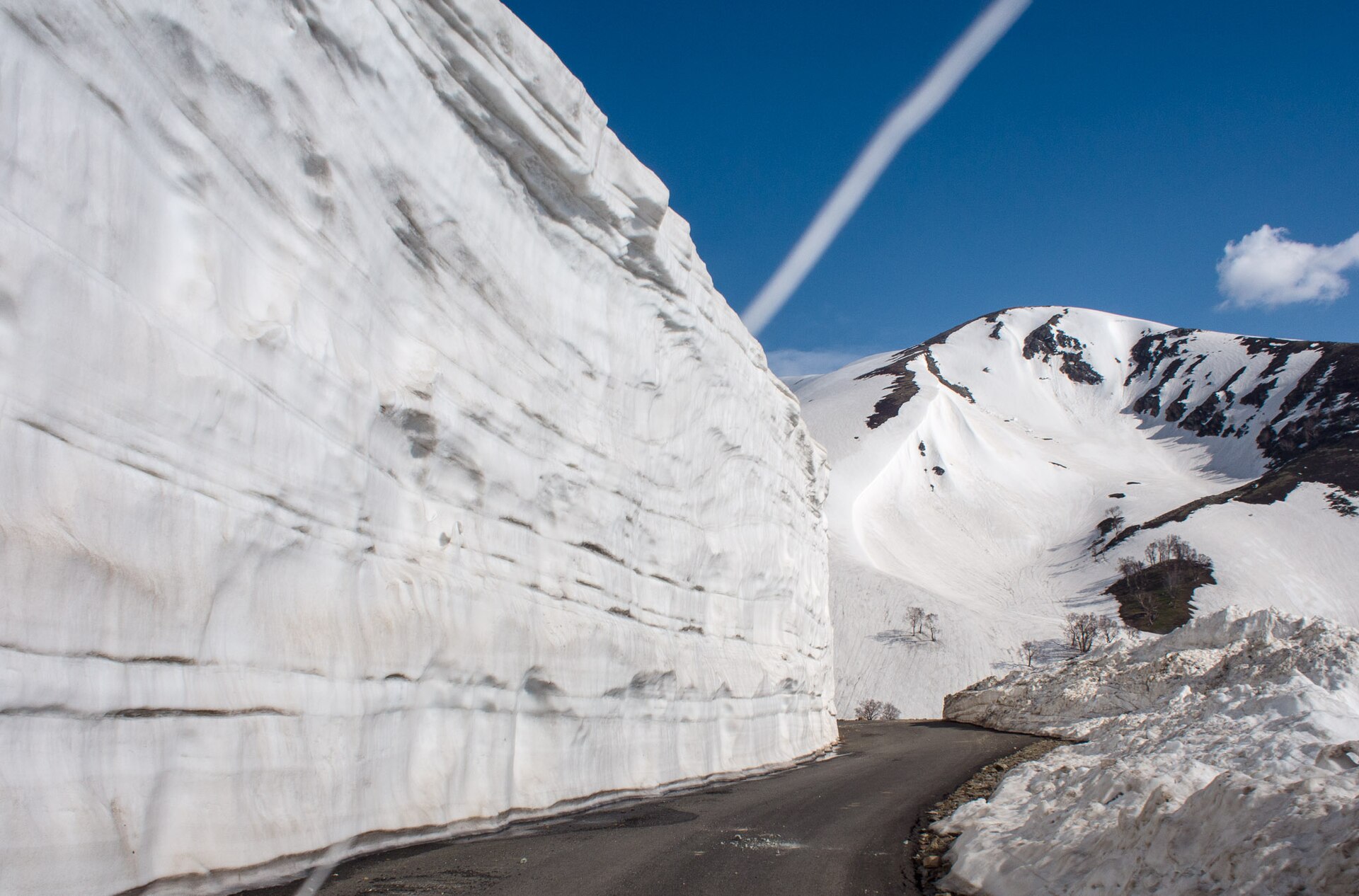
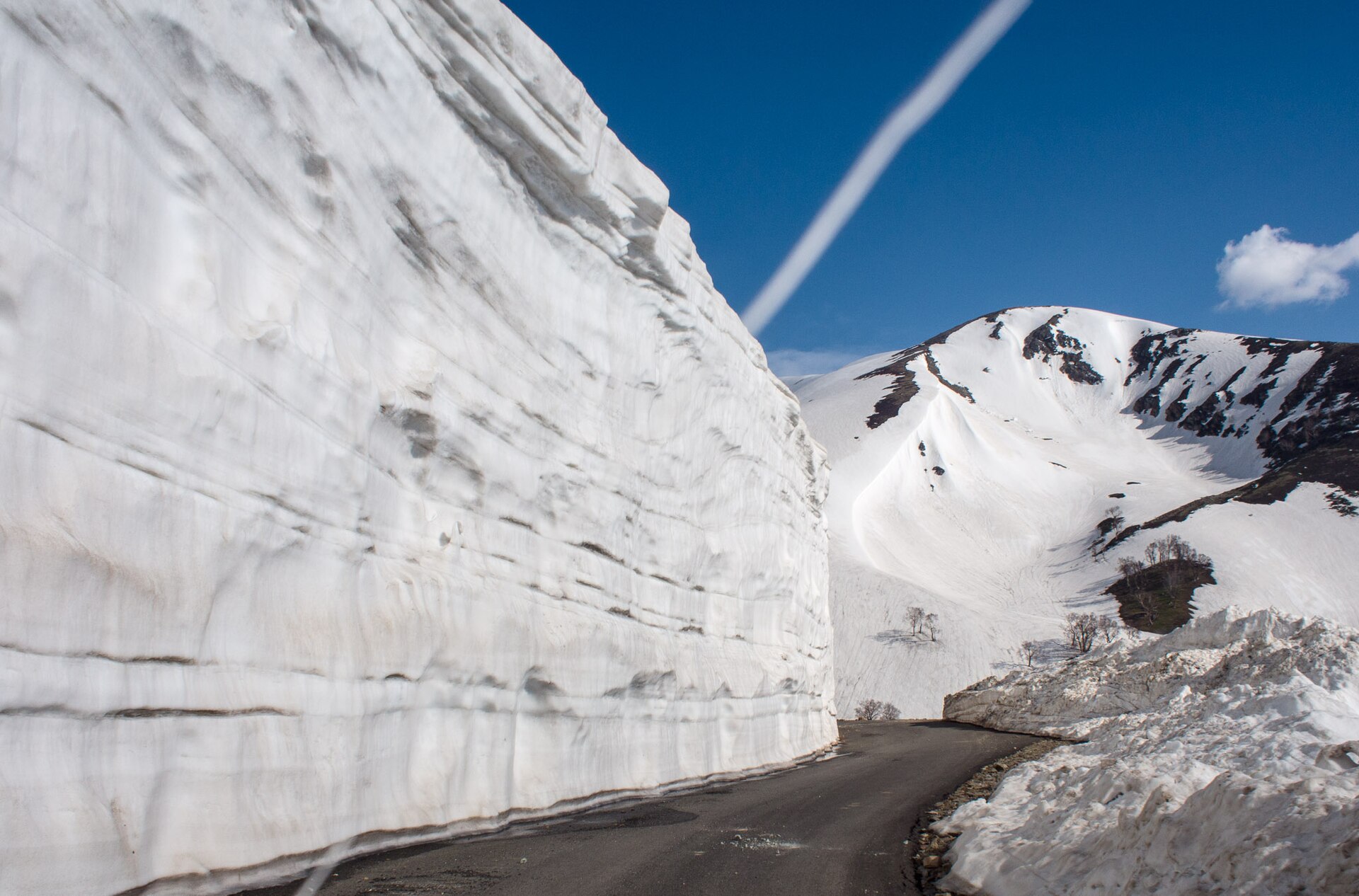
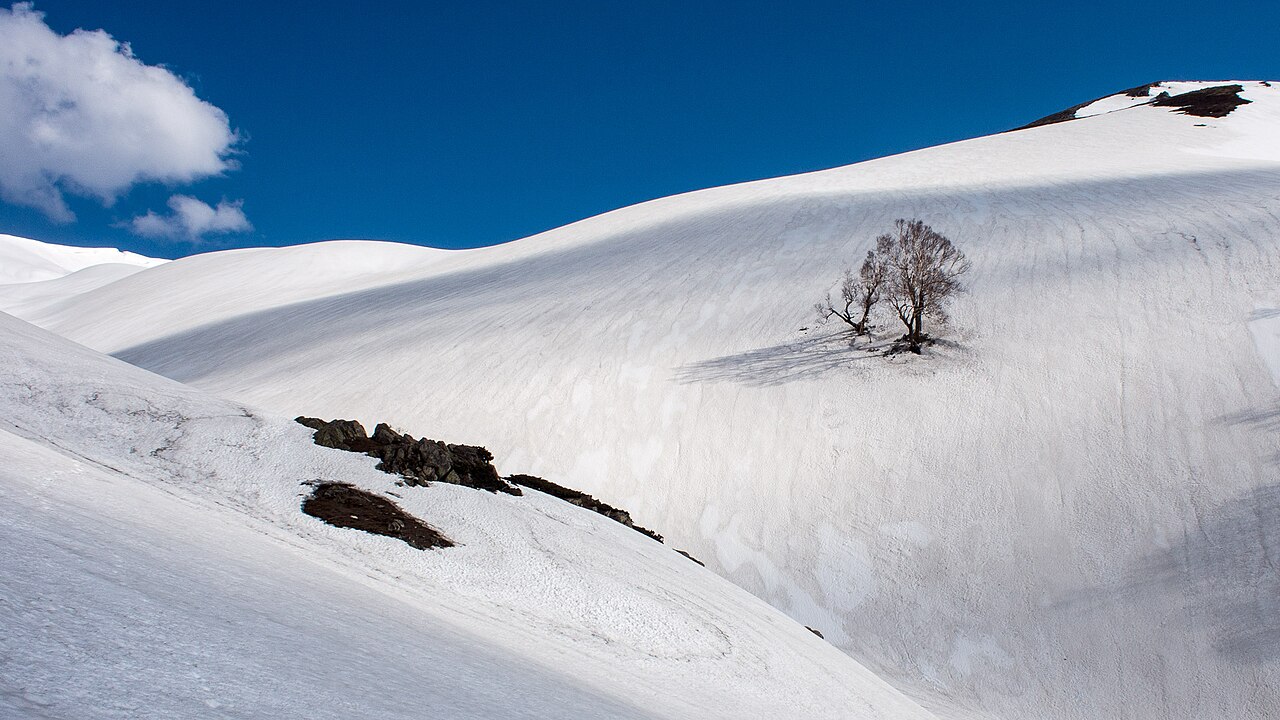
The official tourist window for the pass opens up once the Border Roads Organisation clears the heavy winter accumulation, usually by late April or early May. During this early part of the season, towering walls of snow flank the road on both sides, creating a striking contrast against the spring sunlight.
June through August marks the absolute peak of the season. The weather during these months is generally stable, daytime temperatures hover around a comfortable 15 to 20 degrees Celsius, and the surrounding pastures burst into bloom with wild alpine flowers.
- May: Lingering snow walls and clear spring skies
- June: Lush green meadows and stable daytime weather
- July: Peak summer conditions with occasional afternoon clouds
- August: Warmest daytime temperatures across the valleys
Why Summer Offers the Best Views
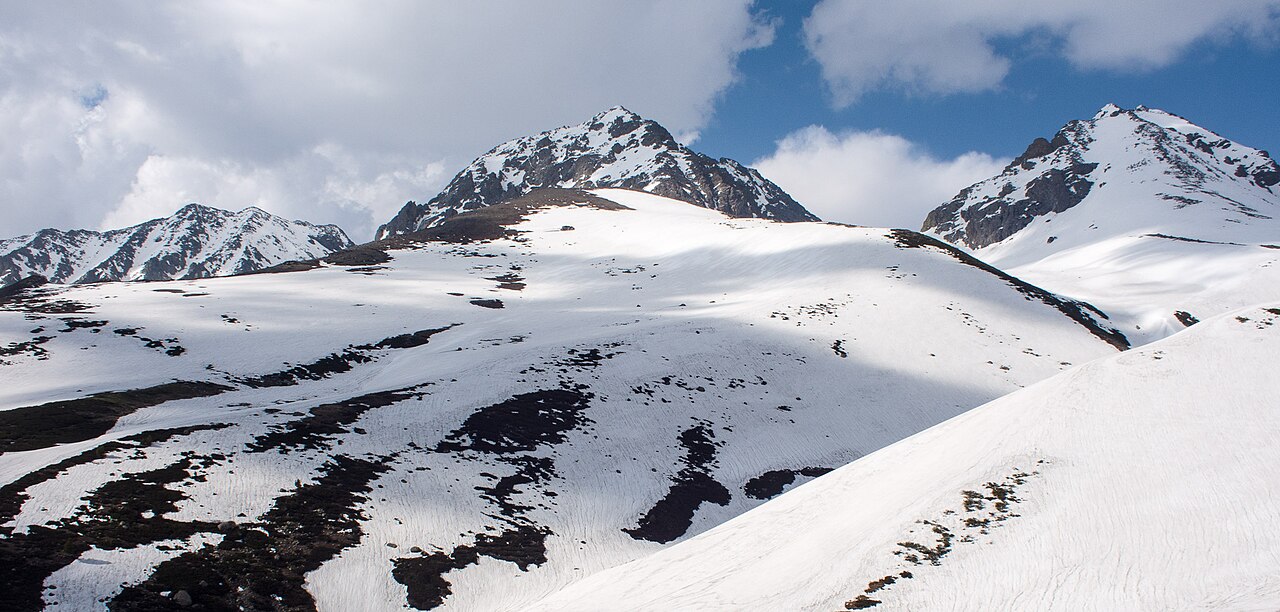
Experiencing sinthan top in summer means you get uninterrupted panoramic views stretching across three different mountain ranges. The visibility from the 3,748-metre summit is at its absolute clearest between June and September, allowing photographers to capture distant peaks with remarkable sharpness.
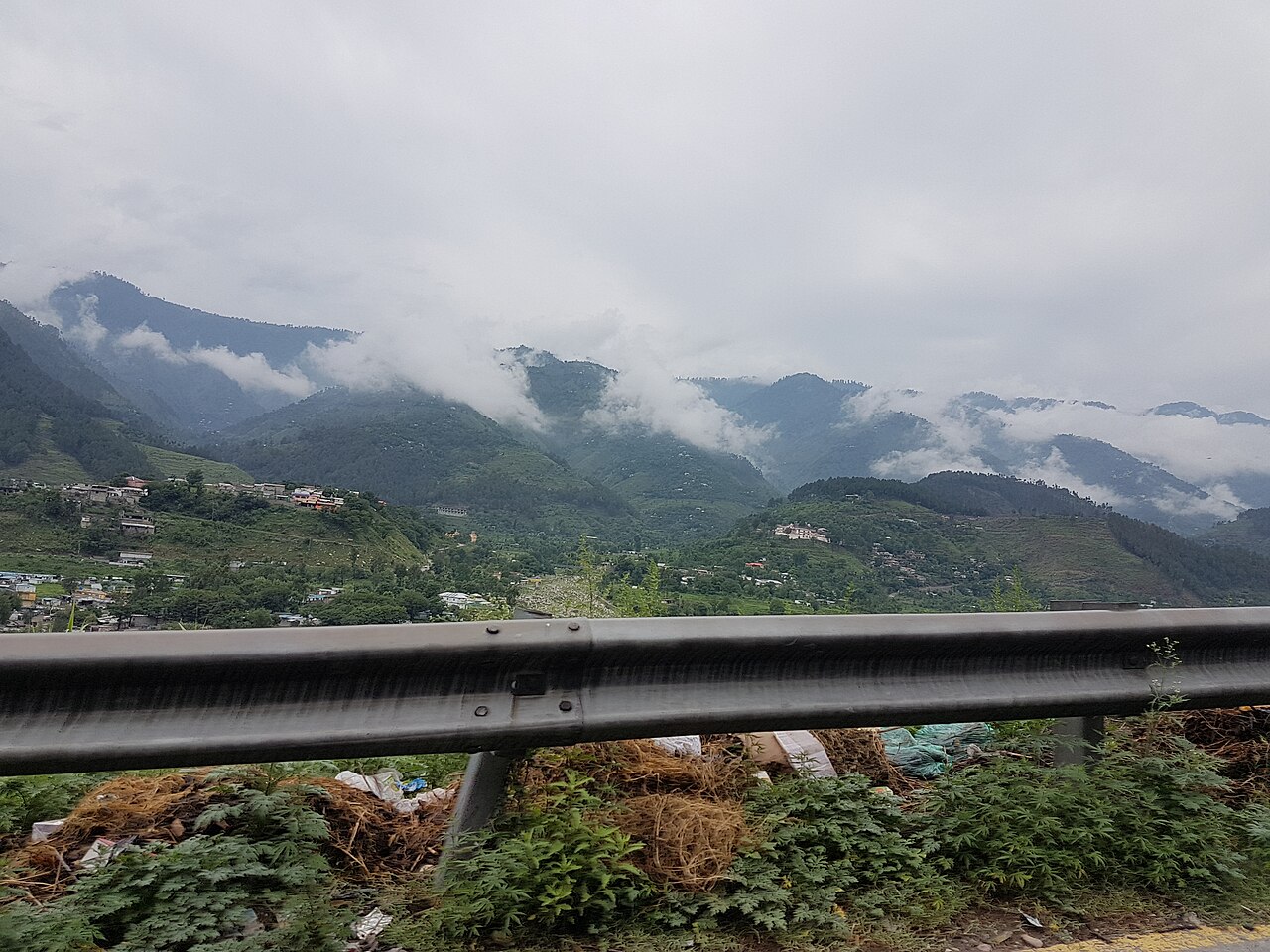
The lower valley routes leading up through /destinations/kashmir/daksum and /destinations/kashmir/kokernag are fully operational, making road travel smooth and predictable. You will not have to worry about sudden road closures due to avalanches or unseasonable blizzards.
Planning for Weather and Visibility
Mountain weather is notoriously fickle, and the pass is no exception to this rule. Even on a gorgeous sunny morning in Srinagar, storm clouds can gather over the summit by early afternoon, dropping visibility to just a few metres within minutes.
We always advise our travellers to aim for an early morning arrival at the top. The hours between 9:00 AM and 12:00 PM consistently offer the brightest skies and the calmest winds before atmospheric pressure shifts later in the day.
Off-Peak vs. Peak Travel Advantages
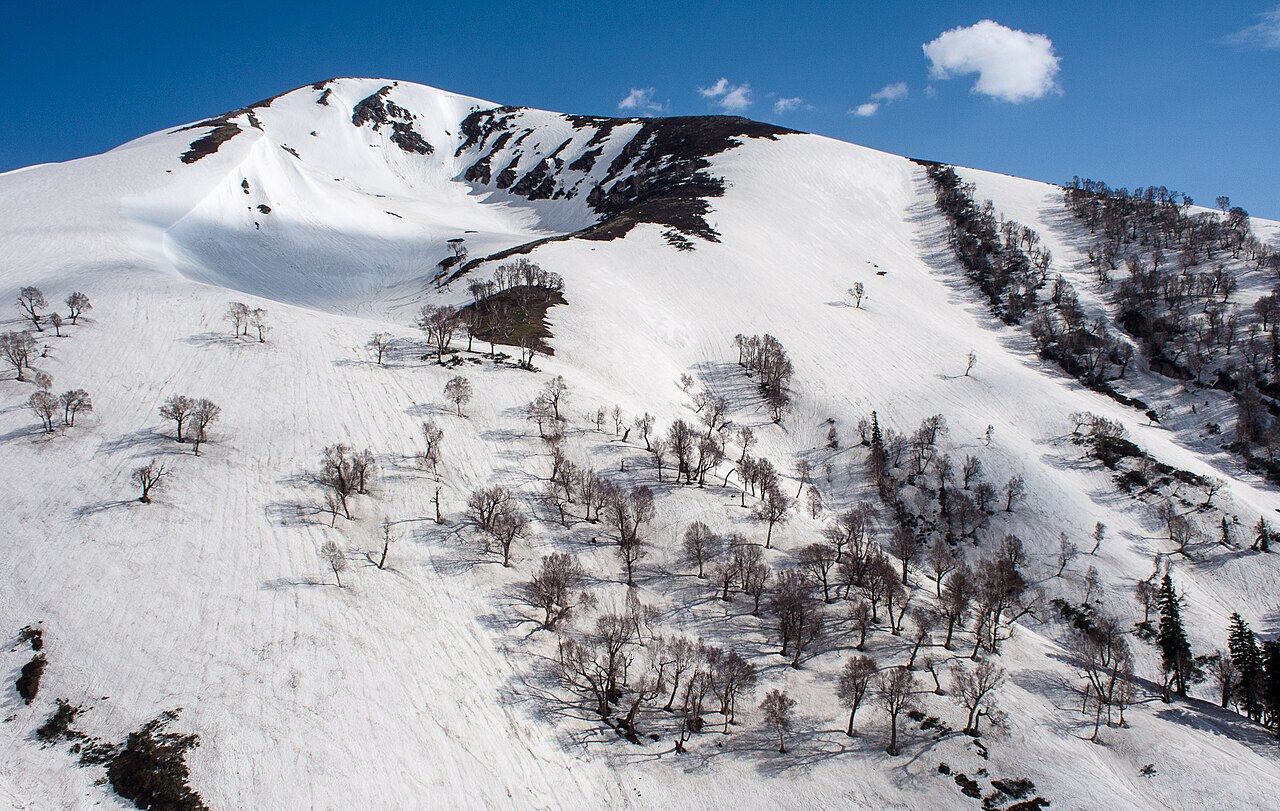
Travelling during the shoulder months of May or late September comes with distinct advantages. You will encounter far fewer tourist vehicles at the viewpoint, allowing you to enjoy the silence of the high mountains without the bustle of peak summer crowds.
However, the trade-off is colder weather and a higher chance of encountering brisk, biting winds. If you prefer quiet landscapes and dramatic lighting, the shoulder seasons are well worth considering despite the chill.
How to Book the Ideal Window for Your Holiday
Choosing your travel dates requires balancing your preference for warm weather against your desire for solitude. Most families prefer the reliable warmth of July, while landscape photographers often lean toward the crisp autumn light of September.
When you are ready to plan your trip around /destinations/kashmir/sinthan-top, /destinations/kashmir/achabal, and the surrounding areas, reach out through our /contact page. We monitor local road conditions daily and can help you lock in the perfect week for your journey.
Before you book
Timing your visit correctly transforms a simple sightseeing trip into an extraordinary alpine experience. By aligning your travel dates with the stable weather windows of summer, you ensure safe roads and breathtaking vistas.
No matter which month you choose, the transition from forested valleys to the stark heights of the pass leaves a lasting impression. Connect with our team to discuss seasonal itineraries tailored to your exact travel style.
Plan Your Seasonal Trip
Speak with our local experts to find the ideal travel window for your Kashmir mountain holiday.
Get Seasonal AdviceWritten by
Kashmir, Jammu & Ladakh specialists
We plan and run trips across Kashmir, Jammu and Ladakh every week of the year. Everything here comes from routes we drive, stays we inspect and questions our travellers actually ask.
Quick answers
Questions we get asked
Does Sinthan Top have snow in summer?
You can find patches of lingering snow in shaded crevices even in June and July, though the main road and meadows are entirely clear of heavy snow during these months.
What is the temperature at Sinthan Top in July?
Daytime temperatures generally range between 12 and 18 degrees Celsius, dropping down near freezing point as soon as the sun sets or winds pick up.
Can I visit Sinthan Top in winter?
No, the road remains closed from November or December until April due to heavy snowfall exceeding ten feet in some sections of the pass.
When does the weather start turning cold in autumn?
Temperatures begin to drop noticeably by late September, with frosty mornings becoming common ahead of the first major snowfall in October or November.
Photography credits
- Photo: Madhumita Das · CC BY-SA 4.0
- Photo: Mike Prince from Bangalore, India · CC BY 2.0
- Photo: Mike Prince from Bangalore, India · CC BY 2.0
- Photo: M Nouman Zafar · CC BY-SA 4.0
- Photo: Mike Prince from Bangalore, India · CC BY 2.0
- Photo: Mike Prince from Bangalore, India · CC BY 2.0
- Photo: Madhumita Das · CC BY-SA 4.0