Best Time to Visit Sinthan Top for Snow and Views
Planning your high-altitude trip to Kashmir's hidden pass.
Curious about the best time to visit Sinthan Top? I break down the seasons, the snow cycles, and the road conditions for this stunning mountain pass.
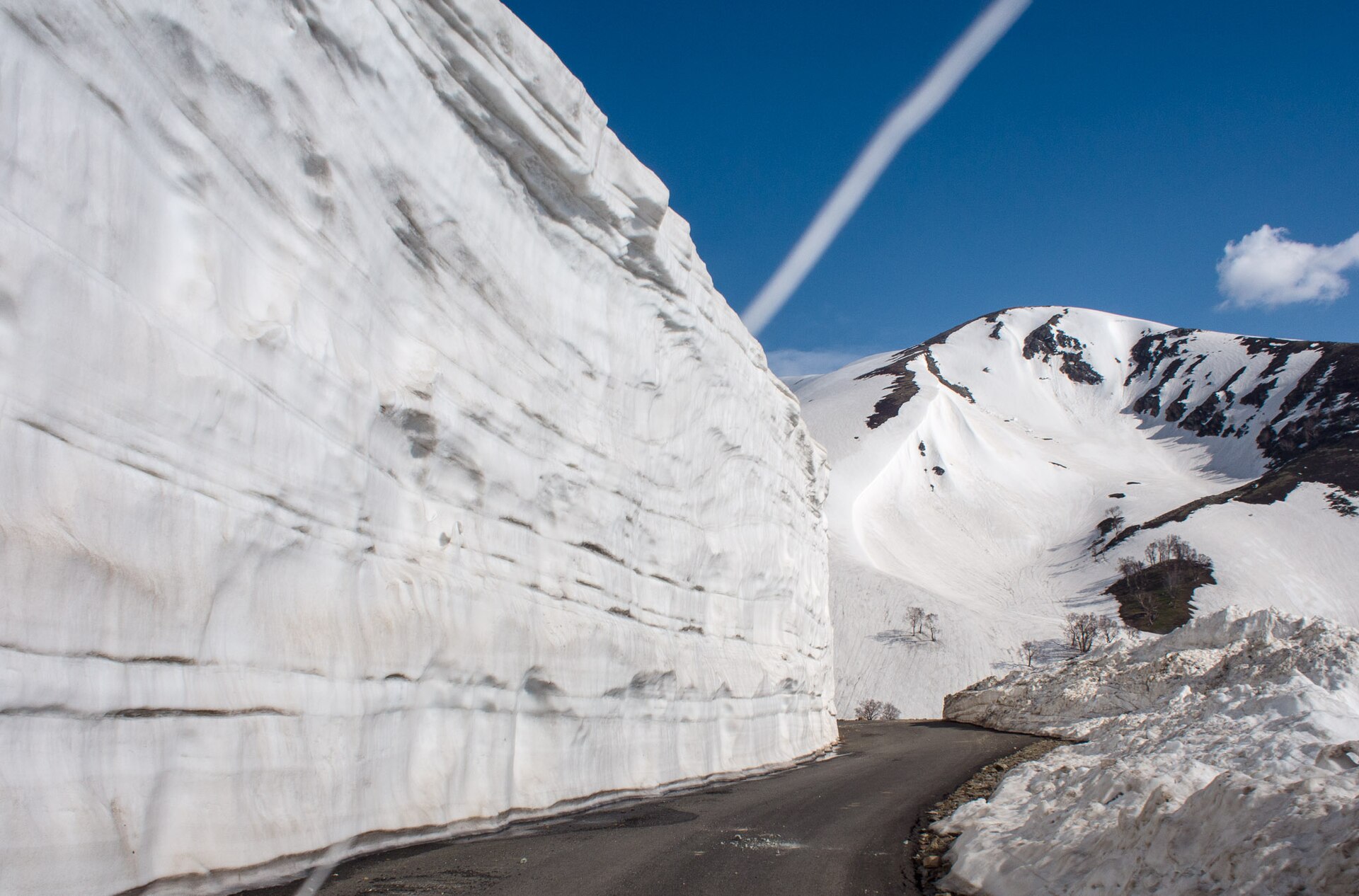
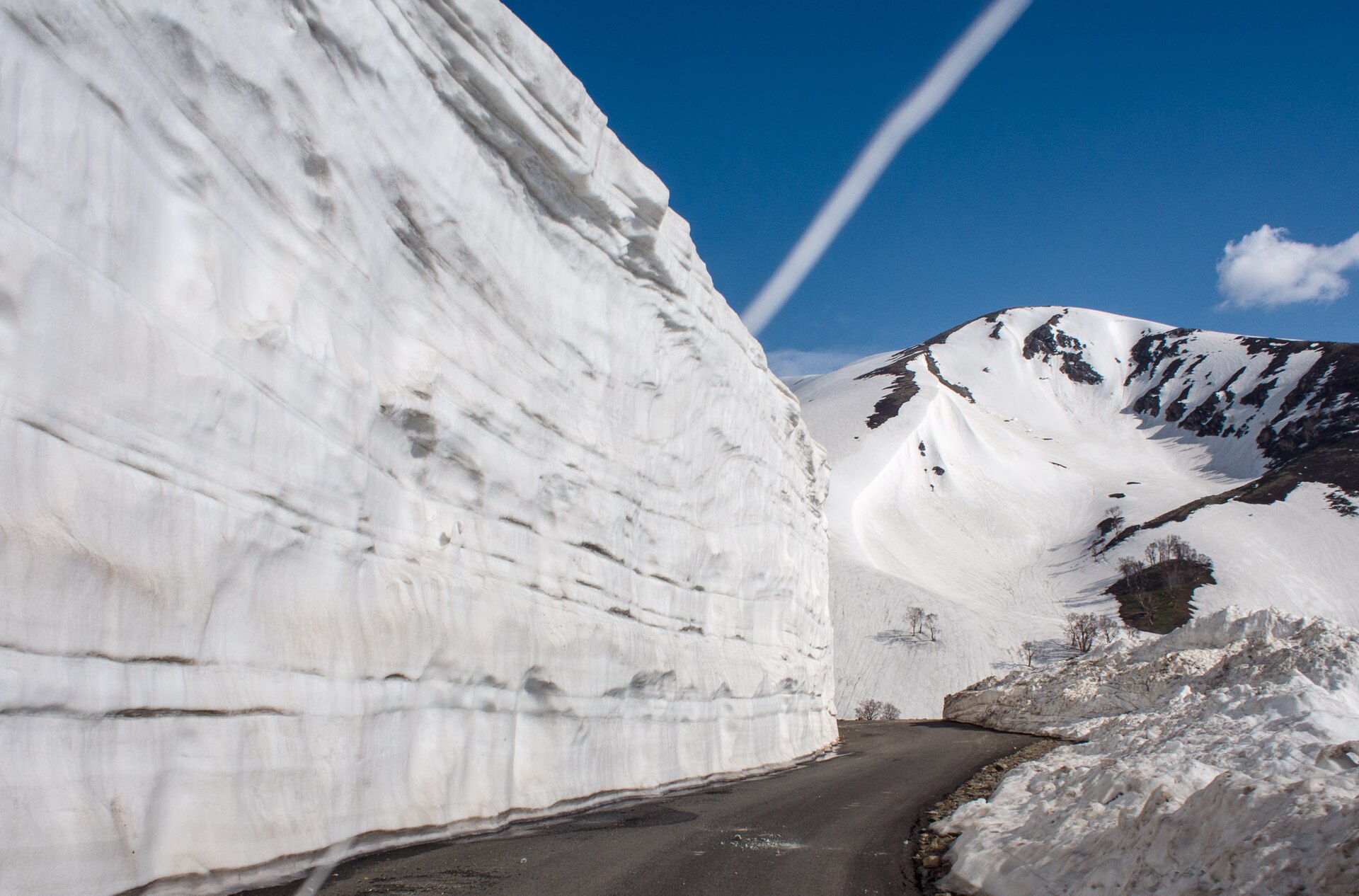
In early June, the road to Sinthan Top cuts through massive snow banks.Photo: Mike Prince from Bangalore, India · CC BY 2.0
I have seen the mountain pass at Sinthan Top during three different seasons, and it never looks the same way twice. In June, you are navigating through walls of snow, while in October, you are looking at crisp, golden ridges against a blue sky that seems too deep to be real.
Choosing the best time to visit Sinthan Top depends entirely on what you want to experience. If you are chasing the last of the winter snow, your window is narrow. If you are looking for clear roads and long, sweeping views, you need to wait for the late summer or early autumn.
This guide breaks down the seasonal cycles of this 3,800-metre pass, so you can plan your trip knowing exactly what to expect from the elements.
Why June is the Best Month for Snow
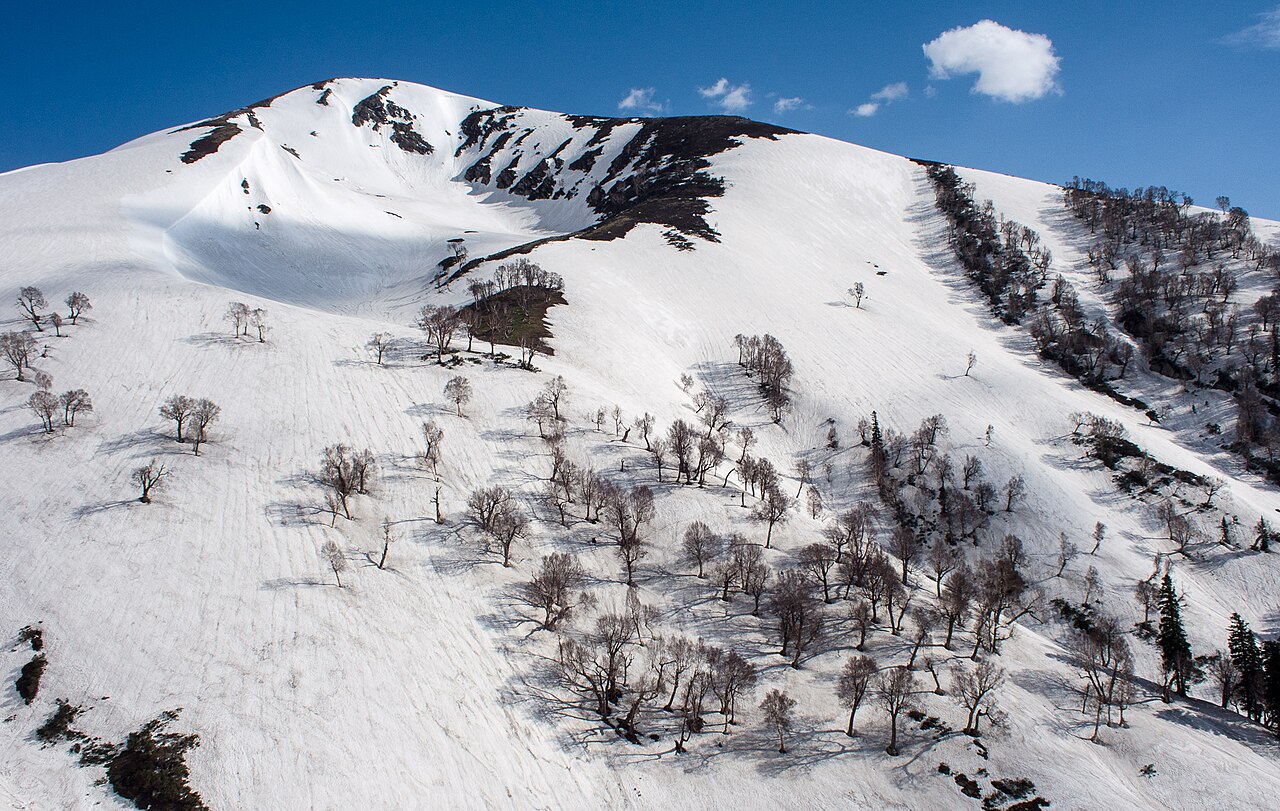
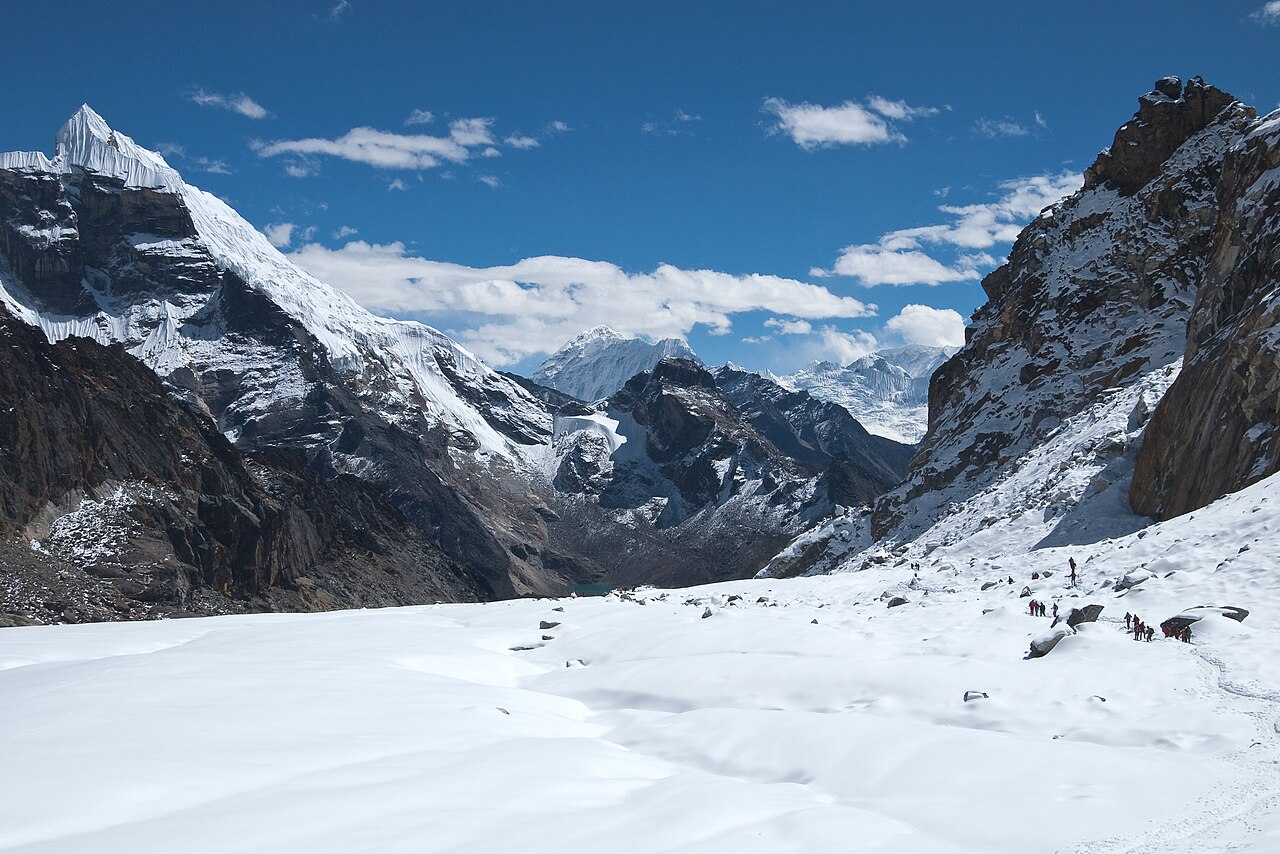
If your primary motivation is to see the famous snow walls that define the pass, early June is the ideal time. After the long winter, the road clearance crews have pushed through meters of snow, creating vertical banks on either side of the tarmac.
It is a surreal experience to drive through a corridor of white while the valley below begins to show its first bright greens of the year. The temperature at the summit will be chilly, often hovering near 5°C to 8°C even at midday, so bring gloves and a warm fleece.
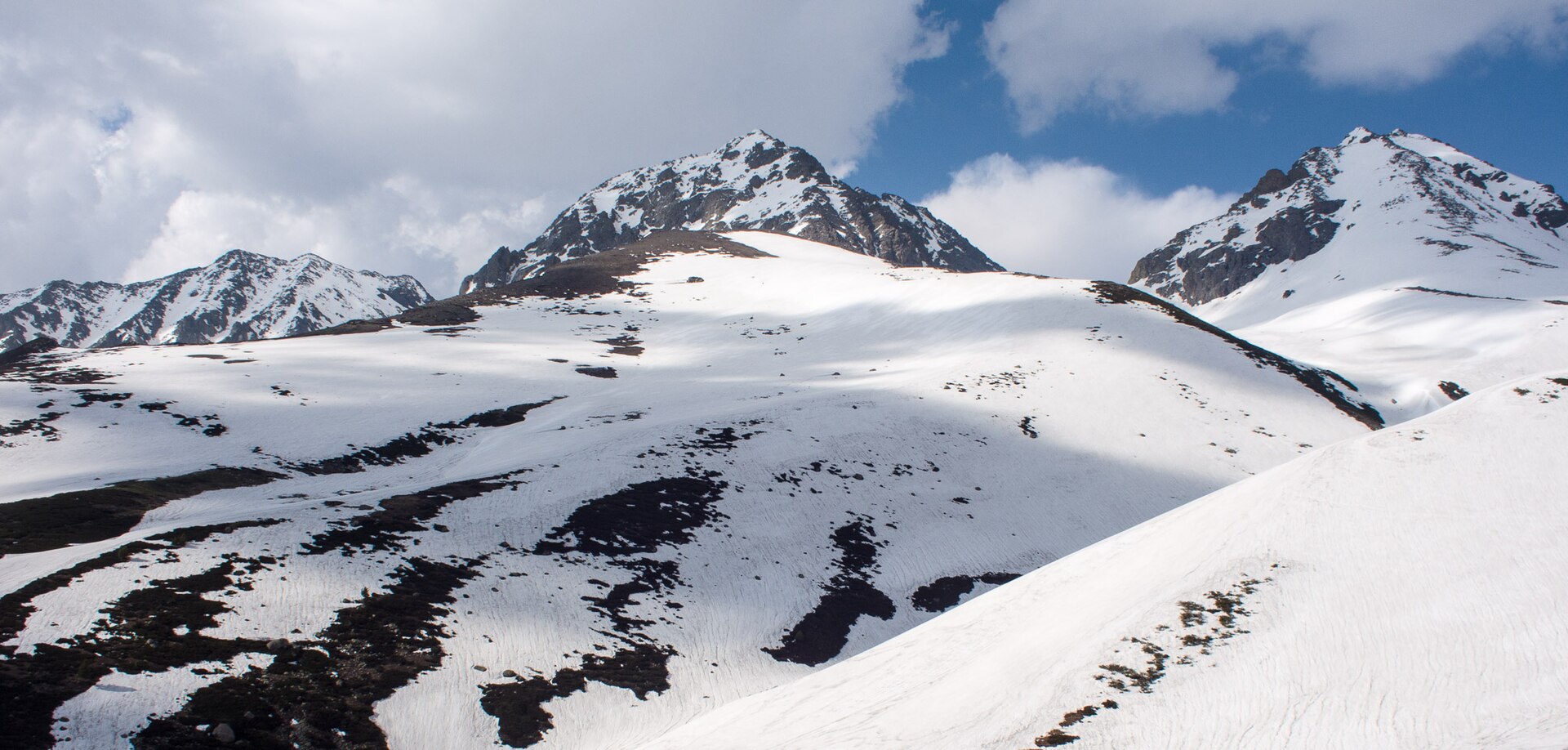
June also brings the best visibility. The spring rains have washed the dust from the air, making the distant peaks appear incredibly sharp. It is the best month for photographers who want that specific high-contrast 'winter-in-summer' aesthetic.
Understanding Summer Access
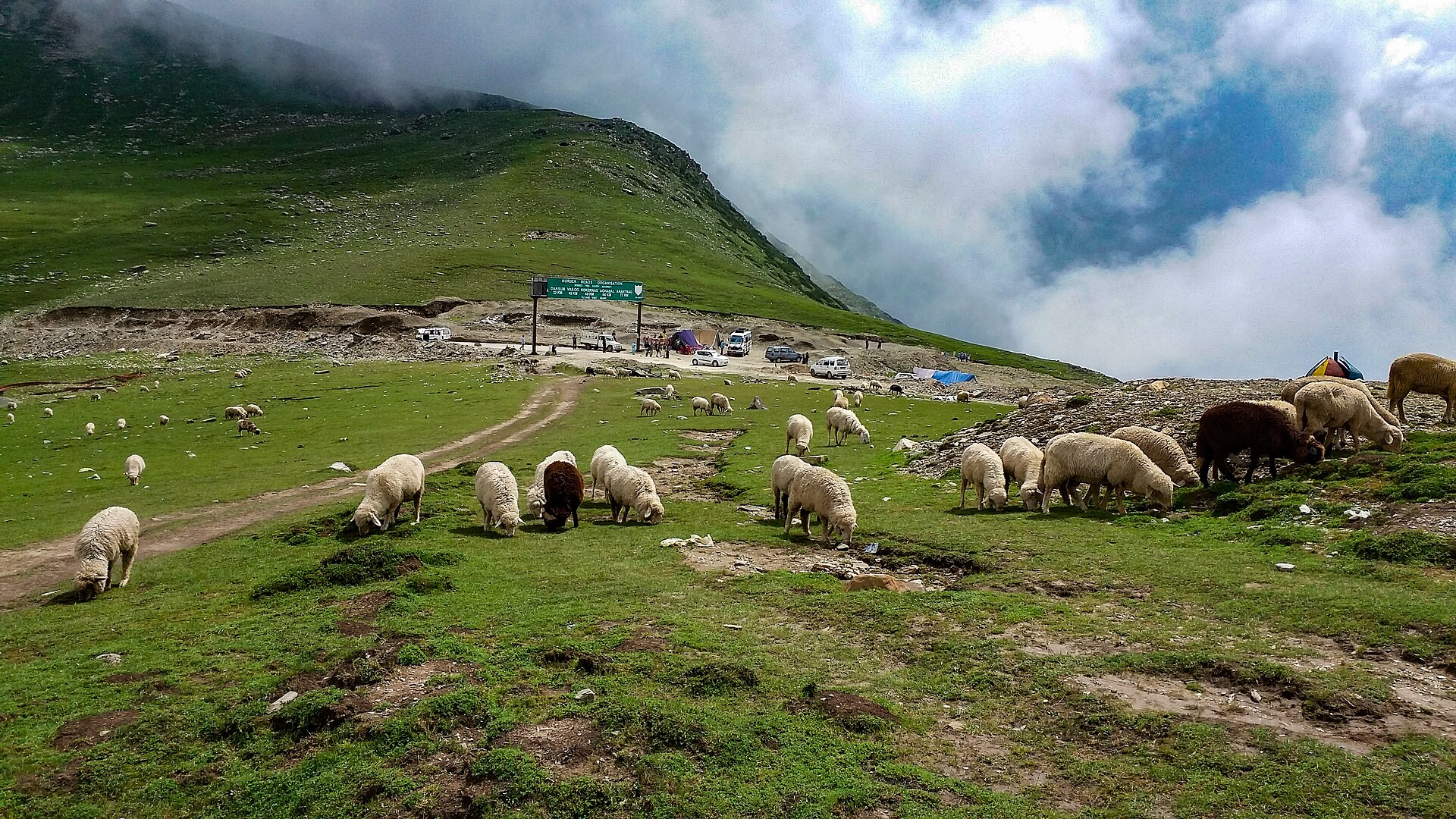
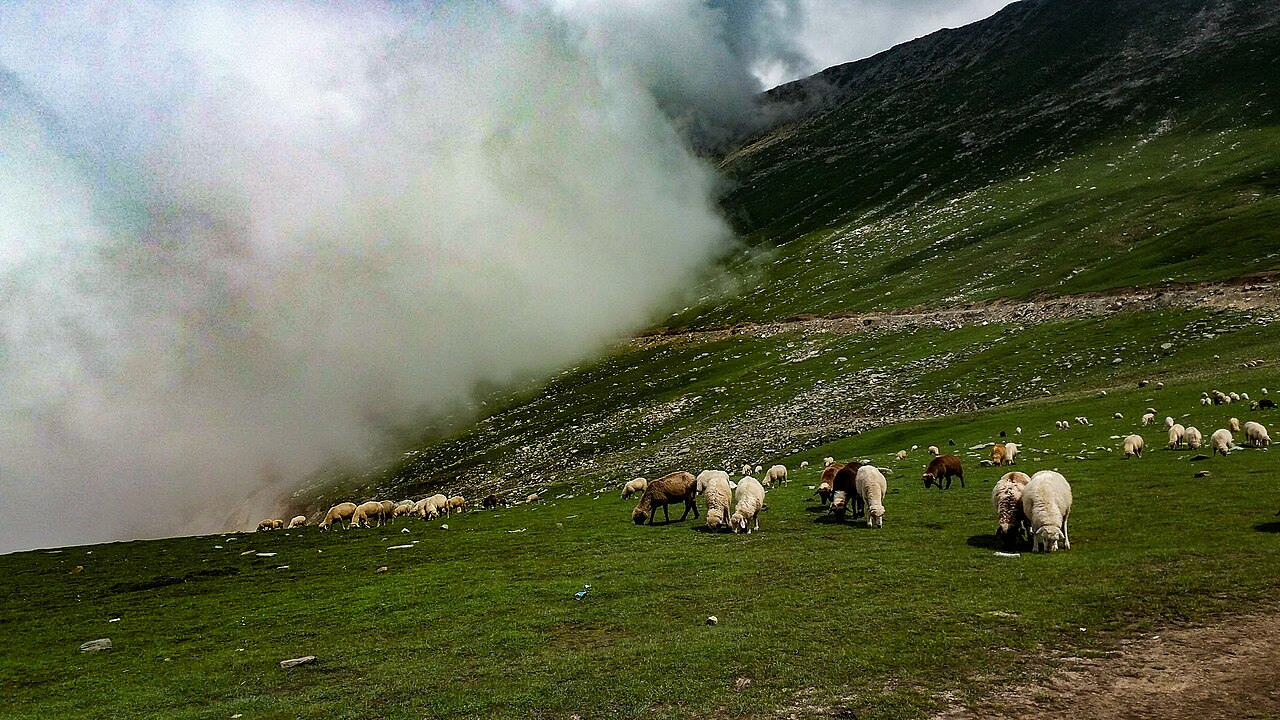
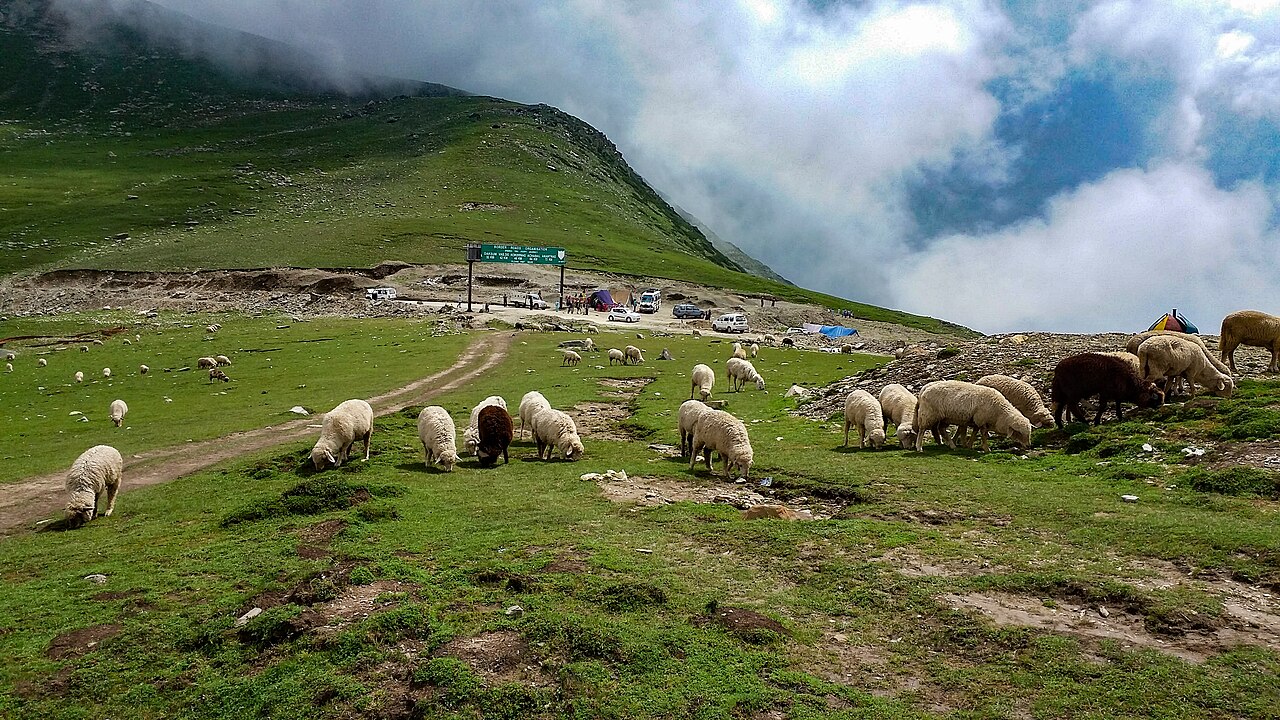
From July to early September, the road is at its most reliable. The snow banks have mostly melted away, leaving behind a brown and green landscape that feels vast and open. This is the period when I recommend most casual travellers visit.
The roads are clear of ice, making the winding ascent from Daksum far less stressful for those who are anxious about mountain driving. It is also the time when the nomadic herders are most active, which adds a cultural dimension to the drive.
However, July can be prone to monsoon-related cloud cover. While the rain in the lower valleys is frequent, at 3,800 metres, you might find yourself inside a cloud for hours. Check the forecasts from local sources in Kokernag the morning you plan to leave.
Autumn Landscapes at the Pass
By October, the air becomes exceptionally dry and cold. This is the best time to visit Sinthan Top for the views. The humidity of the summer has completely vanished, and the visibility stretches for miles.
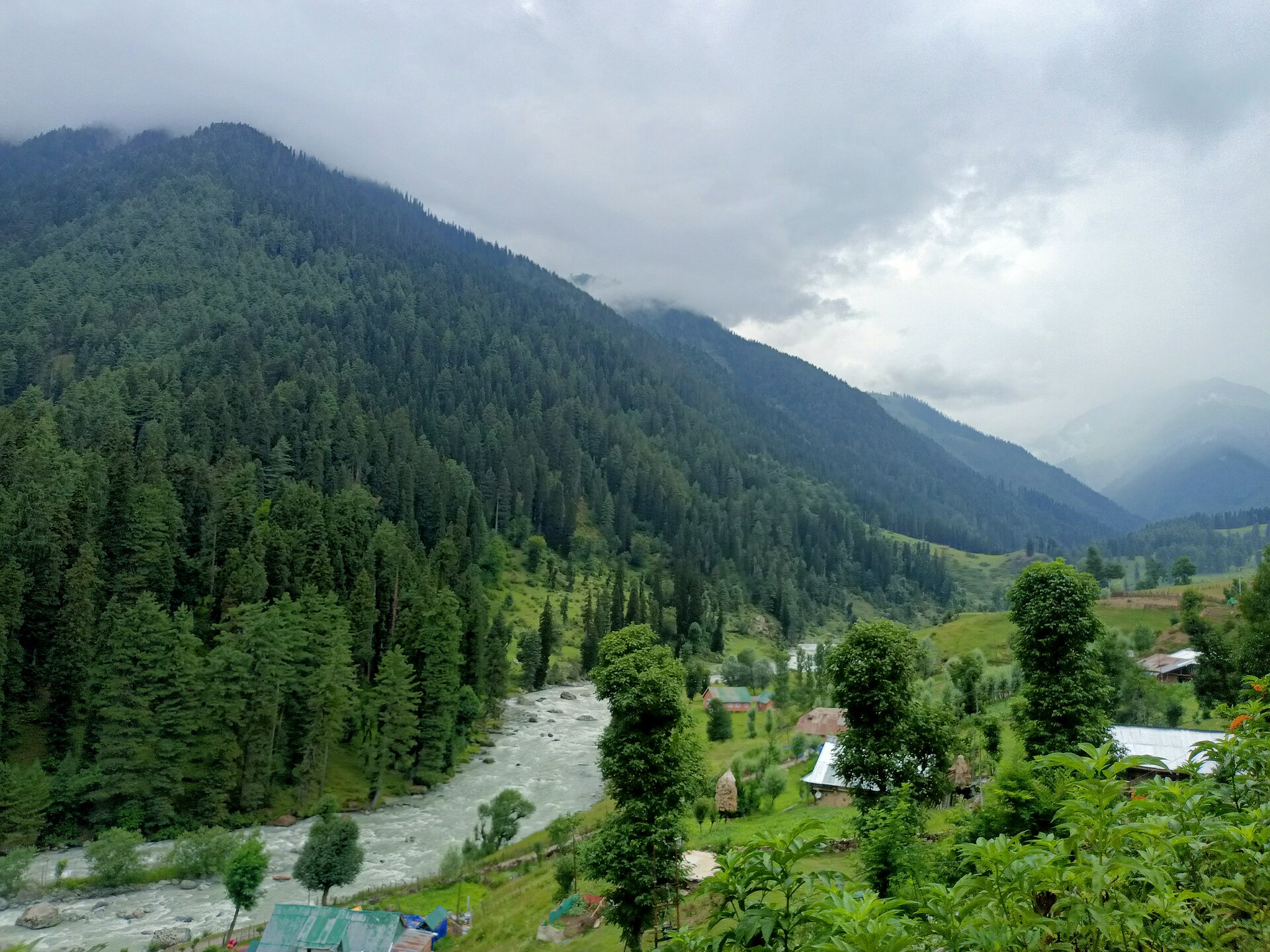
The colours in the valleys of Achabal and Daksum during this transition are spectacular, with the greens turning to oranges and yellows. While the summit itself is mostly rock and grass by this point, the light is soft, golden, and perfect for long-exposure shots.
It is quiet. The summer crowds have returned to the cities, and you will often have the pass to yourself. Just be aware that by late October, the first dusting of new winter snow can arrive overnight, occasionally closing the pass for a day or two.
When the Pass is Closed due to Weather
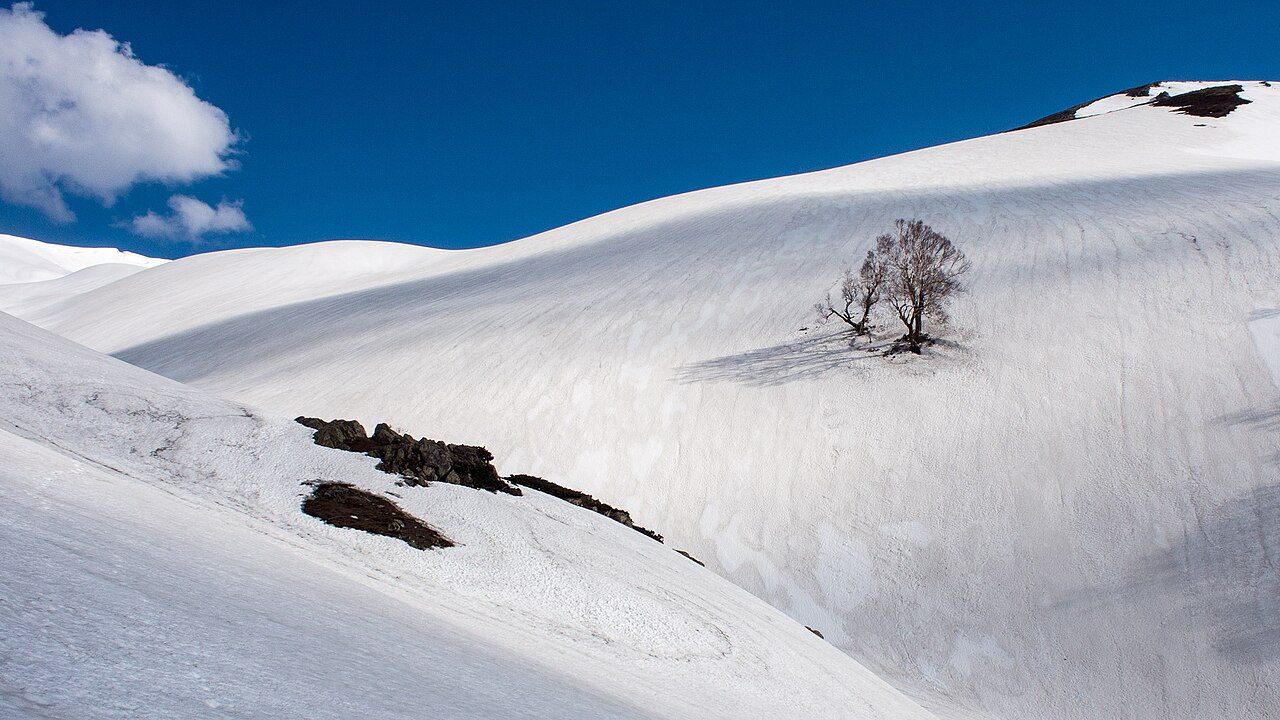
Winter is the long sleep for Sinthan Top. From November through May, the pass is generally closed to regular traffic. While some local adventurers might try to push further, the authorities officially shut the road to prevent accidents during heavy storms.
I have been asked many times if it is possible to bypass these closures, and my advice is always the same: do not risk it. The danger of avalanches on the steep slopes leading to the summit is high, and the road infrastructure is not designed for winter maintenance.
If you are travelling in winter, stick to the lower altitudes of the Kashmir Valley. Save the high passes for a return trip in the warmer months when the roads are safe and clear.
Planning Around the Best Weather Windows
To get the most out of your trip, I suggest planning for a 'buffer day'. Because mountain weather is notoriously unpredictable, don't pin your entire itinerary on a single morning at the pass.
If the weather looks poor on the day you planned to go, swap it with another day in your schedule. Having that flexibility is the hallmark of a successful Kashmir trip. We often adjust our client itineraries on 24-hour notice based on the local wind speeds and cloud forecasts provided by the border authorities.
Finally, always monitor your own comfort. The altitude can cause headaches if you move too fast. Plan to spend at least one night in a lower town like Kokernag before tackling the climb to the summit. It helps with acclimatisation.
Before you book
Timing is everything when it comes to high mountain passes. Whether you want to witness the dramatic snow walls of June or the crisp, golden vistas of October, Sinthan Top has a distinct character for every season.
We understand that planning for mountain travel can be daunting. If you need a hand checking seasonal road status or building a flexible itinerary, please reach out to us. We’re happy to help you get the timing right.
Planning your trip dates?
Not sure when to visit the pass? Let us help you review the latest seasonal patterns and build a flexible plan for your visit.
Get in touchWritten by
Kashmir, Jammu & Ladakh specialists
We plan and run trips across Kashmir, Jammu and Ladakh every week of the year. Everything here comes from routes we drive, stays we inspect and questions our travellers actually ask.
Quick answers
Questions we get asked
Does Sinthan Top have snow all year round?
Not completely. While small patches of snow can be found in sheltered crevices during the summer, the heavy winter accumulation melts away by August.
What is the best month for photography?
June is excellent for the dramatic contrast of snow and greenery, while October offers the clearest air and most stable lighting for wide-angle landscape shots.
Is the pass safe during the monsoon season?
The road is generally safe, but heavy rain can cause localized mudslides or visibility issues. It is best to avoid the pass on days with heavy precipitation.
How cold does it get at the top?
Even in mid-summer, it can drop below 10°C. If you are there at sunrise or sunset, expect temperatures to be closer to freezing, so always dress in layers.
Can I check today's temperature at the pass?
There is no real-time weather station at the summit. However, you can estimate it by subtracting about 15-20°C from the temperature in Srinagar to get a rough idea.
Photography credits
- Photo: Mike Prince from Bangalore, India · CC BY 2.0
- Photo: Mike Prince from Bangalore, India · CC BY 2.0
- Photo: Madhumita Das · CC BY-SA 4.0
- Photo: Mike Prince from Bangalore, India · CC BY 2.0
- Photo: Mike Prince from Bangalore, India · CC BY 2.0
- Photo: Vyacheslav Argenberg · CC BY 4.0
- Photo: Madhumita Das · CC BY-SA 4.0