Best Time to Visit Mughal Gardens in Srinagar
Navigating the seasonal rhythms of Kashmir's historic terraces
Discover the ideal window for your trip. We break down the weather, crowd patterns, and floral displays to determine the best time to visit Mughal gardens in Delhi—and why Srinagar is the true destination you're looking for.
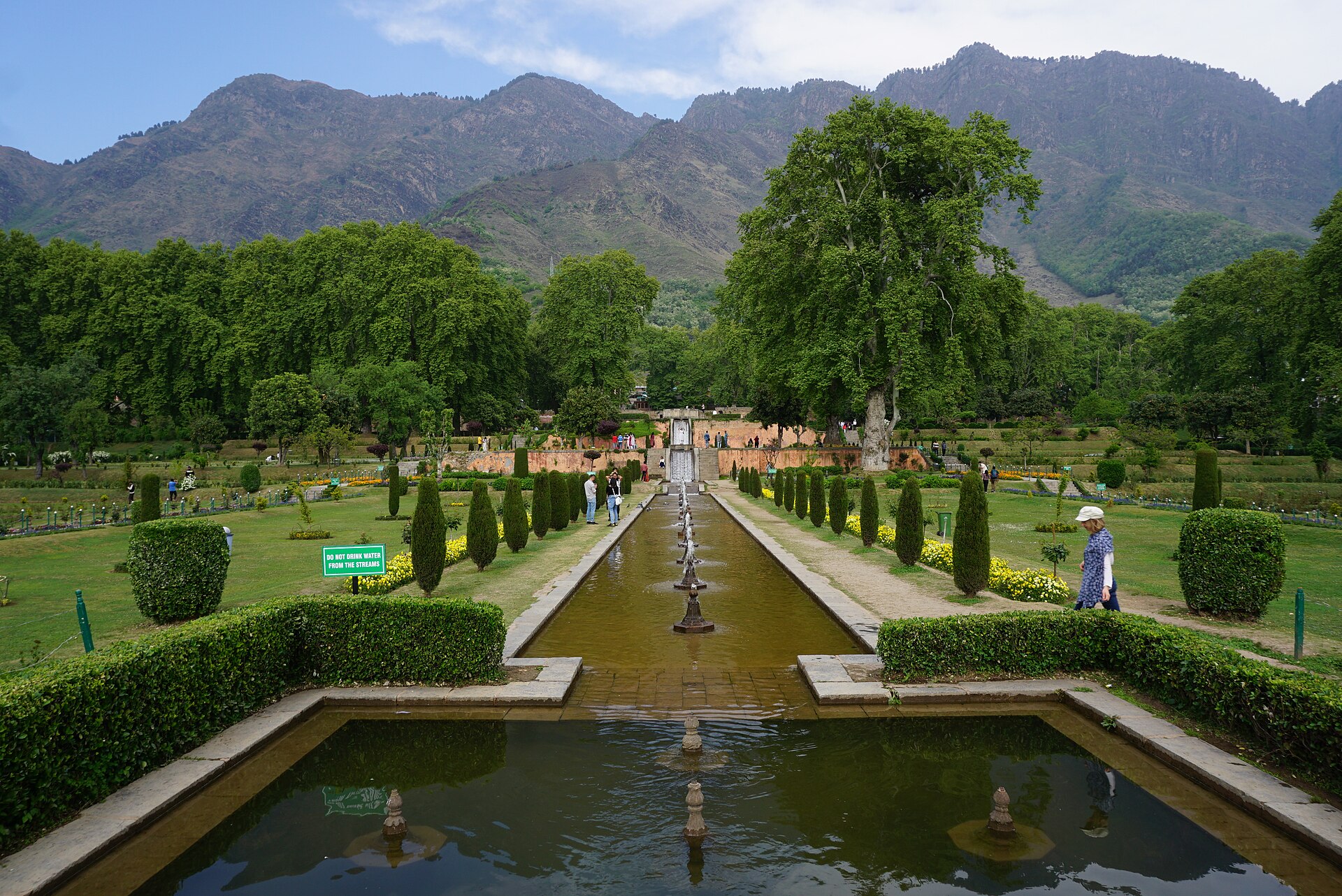
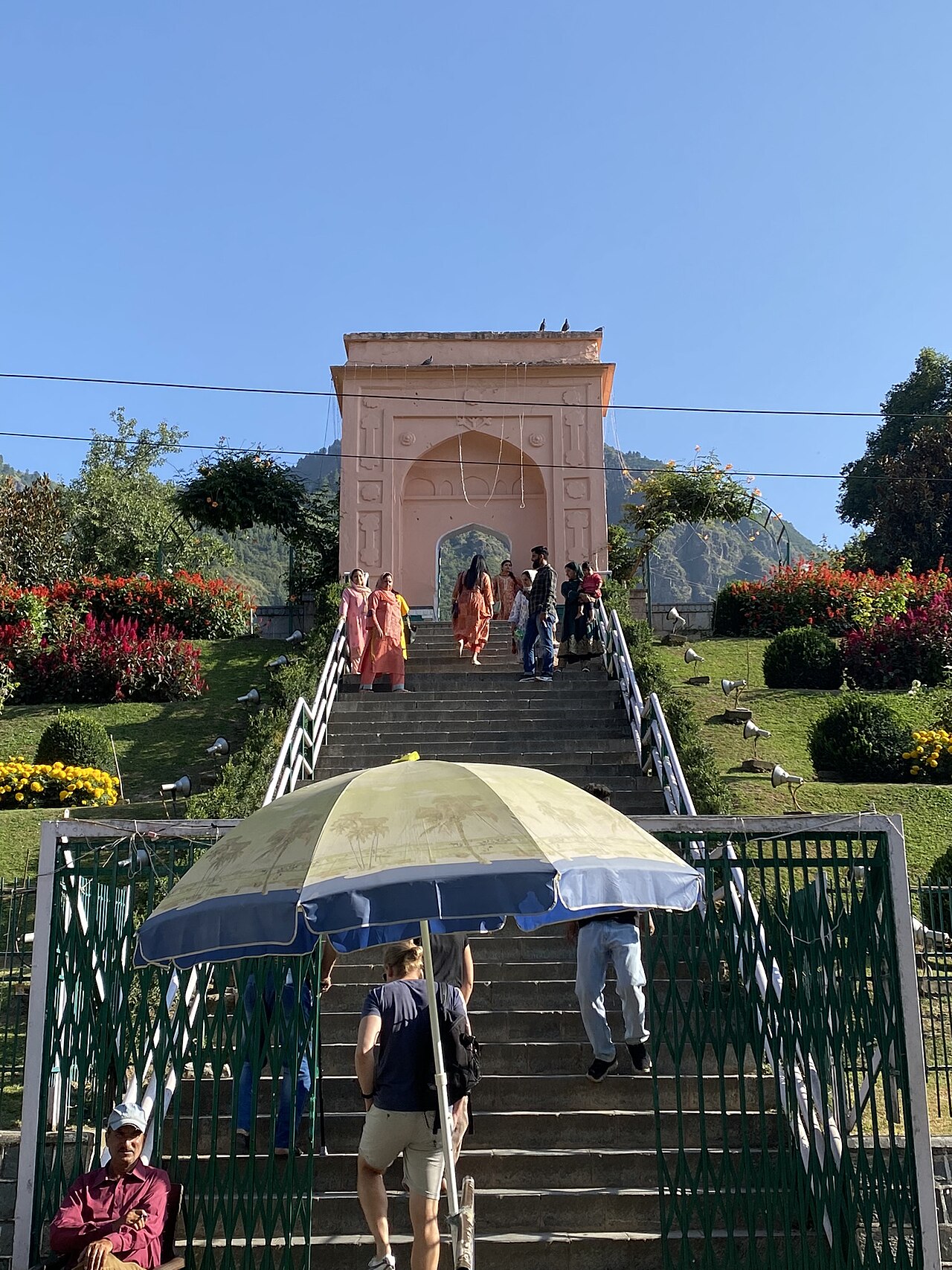
The terraced landscape of Nishat Bagh offers expansive views of Dal Lake.Photo: Deepank Ranka · CC BY-SA 4.0
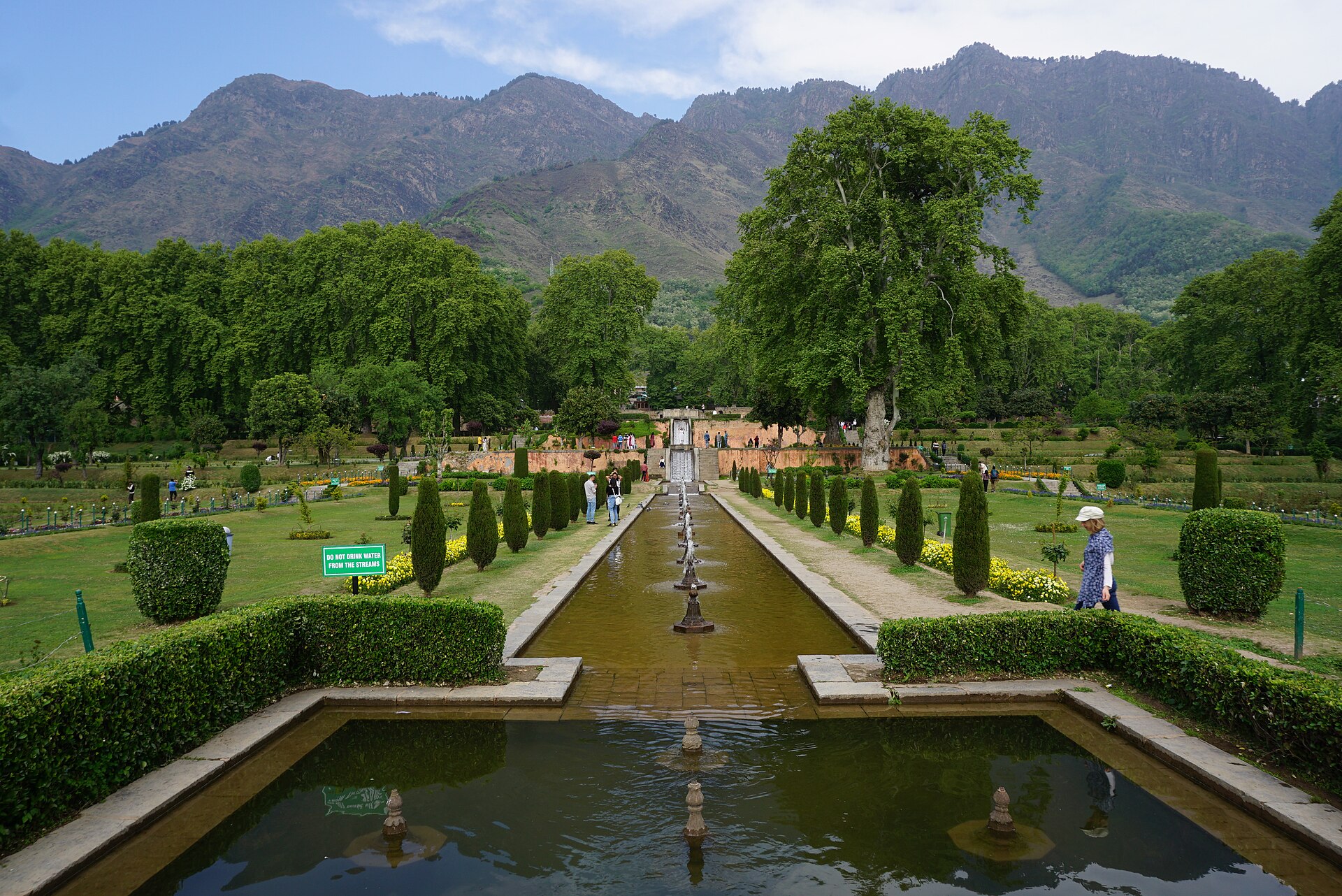
The first time I stood at the top terrace of Nishat Bagh, the sun was just beginning to dip behind the Zabarwan Range, throwing the Chinar trees into sharp silhouette. The sound of water cascading down the stone chutes was the only thing breaking the silence. Many travellers get confused by online search results suggesting the best time to visit mughal garden in delhi, but the genuine, historic Mughal gardens are here in Srinagar, nestled against the banks of Dal Lake.
Whether you are planning a photography trip or a quiet family holiday, the timing changes everything. Kashmir’s seasons are distinct, and each month shifts the garden's character entirely. Let’s look at how to time your visit to capture these UNESCO-worthy terraces at their peak.
The Seasonal Shift in Srinagar’s Gardens
If you want the quintessential postcard view, April is impossible to beat. This is when the cherry blossoms are finishing their run and the tulips are at their peak. You will find the gardens in a state of frantic, vibrant growth. The air is crisp, usually hovering around 15°C to 20°C during the day, which makes walking the steep inclines of Shalimar Bagh comfortable.
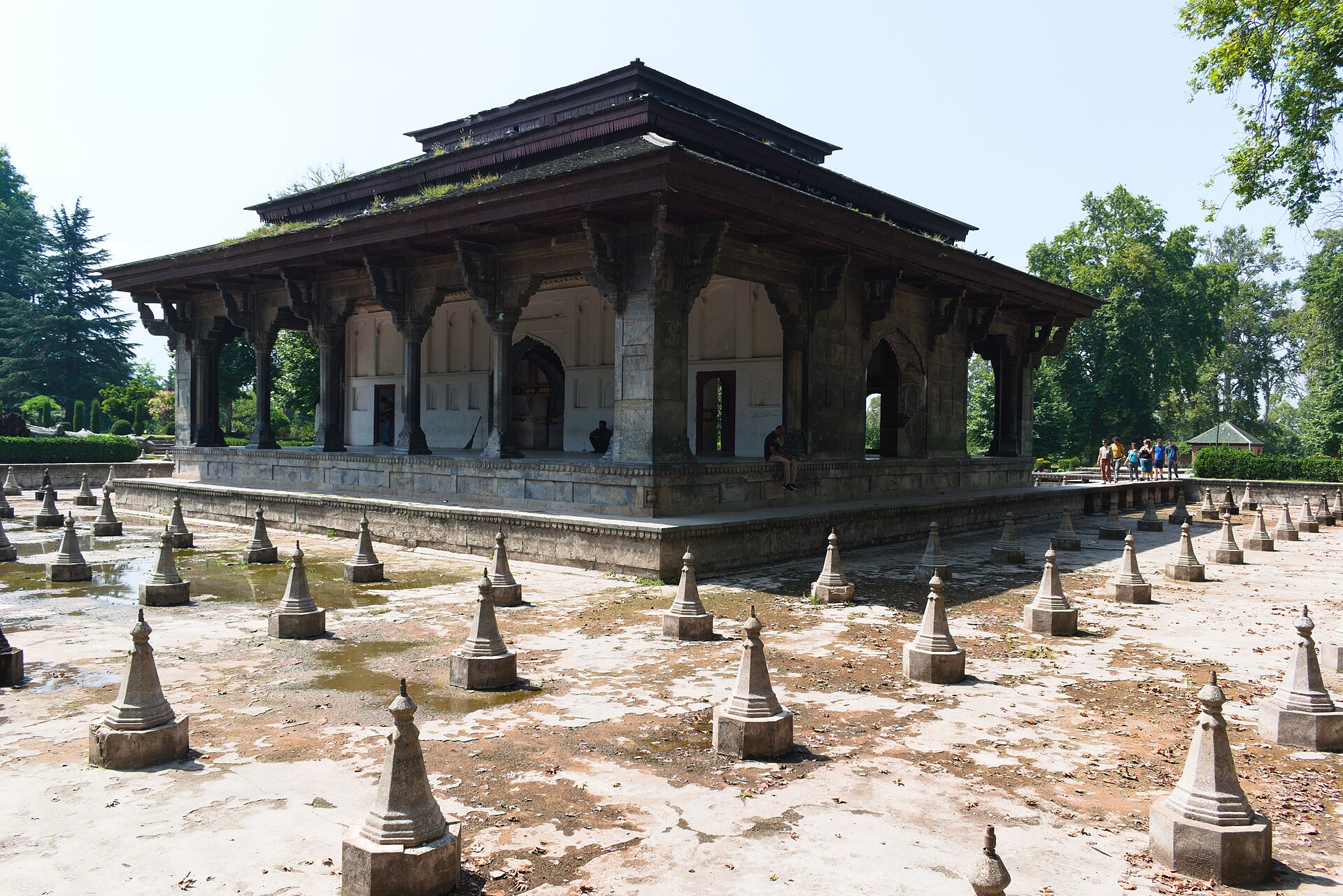
By July and August, the vibe changes. The gardens turn a deep, lush green. While the spring flowers are gone, the shade provided by the massive Chinar trees becomes a necessity. This is when we often suggest our clients visit early in the morning, around 8:00 AM, to beat the afternoon heat. It is a quieter, more meditative time to appreciate the stone-carved water channels.
Common Questions from Travellers
I hear the same questions every season. Most people worry about whether they are missing out by avoiding the peak tourist months. My answer is always the same: if you dislike crowds, go in November. The autumn foliage in the Mughal gardens is spectacular, with the Chinar leaves turning a brilliant, burning orange. You will likely have the lower terraces of Nishat Bagh entirely to yourself.
Another common confusion is the opening schedule. Some travellers assume the gardens close during winter. They do not. While the fountains are shut off to prevent the pipes from freezing, the skeletons of the garden against a backdrop of snow-capped mountains provide a unique, moody atmosphere that few tourists ever see.

Planning Your Days in the Gardens
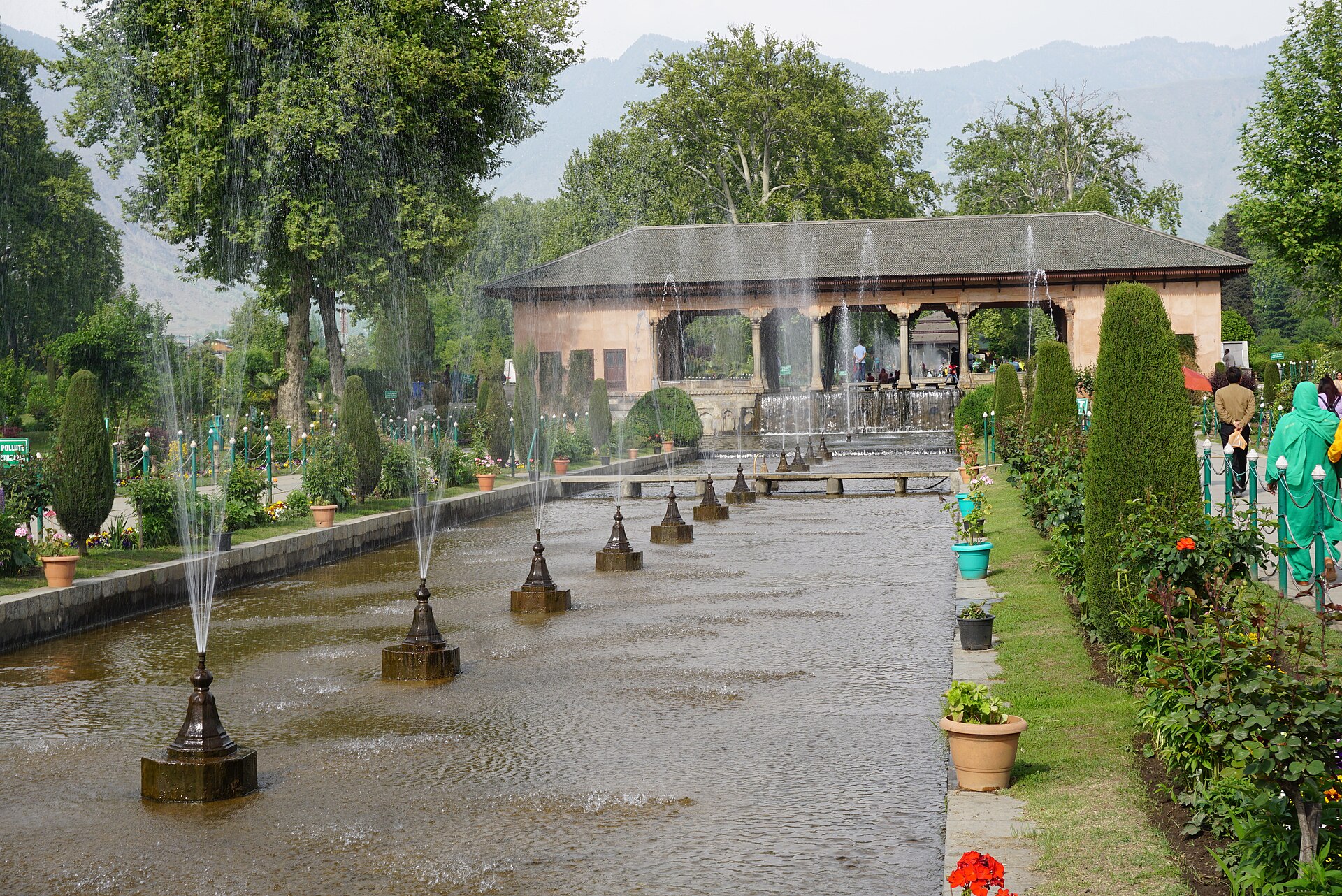
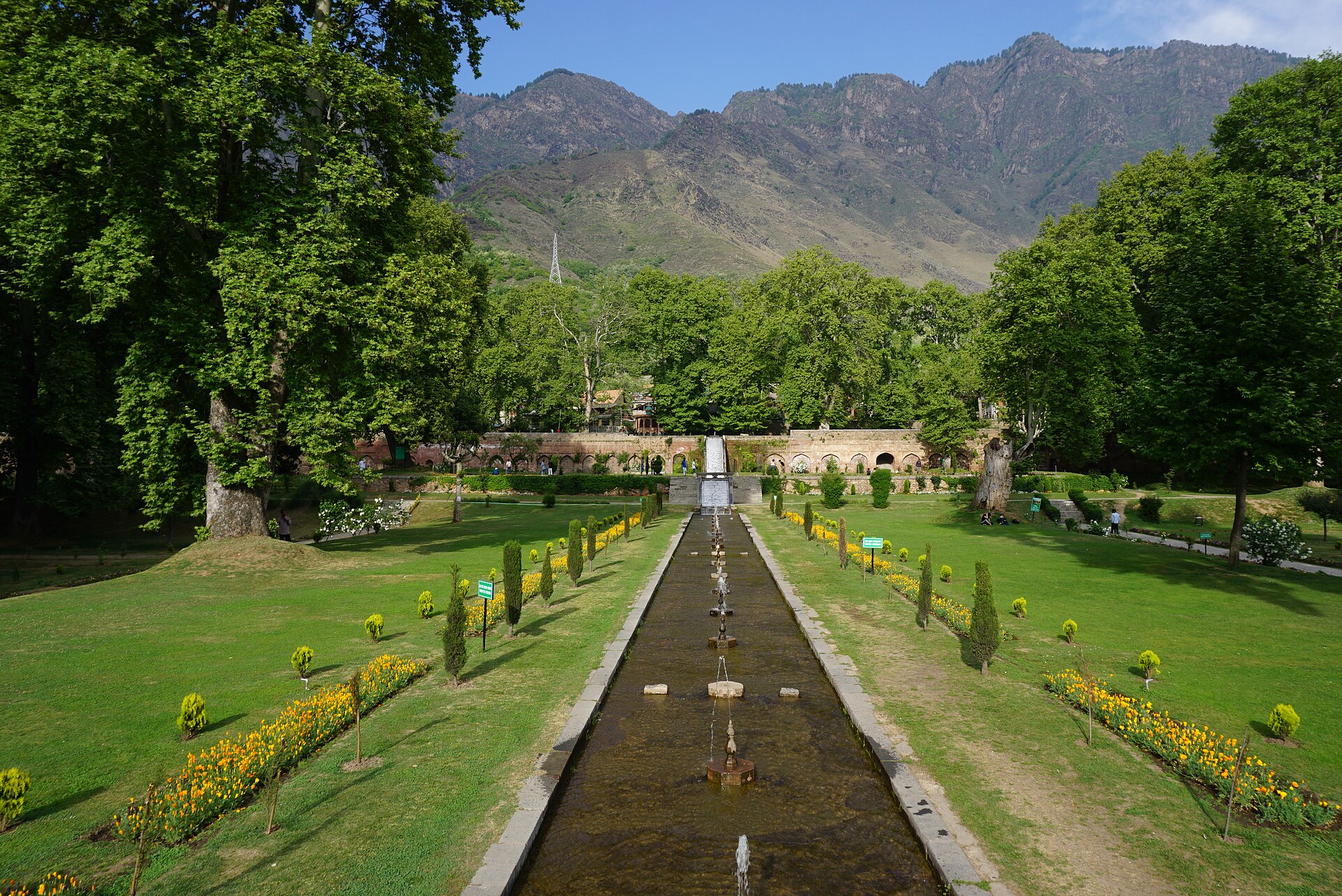
Do not try to rush three gardens in one day. We typically recommend allocating two days to fully appreciate the layout. Spend your first morning at Shalimar Bagh; it is the largest and demands a slower pace. Take a shikara from your houseboat directly to the garden entrance if possible.
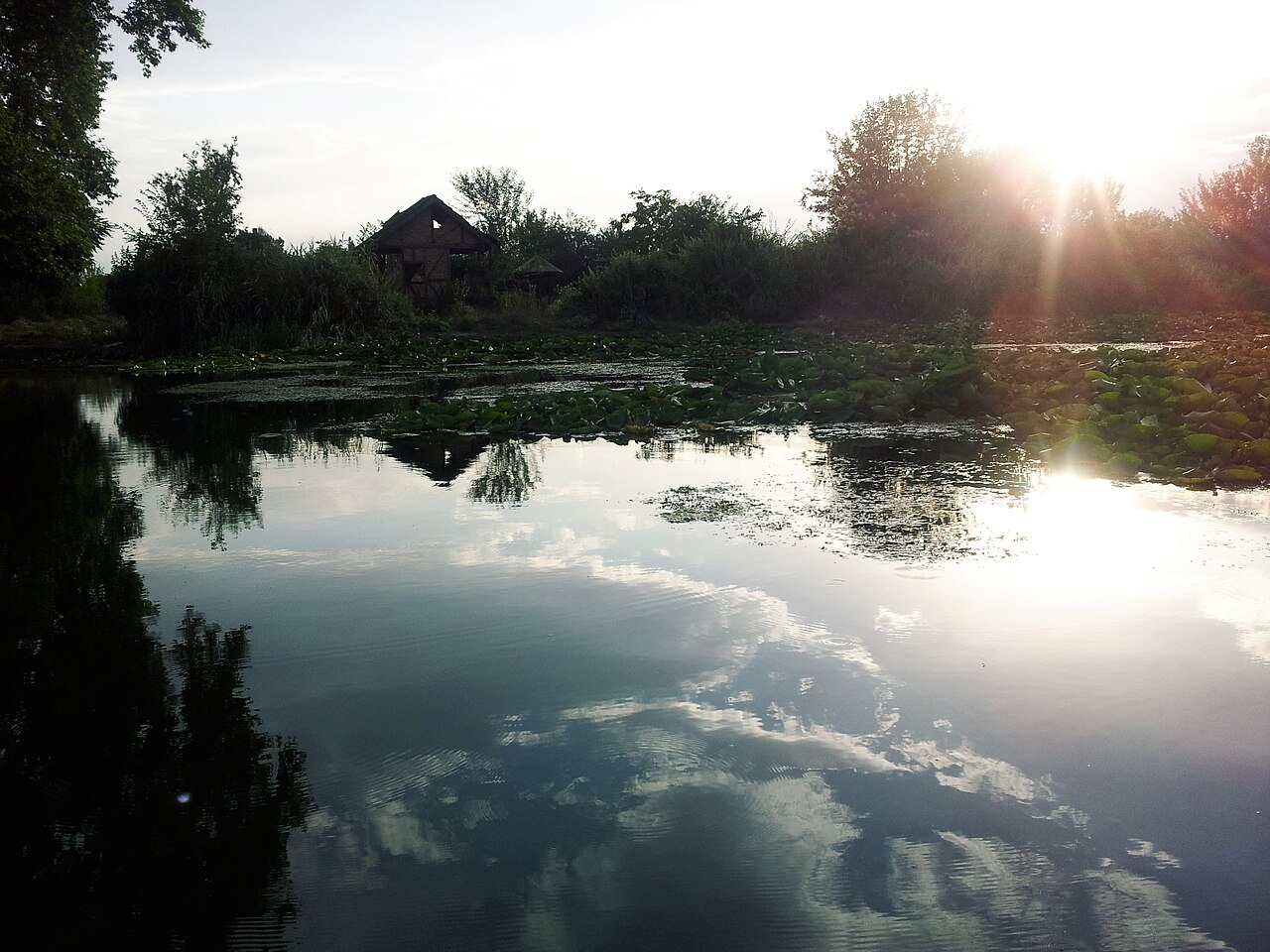
In the afternoon, head to Nishat. It sits higher, so the view of the lake is better from the upper reaches. If you have time, Chashme Shahi is best visited for a quick hour. The water source there is famous, and the garden is much smaller, making it a perfect final stop before heading back into Srinagar for dinner.
Costs and What to Expect
Entry fees remain minimal, usually around 20 to 50 rupees for adults. Do not expect luxury amenities inside. You will find basic washrooms and small stalls selling tea or light snacks. If you book a comprehensive Mughal gardens tour package, your guide will handle the logistics, including finding the best local street food vendors nearby.
When we put together a package, we include transport, because public taxis can be inconsistent around the garden peripheries. You want the flexibility to linger when the light hits the water just right, rather than checking your watch for the next bus.

Mistakes That Ruin the Experience
The biggest mistake is visiting during the midday heat in June. The gardens have very little cover on the main walking paths, and the stone radiates heat. Another error is neglecting footwear. You will be walking on uneven stone steps and gravel paths for hours; wear something with good grip.
Also, avoid buying trinkets from the first vendor you see at the gate. Walk a bit further into the local markets near the garden periphery for authentic Kashmiri crafts at better prices.
How Skywale Can Help
We have been walking these paths for years. If you are struggling to decide which month fits your schedule, just send us a note. We don't just book hotels; we coordinate your itinerary so you are in the right garden when the light is perfect.
Our team in Srinagar knows which days are likely to be busy with local school groups and can adjust your schedule accordingly. Let us take the stress out of your Kashmir trip so you can focus on the view.
Before you book
The Mughal gardens are more than just parks; they are a centuries-old experiment in symmetry and water management. Whether you catch them in the fiery orange of autumn or the soft pink of spring, they offer a quiet respite from the bustle of the city.
If you are ready to start planning, reach out to us at Skywale. We can help you navigate the seasonal nuances and ensure your time in Kashmir is as peaceful as the gardens themselves.
Need help planning your Kashmir itinerary?
We can help you time your visit to the gardens perfectly. Contact our Srinagar team today.
Get in touchWritten by
Kashmir, Jammu & Ladakh specialists
We plan and run trips across Kashmir, Jammu and Ladakh every week of the year. Everything here comes from routes we drive, stays we inspect and questions our travellers actually ask.
Quick answers
Questions we get asked
Are the gardens open in winter?
Yes, the gardens remain open throughout the year. While the fountains are turned off during the coldest months to protect the plumbing, the views of the snow-covered Zabarwan Range are exceptional.
How much time should I spend at each garden?
Plan for 2 to 3 hours at Shalimar and Nishat Bagh. Chashme Shahi is much smaller and can be explored in under an hour. Most people find a full day works well for two sites.
Is it better to visit in the morning or evening?
Morning is always best. You avoid the peak sunlight and the largest crowds. The light over Dal Lake is also much softer, making for better photography conditions.
Do I need a guide for the Mughal Gardens?
You don't need one to enter, but having a guide helps explain the historical context of the terraced architecture and the Persian influences that shaped the designs.
Are there food facilities inside?
Facilities inside are limited. You will find small tea stalls and basic snacks, but it is best to carry water and snacks with you from Srinagar.
Photography credits
- Photo: Deepank Ranka · CC BY-SA 4.0
- Photo: Deepank Ranka · CC BY-SA 4.0
- Photo: Tamjeed Ahmed · CC BY-SA 4.0
- Photo: Suhail Skindar Sofi · CC BY-SA 4.0
- Photo: Amoghamahale · CC BY-SA 4.0
- Photo: Rohit14400 · CC BY-SA 4.0
- Photo: Mbigul · CC BY-SA 4.0