Best Time to Visit Mughal Gardens: A Month-by-Month Guide
Discover when flowers bloom, fountains flow, and terraces turn gold in Srinagar
Looking for the best time to visit mughal gardens in srinagar? Explore our monthly guide covering spring blossoms, summer shade, and autumn foliage.
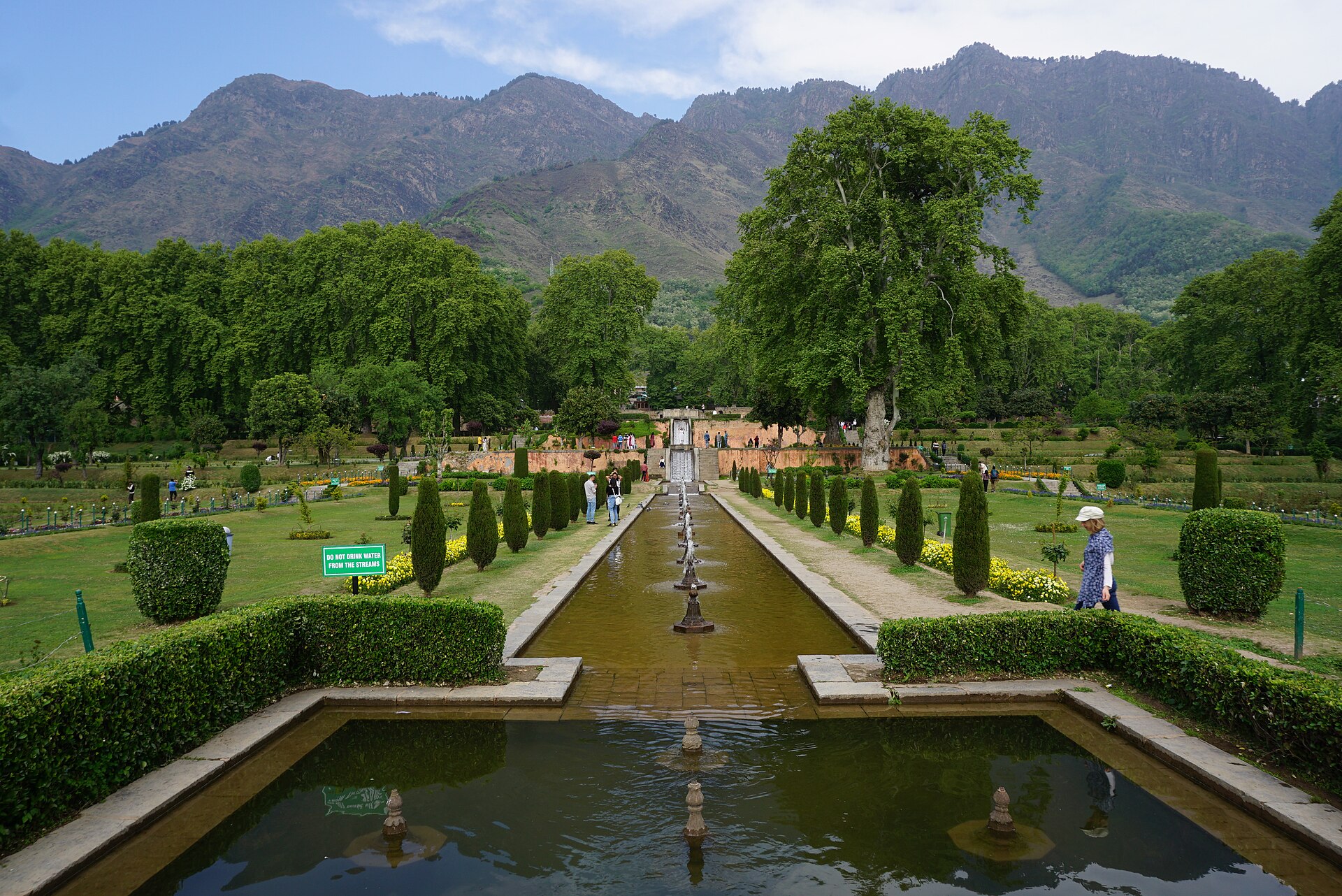
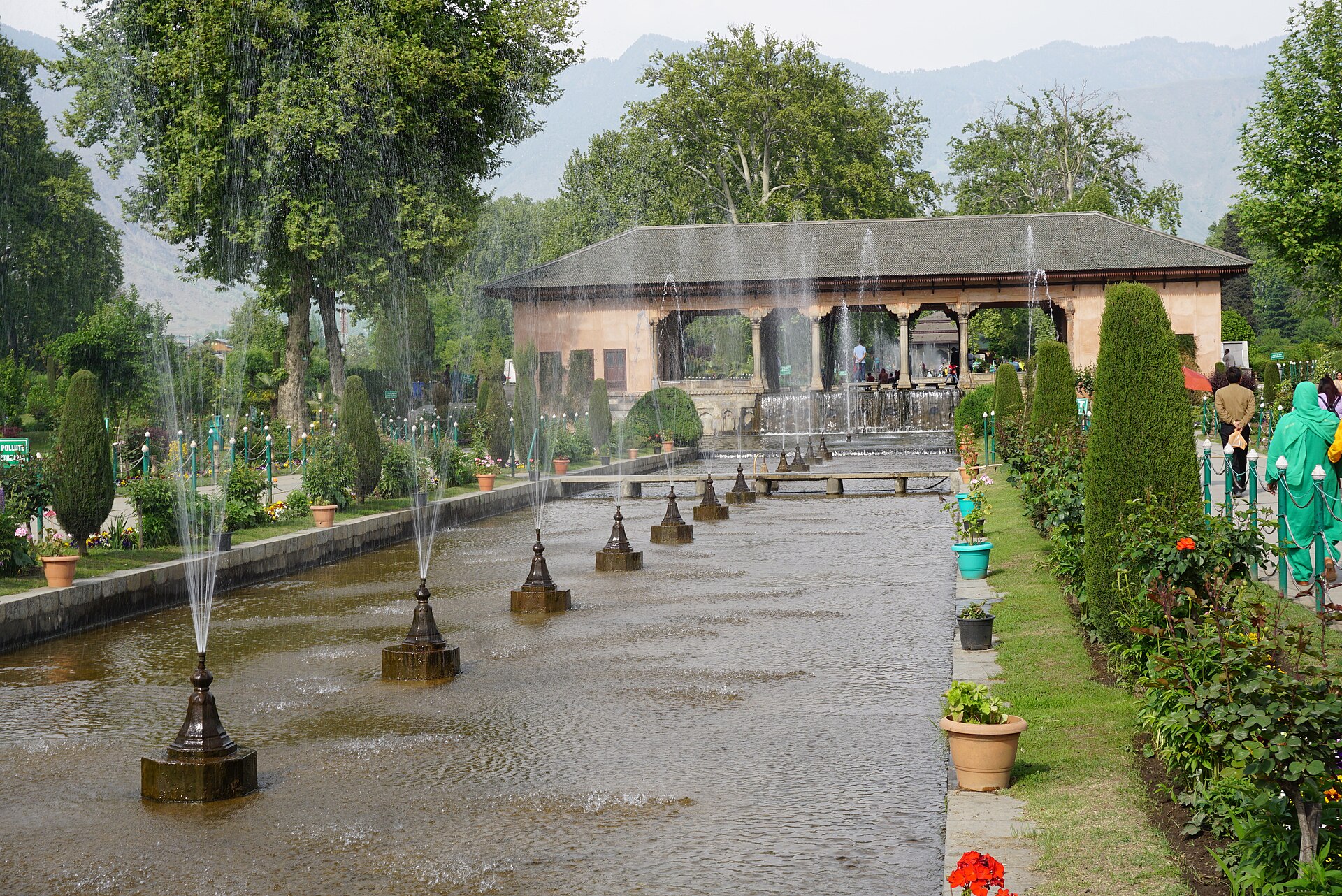
Shalimar Bagh showcases classical Mughal terrace architecture against the Zabarwan hills.Photo: Deepank Ranka · CC BY-SA 4.0
Step past the stone gates of Shalimar Bagh in late April, and the scent of damp earth and blossoming cherry hits you before you even see the lawns. The terraces designed centuries ago by imperial architects were never meant to be viewed in a single static season. They were engineered to shift, bloom, and shed according to the whims of the Zabarwan mountains.
If you want to experience these terraced masterpieces at their absolute peak, timing matters immensely. At Skywale Packages, we send travellers here every month of the year. Let us walk through what changes across the calendar so you can pick the exact week that suits your travel style.
Why the Mughal Gardens Change Character All Year
Many first-time visitors assume botanical sites look identical throughout the warmer months. In Srinagar, that could not be further from the truth. Nishat Bagh, Shalimar Bagh, and Chashme Shahi are living, breathing spaces tied directly to the Himalayan climate.
Spring brings a riot of bulb flowers and fresh green shoots, while summer offers deep shade under ancient canopies. Autumn strips the leaves bare to reveal geometric stonework and glowing copper foliage. Knowing these rhythms prevents disappointment.
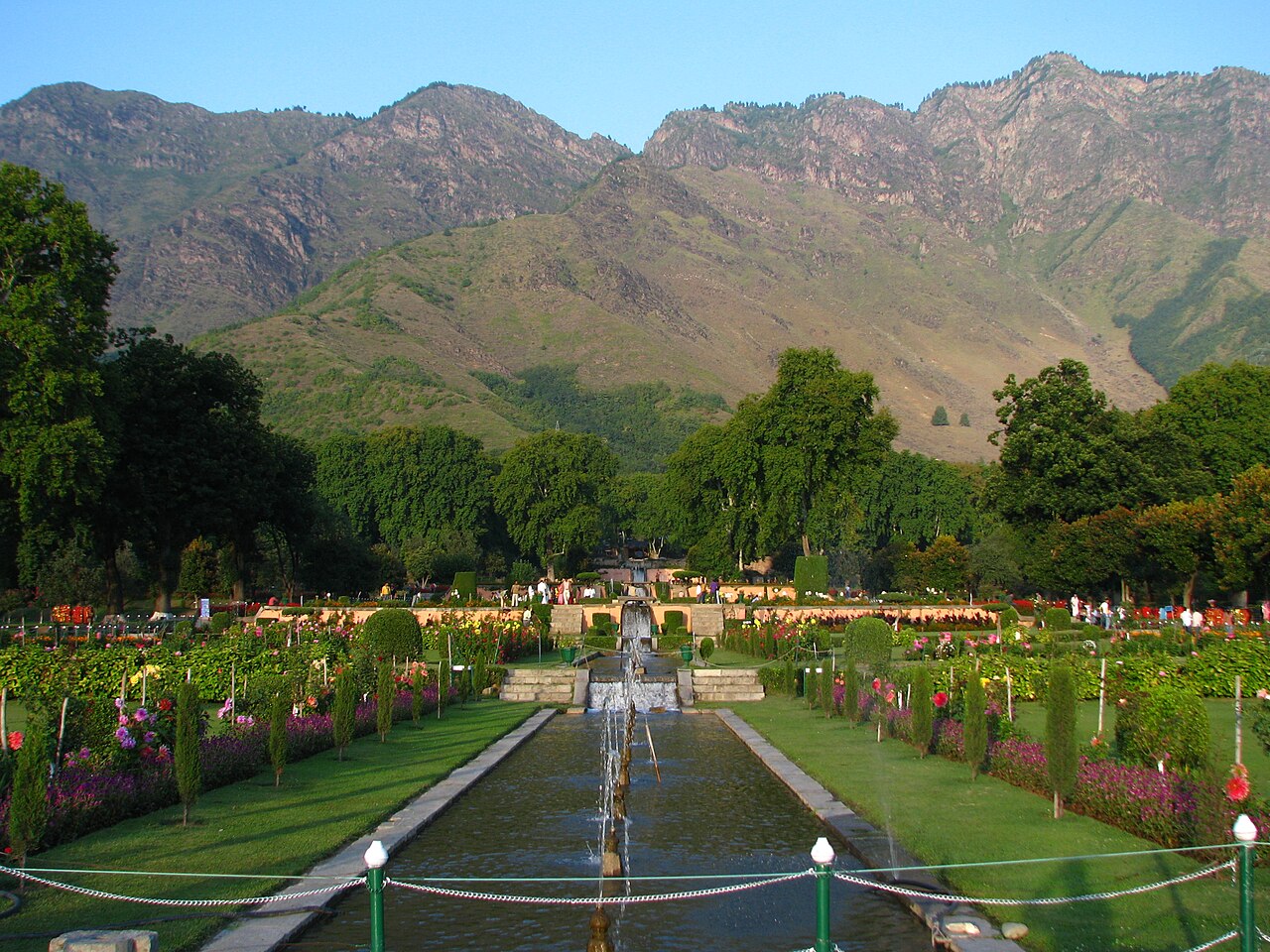
Spring Awakening: March to May
If your priority is colour, spring is the undisputed champion. March starts quietly as the lawns wake up from winter frost, but by April, tulips, pansies, and fruit blossoms explode across the terraces.
The water channels are turned back on, feeding the newly planted flower beds. Daytime temperatures hover around a pleasant 15 to 20 degrees Celsius, making it comfortable for hours of walking between fountains.
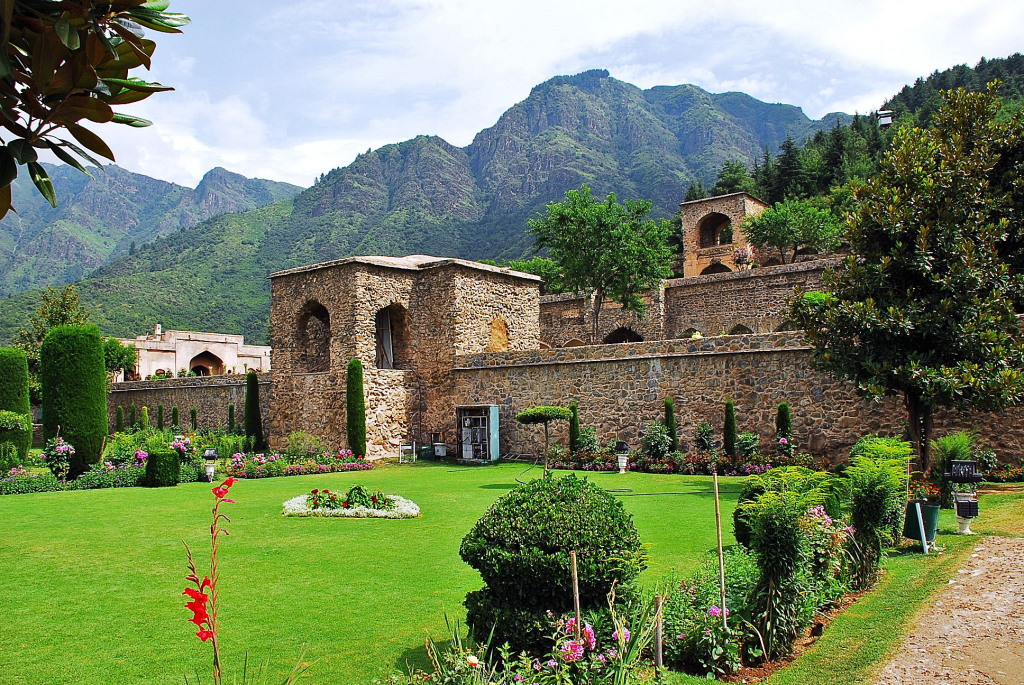

The terraces designed centuries ago were never meant to be viewed in a single static season. They were engineered to shift, bloom, and shed.
Summer Canopy and Flowing Fountains: June to August
Summer in Srinagar brings warm afternoons, but the gardens offer a cool sanctuary. Giant Chinar trees spread their massive leaves, creating deep pools of shade along the upper terraces of Shalimar.
This is when the fountains run at full pressure, fed by melting snow from the mountains above. While afternoon sun can feel bright, early mornings and late evenings are gorgeous for sitting quietly by the terraced cascades.

Autumn Gold and Chinar Leaves: September to November
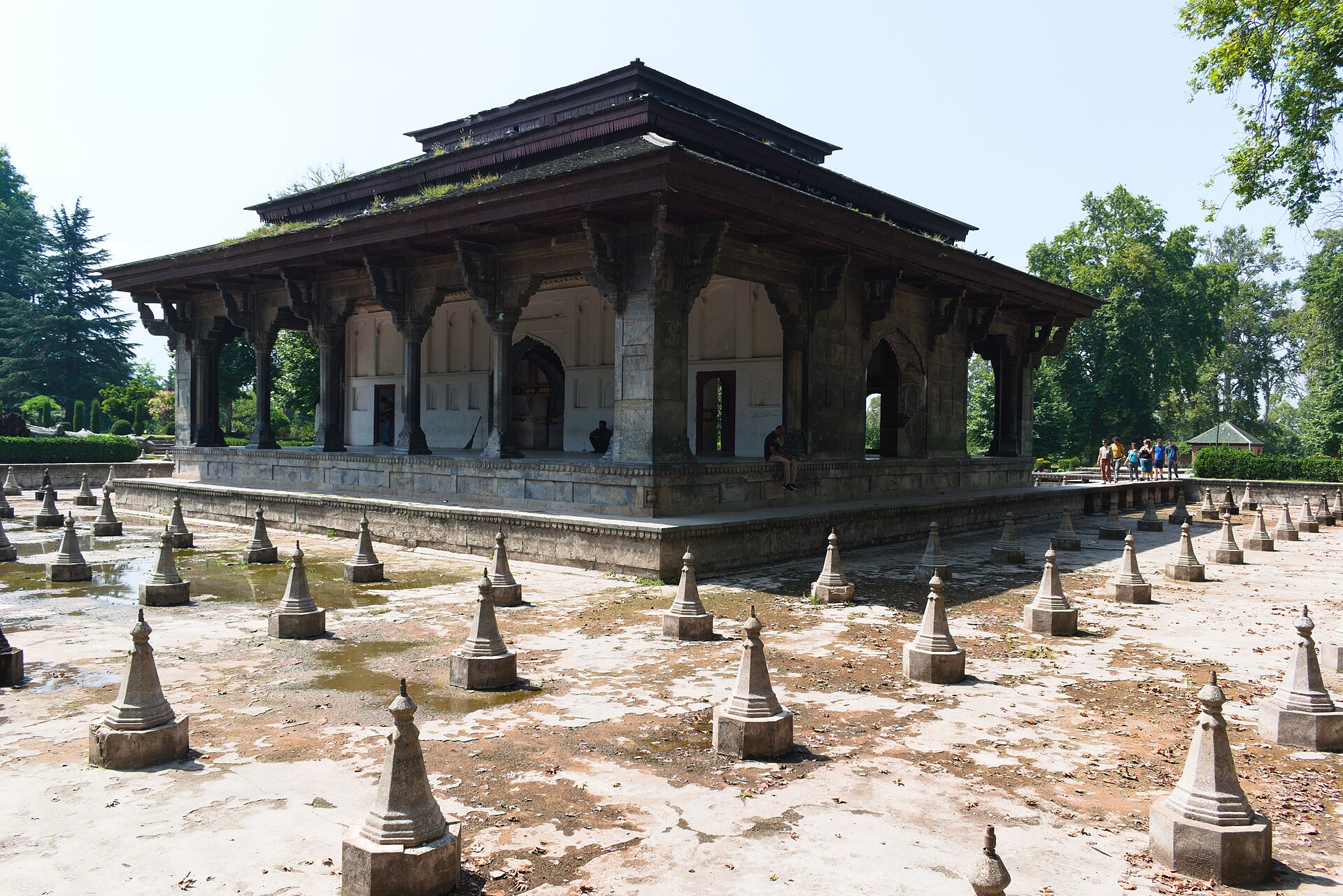
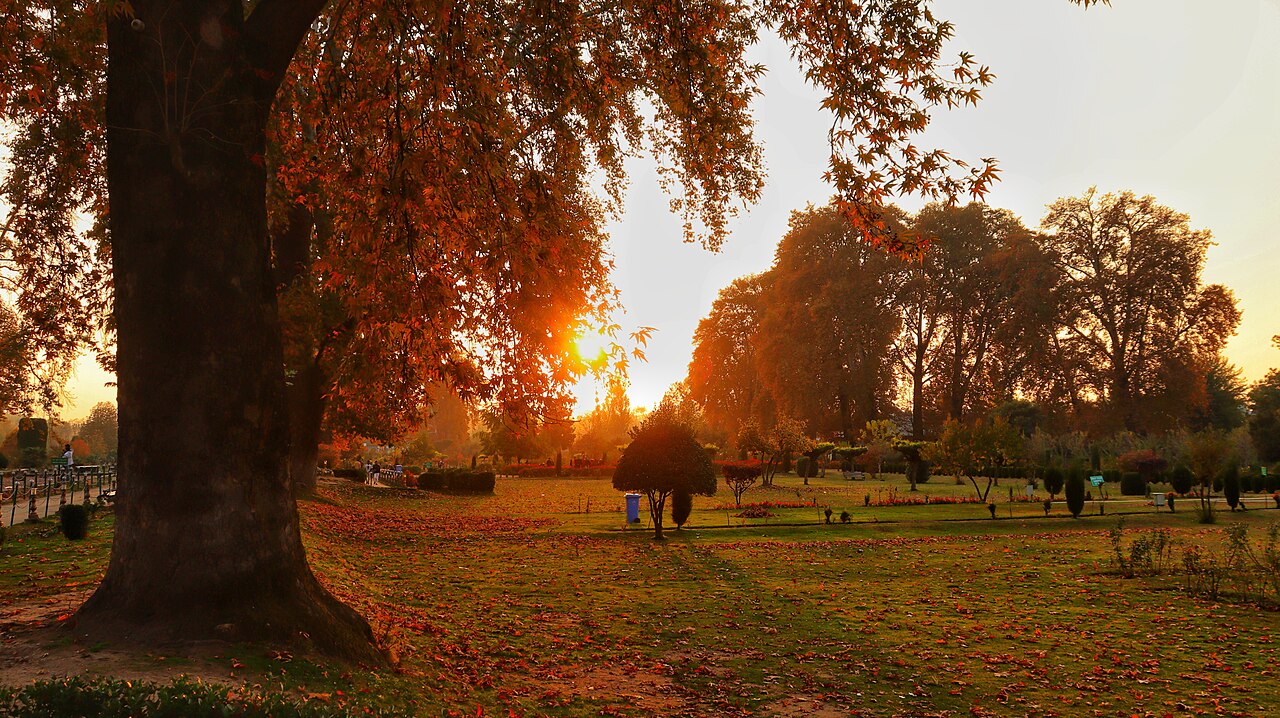
For photographers and quiet seekers, autumn is a hidden masterpiece. October and November transform the Chinar trees into pillars of deep orange and burning red.
Crunching across carpets of fallen leaves under the stone pavilions feels entirely different from the crowded paths of spring. The air turns crisp, requiring a light wool jacket as the sun dips behind the ridge.
Winter Quiet and Snow-Dusted Terraces: December to February
Winter sees fewer visitors, but the gardens possess a stark, melancholic beauty under a blanket of snow. Fountains are turned off to prevent freezing pipes, and the geometric lines of the stone paths stand out against white lawns.
It is bitterly cold, with temperatures often dropping below freezing, but you will have the entire grounds almost entirely to yourself.

Planning Your Daily Garden Itinerary
A thoughtful garden tour requires pacing. Trying to rush through Nishat, Shalimar, and Pari Mahal all in one sweaty afternoon leaves you exhausted and underwhelmed.
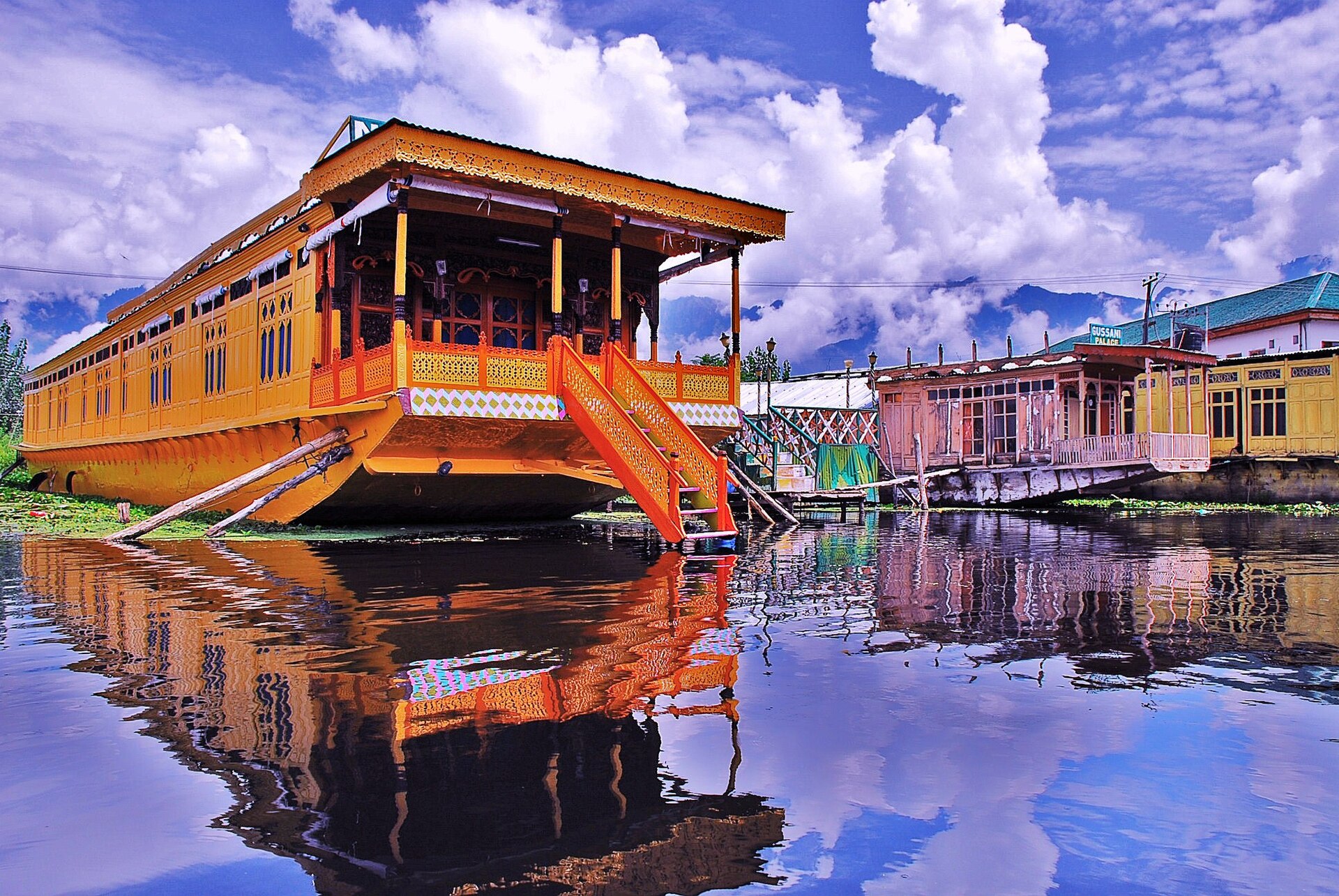
We recommend pairing a morning visit to Dal Lake with an afternoon stroll through one major garden. Spend at least two hours wandering the upper terraces where the royal chambers once stood.
Before you book
Finding the best time to visit mughal gardens in srinagar depends entirely on whether you chase spring flowers, summer shade, or autumn copper leaves. Every season alters the character of these historic spaces in profound ways.
If you want help building a custom itinerary that pairs these gardens with a stay on Dal Lake and local sightseeing, reach out to our team. We love designing slow-paced, memorable tours across the valley.
Plan Your Srinagar Garden Tour
Let us put together a complete Kashmir package featuring private transport and expert local guidance.
Get in TouchCaption for your own post
From spring blossoms to autumn Chinar leaves, here is when to catch the Mughal Gardens at their absolute finest.
Written by
Kashmir, Jammu & Ladakh specialists
We plan and run trips across Kashmir, Jammu and Ladakh every week of the year. Everything here comes from routes we drive, stays we inspect and questions our travellers actually ask.
Authored by a Skywale editor who has photographed Srinagar's gardens through every seasonal transition.
Quick answers
Questions we get asked
What is the absolute best month to visit the Mughal Gardens?
April is widely considered the best month due to peak spring blossoms, active fountains, and comfortable daytime temperatures across Srinagar.
Are the gardens open during winter months?
Yes, major Mughal gardens like Nishat and Shalimar remain open through the winter, though fountains are turned off and some areas may see snow accumulation.
How much time should I allocate for visiting Shalimar Bagh?
Plan to spend between 1.5 to 2 hours exploring the four terraced levels, water channels, and central pavilions at a relaxed pace.
Can I visit the gardens in the evening?
Most gardens close around sunset, but visiting in the late afternoon provides the best golden hour lighting for photography along the terraces.
Photography credits
- Photo: Deepank Ranka · CC BY-SA 4.0
- Photo: Suhail Skindar Sofi · CC BY-SA 4.0
- Photo: McKay Savage · CC BY 2.0
- Photo: Basharat Alam Shah from Chicago, USA · CC BY 2.0
- Photo: Biswarup Bhattacharjee · CC BY-SA 4.0
- Photo: Firdousparray546 · CC BY 4.0
- Photo: Ayeshaq408 · CC BY-SA 3.0