How to Reach Mughal Gardens: Every Route, Compared
Navigating the journey to Srinagar's most iconic sites
Curious how to reach Mughal Garden by metro? Here is the reality of transport in Srinagar and why you won't find a metro train, but plenty of better ways to travel.
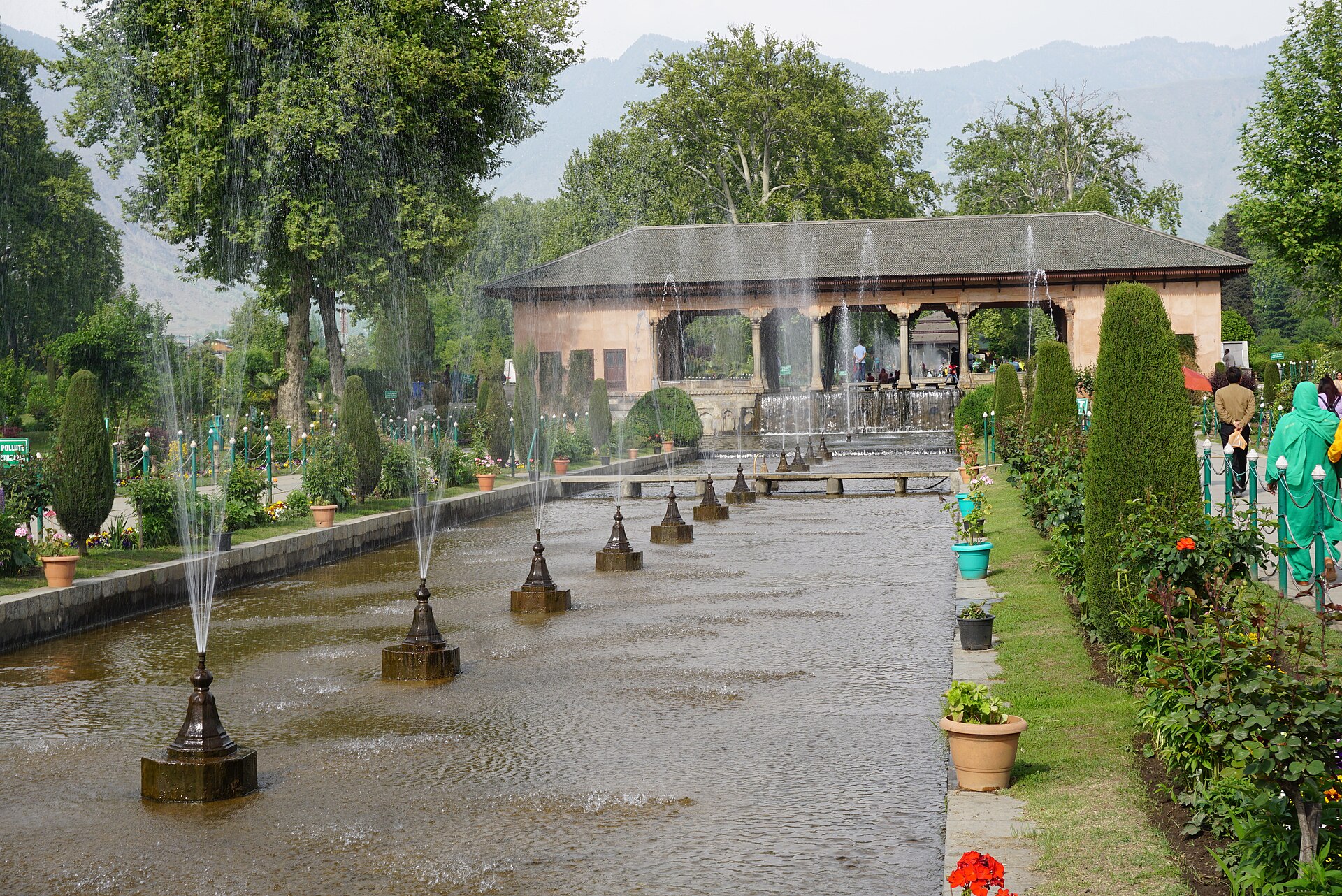
The historic channels of Shalimar Bagh.Photo: Rohit14400 · CC BY-SA 4.0
I get asked this once a week, usually by someone who has just landed at Srinagar Airport and opened their maps app expecting a subway line. The short, honest answer is that there is no metro system in Srinagar. If you are searching for how to reach Mughal Garden by metro, you will be disappointed because the city relies entirely on road networks, waterways, and local cab services to ferry visitors between the historic sites scattered along the Zabarwan Range.
Understanding the local geography is key to moving efficiently. The Mughal Gardens—Nishat, Shalimar, and Chashme Shahi—sit along the eastern edge of Dal Lake. They are not walking distance from the city centre, and public buses can be unpredictable if you are on a tight schedule. Let’s look at the actual ways you can get around to see these landmarks without the stress of navigating a city that doesn't have a railway.
The Reality of Transport in Srinagar
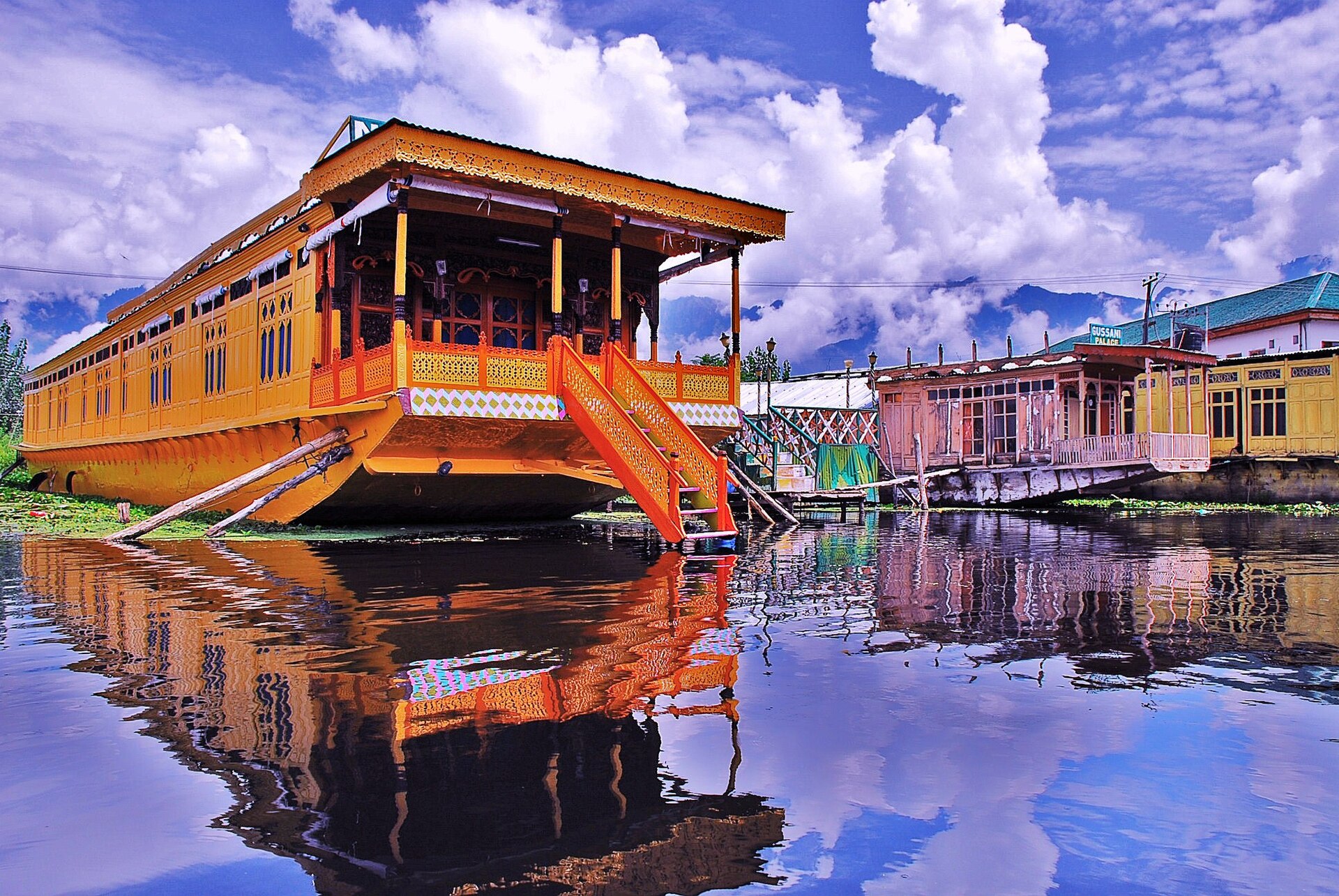
Since there is no underground rail, you should plan your transport before you arrive. Most travellers staying in houseboats or hotels near Dal Lake rely on private taxis or hired cars. These vehicles offer the most flexibility, allowing you to stop for a tea break or skip a site if the crowds feel too heavy.
Local buses operate, but they are often crowded and do not drop you exactly at the gates of the gardens. If you are travelling solo and are comfortable with it, auto-rickshaws are a viable middle ground for shorter trips within the city, but for the drive out to Shalimar Bagh, a car is significantly more comfortable.
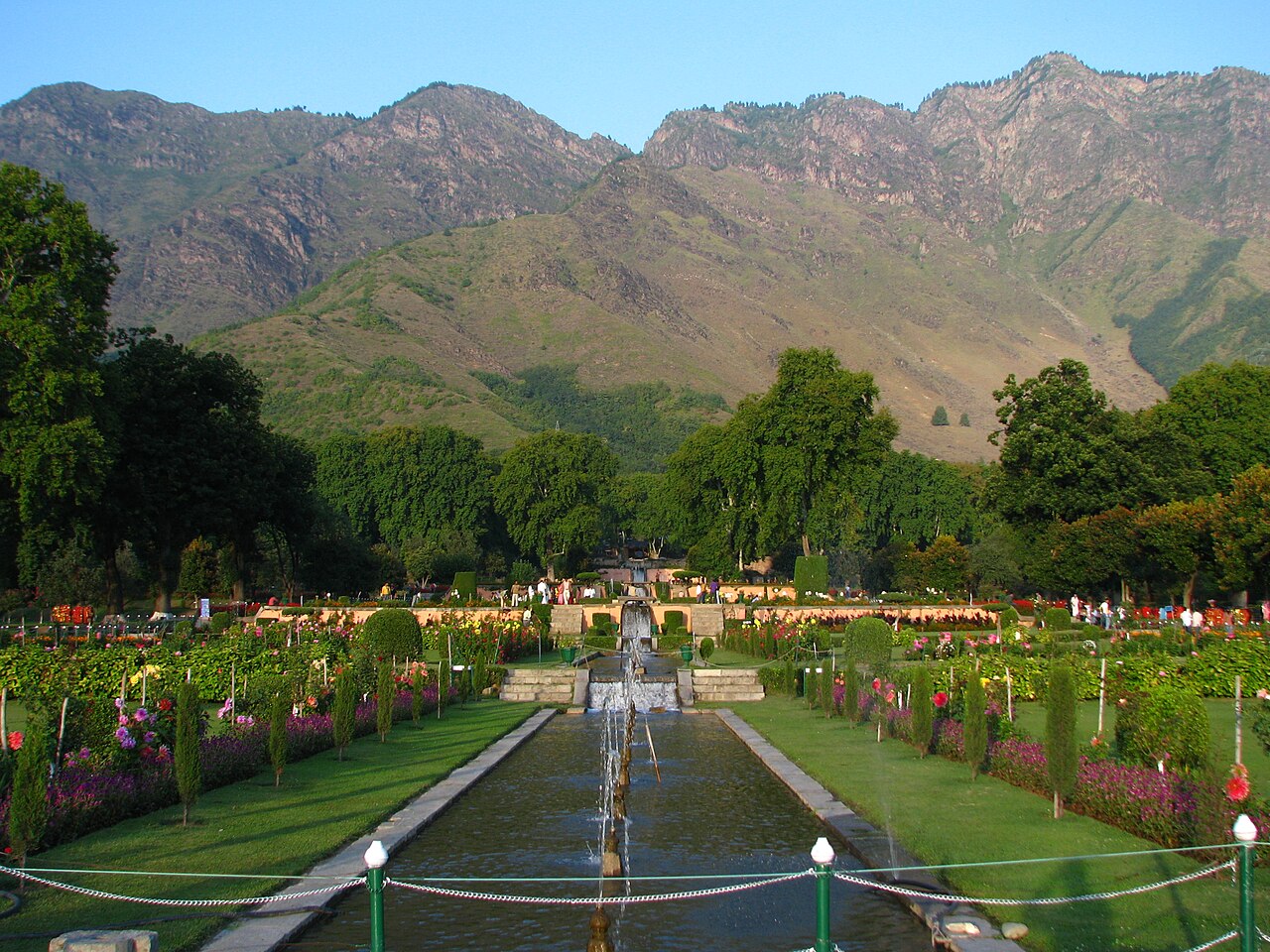
Why the Mughal Gardens Matter
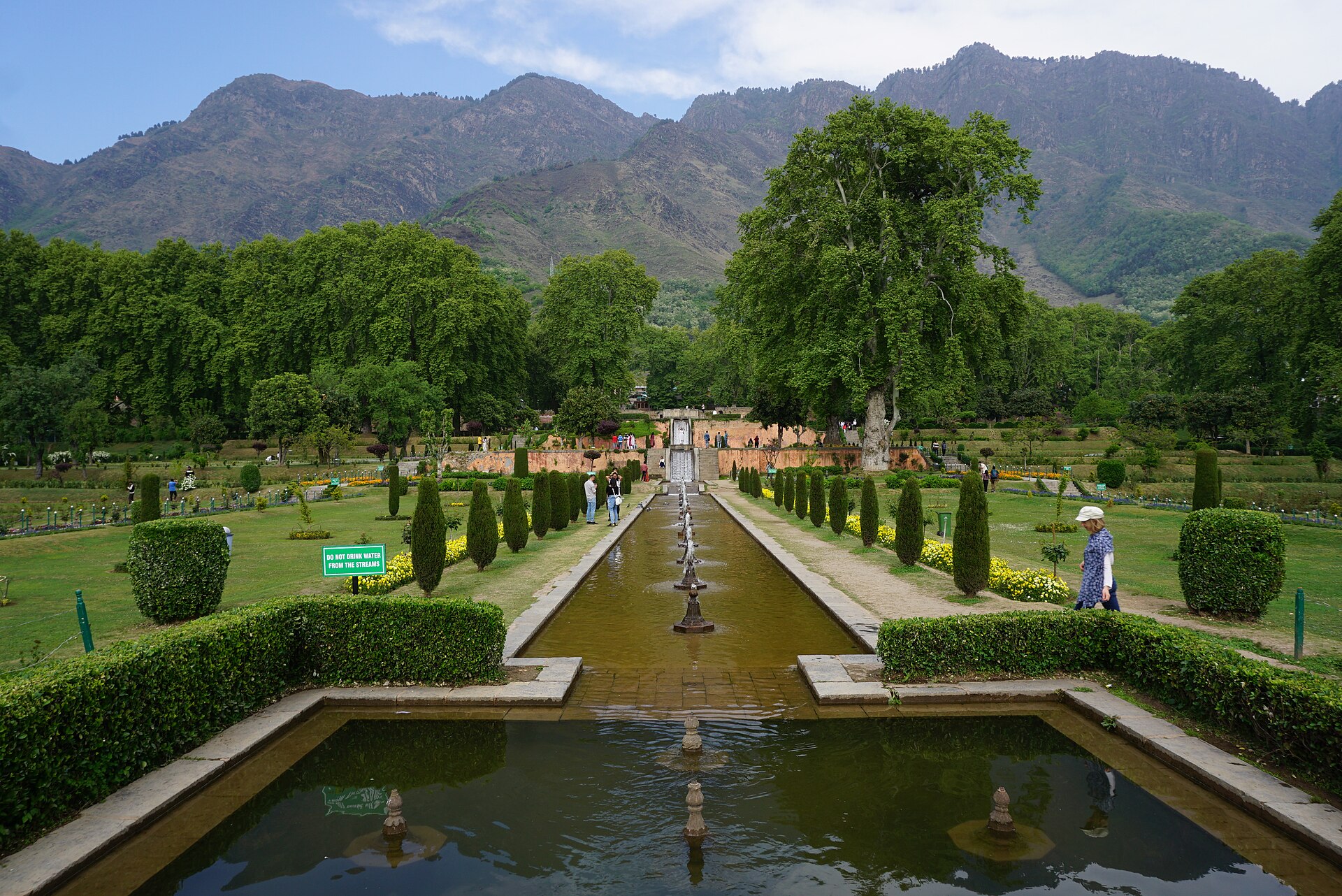
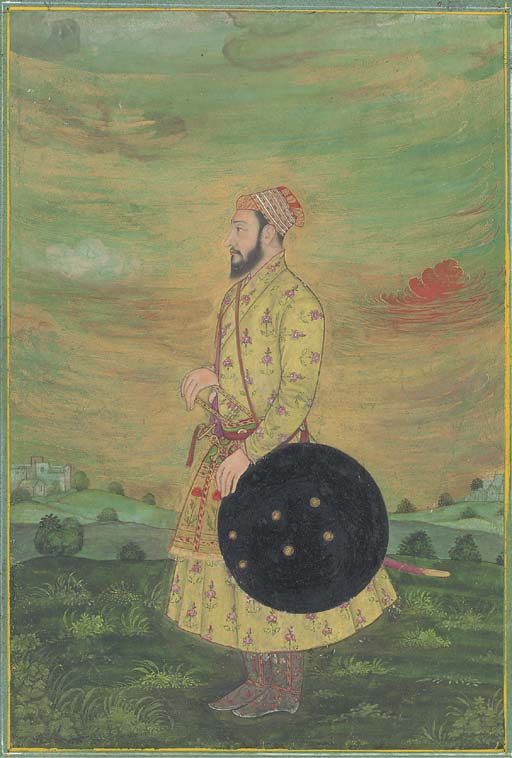
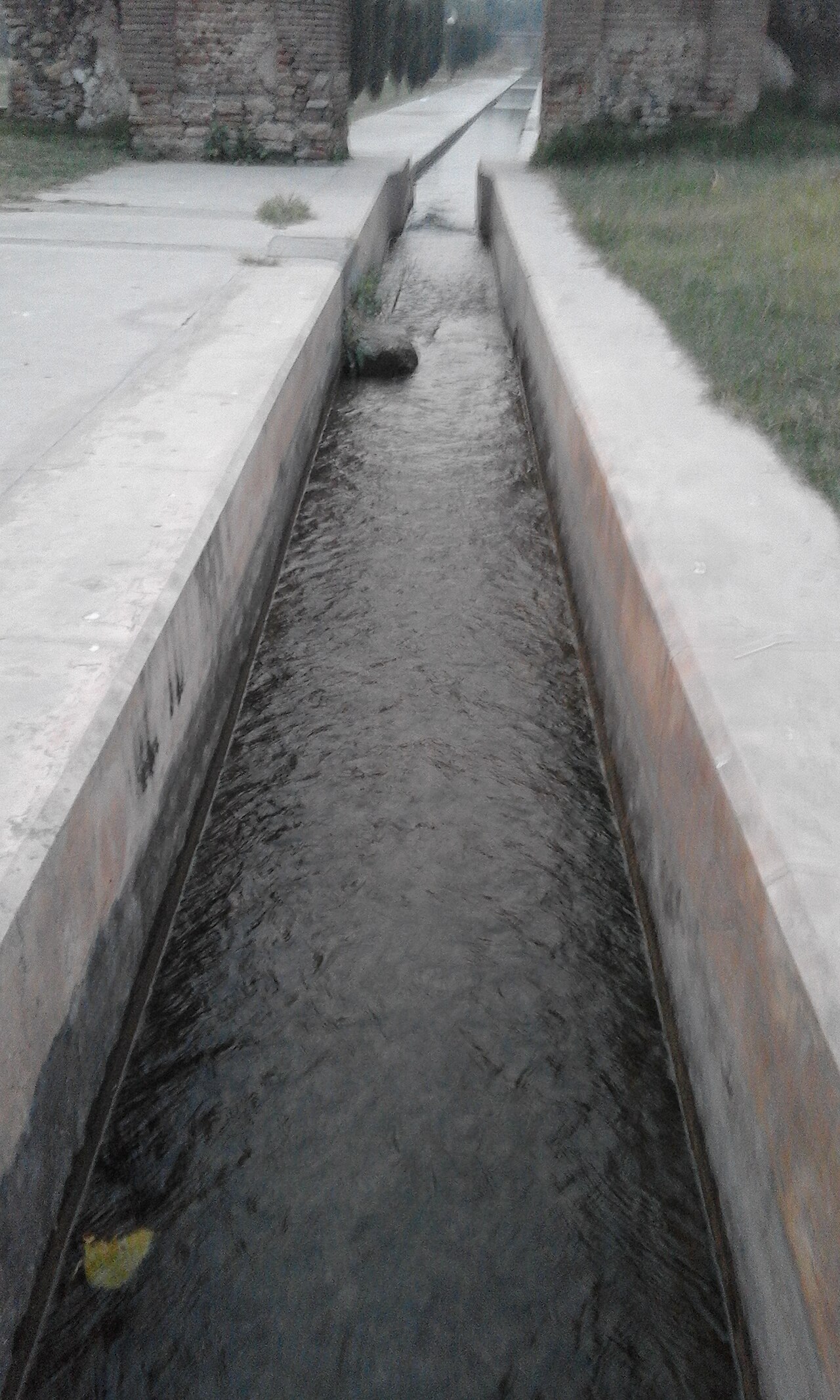
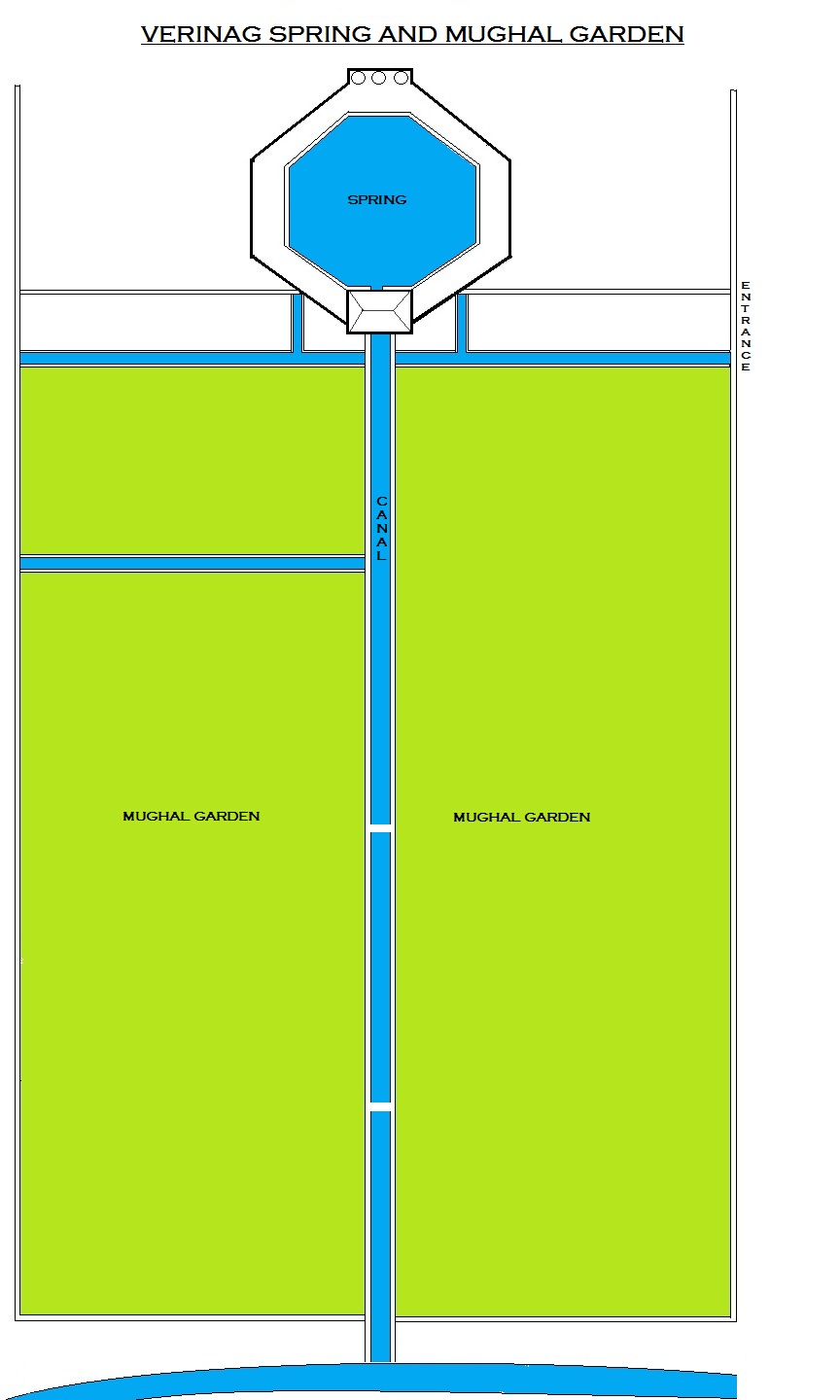
These gardens were laid out in the 17th century, influenced by Persian architecture. Nishat Bagh offers views across the water towards the mountains, while Shalimar Bagh is famous for its intricate water channels. When you visit in spring, the blossoms are the main draw, but the architecture holds up even in the quieter months of late autumn.
You should budget at least half a day to see two of the main gardens comfortably. If you rush, you will miss the point of these spaces, which were designed for slow contemplation rather than sightseeing ticks.
Planning Your Daily Itinerary
Start early. The gates generally open around 9:00 AM. In the summer months, arriving by 9:30 AM helps you beat the tour buses that begin to arrive from the city centre around 11:00 AM. I recommend starting with Nishat Bagh, then moving further north to Shalimar, and ending your day at Chashme Shahi on your way back.
If you are staying on a houseboat, ask your host to arrange a pre-booked taxi for the day. They have local connections, and the price is usually fixed for an 8-hour shift, ranging from 1,800 to 2,500 rupees depending on the season.
Costs and Logistics
Entry fees are nominal—usually 20 to 50 rupees for domestic visitors. You will pay for the car hire separately. If you are looking for a comprehensive experience, consider booking a mughal gardens tour package that bundles transport, a guide, and sometimes entry tickets, which saves you from handling cash at every gate.
Always carry a small amount of cash. While digital payments are becoming common, the smaller vendors outside the garden gates still prefer notes for snacks or water.
Common Mistakes to Avoid
The biggest mistake is trying to see everything in one afternoon. The traffic along the Dal Lake road can be heavy, especially in the tulip season or on summer weekends. Leave yourself more time than the map says you need.
Another pitfall is assuming taxis will be waiting outside the gardens for a return trip. It is far better to keep your booked taxi with you for the duration of your visit. It’s worth the extra hourly rate to avoid waiting in the heat for a new car.
How Skywale Packages Can Help
We know the roads here better than anyone. Instead of worrying about local logistics, we can arrange a private car and driver who knows the timing of these places. Whether you want a quick tour or a full day spent among the terraces, we can make the arrangements.
Reach out to us to build your itinerary. We can also provide a detailed mughal gardens travel guide tailored to the exact dates of your trip.
Before you book
Navigating Srinagar is a matter of pacing yourself and trusting the local infrastructure. Since you cannot rely on a metro, the comfort of a private car becomes your best asset for a smooth trip.
If you are feeling overwhelmed by the logistics, we are here to handle the details. Just get in touch with our team at Skywale Packages, and we will ensure your transport is sorted before you arrive.
Let us manage your Srinagar travel
We specialise in custom itineraries across Kashmir. Contact us today to discuss your visit to the Mughal Gardens.
Contact UsWritten by
Kashmir, Jammu & Ladakh specialists
We plan and run trips across Kashmir, Jammu and Ladakh every week of the year. Everything here comes from routes we drive, stays we inspect and questions our travellers actually ask.
Quick answers
Questions we get asked
Can I take a bus to the Mughal Gardens?
Yes, local buses run, but they are often crowded and require transfers. They are not recommended for visitors on a schedule or those carrying camera equipment.
How long does it take to drive from Srinagar city centre?
It usually takes 30 to 45 minutes, depending on the traffic near the lake front. Expect longer during peak tulip blooming season.
Is it better to hire a car for the whole day?
Absolutely. It is much easier to have a dedicated driver wait for you than to hunt for a taxi or auto-rickshaw after each garden visit.
Are there entry fees for the gardens?
Yes, there is a small entry fee for each garden, typically ranging from 20 to 50 rupees. Keep some cash handy for this.
What is the best time of year to visit?
Spring is famous for the blossoms, but the autumn months offer cooler, clearer days and fewer crowds.
Photography credits
- Photo: Rohit14400 · CC BY-SA 4.0
- Photo: Sohaibahmad95 · CC BY-SA 4.0
- Photo: McKay Savage · CC BY 2.0
- Photo: Mughal · Public domain
- Photo: Akshey25 · CC BY-SA 3.0
- Photo: Pmsarangi · CC BY-SA 4.0
- Photo: Pmsarangi · CC BY-SA 4.0