Aru Valley vs Betaab Valley: A Practical Guide for Your Pahalgam Trip
Deciding between Aru Valley vs Betaab Valley? We compare the landscapes, activities, and logistics to help you choose the right stop for your Kashmir itinerary.
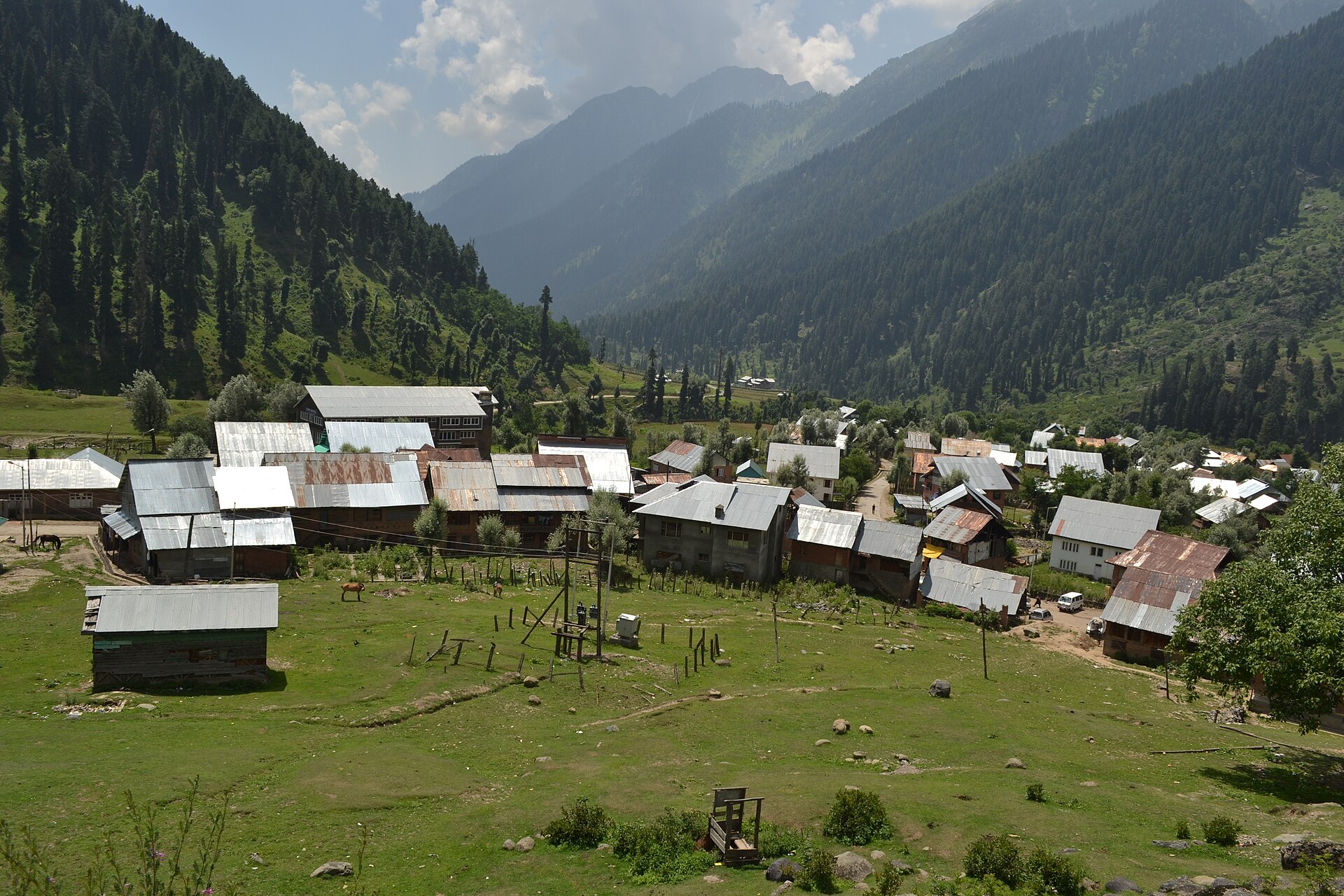
The wide, open meadows of Aru Valley provide a sense of total freedom.Photo: Nandanupadhyay · CC BY-SA 3.0
I remember the first time I sat on a rock in Aru, watching a local shepherd move his flock across the Liddar, while just hours later I stood by the manicured gates of Betaab. Many travellers who contact us at Skywale Packages find themselves stuck when deciding how to allocate their time in Pahalgam. Both sites have their own gravitational pull, yet they offer fundamentally different experiences.
If you are debating the aru valley vs betaab valley choice, understand that it is less about which is 'better' and more about what kind of atmosphere you want for your day. Aru is the gateway to the high alpine wilderness, whereas Betaab is a developed, curated space perfect for a quiet afternoon.
The Landscape Contrast: Wild Alpine vs Movie Set Green
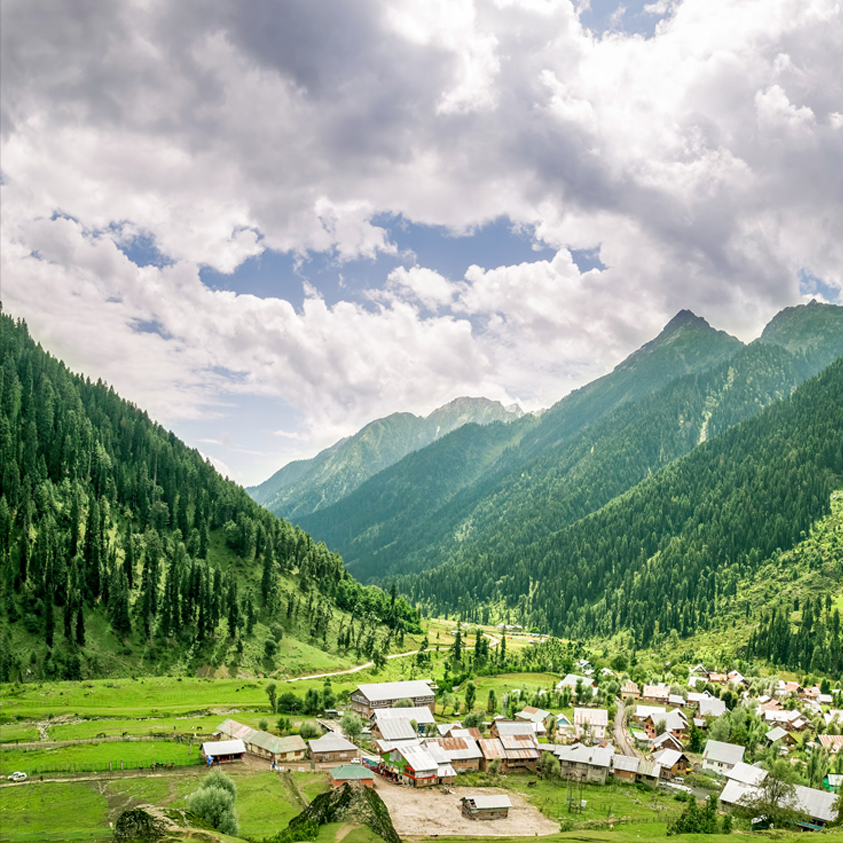
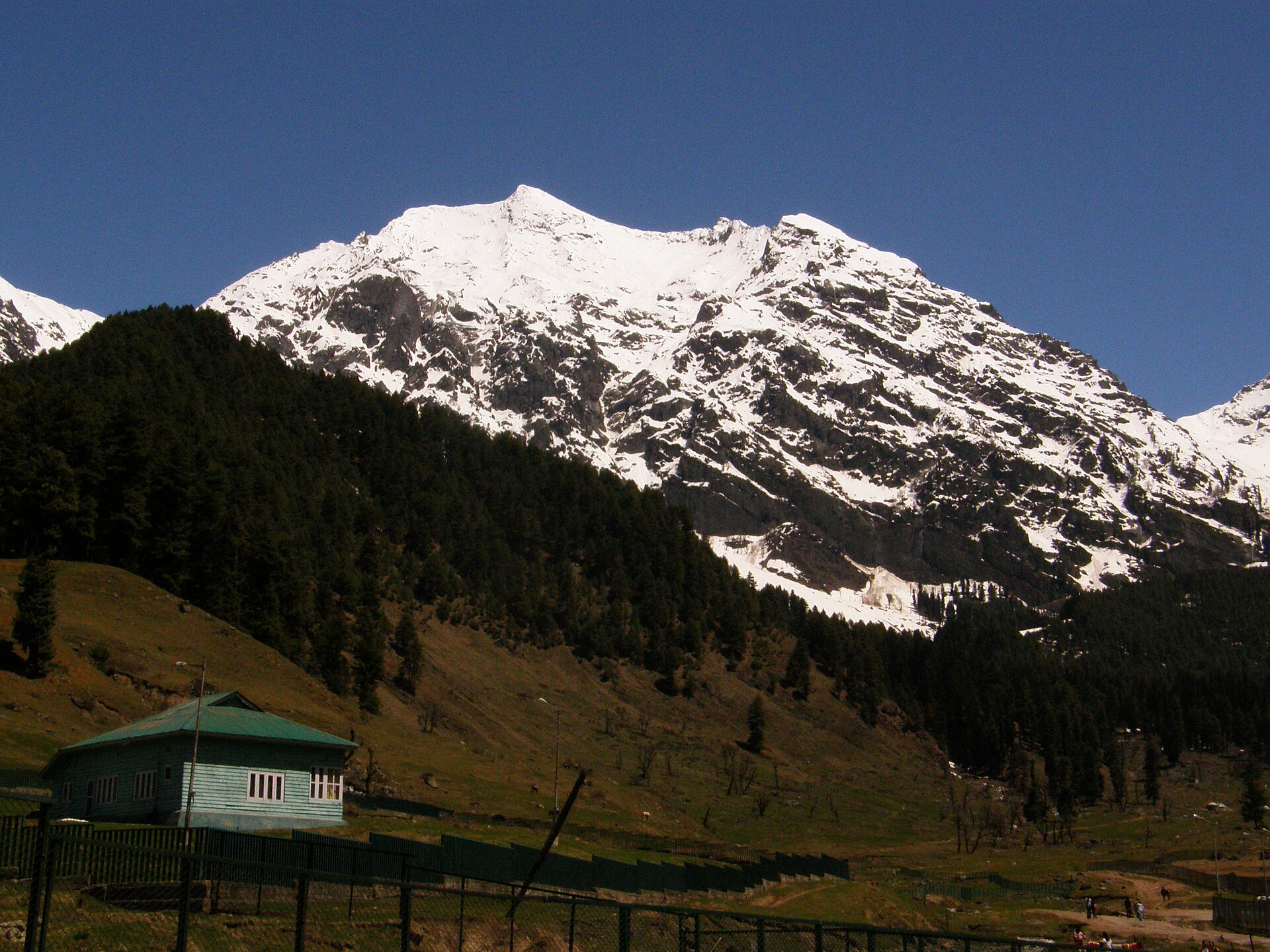
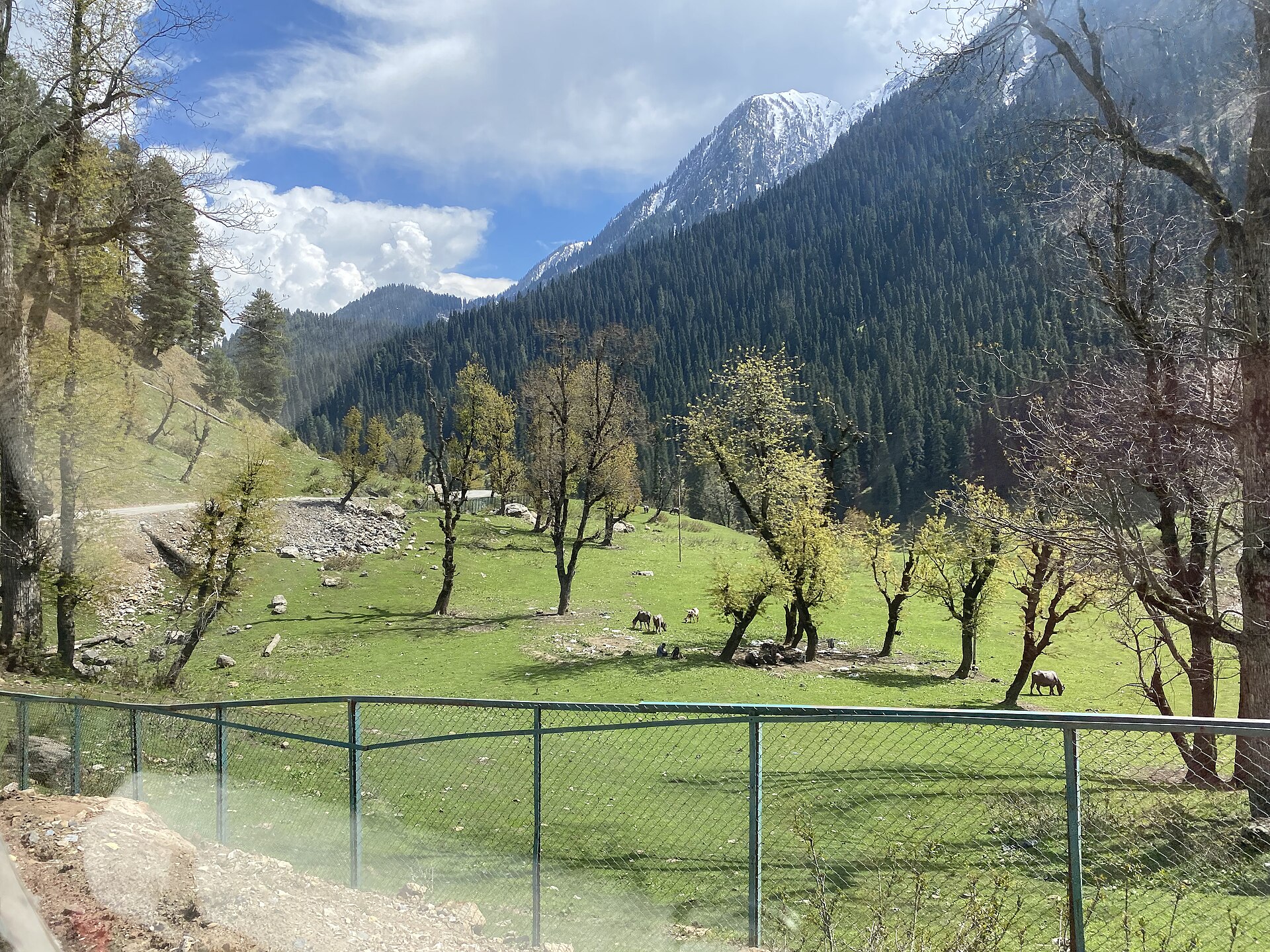
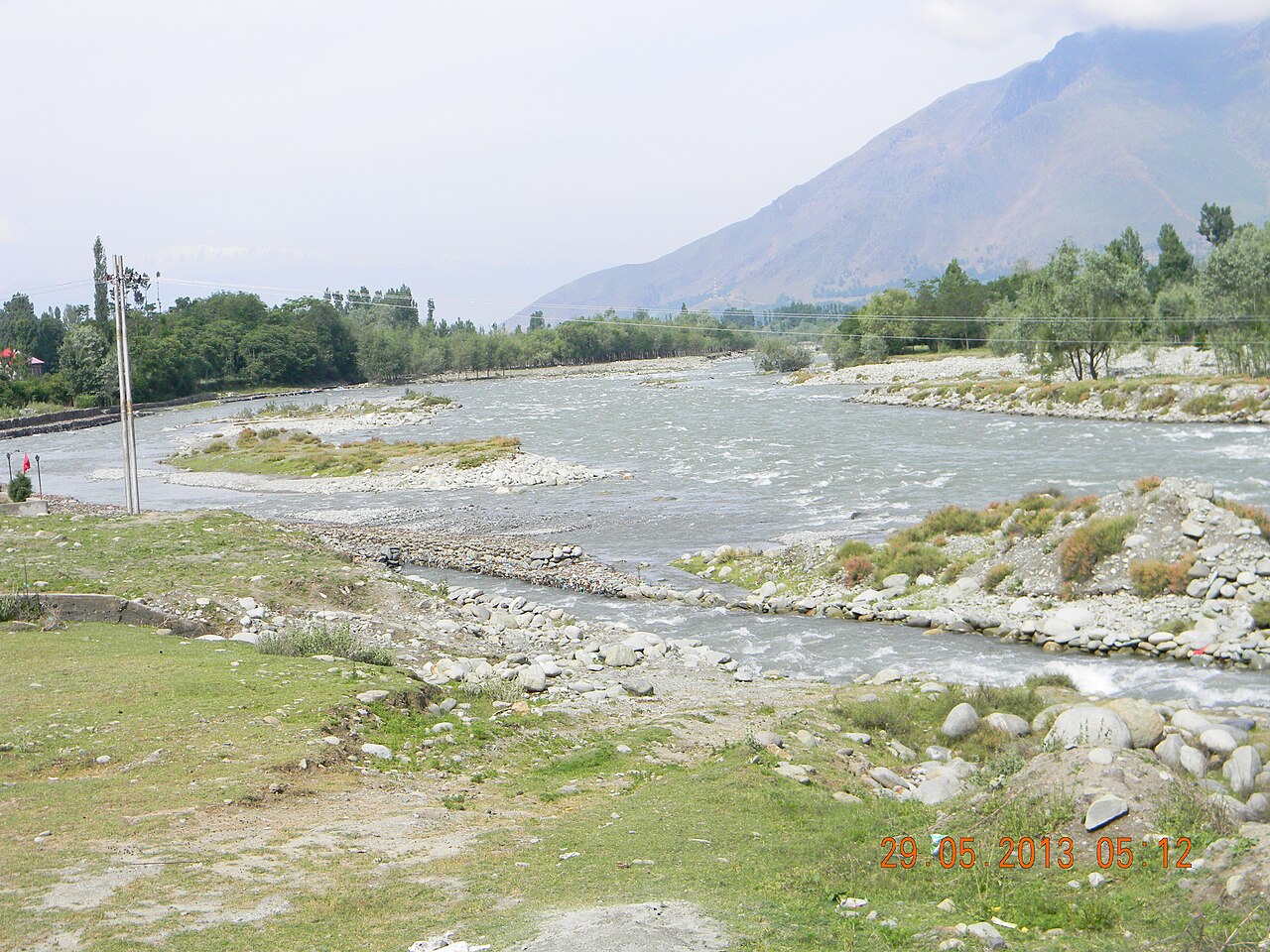
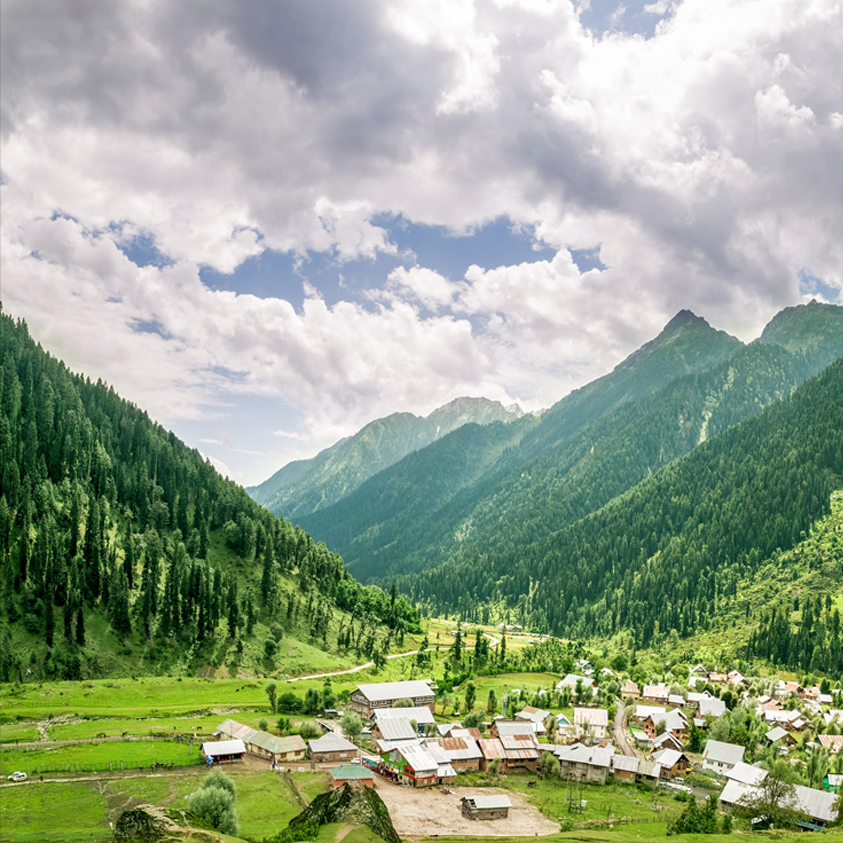
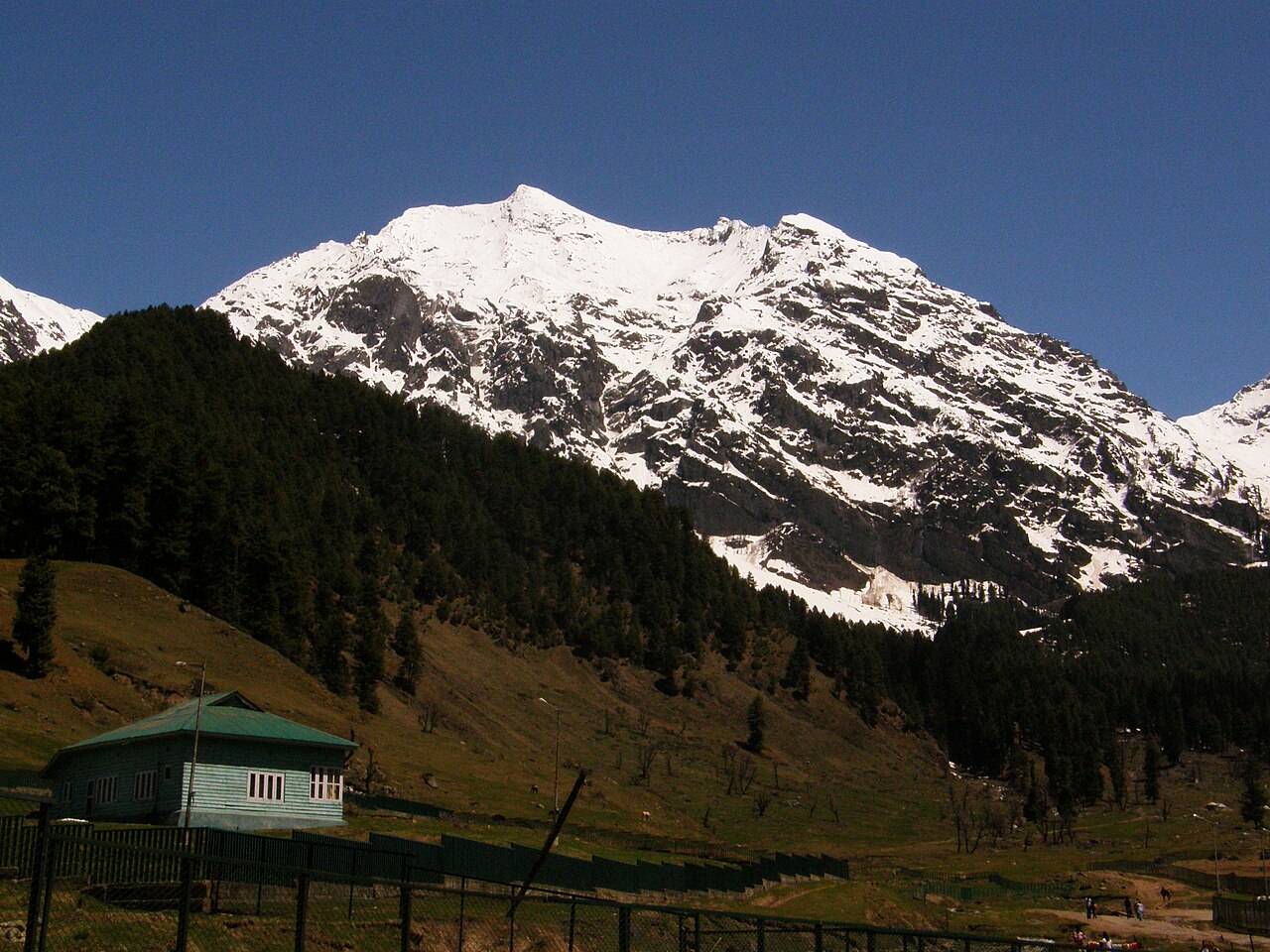
Aru Valley is defined by its scale. When you arrive, you aren't looking at a single view; you are looking at a valley that stretches toward the Kolahoi Glacier. It feels vast, untamed, and slightly raw. The river here is wide and erratic, cutting through meadows that seem to go on forever.
Betaab Valley, by contrast, is contained. It became famous after the film 'Betaab' was shot there, and the infrastructure reflects that. You walk through defined paths, well-kept gardens, and bridges that frame the surrounding peaks. It is undeniably green and incredibly photogenic, but the feeling of being in 'the wild' is muted by the park-like design.
Experience Levels: Relaxation vs Adventure
If you want to spend an hour reading a book by the river or having a picnic with your family, Betaab is the better choice. Its design encourages you to slow down and appreciate the scenery within a secure perimeter. The trails are flat, the grass is trimmed, and the facilities are very accessible.
Aru is where you go if you want to walk. It serves as the base camp for the Tarsar-Marsar trek, and you can spend hours hiking into the surrounding hills without needing a permit for short treks. It is the spot for someone who wants to feel the wind, see the local grazing habits, and get away from the sound of other tourists.
Accessibility and Travel Logistics
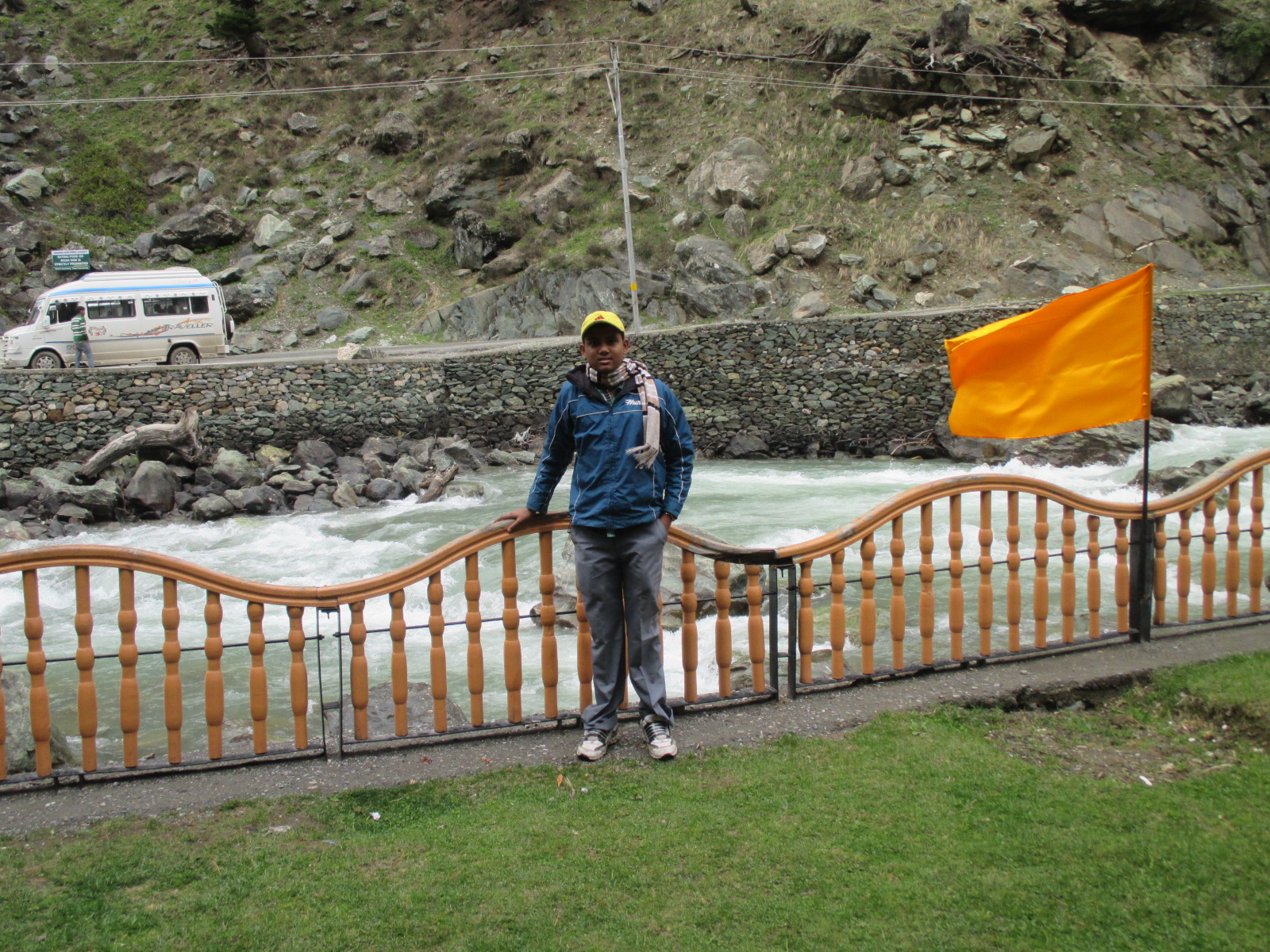
Betaab is closer to Pahalgam town. Depending on your driver, it is a short 15-minute drive through scenic roads. Because of its proximity and popularity, parking can get chaotic during the high season, and you might have to walk a bit from the main gate to the riverbanks.
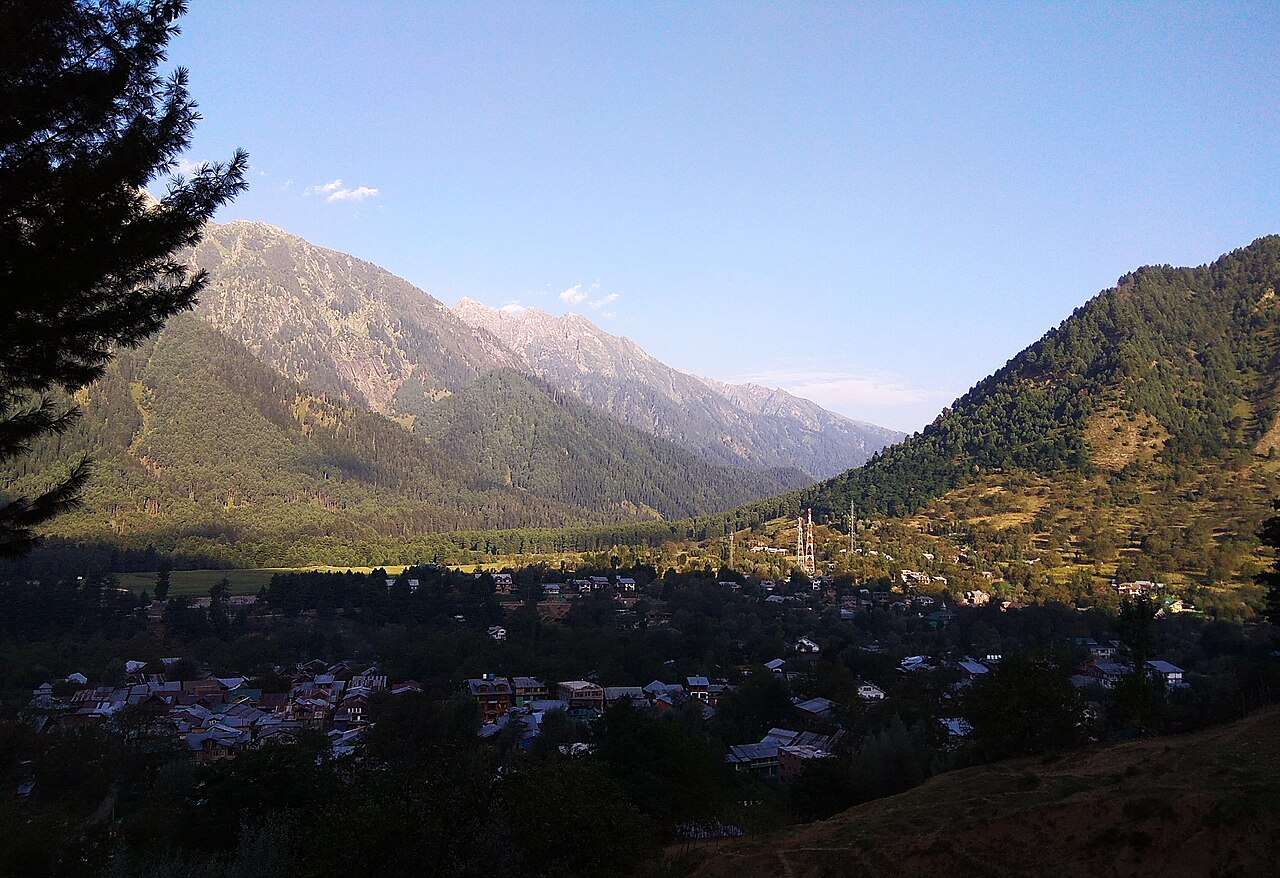
Aru is a longer journey, usually taking about 30 to 45 minutes from Pahalgam. The road is narrower and winds significantly along the Liddar. If you are prone to motion sickness, take the mountain road slow. However, the destination is much quieter once you arrive, as many casual tourists opt for the shorter drive to Betaab or Chandanwari.
Best Time of Day for Your Visit
Timing is everything in Pahalgam. I always advise our clients to hit Betaab by 9:00 AM. By midday, the tour buses from Srinagar fill the parking lots, and the sense of space vanishes. If you are there early, the light hitting the willows near the river is perfect for photography.
For Aru, the timing is less critical because of its sheer size. However, I prefer visiting around 3:00 PM. The afternoon sun hits the valley floor in a way that makes the grass look gold, and by that time, the morning rush of hikers has usually returned to the town.
Which One Should You Include in Your Package?
For most, the ideal trip includes both. We often build itineraries that visit Betaab and Chandanwari in one half-day, and dedicate a separate half-day entirely to Aru. This allows you to appreciate them as distinct experiences rather than checking them off a list.
If you are short on time, choose Aru if you value space and hiking, or choose Betaab if you are travelling with young children or seniors who prefer easy, scenic walks. Remember that both require local taxi union vehicles in peak season, so your itinerary needs to be flexible.
Before you book
The choice between Aru and Betaab shouldn't be a source of stress. Both offer a genuine look at the Liddar Valley, and no matter which you pick, you are in one of the most scenic parts of Kashmir.
If you want help planning your visit, contact our team at Skywale Packages. We can help you arrange the right transport and timing so you aren't fighting crowds or feeling rushed on your trip.
Need help with your itinerary?
We can help you navigate the Pahalgam taxi union rules and schedule your visits to avoid the crowds.
Contact us for planningWritten by
Kashmir, Jammu & Ladakh specialists
We plan and run trips across Kashmir, Jammu and Ladakh every week of the year. Everything here comes from routes we drive, stays we inspect and questions our travellers actually ask.
Quick answers
Questions we get asked
Can I visit both in one day?
Yes, but you will be rushing. It is better to see Betaab and Chandanwari together, and dedicate a separate, slower day to Aru Valley.
Is Aru Valley dangerous for solo travelers?
Aru is very safe. It is a popular tourist spot and a base camp for major treks. Stick to well-marked paths if you are exploring on your own.
Are there entry fees for these valleys?
Both Betaab and Aru charge a nominal entry fee at the gates. These fees support the maintenance of the parks and roads.
Which valley has better views of the snow-capped mountains?
Both offer incredible views, but Aru feels more immersive since you are higher up and closer to the surrounding peaks.
Do I need a special vehicle to reach these places?
In Pahalgam, local taxi union rules often apply, requiring you to use their vehicles for sightseeing trips to these specific valleys.
Photography credits
- Photo: Nandanupadhyay · CC BY-SA 3.0
- Photo: Billjones94 · CC BY-SA 4.0
- Photo: ANWESHA ADHIKARY · CC BY-SA 4.0
- Photo: Kreativeart · CC BY-SA 4.0
- Photo: Nawr'n k · CC BY-SA 4.0
- Photo: Tuxyso · CC BY-SA 3.0
- Photo: Harshruti · CC BY-SA 4.0