An Overview of Gurez Valley: Kashmir's Hidden Gem
Discover the geography, Dard-Shin culture, and riverine beauty of northern Kashmir
An introductory guide to Gurez Valley, exploring its geography behind Razdan Pass, the rich heritage of the Dard-Shin people, and the Kishanganga river.
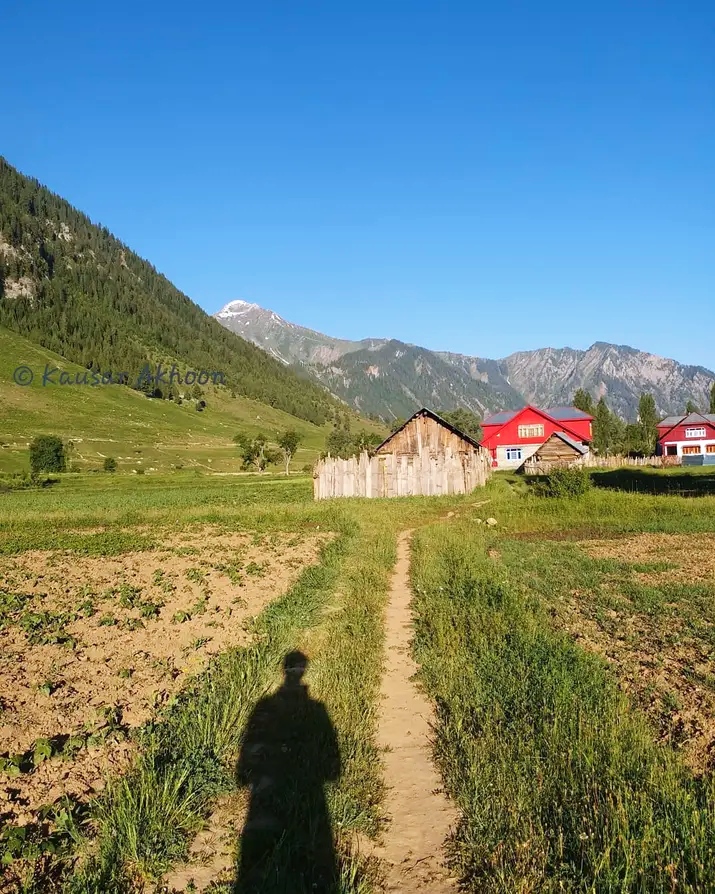
A high-altitude basin carved by glaciers and river erosion.Photo: Captured by Kausar Akhoon · CC BY-SA 4.0
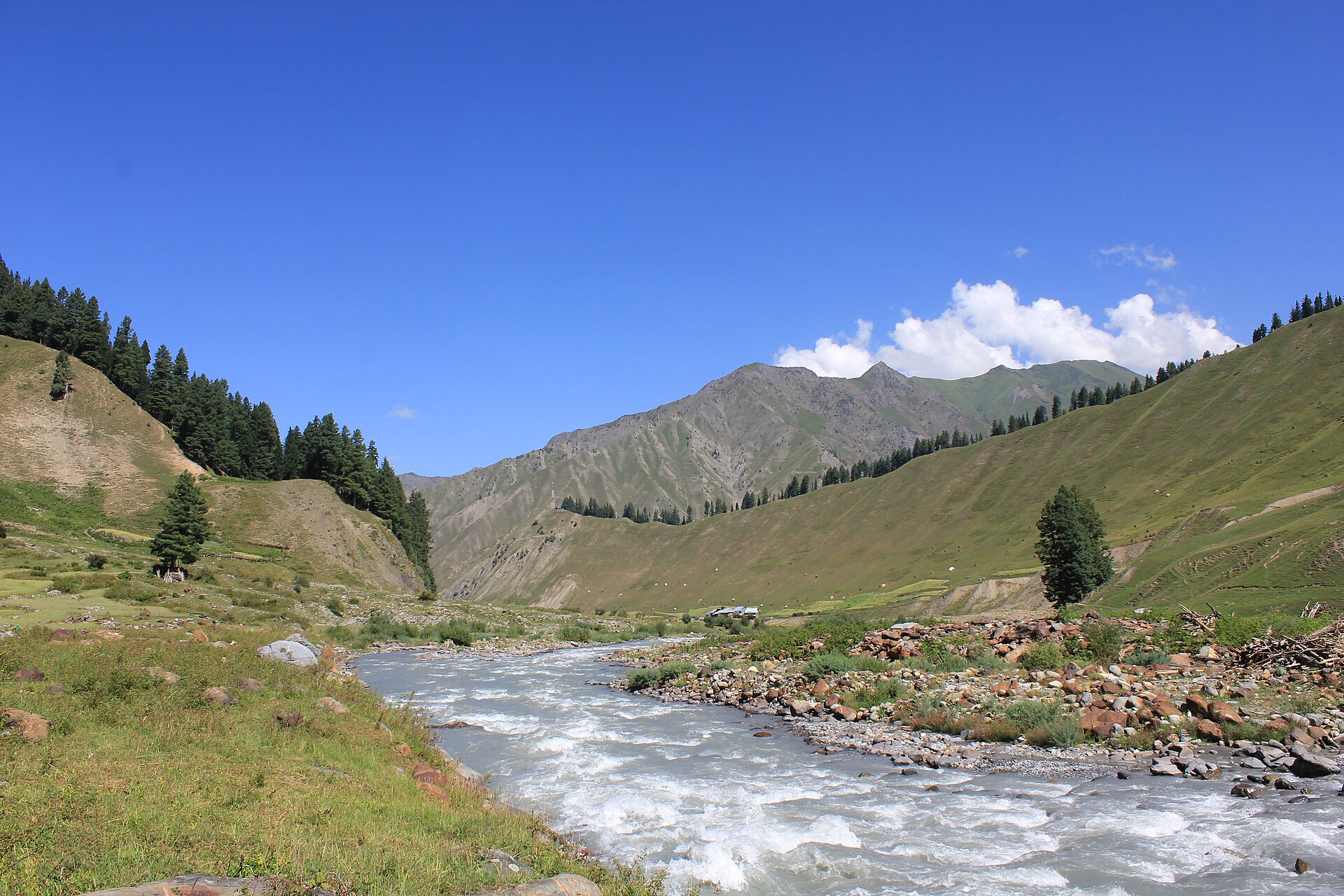
To understand why travellers speak of Gurez with such quiet reverence, you have to picture a valley that spent decades cut off from standard tourist maps. Tucked away behind the formidable wall of Razdan Pass in northern Kashmir, this high-altitude basin follows the emerald course of the Kishanganga river as it rushes towards Pakistan. It is a place defined as much by its stubborn isolation as by its staggering mountain geography.
When people ask what is gurez valley, they are usually looking for more than a set of coordinates. They want to know about the Dard-Shin communities who preserved their distinct language and traditions here for millennia, and about the solitary pyramid peak named after a legendary Kashmiri poetess. We have been bringing travellers across the pass for years, and every single time, the valley feels like stepping into a forgotten chapter of Himalayan history.
Geography Behind the Mountain Barrier
Gurez sits at an average elevation of about 8,000 feet above sea level, nestled within a dramatic trough carved by glaciers and river erosion. The valley is bounded on all sides by towering snow-capped peaks that form part of the greater Himalayan range. Reaching it requires crossing Razdan Pass at roughly 11,600 feet, an ascent that strips away the heat and humidity of the Kashmir valley floor in exchange for crisp mountain air.
The landscape transitions dramatically from the dense pine forests of Bandipora into stark, windswept alpine meadows and limestone cliffs. Because heavy winter snow keeps the pass sealed for six months of the year, the valley functions as a natural time capsule, maintaining an authentic rhythm of life dictated by the seasons.
The Unique Heritage of the Dard-Shin People
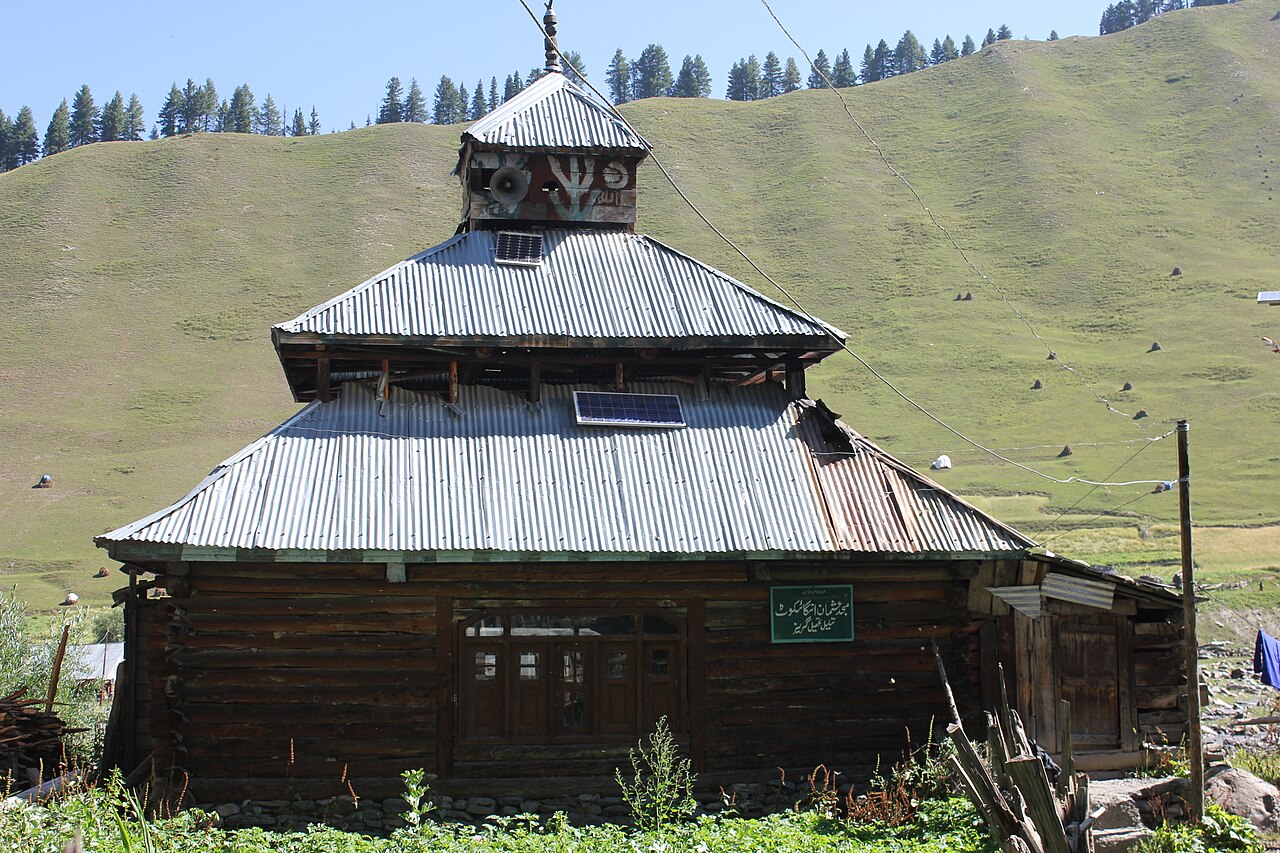
The human story of Gurez is rooted in the Dard-Shin ethnic group, whose ancestors migrated from Central Asia centuries ago. Unlike the broader Kashmir valley where Kashmiri and Urdu dominate, the people here speak Sheina, an ancient Dardic language with distinct phonetic sounds and cultural folklore.
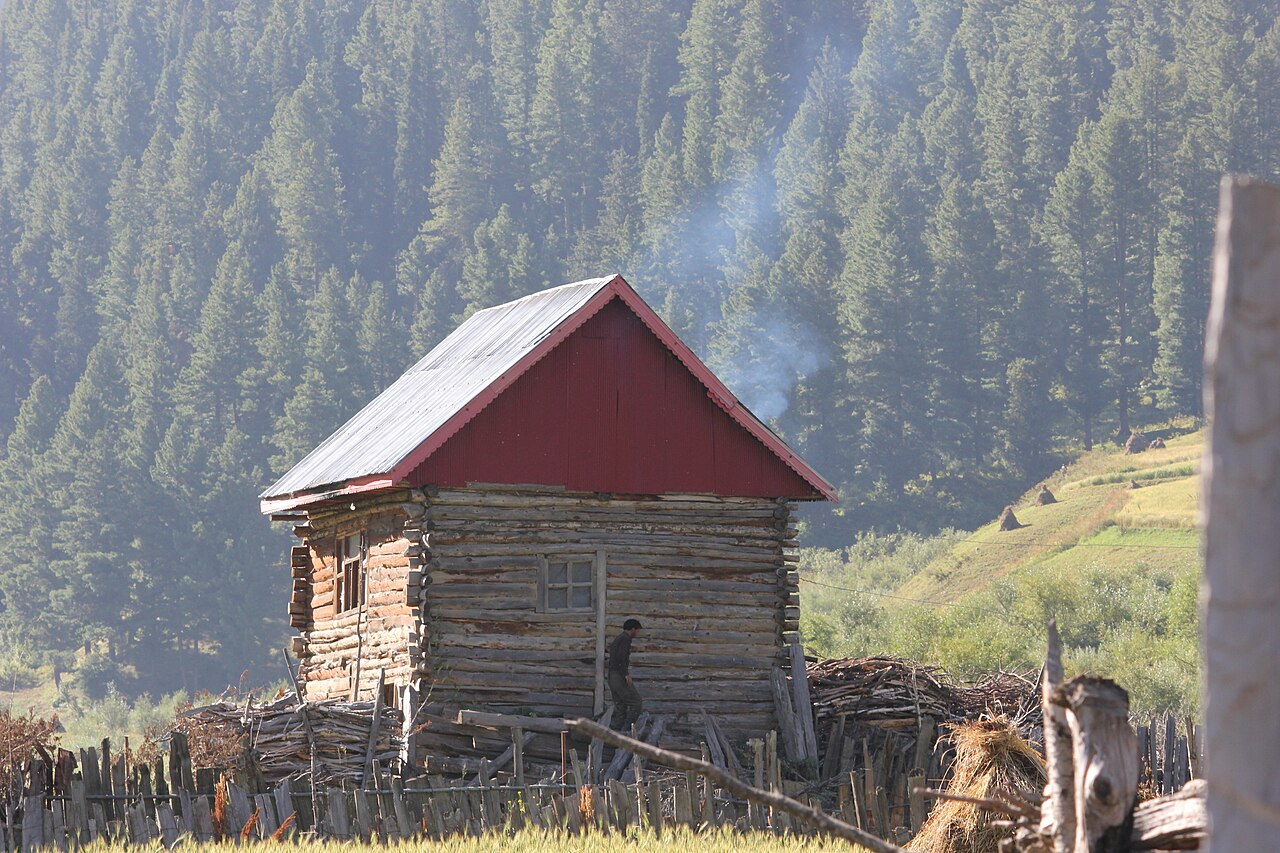
Village architecture here reflects this unique heritage. Homes are built using the traditional 'dhajji dewari' method—interlocking timber frames packed with flat stones and mud—which provides natural insulation against sub-zero winter temperatures while flexing gracefully during minor seismic tremors.
- Traditional woolen caps and embroidered tunics are worn daily by village elders.
- Local music and folk dances preserve ancient oral histories passed down through generations.
- Farming centers around hardy crops like barley, potatoes, and peas grown on terraced slopes.
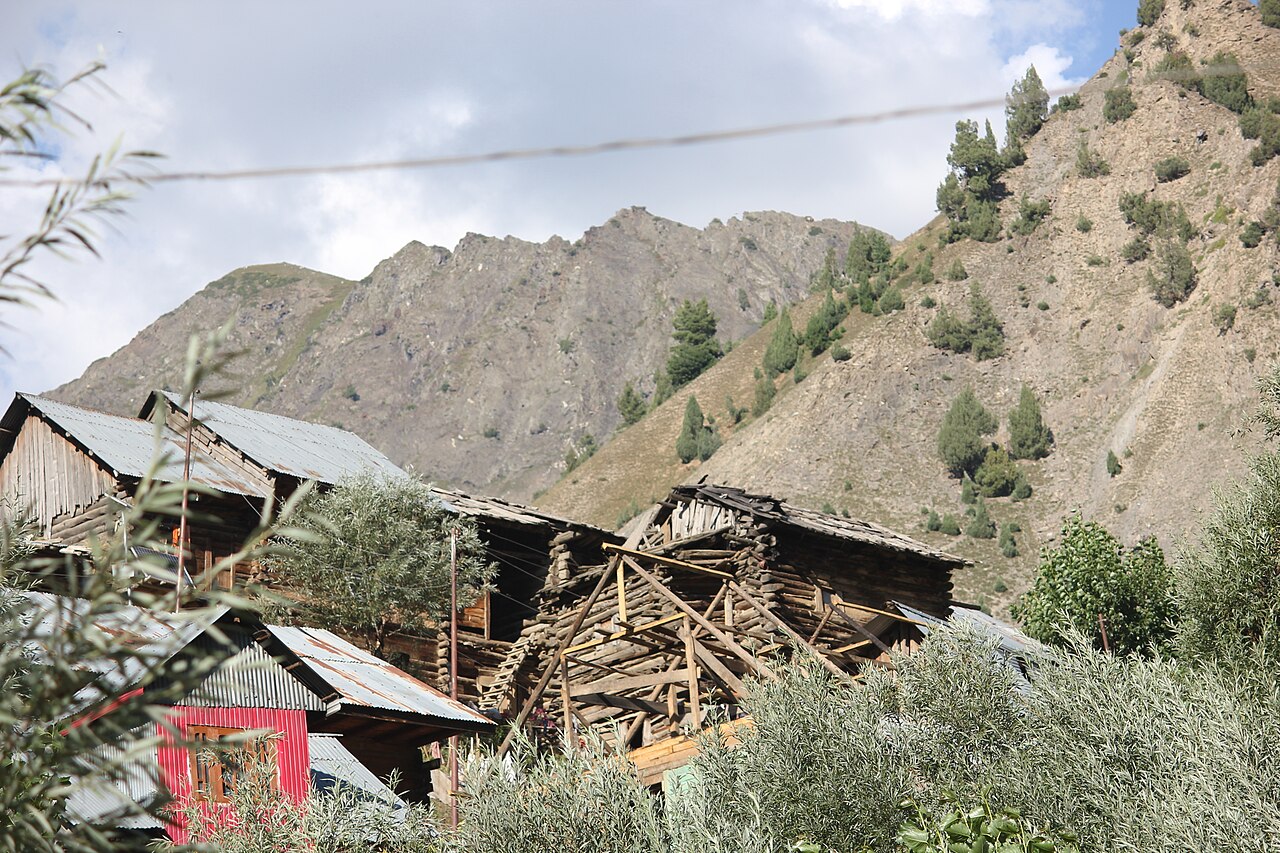
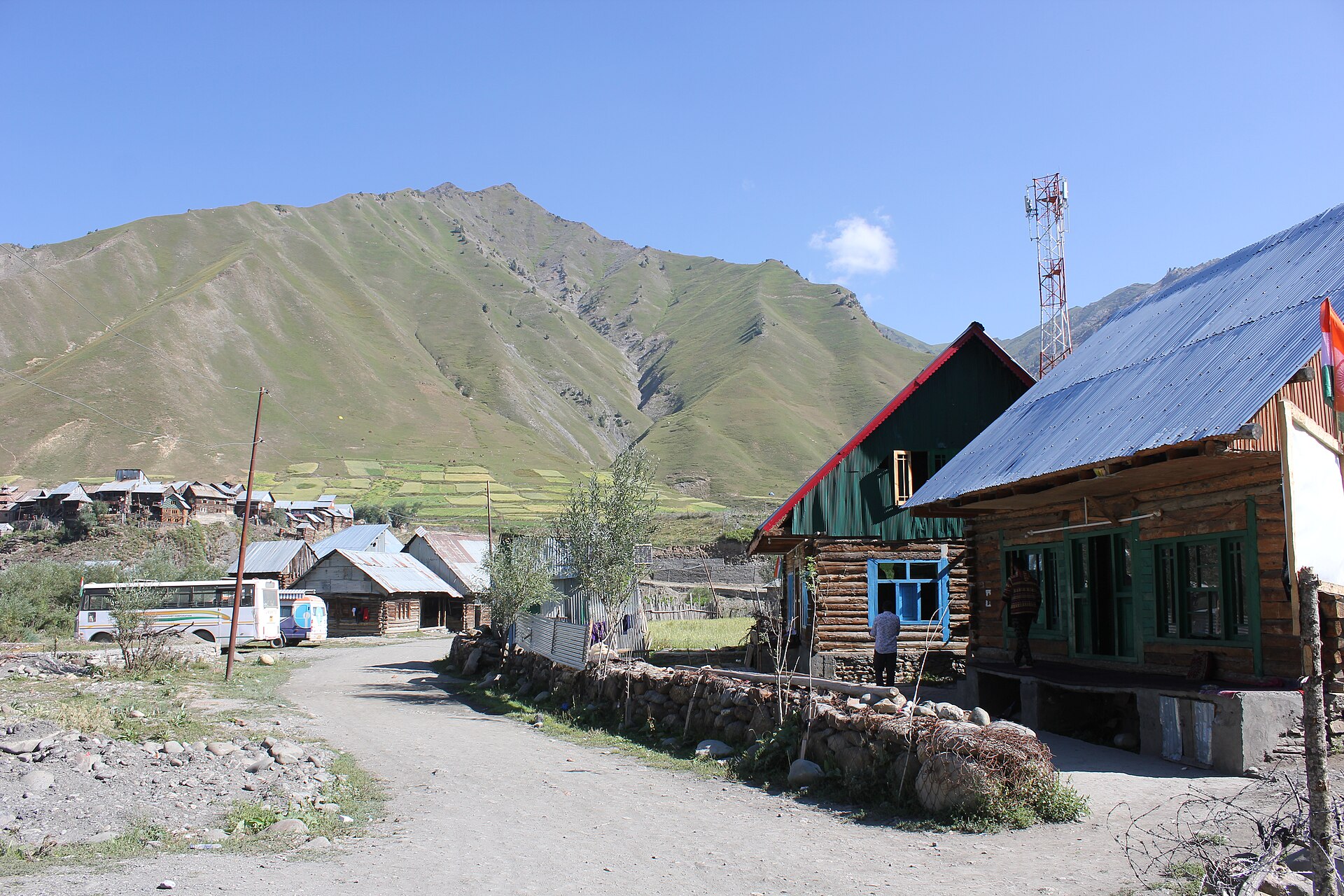
The valley functions as a natural time capsule, maintaining an authentic rhythm of life dictated by the seasons.
Landmarks of Gurez: Habba Khatoon Peak
Dominating the skyline near Dawar is the unmistakable silhouette of Habba Khatoon peak. Rising like a giant dark pyramid against the blue sky, the mountain is named after the 16th-century Kashmiri poetess and queen who spent time wandering these slopes after her husband, King Yusuf Shah Chak, was exiled by Mughal Emperor Akbar.
Local folklore holds that Habba Khatoon sat by the springs beneath the mountain composing haunting lyrics of longing and separation. Today, the peak serves as the undisputed visual icon of Gurez, catching the first golden light of dawn and casting deep shadows across the valley floor.

The Life-Giving Role of the Kishanganga River
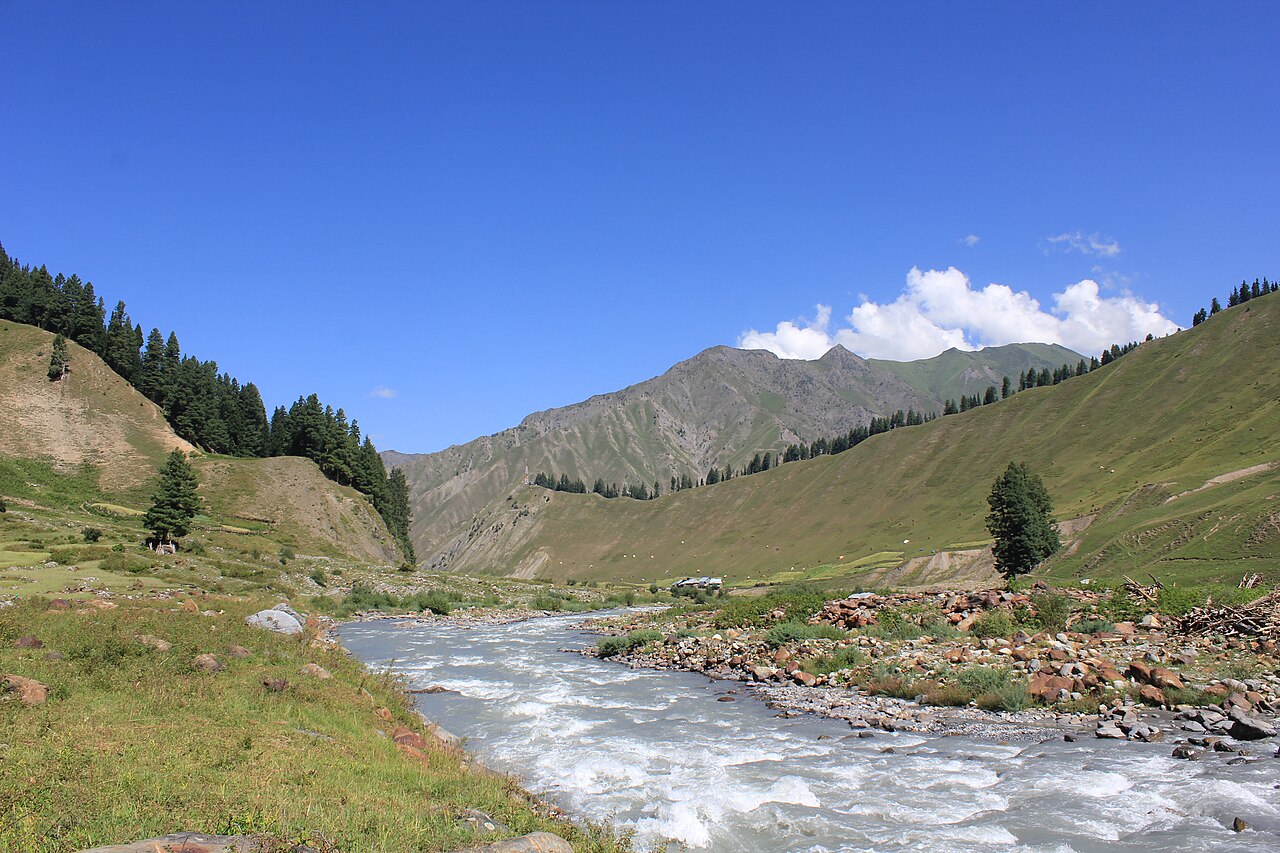
The Kishanganga River is the literal and metaphorical lifeblood of Gurez. Originating from high-altitude glaciers, the river enters the valley as a rushing torrent of turquoise water, carving through deep limestone gorges before turning west towards the Neelam Valley.
The river banks support lush grazing meadows, trout fishing spots, and small agricultural settlements. Historically, the river served as a vital trade artery connecting local communities, and today it provides an endless backdrop of sound and movement for anyone walking the valley tracks.
Why This Remains an Essential Offbeat Destination
In an era where major Himalayan hill stations are overrun with commercial resorts and bumper-to-bumper traffic, Gurez offers a rare alternative. There are no multi-storey hotels, shopping malls, or noisy tourist bazaars here. Instead, evenings are spent listening to the wind in the pines and watching stars fill a remarkably clear night sky.
For travellers seeking authentic cultural immersion combined with rugged mountain scenery, Gurez represents the last frontier of Kashmir tourism. It challenges your comfort zone just enough to make the journey deeply memorable.
- Zero commercial crowding compared to mainstream destinations like Gulmarg or Pahalgam.
- Unspoiled photography opportunities across river gorges and alpine meadows.
- Direct cultural exchange with hospitable local families in traditional homestays.
Before you book
Gurez Valley stands apart from the rest of Kashmir not just because of its geographic isolation, but because of the distinct cultural identity and raw landscape it preserves. It rewards those who take the trouble to cross the high pass with quiet hospitality, dramatic river gorges, and memories that linger long after you return to the plains.
If you want to experience this remarkable northern sanctuary with expert local guidance, explore our curated <a href="/destinations/kashmir/gurez-valley">Gurez Valley itineraries</a> or reach out through our <a href="/contact">contact page</a> to begin planning your journey.
Curious to see Gurez Valley for yourself?
Let our Srinagar-based team design a seamless, comfortable journey across Razdan Pass.
Explore Gurez ToursCaption for your own post
Standing beneath the shadow of Habba Khatoon peak in the remote beauty of Gurez Valley.
Written by
Kashmir, Jammu & Ladakh specialists
We plan and run trips across Kashmir, Jammu and Ladakh every week of the year. Everything here comes from routes we drive, stays we inspect and questions our travellers actually ask.
Having visited Gurez across multiple seasons, I am always struck by how completely the mountain air resets your perspective.
Quick answers
Questions we get asked
What is the exact altitude of Gurez Valley?
The valley floor around Dawar sits at approximately 8,000 feet (2,400 metres) above sea level, while surrounding mountain ridges rise well above 12,000 feet.
How do you reach Gurez Valley from Srinagar?
The only route is by road over Razdan Pass via Bandipora. The 130-kilometre journey from Srinagar takes roughly six to seven hours depending on road conditions.
What language do people speak in Gurez?
The primary local language is Sheina, spoken by the Dard-Shin community. Most residents involved in tourism also understand Urdu, Kashmiri, and basic Hindi or English.
Can you visit Gurez Valley in winter?
No, civilian tourist access is closed from November through May because heavy snowfall blocks Razdan Pass, cutting off road connectivity entirely.
Why is Habba Khatoon peak famous?
The peak is named after the 16th-century Kashmiri queen and poetess Habba Khatoon, who legendary accounts say spent her days wandering and singing near its base.
Photography credits
- Photo: Captured by Kausar Akhoon · CC BY-SA 4.0
- Photo: Journo Mohsin · CC BY-SA 4.0
- Photo: Journo Mohsin · CC BY-SA 4.0
- Photo: Journo Mohsin · CC BY-SA 4.0
- Photo: Kajalsuri · CC BY-SA 4.0
- Photo: Journo Mohsin · CC BY-SA 4.0
- Photo: Journo Mohsin · CC BY-SA 4.0