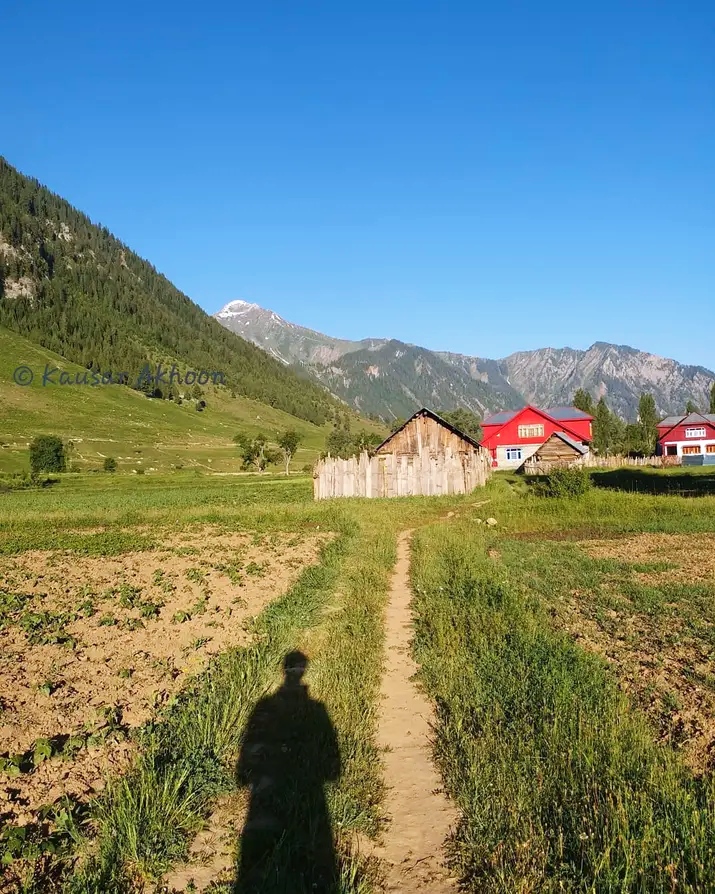
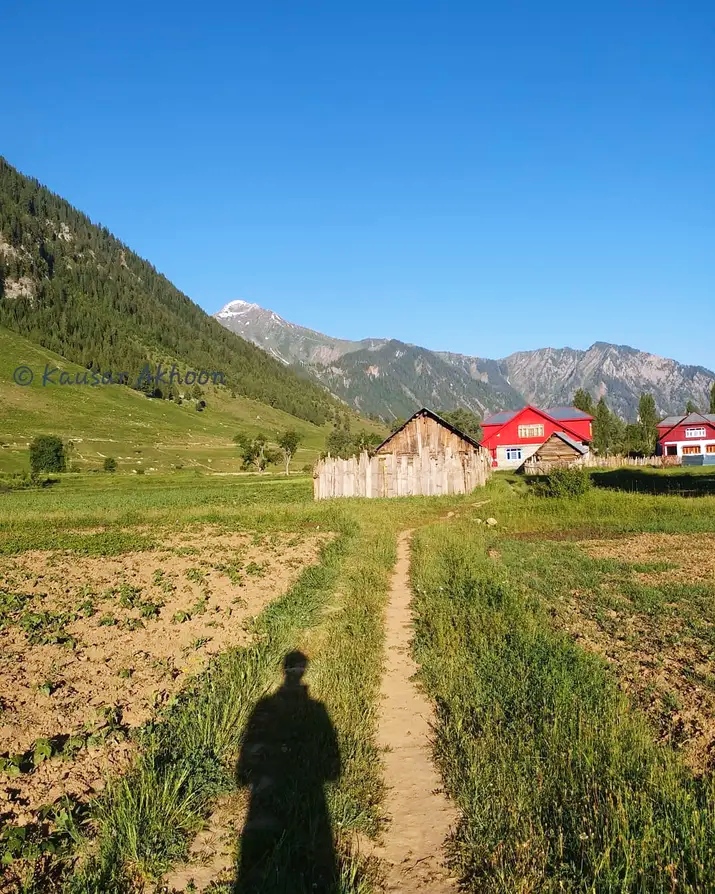
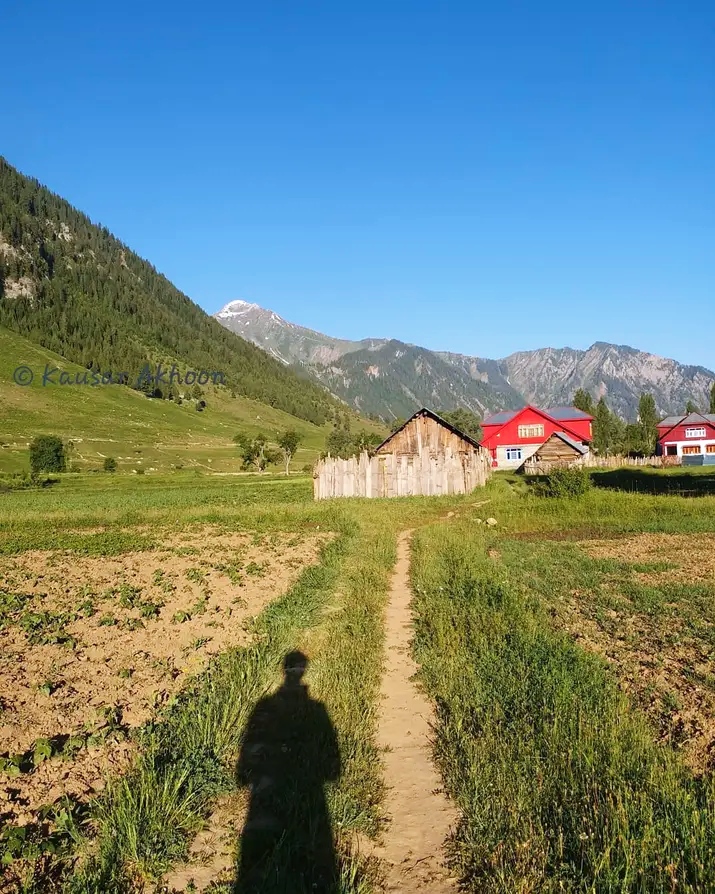
Top Things to Do in Gurez Valley: A Himalayan Escape
Discover the remote beauty, Dard-Shin culture, and rugged peaks of northern Kashmir.
Explore the untouched landscapes of Gurez Valley with our guide to trekking, river exploration, and local culture.
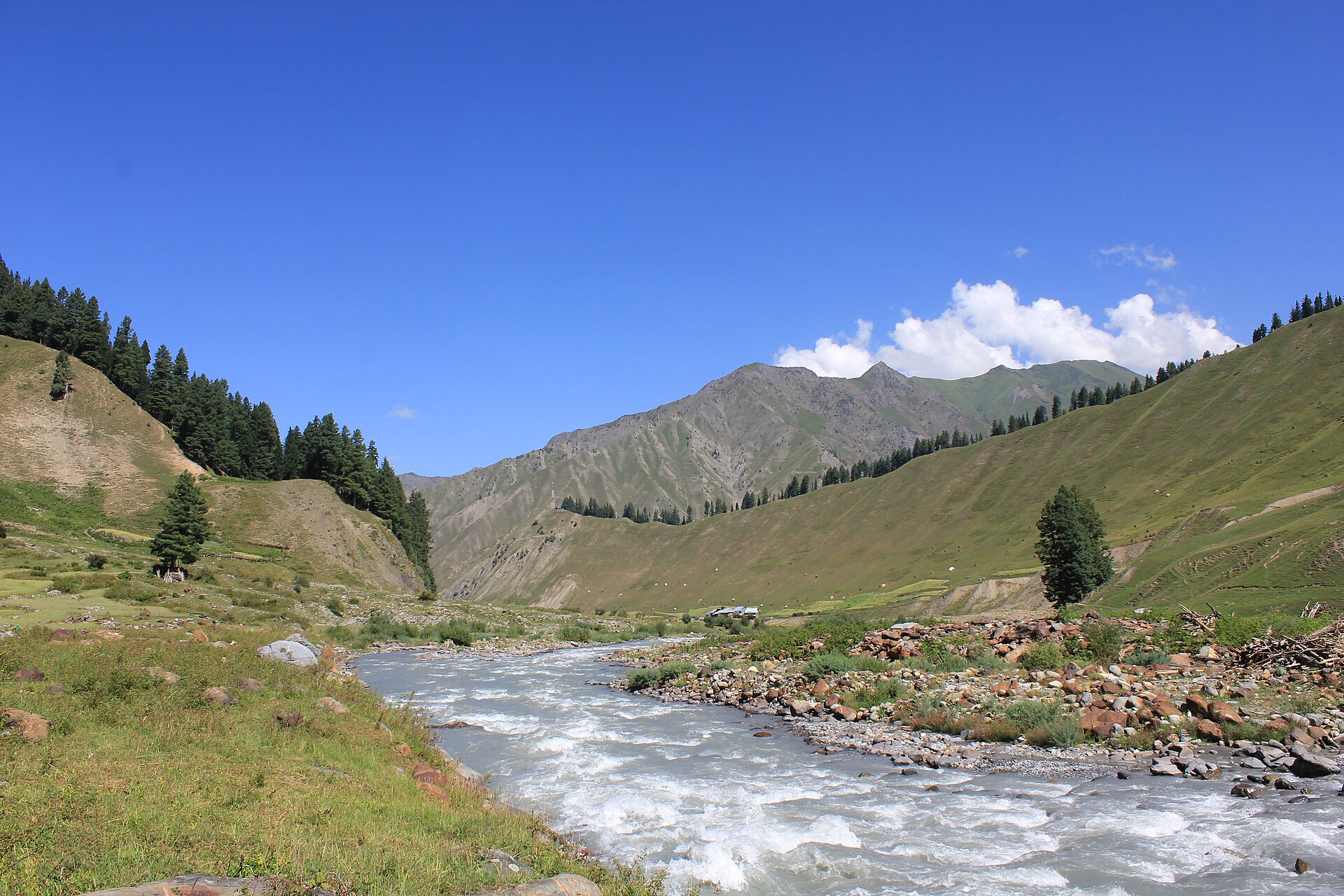
The Kishanganga river winds through the dramatic landscapes of Gurez.Photo: Journo Mohsin · CC BY-SA 4.0
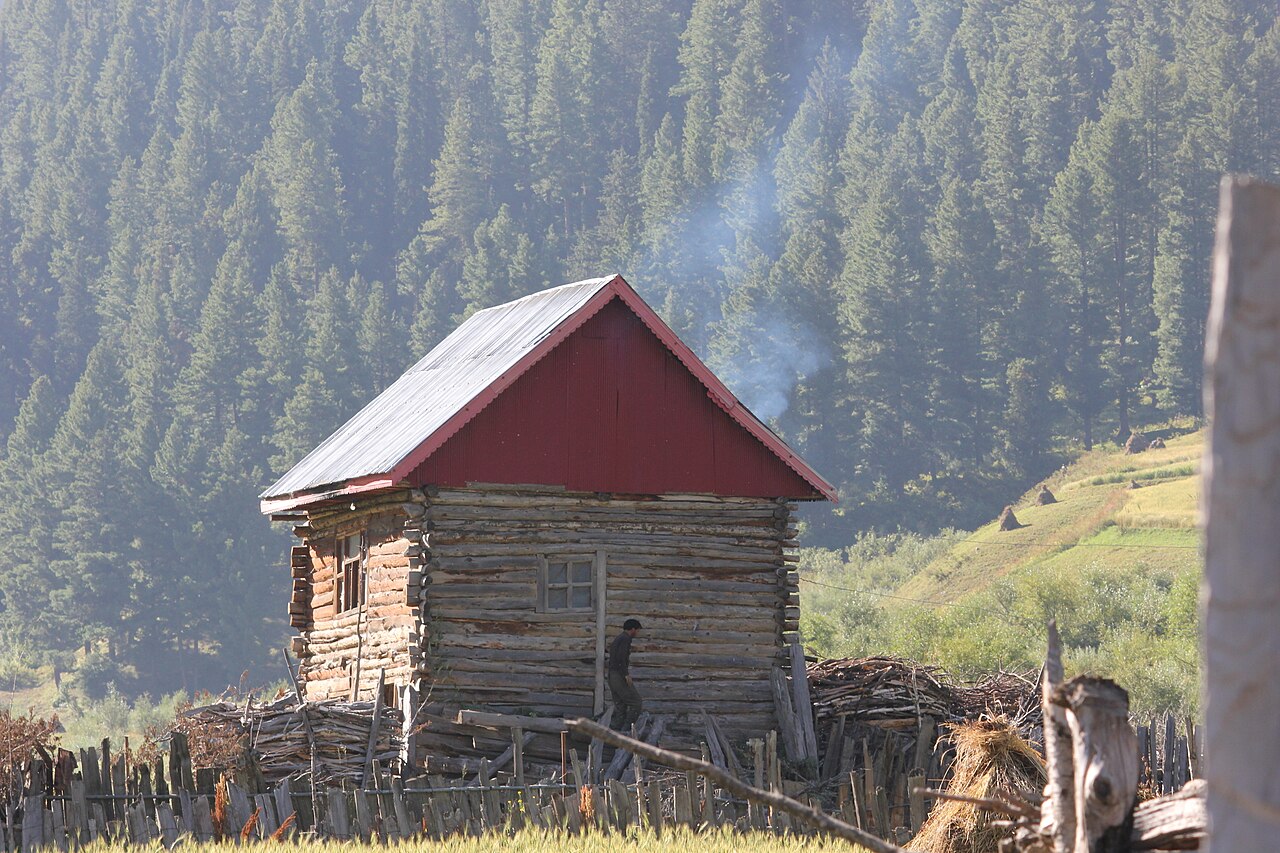
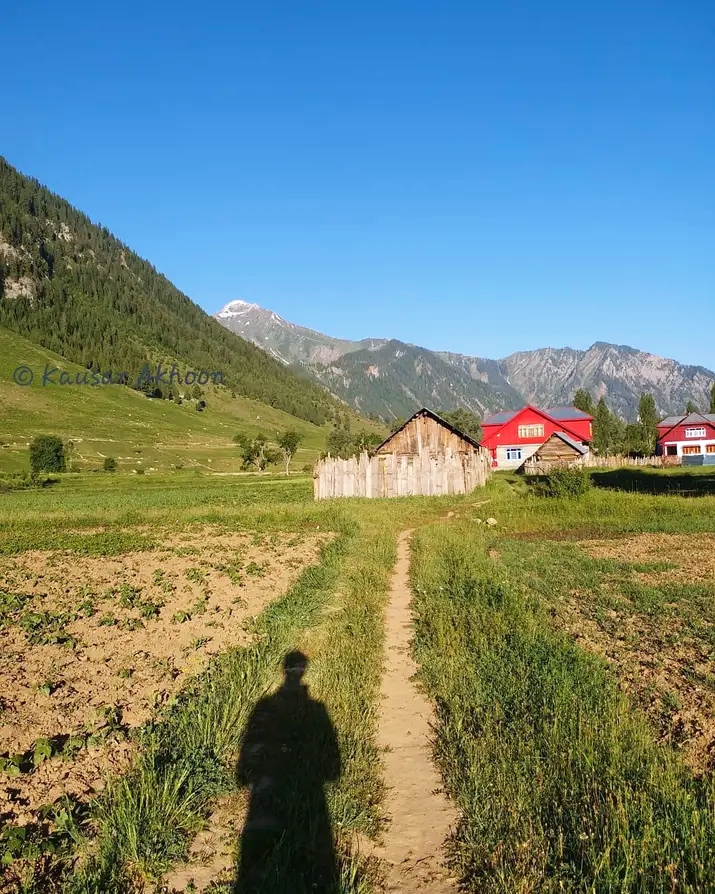
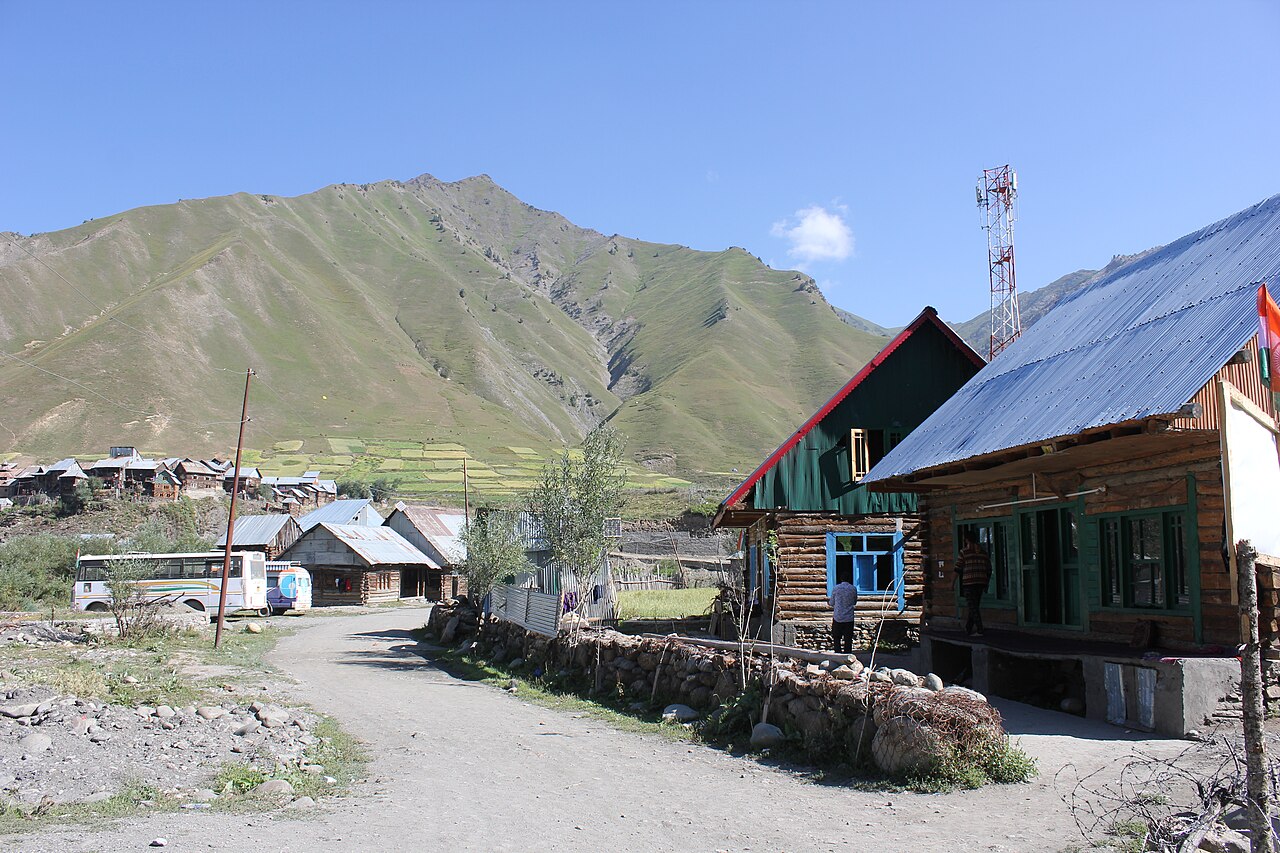
The road across Razdan Pass does not just change your altitude; it changes the century. When you descend into the bowl of Gurez Valley, past military checkpoints and hairpin bends carved into shale, the noise of modern Kashmir simply drops away. Mobile networks vanish, wooden log houses appear with carved balconies, and the Kishanganga river roars across the valley floor.
For years, this frontier valley remained closed to general tourism, preserving a way of life that feels remarkably untouched. Today, travellers willing to make the rough overland journey from Srinagar are rewarded with some of the most dramatic mountain scenery in the Himalayas. This guide covers the essential experiences that make the journey worthwhile.
Whether you want to climb historical peaks, sleep in traditional wooden homesteads, or simply watch the mist rise off the river at dawn, Gurez offers a rare kind of solitude.
Trekking to Habba Khatoon Peak
Dominating the valley is the pyramid-shaped mass of Habba Khatoon Peak, named after the sixteenth-century Kashmiri poetess and queen who wandered these slopes composing verses. The trek up the lower ridges takes about half a day and offers sweeping views of Dawar village and the meandering river below.
Local guides can take you up ancient paths used by shepherds for centuries. The climb is steep in sections, but the solitude at the ridge makes every step worthwhile. Bring trekking poles and plenty of water, as there are no shops once you leave the village.
- Elevation: Over 4,000 meters at the higher ridges.
- Duration: 4 to 6 hours for the standard viewpoint trek.
- Best time to start: Early morning before afternoon cloud build-up.
Exploring the Kishanganga River
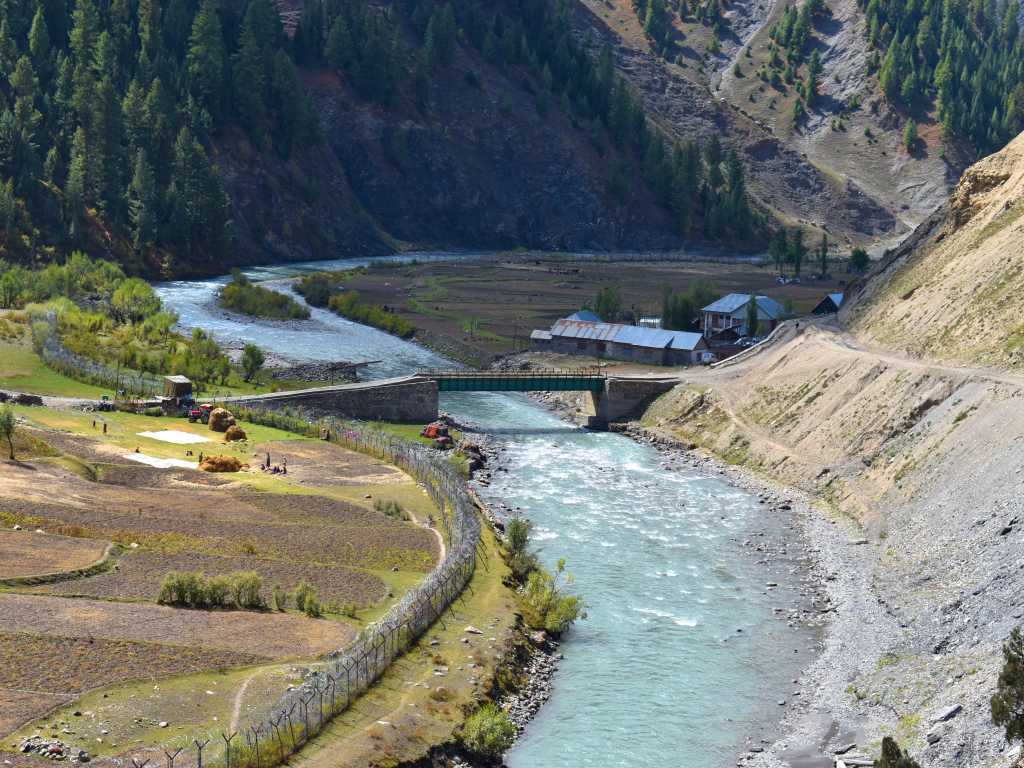
The Kishanganga river defines the geography and life of Gurez. Its turquoise waters cut straight through the center of the valley, carving deep gorges before flowing onwards into Pakistan-administered territory. Walking along its banks at sunrise is one of the quietest pleasures in the region.
Locals cross the river using traditional wooden suspension bridges that sway gently in the mountain breeze. Spending an afternoon sitting by the water, watching trout dart through the shallows, offers a sense of absolute peace that is hard to find in busier tourist hubs.
The road across Razdan Pass does not just change your altitude; it changes the century.
Immersing in Dard-Shin Culture
The residents of Gurez belong to the Dard-Shin ethnic group, speaking Shina and maintaining distinct traditions that differ significantly from the rest of Kashmir. Their traditional homes, known as 'Log Houses' or *Khatamband* structures, are built entirely from interlocking pine logs without iron nails, designed to withstand heavy winter snow.
Visitors are often welcomed with cups of salted butter tea (*Nun Chai*) and local bread baked in communal clay ovens. Sitting by a hearth in the evening while elders recount oral histories of trade routes and mountain spirits provides a profound cultural connection.
Driving the Scenic Tulail Valley Road
Beyond Dawar, the road continues deeper east towards Tulail Valley, following the narrowing course of the Kishanganga. This is where the landscape becomes truly wild. Settlements become smaller, electricity is sparse, and the road turns into a dirt track hugging cliff edges.
Passing through villages like Badwan and Chakwali, you will see stone-walled potato fields and children waving from wooden doorsteps. It is a slow, bumpy drive that requires a sturdy four-wheel-drive vehicle and an experienced local driver.
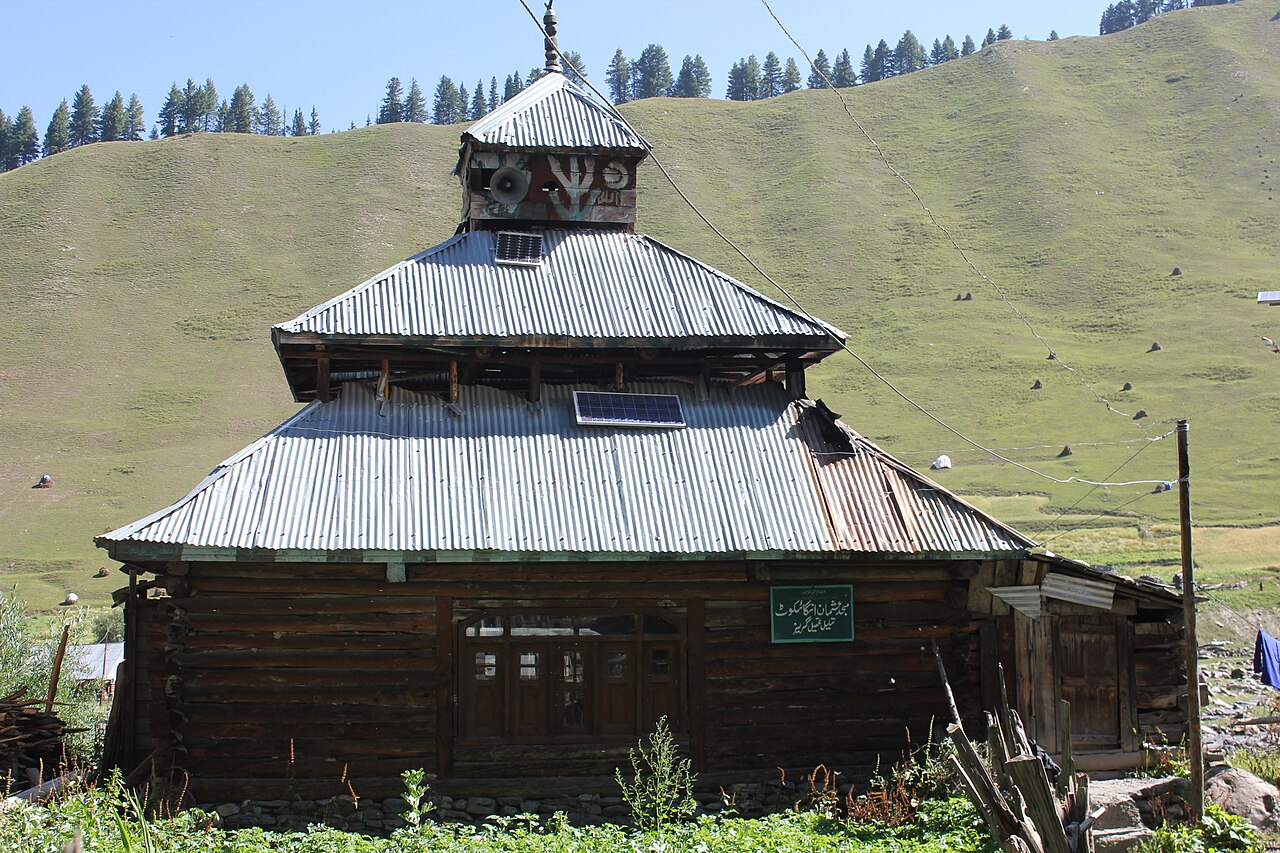
Village Life and Homestay Experiences
Staying in a local homestay rather than a standard hotel is the best way to experience Gurez. Families in Dawar have opened spare rooms to travellers, offering home-cooked meals featuring local rajma beans, river trout, and fresh rotis.
Evenings here are spent around the wood stove, listening to stories about winters when snow piles up to the second-story windows. It is an authentic glimpse into high-altitude survival and community warmth.
Before you book
Gurez Valley is not just a destination to check off a list; it is a journey into a different rhythm of life. The towering peaks, the rushing river, and the resilience of the Dard-Shin people leave a lasting impression on every traveller who makes the trek.
If you want to experience this frontier valley with knowledgeable guides and reliable transport, our team can help craft your expedition.
Plan Your Gurez Adventure With Us
Let our local experts handle transport, permits, and homestay bookings for your trip to Gurez.
Start PlanningCaption for your own post
Wooden homes and roaring rivers in the heart of Gurez Valley.
Written by
Kashmir, Jammu & Ladakh specialists
We plan and run trips across Kashmir, Jammu and Ladakh every week of the year. Everything here comes from routes we drive, stays we inspect and questions our travellers actually ask.
Written by a Skywale expedition leader based in Srinagar.
Quick answers
Questions we get asked
How do I reach Gurez Valley from Srinagar?
You must travel by road over the Razdan Pass. The journey takes around 6 to 7 hours depending on weather and road conditions.
Is mobile network available in Gurez Valley?
Connectivity is extremely limited. Only BSNL postpaid connections occasionally work in Dawar, making it a true digital detox.
What is the best month to visit Gurez Valley?
June to September offers the most reliable road access and pleasant weather for exploring the outdoors.
Are permits required to visit Gurez?
Indian citizens do not need special permits, but you must register your details at the police checkpoints along the Razdan Pass route.
Photography credits
- Photo: Journo Mohsin · CC BY-SA 4.0
- Photo: Captured by Kausar Akhoon · CC BY-SA 4.0
- Photo: Kajalsuri · CC BY-SA 4.0
- Photo: Journo Mohsin · CC BY-SA 4.0
- Photo: Journo Mohsin · CC BY-SA 4.0
- Photo: Journo Mohsin · CC BY-SA 4.0
- Photo: Abhirup Paul · CC BY-SA 4.0