Is Wular Lake Freshwater or Saltwater?
Understanding the science behind Kashmir's largest wetland ecosystem.
Curious about the nature of Wular Lake? We clear up the misconceptions regarding its water composition and explore why it remains a critical freshwater ecosystem.
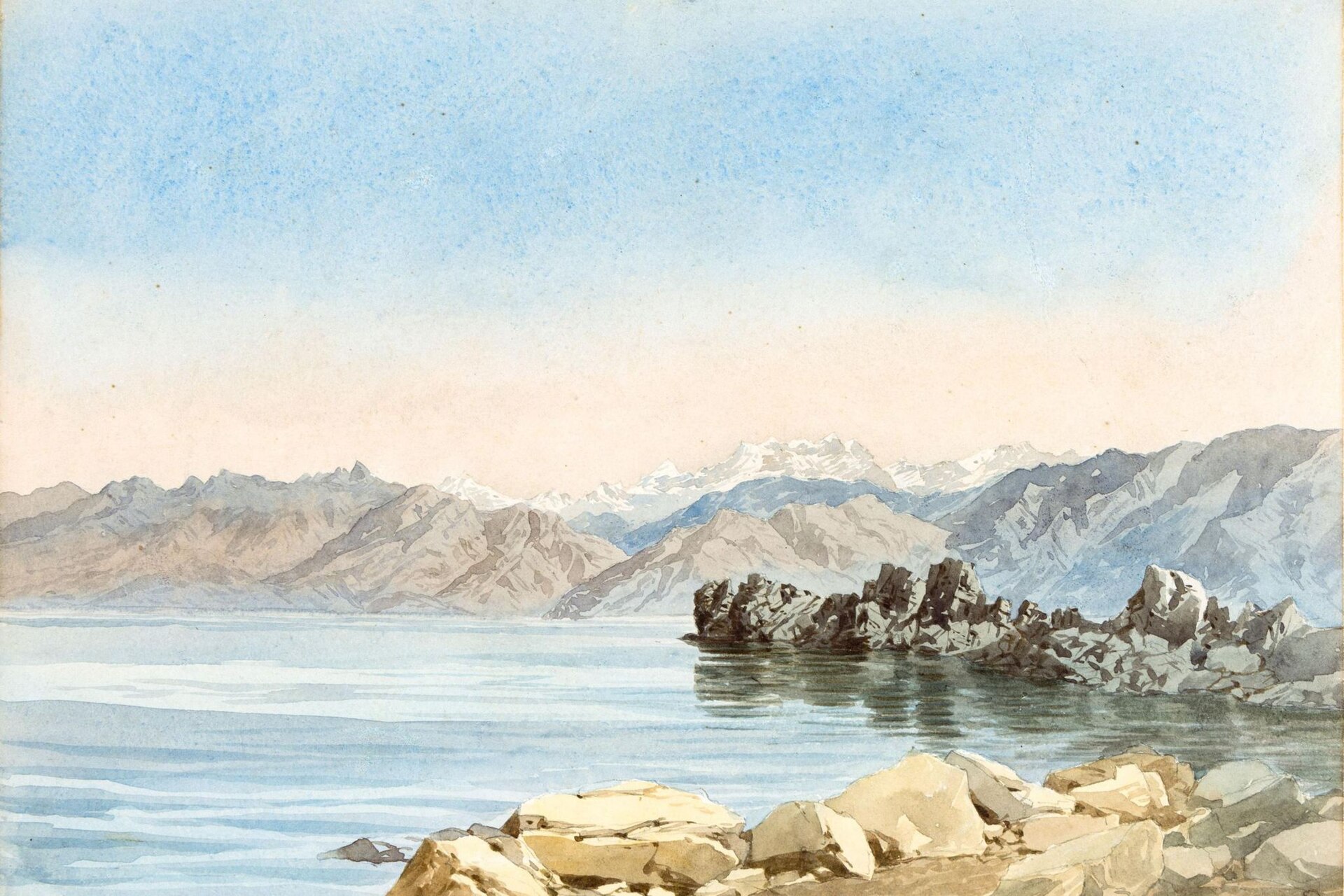
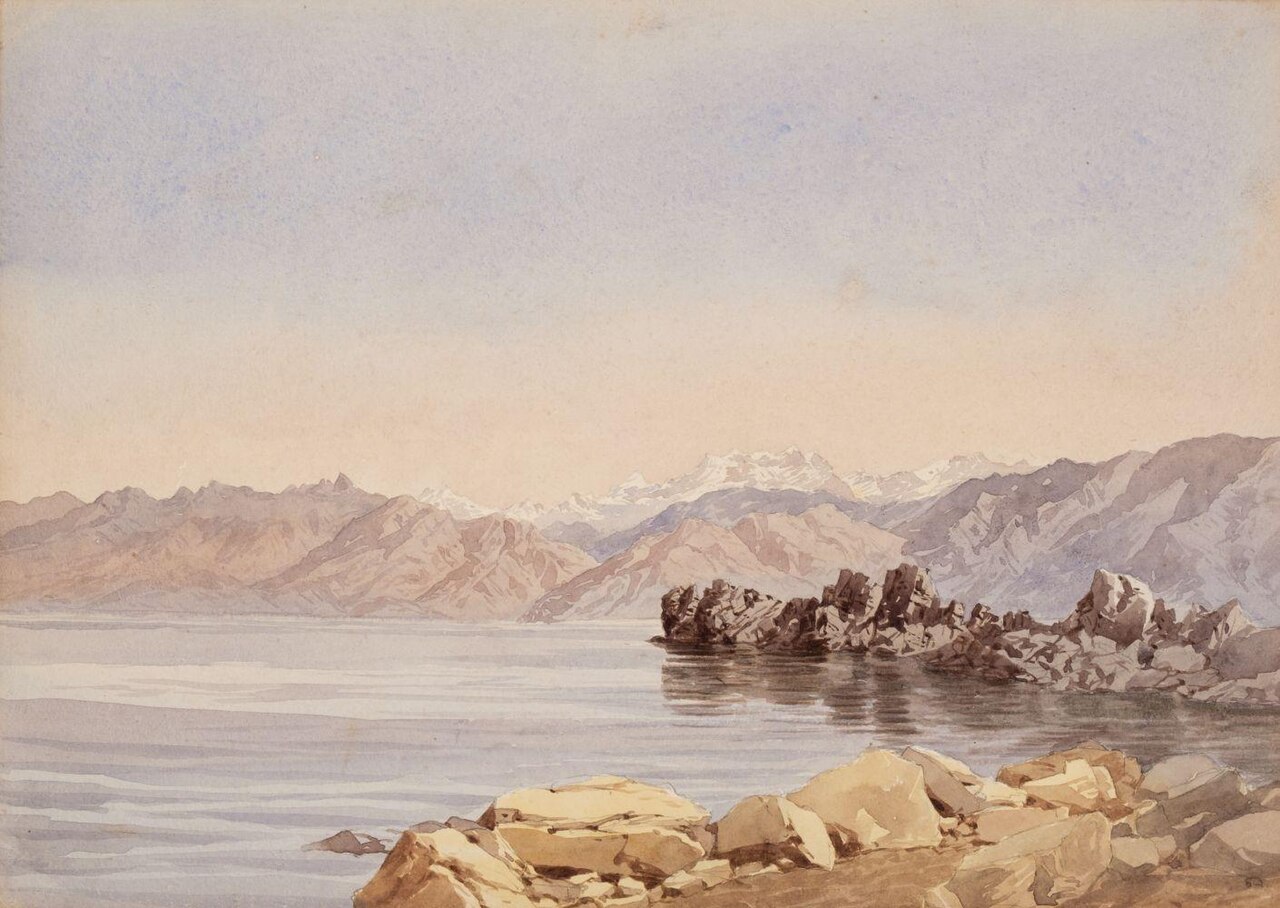
Wular Lake stretches towards the horizon, framed by the peaks of northern Kashmir.Photo: Colonel George Strahan (1839 – 7 January 1911) · Public domain
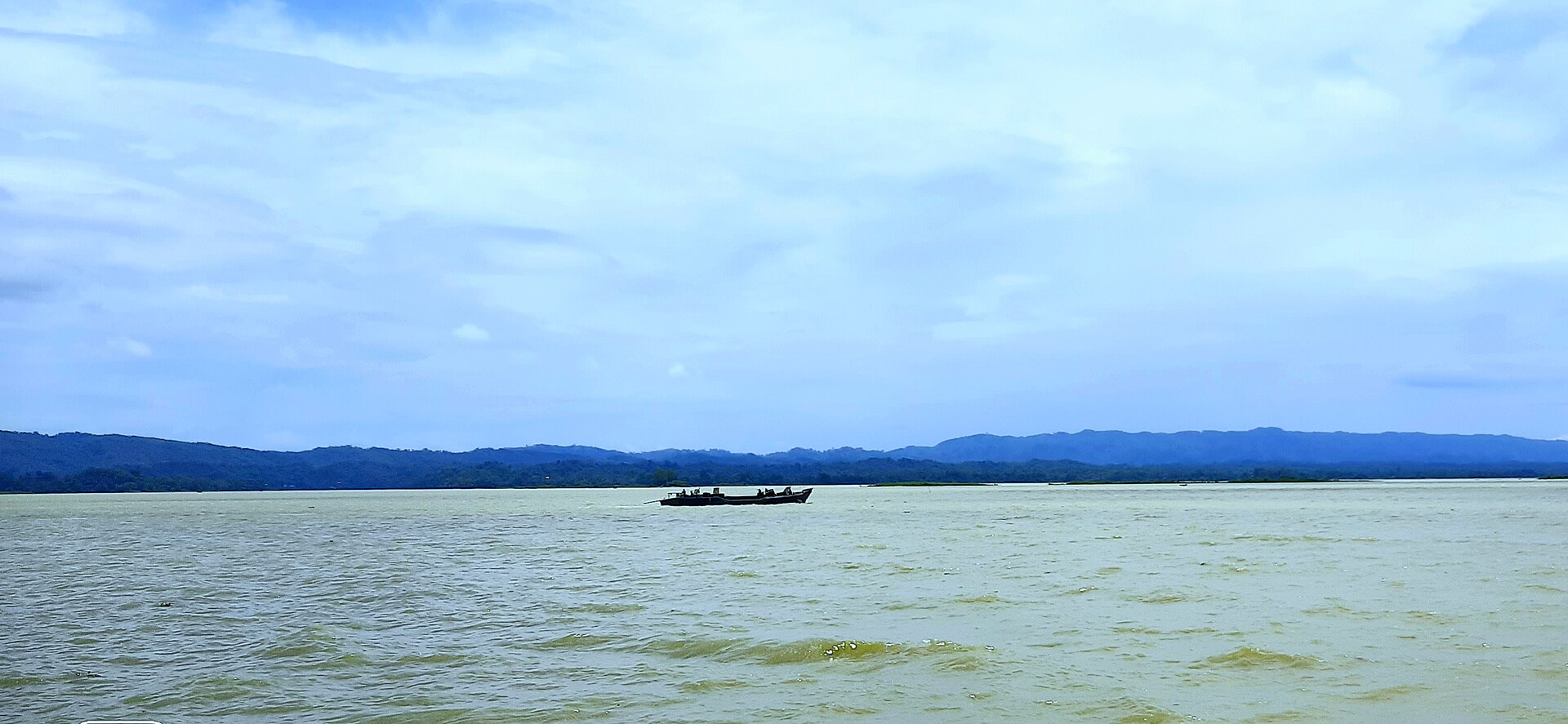
I remember the first time I stood at the edge of Wular in late autumn; the water was perfectly still, reflecting the surrounding peaks with such clarity that the horizon simply vanished. Many travellers often stop by our office in Srinagar asking, 'is Wular Lake freshwater or saltwater?' It is a common point of confusion, likely because the lake is so expansive it almost mimics an inland sea.
To be clear: Wular Lake is definitively a freshwater lake. In fact, it is one of the largest freshwater lakes in all of Asia. It doesn't have the salinity of a closed-basin salt lake; instead, it is a dynamic, shifting wetland that acts as the primary drainage basin for the entire Kashmir Valley.
Understanding Freshwater Wetland Dynamics
When we talk about Wular's status as a freshwater body, we are looking at its role as a massive sponge for the region. It is not a static pool of water. Instead, its size changes drastically depending on the time of year and the amount of snowmelt.
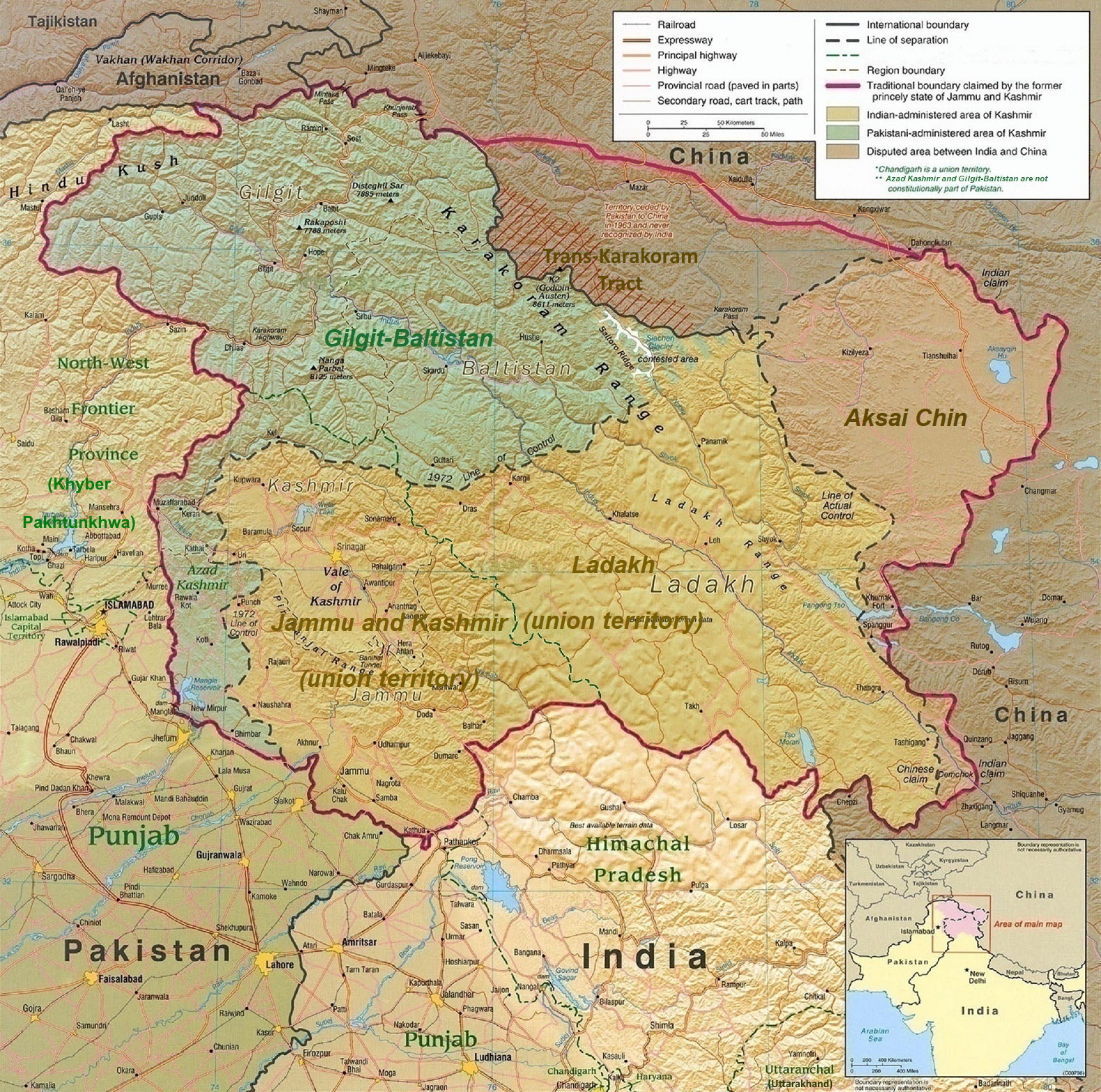
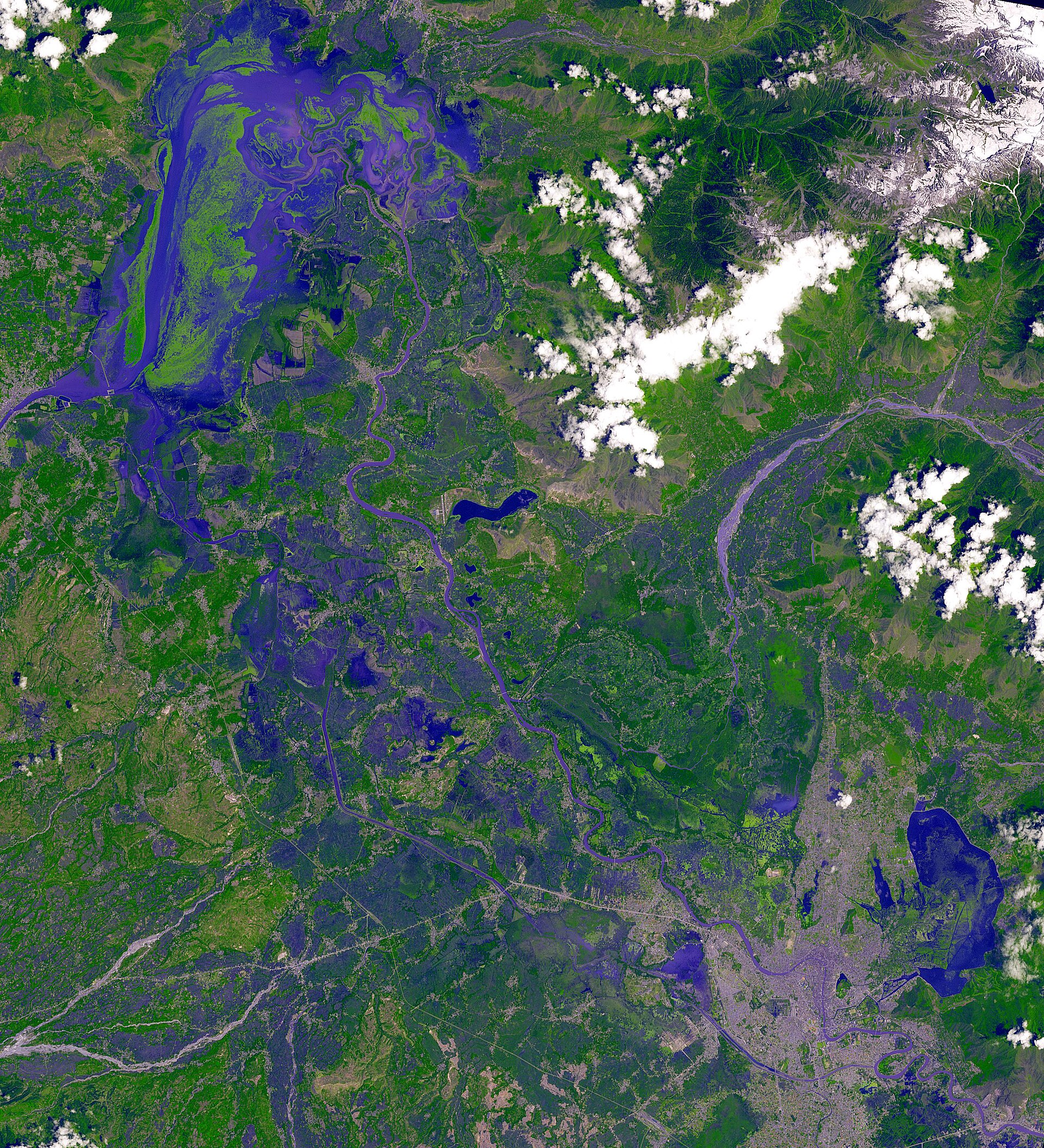
During the peak spring melt, the lake expands significantly, covering anywhere from 30 to 180 square kilometres. This fluctuation is only possible because the water is fresh. Saltwater lakes in mountainous regions are usually terminal basins with no outflow, leading to high mineral concentrations. Wular, conversely, has a consistent flow-through system.
The Jhelum River Feed
The primary reason Wular remains a freshwater lake is its constant replenishment by the Jhelum River. The river enters the lake near Bandipora and flows out shortly after near Ningli.
This throughput keeps the water oxygenated and prevents the accumulation of minerals that would turn a lake saline. If you visit in May or June, you can actually see the sediment load the river carries from the high alpine meadows, which is a key part of how the ecosystem maintains its health.
Water Quality and Ecological Health
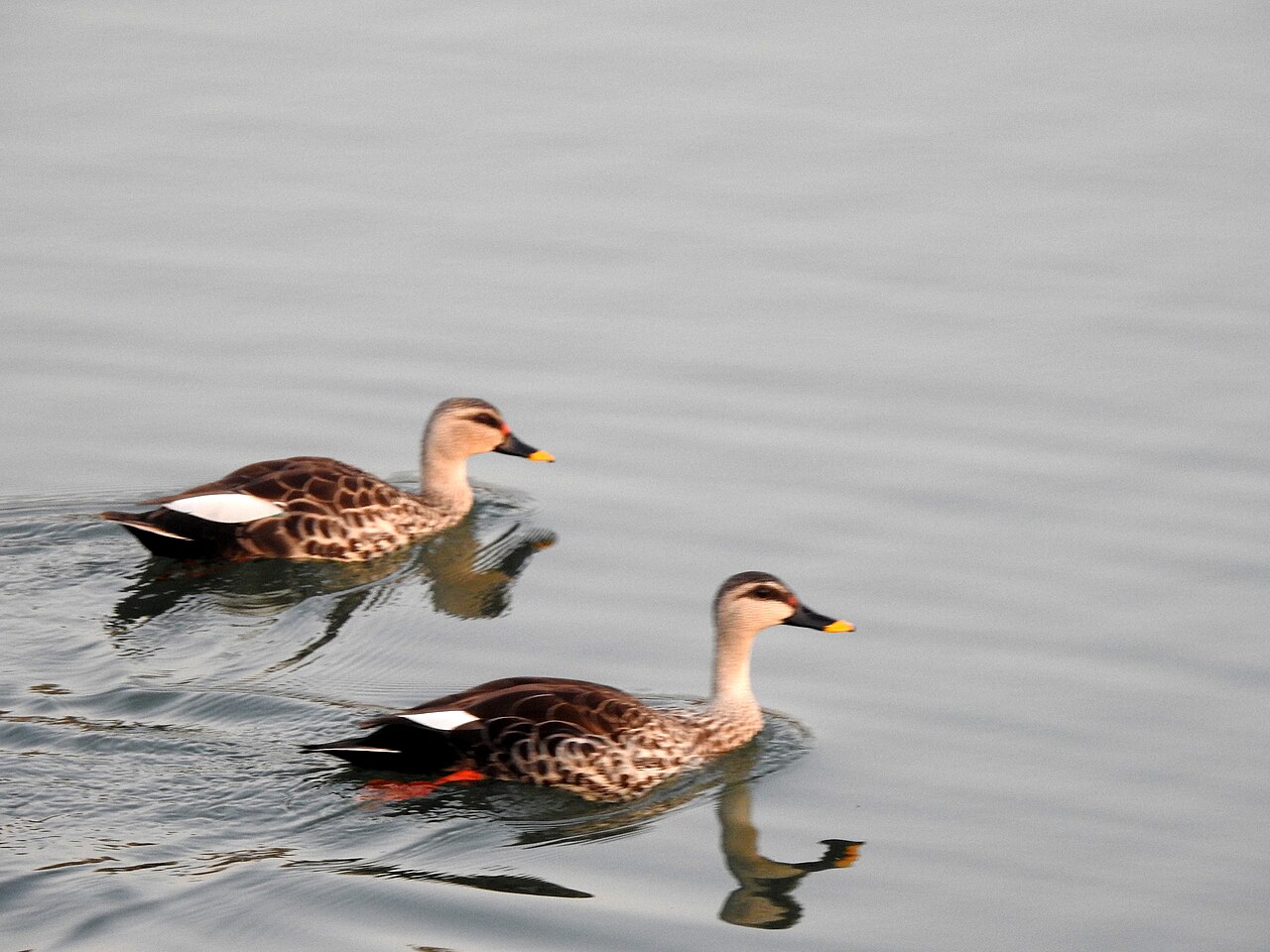
Because the water is fresh, it supports an incredibly complex food chain. You will see thousands of migratory birds here during the winter months, specifically around November and December.
The local fishing community relies entirely on this freshwater ecosystem for their livelihood. They use traditional boats called 'dongas' to navigate the shallower parts where the water quality is best suited for carp and other native species. If the lake were saltwater, this entire local economy would look completely different.
Comparing Wular to Other Kashmir Lakes
People often compare Wular to Dal Lake or Manasbal Lake. While all three are freshwater, their origins differ. Dal is more of a basin fed by mountain streams and human-managed canals, whereas Wular is a tectonic depression.
Manasbal is much deeper and quieter. When planning a visit, I always tell clients that Wular is for the perspective of scale, while Manasbal is for the intimacy of the water. You can find more about our routes to Manasbal Lake on our site if you want to see the contrast firsthand.
Protecting the Future of the Wetland
The biggest challenge for Wular today is sedimentation. As the Jhelum flows through the valley, it picks up silt. Over decades, this has led to a reduction in the lake's total depth.
Local conservation efforts are constantly working to dredge the lake and protect the surrounding willow plantations. When we take guests here, we emphasize the importance of responsible tourism—staying on designated paths and supporting the local community in Bandipora who guard this fragile resource.
Before you book
Wular Lake is a testament to the raw, unmanaged beauty of the Kashmir Valley. Understanding that it is a dynamic freshwater system helps one appreciate the scale of the landscape and the constant work required to keep it healthy.
If you are planning to head north towards Gurez Valley, the road takes you right past the edges of this giant. We would be happy to help you organize a stop or a specialized tour of the wetlands—just reach out to our team in Srinagar.
Explore the Beauty of Wular
Ready to see the lake for yourself? Let us help you plan your itinerary.
Contact UsWritten by
Kashmir, Jammu & Ladakh specialists
We plan and run trips across Kashmir, Jammu and Ladakh every week of the year. Everything here comes from routes we drive, stays we inspect and questions our travellers actually ask.
Quick answers
Questions we get asked
Can you drink the water from Wular Lake?
No. While it is a freshwater lake, the water requires significant treatment and filtration before consumption due to agricultural runoff and silt.
Does the lake freeze in winter?
It rarely freezes over completely, but the edges can develop a thin layer of ice during the coldest nights in January.
Is Wular Lake the largest in India?
It is one of the largest freshwater lakes in India, though its size varies so much by season that rankings can be debated.
What is the best time to see the lake's scale?
Late spring, around May, when the snowmelt is at its peak and the lake covers its maximum surface area.
Are there boat rides available on the lake?
Yes, local boatmen offer rides, though they are much more rustic than the shikaras you find in Srinagar.
Photography credits
- Photo: Colonel George Strahan (1839 – 7 January 1911) · Public domain
- Photo: NASA/METI/AIST/Japan Space Systems, and U.S./Japan ASTER Science Team · Public domain
- Photo: Colonel George Strahan (1839 – 7 January 1911) · Public domain
- Photo: .mw-parser-output .messagebox{margin:4px 0;width:auto;border-collapse:collapse;border:2px solid var(--border-color-progressive,#6485d1);background-color:var(--background-color-neutral-subtle,#fbfcff);color:var(--color-base,#202122);box-sizing:border-box;border-inline-start-width:8px}.mw-parser-output .messagebox.mbox-small{font-size:88%;line-height:1.25em}.mw-parser-output .mbox-warning,.mw-parser-output .mbox-speedy{border:2px solid var(--border-color-error,#b22222);background:var(--background-color-error-subtle,#ffdbdb);border-inline-start-width:8px}.mw-parser-output .mbox-serious,.mw-parser-output .mbox-delete,.mw-parser-output .mbox-stop{border:2px solid var(--border-color-error,#b22222);border-inline-start-width:8px}.mw-parser-output .mbox-issue,.mw-parser-output .mbox-content{border:2px solid #f28500;background:var(--background-color-warning-subtle,#ffe);border-inline-start-width:8px}.mw-parser-output .mbox-query,.mw-parser-output .mbox-style{border:2px solid #f4c430;background:var(--background-color-warning-subtle,#ffe);border-inline-start-width:8px}.mw-parser-output .mbox-shit{border:2px solid #960;border-inline-start-width:8px}.mw-parser-output .mbox-license{border:2px solid #88a;border-inline-start-width:initial}.mw-parser-output .mbox-legal{border:2px solid var(--border-color-notice,#666);background:var(--background-color-base,#fff);border-inline-start-width:8px}.mw-parser-output .mbox-honor{border:2px solid #ca3;background:var(--background-color-warning-subtle,#fcf4db);border-inline-start-width:8px}.mw-parser-output .mbox-growth{border:2px solid #8d4;background:var(--background-color-success-subtle,#d5fdf4);border-inline-start-width:8px}.mw-parser-output .mbox-move{border:2px solid #93c;border-inline-start-width:8px}.mw-parser-output .mbox-protection,.mw-parser-output .mbox-message{border:2px solid var(--border-color-base,#aaa);border-inline-start-width:8px}.mw-parser-output .messagebox .mbox-text{border:none;padding:0.25em 0.9em;width:100%}.mw-parser-output .messagebox .mbox-image{border:none;padding-top:2px;padding-bottom:2px;padding-inline-start:0.9em;padding-inline-end:0;text-align:center}.mw-parser-output .messagebox .mbox-imageright{border:none;padding-top:2px;padding-bottom:2px;padding-inline-start:0;padding-inline-end:0.9em;text-align:center}.mw-parser-output .messagebox .mbox-empty-cell{border:none;padding:0;width:1px}.mw-parser-output .messagebox .mbox-invalid-type{text-align:center}@media(min-width:720px){.mw-parser-output .messagebox{margin:4px 10%}.mw-parser-output .messagebox.mbox-small{clear:right;float:right;margin:4px 0 4px 1em;width:238px}}body.skin--responsive .mw-parser-output table.messagebox img{max-width:none!important} Please respect the Creative Commons Attribution-ShareAlike license that this image is released under. You must use the same license if you share this image and include this credit line wherever you use this image: Y.ssk / Wikimedia Commons / CC BY-SA 4.0 While not required, if you use this image outside of the Wikimedia projects , I would appreciate it if you could leave a quick message on my talk page . · CC BY-SA 4.0
- Photo: Harvinder Chandigarh · CC BY-SA 4.0
- Photo: Ethanhunt47 · CC BY-SA 4.0
- Photo: US Central Intelligence Agency , Rr016 and Viewsridge · Public domain