When to Visit Wular Lake: Seasonal Highlights Across the Year
A practical guide to finding the right month for your trip to Asia's largest freshwater lake.
Discover the best time to visit Wular Lake with our seasonal guide, covering migratory birds, summer boating, and photography tips.
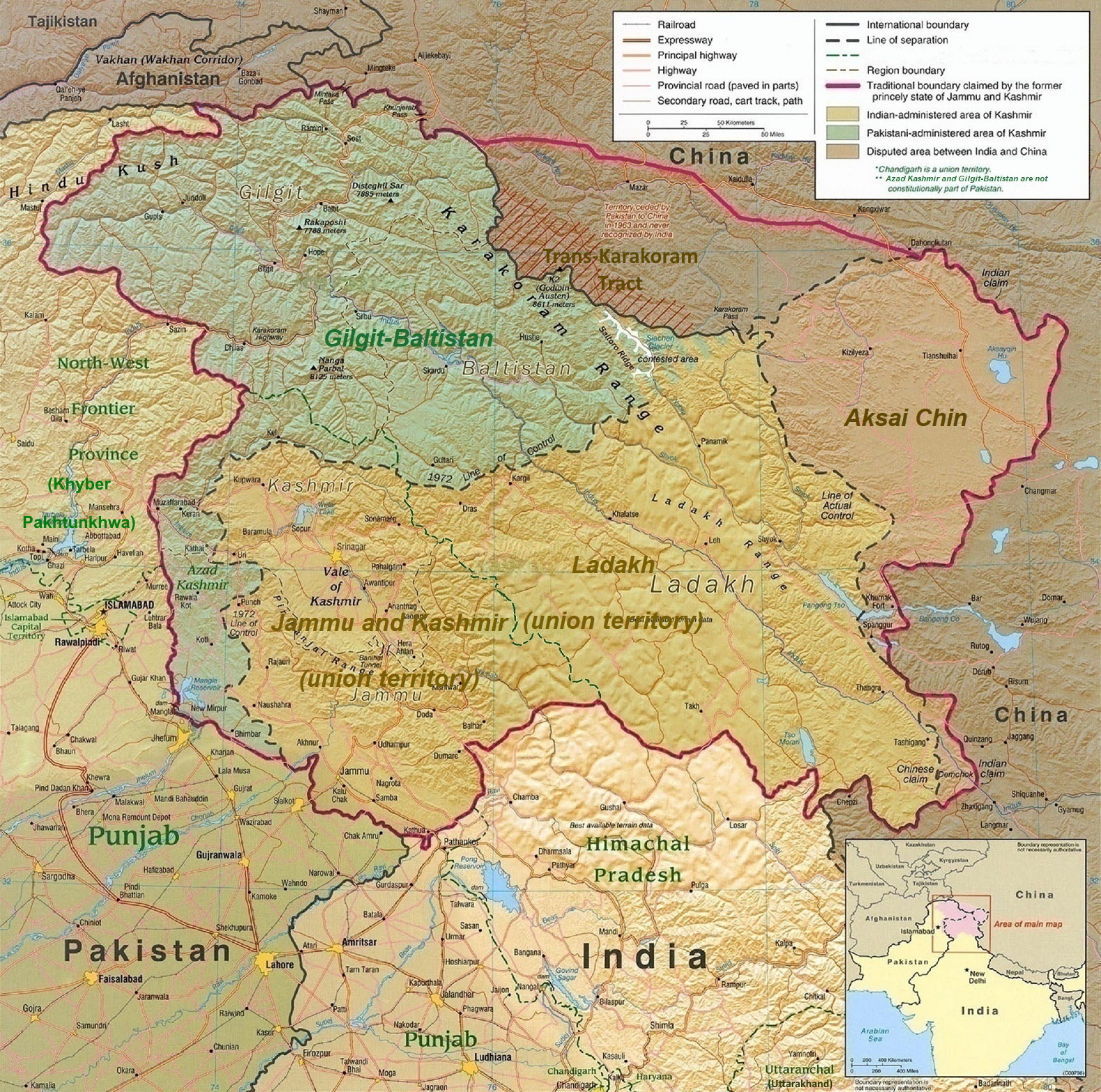
Winter brings frozen reeds and dramatic snowy backdrops to the shores of Wular Lake.Photo: US Central Intelligence Agency · Public domain
The first time I saw Wular Lake, it felt less like a body of water and more like an inland sea that had somehow drifted up into the mountains. Standing on the southern shore near Zurhama, the far side toward Bandipora dissolved into a silver haze, and the horizon line felt impossibly distant. Because it changes so drastically through the year, figuring out the best time to visit wular lake depends entirely on what you want to witness.
Some travellers come for the raw expanse of winter when the wetlands fill with waterfowl from central Asia. Others prefer the flat calm of early summer mornings when local fishermen pole their wooden boats through fields of water chestnuts. If you are planning a journey to this corner of Kashmir lake tourism, timing your days right means looking past standard tourist calendars and paying attention to the rhythms of the water itself.
We often advise clients staying in Srinagar to treat Wular as a deliberate day trip rather than a quick roadside stop. The lake shifts its character with every passing month, offering starkly different experiences depending on whether the willows are bare or heavy with green leaves.
The Migratory Bird Season: November to February
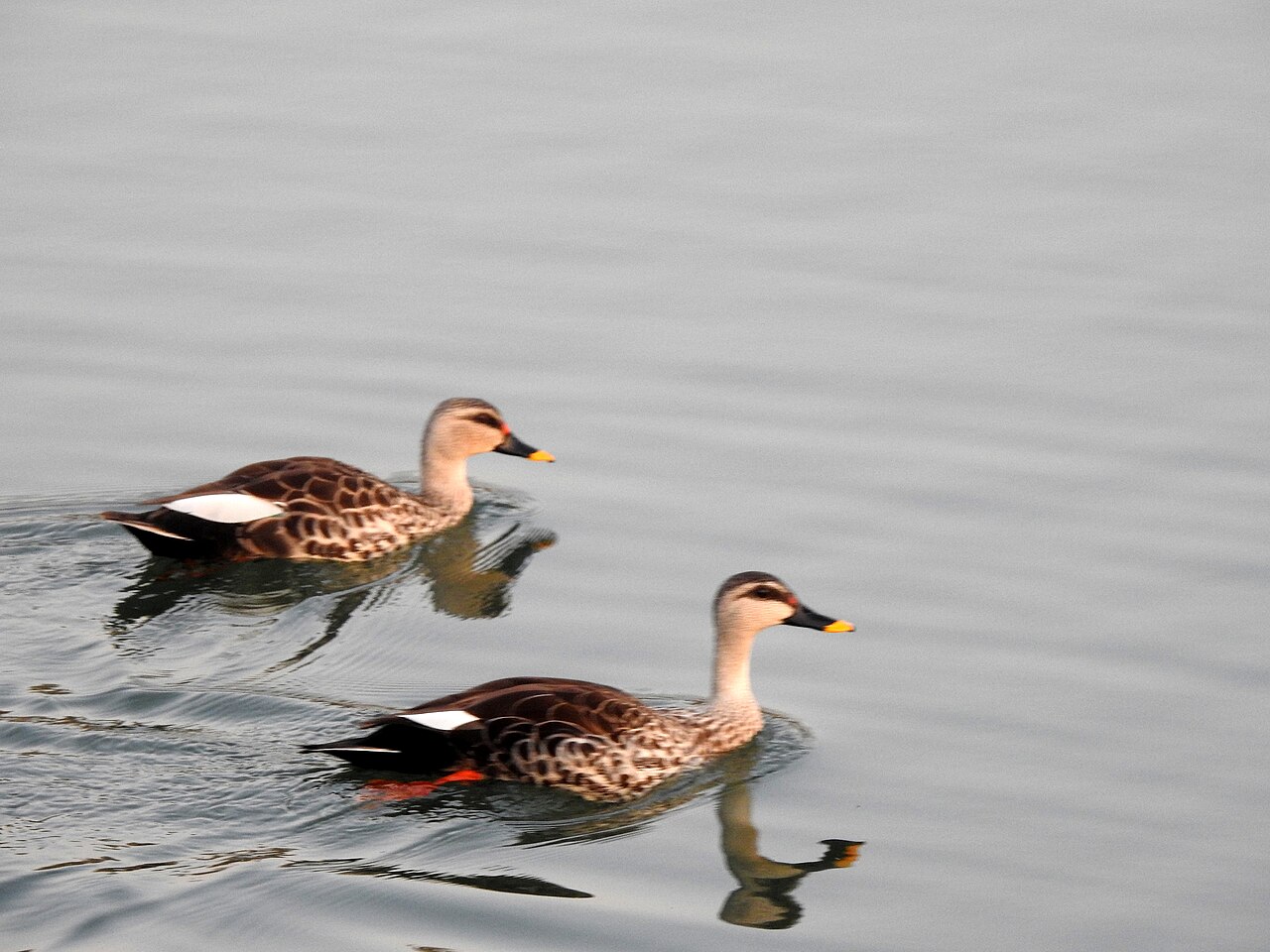
Winter on the lake is quiet, cold, and visually arresting. As temperatures drop across the northern plains and high altitude passes, thousands of migratory birds descend upon the shallows of Wular. If your primary interest is ornithology, this is undeniably the best time to visit wular lake.
You will spot grebes, pochards, mallards, and occasionally rare eagles hunting over the reed beds. The air is sharp, often hovering near freezing point by mid-afternoon, and the Pir Panjal range looms behind the water with thick caps of fresh snow. It requires heavy woollens, thermal layers, and patience, but the solitude here is absolute.
- Morning temperatures regularly drop below zero.
- Best viewing spots are near the eastern marshy fringes.
- Bring high-magnification binoculars or telephoto lenses.
Spring Blooms and Shoreline Awakening: March to May
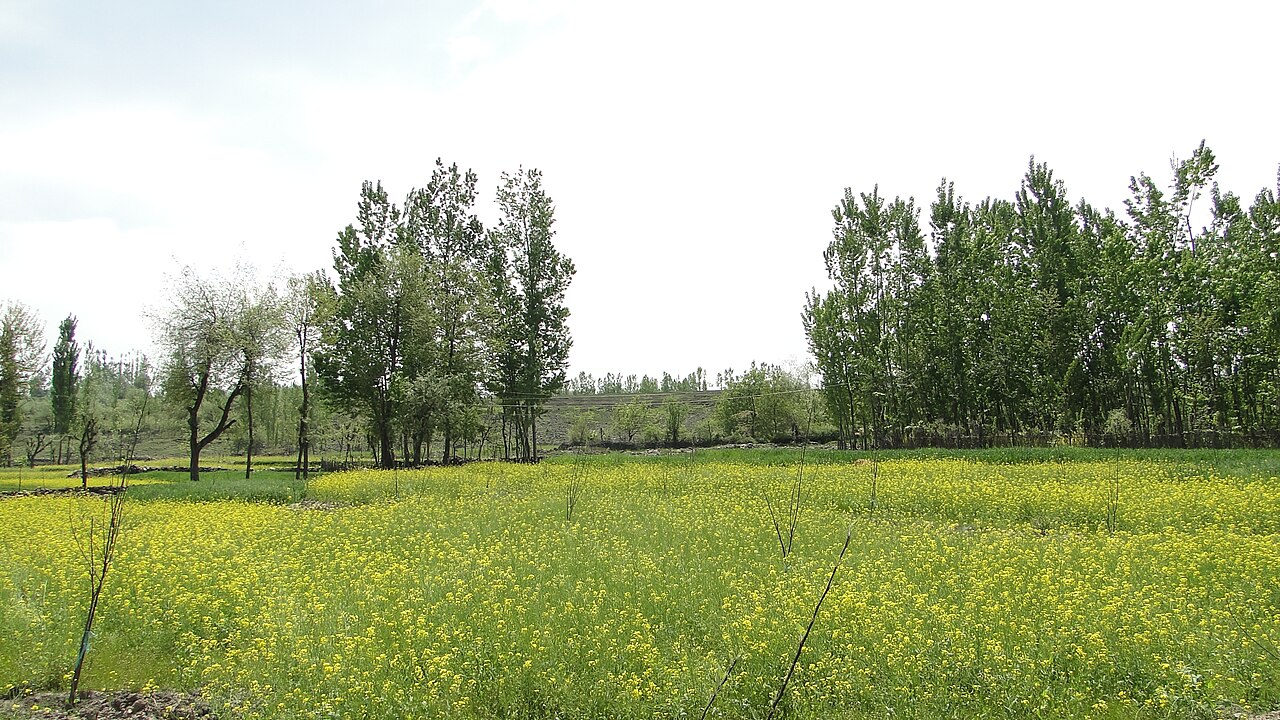
By March, the ice along the edges thaws and the surrounding floodplains begin to green up rapidly. Mustard fields burst into bright yellow patches against the dull brown mud, and the willow trees sprout their first lime-green shoots. This period offers stable weather without the intense heat of the summer months.
Walking along the banks near Lankreshipora, you will see villagers clearing out fishing nets and repairing wooden punts. It is a working landscape waking up from a long hibernation. The wind can still be brisk off the water, but afternoon sun makes for pleasant, unhurried exploration.
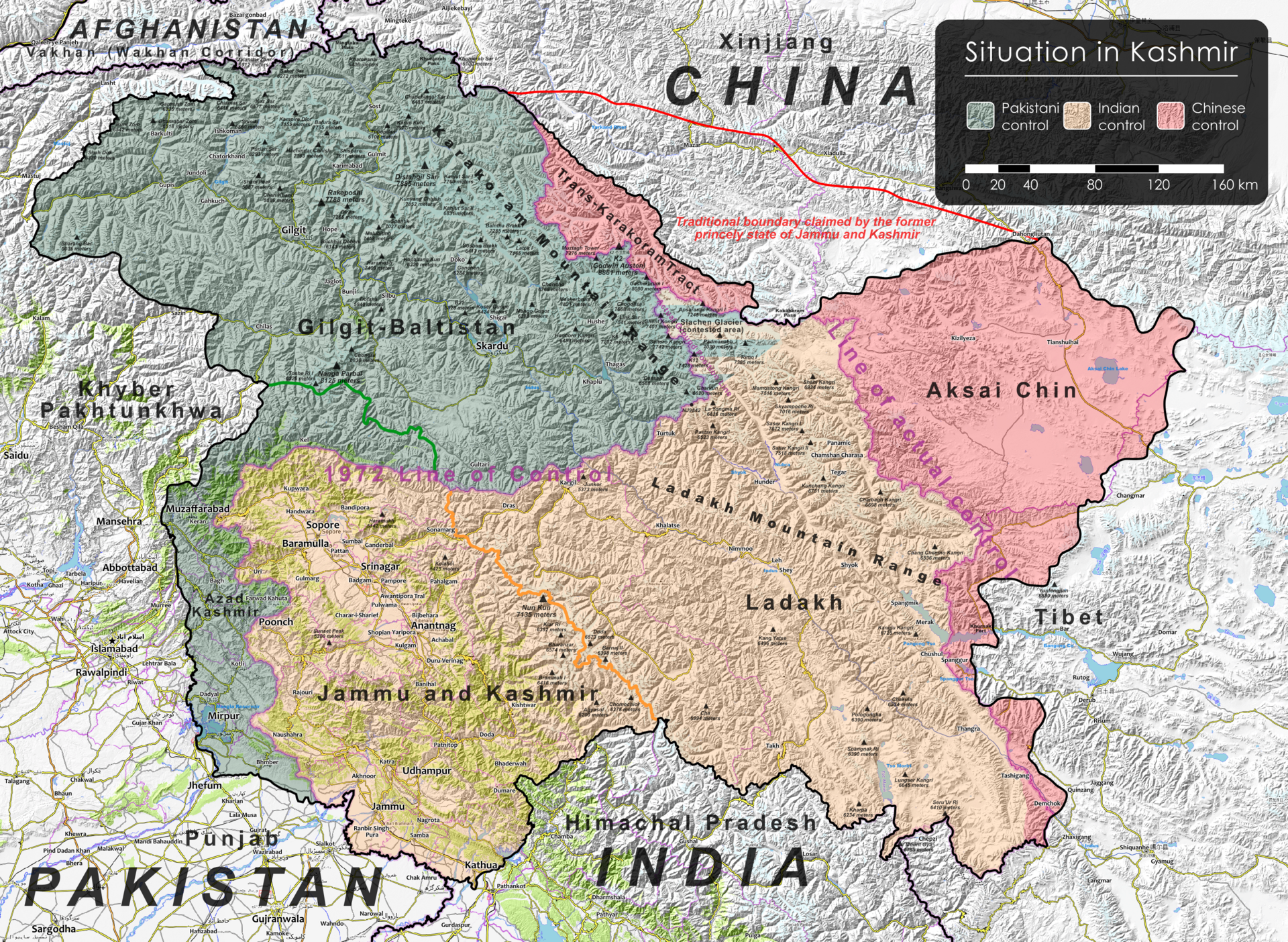
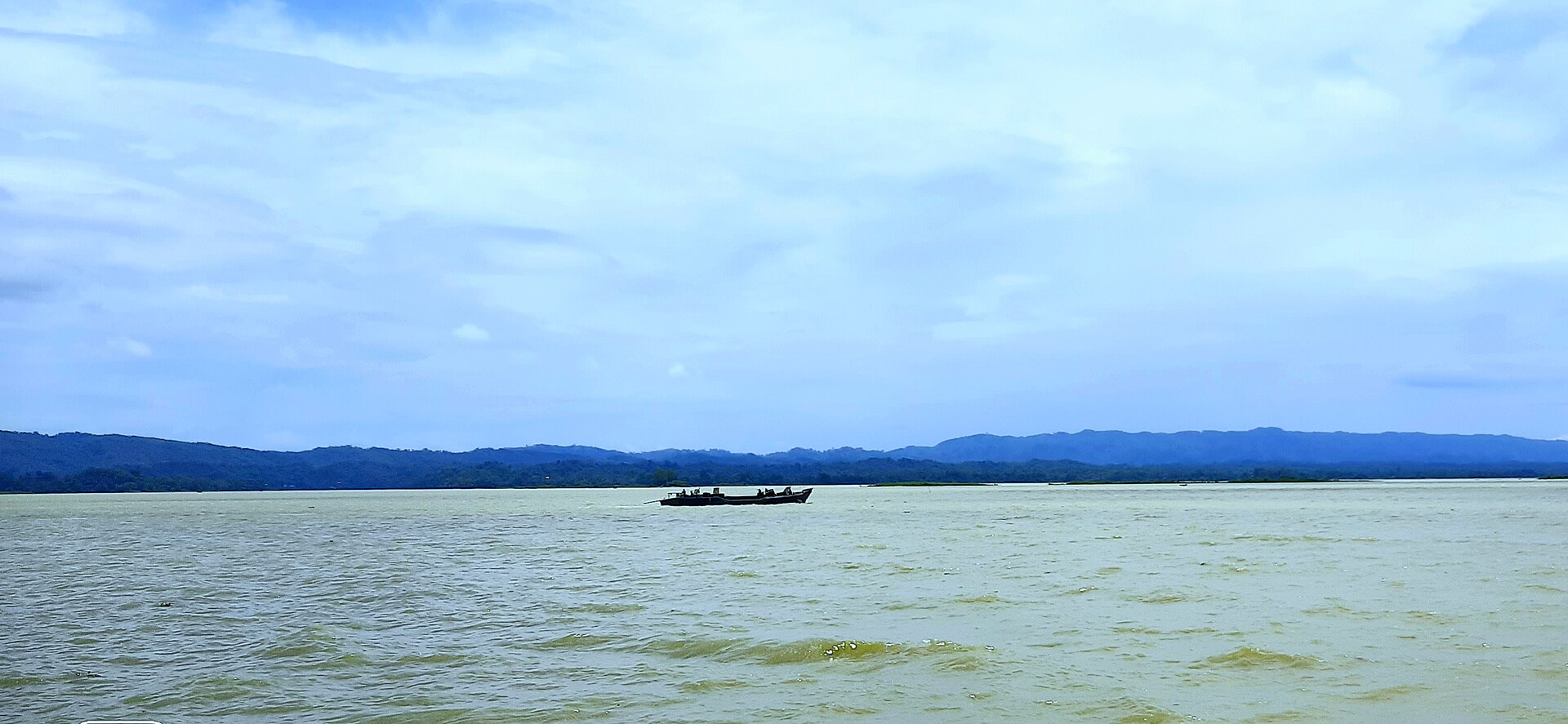
Standing on the southern shore near Zurhama, the far side toward Bandipora dissolved into a silver haze.
Summer Calm and Boat Trips: June to August
Summer brings the calmest water conditions of the entire year. While parts of mainland India swelter under relentless heat, the Kashmir valley enjoys mild warmth, with daytime temperatures hovering around 25 to 30 degrees Celsius. This season is ideal if you want to venture out onto the open water.
The surface often resembles glass in the early morning hours before the afternoon thermal breezes kick in. Water chestnut harvesting begins later in the summer, and you can watch families working waist-deep in the shallows. It is an active, vibrant time for local communities living along the periphery.
Beating the Afternoon Winds
Wular is famous for its sudden, fierce afternoon squalls known locally as 'Katchh'. Even in peak summer, boatmen will urge you to return to the shore by noon because the open basin can whip up surprisingly dangerous whitecaps in a matter of minutes.
Autumn Colors and Harvest Time: September and October
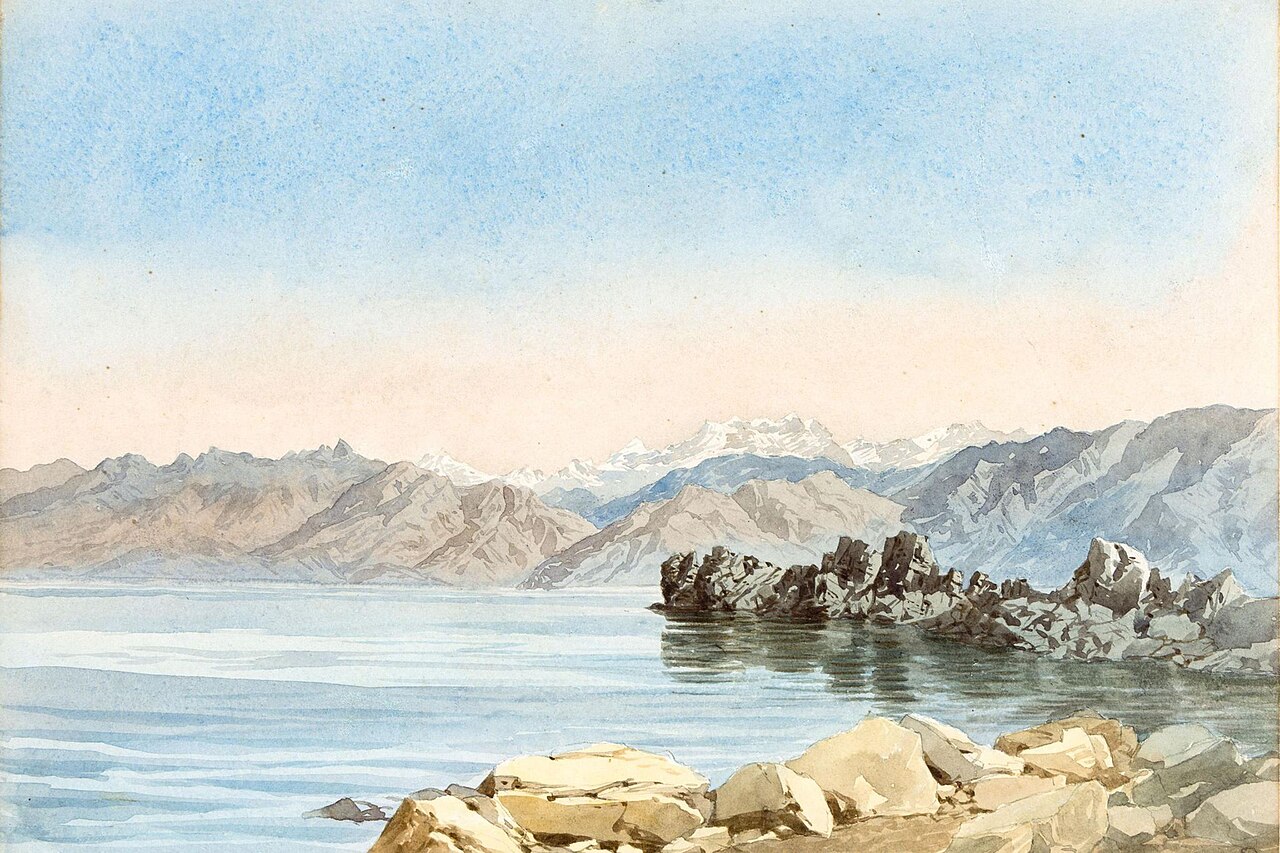
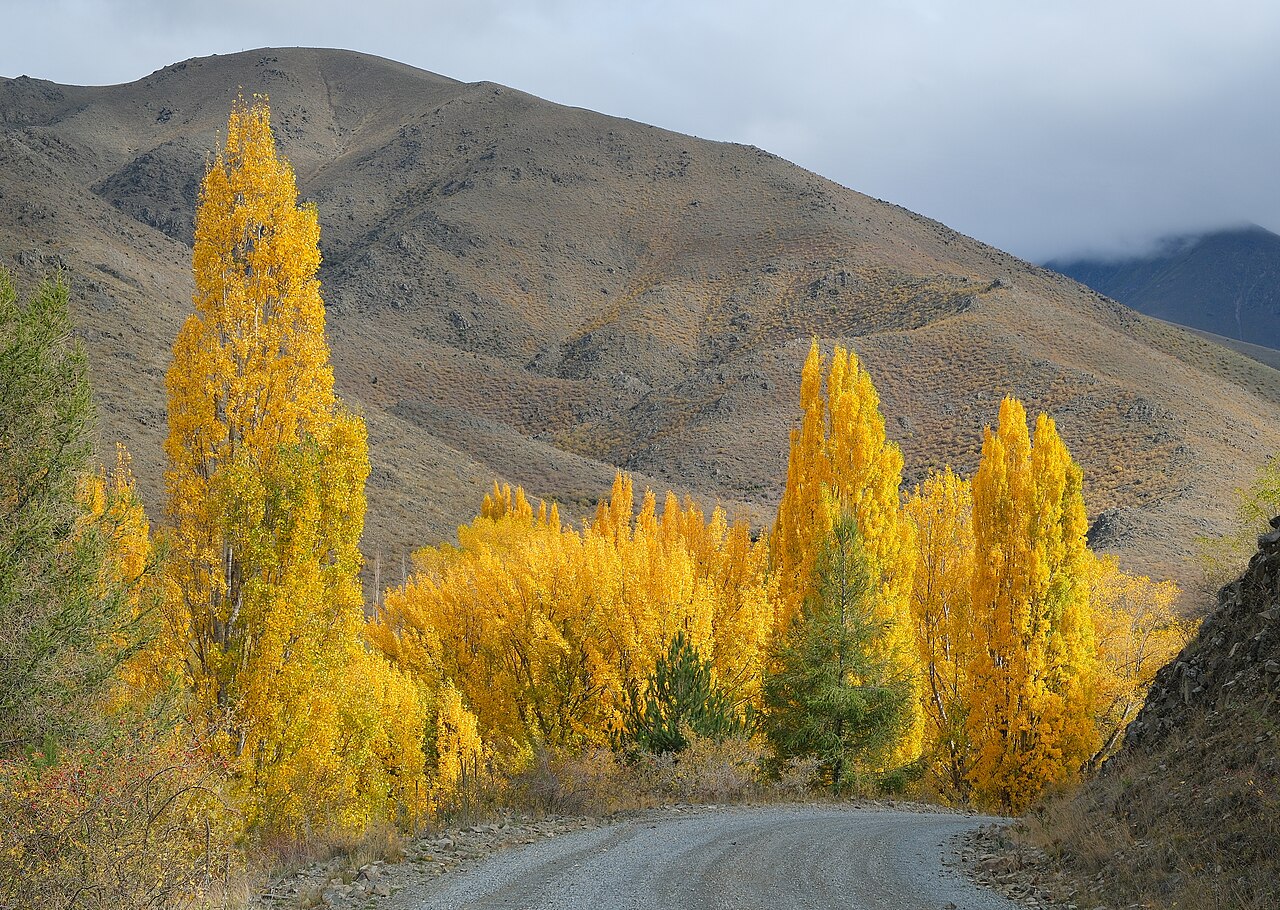
Autumn is arguably the most cinematic season in this part of the valley. The willow groves turn a deep, burnished gold, and the apple orchards behind the lake are heavy with red fruit ready for picking. The light softens considerably during these months, casting long shadows across the marshes.
Tourist traffic is virtually nonexistent here during autumn, making it a peaceful interlude before the winter chill sets in. If you enjoy quiet drives and unhurried landscape photography, this shoulder period rewards slow travel immensely.
Understanding Wular Lake Weather Patterns
Weather around the lake is notoriously localized. You might leave a bright, sunny morning in Srinagar only to find a heavy mist hanging over the water basin near Bandipora. Layering is non-negotiable regardless of the month you choose.
Rainfall is spread fairly evenly across spring and early summer, though true monsoon downpours are rare here compared to the rest of the subcontinent. Always check local forecasts before setting out on the road.
Connecting Wular with Greater Kashmir Itineraries
Because Wular sits conveniently between Srinagar and the northern frontier routes, adding it to a broader itinerary is straightforward. Many travellers combine a morning at the lake with a subsequent drive up toward Gurez Valley or a quiet afternoon stop at Manasbal Lake.
We regularly build custom routes that allow clients to experience the lake without feeling rushed, ensuring you arrive during the optimal daylight hours for photography and local interaction.
Before you book
Choosing when to pack your bags for Wular Lake comes down to personal tolerance for cold and what kind of landscape speaks to you. Whether you want the dramatic chill of winter birdwatching or the sunlit expanse of a July morning, the lake demands respect and rewards patience.
If you would like help weaving Wular Lake into a broader journey through the valley, drop us a line. We are always happy to share road conditions, suggest timing adjustments, and help you see Kashmir beyond the usual crowded viewpoints.
Plan Your Custom Kashmir Journey
Let our local team help you design an itinerary that includes Wular Lake at the exact right time of day and season.
Talk to Our Local ExpertsCaption for your own post
From winter bird migrations to summer reflections, Wular Lake changes its face with every season. Here is how to time your visit right.
Written by
Kashmir, Jammu & Ladakh specialists
We plan and run trips across Kashmir, Jammu and Ladakh every week of the year. Everything here comes from routes we drive, stays we inspect and questions our travellers actually ask.
Written by a Skywale travel editor who has explored the shores of Wular in both biting winter cold and bright summer sun.
Quick answers
Questions we get asked
Can I visit Wular Lake all year round?
Yes, the lake is accessible throughout the year, but the experience changes dramatically from the freezing winter bird migration season to the calm, warm summer months.
Which month is best for seeing migratory birds?
December and January offer the highest concentration of migratory waterfowl arriving from central Asia and Siberia to feed in the shallow wetlands.
Is summer safe for boating on Wular Lake?
Yes, summer mornings are generally very calm and safe for boat trips, though local boatmen always monitor the weather for sudden afternoon squalls.
How far is Wular Lake from Srinagar?
The lake is located roughly 60 kilometres north of Srinagar, making it an easy two-hour drive depending on traffic conditions leaving the city.
Do I need special permits to visit the lake shores?
No special permits are required for general sightseeing around the public access points and shorelines of the lake in the Bandipora district.
Photography credits
- Photo: US Central Intelligence Agency · Public domain
- Photo: US Central Intelligence Agency , Rr016 and Viewsridge · Public domain
- Photo: Harvinder Chandigarh · CC BY-SA 4.0
- Photo: Ankur P from Pune, India · CC BY-SA 2.0
- Photo: Colonel George Strahan (1839 – 7 January 1911) · Public domain
- Photo: Pseudopanax at English Wikipedia · Public domain
- Photo: Ethanhunt47 · CC BY-SA 4.0