Why Is Sonmarg Called the Meadow of Gold? Exploring Its True Meaning
Discover the geological, historical, and botanical reasons behind Kashmir's golden meadow.
Uncover why Sonmarg earned its legendary title. Explore its golden wildflowers, ancient trade roots, and glacial geography.
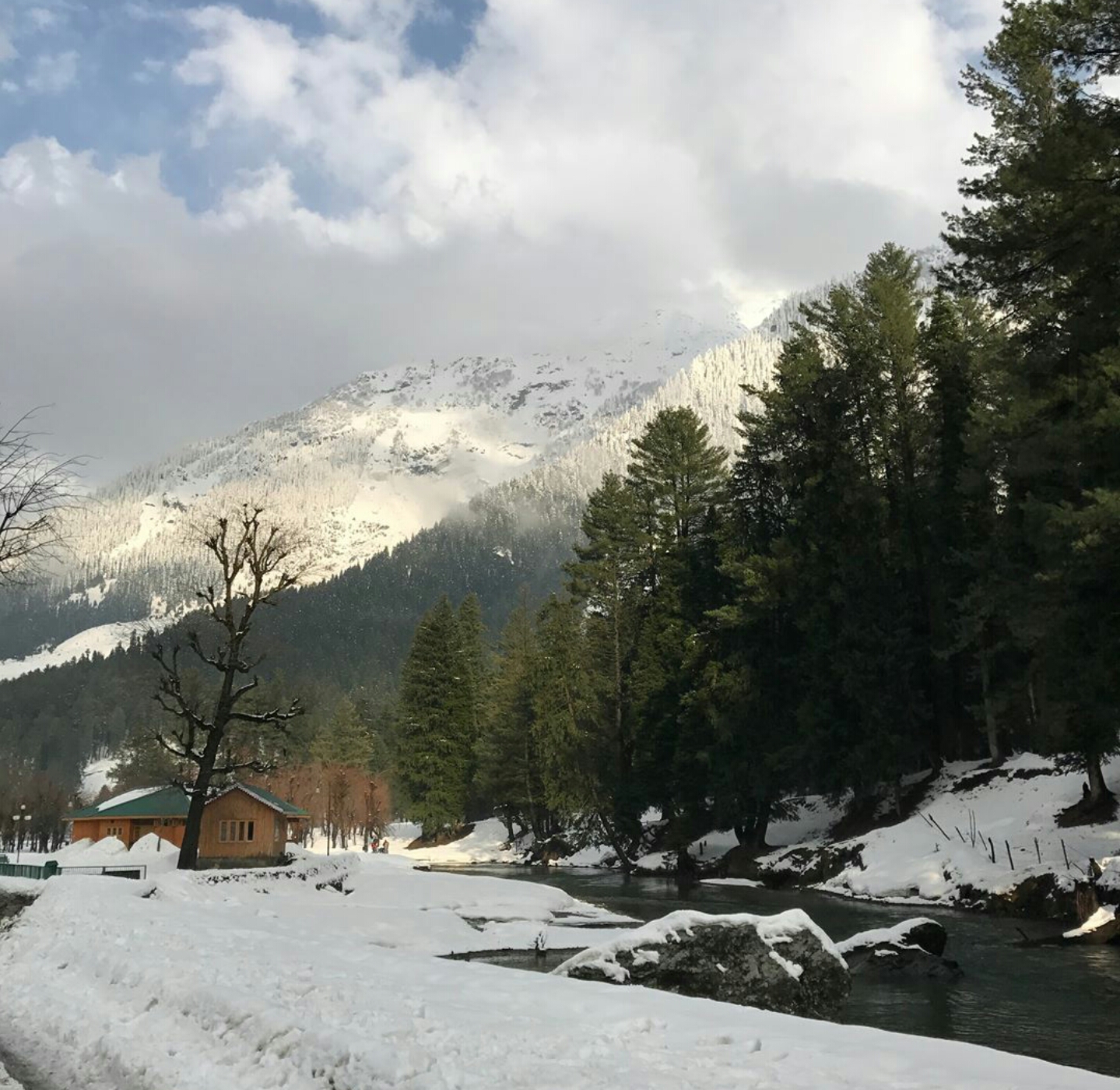
Evening sunlight casting a golden glow over the alpine valley.Photo: Sanke8th · CC BY-SA 4.0
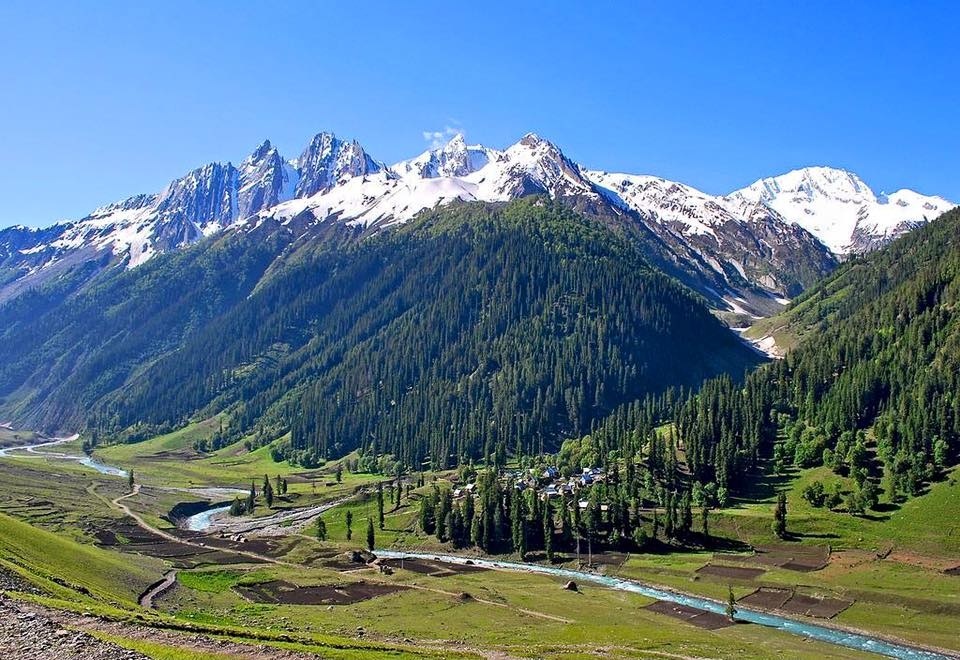
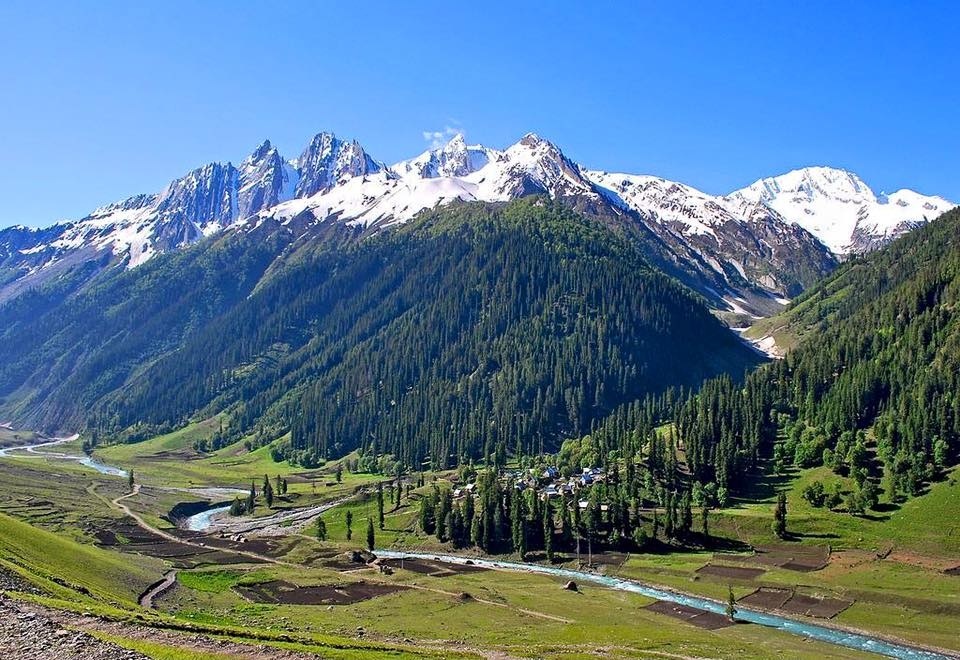
If you arrive in Sonmarg just as the late afternoon sun hits the upper ridges, the entire valley seems to catch fire with a warm, metallic glow. First-time travellers often wonder if the name is just poetic hyperbole used by modern tour brochures. In reality, the moniker has deep roots embedded in both the local language and the natural spectacle of the terrain.
Understanding why sonamarg is called meadow of gold requires looking past the surface glamour into the valley's linguistic history, its seasonal flora, and its ancient role as a vital mountain pass. Let us examine what makes this alpine pocket truly deserving of its legendary title.
The Linguistic Origins of 'Sonamarg'
To understand the name, we must look at its literal translation. In Kashmiri and Urdu, 'Sonar' or 'Sona' translates to gold, while 'Marg' means a meadow or pasture. Put them together and you get the Meadow of Gold. The name has been used by local herdsmen and travellers for centuries before modern tourism ever reached these valleys.
Older shepherds in the region will tell you that the name originally referred to the way the valley floors appeared during peak summer when specific alpine grasses matured. Unlike the emerald green meadows found in lower elevation areas like Pahalgam, Sonmarg possesses a distinct yellowish-ochre tint in its natural grazing grounds during certain months.
- Sona translates to gold in regional northern languages.
- Marg refers to high-altitude alpine meadows used for grazing.
- Local herdsmen coined the term centuries ago based on visual observations.
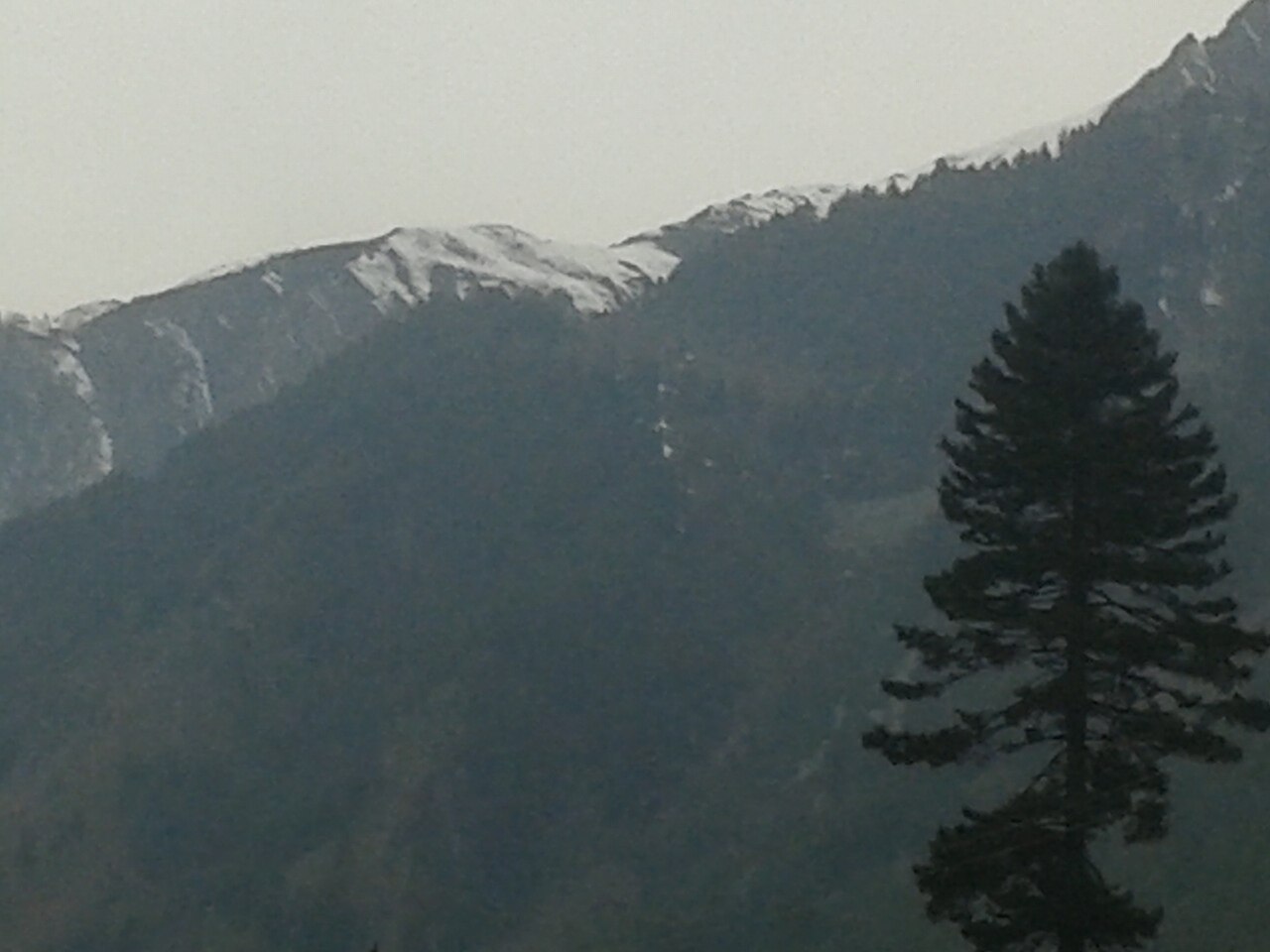
Golden Wildflowers and Sunshine on Peak Glaciers
Beyond the grass, the botanical makeup of the valley plays a massive role in its nickname. During mid-summer, vast carpets of yellow alpine buttercups and potentillas blanket the lower slopes. When sunlight reflects off these dense patches of yellow blossoms alongside the surrounding glacial ice, the landscape shimmers.
Furthermore, the unique rock composition of the surrounding mountains contains mica and quartz schists. When the direct Himalayan sun beats down on these exposed mineral faces at high altitude, they reflect a sparkling, golden luminescence that you simply do not see in limestone-heavy mountain ranges.
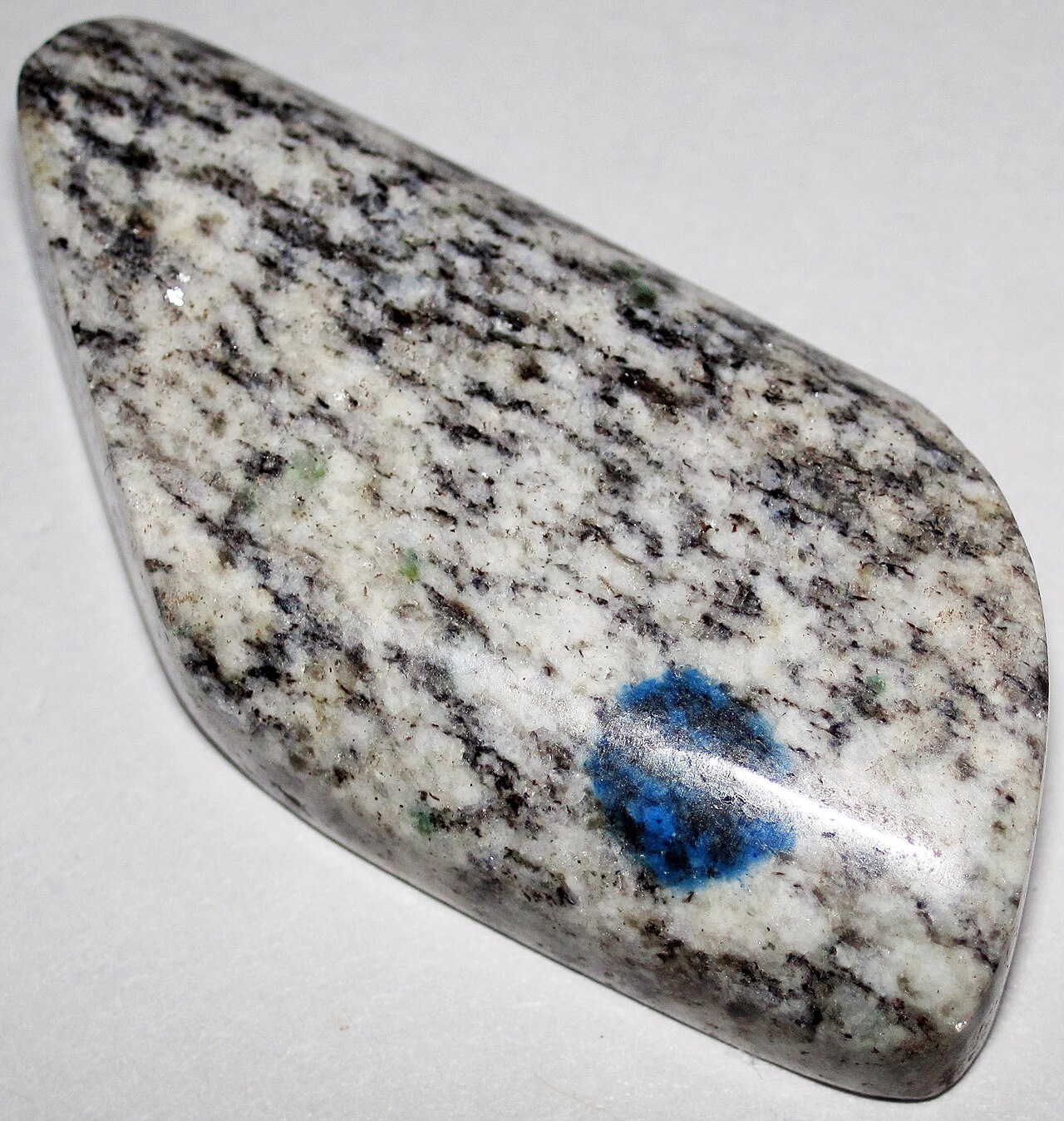
The moniker has deep roots embedded in both the local language and the natural spectacle of the terrain.
Historical Significance on the Ancient Silk Route
History offers another compelling explanation for the name. Sonmarg sat on a crucial branch of the ancient Silk Route connecting Kashmir with Central Asia, Tibet, and China. Caravans laden with precious goods, silk, spices, and bullion traversed the treacherous Zojila Pass just beyond the valley.
Merchants and traders resting in the relative safety of the flat river valley before tackling the high mountain pass often referred to the wealth moving through the corridor. Over generations, the association between the lucrative trade caravans and the sunlit alpine meadows merged into the local lexicon.
Traders and Caravans of the Past
The movement of wealth through such a remote gorge left an indelible mark on local folklore. Elders still recount tales of traders exchanging goods in the broad river basin, adding a layer of historical romance to the geographic title.
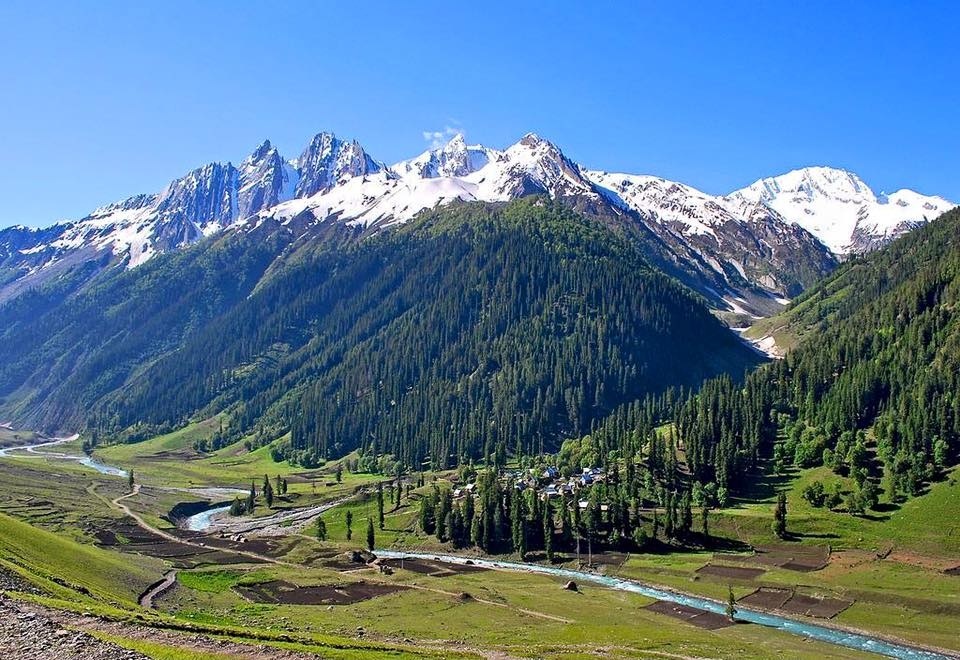
Key Landscapes That Define the Meadow
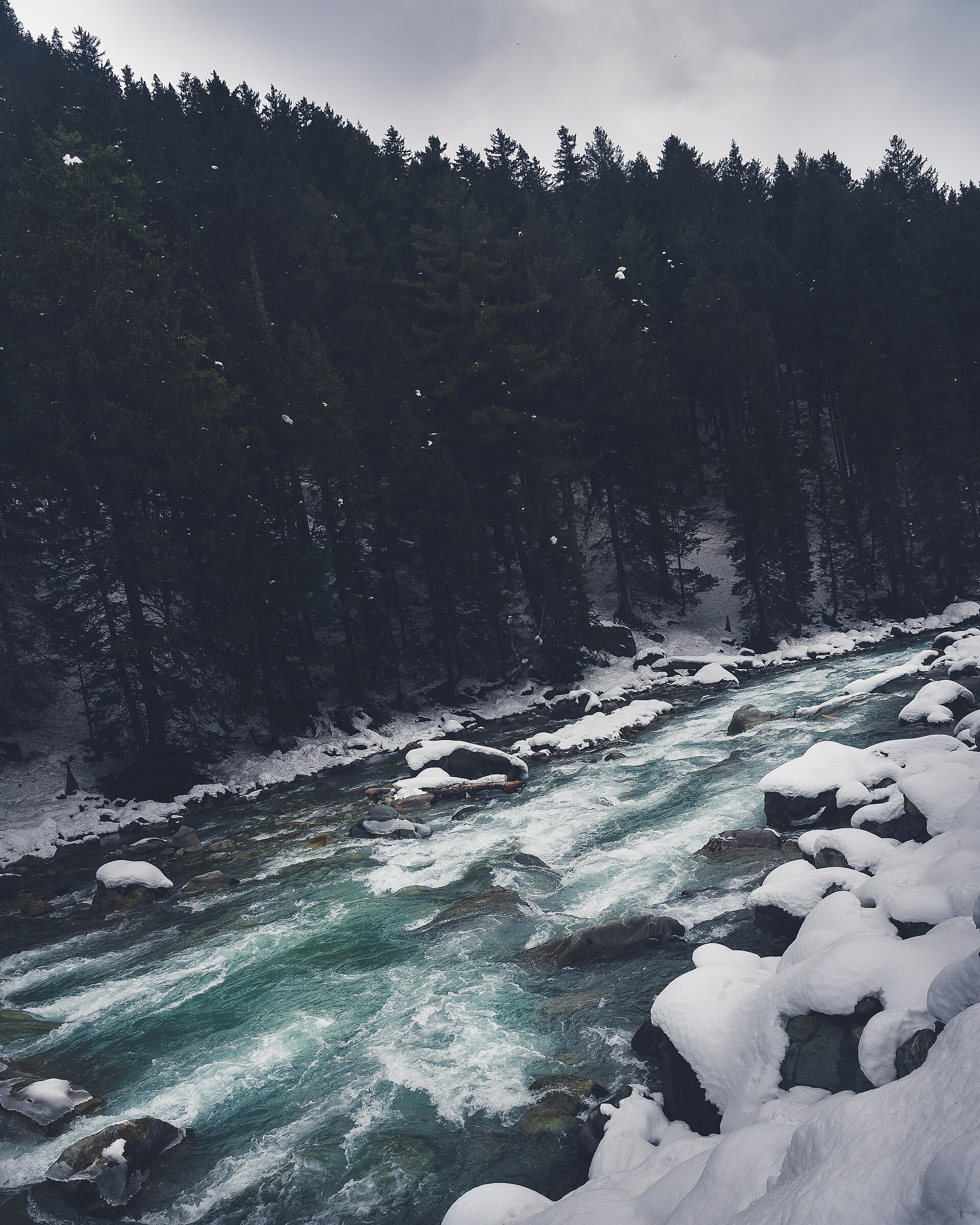
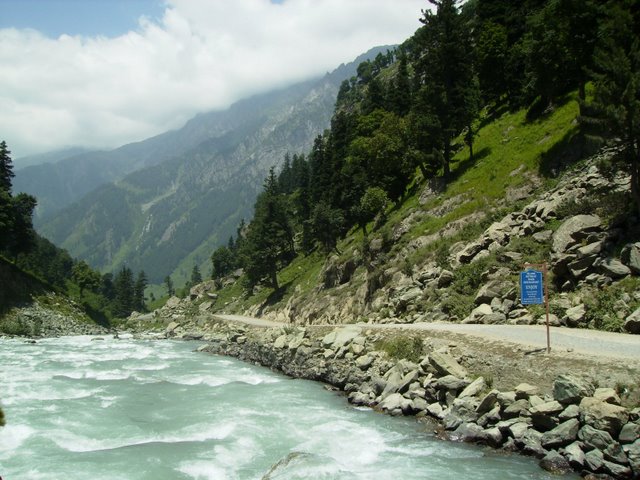
Geographically, Sonmarg is not a single flat field but a vast glacial valley carved by the rushing Sindh river. The landscape shifts dramatically as you move from the riverbanks up to the moraines of the Thajiwas Glacier and onwards towards Baltal.
The vast scale of open space combined with towering peaks creates an amphitheater effect. When the evening sun dips below the western ridges, the golden light lingers on the eastern cliff faces longer than anywhere else in the surrounding district.
Best Time of Year to See the Valley at Its Peak
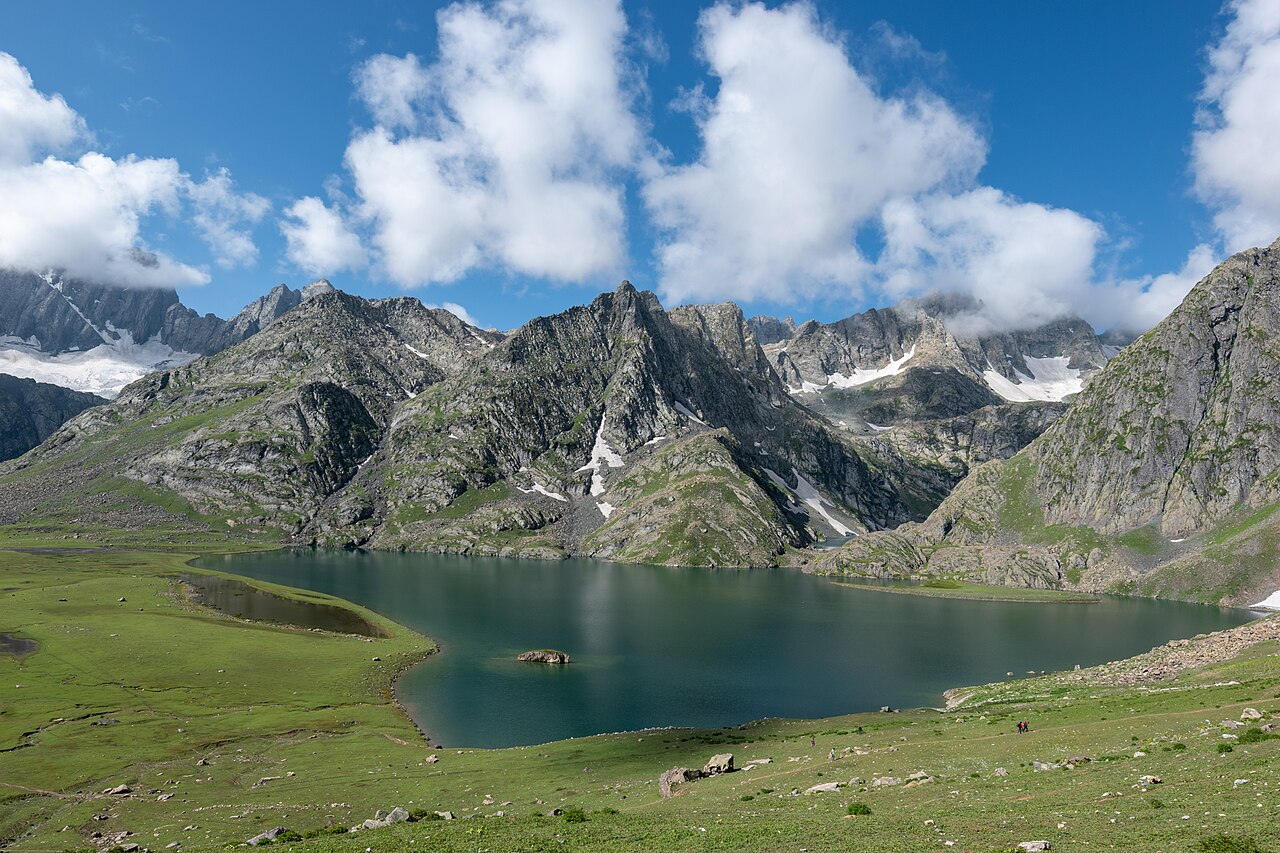
If you want to witness the meadow in all its golden glory, timing is everything. May brings rushing meltwater and fresh green shoots, but the true golden coloration emerges between July and August when wildflowers bloom across the upper terraces.
By September, autumn arrives swiftly, turning the birch trees a rich amber and gold before the first October snows blanket the valley in pristine white. Every season offers a different interpretation of the name, making repeat visits rewarding.
Before you book
The title Meadow of Gold is far more than a clever marketing slogan. It is a faithful description of a landscape shaped by sunlight, alpine flora, mineral-rich stone, and centuries of human history along ancient mountain trade routes.
If you would like to explore this golden valley with experienced local guides, contact our team at Skywale Packages. We can help you arrange a journey tailored to your schedule.
Experience the Golden Meadow Firsthand
Let Skywale Packages guide you through the historic trails and stunning landscapes of Sonmarg.
Book Your TripCaption for your own post
Golden wildflowers, sunlit peaks, and ancient Silk Route history. Here is why Sonmarg earned its legendary title.
Written by
Kashmir, Jammu & Ladakh specialists
We plan and run trips across Kashmir, Jammu and Ladakh every week of the year. Everything here comes from routes we drive, stays we inspect and questions our travellers actually ask.
Written by the editorial team at Skywale Packages, exploring the heritage and geography of Kashmir.
Quick answers
Questions we get asked
Is gold actually mined in Sonmarg?
No, gold mining has never taken place in Sonmarg. The name is entirely poetic and descriptive, inspired by the golden wildflowers, sunlit mineral rocks, and dried autumn grasses of the region.
When is the best month to see Sonmarg's golden colours?
July and August are ideal for seeing the golden wildflowers and mature alpine grasses. September is also fantastic if you prefer the amber and gold tones of autumn foliage.
How did the Silk Route influence Sonmarg's history?
Sonmarg served as a vital staging ground for merchant caravans travelling between India and Central Asia via Zojila Pass, establishing the valley as a prosperous hub of transit and trade.
Does Sonmarg look golden in winter?
In winter, Sonmarg transforms into a white wonderland covered in heavy snow, completely masking the golden grasses and wildflowers until the spring thaw begins around April.
How far is Sonmarg from Srinagar?
Sonmarg is located approximately ninety kilometres northeast of Srinagar, taking about three hours to reach by road depending on traffic and highway construction conditions.
Photography credits
- Photo: Sanke8th · CC BY-SA 4.0
- Photo: Rajarshi MITRA from Mumbai, India · CC BY 2.0
- Photo: Amitmm 10 · CC BY-SA 4.0
- Photo: James St. John · CC BY 2.0
- Photo: Biswarup Bhattacharjee · CC BY-SA 4.0
- Photo: Amulya Konda · Public domain
- Photo: Rohit Sharma · CC BY-SA 4.0