Walking the Lamayuru to Alchi Trek
Discovering the quiet side of Ladakh through ancient mountain paths
A deep dive into the Sham Valley trek, detailing the route from Lamayuru to Alchi, the logistics of village homestays, and what to expect on this iconic Ladakh walking trail.
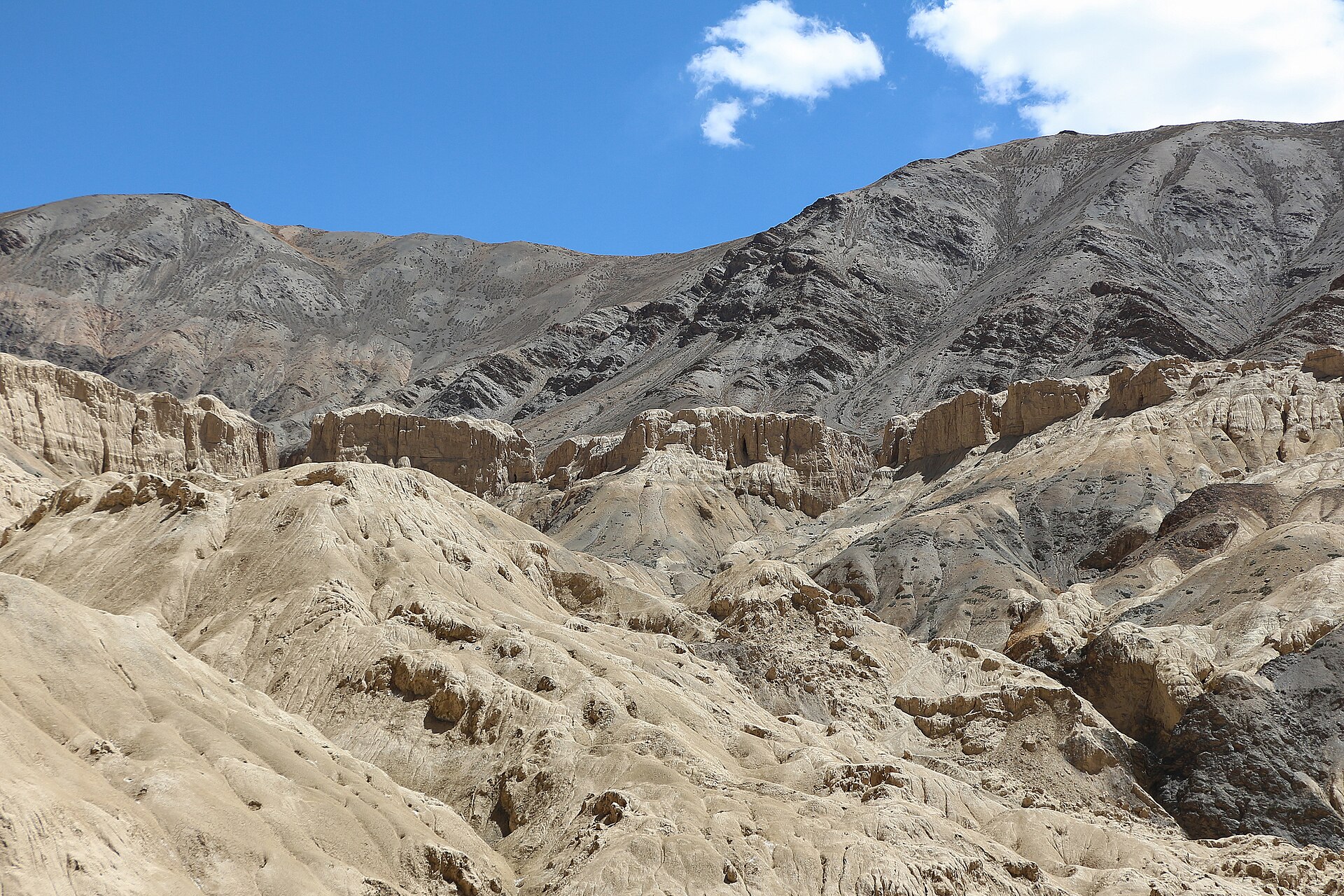
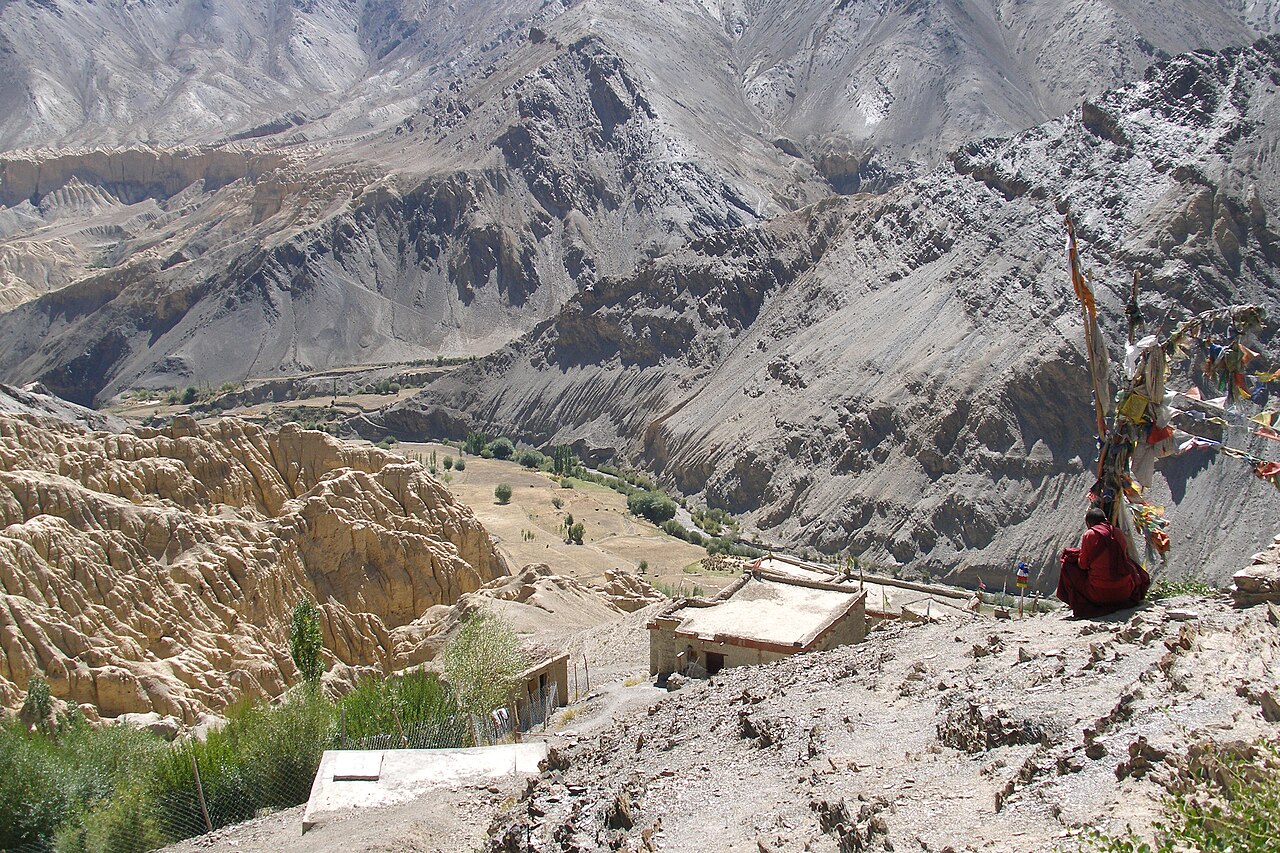
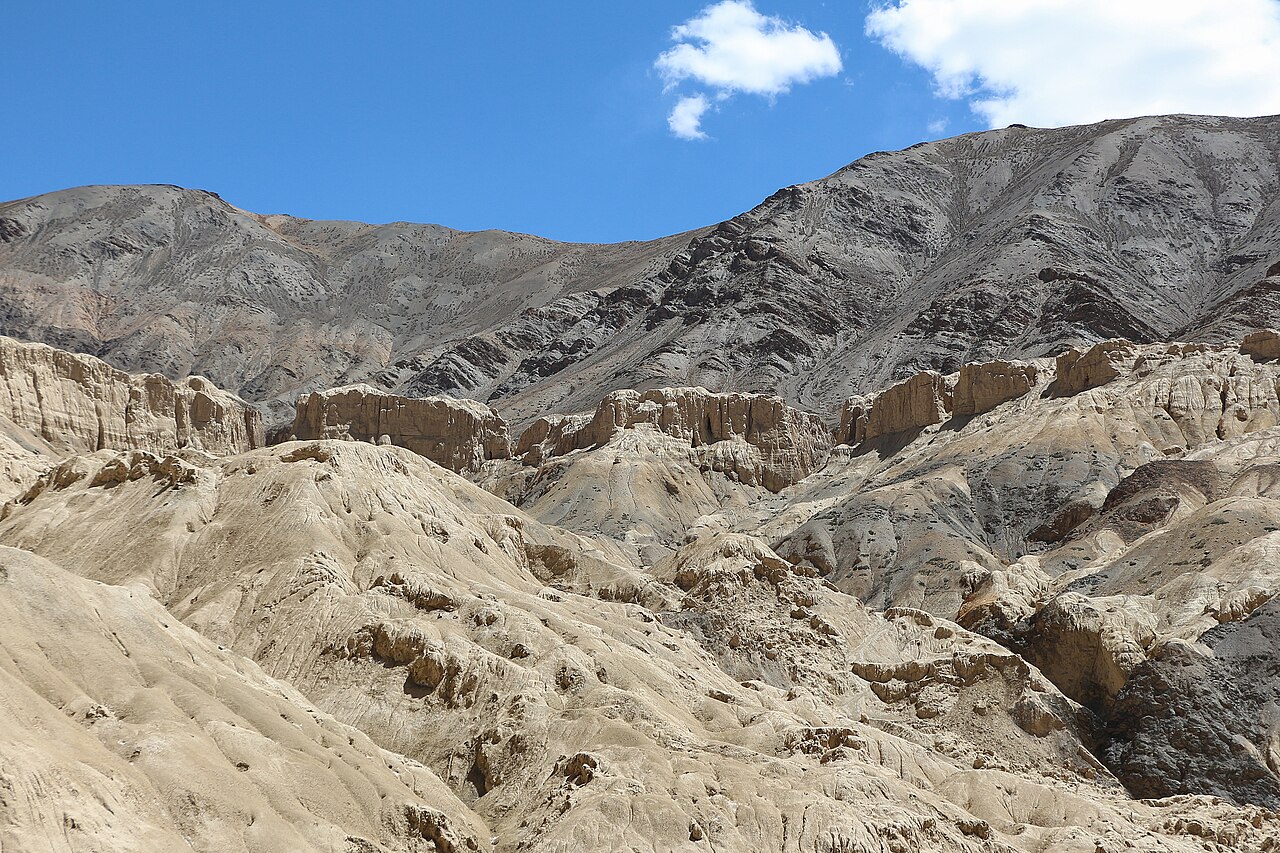
The stark, wind-swept cliffs of Lamayuru are the starting point for this classic trek.Photo: Ingo Mehling · CC BY-SA 4.0
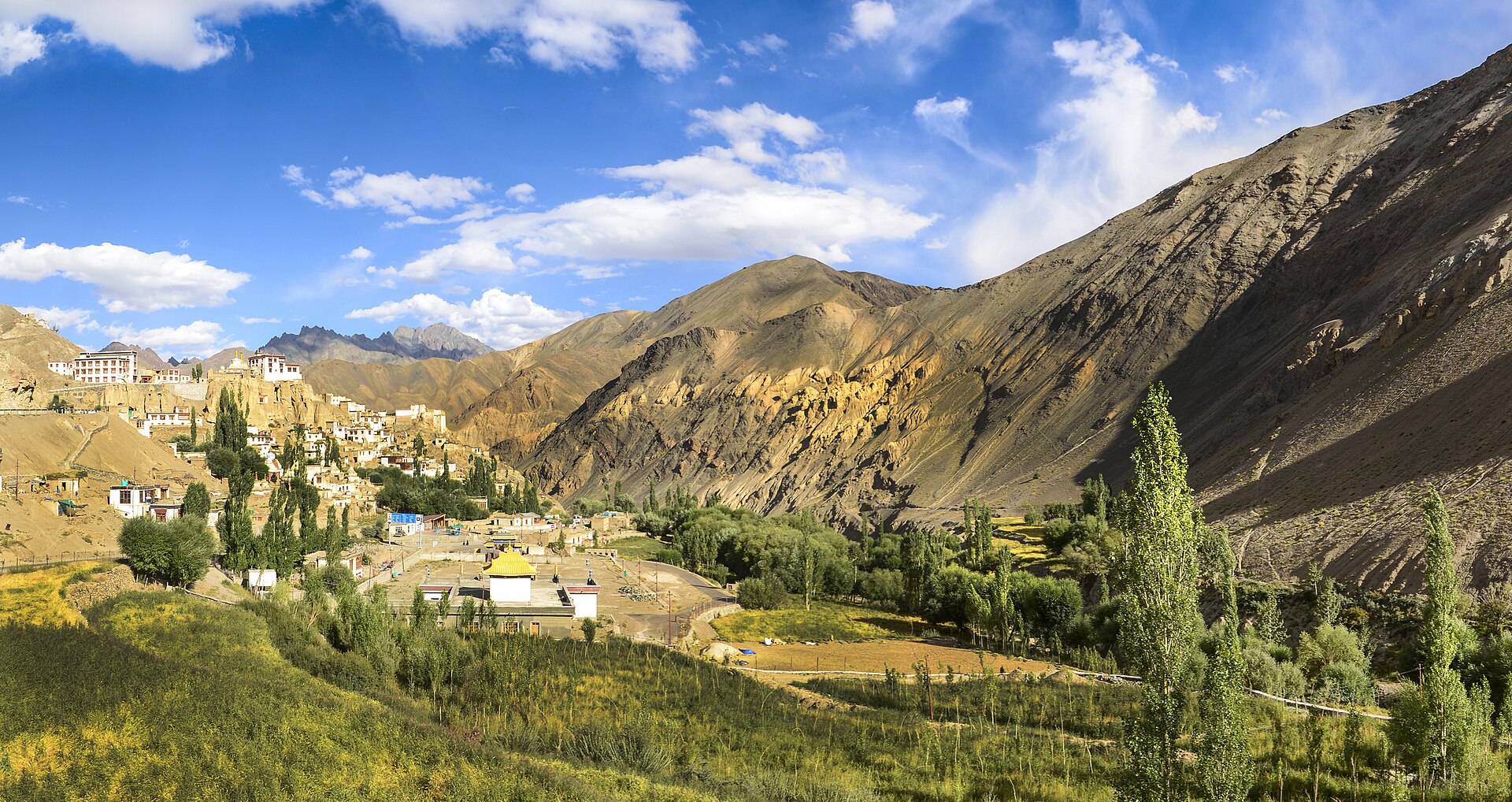
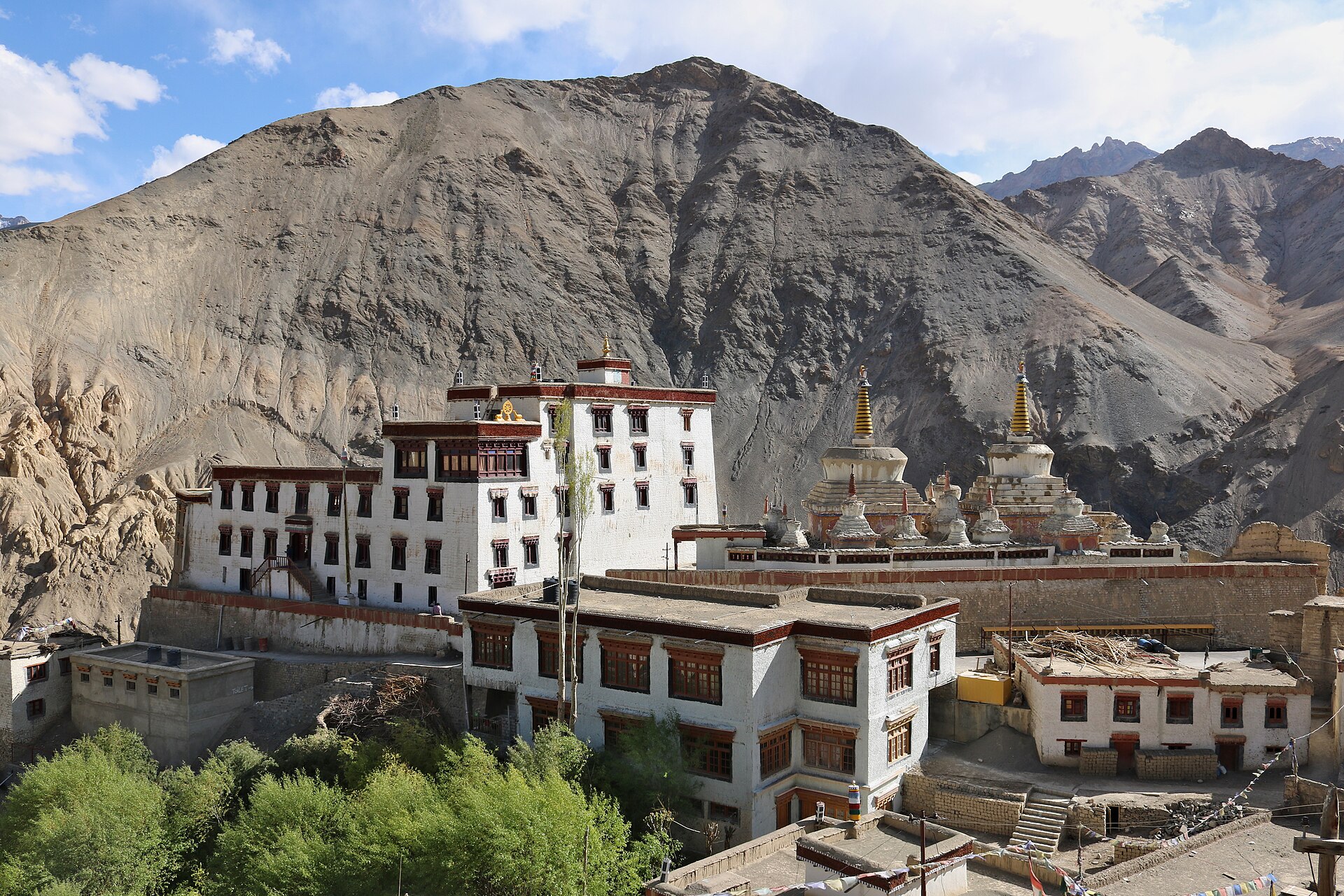
I still remember the silence of the morning at Lamayuru Monastery, broken only by the low rumble of chanting monks and the distant sound of the wind rushing through the moon-like landscape. The lamayuru to alchi trek is often called the 'baby trek' of Ladakh, but do not let that title fool you. While it lacks the brutal elevation gain of routes closer to the Zanskar range, it demands endurance and a genuine appreciation for the stark, desert-like beauty of the Sham Valley.
We often suggest this route for travellers who want to connect with rural life in Ladakh rather than just ticking off summits. You are walking through centuries-old villages where the pace of life is dictated by the sun and the needs of the barley harvest. Here is what you need to know before putting on your boots.
Overview of the Sham Valley Trek
The trek typically covers around 40 to 50 kilometres over three to four days. It is a lower-altitude option compared to treks like Stok Kangri, with most of the path staying between 3,000 and 4,000 metres. This makes it a fantastic introduction to Himalayan trekking for those who are worried about acute mountain sickness.
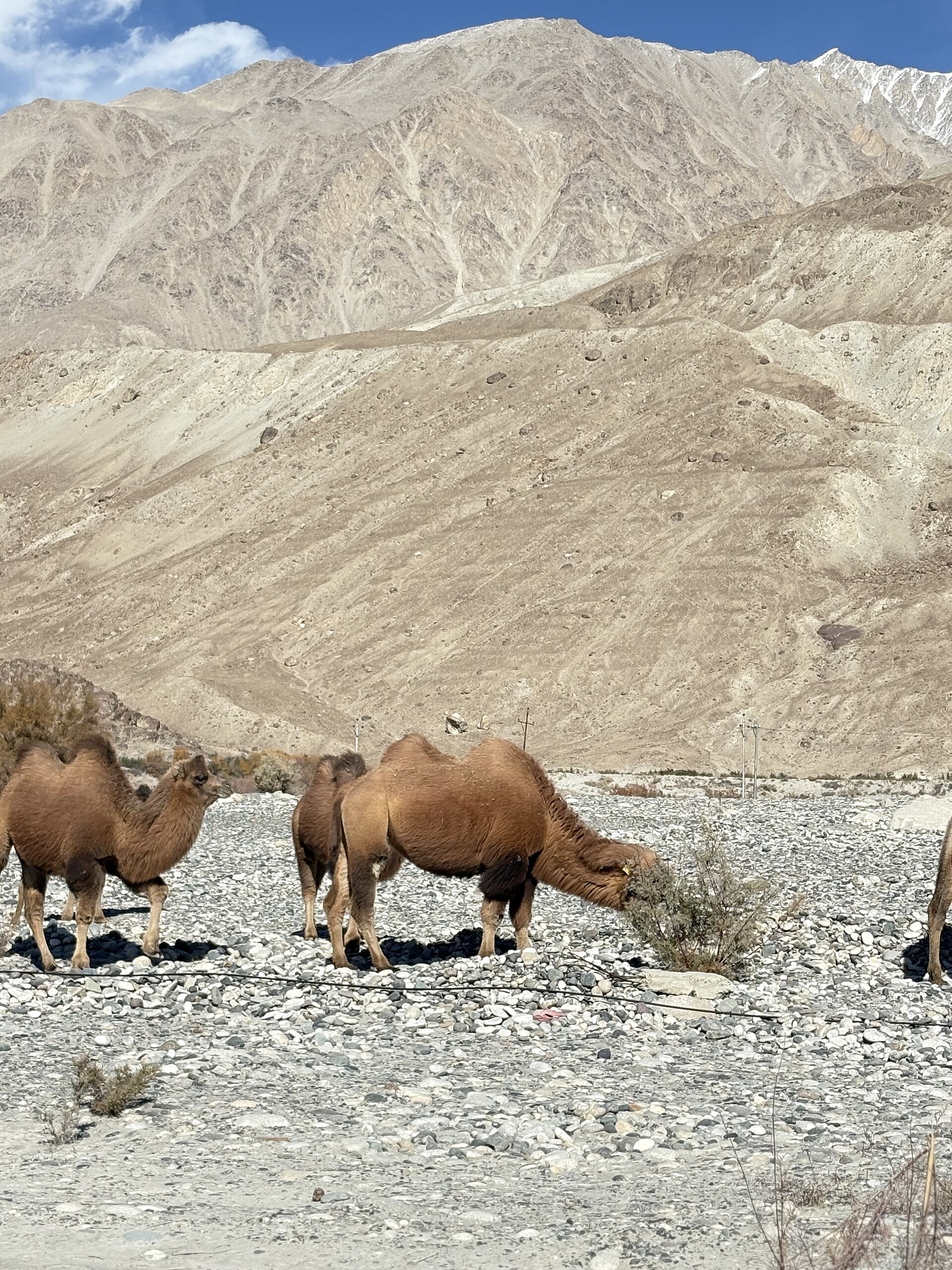
Starting at the monastery in Lamayuru, you cross high passes that offer wide-open views of the jagged peaks that define this part of the world. Unlike the busy trails near Leh, you are more likely to encounter yaks and local shepherds than other groups of trekkers. It is an unhurried experience, perfect for those who want to photograph the changing light on the canyon walls.
Route Highlights and Landscapes
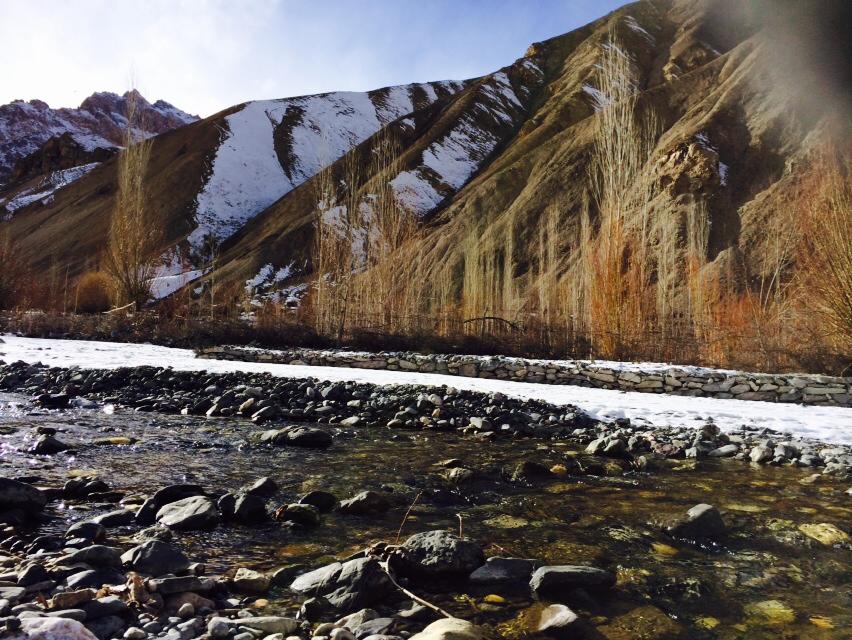
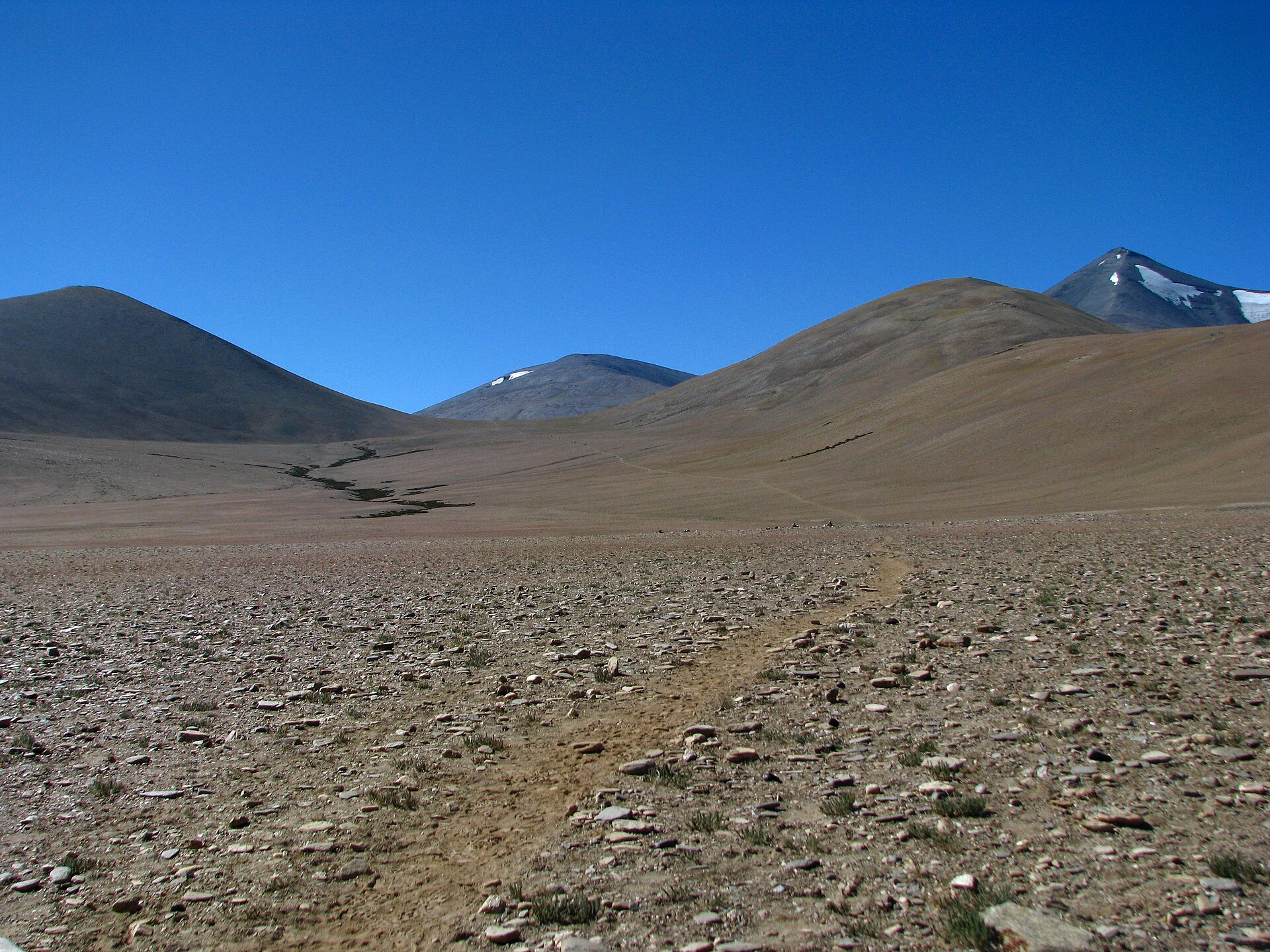
The landscape changes dramatically as you move from the 'Moonland' craters near Lamayuru to the softer, greener banks of the Indus river near Alchi. One of the high points is the Prinkti La pass, which stands at roughly 3,750 metres. From the top, you get a perspective of the landscape that makes you feel incredibly small.
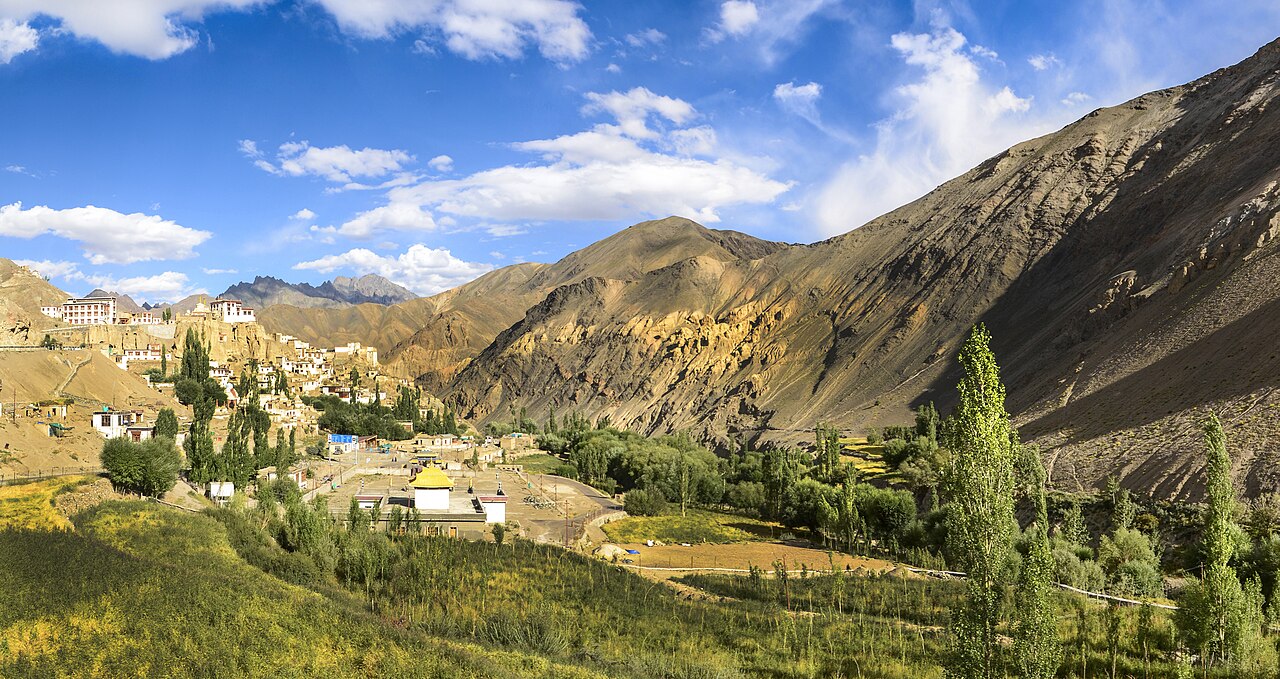
You will also pass through tiny settlements like Wanla, where the 11th-century monastery perched on a rocky outcrop is a highlight. The final descent towards the Indus valley feels like entering a different world, where fruit trees and cultivated fields replace the barren rock.
Essential Gear for High Altitudes
Do not pack for a casual afternoon stroll. Even in the peak of summer, the temperature can swing by 20 degrees between sunrise and midday. You need a robust layering system: a moisture-wicking base layer, a heavy fleece or down jacket for the evenings, and a reliable windbreaker.
Sturdy, broken-in trekking boots are non-negotiable. The trails are often loose scree and dust, which can be slippery. I always advise our clients to carry at least two litres of water and a portable filtration system, as the mountain streams are reliable but you want to be safe.
- High-quality polarized sunglasses for glare.
- Sunscreen with SPF 50 or higher.
- Trekking poles to save your knees on the descents.
- A lightweight sleeping bag liner for the homestays.
Cultural Significance of the Villages
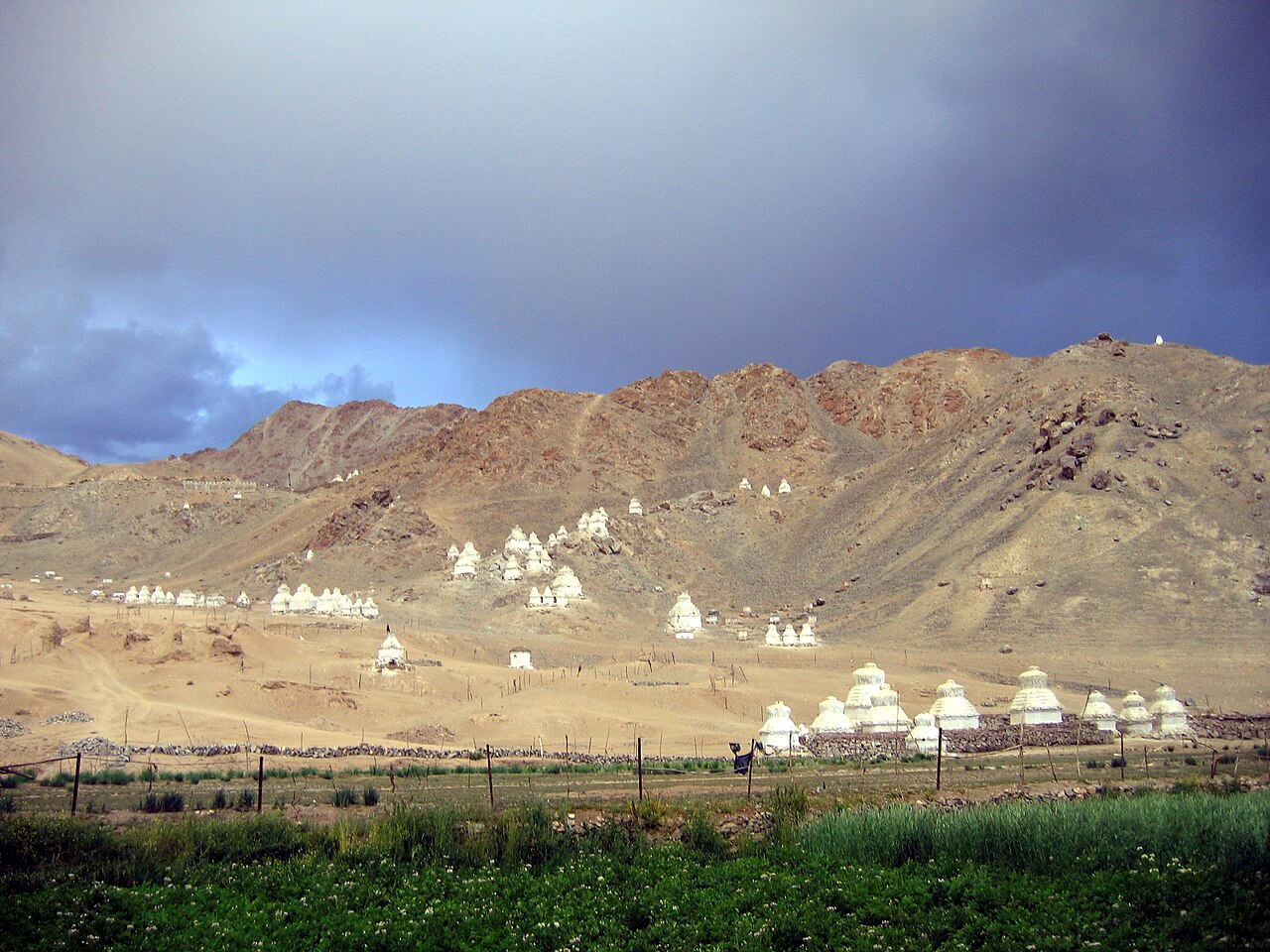
The villages on this route, such as Hinju and Sumda Chenmo, are living museums. The architecture has remained largely unchanged for generations, with thick mud-brick walls designed to trap heat in winter and stay cool in summer. When you walk through these villages, you are walking through private spaces; please ask permission before taking photos of people or interiors.
The people here are deeply connected to their faith. You will see mani walls—long piles of stones carved with Buddhist mantras—lining the path. Always keep these on your right-hand side as a sign of respect.
Best Time for Trekking
June through September is the window. July and August are the warmest months, but they also bring more trekkers. If you want a bit more solitude, aim for early September when the harvest is in full swing and the weather is generally dry and crisp.
October can be beautiful, but the nights start to get biting cold. If you are travelling in the shoulder season, be prepared for snow on the higher passes, which can occasionally force a route change.
Staying in Village Homestays
Staying in homestays is the only way to experience this trek properly. You will be hosted by local families who provide a simple bed, warm tea, and home-cooked meals like thukpa or skyu. It is not luxury, but the warmth of a Ladakhi kitchen is something you won't find in any hotel.
Expect rustic conditions. Electricity might be intermittent, and bathrooms are typically basic outhouses. It is a small trade-off for the chance to sit with a family and learn about their life in the high desert.
Before you book
Walking the path from Lamayuru to Alchi is more about the internal journey than the external distance. You start as a tourist, but by the time you reach the frescoes of Alchi monastery, the silence of the high valley has a way of resetting your perspective.
Whether you are looking for a gentle introduction to high-altitude trekking or a chance to see a slower side of Ladakh, this route delivers. If you are ready to start planning your itinerary, we are here to help with the details.
Ready to plan your Sham Valley trek?
We know every village and pass on this route. Reach out to our team if you need advice on guides, homestay arrangements, or the best dates for your visit.
Contact us for adviceWritten by
Kashmir, Jammu & Ladakh specialists
We plan and run trips across Kashmir, Jammu and Ladakh every week of the year. Everything here comes from routes we drive, stays we inspect and questions our travellers actually ask.
Quick answers
Questions we get asked
Is the Lamayuru to Alchi trek difficult?
It is classified as moderate. While the distances are not extreme, the altitude can cause fatigue. Being fit and well-acclimatised makes all the difference.
Do I need a guide for this trek?
While the trail is relatively well-marked, hiring a local guide is recommended. They know the shortcuts, can help with language barriers in villages, and offer deep insights into the region's history.
What kind of food is served on the trek?
Expect traditional Ladakhi cuisine: noodles, vegetable stews, barley bread, and plenty of butter tea. It is high-calorie fuel that keeps you warm.
Is it safe for solo trekkers?
Generally, yes, but we always advise using a local trekking agency to arrange your homestays. It ensures you have a place to stay and a point of contact if weather conditions shift.
What is the best way to get to the starting point?
Most travellers reach Lamayuru by road from Leh, which takes about 4 to 5 hours. It is a spectacular drive through the Moonland landscape.
Photography credits
- Photo: Ingo Mehling · CC BY-SA 4.0
- Photo: McKay Savage from London, UK · CC BY 2.0
- Photo: Nikitaparwani · CC BY-SA 4.0
- Photo: Vyacheslav Argenberg · CC BY 4.0
- Photo: No machine-readable author provided. Deeptrivia assumed (based on copyright claims). · CC BY-SA 3.0
- Photo: Bernard Gagnon · CC BY-SA 4.0
- Photo: Shri 4545 · CC BY-SA 4.0