Understanding Lamayuru Altitude and Your Health
Essential advice for staying safe in the high desert of Ladakh
A practical guide on how to manage the altitude in Lamayuru, including tips on acclimatisation, recognizing AMS symptoms, and safe travel practices for the Ladakh region.
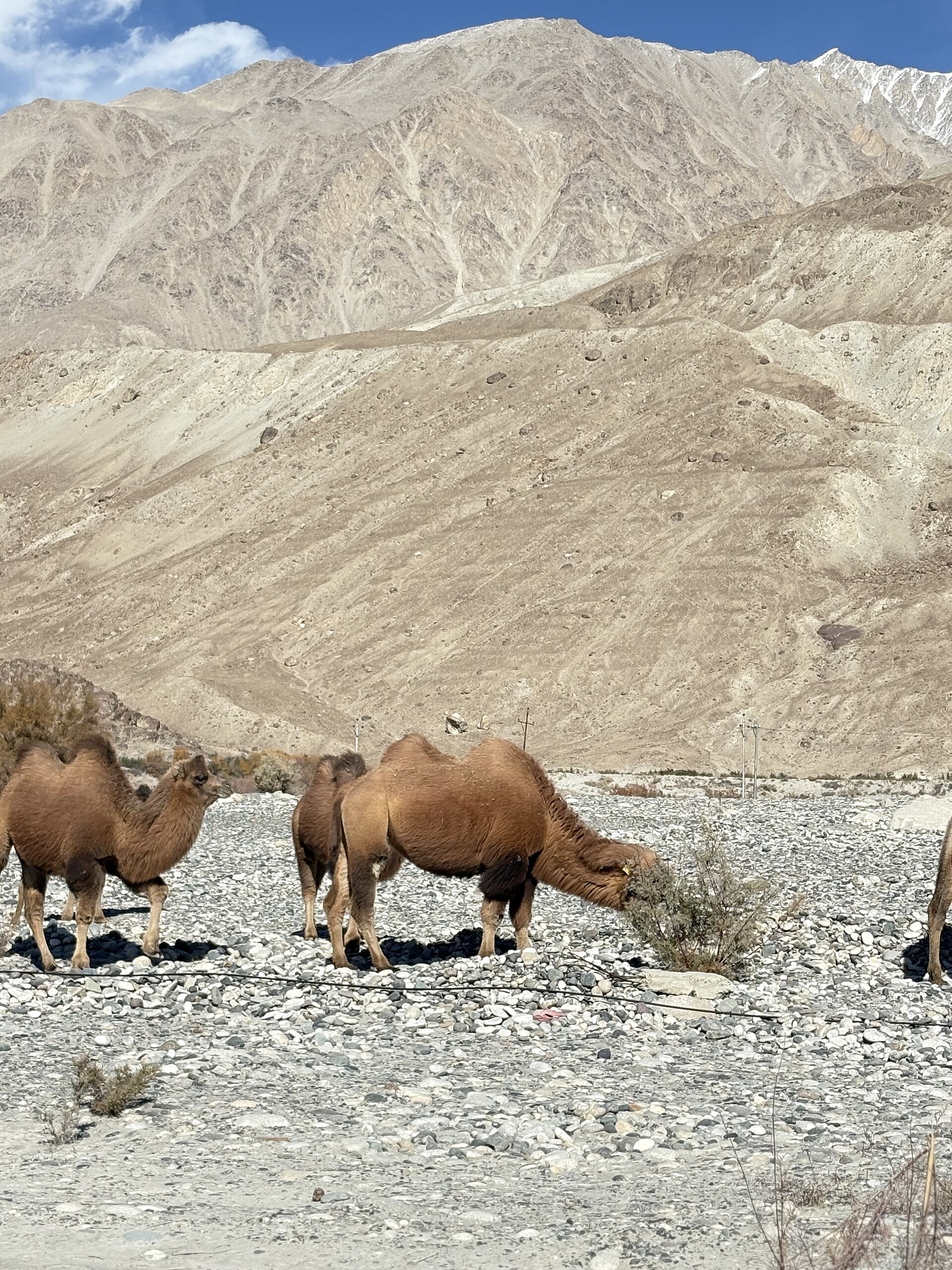
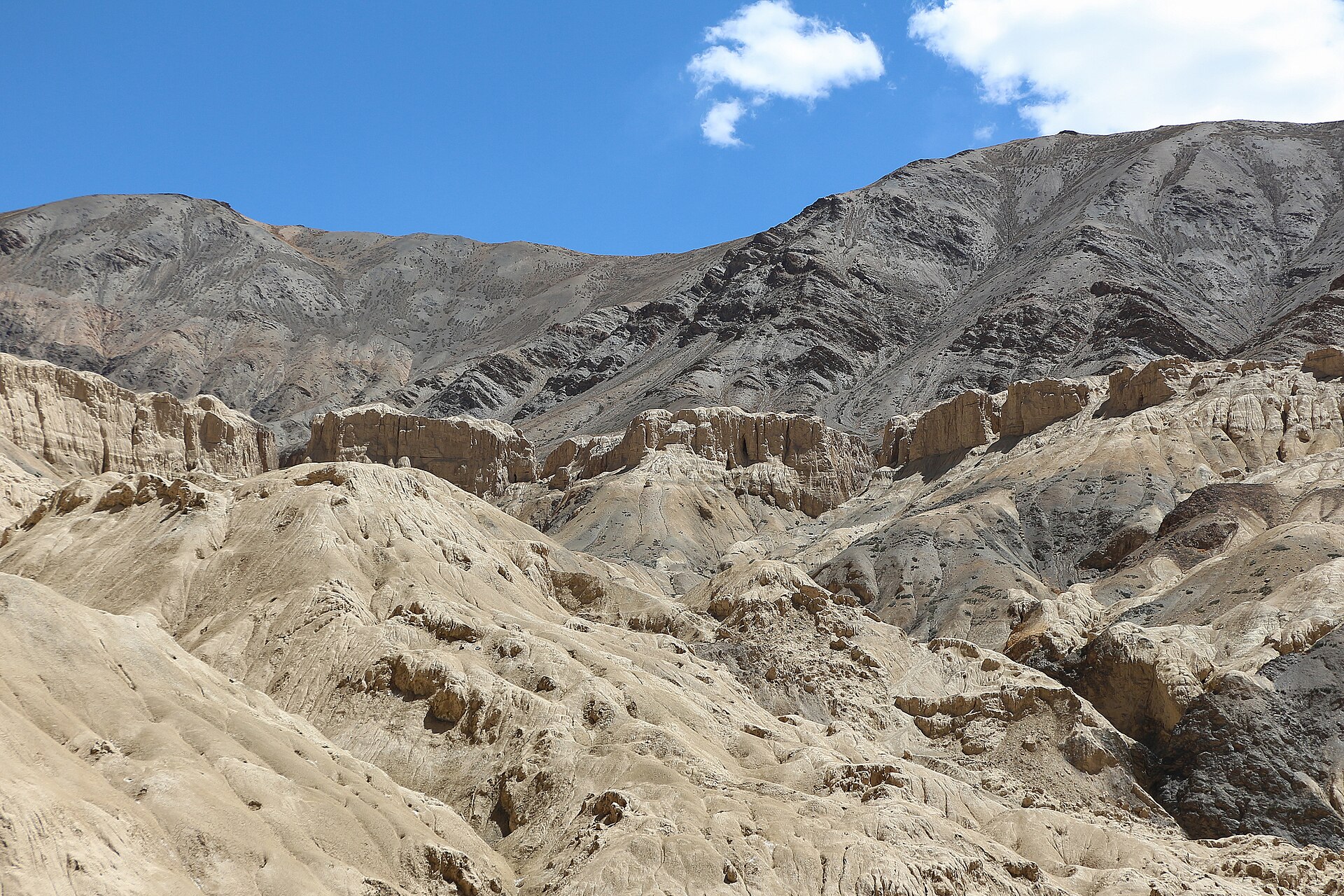
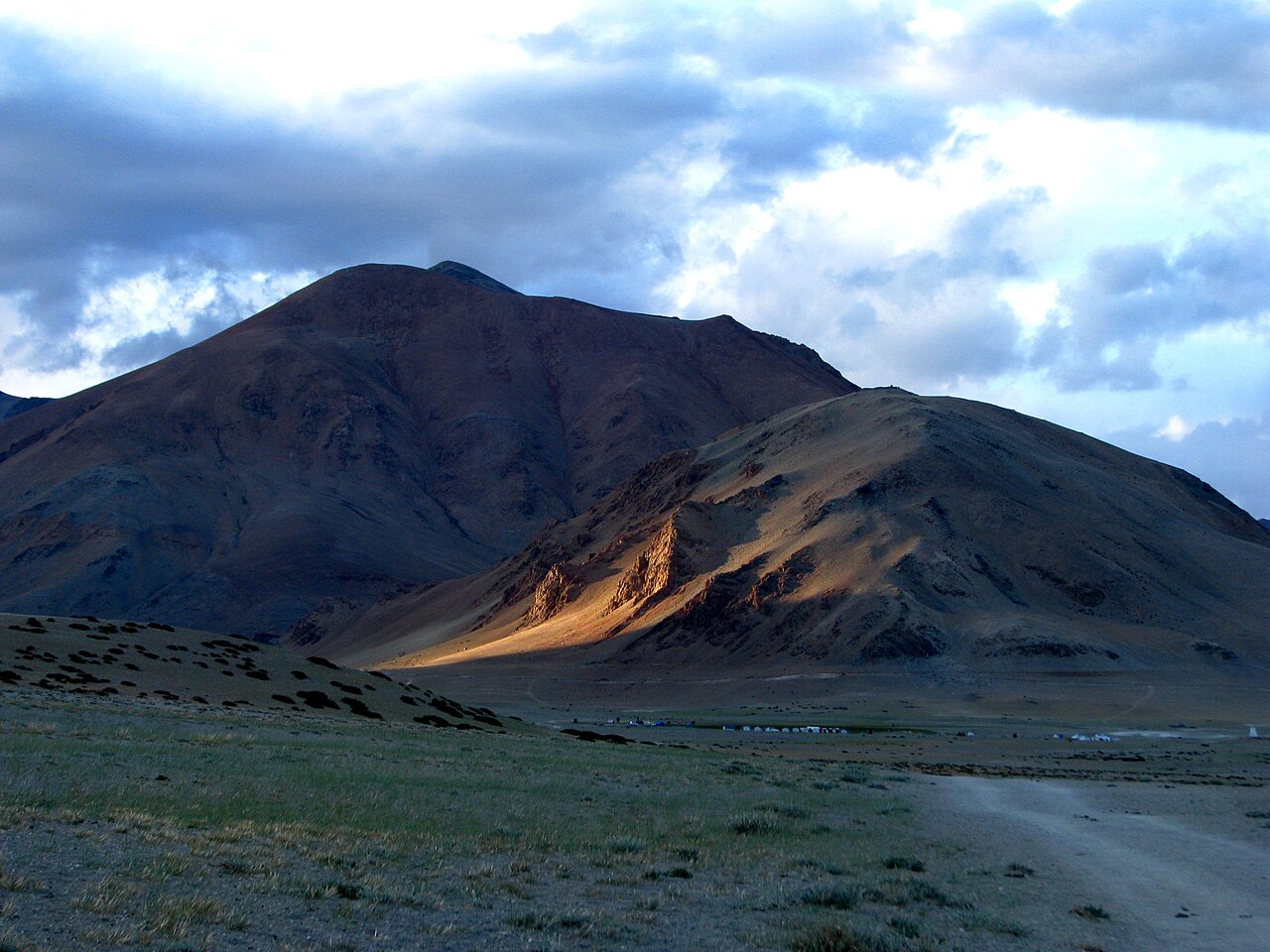
The thin air and vast openness of Ladakh are part of what makes the region so unique.Photo: DiluteOxygen · CC BY-SA 4.0
I have seen many travellers arrive in Leh, feel great for an hour, and then spend their entire first evening struggling with a headache that wouldn't quit. When you start planning a trip to the high deserts of Ladakh, the reality of the air quality is something you have to respect before you even leave home.
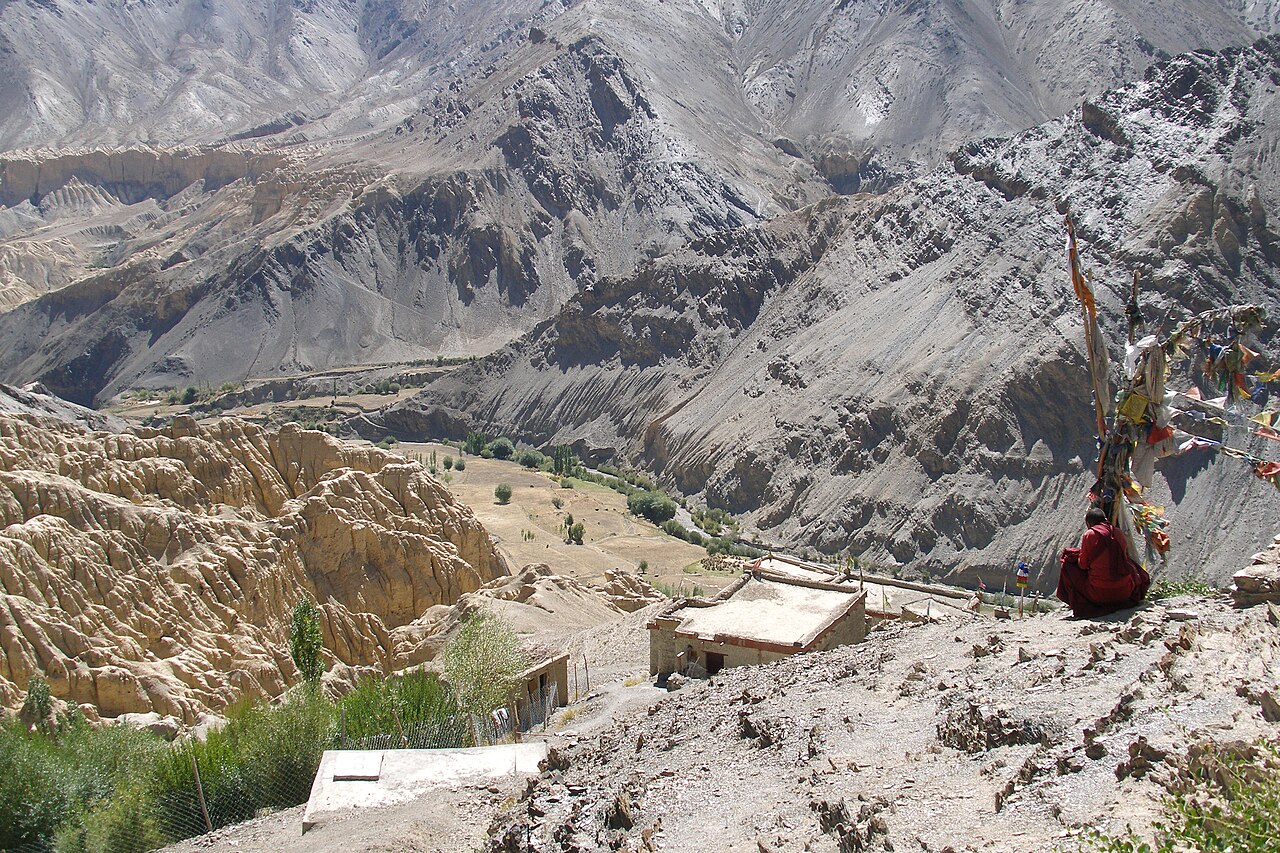
The lamayuru altitude sits at roughly 3,500 metres (about 11,500 feet). While it is not the highest point in Ladakh, it is significant enough to cause issues if you don't take the necessary precautions. Understanding how your body reacts to thin air is the difference between a great trip and one spent resting in bed.
How High is Lamayuru?
Lamayuru is positioned at approximately 3,500 metres. At this elevation, the oxygen levels are significantly lower than at sea level. For most visitors coming from low-lying areas, this is a sudden shift. The air is dry and the pressure is low, meaning your lungs have to work much harder to provide the same amount of oxygen to your blood.
It is important to remember that altitude is cumulative. Even if you felt fine in Leh, the drive up to Lamayuru involves climbing over passes that can push you past the 4,000-metre mark. That is where the real stress happens.

Managing Altitude in Ladakh
The golden rule of Ladakh is patience. We always tell our clients to spend at least 48 hours in Leh before heading to higher areas like Lamayuru. This period allows your body to increase its red blood cell production, which is your natural defence against the thin air.
Hydration is your best friend. In the high desert, you lose moisture faster than you realise through breathing. Drink more water than you think you need—aim for 3 to 4 litres a day. Avoid caffeine and alcohol for the first few days, as both dehydrate you further.
Recognising Symptoms of AMS
Acute Mountain Sickness (AMS) can sneak up on you. Early symptoms are mild: a dull headache, loss of appetite, or difficulty sleeping. Many people ignore these, assuming they are just tired from travel.
If you experience persistent nausea, severe headaches that don't respond to painkillers, dizziness, or a feeling of being 'drunk', you need to take notice. If symptoms don't improve with rest, descending is the only real cure. Never try to 'push through' severe symptoms; it can become dangerous very quickly.
Recommended Rest Periods
Think of your first few days as a period of active rest. Your itinerary should be light. Avoid heavy trekking or intense exercise during the first 72 hours. Even though you want to see everything immediately, a slow start ensures you have the energy for the rest of your trip.
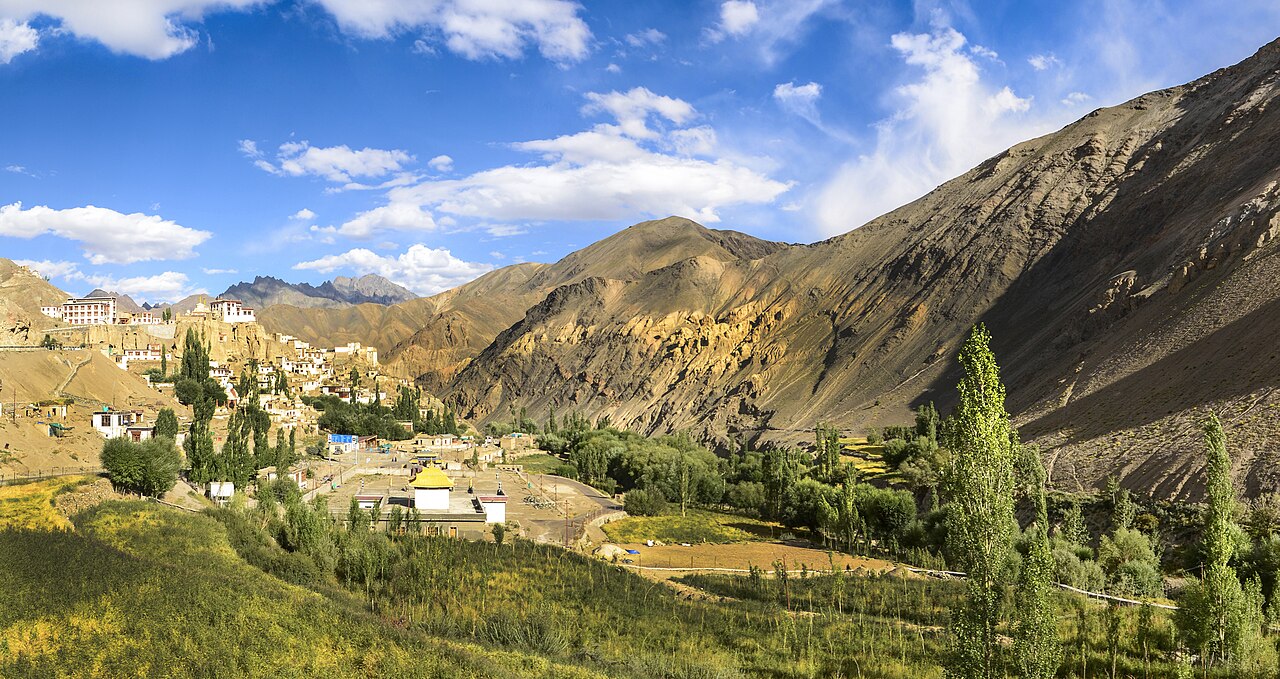
Once you reach Lamayuru, plan for a quiet first evening. Take a walk around the village, but don't try to climb to the viewpoints immediately. Let your body settle into the rhythm of the thinner air.
When to Seek Medical Advice
There is no shame in asking for help. If you feel unwell, contact your guide or hotel staff immediately. They deal with altitude issues all summer and will know exactly what to do. Local clinics are equipped with oxygen and basic medical support for travellers.
If your symptoms progress to confusion, shortness of breath while resting, or swelling in your hands and feet, do not wait. Seek professional medical assistance immediately. Being prepared with a basic first-aid kit, including medication for headaches and nausea, is always a smart move.
Before you book
The beauty of Lamayuru is well worth the care you take to get there safely. By respecting the altitude and giving your body the time it needs, you ensure that you are actually present for the experience rather than just struggling through it.
Keep your pace slow, drink plenty of water, and stay aware of how you feel. Ladakh is a magnificent place, and the most rewarding way to see it is on your own two feet, feeling strong and healthy.
Planning your trip to Ladakh?
Safety is our priority at Skywale Packages. We build generous acclimatisation buffers into all our itineraries. Reach out to us if you need help planning a safe route.
Get a safe itineraryWritten by
Kashmir, Jammu & Ladakh specialists
We plan and run trips across Kashmir, Jammu and Ladakh every week of the year. Everything here comes from routes we drive, stays we inspect and questions our travellers actually ask.
Quick answers
Questions we get asked
Is altitude sickness common in Lamayuru?
Yes, it is common because Lamayuru is at a significant elevation. Most travellers experience mild symptoms, which subside with proper rest and hydration.
Should I take medication for altitude sickness?
Consult your doctor before travel about preventative medicine. Many people find it helpful, but it is not a substitute for proper acclimatisation and rest.
Does being fit mean I won't get altitude sickness?
No. Altitude sickness is physiological and does not discriminate based on fitness level. Even professional athletes can get it if they ascend too quickly.
How do I know if I'm acclimatised?
You generally feel 'normal'—your breathing is steady, your appetite returns, and you don't have a headache while resting or doing light activity.
Are there oxygen facilities in Lamayuru?
Major hotels and guesthouses can provide oxygen cylinders in case of emergencies, but always check with your accommodation provider before you arrive.
Photography credits
- Photo: DiluteOxygen · CC BY-SA 4.0
- Photo: Christopher John SSF from Stroud, NSW, Australia · CC BY 2.0
- Photo: Arindam Das · CC BY 3.0
- Photo: Vyacheslav Argenberg · CC BY 4.0
- Photo: Shri 4545 · CC BY-SA 4.0
- Photo: Bernard Gagnon · CC BY-SA 4.0
- Photo: McKay Savage from London, UK · CC BY 2.0