Things to Do in Kargil: Beyond the War Memorial and Into the Suru Valley
A grounded look at what to do when you slow down in Ladakh's second largest town.
Most travellers treat Kargil as a rushed night stop on the Srinagar to Leh road. That is a mistake. Here are the best things to do in kargil.
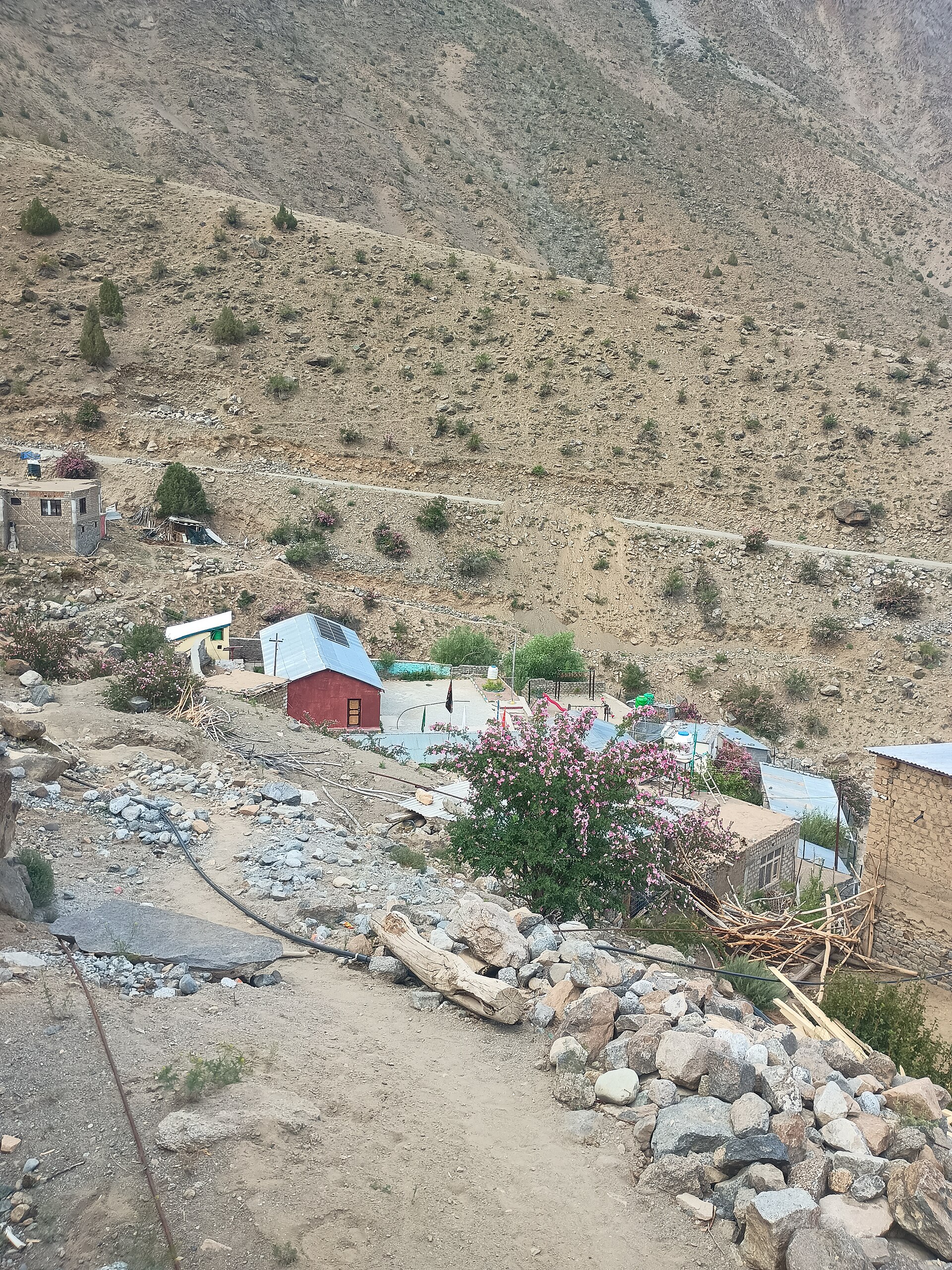
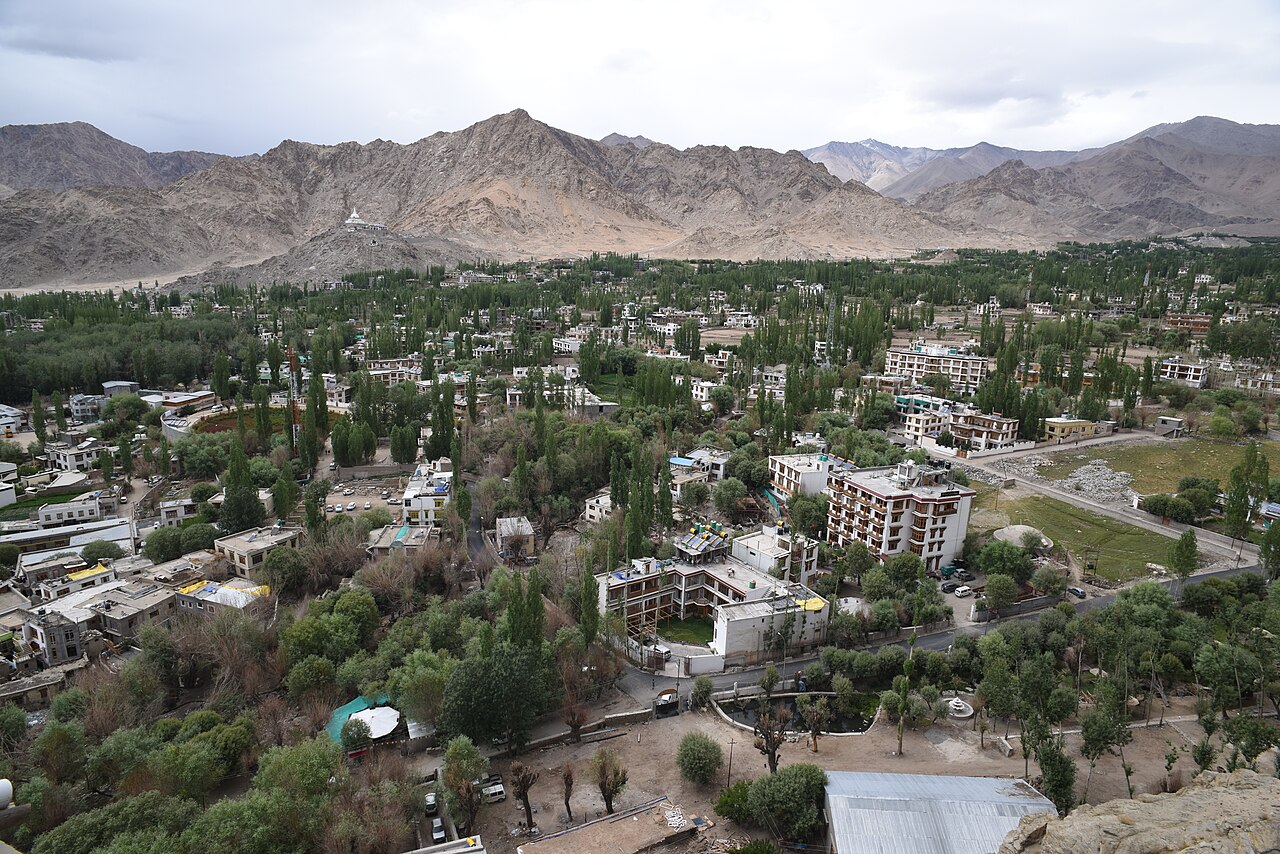
Kargil sits in a deep valley carved by the Suru River.Photo: Rajani Gairshail · CC BY-SA 4.0
The first time I stepped out of a shared sumo in Kargil at five in the morning, the air tasted of cold stone and woodsmoke. Most travellers treat this town as a rushed overnight pause on the long road between Srinagar and Leh. They check into a hotel, eat a heavy dinner, and leave before the morning traffic clears the bridge over the Suru River.
That is a proper shame. If you give Kargil three or four days, the place opens up entirely. It is a frontier town shaped by Persian trade routes, high-altitude agriculture, and a quiet resilience that predates the events of 1999. There are specific things to do in kargil that most people miss entirely because they are in a desperate rush to cross Fotu La.
We always tell our clients to spend at least two full days here before pushing deeper into Ladakh or dropping down towards Zanskar. The valley floor sits lower than Leh at roughly 2,676 metres, making it an ideal place to catch your breath, adjust your red blood cells, and see a side of the region that feels distinct from Buddhist central Ladakh.
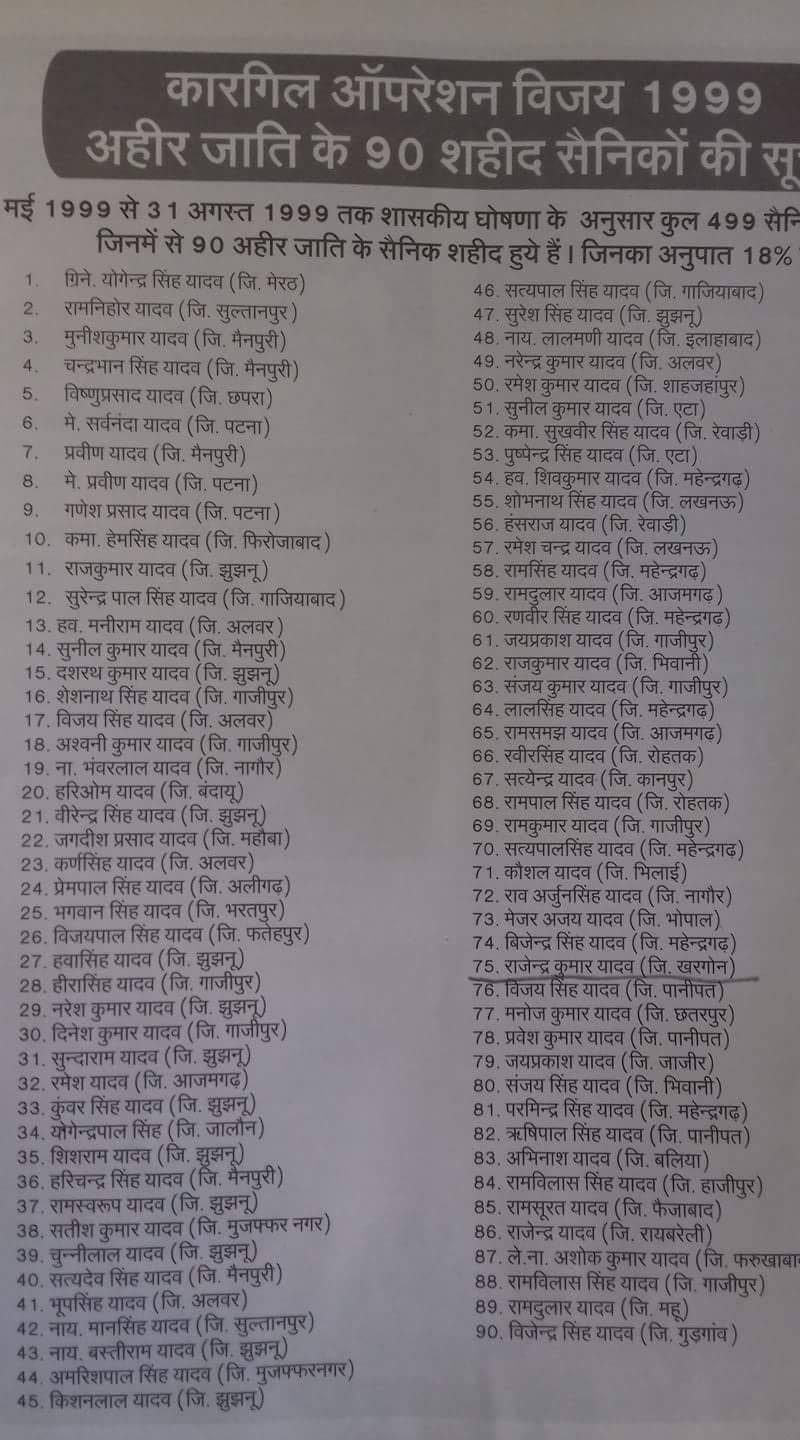
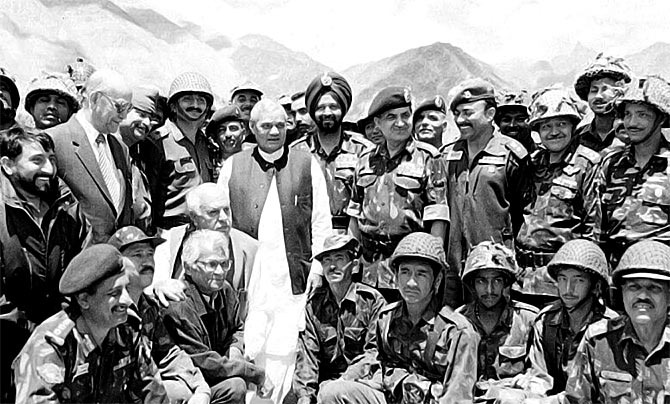
Pay Respects at the Kargil War Memorial in Drass
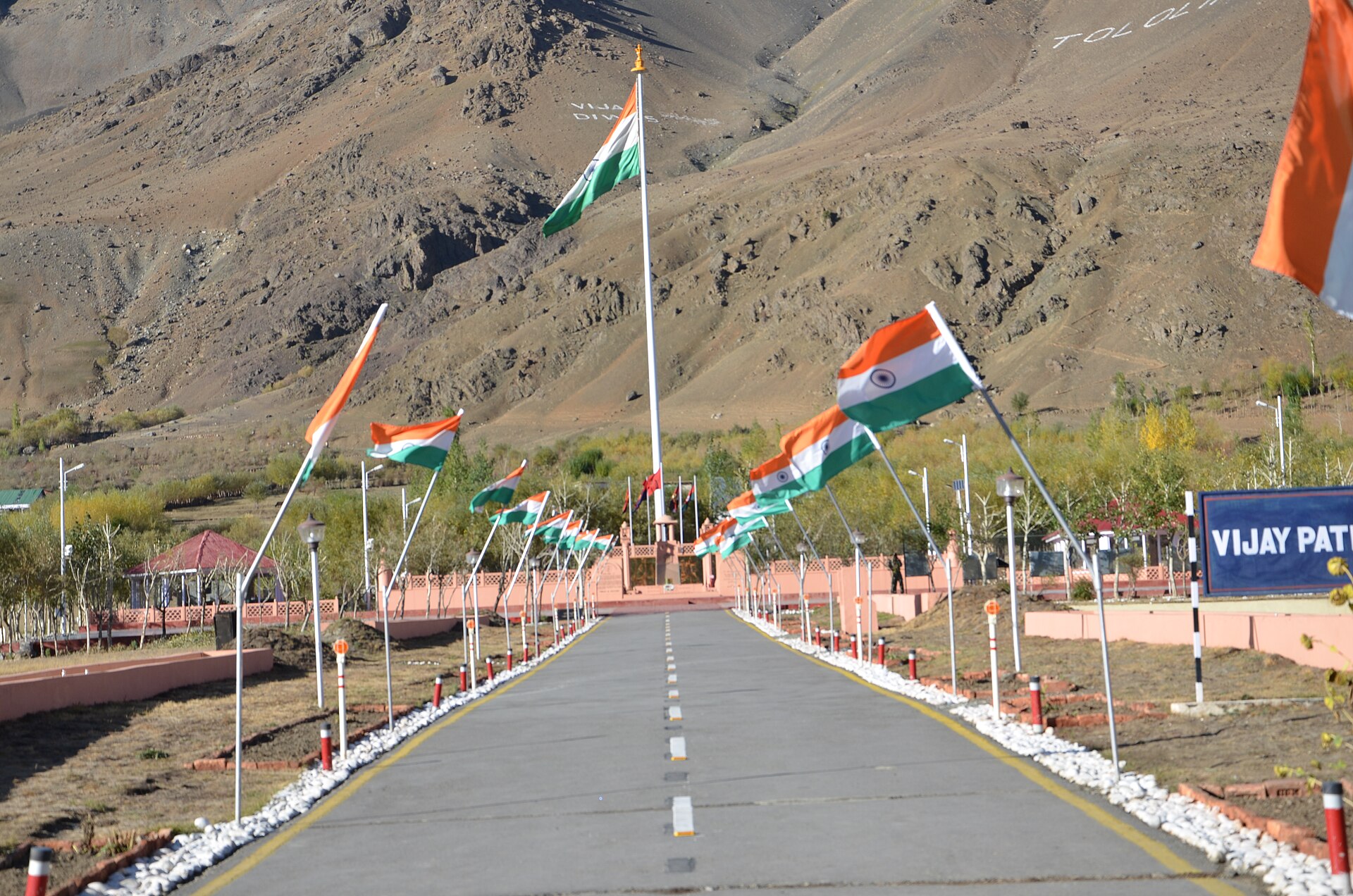
Located about sixty kilometres back down the highway towards Sonmarg, the Kargil War Memorial at Drass is the place where almost every itinerary starts. You drive past the raw, wind-scoured flanks of Tololing and Tiger Hill, peaks that sound ordinary on a map but look terrifyingly vertical when you stand beneath them.
The memorial itself is run by the Indian Army. Young soldiers guide visitors through the gallery, pointing out captured artillery pieces and reading out the names etched into the pink sandstone wall. It is quiet, sober, and remarkably well-kept. Give yourself at least two hours here to read the plaques and walk up to the viewpoint.
- Carry your physical photo ID, as security checks at the gate are strict.
- Visit in the morning before the valley winds pick up and stir the dust.
- Hire a local guide at the entrance to hear personal accounts of the 1999 operations.
Drive Deep Into the Suru Valley
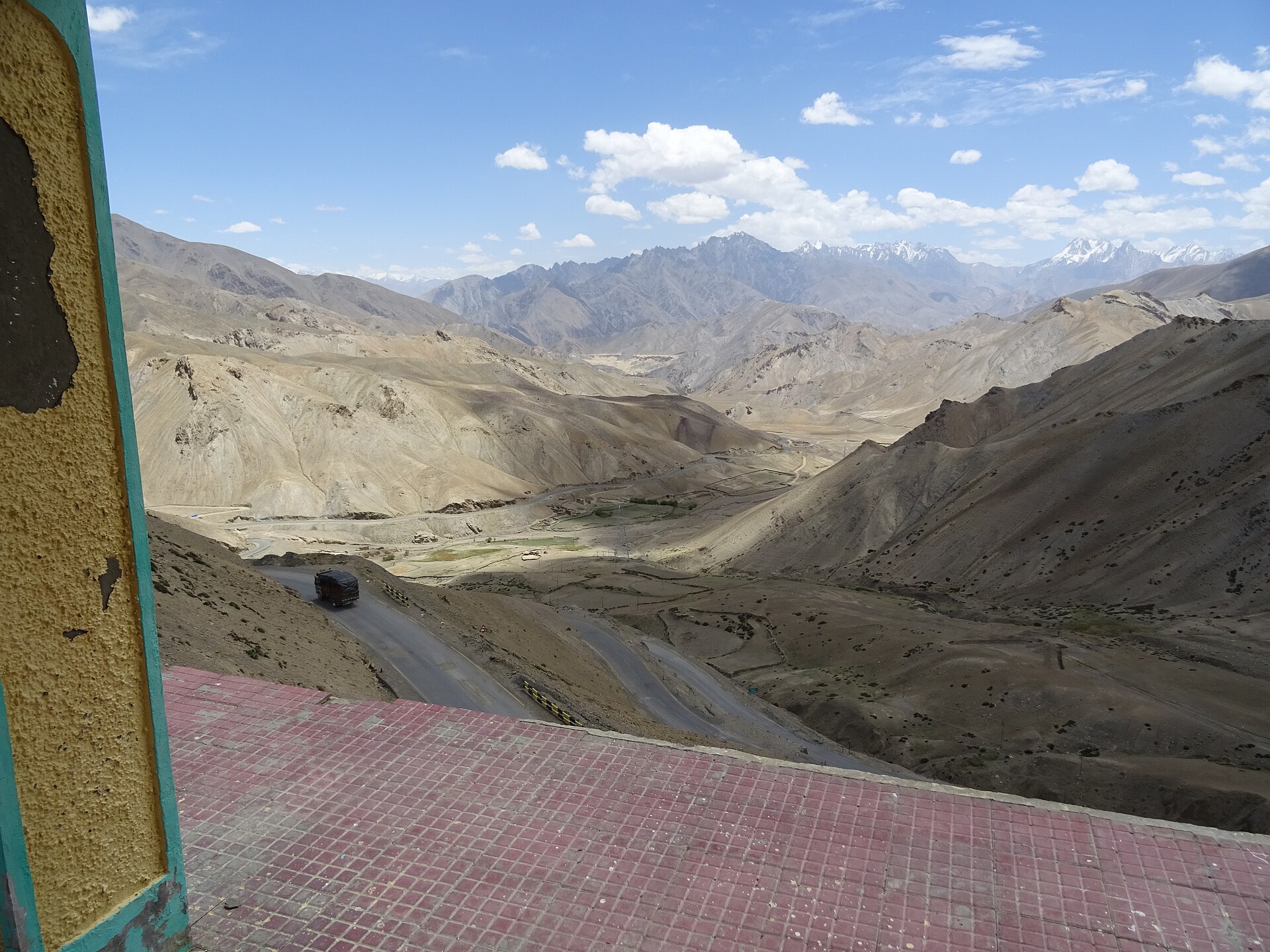
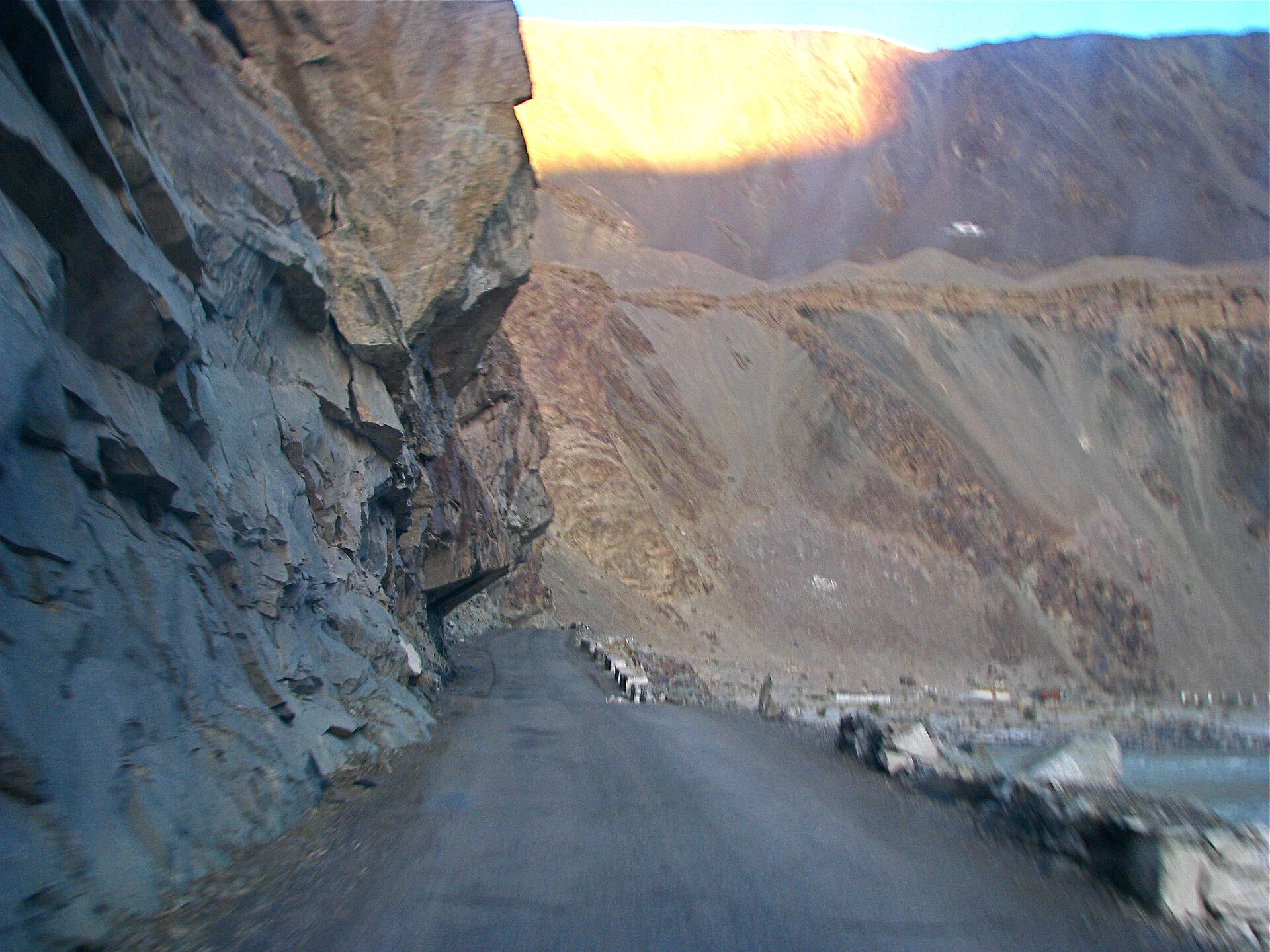
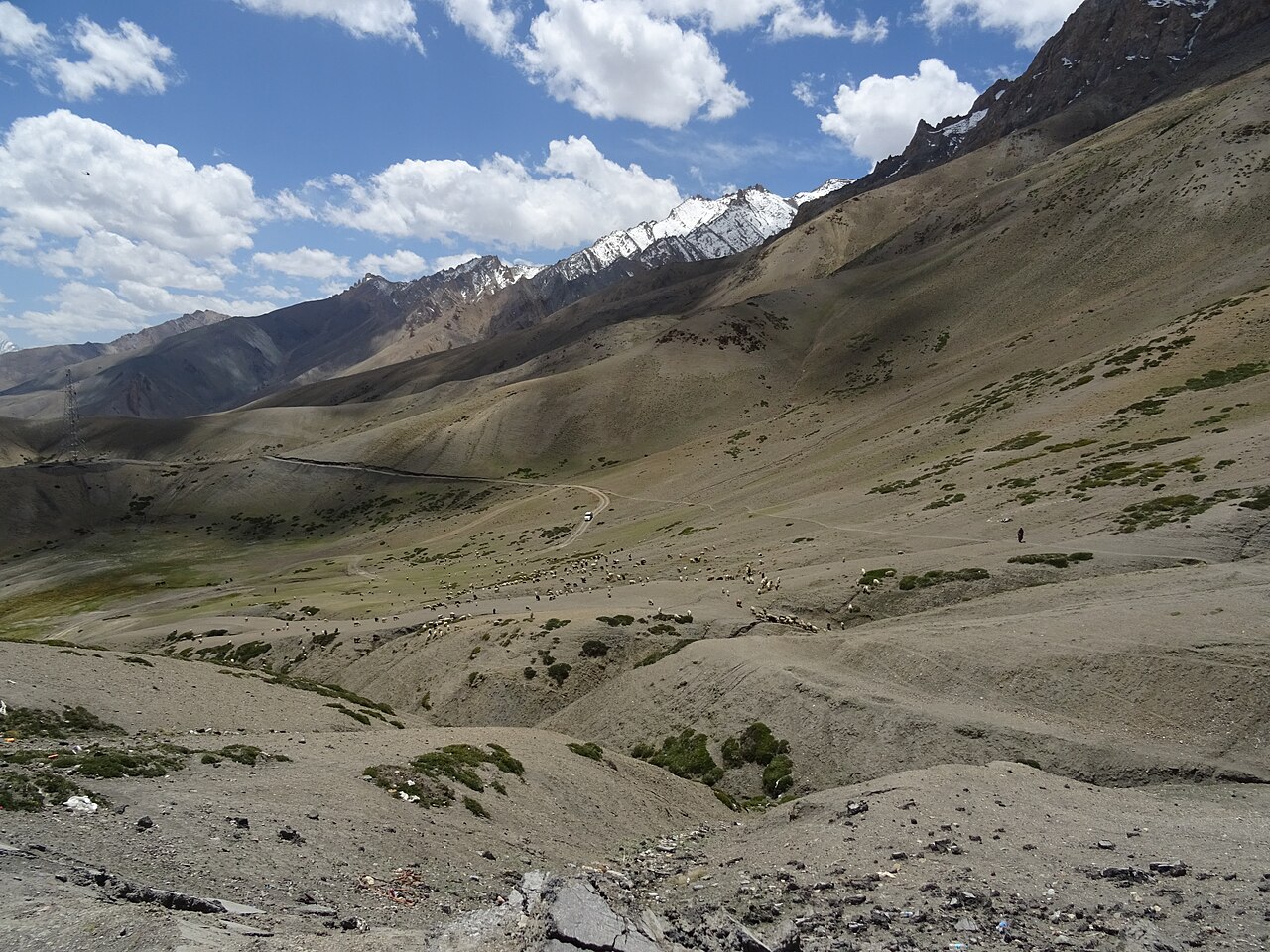
If the war memorial represents Kargil's recent history, the Suru Valley represents its soul. The road heads south from Kargil town, tracking the muddy brown waters of the Suru River as it cuts through towering walls of grey shale and jagged willow trees.
As you drive past villages like Sankoo and Panikhar, the scale of the landscape expands. Poplar trees line the irrigation channels, and apricot orchards turn bright green against the arid hills. The road is rough in sections, with loose gravel and sharp drops, but every kilometre reveals a new glacier hanging off the western wall of the Nun-Kun massif.
Panikhar and Beyond
Panikhar was once the outpost for kings and traders heading towards the Parkachik glacier. Today, it is a brilliant place to stretch your legs and watch local farmers harvest alfalfa by hand with small sickles.
If you keep pushing towards Rangdum, the tarmac gives way to dirt tracks that test your suspension. The reward is a high, wide plateau where wild horses graze beneath massive walls of blue ice.
The Suru Valley represents Kargil's true soul, far away from the highway traffic.
Immerse Yourself in Local Balti Culture
Kargil is predominantly Balti, and the culture here shares deep linguistic and culinary roots with Baltistan across the Line of Control. You will hear Balti spoken in the narrow lanes behind the main bazaar—a softer, older dialect of Tibetan that sounds entirely different from the Ladakhi spoken in Leh.
Food is the best entry point. Look out for local spots serving butter tea made in a long wooden churn, alongside thick barley bread and hot meat stews spiced with wild cumin. During apricot season in August, the air smells of drying fruit spread out on flat stone roofs across the valley.
Explore the Bazaars and Old Quarter
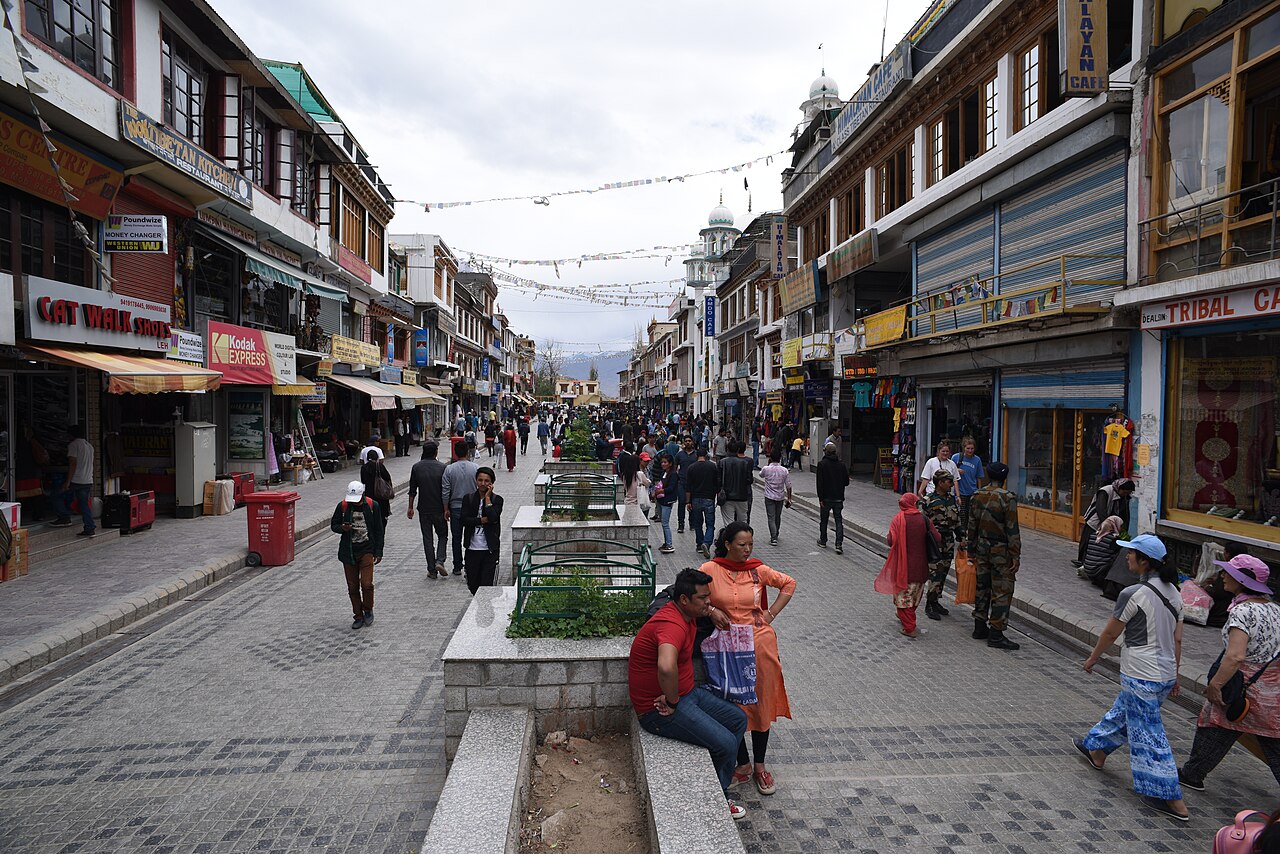
The commercial heart of Kargil town sits along the banks of the Suru River. The main bazaar is a dense network of narrow alleys filled with dry fruit shops, hardware stores, and tailors stitching heavy woollen coats for winter.
Spend an afternoon walking through the old residential quarters climbing up the hill behind the taxi stand. The mud-brick architecture uses intricate wooden lattice work on the windows, designed to catch the summer sun while keeping out the bitter winter drafts.
Plan Day Trips From Kargil Town
Kargil makes a practical base camp for several remarkable day excursions that do not require packing your bags every morning. You can head west towards Lamayuru to see the moonscape rock formations and the oldest monastery in Ladakh.
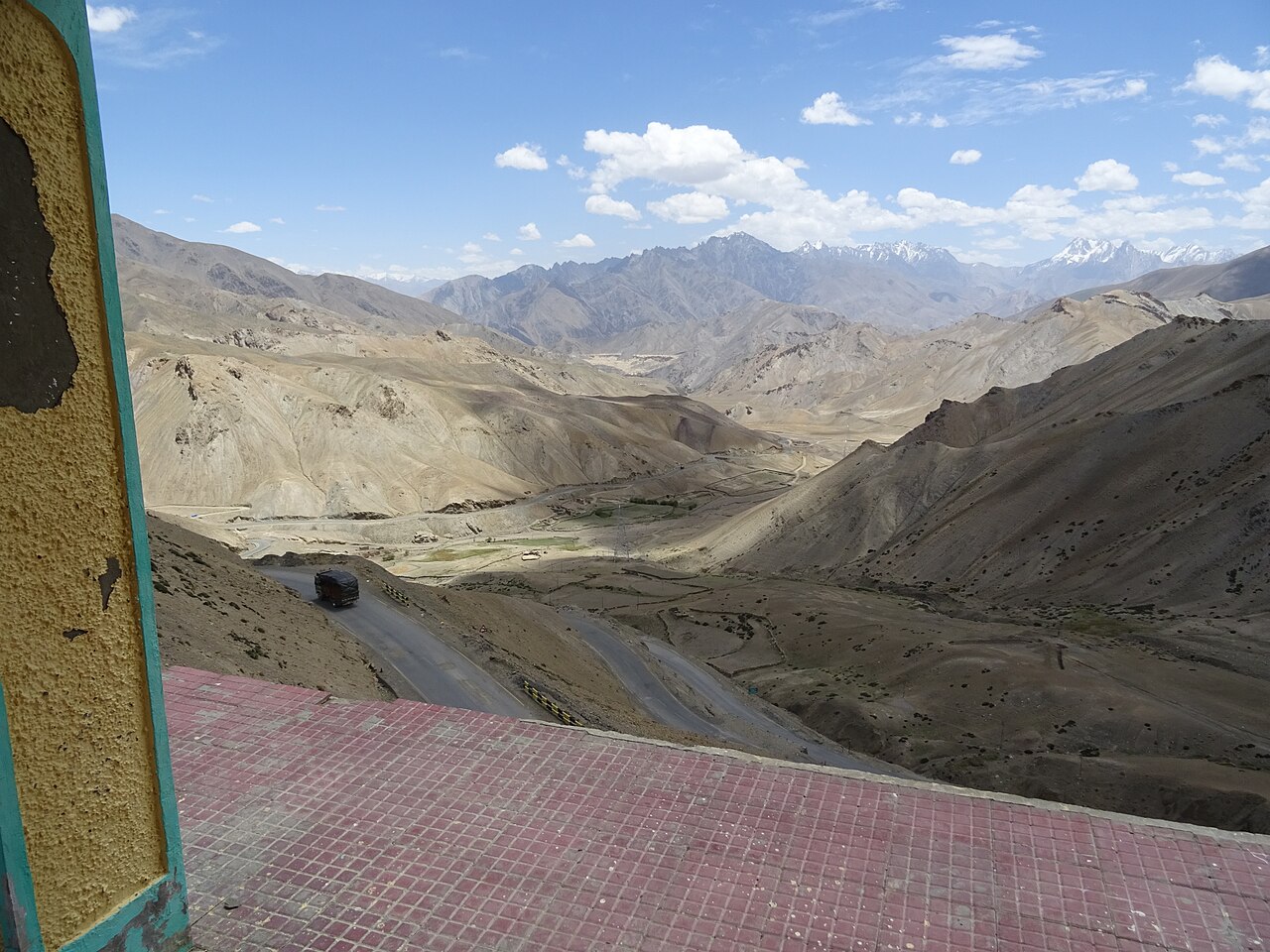
Alternatively, take the road south toward Zanskar Valley before the main tunnel routes get too crowded. The route crosses Penji La pass at 4,400 metres, dropping you right in front of the massive Drang-Drung glacier, which spills out of the mountains like a frozen white tongue.
Before you book
Travelling through Kargil forces you to slow down and look at the details. It is a place shaped by high altitudes, complex geopolitics, and generations of farmers who coax green crops out of dust and glacial meltwater.
Whether you are heading down to Zanskar or looping back towards Srinagar, take a moment to step off the highway and walk through the willow trees along the Suru River. If you need help structuring your route through these valleys, feel free to reach out to our team at Skywale Packages.
Ready to explore the high passes?
Let us help you design a balanced itinerary through Kargil, Zanskar, and the wider Ladakh region without the rush.
Talk to our local specialistsCaption for your own post
Morning light hitting the poplar trees along the Suru River in Kargil. A landscape built on resilience and glacial meltwater.
Written by
Kashmir, Jammu & Ladakh specialists
We plan and run trips across Kashmir, Jammu and Ladakh every week of the year. Everything here comes from routes we drive, stays we inspect and questions our travellers actually ask.
Written after four seasons of leading overland groups across the Srinagar-Leh highway.
Quick answers
Questions we get asked
How many days should I spend in Kargil?
Plan for three days. Spend one day visiting the war memorial in Drass, one day exploring the Suru Valley towards Panikhar, and one day walking the local markets and old quarters.
Is Kargil town worth visiting for general tourists?
Yes, especially if you enjoy off-the-beaten-path destinations, rich Balti heritage, and dramatic river valley landscapes that see a fraction of Leh's tourist traffic.
What is the best way to travel from Kargil to Zanskar?
The road runs south through the Suru Valley over Penji La pass. Shared sumos run daily during summer months, but renting a private 4x4 vehicle with a local driver gives you flexibility for photography stops.
When is apricot harvesting season in Kargil?
Apricots ripen across the Suru and Drass valleys between late July and mid-August. This is the ideal time to see orchards heavy with fruit and taste local varieties.
Photography credits
- Photo: Rajani Gairshail · CC BY-SA 4.0
- Photo: PROBSFDelhi · CC BY-SA 4.0
- Photo: Kamalydv · CC BY-SA 4.0
- Photo: Chris Hunkeler · CC BY-SA 2.0
- Photo: Avantika1988 · CC BY-SA 4.0
- Photo: Chris Hunkeler from Carlsbad, California, USA · CC BY-SA 2.0
- Photo: Avantika1988 · CC BY-SA 4.0