The History of Kargil: Understanding its Past and Present
A deep dive into the strategic significance and historical timeline of India's gateway to Ladakh.
When did the Kargil war happen? We look at the history, the leadership, and why this remote Himalayan town matters to the region.
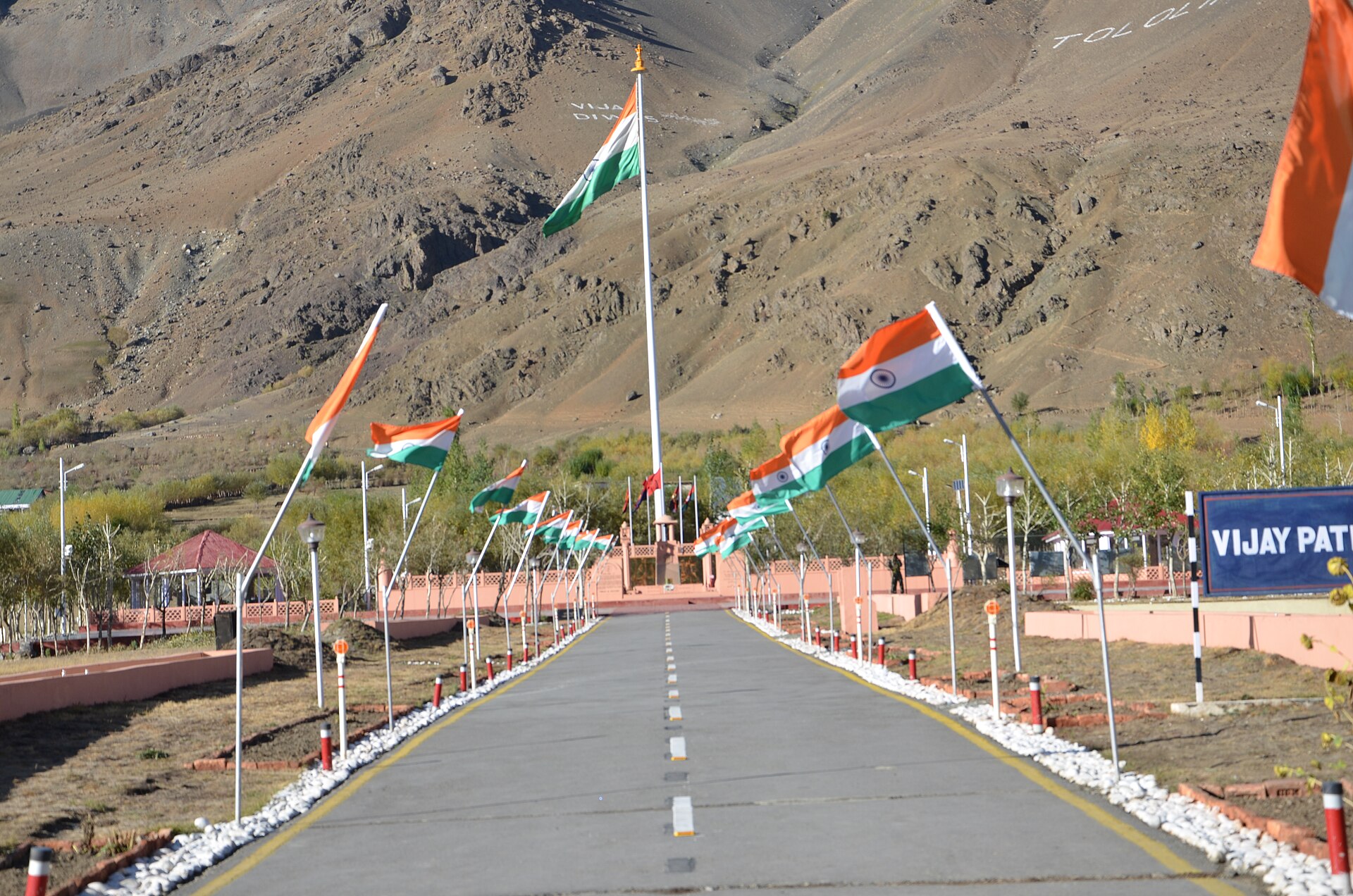
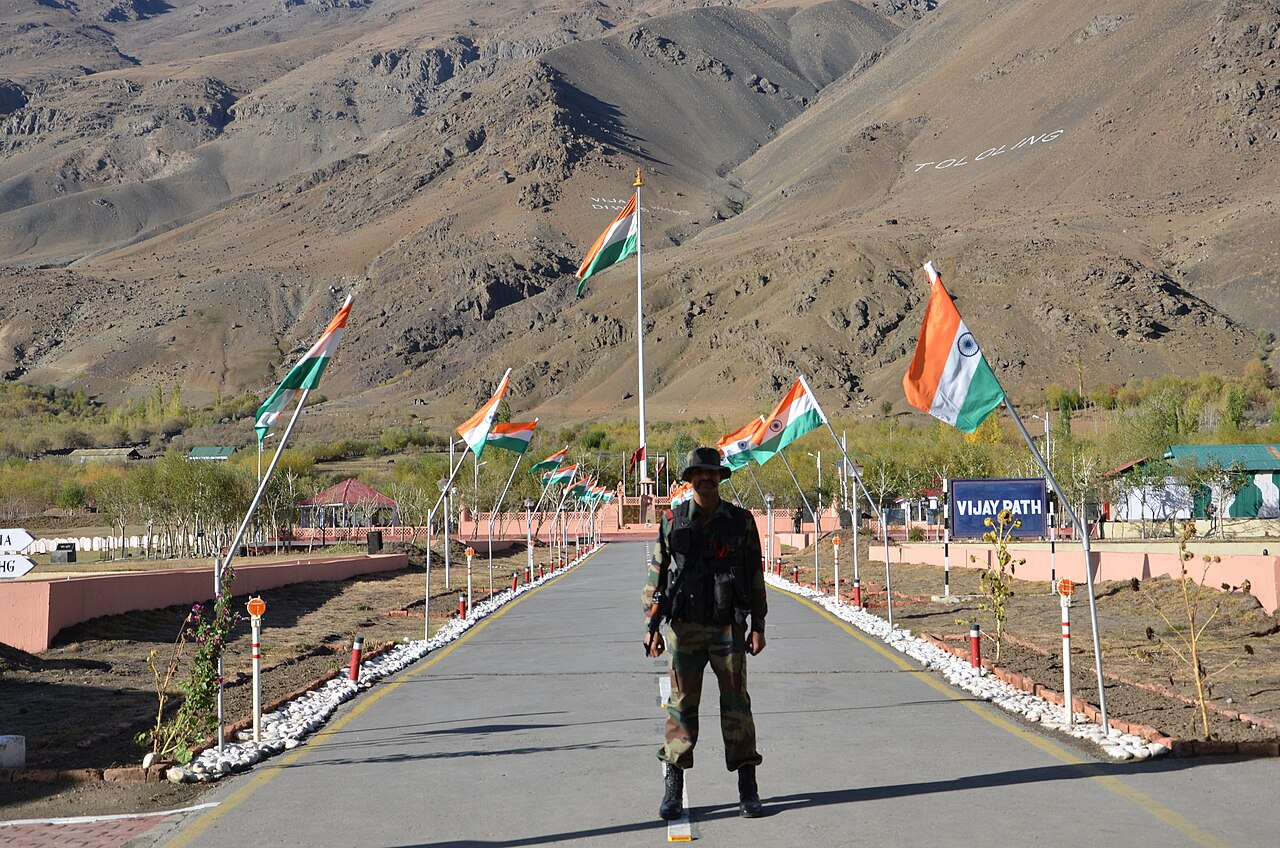
The Kargil War Memorial stands as a reminder of the 1999 conflict.Photo: Darshancg · CC BY-SA 4.0
The wind at the Kargil War Memorial carries a specific weight, a silence that forces even the loudest tour groups to slow their pace.
I remember my first time standing in front of the sandstone walls, scanning the thousands of names etched in gold. You don't come here for a typical holiday snapshot; you come to understand a chapter of history that shifted the regional balance of the high Himalayas.
Many travellers ask when did the kargil war happen while they are planning their route from Srinagar. It is a fair question, as the events of 1999 still define the identity of this town. Understanding this history is essential if you want to travel through Ladakh with context.
The 1999 Conflict Timeline
The conflict unfolded in the summer of 1999. Tensions began in early May when soldiers discovered intrusions in the mountainous sectors overlooking the Srinagar-Leh highway. By late May, the Indian Air Force joined the ground operation, and full-scale combat lasted until July 26, 1999.
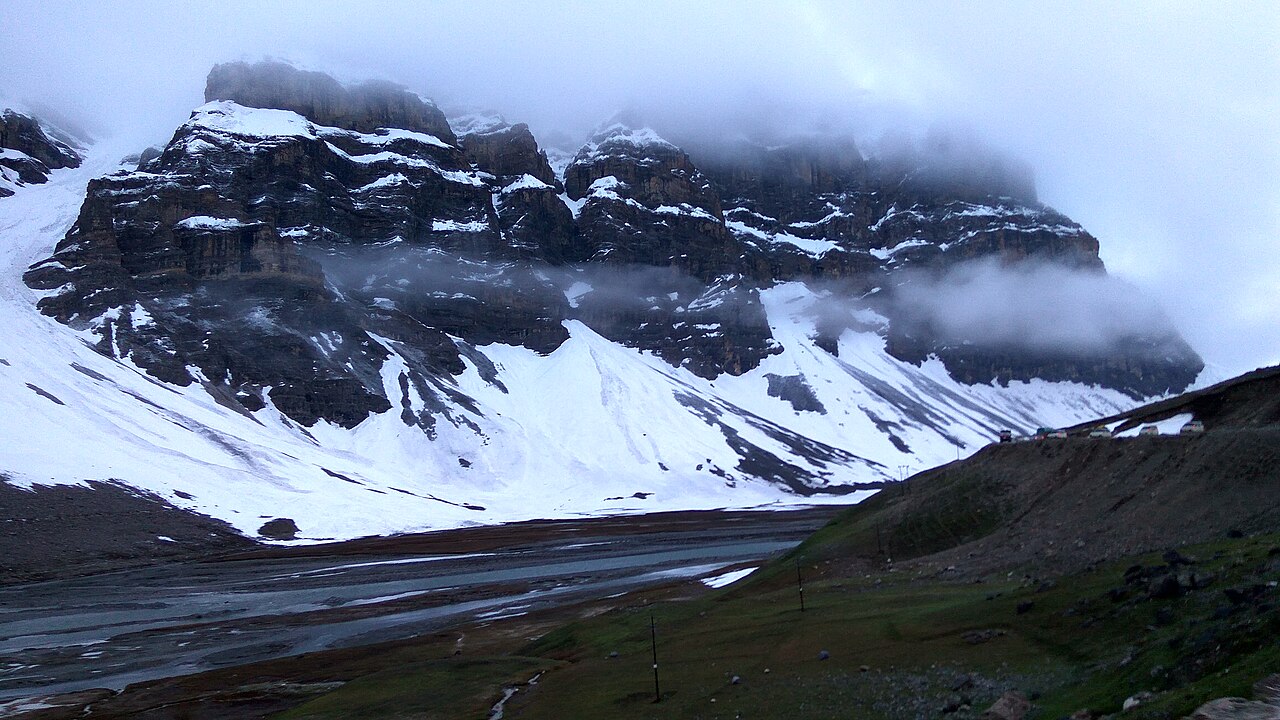
It was a brutal, high-altitude engagement. Troops were fighting at heights exceeding 16,000 feet, where the air is thin and the terrain is jagged granite. This wasn't a static front; it was a series of difficult climbs and narrow ridge assaults under constant fire.
Leadership during the War
When asking when did the kargil war happen, people also wonder about the political climate. The Prime Minister of India at the time was Atal Bihari Vajpayee. His leadership during those months was marked by a firm stance on diplomatic pressure while maintaining full support for the military operations on the ground.
The synergy between the political leadership and the military high command was instrumental in navigating the international concerns of the time. They chose to limit the conflict to the Kargil district rather than letting it escalate into a wider regional war, a decision that carried significant risk.
Strategic Importance of the Region
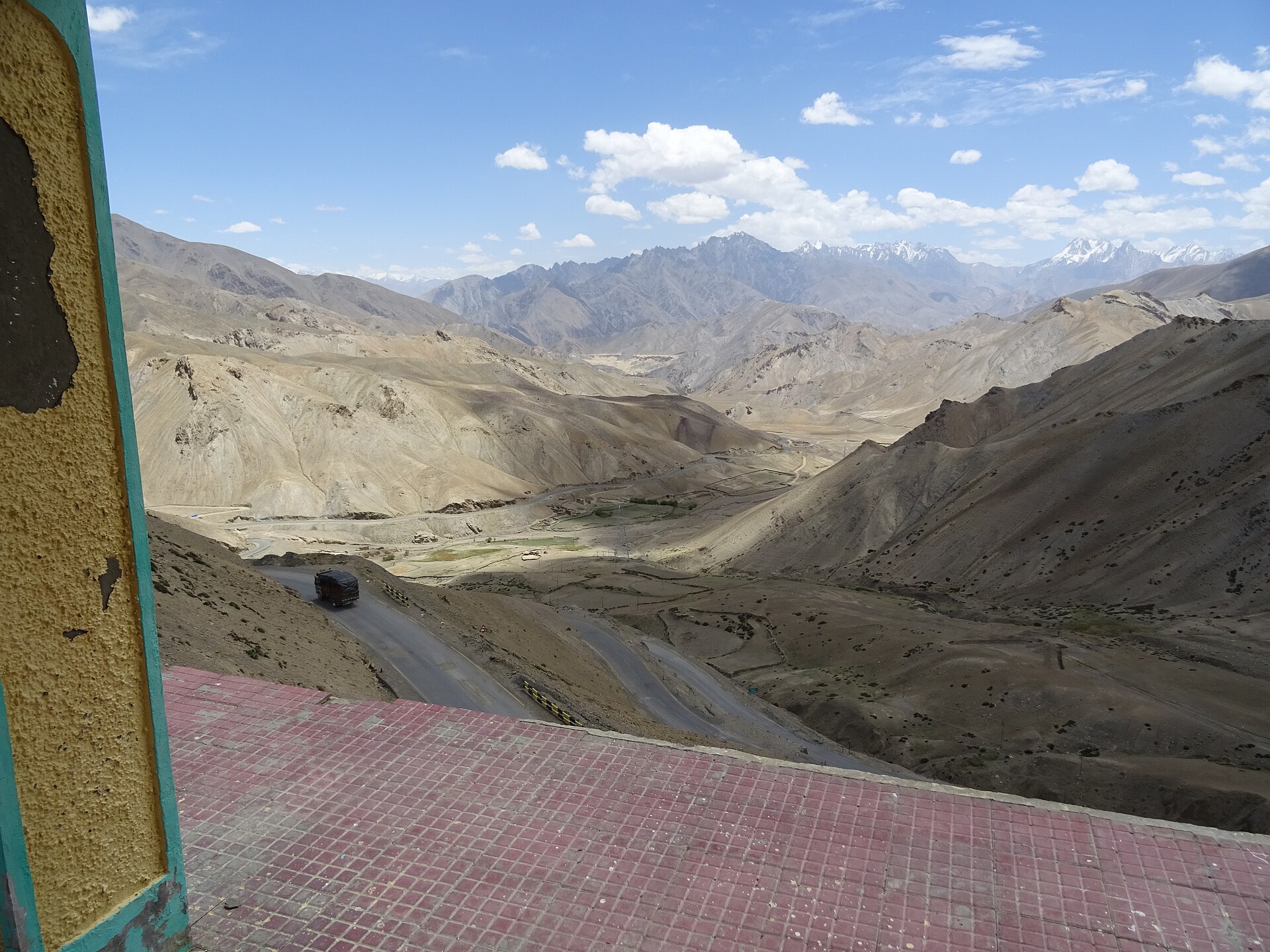
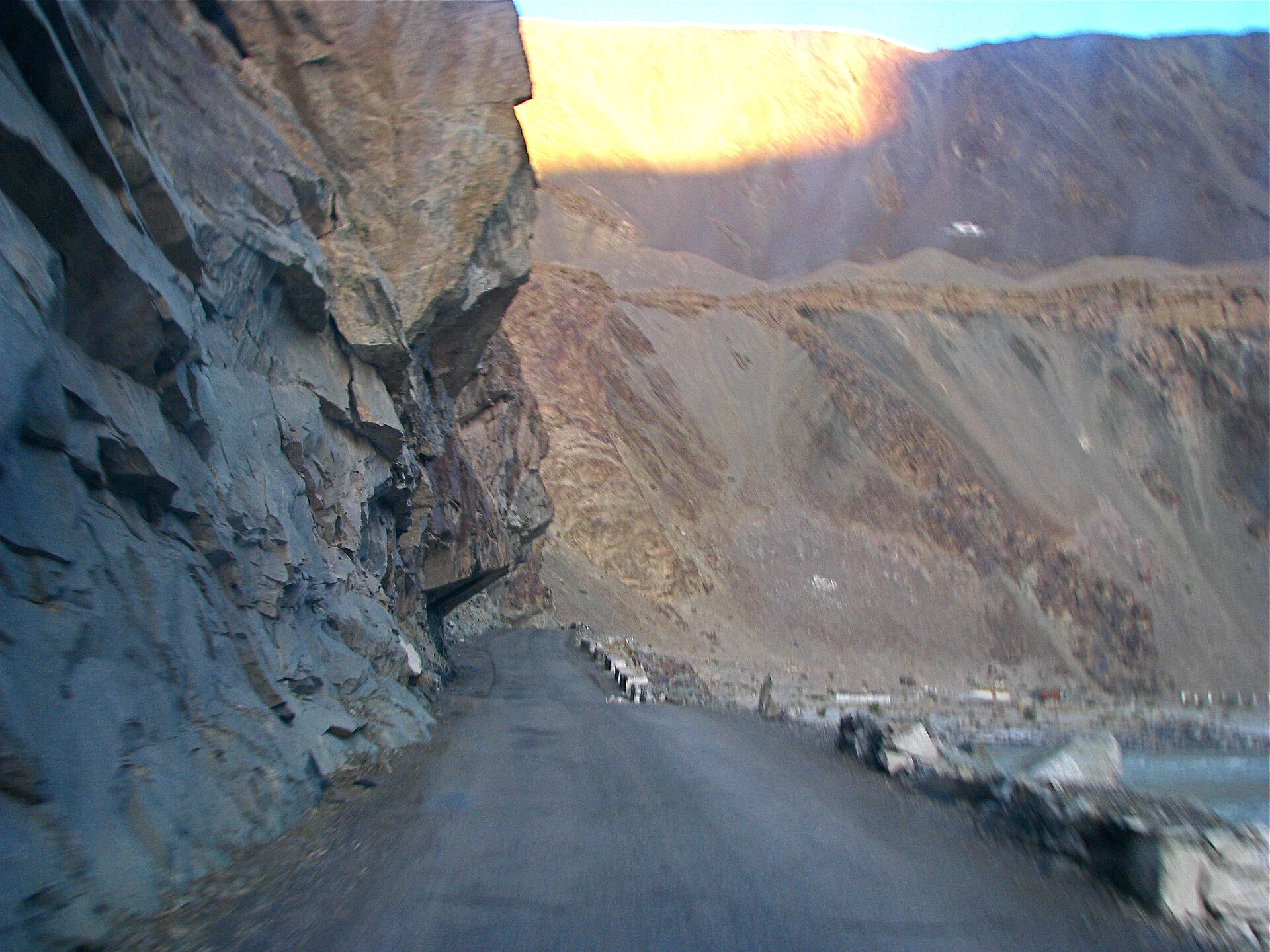
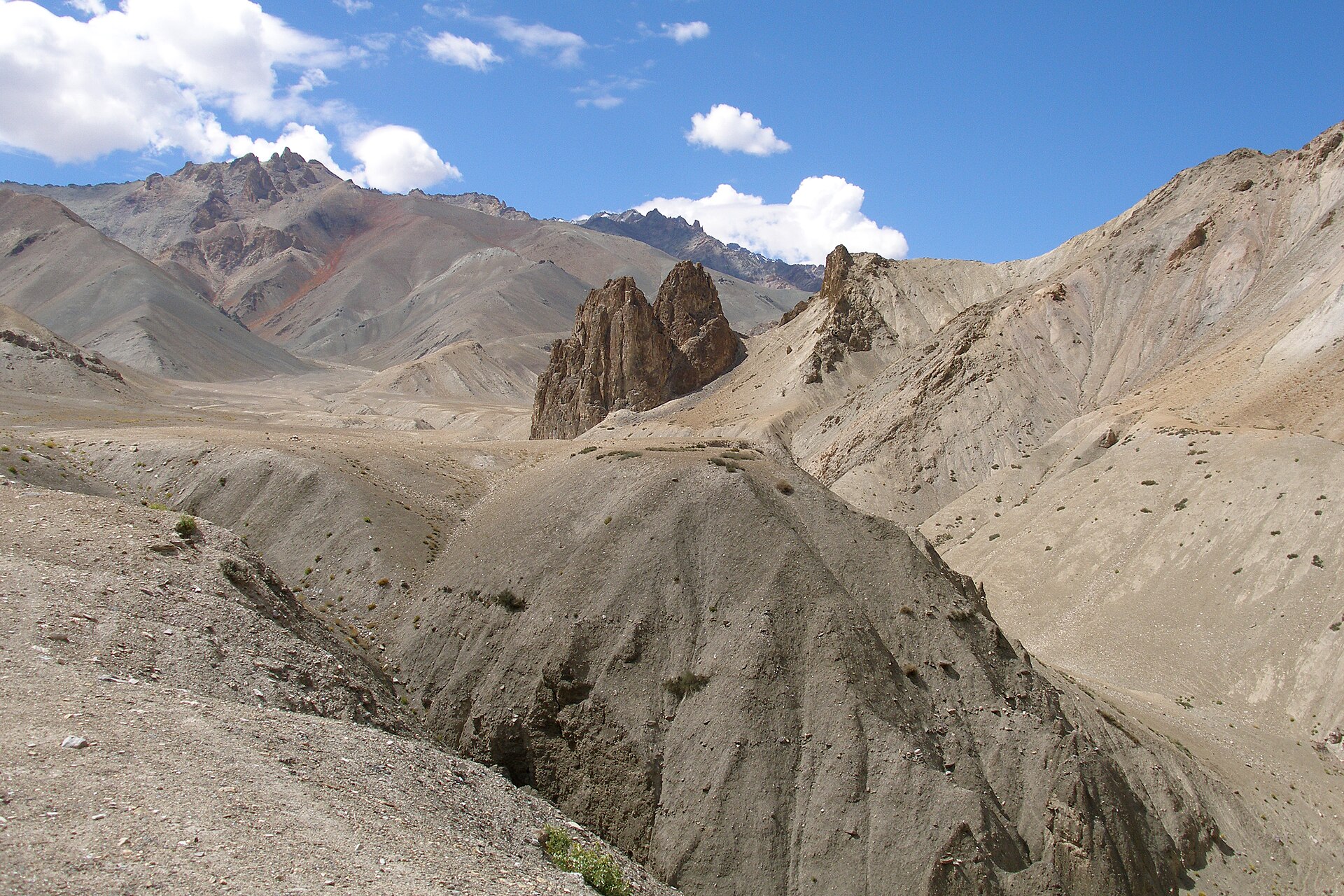
Kargil sits as the crucial buffer between the Kashmir Valley and the high-altitude desert of Ladakh. If you look at a map, you see why the highway passing through Dras and Kargil is the only lifeline connecting Ladakh to the rest of India.
Controlling the ridges above this road meant potentially cutting off supply lines to Leh, which would have been a catastrophic strategic loss. This is why the terrain is so heavily monitored today, and why the town feels different from the monasteries of the Zanskar Valley.
Visiting the Memorial with Respect
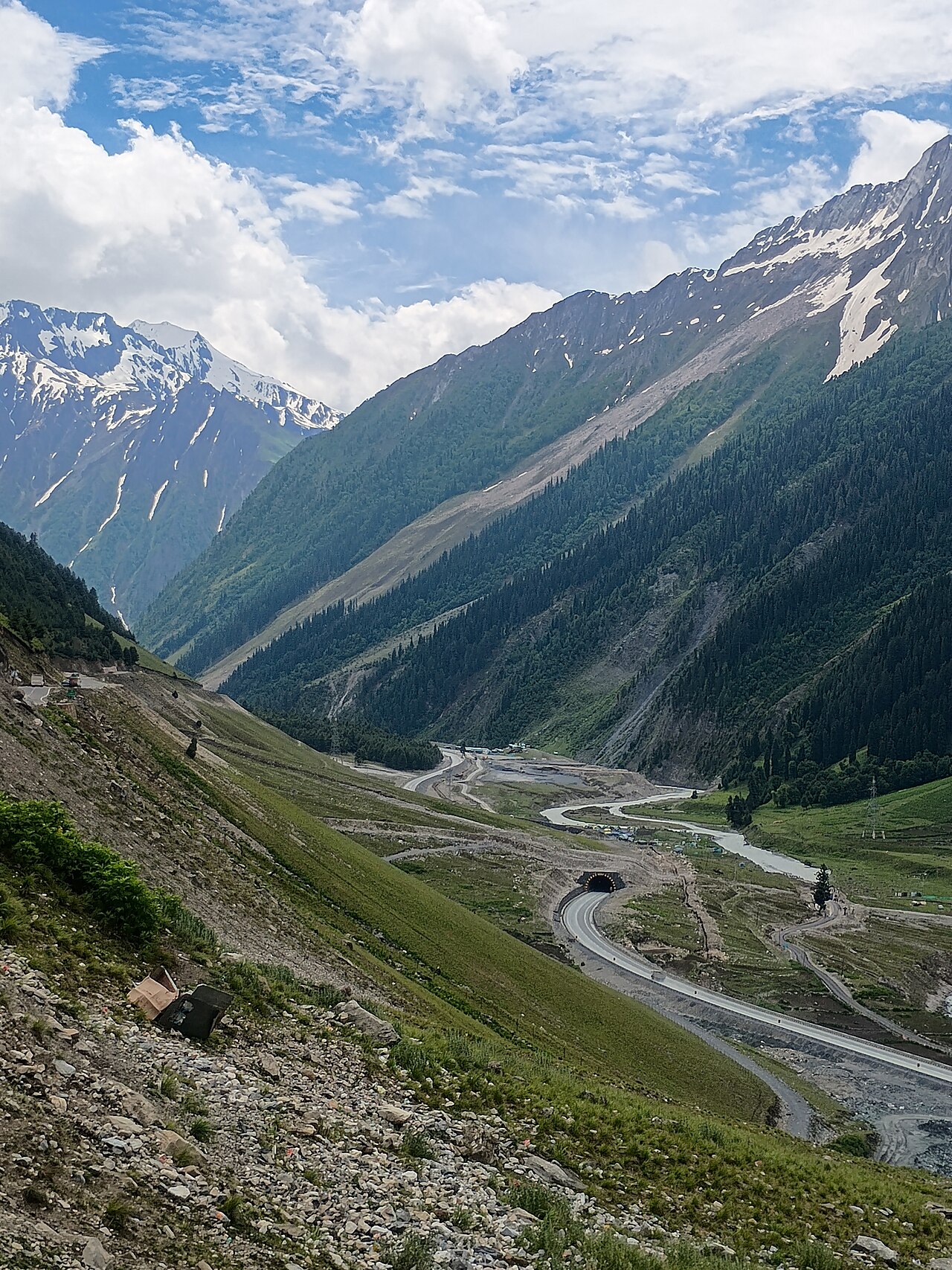
The Kargil War Memorial is located in Dras, a short distance from the town center. If you are driving from Sonmarg, you will reach it shortly after crossing the Zoji La pass. It is best to arrive early in the morning when the light hits the mountain faces.
Visitors should keep in mind that this is a site of remembrance. While cameras are allowed, keep your interactions quiet. Reading the plaques takes time, and the staff are often veterans who can share insights that no guidebook can provide.
Before you book
Learning about the history of Kargil transforms your journey from a simple sightseeing trip into a deeper observation of the landscape. When you look up at the peaks, you start to see the geography not just as a view, but as a theatre of endurance.
If you are planning your own visit to the region, feel free to reach out. We help many travellers structure their trips to ensure they have enough time to stop at the memorial and properly explore the history of the town.
Start Planning Your Ladakh Trip
Let us help you design a route that honors the history and beauty of the region.
Contact UsWritten by
Kashmir, Jammu & Ladakh specialists
We plan and run trips across Kashmir, Jammu and Ladakh every week of the year. Everything here comes from routes we drive, stays we inspect and questions our travellers actually ask.
Quick answers
Questions we get asked
When did the kargil war happen?
The Kargil War occurred in the summer of 1999, with major combat operations taking place between May and July.
Who was the PM during the Kargil War?
The Prime Minister of India during the 1999 Kargil conflict was Atal Bihari Vajpayee.
Where is the memorial located?
The Kargil War Memorial is situated in the town of Dras, which is about 60 kilometers before you reach Kargil if you are coming from Srinagar.
Is it okay to visit the memorial as a tourist?
Yes, the memorial is open to the public and serves as a major point of interest for travellers passing through the region. Just remember it is a place of solemn tribute.
What is the best time of year to visit the memorial?
Summer, between June and September, is the best time. The road via Zoji La is closed during the winter months due to heavy snow.
Photography credits
- Photo: Darshancg · CC BY-SA 4.0
- Photo: Vyacheslav Argenberg · CC BY 4.0
- Photo: Bikram.3458 · CC BY-SA 4.0
- Photo: Darshancg · CC BY-SA 4.0
- Photo: Rajani Gairshail · CC BY-SA 4.0
- Photo: Rajani Gairshail · CC BY-SA 4.0
- Photo: Avantika1988 · CC BY-SA 4.0