The Seasons of Bangus Valley: When to Visit
Wondering when the snow clears? This guide breaks down the best time to visit Bangus Valley, explaining why summer is the only window for deep exploration.
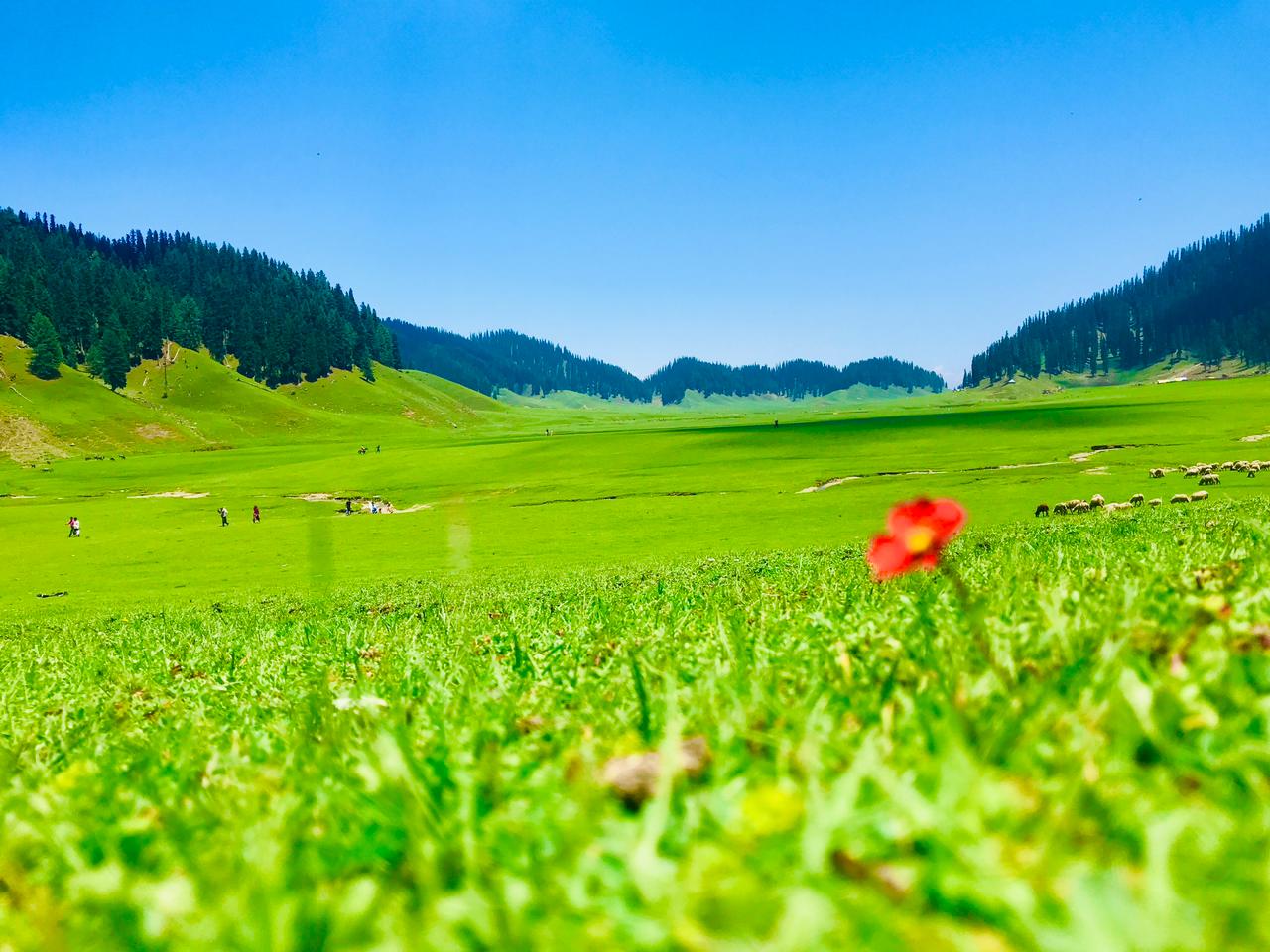
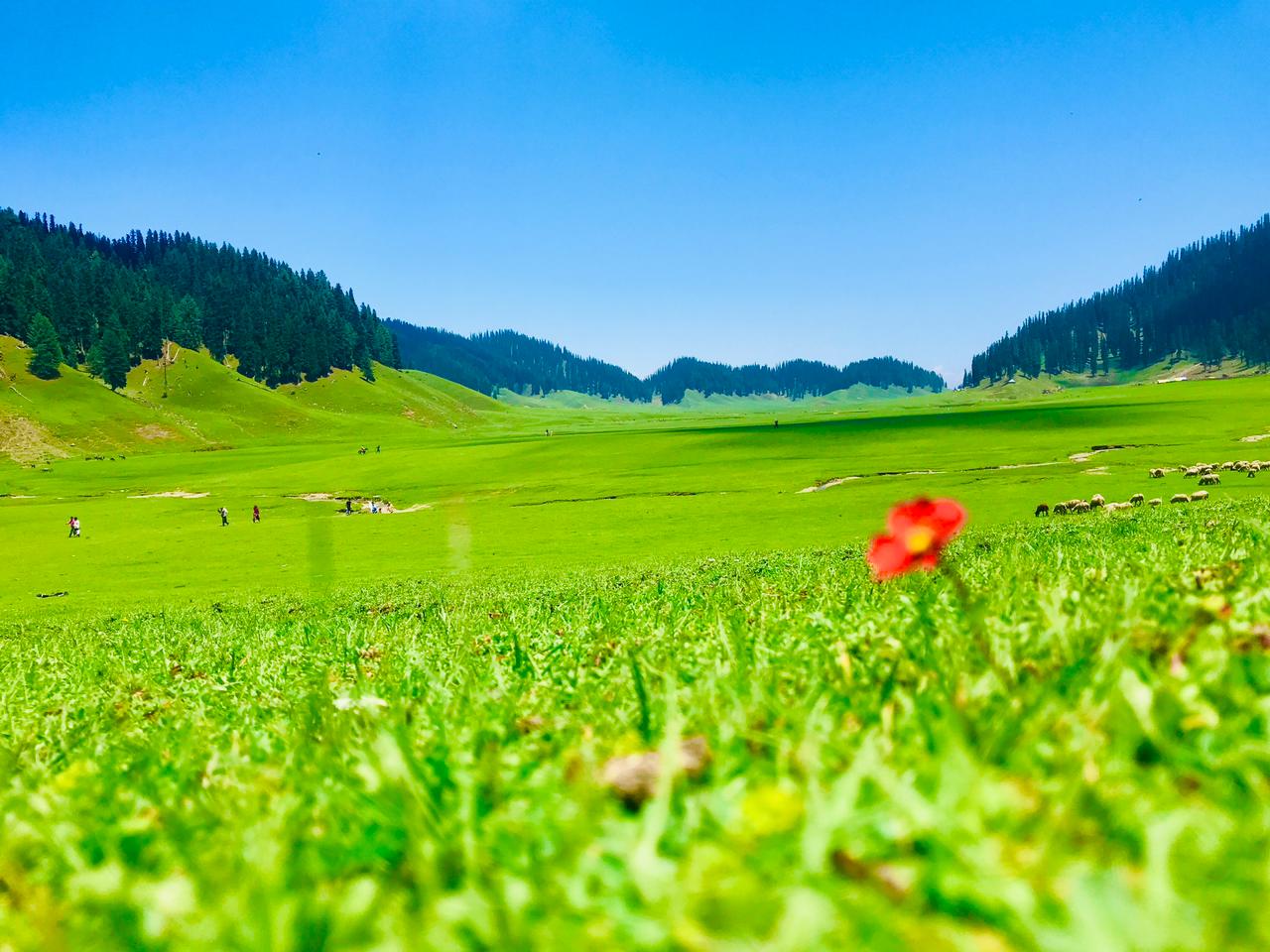
The peak of summer is the best time to see the meadows in full bloom.Photo: Umar Bin Ilyass · CC BY-SA 4.0
Bangus is a high-altitude bowl that holds onto winter longer than almost anywhere else in the valley. If you arrive too early, you will find yourself staring at mud and melting slush. If you arrive too late, you might be caught in the first pre-winter storms that close the access roads entirely.
The best time to visit Bangus Valley is a short, beautiful window. Because of its elevation and remote location in Kupwara, it does not follow the same tourism calendar as the crowded spots in Srinagar. This guide will help you narrow down your dates.
Understanding the Alpine Climate
The climate here is distinctly alpine. Even during the peak of summer, you can experience all four seasons in a single afternoon. The morning might start with clear, crisp sunshine, followed by a heavy fog by mid-day, and a thunderstorm by late afternoon.
Temperatures at night hover near freezing even in July. This is not a tropical or temperate climate; it is a high-altitude wilderness. You must pack in layers because the sun is intense at this altitude, but the wind chill is biting the moment it disappears behind a cloud.
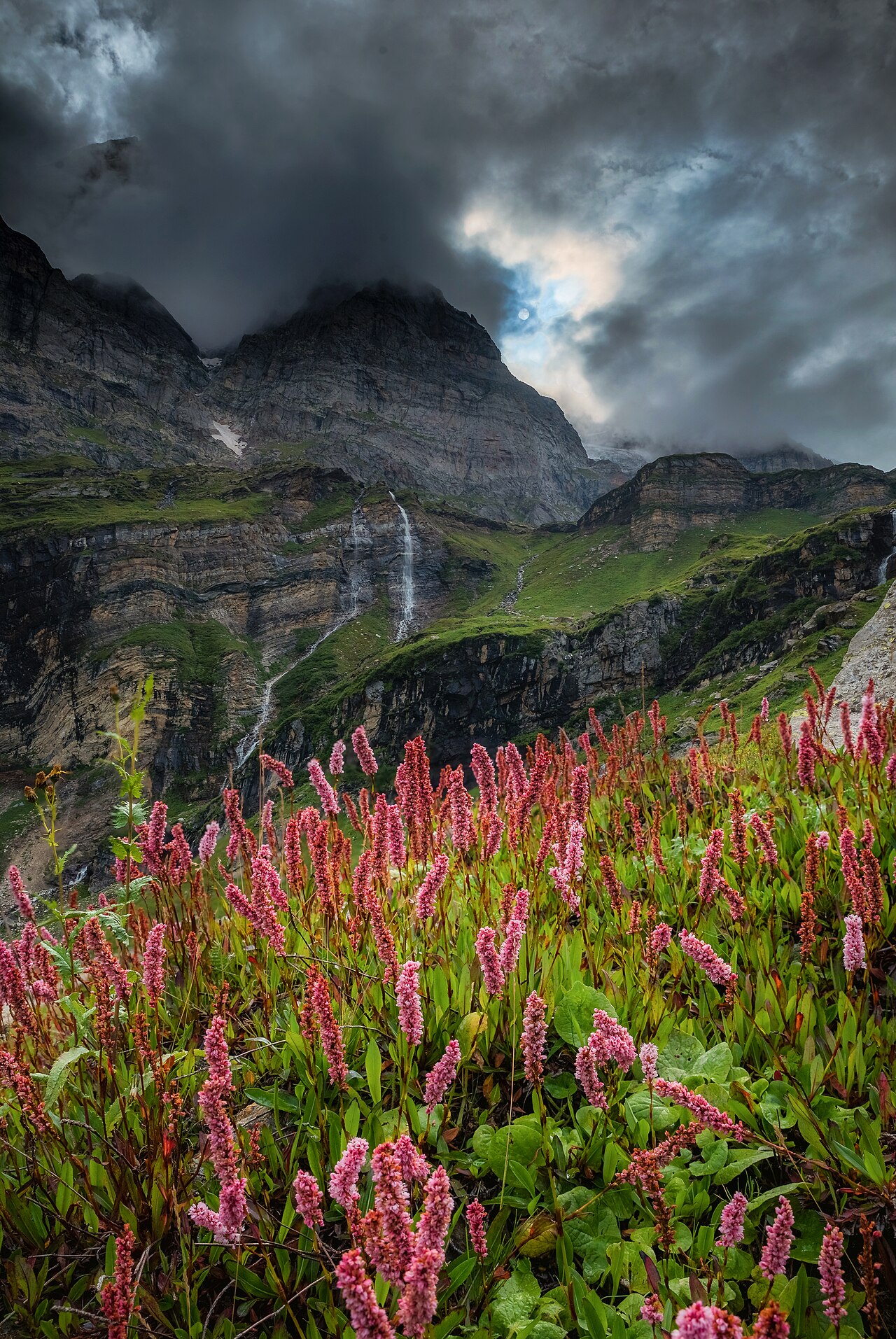
Early Summer: The Green Awakening
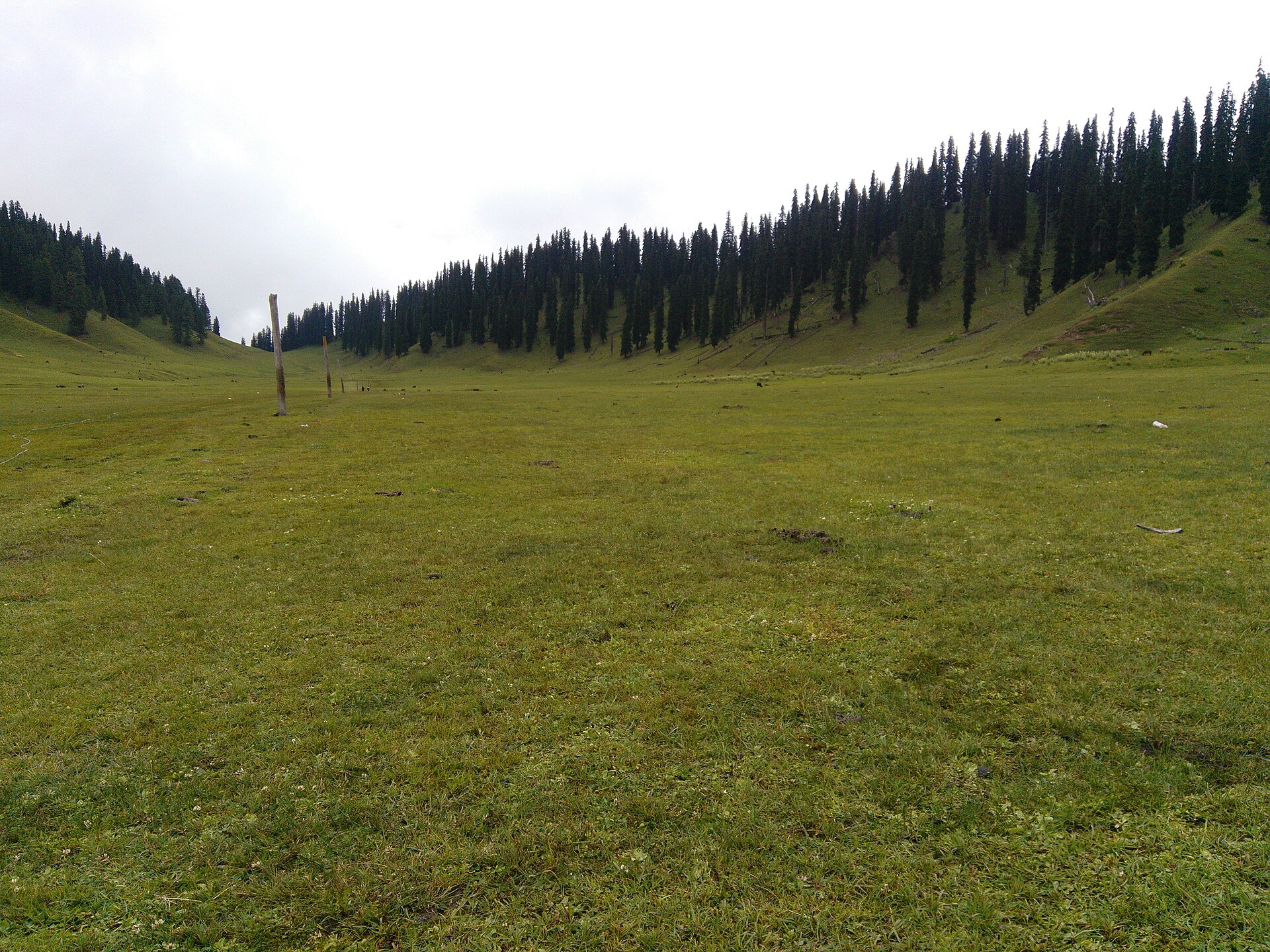
Late May and early June mark the 'Green Awakening.' The snow has finally melted from the main meadows, and the first wildflowers begin to push through the damp earth. This is a very quiet time in the valley, with few visitors.
However, be aware that the ground can be soft and the access roads are often still recovering from the winter thaw. We only recommend this period for travelers who are comfortable with rugged conditions and potential delays in transport.
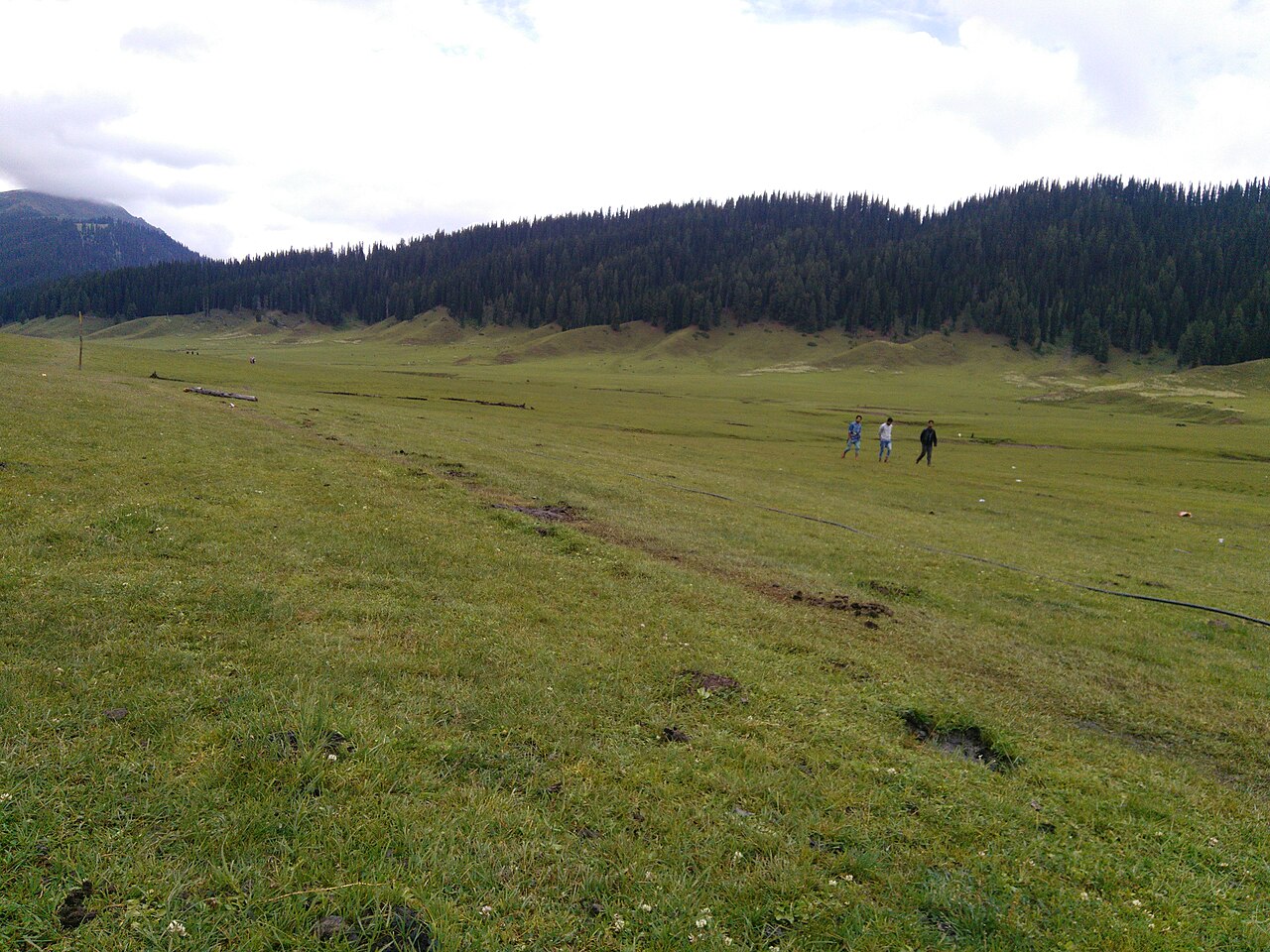
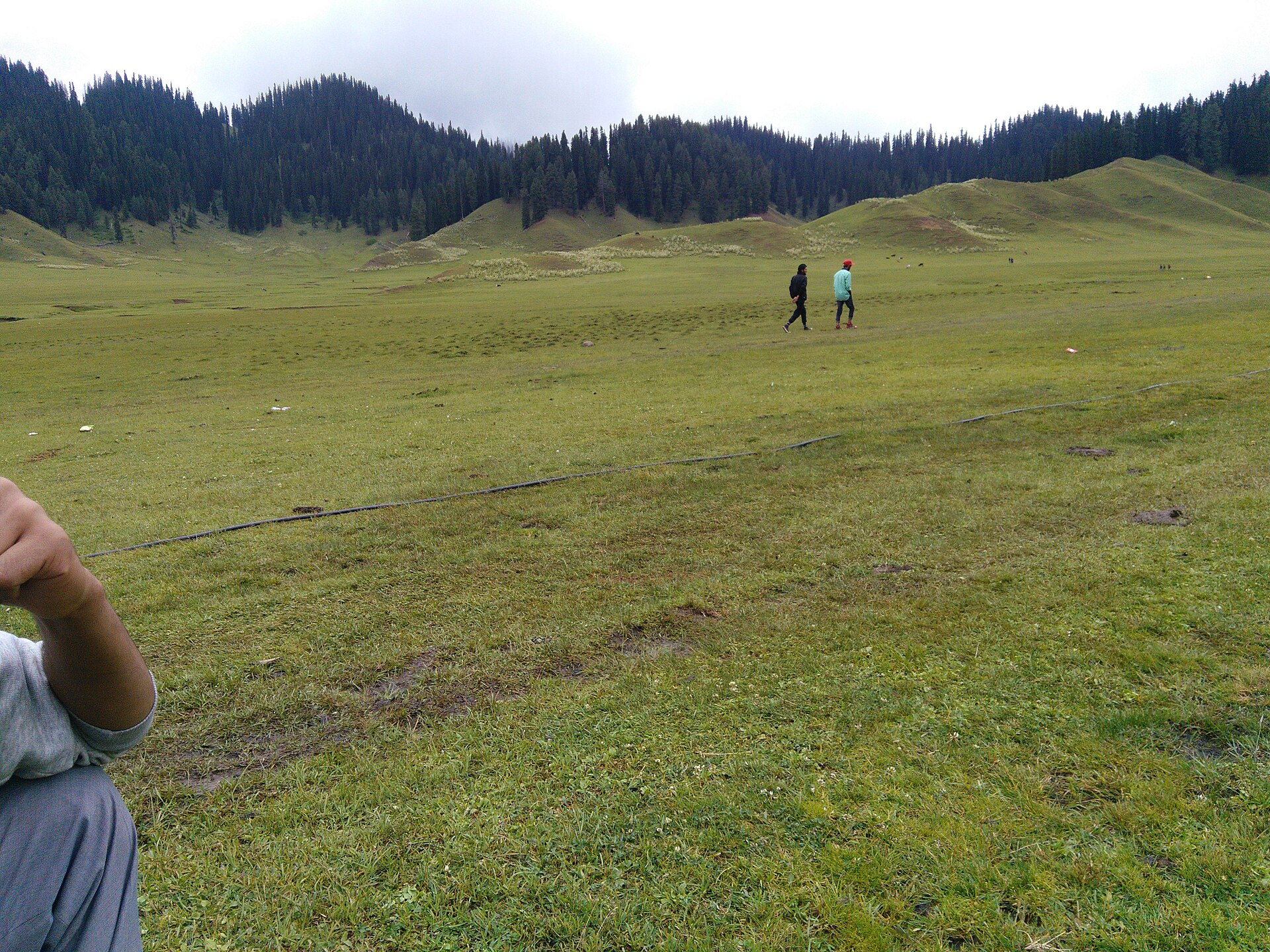
Peak Season: July to September
This is the sweet spot. If you want to know the best time to visit Bangus Valley, it is between July and September. The grass is at its thickest, the wildflowers are in full bloom, and the sky is generally reliable enough for camping.
July and August offer the most consistent weather, though you should still expect sudden shifts. By late September, the air starts to get a crisp, autumnal edge. This is when the nights start to get noticeably colder, but the trekking conditions are often the best of the year.
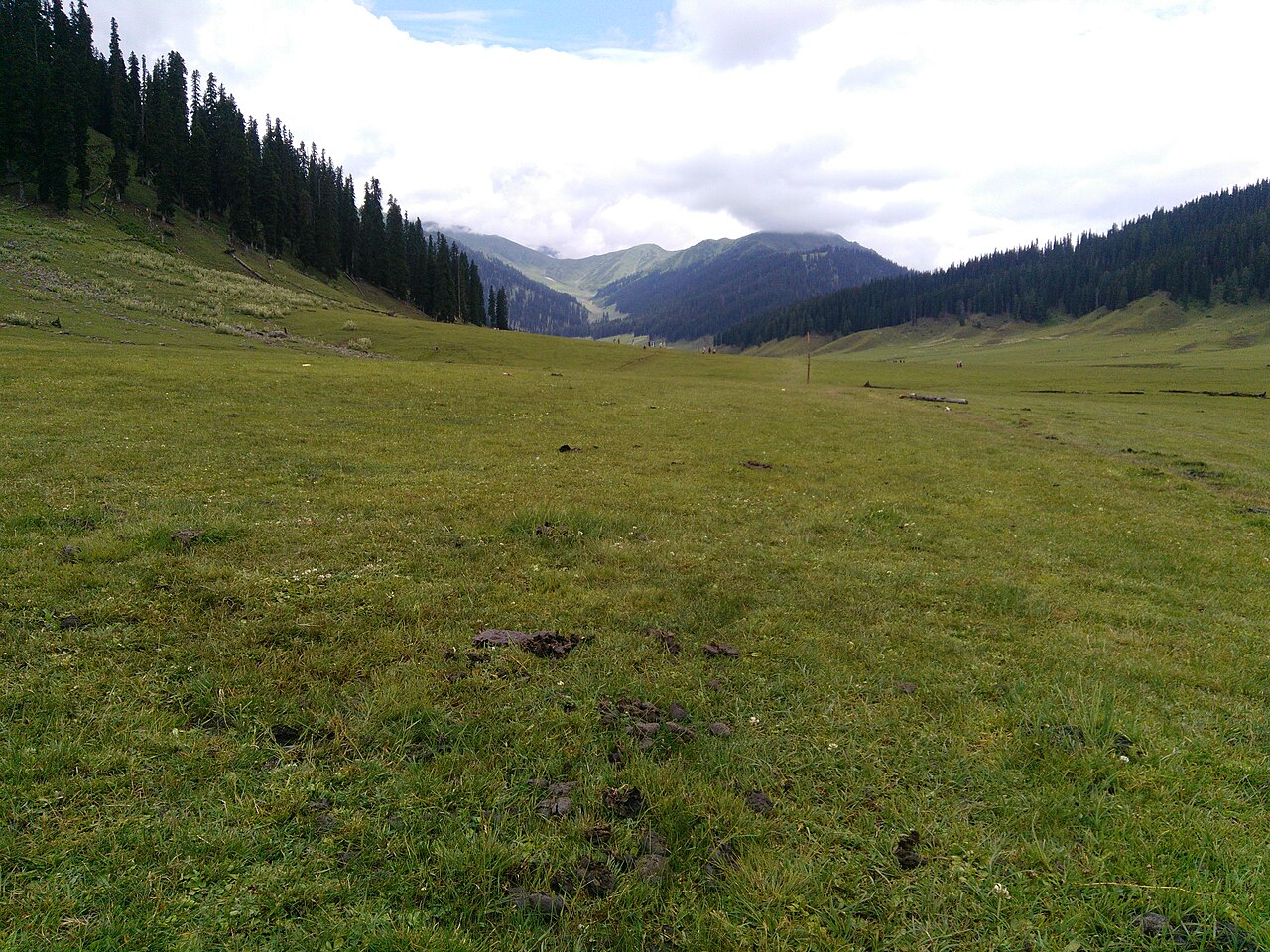
The Autumn Shift
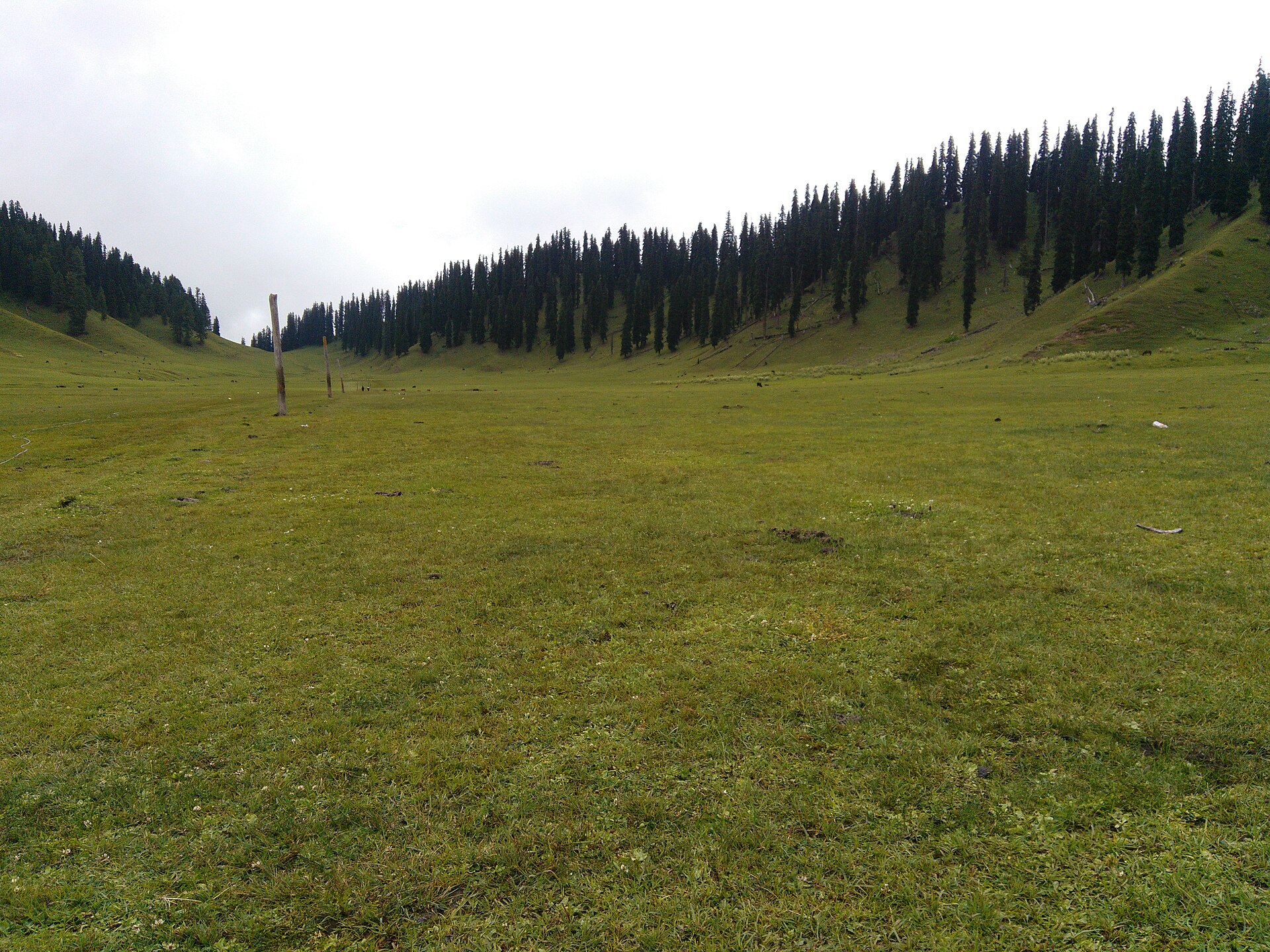
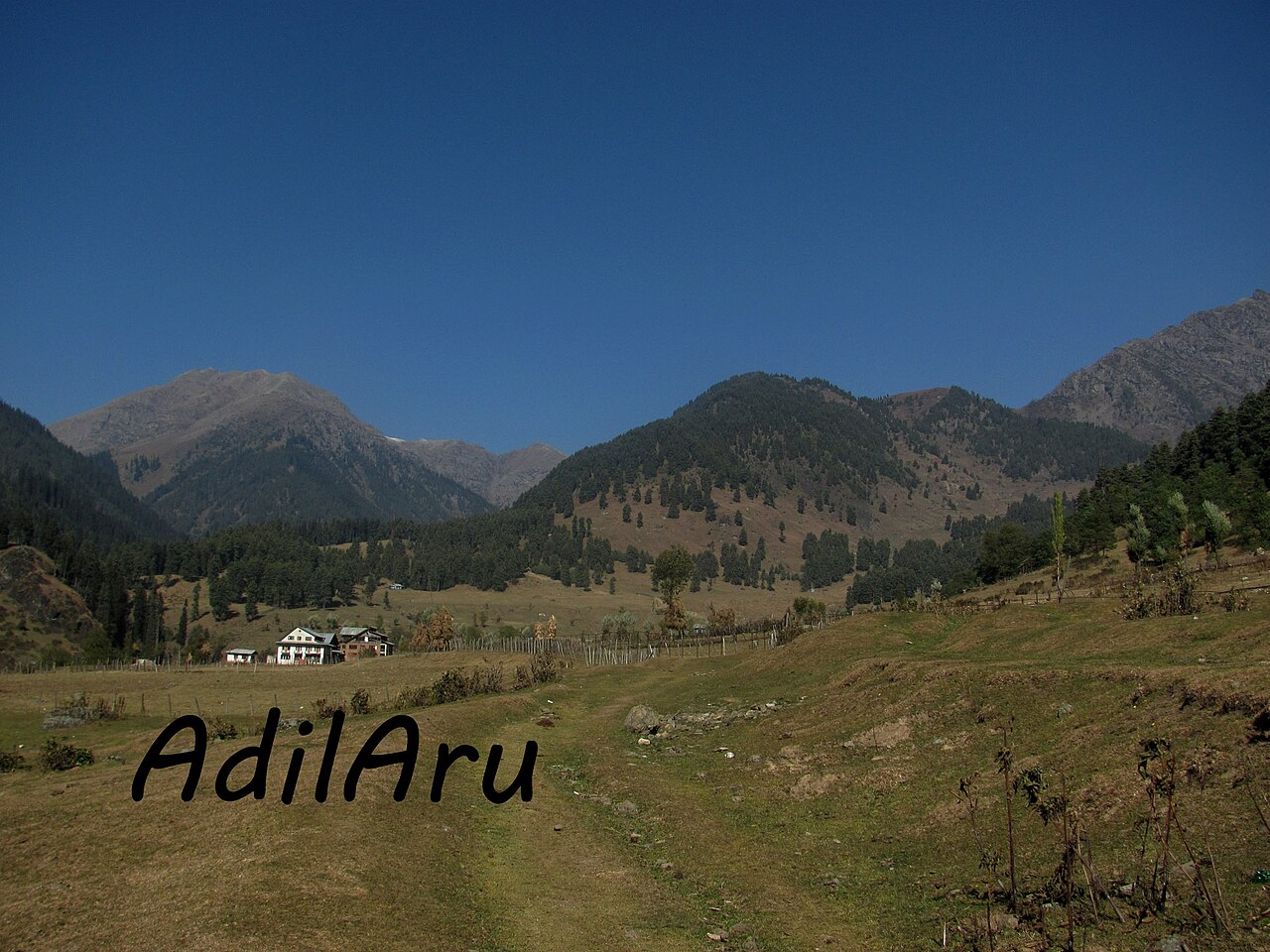
By October, Bangus begins to prepare for winter. The vibrant green turns to a muted, golden brown, and the herds of sheep begin their descent. It is a stunning time for photography, but it is not for the casual visitor.
The temperatures drop rapidly, and the risk of early snowfall increases. If you choose to visit in October, you must have a flexible schedule. The road access can change overnight, and local guides will prioritize safety over reaching the most remote interior parts of the bowl.
Why Winter Access is Limited
Winter in Bangus is absolute. Snowfall is heavy and persistent, often covering the landscape for five months or more. The roads leading into the Kupwara hinterlands become impassable for standard vehicles.
Unless you are part of a specialized expedition with snow-equipped transport and heavy-duty winter gear, you cannot visit in the winter. The valley effectively closes down, returning to the nomadic silence that defines it for most of the year.
Before you book
Bangus Valley is a place of seasonal extremes. The brief summer is the only time the earth truly opens up for visitors.
If you are planning your trip, give yourself a margin of a few days. The mountains have a way of changing the plan, and that is part of the charm.
Ready to pick your dates?
We can help you evaluate current weather patterns and road conditions for your preferred travel window.
Check AvailabilityWritten by
Kashmir, Jammu & Ladakh specialists
We plan and run trips across Kashmir, Jammu and Ladakh every week of the year. Everything here comes from routes we drive, stays we inspect and questions our travellers actually ask.
Quick answers
Questions we get asked
Is it safe to visit in June?
June is beautiful but unpredictable. Some trails may still be muddy from the melting snow, so come prepared with sturdy boots.
Does it rain much in the summer?
Summer storms are common. They are often short-lived but intense, so bring high-quality rain gear for your packs and tents.
What is the coldest month to camp?
October is the coldest month where camping is still viable. By November, it becomes extremely challenging due to the wind and sub-zero night temperatures.
Photography credits
- Photo: Umar Bin Ilyass · CC BY-SA 4.0
- Photo: Umar Bin Ilyass · CC BY-SA 4.0
- Photo: Maqsood aktar · CC BY-SA 4.0
- Photo: Umar Bin Ilyass · CC BY-SA 4.0
- Photo: Umar Bin Ilyass · CC BY-SA 4.0
- Photo: AdilAru · CC BY-SA 3.0
- Photo: Idrees Lone 05 · CC BY-SA 4.0