How Wular Lake is Formed: A Geological Deep Dive
Uncovering the tectonic and hydrological origins of Kashmir’s largest freshwater body.
Discover how Wular Lake is formed, its ancient tectonic roots, and its vital role in the history of the Kashmir Valley.
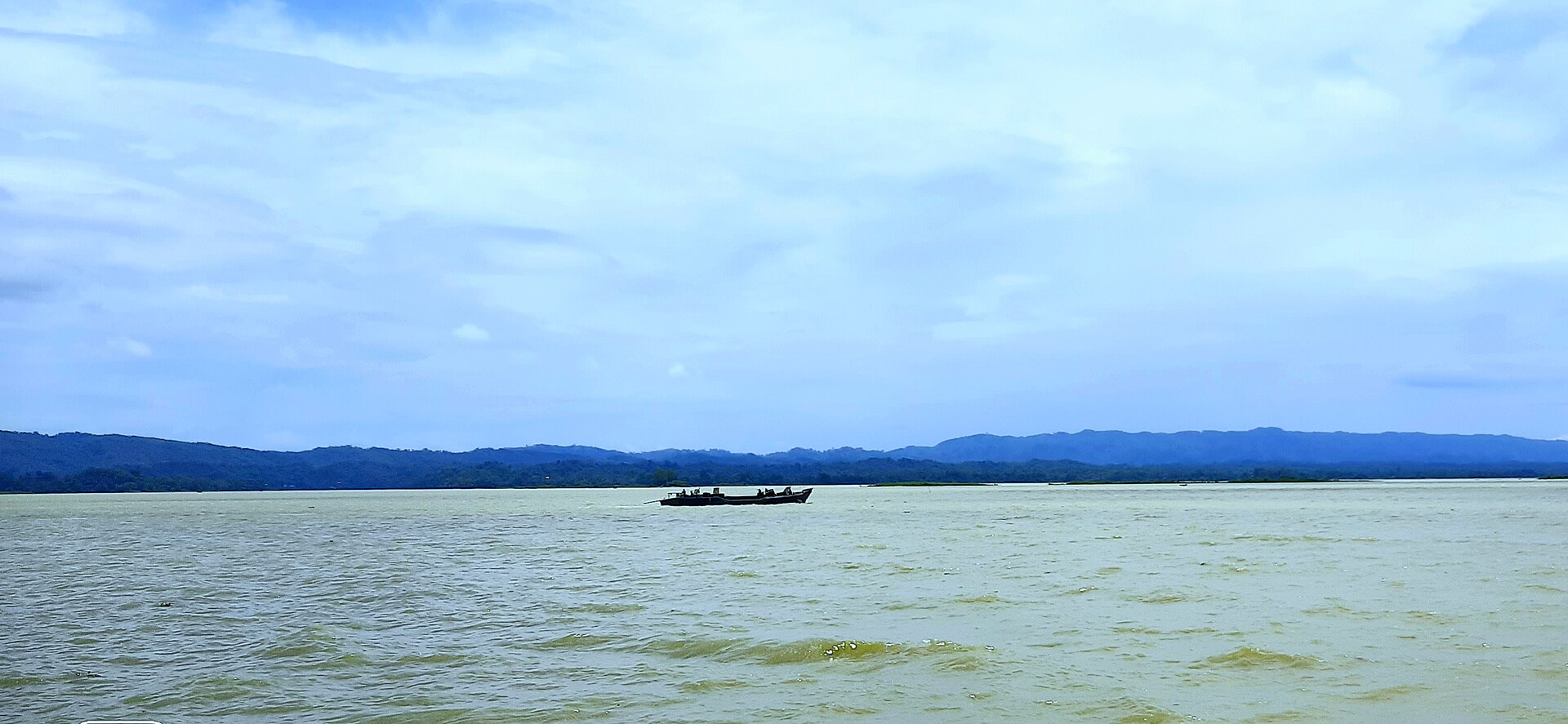
The quiet, expansive surface of Wular Lake turns violet during the golden hour.Photo: Ethanhunt47 · CC BY-SA 4.0
I once stood on the banks of Wular Lake in mid-October, watching the water turn a deep, reflective violet under the fading light. Most visitors see a vast, quiet expanse of water, but if you look at the surrounding mountains, you can see the story of a valley that has been restless for millions of years.
Understanding how Wular Lake is formed requires looking back at the violent uplift of the Himalayas. This is not just a pool of water; it is a giant basin shaped by geological forces that continue to shape the landscape of northern Kashmir today.
Tectonic Origins of the Basin
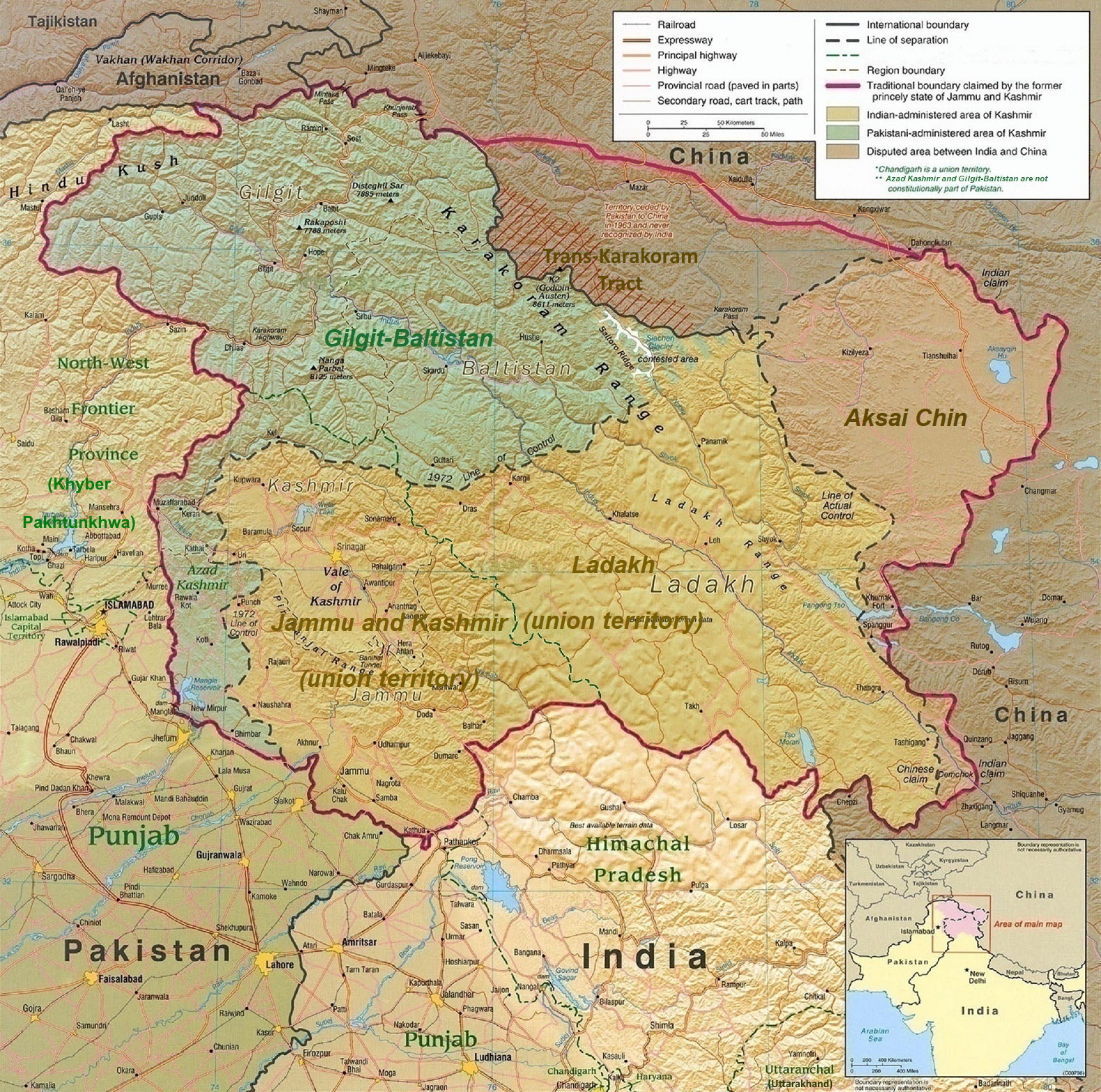
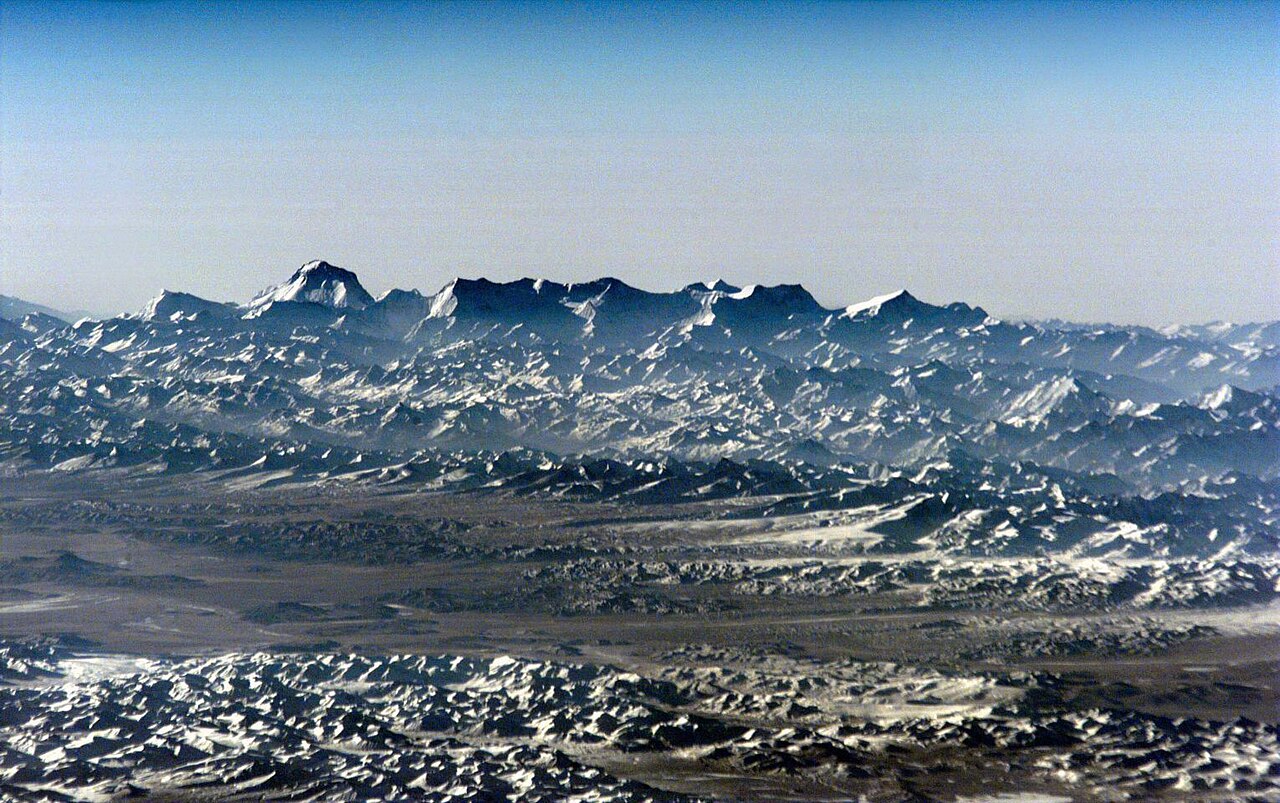
The formation of Wular Lake is tied directly to the tectonic collision between the Indian and Eurasian plates. This collision created the fold mountains that we now call the Pir Panjal and the Zanskar ranges. As these mountains rose, the land between them buckled, creating a massive depression.
Wular sits in a structural trough. Unlike alpine lakes created by glacial scouring, this is a basin that has gradually sunk over millennia. The tectonic instability of the region means the lake’s footprint is constantly adjusting, though these changes happen at a pace far slower than the movement of the Jhelum river.
The Role of the Jhelum River
The Jhelum is the heartbeat of Wular. As it flows down from the Verinag spring and makes its way through the valley floor, it carries massive amounts of sediment. Wular acts as a natural balancing reservoir, or a shock absorber, for the river.
In the spring, when the snow melts in the higher reaches of the Gurez Valley and beyond, the Jhelum swells. Wular widens to accommodate this surge, preventing catastrophic flooding in Srinagar. Without this lake’s capacity to spread out, the valley’s hydrology would look completely different.

Historical Importance to the Kashmir Valley
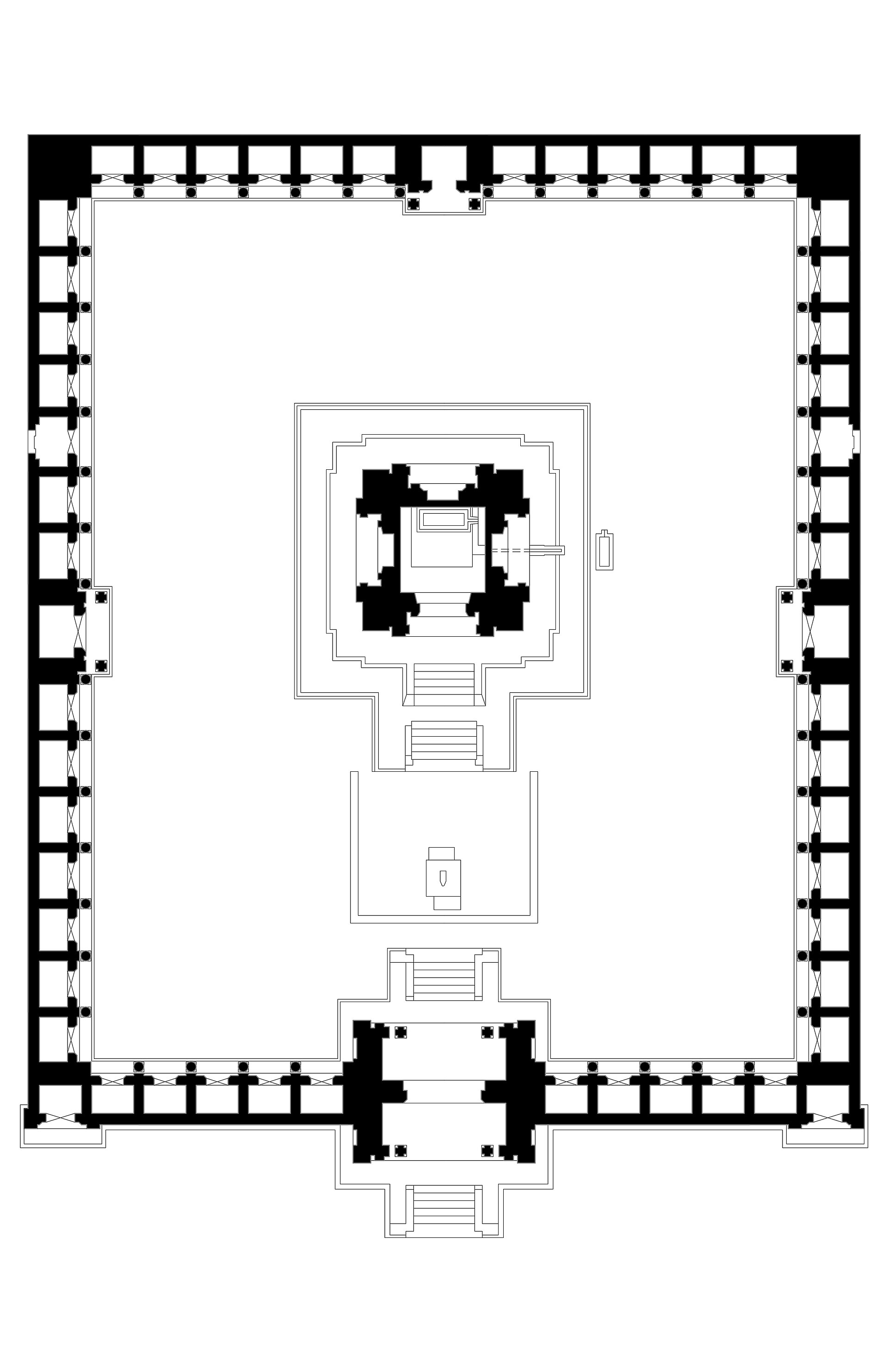
Historically, Wular Lake was the primary gateway for trade and travel. Sultan Zain-ul-Abidin, often called the Great King of Kashmir, recognized its potential centuries ago. He attempted to build an island, Zaina Lank, in the middle of the lake to serve as a retreat and a navigational aid.
Walking on the ruins of Zaina Lank today feels like stepping into a different era. The lake provided food, transport, and safety for settlements that grew along its edge. Its strategic value meant that whoever controlled the banks of Wular effectively held influence over the northern trade routes.
Ecological Evolution and Change
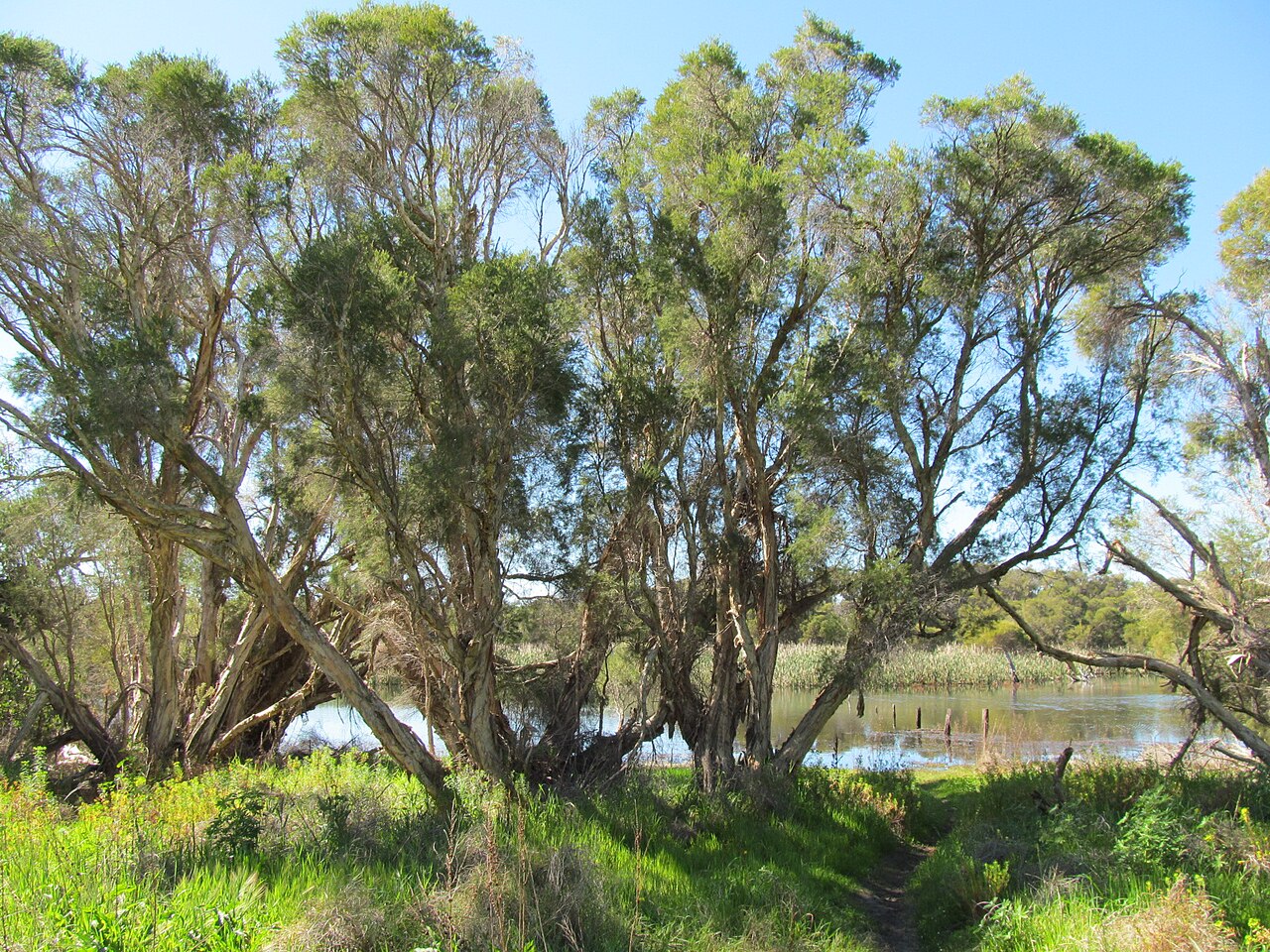
The lake has undergone significant changes in the last century. Siltation, caused by soil erosion in the upper catchments, has reduced the water depth. During my visits, I have noticed how areas that were once open water are now dense with willow plantations or marshes.
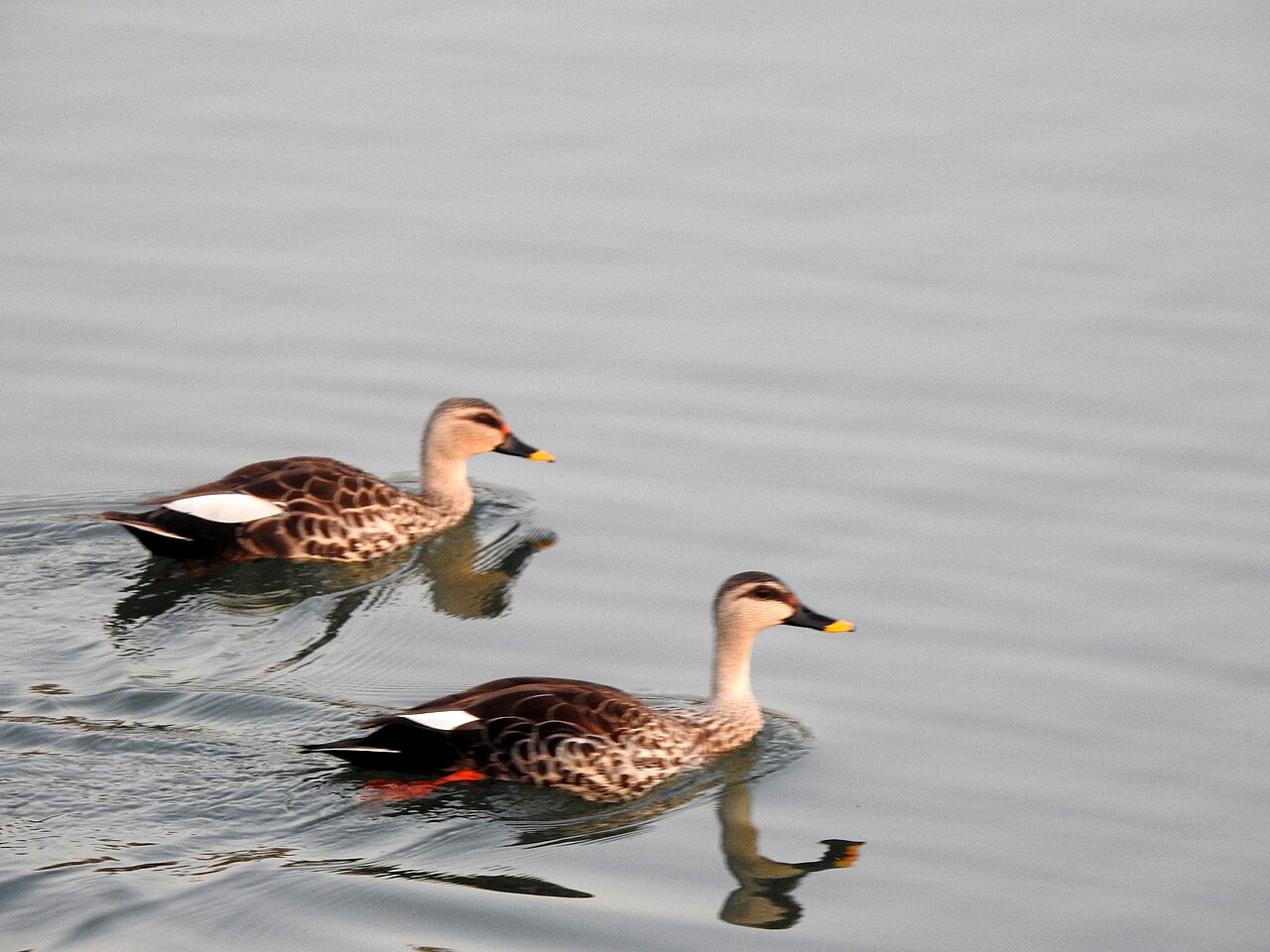
This shift in depth influences the migratory bird patterns. If you visit in winter, the lake becomes a sanctuary for geese, ducks, and cranes. The biodiversity here is a testament to the lake’s resilience against encroaching human development.
The Lake’s Modern Significance
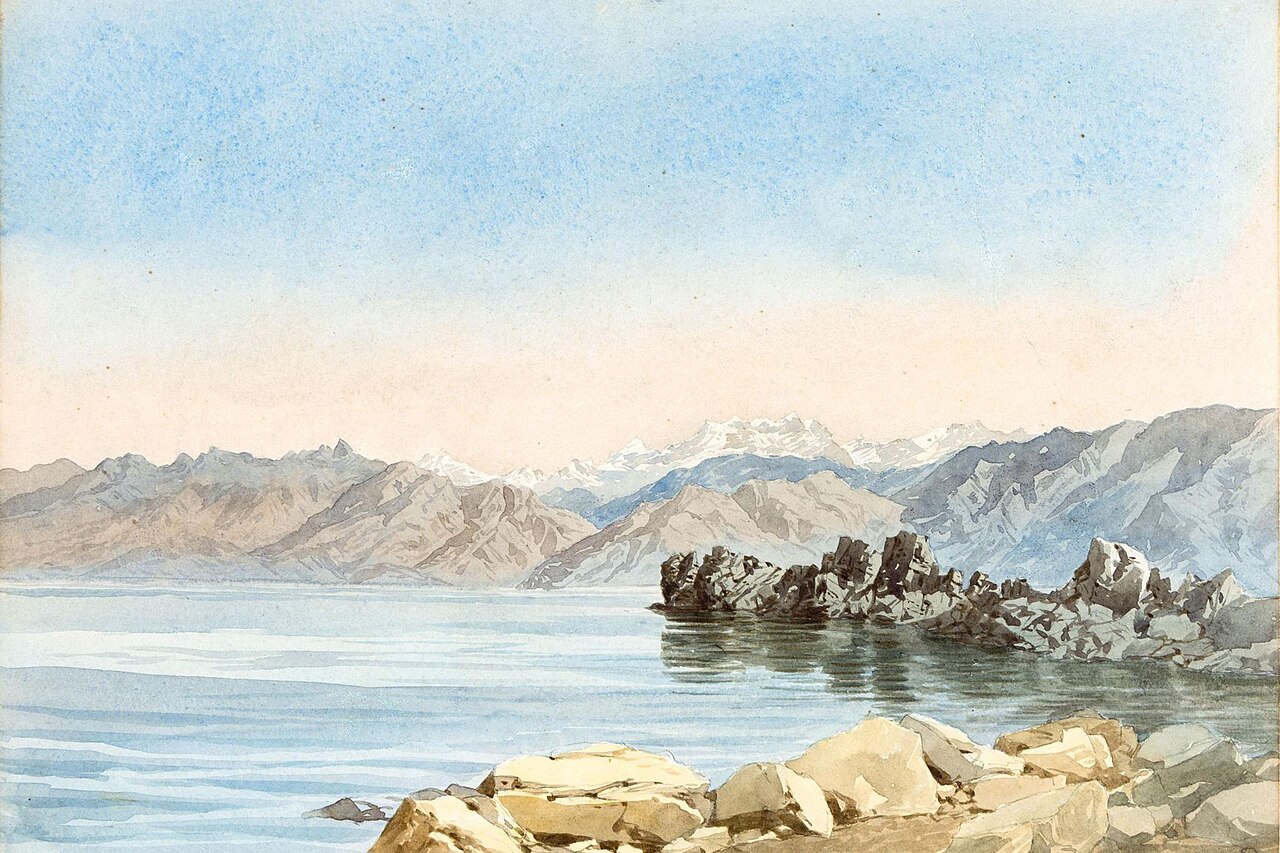
Today, Wular is a critical site for conservation. It is designated as a Ramsar site, a recognition of its importance as a wetland of international importance. Balancing this conservation status with the needs of local fishing communities is the primary challenge facing the region.
We encourage our guests to visit with respect for these ecosystems. Whether you are observing the migratory birds or simply watching the local fishermen, the lake remains the lifeblood of the valley.
Before you book
Wular Lake is far more than just a destination; it is a geological survivor. Its history is etched into the banks of the Jhelum and the memories of the communities that have fished its waters for generations.
If you want to understand the true essence of Kashmir, look beyond the popular gardens and spend a day by the water. We can help you arrange a local guide to show you the parts of the lake that remain untouched by the modern world.
Discover the real Kashmir
We specialize in tailored experiences that go beyond the usual tourist trails. Reach out if you'd like us to help plan your visit to Wular or the quieter corners of the valley.
Contact our local teamWritten by
Kashmir, Jammu & Ladakh specialists
We plan and run trips across Kashmir, Jammu and Ladakh every week of the year. Everything here comes from routes we drive, stays we inspect and questions our travellers actually ask.
Quick answers
Questions we get asked
How was Wular Lake formed?
Wular Lake is a tectonic lake formed by the subsidence of the land between the Himalayan mountain ranges, creating a large basin that captures water from the Jhelum river.
Is Wular Lake a freshwater lake?
Yes, it is the largest freshwater lake in India. It is primarily fed by the Jhelum river and various mountain streams.
Does Wular Lake change in size?
Yes, the surface area fluctuates significantly between the monsoon season and the dry winter months, acting as a natural regulator for the Jhelum.
Why is Wular Lake historically significant?
It served as a key transit route for ancient trade and was the site of significant architectural developments, such as the man-made island built by Sultan Zain-ul-Abidin.
What is the best time to see migratory birds at Wular?
Winter, specifically between November and February, is when the lake attracts thousands of migratory birds, including geese and ducks.
Photography credits
- Photo: Ethanhunt47 · CC BY-SA 4.0
- Photo: Ms Sarah Welch · CC0
- Photo: NASA/Expedition 1 · Public domain
- Photo: Anton Gutmann · CC BY-SA 4.0
- Photo: Harvinder Chandigarh · CC BY-SA 4.0
- Photo: Colonel George Strahan (1839 – 7 January 1911) · Public domain
- Photo: User:Orderinchaos · CC BY-SA 3.0