Stargazing in Nubra Valley: The Best Time to Visit
A practical guide to the dark skies, autumn chill, and high-altitude astrophotography across Ladakh's most dramatic desert valley.
Plan your astrophotography trip to Ladakh with our honest guide on the best time to visit Nubra Valley for clear night skies, freezing temperatures, and zero light pollution.
The brilliant core of the Milky Way visible over the high-altitude desert.Photo: Always urs0509 · CC BY-SA 4.0
The first time I stood outside a guesthouse in Hunder at two in the morning, the sheer weight of the Milky Way practically pinned my shoulders to the frozen sand. There was no hum of a generator, no distant streetlamp, and no haze. Just a billion pinpricks burning through thin air at over three thousand metres.
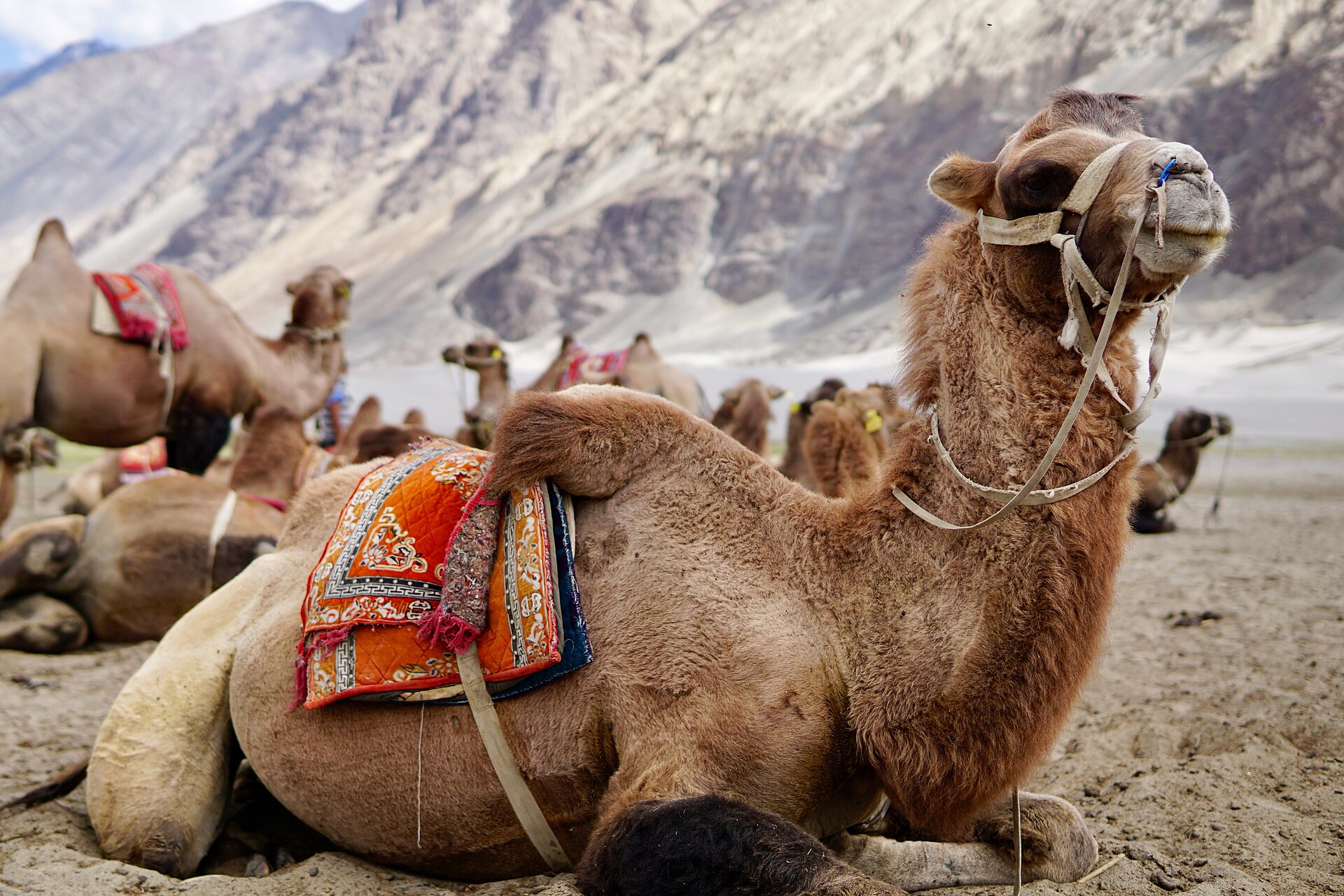
Most travellers come to this part of Ladakh for the double-humped camels and the wind-rippled dunes, packing up their cameras as soon as the sun dips behind the Karakoram range. That is a mistake. The real show begins hours later when the valley floor cools down and the atmosphere settles into absolute stillness.
If you want to experience the best time to visit Nubra Valley for astronomy, you need to look past the peak summer months of July and August. Monsoon clouds spill over the mountains from the south, and afternoon dust can linger. Instead, you want the crisp, stable transition seasons where the air tastes like ice and the stars refuse to twinkle.
Why Nubra Valley Beats Every Other Stargazing Spot
Altitude is your primary ally when looking up at the night space. At roughly 3,000 metres above sea level, you are standing above a significant portion of the Earth's dust, moisture, and atmospheric turbulence. Light rays travel through far less air mass here than they do at sea level.
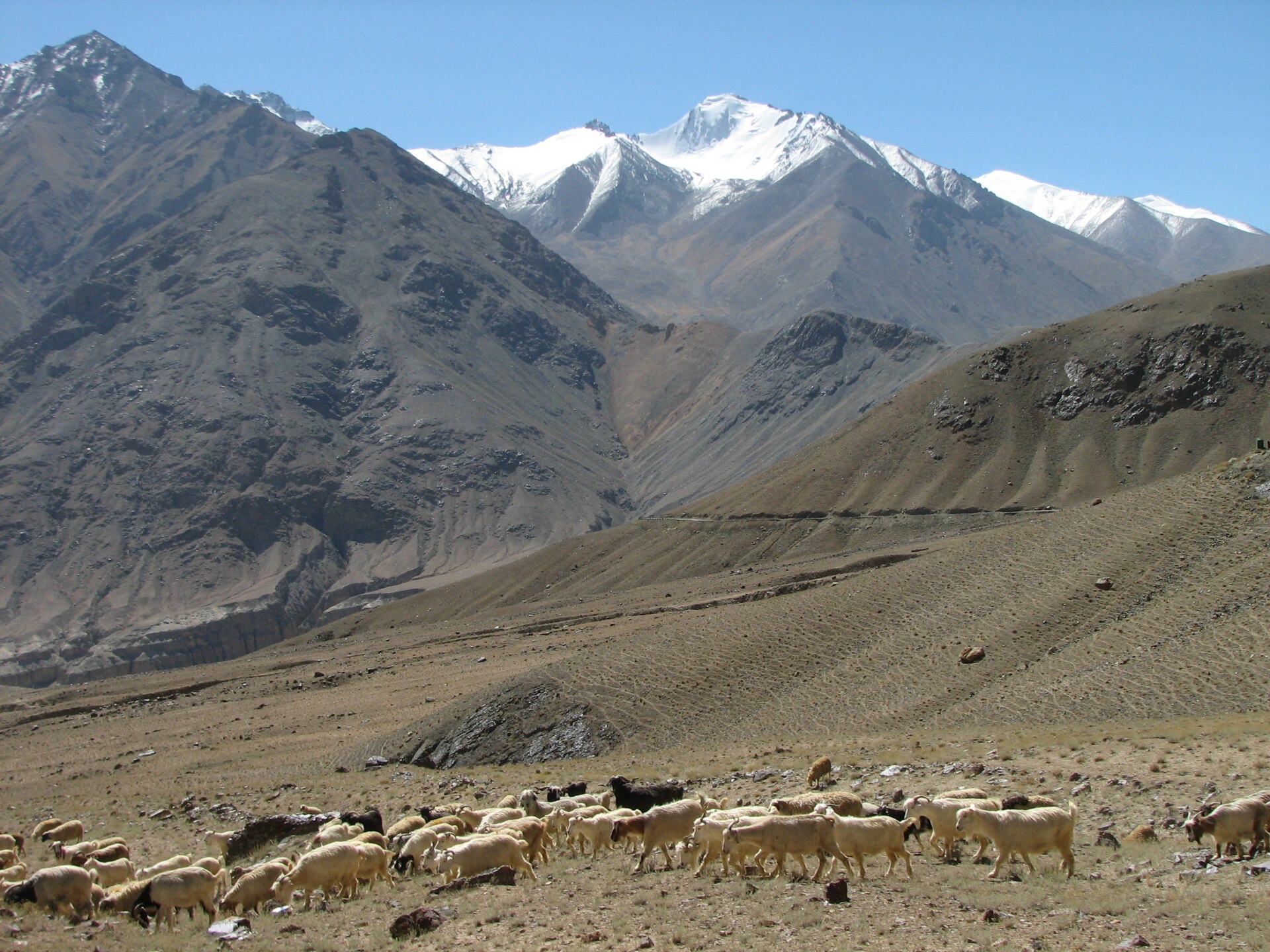
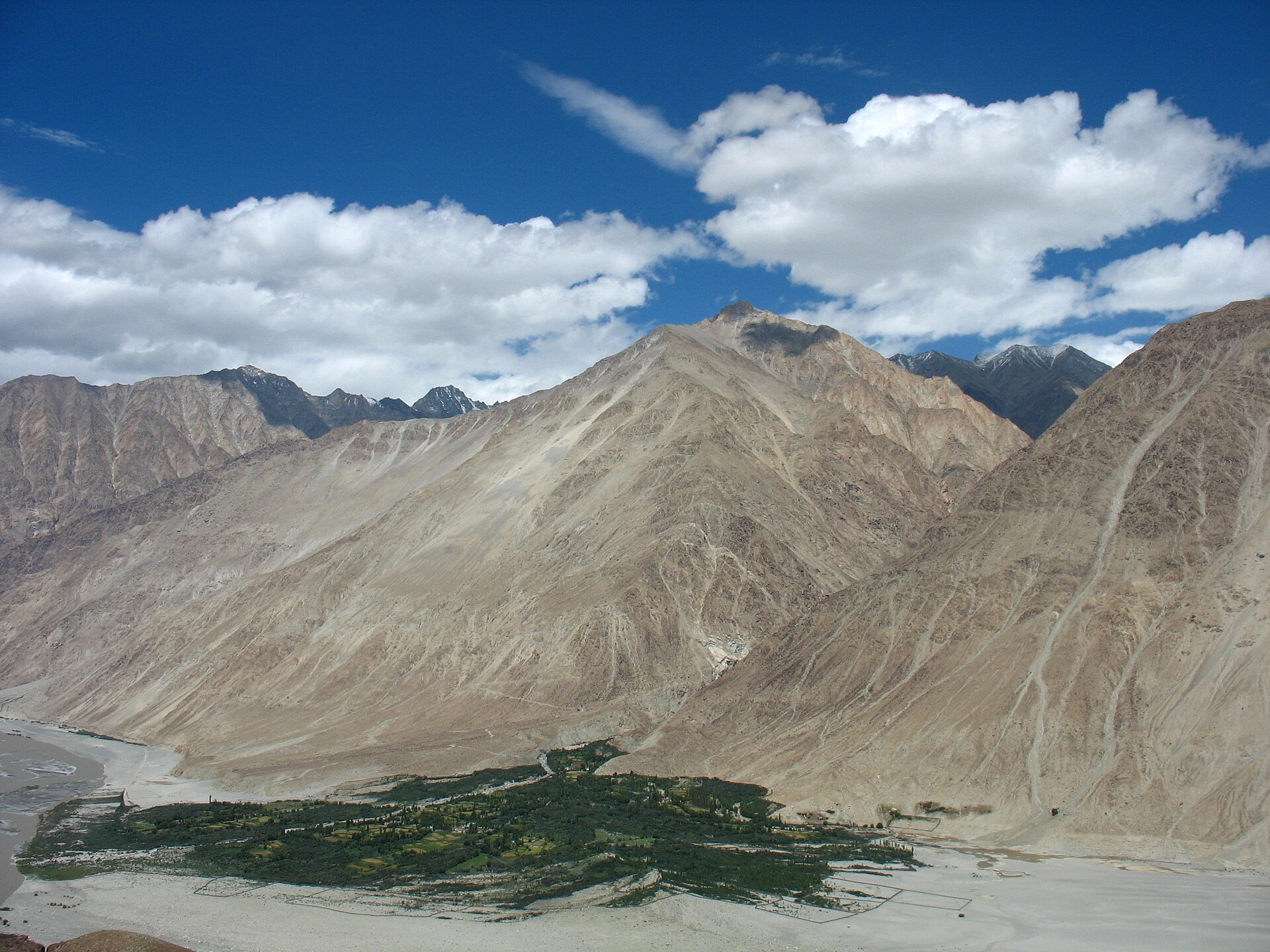
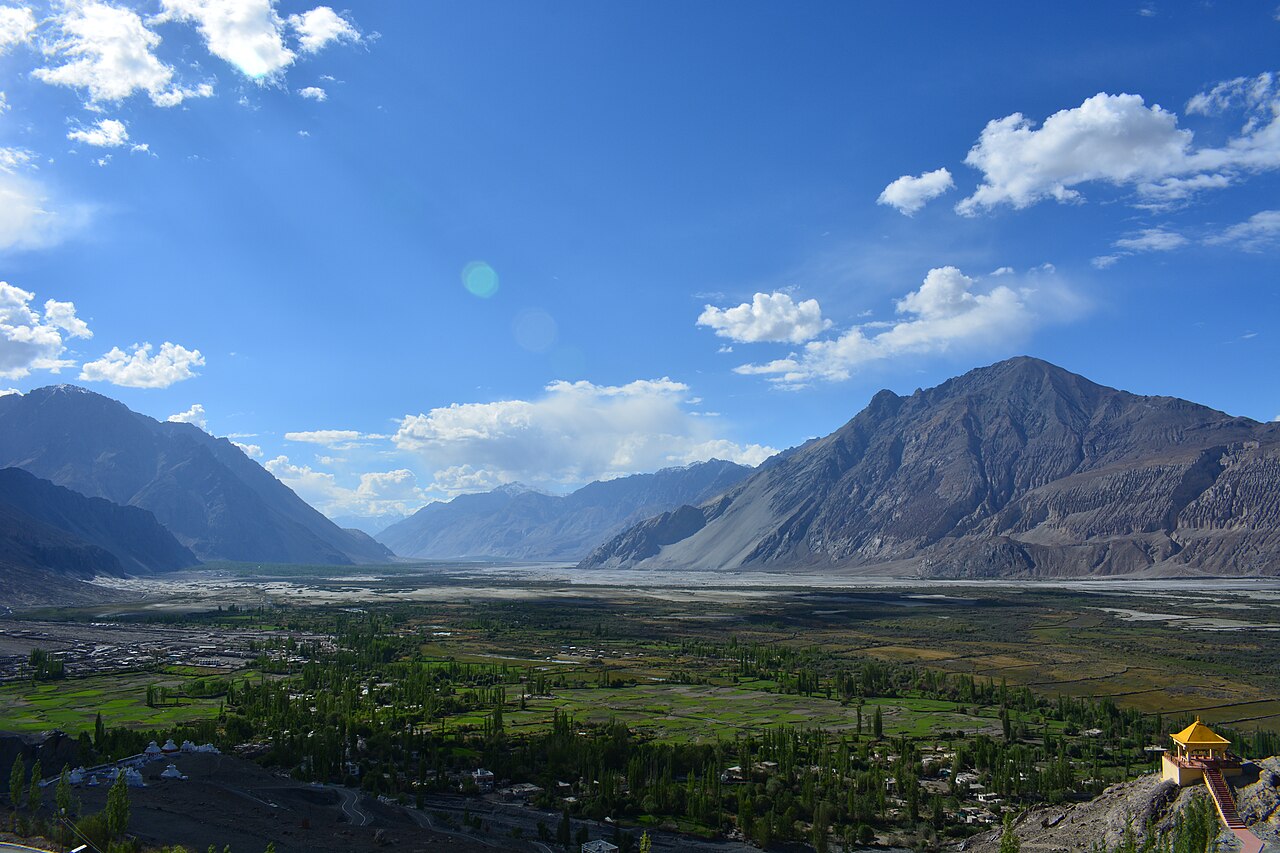
Geography also plays a massive role in why this desert bowl works so well. Surrounded by towering rock walls that block stray light from distant settlements, the valley creates a natural bowl of darkness. When you stay in smaller hamlets like Diskit, Hunder, or further up toward Turtuk, human light pollution drops to practically zero once generators shut off for the night.
We regularly send clients to these northern outposts precisely because the horizon is massive. You get an uninterrupted 360-degree view of the celestial sphere, unmarred by cellular towers or high-rise obstructions.
- Natural high-altitude elevation reduces atmospheric distortion.
- Mountain walls block light pollution from larger towns.
- Dry desert air prevents thick cloud build-ups for most of the year.
The Best Months for Crystal Clear Night Skies
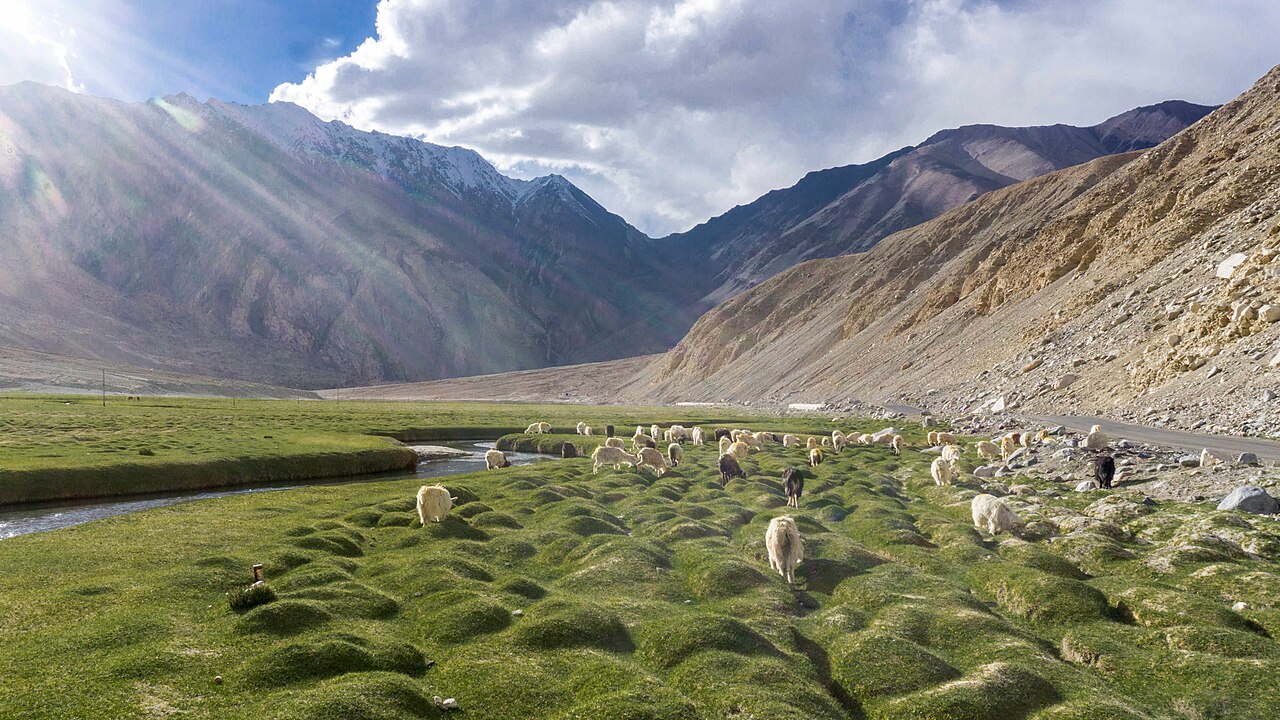
Timing your journey requires balancing bitter cold against clear atmospheric conditions. June through August brings comfortable daytime warmth, but it also brings the Indian monsoon fringe. Even though Ladakh sits in a rain shadow, stray cloud bands regularly drift across the Zanskar and Ladakh ranges, ruining long-exposure shots.
September and October represent the absolute sweet spot for astrophotography. The summer crowds have vanished, the monsoon moisture is completely gone from the upper atmosphere, and the sky turns a deep, ink-black indigo. Daytime temperatures remain pleasant, hovering around 15 to 20 degrees Celsius, but the moment the sun drops, the mercury plummets below freezing.
November through February offers even darker, sharper skies, but the conditions turn punishing. Temperatures regularly plunge to minus twenty degrees Celsius at night, freezing camera shutters, draining lithium batteries in minutes, and making it difficult to stand still outside for more than ten minutes without professional mountaineering gear.
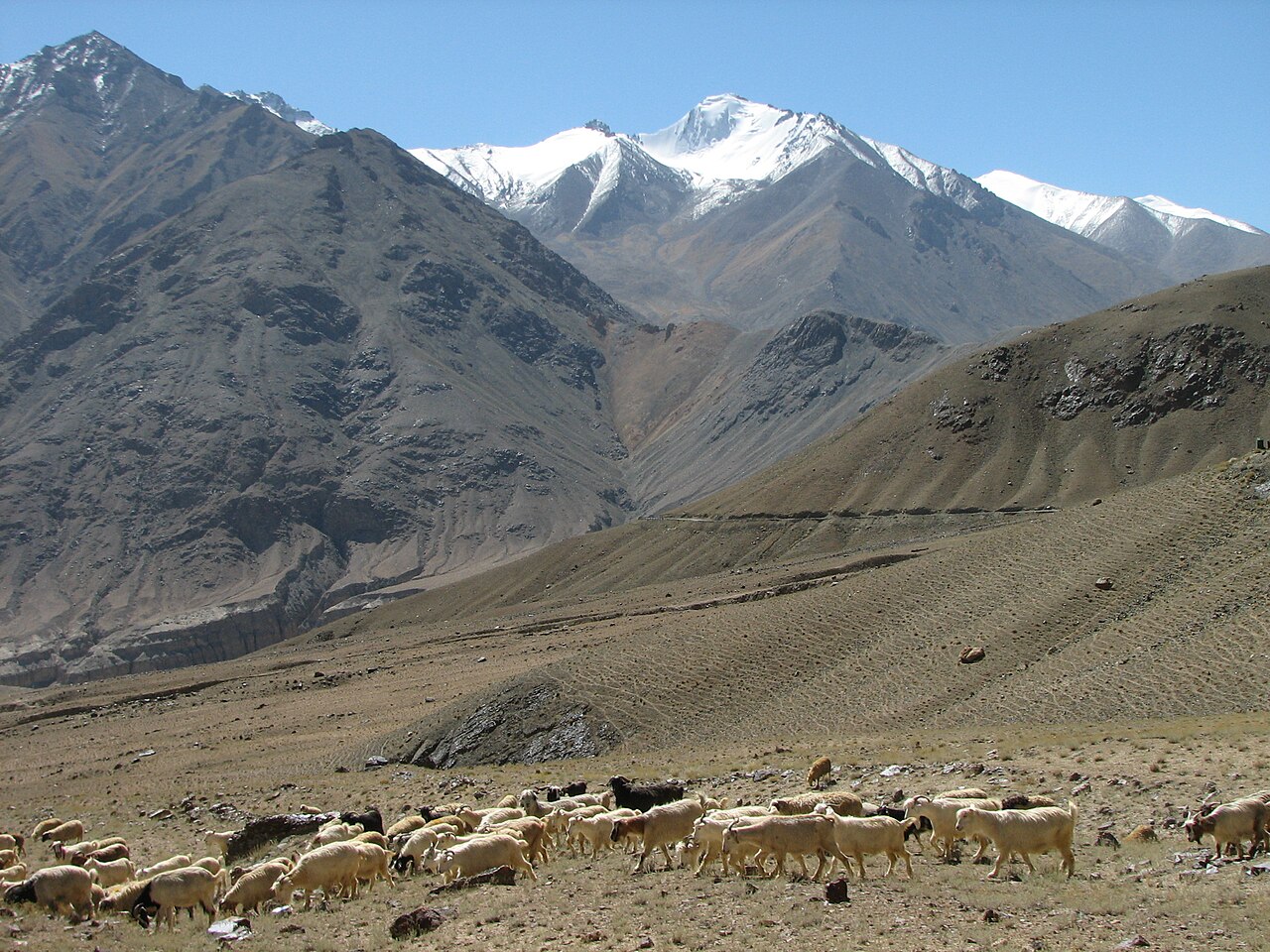
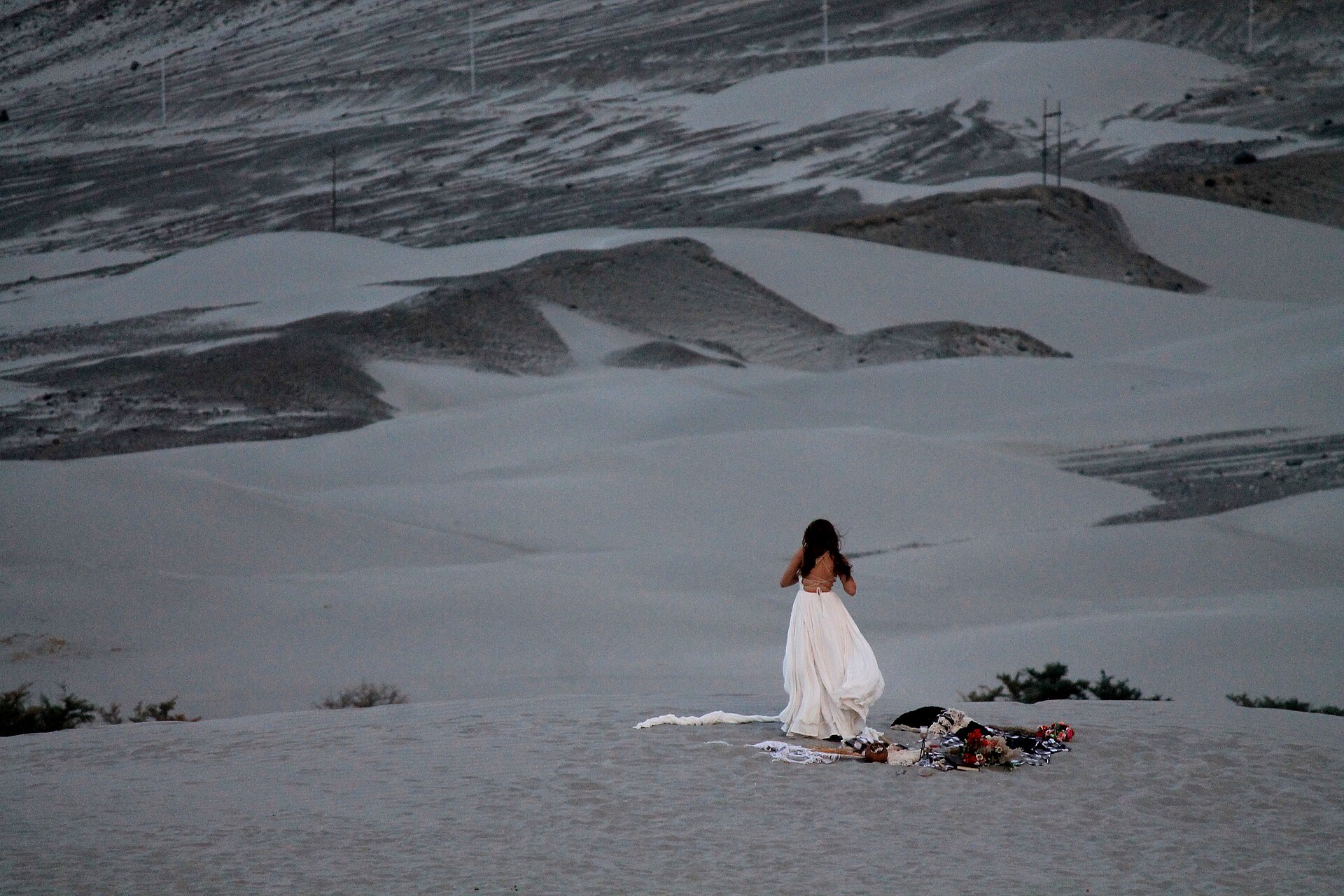
The moment the sun drops, the mercury plummets below freezing, leaving behind an ink-black sky choked with stars.
Finding the Darkest Locations in the Region
Not all parts of the region offer equal darkness. While Diskit is the administrative hub with its massive Maitreya Buddha statue, the town lights stay on late enough to wash out faint nebulae and distant galaxies. You need to push deeper into the side lanes and outlying agricultural patches.
Hunder provides wonderful foreground elements with its sand dunes and scattered scrub brush, but you must walk away from the tourist camps that leave outdoor security lights burning all night. If you venture further down the valley toward Turtuk, near the Line of Control, the canyon walls narrow and the villages go completely dark by nine in the evening.
Another exceptional pocket is Sumur, sitting quietly across the Shyok River. Its orchards and wider spaces offer wide horizons facing south, making it remarkably easy to track the core of the Milky Way as it arcs across the sky during autumn nights.
Essential Gear and Preparation for Night Photography
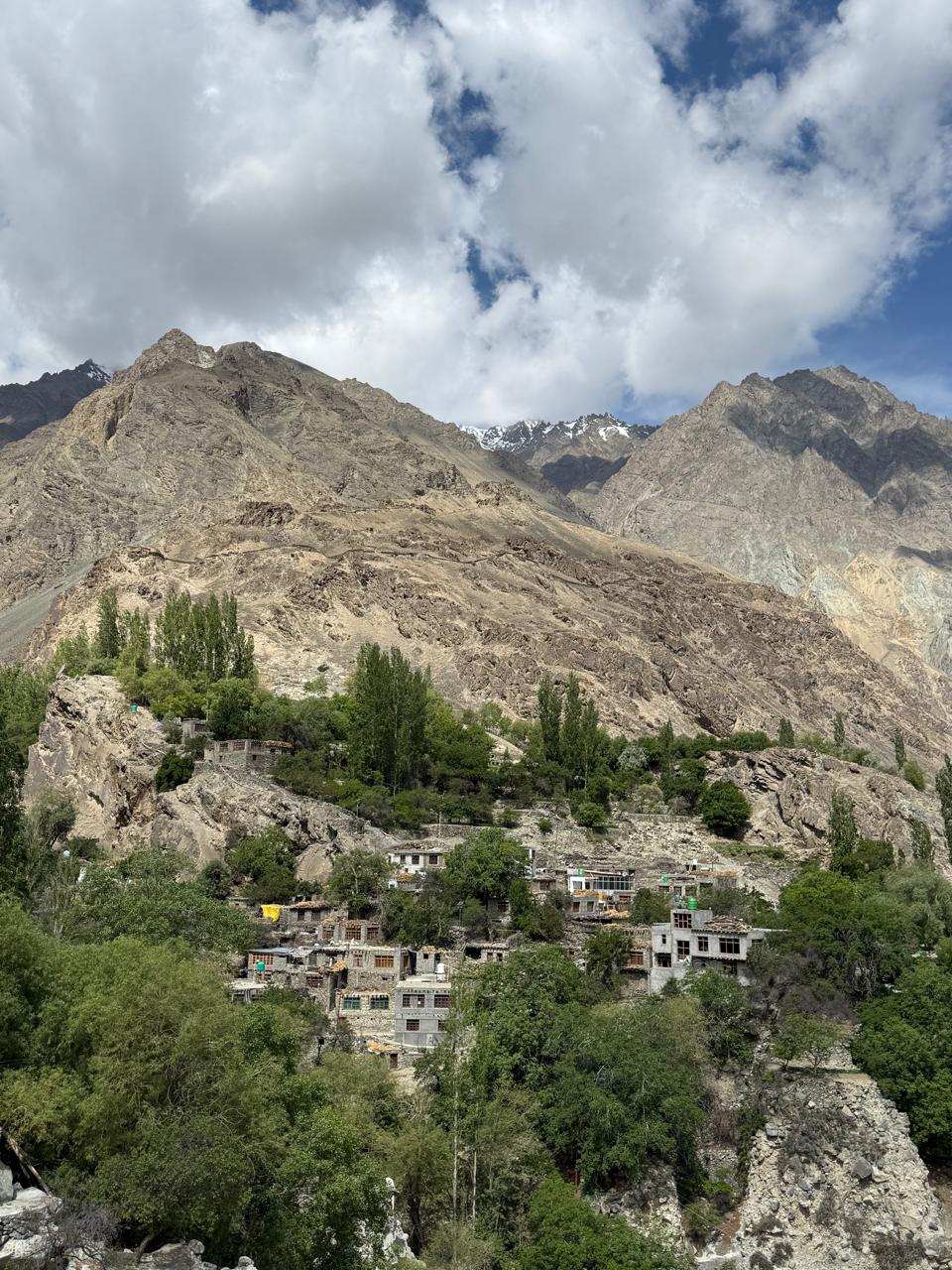
Shooting the night sky at high altitude destroys standard equipment habits. The cold drains battery life three times faster than normal, meaning you should always keep spare camera batteries tucked inside an inner jacket pocket right against your body heat.
A sturdy carbon-fibre or heavy aluminium tripod is non-negotiable. Winds whistling down the valley floor can easily ruin a thirty-second exposure if your mount lacks stability. Pack a wide-angle lens with a fast aperture of f/2.8 or wider, along with a remote intervalometer to prevent camera shake when pressing the shutter.
Do not forget your own physical comfort. Layering thermal underwear, down jackets, windproof outer shells, and thick woollen socks is mandatory. Once your feet go numb on the frozen sand, your night of photography ends abruptly.
- Bring at least three camera batteries kept warm in your pockets.
- Use a heavy-duty tripod to counteract sudden valley wind gusts.
- Wear insulated mountaineering gloves that allow finger dexterity.
Weather Considerations and Temperature Drops
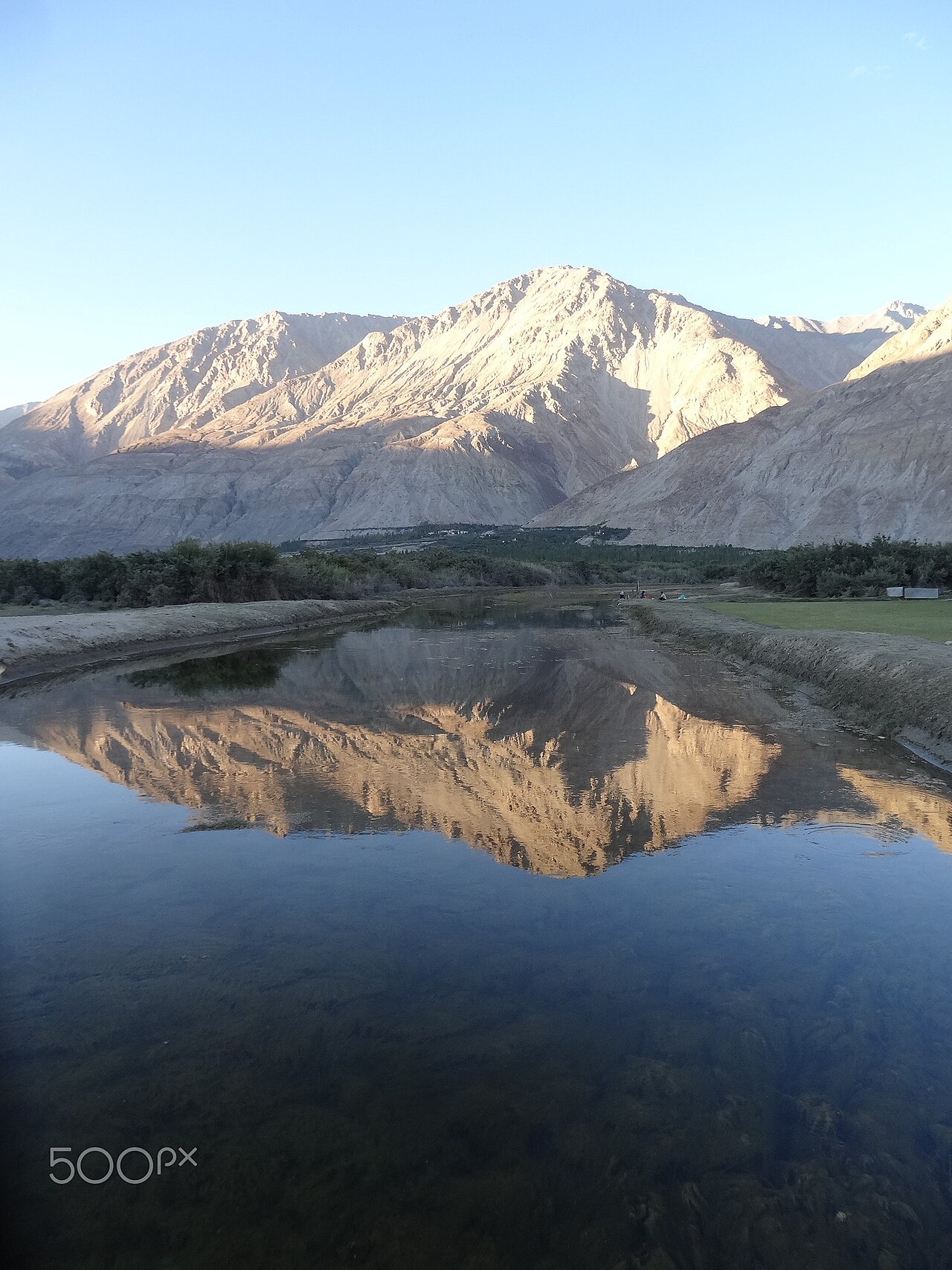
Checking standard weather forecasts for the region often proves misleading. A phone app might show a pleasant daytime temperature of 18 degrees Celsius for Hunder, failing to mention that the thermometer crashes to minus 4 degrees Celsius the second the sun disappears behind the crests.
Wind is the unpredictable variable. When high-altitude jet streams dip over the mountain passes, gusts funnel straight down the river basin, creating a windchill factor that cuts through standard fleece jackets instantly. Always monitor local wind speeds alongside temperature forecasts before heading out.
Cloud cover can form quickly even in dry months. High cirrus clouds might look harmless during sunset, but they act like a frosted glass pane over the stars once darkness falls, ruining long exposures with a hazy bloom.
Planning Your Journey Through the Passes
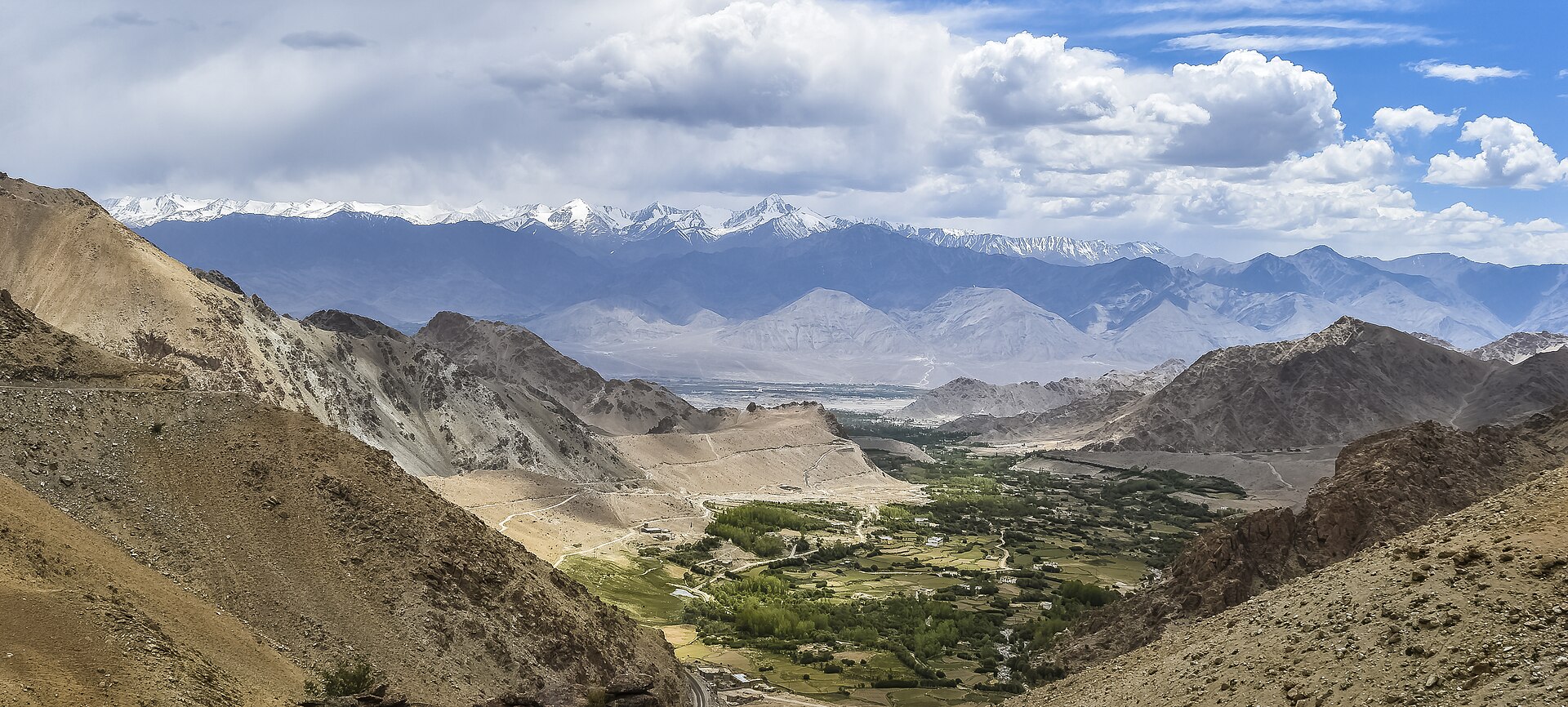
Getting to these dark-sky locations requires traversing some of the highest motorable roads on earth. Most travellers approach from Leh by crossing Khardung La, a mountain pass that demands respect due to its punishing altitude of over 5,300 metres.
Acclimatisation is vital before you even attempt to stay overnight in the valley. Spend at least two full days resting in Leh, drinking water, and letting your red blood cell count adjust to the thin air. Trying to rush straight up to high-altitude stargazing on your first day will likely result in severe altitude sickness.
We always advise clients to book reliable transport with experienced local drivers who know how to handle black ice on mountain switchbacks during the shoulder seasons. Check out our detailed route guides for Nubra Valley and Leh to map out safe transit times.
Before you book
Stargazing in this high-altitude desert is an experience that stays with you long after the dust has been brushed from your boots. By timing your trip for the crisp autumn months, you bypass the summer haze and witness a night sky that feels remarkably close enough to touch.
If you need help building an itinerary that balances comfortable daytime exploration with late-night astronomy sessions, our team at Skywale Packages is always here to assist. Drop us a message, and let us help you plan your journey into the mountains.
Ready to Experience Ladakh's Dark Skies?
Let our local experts craft a custom itinerary tailored to your photography and travel goals.
Contact Our TeamCaption for your own post
Chasing the Milky Way across the high-altitude desert of Nubra Valley. Autumn nights here bring freezing temperatures and skies so clear they take your breath away.
Written by
Kashmir, Jammu & Ladakh specialists
We plan and run trips across Kashmir, Jammu and Ladakh every week of the year. Everything here comes from routes we drive, stays we inspect and questions our travellers actually ask.
Written after countless freezing nights spent adjusting camera focus on the sand dunes of Hunder.
Quick answers
Questions we get asked
What is the best month for stargazing in Nubra Valley?
September and October are widely considered the best months. The monsoon moisture clears completely, the air is crisp, and the sky remains cloud-free, offering exceptional visibility for viewing the Milky Way before winter cold sets in.
How cold does it get at night in Nubra Valley during autumn?
While daytime temperatures can reach a comfortable 18 degrees Celsius, nighttime temperatures frequently drop below freezing, often hitting minus 5 degrees Celsius or lower by midnight, especially as winter approaches.
Do I need special permits to visit Nubra Valley?
Yes, all travellers including Indian nationals and foreign tourists must obtain an Inner Line Permit to visit restricted border areas like Nubra Valley, Khardung La, and Turtuk.
Can I see the Milky Way with the naked eye?
Absolutely. Due to the extreme altitude, dry air, and complete absence of industrial light pollution, the Milky Way core appears vividly with the naked eye on clear moonless nights.
Is it safe to stay outdoors late at night for photography?
Yes, the valley is generally very safe for late-night outdoor activities. The primary hazards are environmental, specifically extreme cold, windchill, and potential altitude-related fatigue rather than security concerns.
Photography credits
- Photo: Always urs0509 · CC BY-SA 4.0
- Photo: RPSkokie · CC BY-SA 4.0
- Photo: nnnkit · CC0
- Photo: Henk Monster · CC BY 3.0
- Photo: Dr Ghulam Mehdi · CC BY-SA 4.0
- Photo: Addy6697 · CC BY-SA 4.0
- Photo: Pratik Chopade · CC BY 3.0