Srinagar: Which Option Suits Your Trip Best?
Navigating geography, logistics, and styles for your valley itinerary.
A practical guide to structuring your time, understanding the regional geography, and choosing the right travel style for Srinagar.
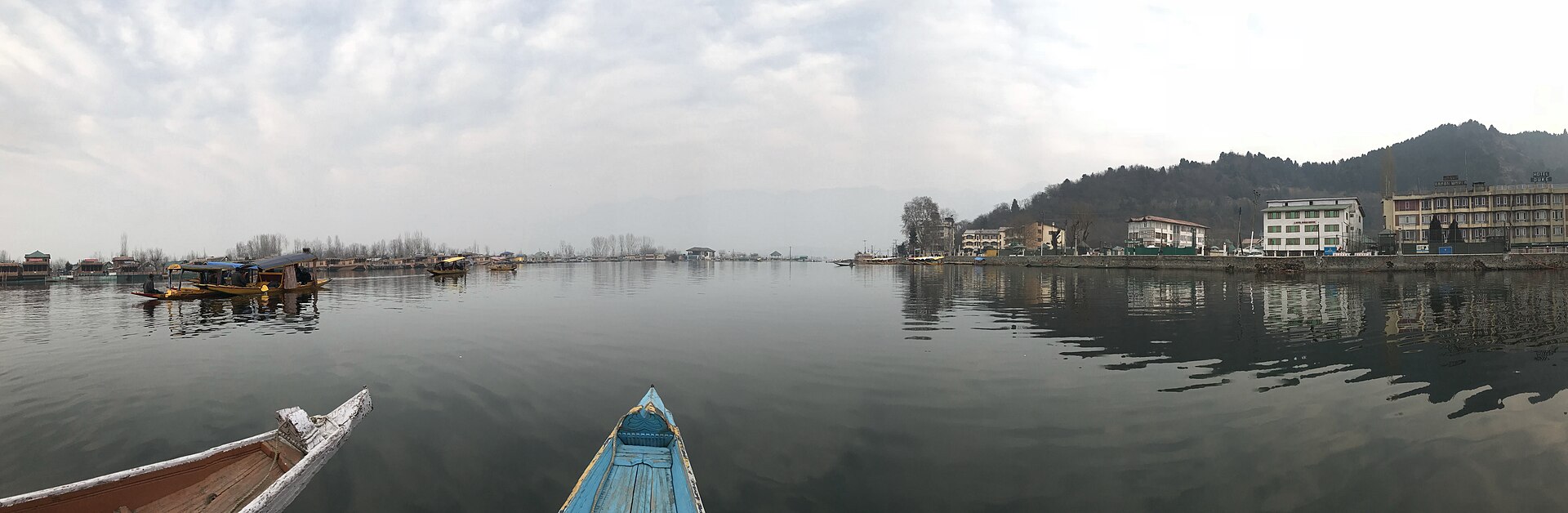
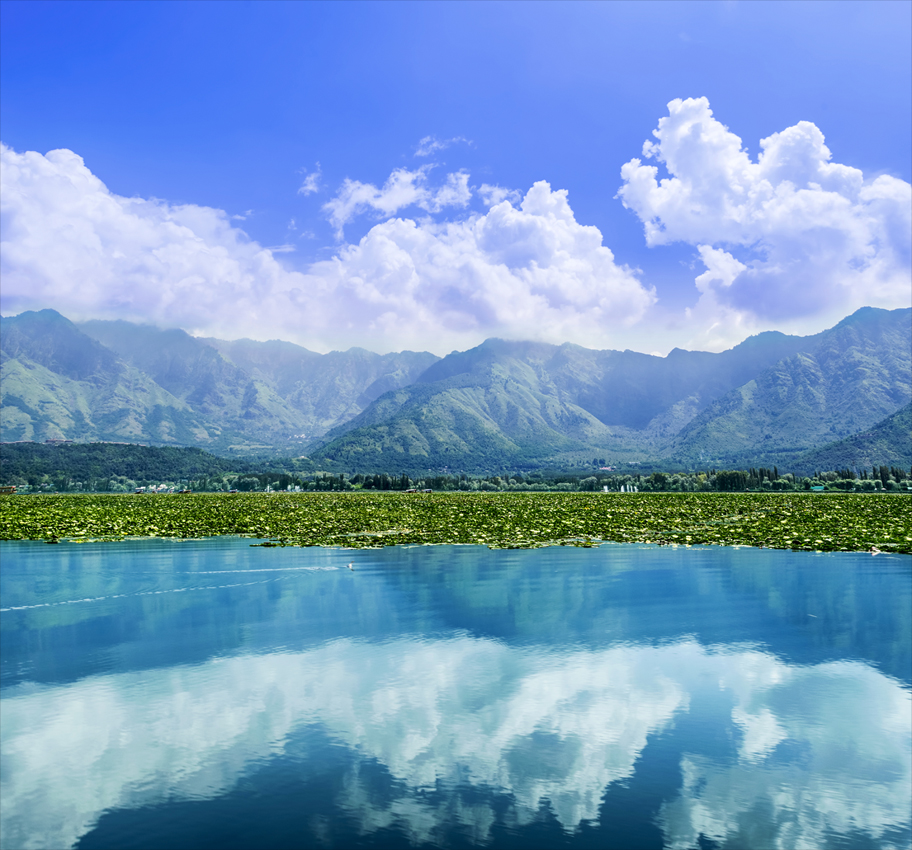
Srinagar spans across the valley floor, framed by the Zabarwan mountains.Photo: Slyronit · CC BY-SA 4.0
Geography tests every first-time visitor the moment they look at a map of the northern mountains. People often ask is srinagar in jammu or kashmir when they are trying to book flights, figure out train connections, or piece together a wider holiday through the northern hills. The short administrative answer is that Srinagar sits squarely in the Kashmir division, serving as its summer capital, distinct from the southern Jammu province across the Pir Panjal range.
Sorting out this administrative boundary matters because it dictates your entry point, the weather you will encounter, and how you should structure a srinagar tour package. If you fly into Sheikh ul-Alam International Airport, you are landing in the heart of the Kashmir valley. Choosing the right style of trip means deciding whether you want to base yourself entirely on the water in a traditional houseboat, or take a mixed approach that includes hotel stays and day trips into the surrounding hills.
Understanding the Regional Geography and Where Srinagar Sits
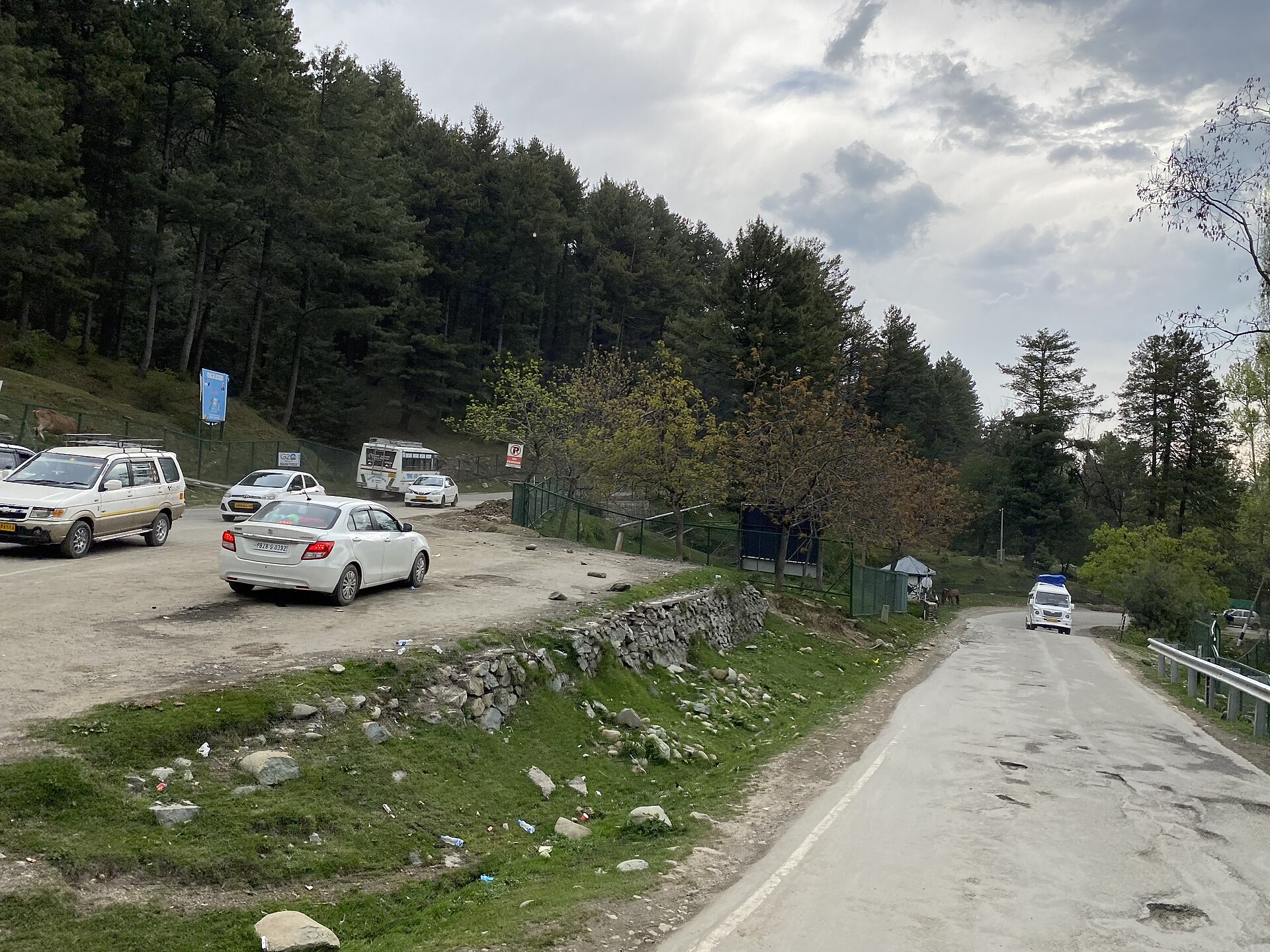
When you look at the wider union territory, Jammu and Kashmir are two distinct administrative divisions separated by high mountain passes. Jammu handles the railhead at Katra and Jammu Tawi, while Srinagar is the undisputed urban core of the Kashmir valley proper. Travellers driving up from Jammu via the NH44 highway spend roughly seven to nine hours climbing through tunnels and mountain curves before the valley finally opens up wide and flat around Pampore.
Knowing this distinction saves you from logistical confusion. If your heart is set on willow trees, waterways, and Mughal-era terraces, your focus is entirely on the Kashmir side. Our srinagar travel guide always advises guests to fly directly into Srinagar if they want to skip the long mountain transit from Jammu, especially when travelling with elderly family members or young children who get carsick easily.
- Jammu division covers the southern plains and Hindu-majority districts.
- Kashmir division encompasses the valley, lakes, and Srinagar city.
- The transit road between them requires navigating the Banihal tunnel.
Houseboat Stay Versus Modern Hotel Accommodation
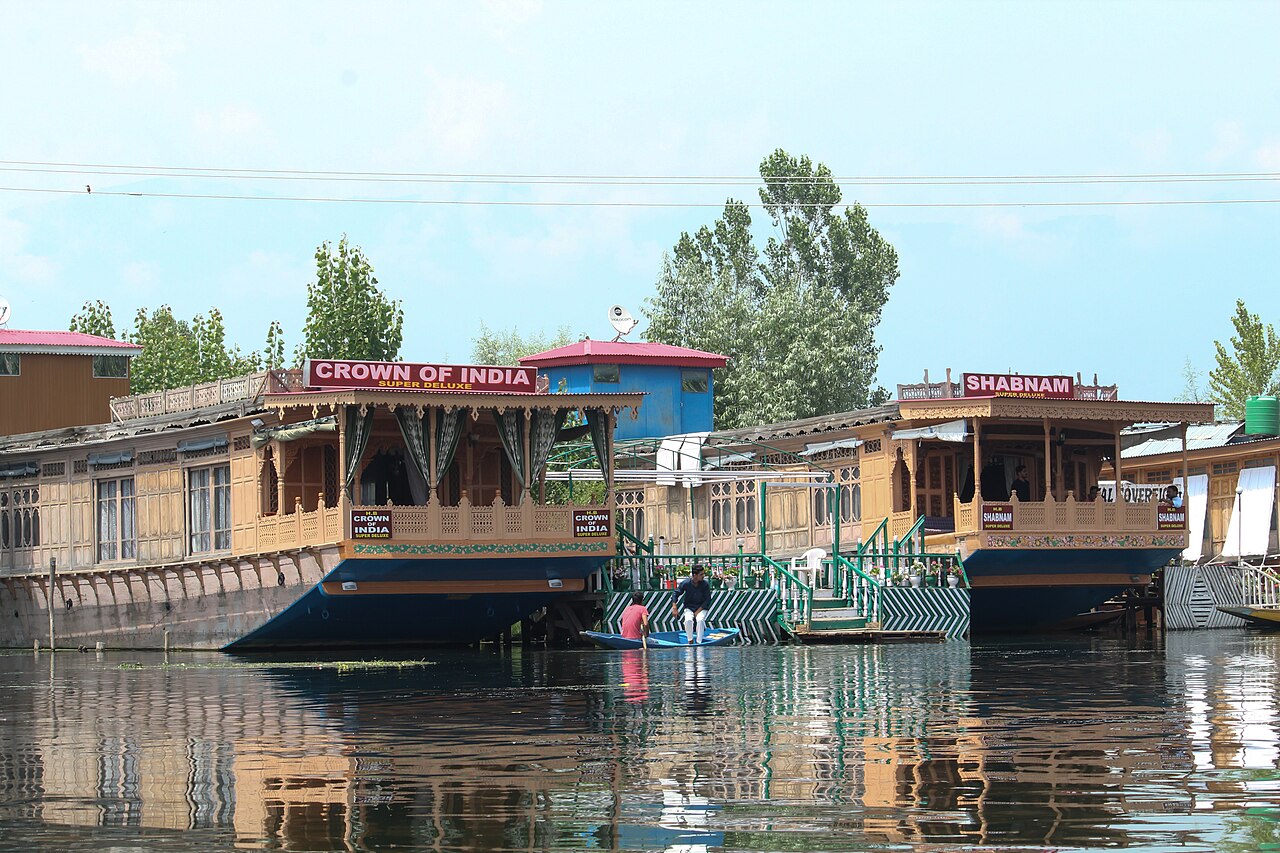
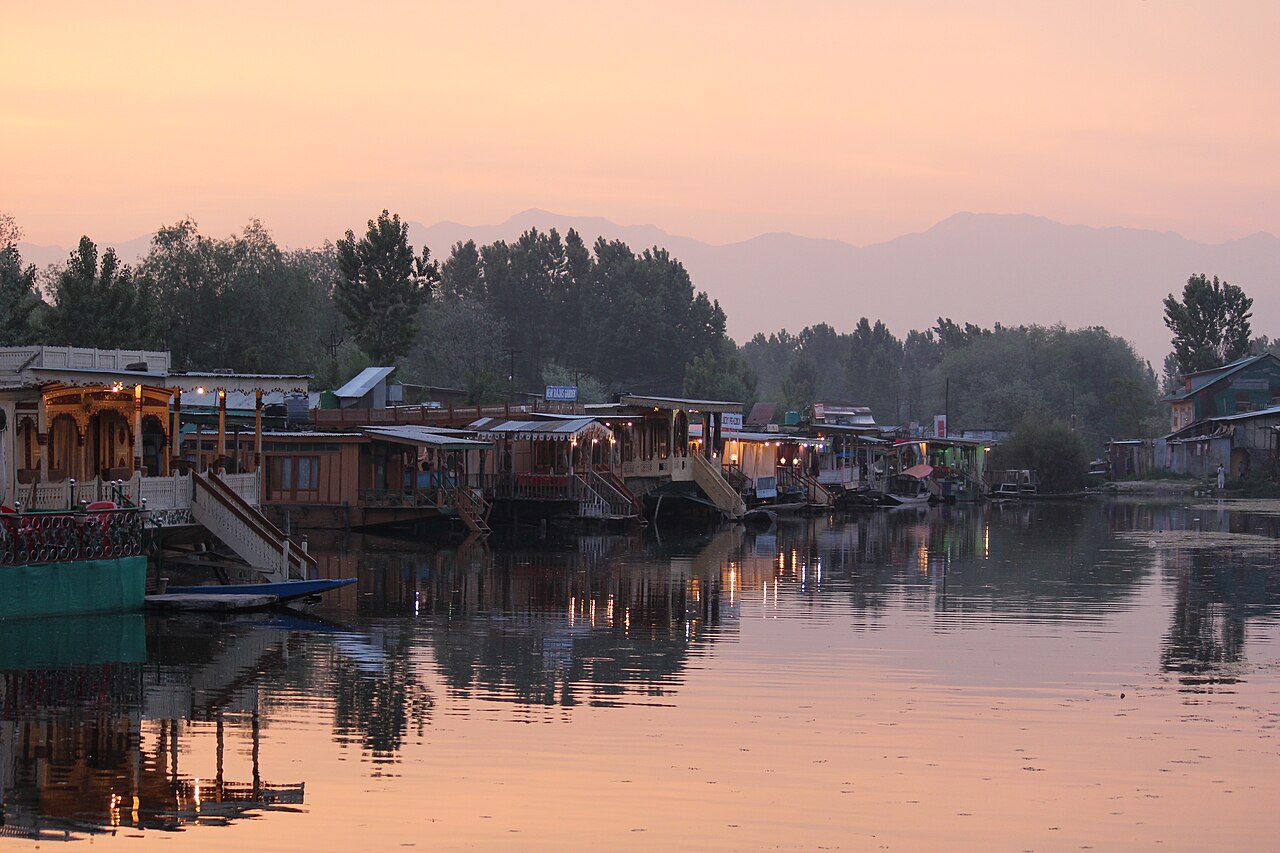
The classic dilemma for any visitor is choosing between a wooden heritage houseboat on Dal Lake or a standard concrete hotel on the banks. Houseboats offer carved cedar interiors, hand-woven Kashmiri carpets, and a porch where you can watch shikara boats paddle past at dawn. However, they are moored to the banks or piers, and some older boats suffer from dampness during the shoulder seasons.
Hotels provide predictable amenities, central heating that functions without generator noise, and easy road access for cabs. If you prefer modern comforts after a long day of walking, staying near the Boulevard Road or moving towards Nigeen Lake gives you a quieter alternative. Many travellers split their stay: two nights on the water for the experience, followed by a night in a hotel for convenience.
Srinagar works best when you slow down and let the city unfold around you.
Designing Your Daily Itinerary Without Rushing
It is easy to overpack a Kashmir itinerary with too many distant day trips. Srinagar works best when you slow down and let the city unfold around you. Mornings are made for the water, whether you hire a paddler for an early tour of the floating vegetable market or visit the quieter corners of Nigeen Lake.
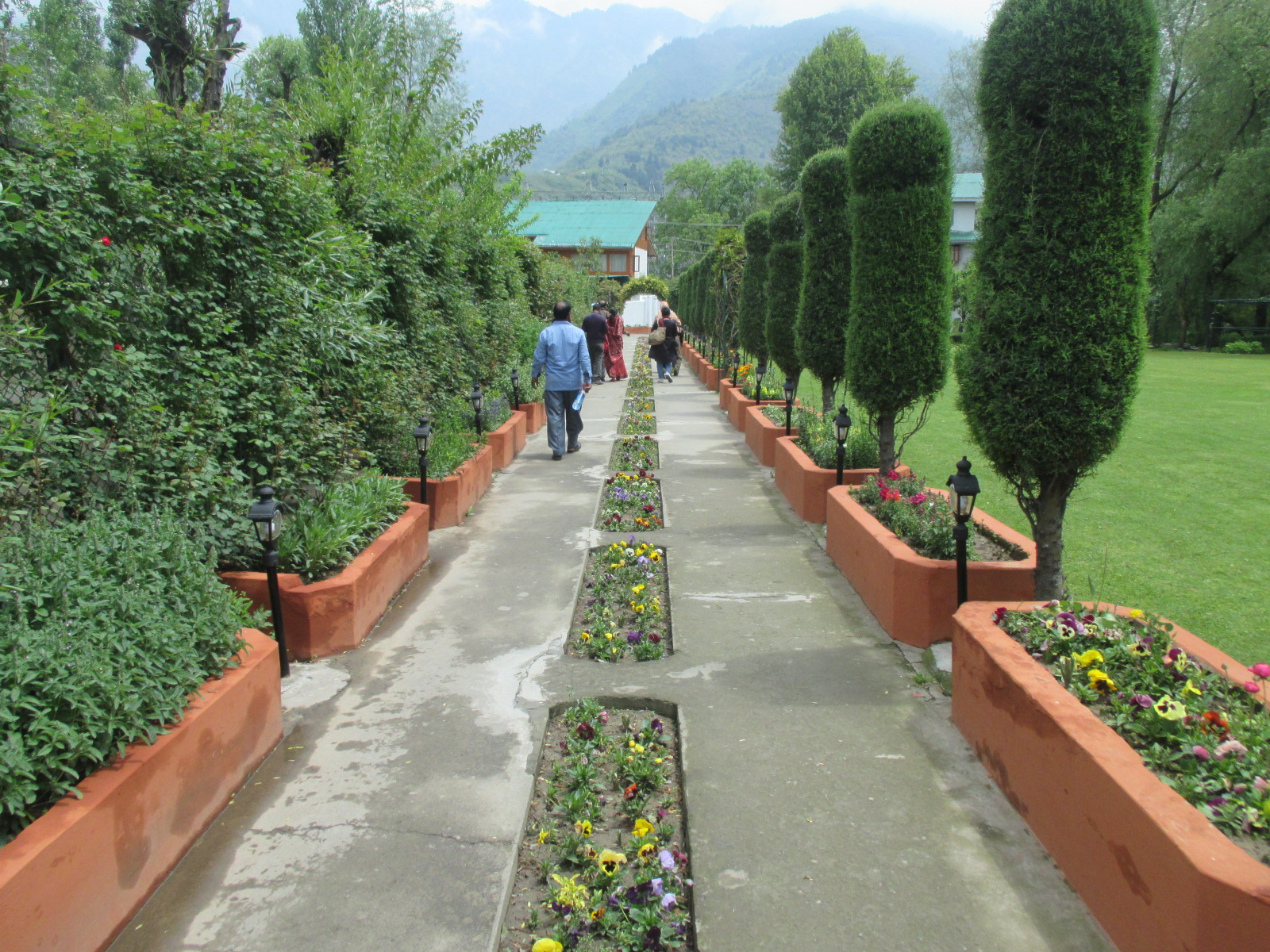
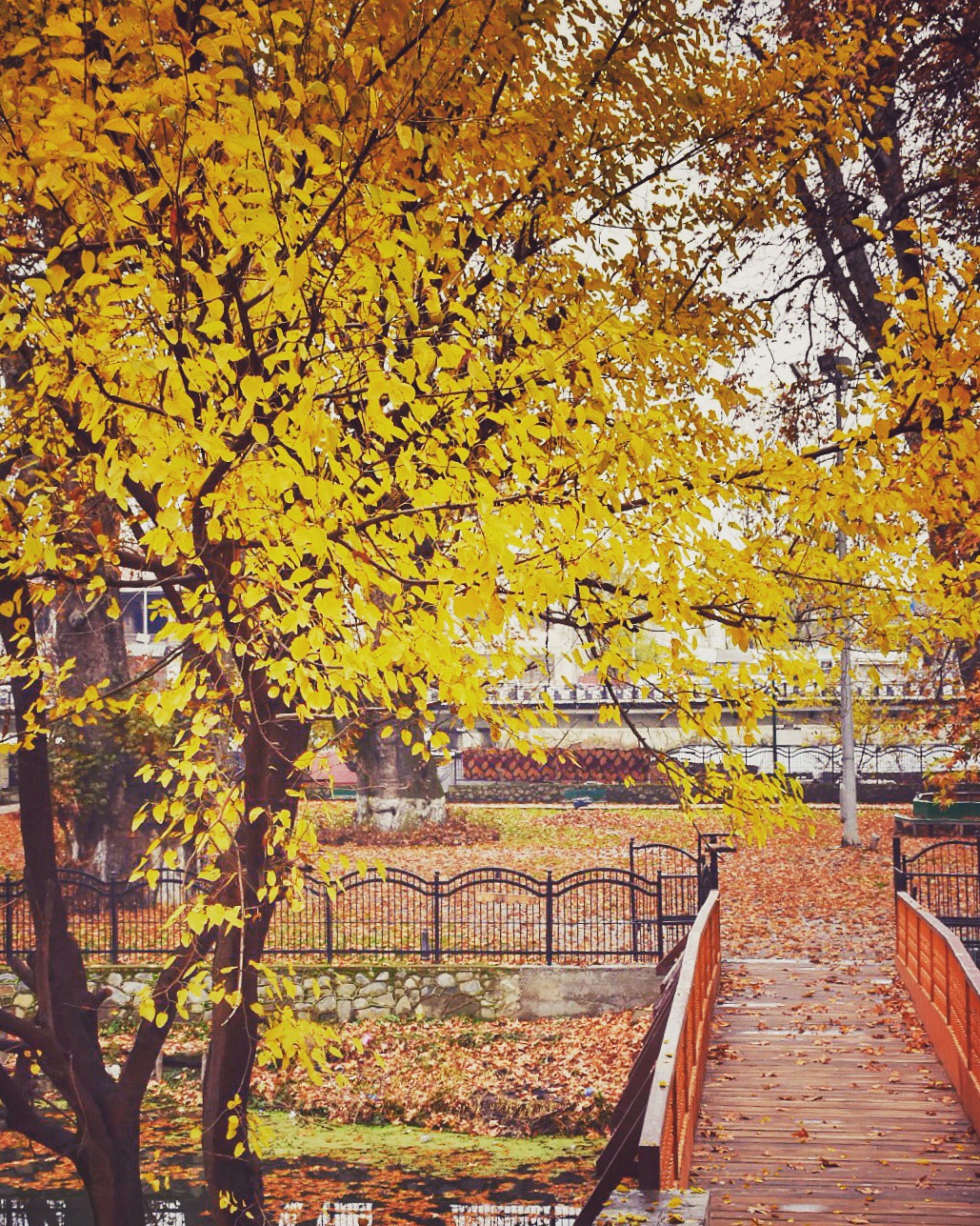
Afternoons suit walks through the terraced lawns of the Mughal gardens, where spring blossoms or autumn maples create distinct seasonal moods. Leave your evenings open for sitting by the water with a cup of noon chai or kahwa, watching the light fade behind the Zabarwan range.
Balancing City Sights and Rural Day Trips
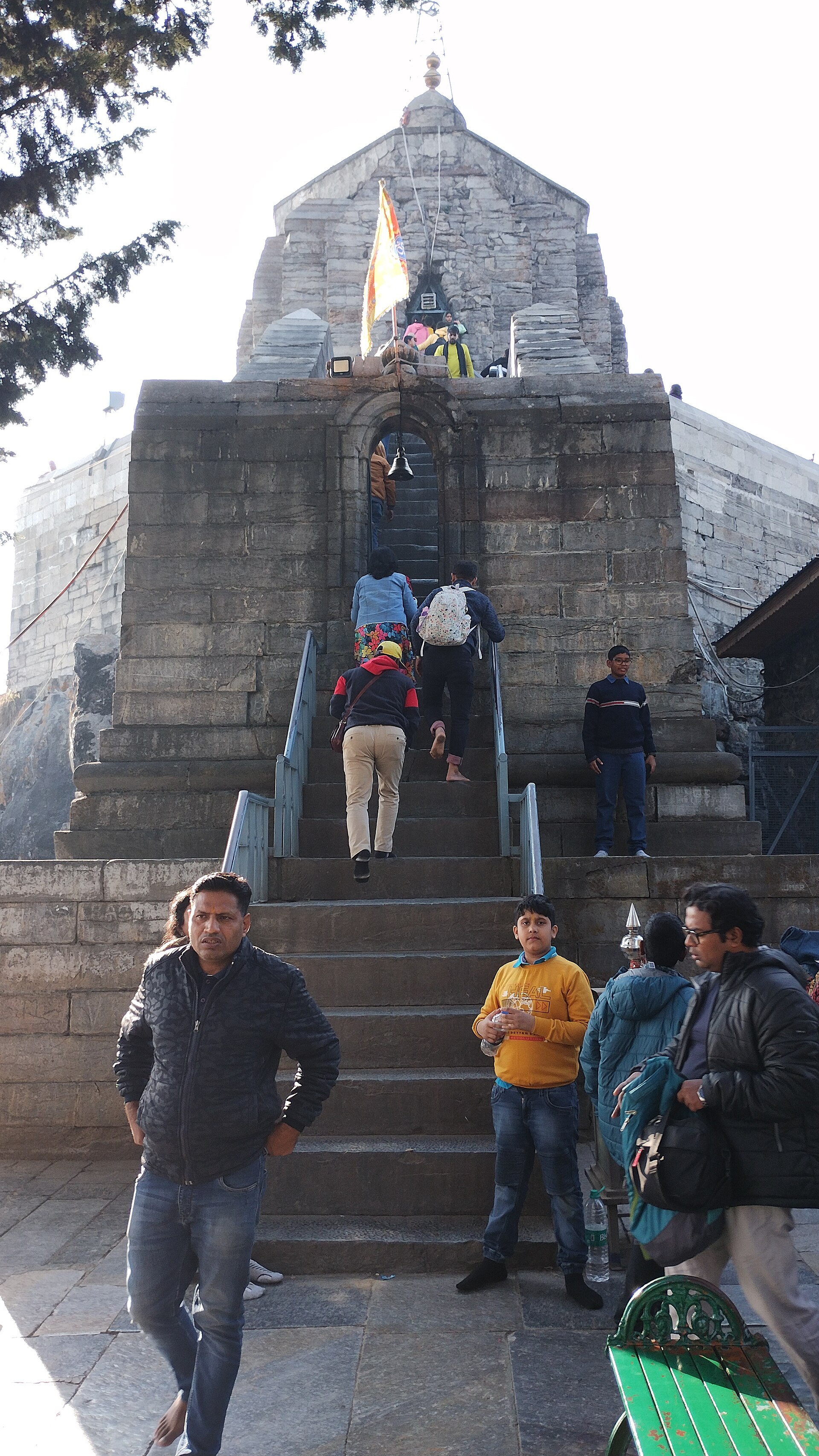
While Srinagar has enough old town alleyways, shrines, and markets to keep you busy for a week, you should balance urban exploration with a day trip up to the meadows of Gulmarg or the apple orchards of Pahalgam. Just keep one rest day in the city to avoid travel fatigue.
Evaluating Costs and What a Standard Package Includes
Tour packages across the valley vary widely based on accommodation grade and transport inclusions. A standard package typically covers your airport transfers, local sightseeing cabs, houseboat stays with meals, and shikara rides on Dal Lake. Be sure to check whether entry fees to gardens and specialized winter heating charges are factored into the quoted price.
Hidden costs usually sneak in through unapproved union taxi rates for external day trips to Sonamarg or Gulmarg, where local transport syndicates require you to switch to their designated vehicles. Working with a local operator ensures these transfer rules are transparently explained before you step foot in a car.
Common Mistakes to Avoid When Planning
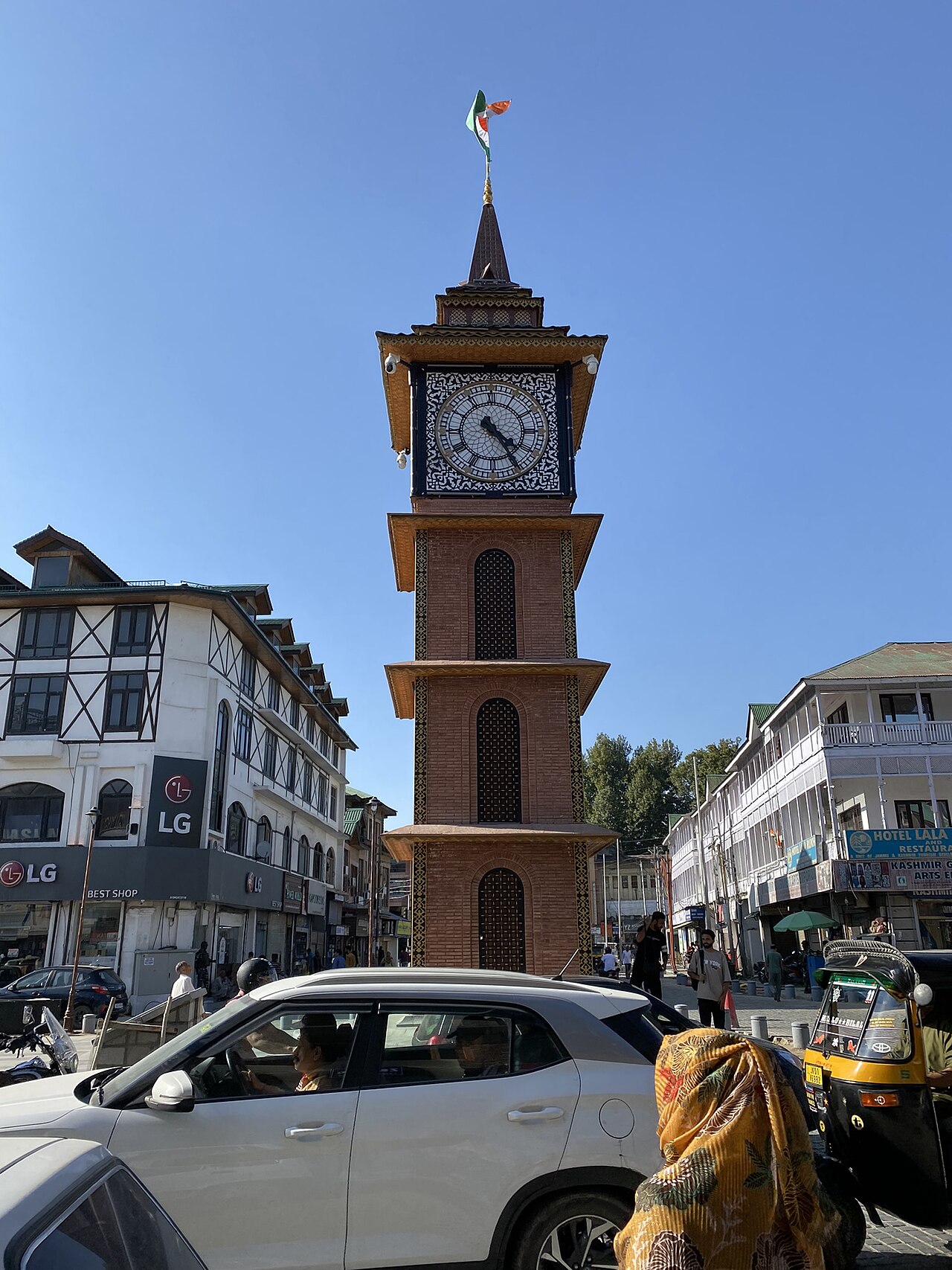
The most frequent error travellers make is treating Srinagar merely as a transit hub for Gulmarg or Ladakh. This leaves them with only a rushed afternoon to see the old town or the lake. Give the city at least three full days to understand its rhythm.
Another pitfall is ignoring the weather shifts between daytime sun and chilly mountain nights. Even in June, you will need a fleece or light jacket once the sun dips below the hills. Pack in layers rather than relying on a single heavy winter coat during the warmer months.
How Skywale Can Help Tailor Your Journey
We have spent decades navigating every lane, lake, and mountain pass in this region. Our team lives here, tests the houseboats ourselves, and knows which drivers will give you a safe, steady ride up the winding mountain roads. We do not believe in rigid, one-size-fits-all itineraries.
Whether you want a quiet family retreat focusing on gardens and waterways or an active photographic expedition across high-altitude passes, we customize every detail. Reach out to discuss what kind of traveller you are, and let us build a sensible plan together.
Before you book
Choosing how to experience Srinagar comes down to matching your personal pace with the rhythm of the valley. Whether you settle into a wooden houseboat on the water or set up base near the city center, taking the time to understand the local geography makes all the difference.
Let us help you sort out the details so you can focus on the journey itself. Drop us a line whenever you are ready to talk about your ideal travel dates.
Ready to Plan Your Srinagar Journey?
Speak directly with our local travel experts based in Srinagar to design an itinerary tailored to your exact preferences.
Contact Our TeamCaption for your own post
Waterways, willow trees, and mountain air. Finding your own rhythm in Srinagar.
Written by
Kashmir, Jammu & Ladakh specialists
We plan and run trips across Kashmir, Jammu and Ladakh every week of the year. Everything here comes from routes we drive, stays we inspect and questions our travellers actually ask.
Written by a Srinagar local who has guided travellers across Kashmir in every season.
Quick answers
Questions we get asked
Is Srinagar safe for family holidays?
Yes, Srinagar is very welcoming for families. Tourism forms the backbone of the local economy, and visitors receive warm hospitality across hotels, houseboats, and markets.
How many days do I need in Srinagar?
Plan for a minimum of three to four days to comfortably cover the lakes, old town markets, and Mughal gardens without feeling rushed.
Should I pre-book my houseboat stay?
Pre-booking is strongly recommended, especially during peak spring blossom and summer holiday seasons, to secure well-maintained heritage boats.
Can I use mobile data easily in the city?
Postpaid mobile connections from major operators work seamlessly across Srinagar, though prepaid SIM cards from outside the union territory have restrictions.
What is the best way to get around local markets?
Walking is best for the old town markets near the river, while auto-rickshaws and pre-arranged cabs suit longer trips across the city.
Photography credits
- Photo: Slyronit · CC BY-SA 4.0
- Photo: Hellohappy · CC BY-SA 4.0
- Photo: Dashrathgoyal85 · CC BY-SA 4.0
- Photo: Nilesh Keshri · CC BY-SA 4.0
- Photo: Kreativeart · CC BY-SA 4.0
- Photo: Tamjeed Ahmed · CC BY-SA 4.0
- Photo: Shiv's fotografia · CC BY-SA 4.0