Best Time to Visit Srinagar: A Month-by-Month Guide
Understanding the seasons and why Srinagar is the summer capital of Jammu and Kashmir.
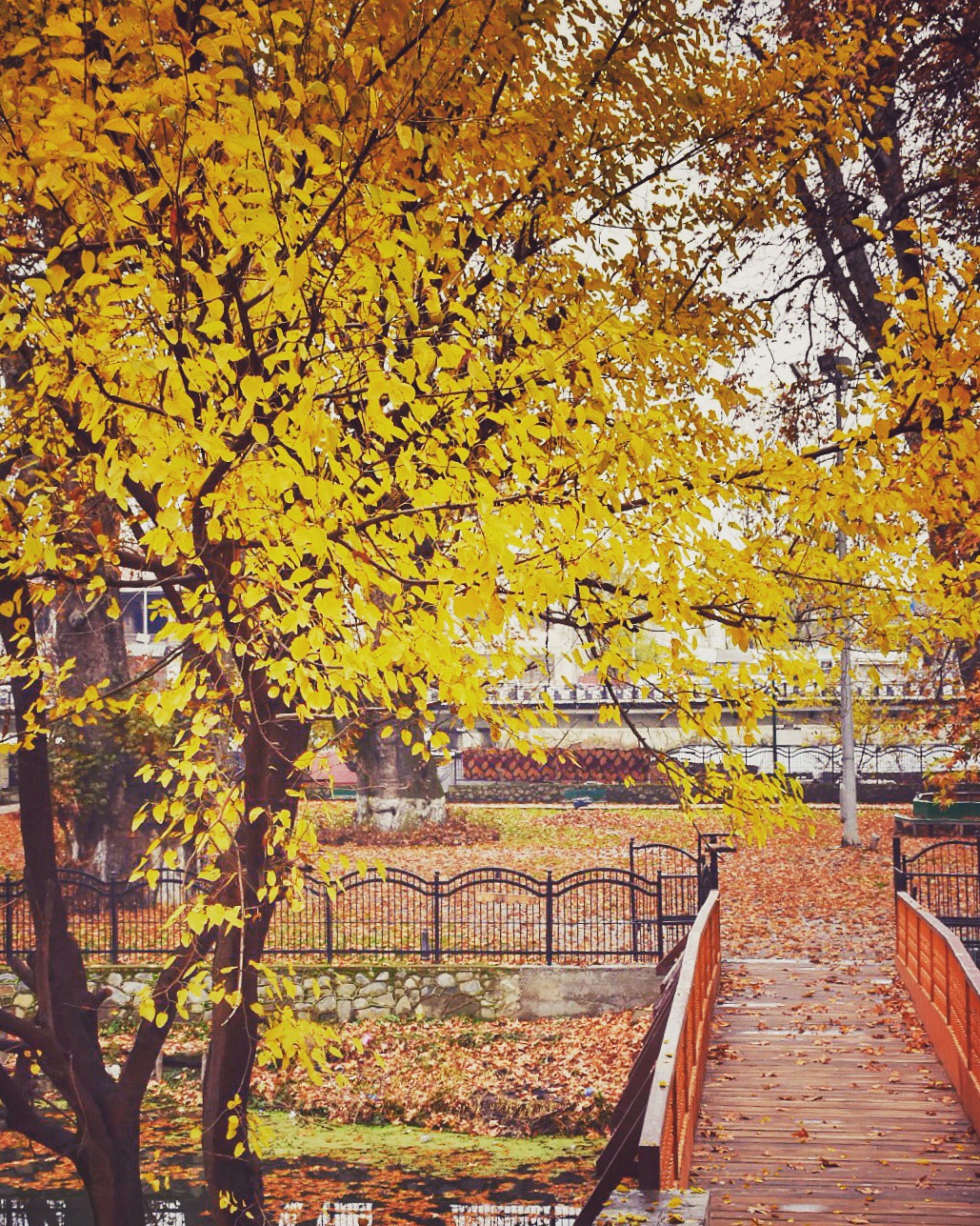
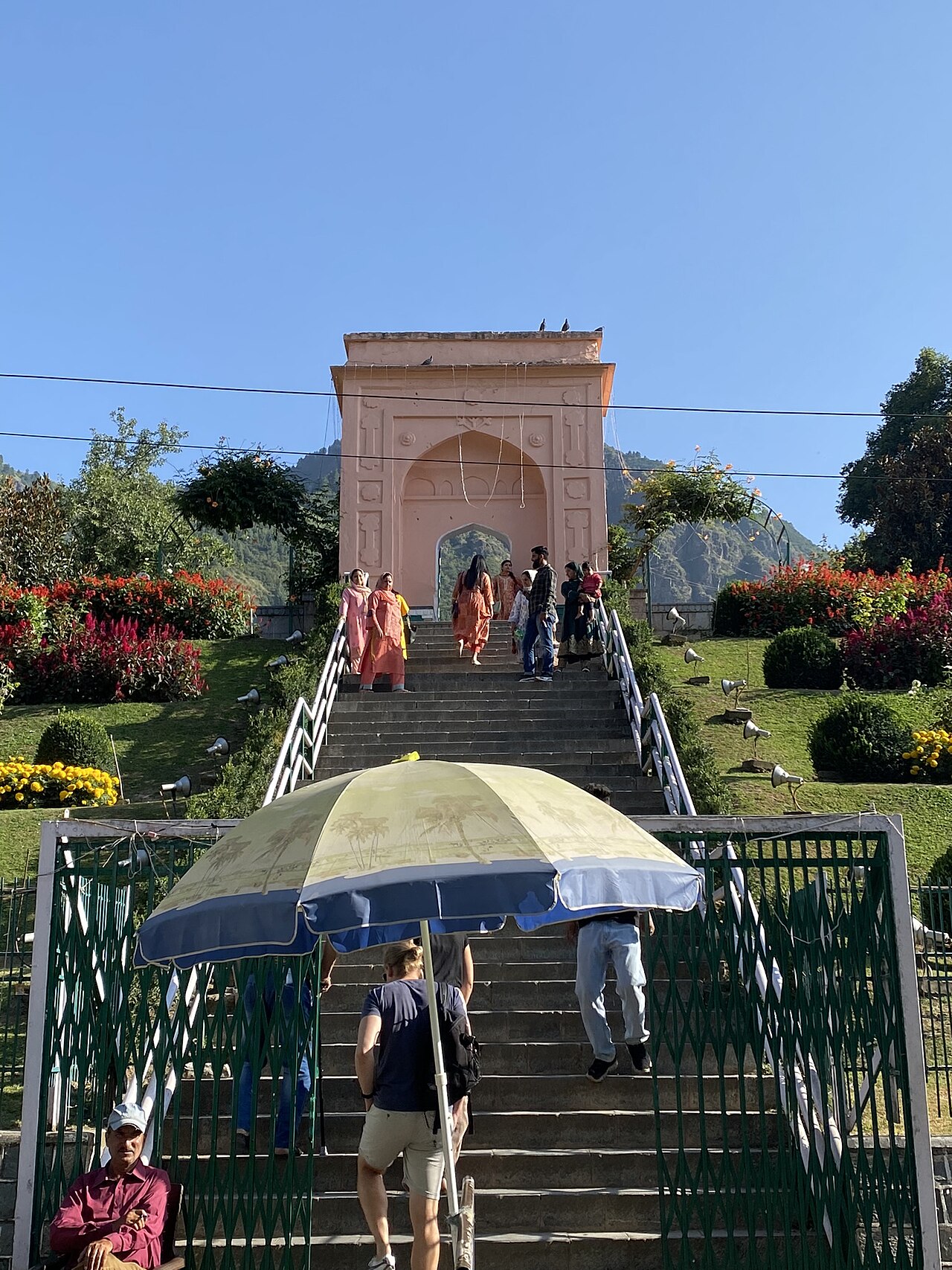
Srinagar remains a cool, green oasis throughout the summer months.Photo: ::::=UT=:::: · CC BY-SA 3.0
History tells us that the reason why Srinagar is summer capital lies in its temperate climate; while the plains of India swelter, the valley remains a cool, verdant escape. For decades, the administrative center shifted here to avoid the oppressive heat, and that tradition has cemented the city's reputation as a sanctuary.
Choosing when to go involves weighing the benefits of each season against what you hope to experience. From the crisp snows of winter to the vibrant blossoms of spring, every month alters the character of the city. As a travel writer based here, I've seen the city transform dozens of times, and each version has its own merit.
Understanding the Seasonal Shift
Srinagar’s climate is defined by distinct cycles. The spring, from March to May, is a period of rapid blooming. You will see the city wake up from the winter slumber. If you want flowers and mild hiking, this is your window.
Summer, from June to August, is when the city is most alive. It is the peak season, meaning it is also the most crowded. However, the higher altitude ensures you are spared the humidity found elsewhere. This is the primary reason why Srinagar is summer capital, as the weather stays consistently pleasant.
Autumn and Winter: The Quiet Months
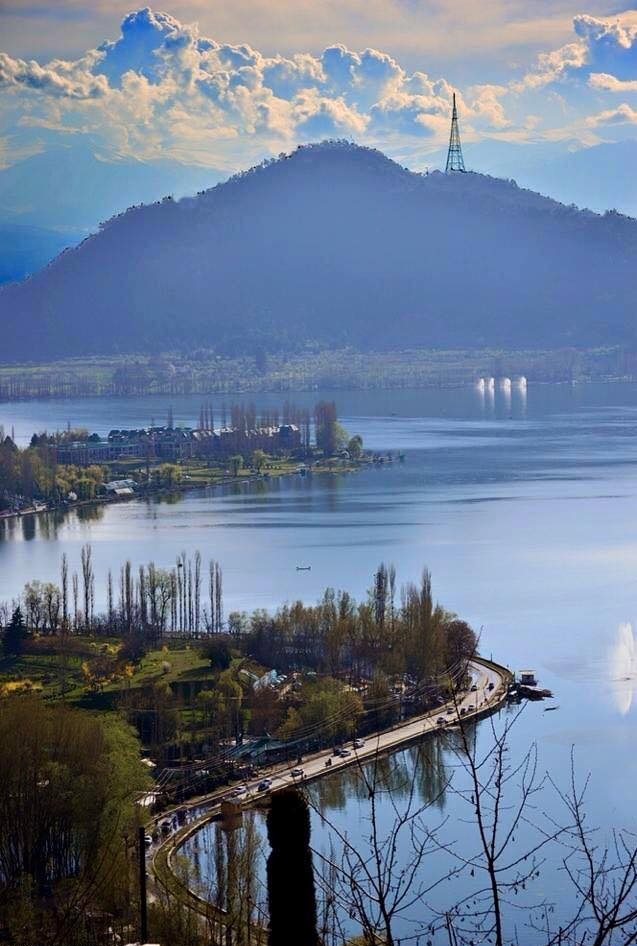
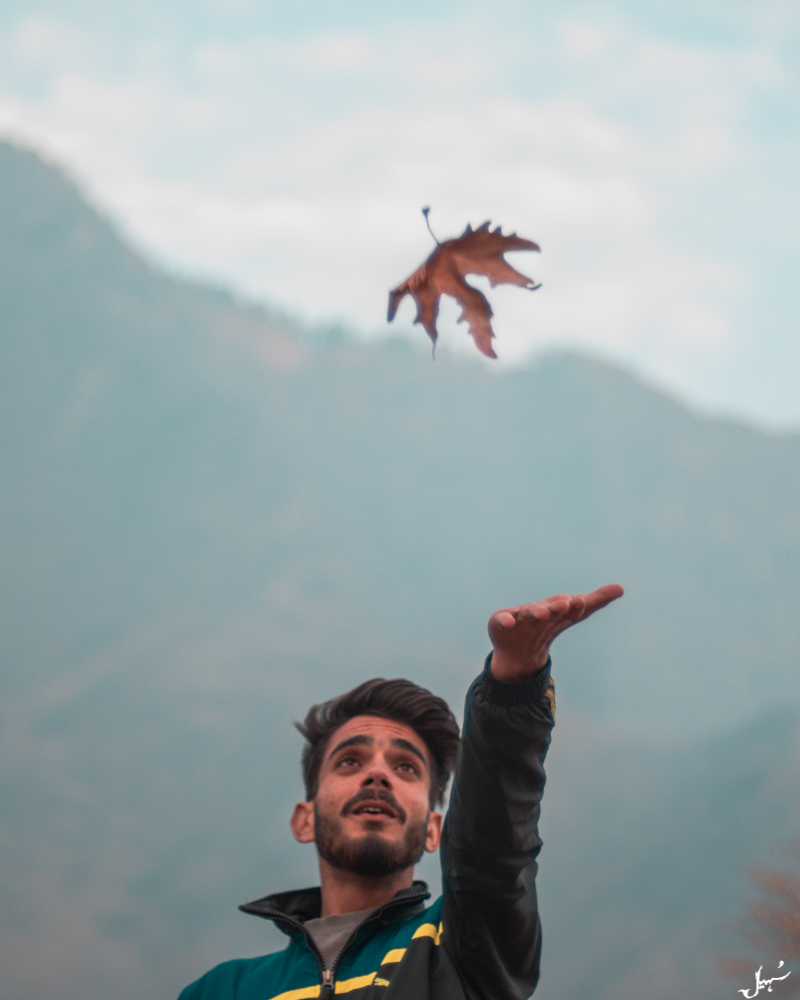
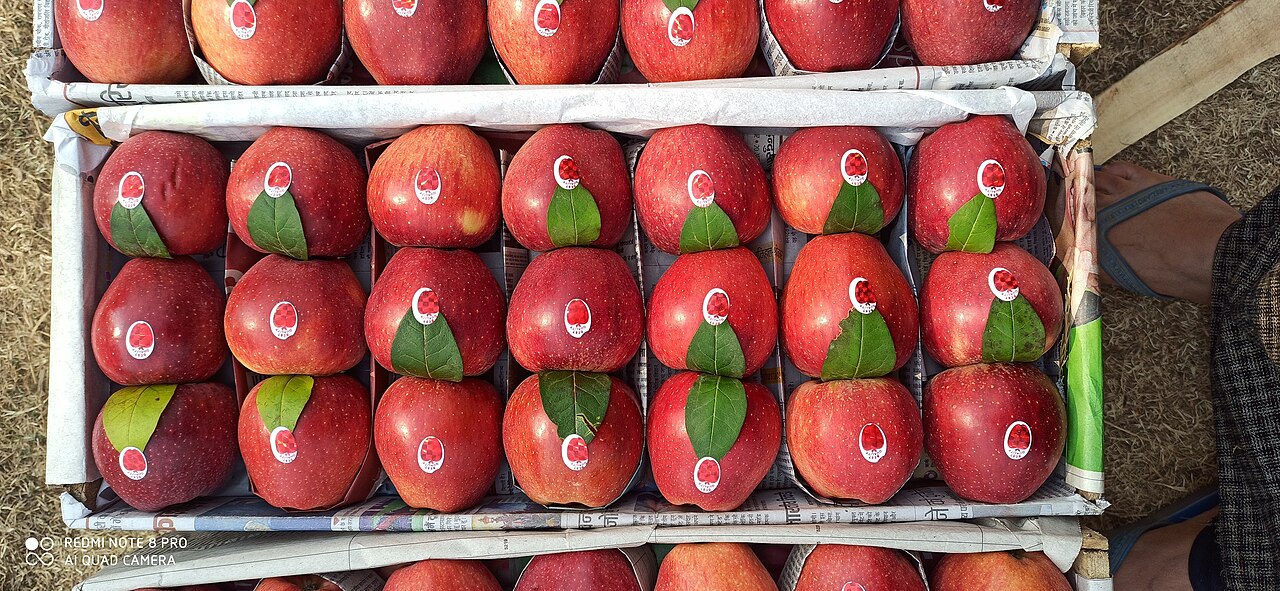
Once September rolls in, the air cools and the Chinars start to turn a deep, rusted gold. Autumn is my favorite time to walk the lake paths. The crowds have thinned, the sky is a sharp, clear blue, and the harvest season brings fresh apples to the markets.
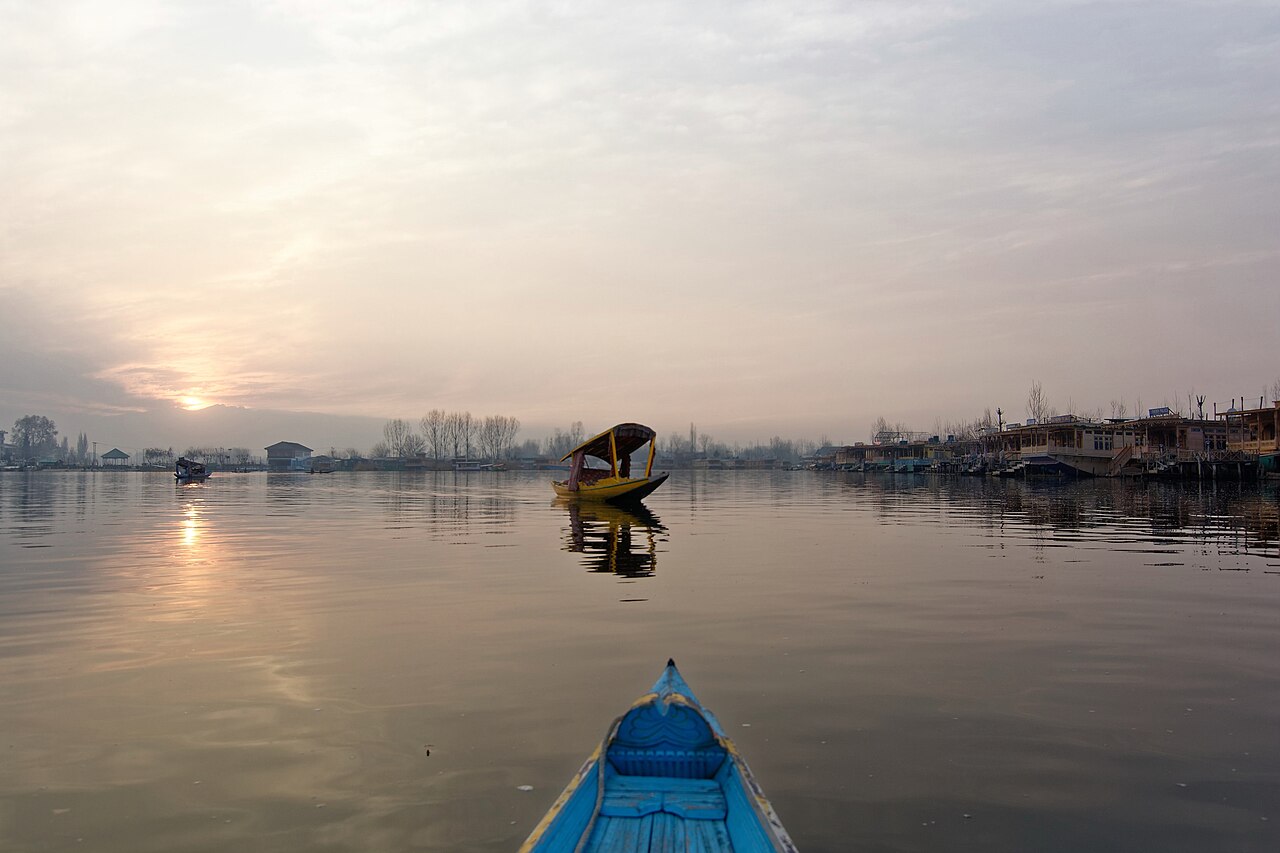
Winter is entirely different. From December to February, the city is often blanketed in frost or snow. It is cold, yes, but there is a special quiet that descends upon the Dal. Most tourists head to the higher slopes for skiing, leaving the city for those who enjoy a slower, contemplative pace.
Planning Based on Your Priorities
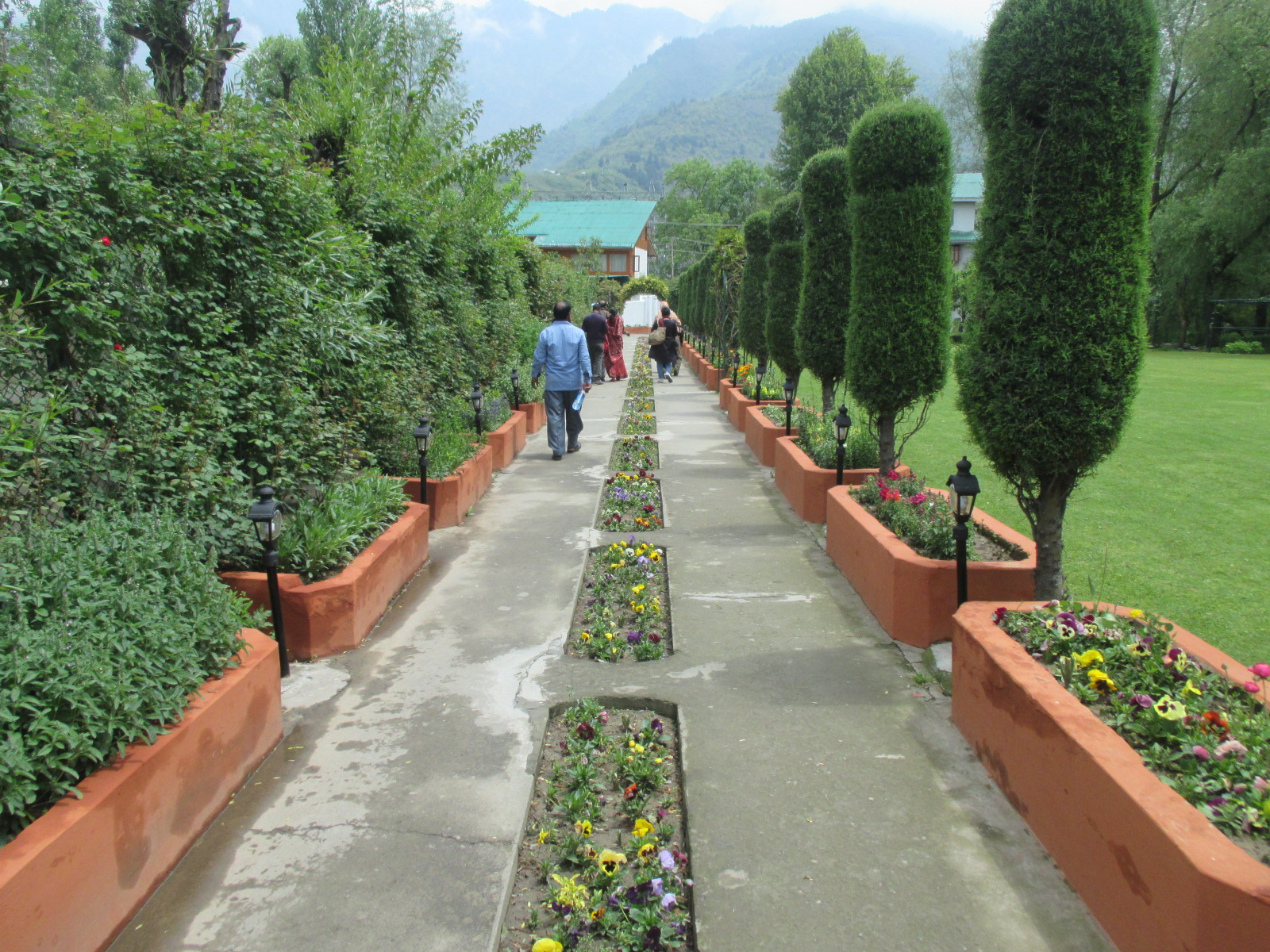
If you are looking for a comprehensive srinagar travel guide to help you choose, think about what you are willing to compromise on. If you hate crowds, avoid mid-summer. If you want to see the gardens at their absolute peak, mid-April is the non-negotiable time to be here.
We regularly assist travelers who are unsure about the trade-offs of visiting during off-peak times. Sometimes, the best experience is found in the shoulder seasons—late October or early March—where you get lower rates and higher availability.
Spring vs. Summer
Spring is for the gardens and the awakening of the valley. Summer is for activity, boating, and exploring the surrounding mountains. Both have their charm, but they feel like two different destinations entirely.
What You Need to Factor In
Regardless of the season, Srinagar requires preparation. The infrastructure is robust, but it operates on its own schedule. Traffic during the peak tourist months can be a challenge, so always allow for extra time when moving between the lake and the city center.
If you are planning to book a srinagar tour package, consider doing so months in advance if you are traveling in the peak months of May or June. Demand for quality houseboats and reputable drivers is incredibly high.
Common Misconceptions
Many people assume that because it is a summer capital, it must be hot. It is not. Even in the peak of July, the evenings require a light wrap. Do not pack as if you are heading to the plains.
Conversely, do not underestimate the cold in January. It is not just chilly; it is biting. If you visit in winter, ensure your accommodation includes proper heating, which we always verify for our clients.
Final Tips for Your Seasonal Trip
If you are stuck on which month to choose, think about your preferred pace. If you want the city at its most vibrant, come in May. If you want to see the traditional apple harvest, come in October.
Whatever you decide, we are here to support your journey. If you need clarity on the expected weather for your specific dates, feel free to reach out.
Before you book
There is no single 'best' time; there is only the time that aligns with what you want to find. Srinagar’s identity changes with the sun, the snow, and the leaves, yet it remains a place that centers you.
Whatever your choice, preparation is key. We are always happy to help you refine your timing and plan the logistics for a trip that fits your rhythm. If you need further advice, our team is just a message away.
Written by
Kashmir, Jammu & Ladakh specialists
We plan and run trips across Kashmir, Jammu and Ladakh every week of the year. Everything here comes from routes we drive, stays we inspect and questions our travellers actually ask.
Quick answers
Questions we get asked
Why is Srinagar known as the summer capital?
Historically, the administrative capital was shifted to Srinagar during the summer months to provide relief from the heat of the plains. Its cool, high-altitude climate makes it a natural sanctuary.
Is summer in Srinagar hot?
No, it is very pleasant. Daytime temperatures are mild, and evenings remain cool, which is exactly why the city serves as a summer escape.
When is the best time to see the gardens?
The Mughal gardens are best viewed from April to early May, when the tulips and other spring flowers are in their full cycle.
Is it safe to visit in winter?
Yes, Srinagar is safe in winter. You must be prepared for freezing temperatures and ensure your accommodation is properly heated to handle the cold.
What should I pack for a summer visit?
Pack light clothing for the day, but always include a medium-weight jacket or sweater for the evenings, as the temperatures drop significantly after sunset.
Photography credits
- Photo: ::::=UT=:::: · CC BY-SA 3.0
- Photo: Suhail Skindar Sofi · CC BY-SA 4.0
- Photo: Tamjeed Ahmed · CC BY-SA 4.0
- Photo: Biswarup Bhattacharjee · CC BY-SA 4.0
- Photo: Views from the ILLUSTRATED LONDON NEWS · Public domain
- Photo: Jahangeer0094 · CC BY-SA 4.0
- Photo: Slyronit · CC BY-SA 4.0