Sanasar: Exploring the Mini Gulmarg of Jammu
A complete summer guide to Jammu's high-altitude saucer-shaped meadow.
Discover why sanasar mini kashmir draws travelers seeking wide-open alpine meadows, pine forests, and quiet trails far from the heavy crowds.
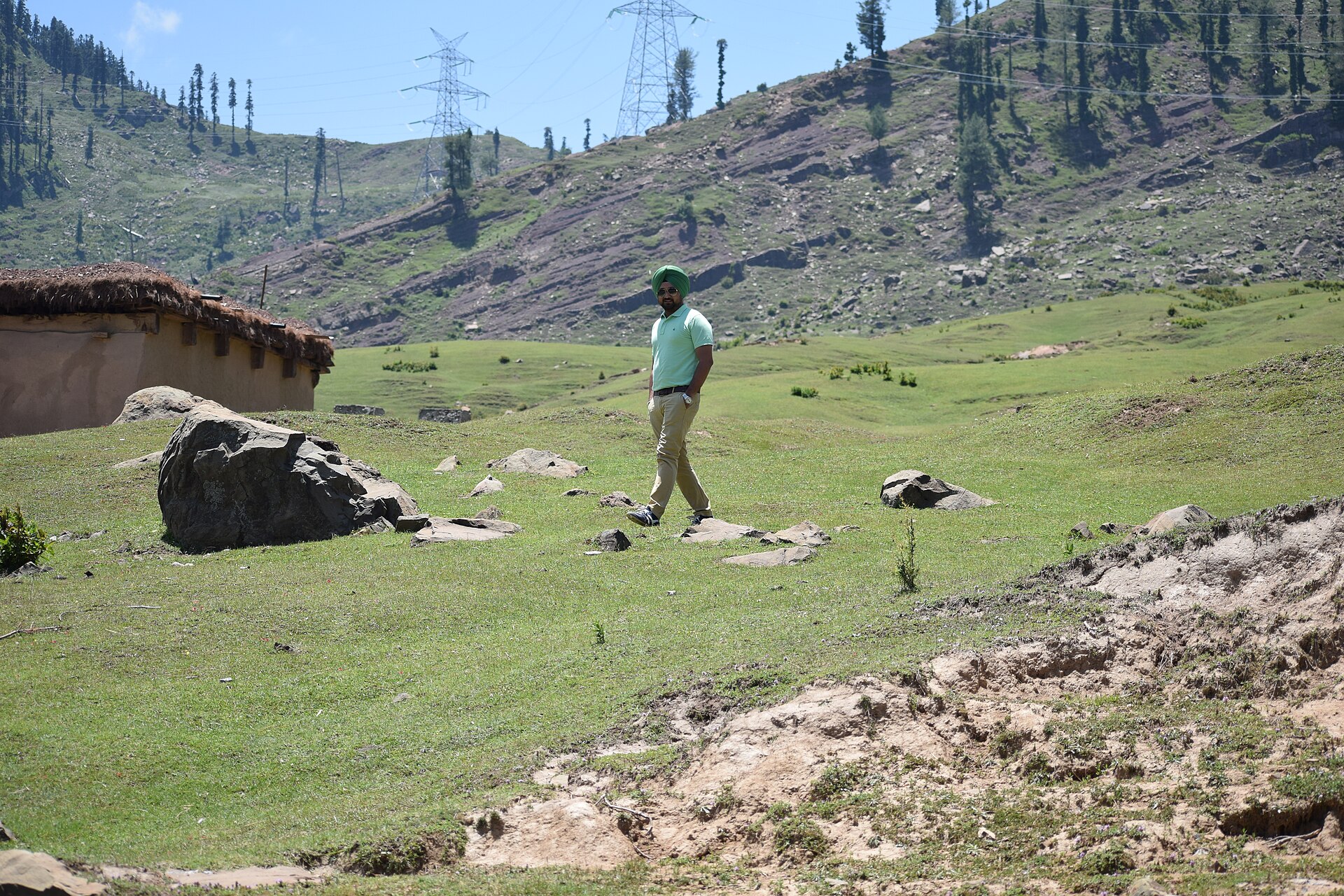
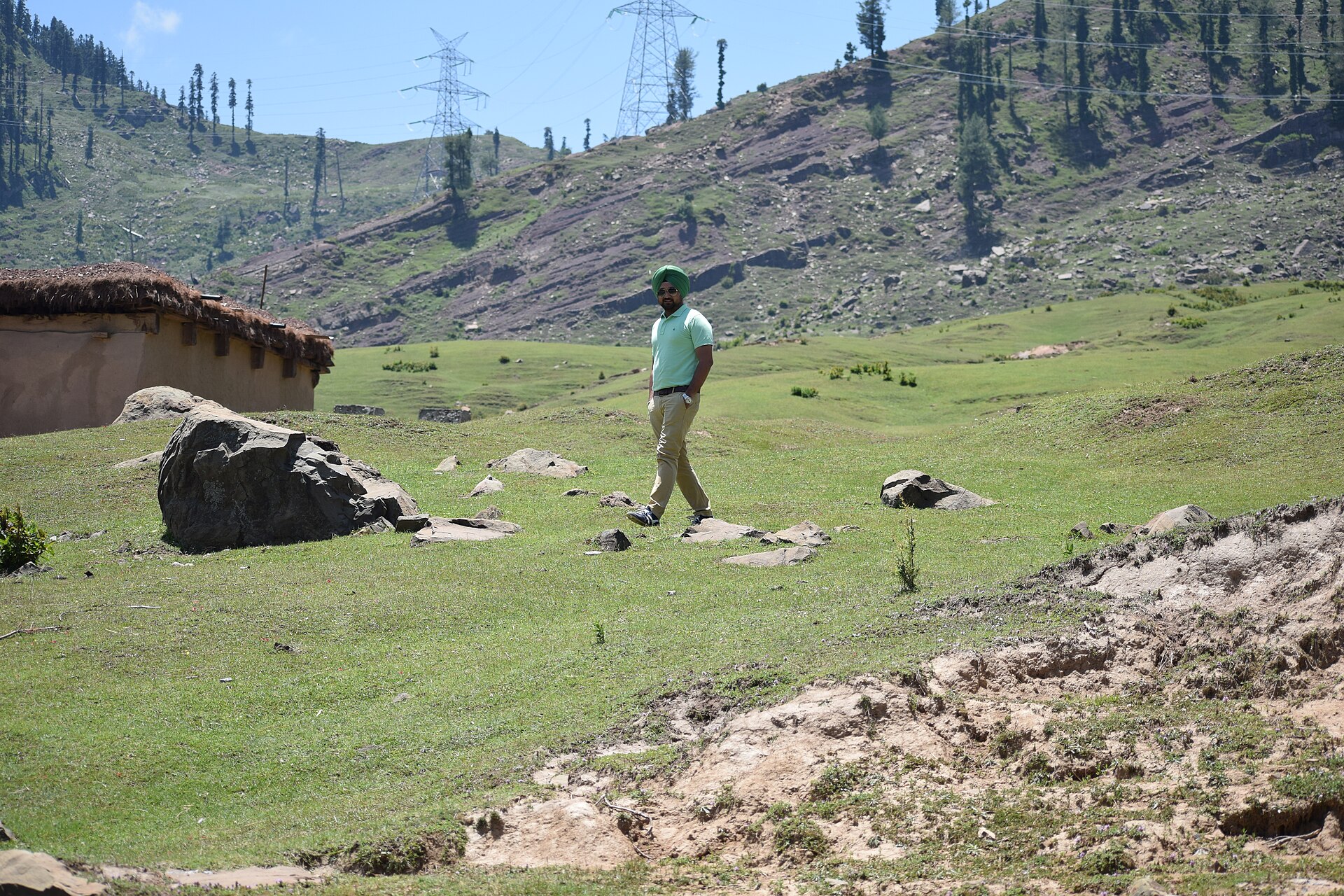
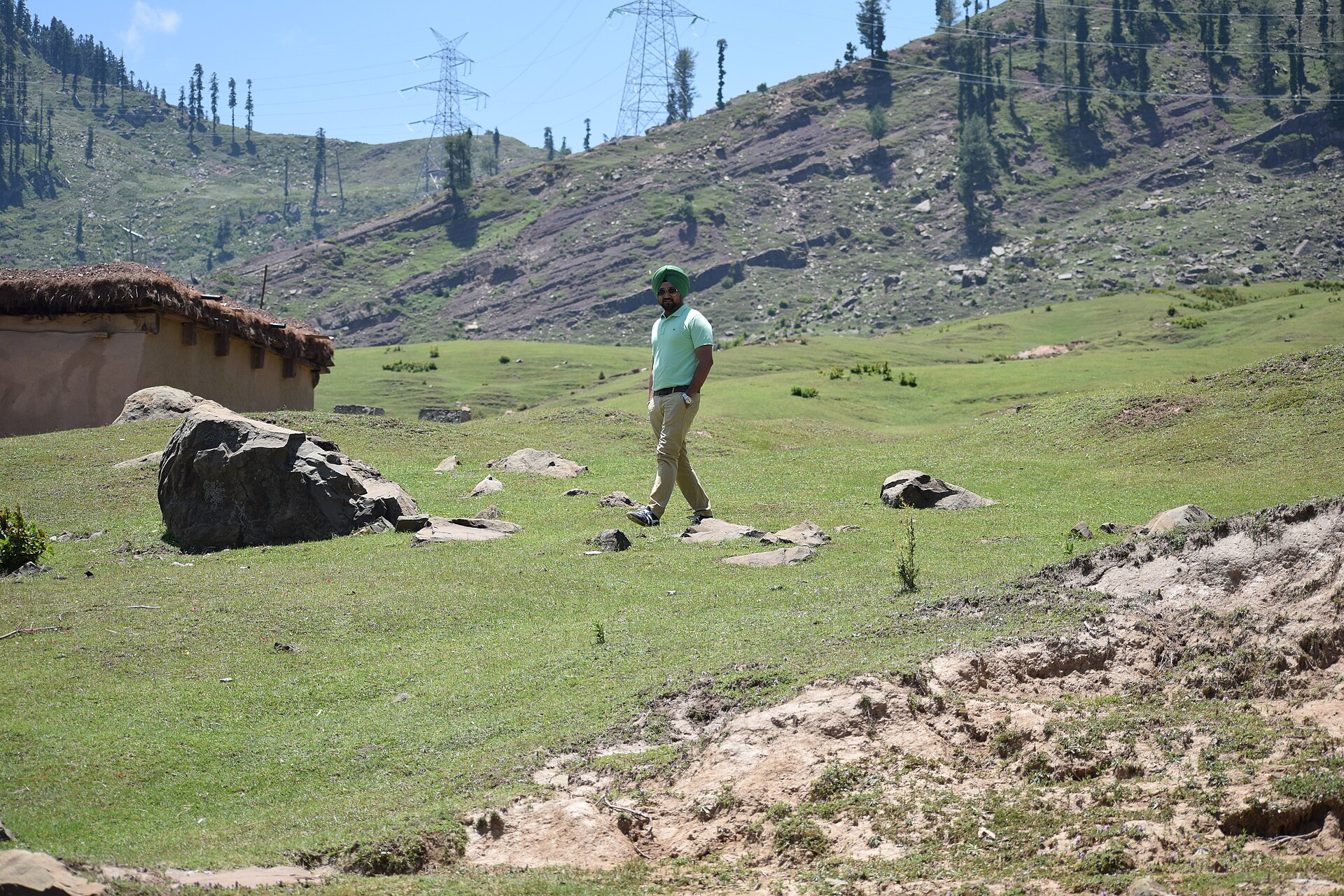
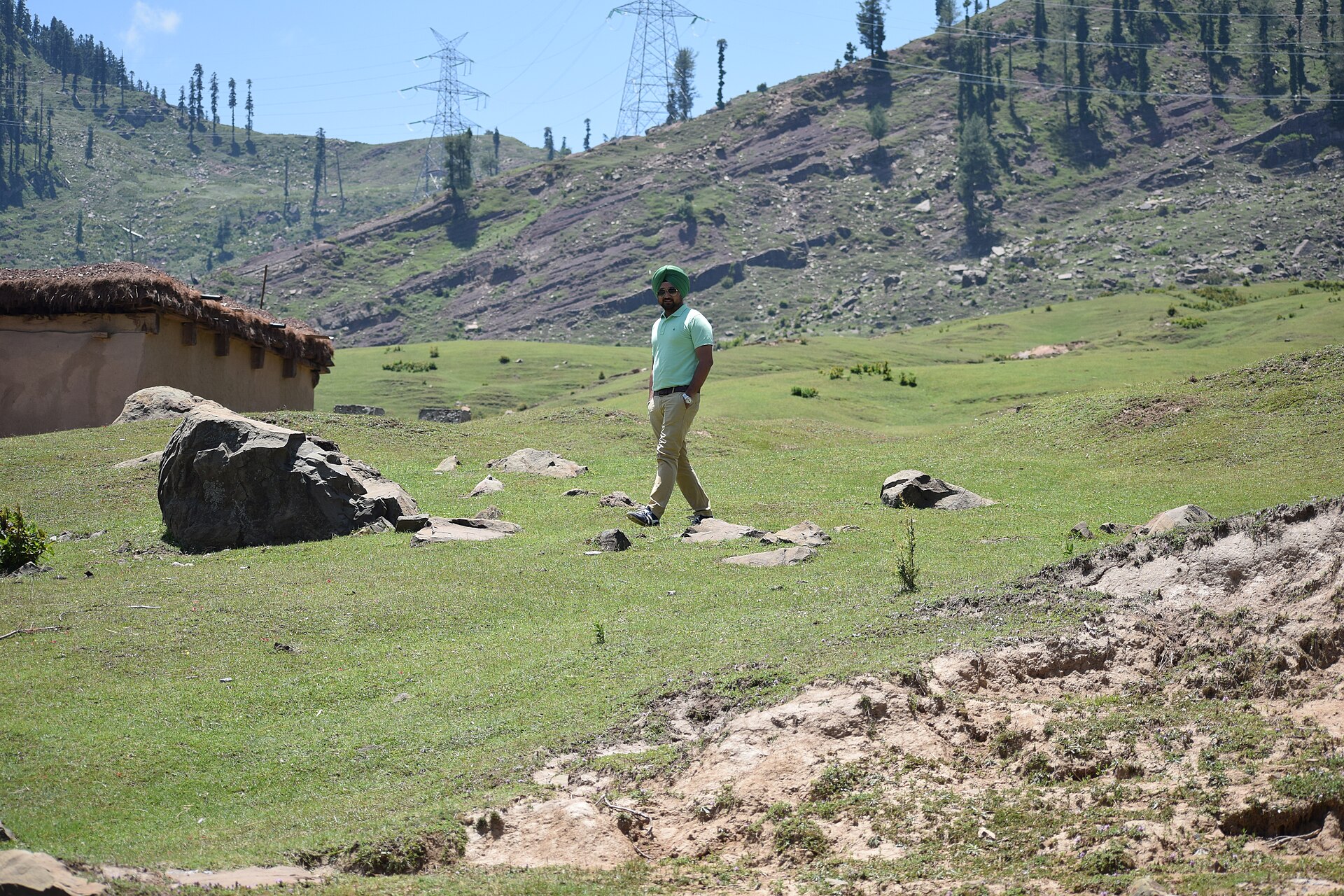
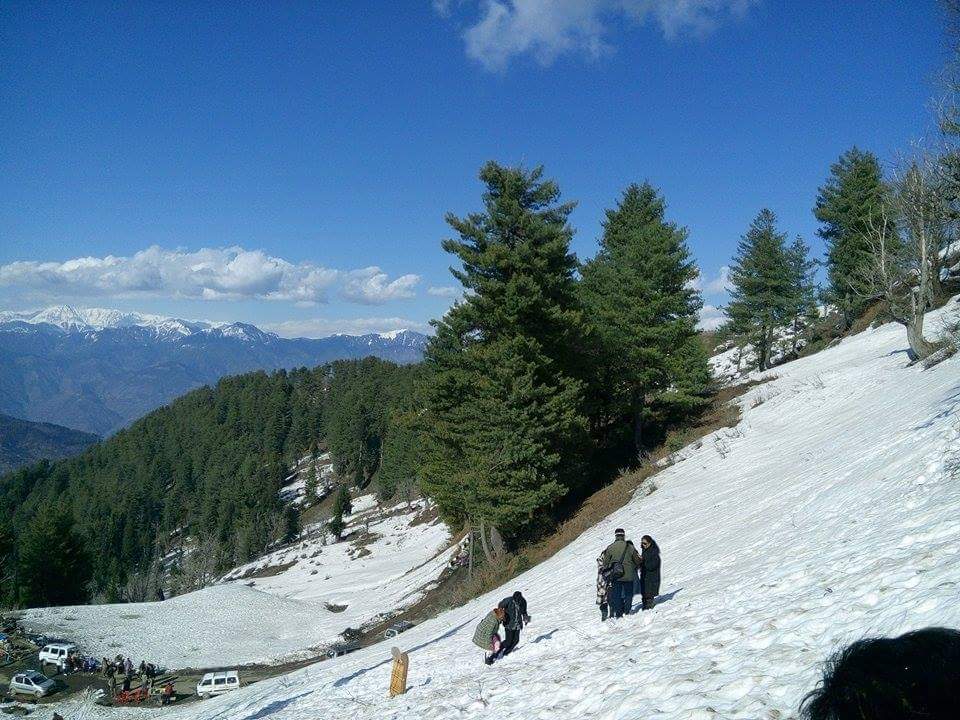
The wide alpine bowl of Sanasar viewed from the surrounding pine ridge.Photo: Cjsinghpup · CC BY-SA 4.0
The road from Patnitop narrows sharply just past Natha Top, trading the souvenir stalls for towering blue pines and sudden, plunging valleys. When you finally crest the final ridge and see the bowl open up before you, the local moniker makes immediate sense. This is sanasar mini kashmir, a startlingly green saucer of pastureland tucked high in the Jammu hills at roughly 2,050 metres above sea level.
Most travellers rush past Jammu on their way to Kashmir proper, treating the southern province as a highway rather than a destination. That oversight leaves places like Sanasar wonderfully quiet, even during peak summer months when the plains bake in the heat. I first visited on a hazy July afternoon after our car overheated near Kud, and the cool rush of air coming off the pasture instantly reset my mood.
Spending a few days here requires a shift in gear. There are no sprawling bazaars or luxury resorts with floor-to-ceiling glass. Instead, you get tea stalls serving milky brew in chipped glasses, shepherds moving their flocks across the valley floor, and pine needles crackling underfoot. Here is how to approach this remarkable pocket of Jammu before the wider world catches on.
Why Sanasar Earned Its Famous Moniker
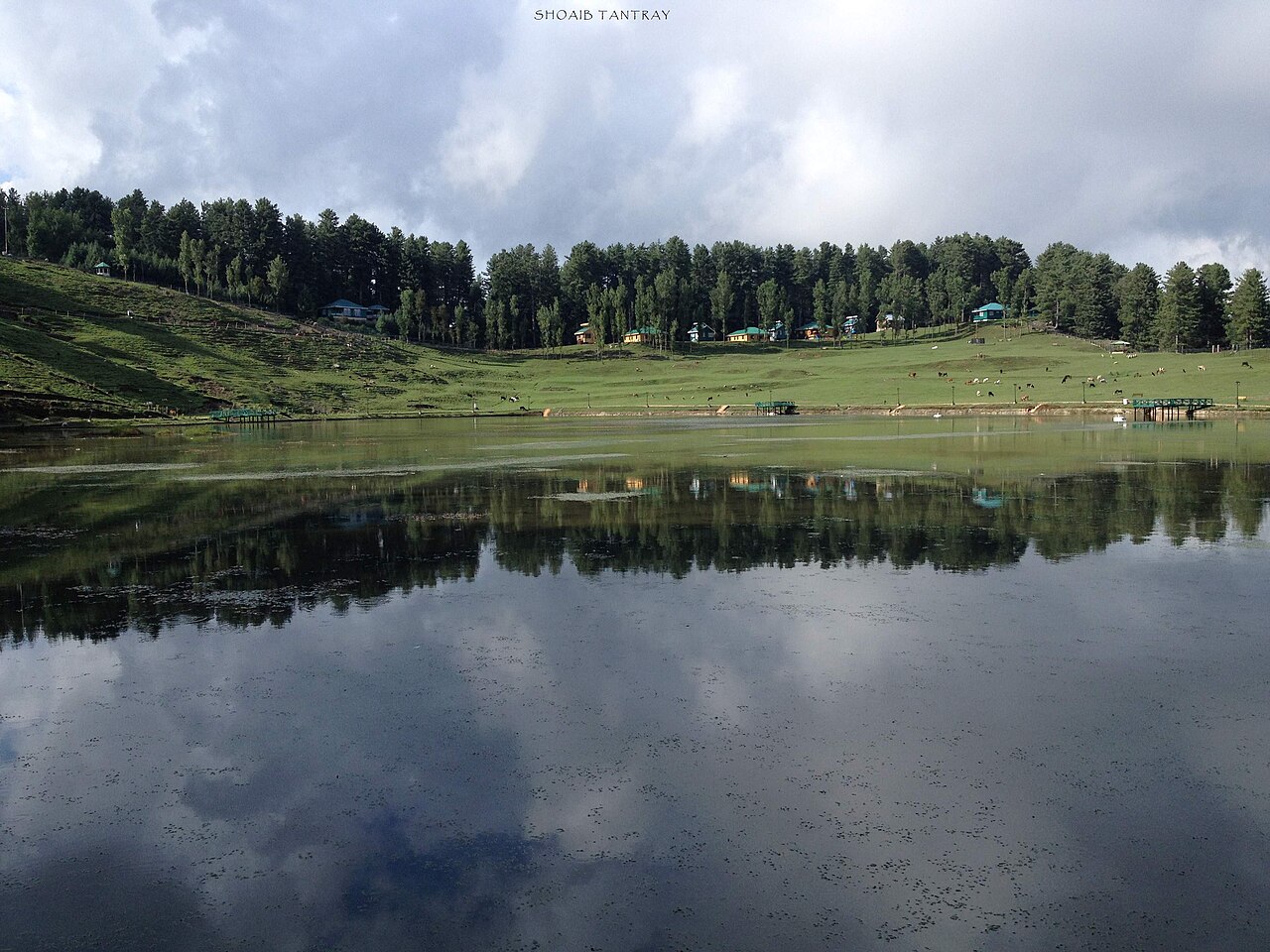
Travel writers love comparisons, but calling this place mini Kashmir or mini Gulmarg actually holds up to scrutiny. The geography mirrors the famous valley up north in miniature: a flat, cup-shaped meadow enclosed by dense coniferous forest, ringed by distant snow-dusted ridges. The scale is intimate, allowing you to walk across the entire basin in less than thirty minutes.
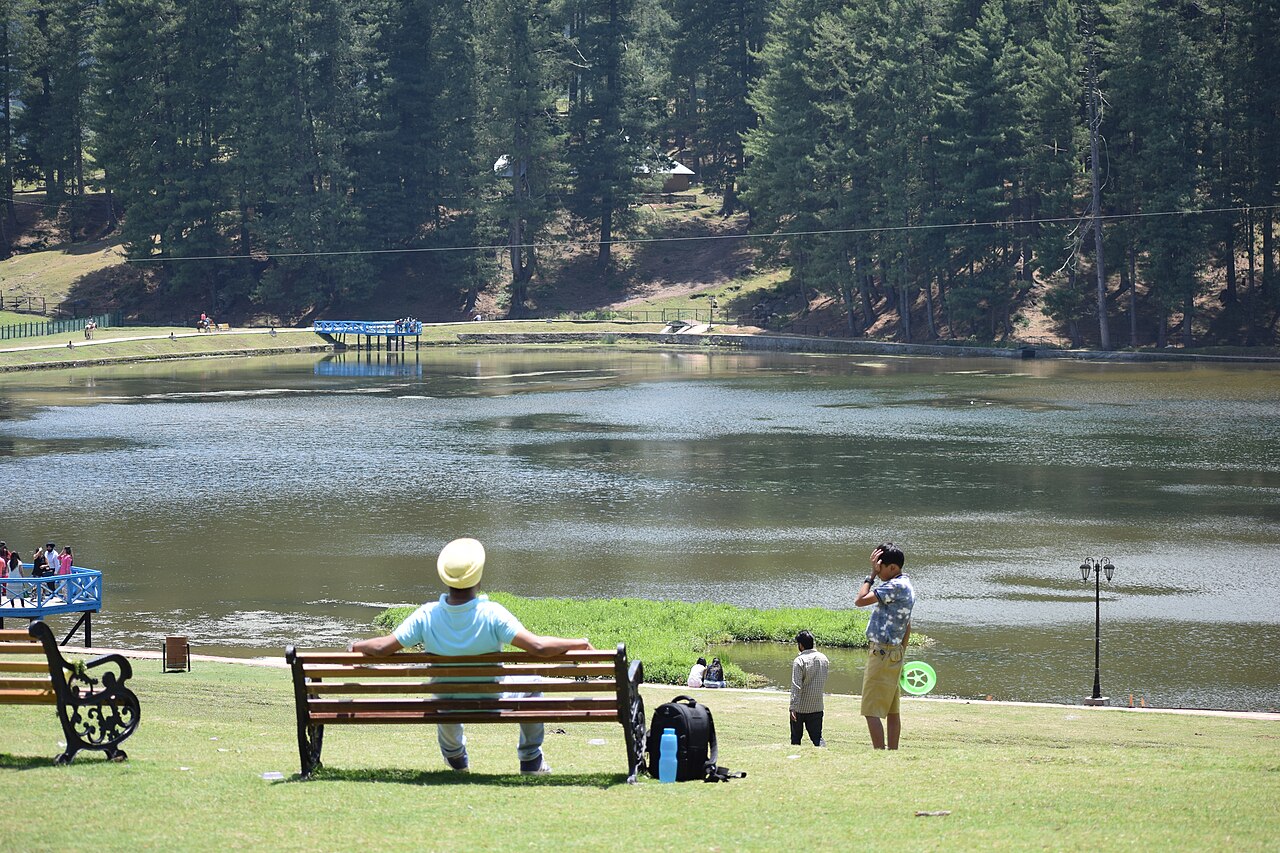
The local name comes from two small local lakes dedicated to regional deities, though one of them has largely dried up over the decades into a marshy patch of green. What remains is a vast lawn of turf that feels entirely out of place in the rugged, rocky terrain of outer Jammu. In June and July, wild buttercups and clover paint patches of yellow and white across the grass.
We always tell clients who are hesitant about long mountain drives to consider this route instead of rushing straight to Srinagar. It gives you the full alpine sensory experience—the smell of cedar, the thin high-altitude light, the absolute quiet—with a fraction of the driving time from Jammu tawi railway station or Katra.
- Altitude: Approximately 2,050 metres above sea level
- Distance from Patnitop: Around 19 kilometres via a winding mountain road
- Best months for greenery: May to August
Navigating the Geography of the High-Altitude Meadow
The layout of Sanasar is disarmingly simple. The core is the grassy bowl, shaped vaguely like a cup, surrounded by rolling ridges that climb higher into the Himalayan foothills. On the eastern edge, a small cluster of concrete guest houses and wooden tea shacks forms the tiny settlement.
If you climb the western ridge behind the tourist reception centre, you get an uninterrupted view looking down over the entire basin. On clear mornings, you can spot the distant folds of the Chenab river basin far below. The paths are unpaved dirt tracks used primarily by local cattle herders and forest department guards.
Walking these trails requires sturdy footwear. The afternoon sun can quickly melt any residual moisture into slippery red clay, particularly after a sudden summer thunderstorm. Keep your raincoat packed in your daypack, as mountain weather here shifts without warning.
The Ridge Trails and Viewpoints
A two-hour walk along the ridge leads you to Shankh Pal temple, an ancient stone shrine perched on a high point with a 360-degree panorama. There is no road leading directly to the temple, meaning you share the windy path only with grazing goats and the occasional hawk.
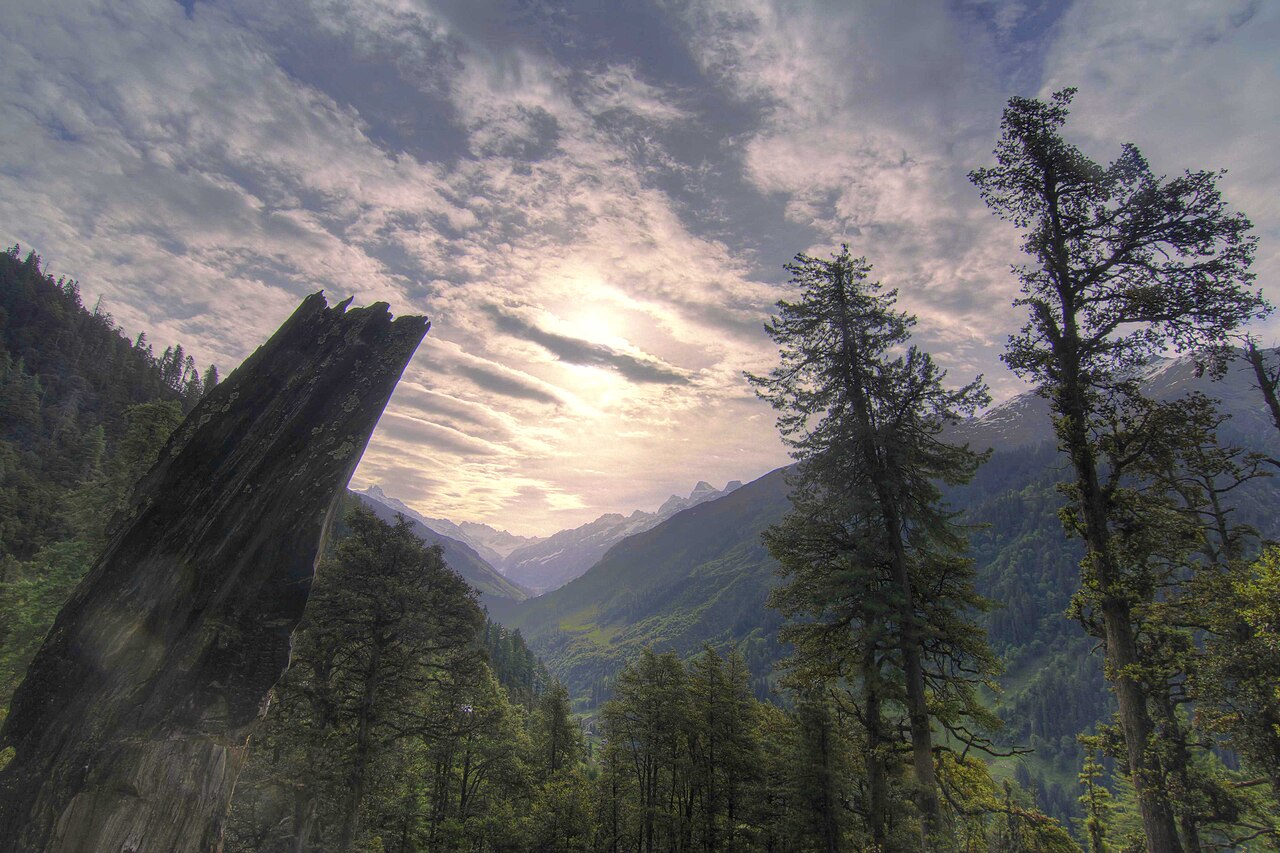
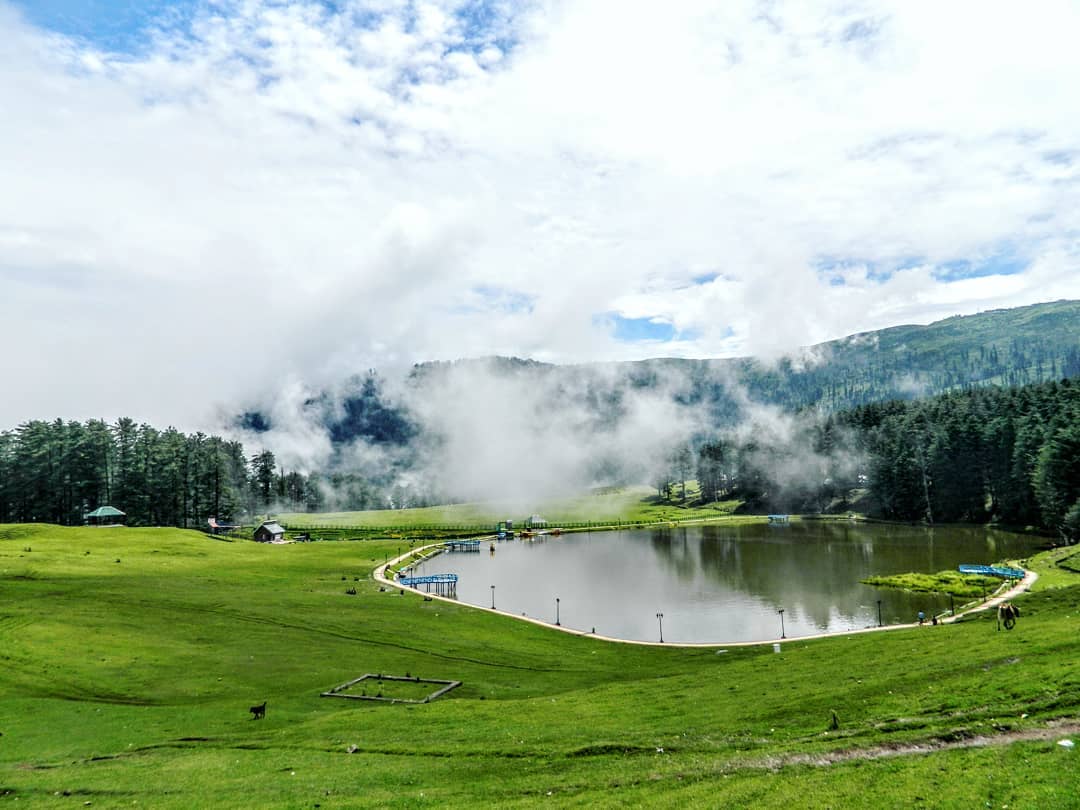
The road narrows sharply past Natha Top, trading souvenir stalls for towering blue pines and sudden, plunging valleys.
The Flora, Fauna, and Seasonal Shifts
The forests framing the pasture are dominated by Himalayan blue pine, silver fir, and scattered patches of deodar. Look down and you will find wild strawberries hugging the forest floor in June, small and intensely sweet compared to their cultivated cousins.
Wildlife here is discreet. You are unlikely to spot leopards or larger mammals, but birdwatchers will find plenty to occupy their mornings. Eurasian jays flash blue feathers between the pine boughs, and Himalayan bulbuls provide a constant soundtrack from dawn until dusk.
Winters bring heavy snow that often cuts off the road from Patnitop for days at a time. While summer offers green grass and pleasant daytime temperatures hovering around 22 degrees Celsius, winter turns the meadow into a silent, white expanse visited only by local villagers and hardy maintenance crews.
Connecting with Rural Gujjar Culture
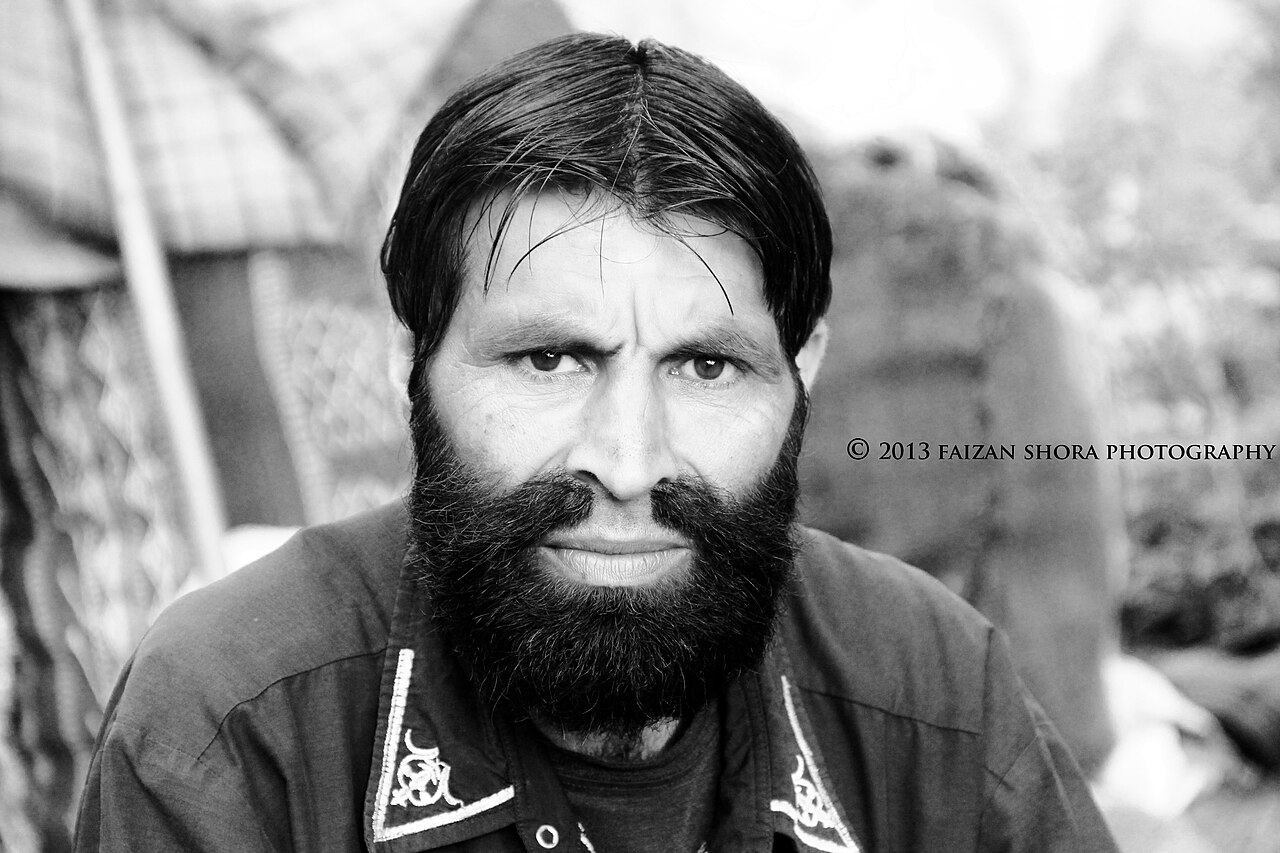
The human story of this valley belongs largely to the Gujjar and Bakarwal communities. During the summer months, you will see their traditional mud-and-stone kothas scattered along the forest edges, where families live while their livestock grazes on the high mountain grasses.
Stopping for tea at one of the temporary roadside tents run by local families offers a window into a way of life untouched by modern commercial tourism. They boil buffalo milk with loose black tea and cardamom on open wood fires, serving it in thick glasses alongside flatbread baked on an iron griddle.
Respect is paramount when walking through these grazing lands. Always ask permission before photographing people or their livestock, and never leave plastic waste behind in the pastures where cattle feed.
Practising Sustainable Tourism in the Hills
Because Sanasar lacks municipal waste management infrastructure, every piece of plastic brought into the valley stays here unless someone carries it back down. We strongly advise travellers to pack reusable water bottles and bring all wrappers and snack packages back to your hotel in Patnitop or Jammu.
Local youth groups occasionally organise clean-up drives along the meadow edges, but the volume of weekend visitors from nearby towns often overwhelms them. Choosing homestays run by local families rather than large commercial setups ensures your tourism spend directly supports the village economy.
Respect the silence of the landscape. Loud music from portable speakers disrupts both the local wildlife and the fundamental reason people travel to these quiet corners of the Jammu hills.
Before you book
Travelling to this corner of Jammu reminds you why slower, quieter journeys remain so rewarding. While the larger hill stations fill up with bumper-to-bumper traffic, Sanasar preserves the simple rhythm of mountain life, where the loudest sound is the wind moving through the pine canopy.
If you want to weave this offbeat valley into your broader Jammu and Kashmir itinerary, including stops along the way, we are always here to help craft a sensible route. Reach out to our team in Srinagar to discuss logistics, trusted drivers, and quiet places to stay.
Ready to Explore Jammu's Quiet Corners?
Let our local team help you design a custom itinerary that includes Sanasar, Patnitop, and beyond without the stress of rigid group tours.
Plan Your Trip With UsCaption for your own post
High above the Jammu plains, the saucer meadow of Sanasar waits for those who take the winding road past Patnitop.
Written by
Kashmir, Jammu & Ladakh specialists
We plan and run trips across Kashmir, Jammu and Ladakh every week of the year. Everything here comes from routes we drive, stays we inspect and questions our travellers actually ask.
Written after spending three days walking the ridge trails and drinking chai with local herders in Sanasar.
Quick answers
Questions we get asked
How do I reach Sanasar from Jammu?
You can hire a private taxi from Jammu tawi railway station or the airport. The journey takes about four hours via Nagrota, Udhampur, and Patnitop, winding up through spectacular mountain passes and deep pine forests.
Is Sanasar suitable for family travel with children?
Yes, the open meadow is wonderful for children to run around safely. However, bring warm layers because mountain weather changes quickly, and keep an eye on them near the steeper ridge edges.
What is the best time of year to visit Sanasar?
May through August is ideal for green pastures, pleasant daytime temperatures, and easy road access. September and October offer crisp autumn air and changing foliage colours before winter snow sets in.
Are there hotels directly in Sanasar?
Accommodation options are limited to a few Jammu and Kashmir tourism huts, basic private guest houses, and homestays. Many travellers prefer staying in Patnitop and visiting Sanasar as a day trip.
Can I do adventure sports in Sanasar?
Paragliding is traditionally offered here when weather permits, along with zorbing and basic pony rides across the main meadow. Always verify the operator's credentials and safety equipment before participating.
Photography credits
- Photo: Cjsinghpup · CC BY-SA 4.0
- Photo: Imviiku · CC BY-SA 4.0
- Photo: Shoaib tantray111 · CC BY-SA 4.0
- Photo: Adi10rane · CC BY-SA 4.0
- Photo: Faizan Shora · CC BY 2.0
- Photo: Its sumit sharma · CC BY-SA 4.0
- Photo: Cjsinghpup · CC BY-SA 4.0