Practical Routes to Mansar Lake from Jammu
Everything you need to know about navigating the roads to this quiet water body.
Discover the best roads, journey times, and transit options when planning your drive from Jammu City or Katra to Mansar Lake.
The scenic highway stretch leading toward the Shivalik foothills.Photo: Yashpalkatal · CC BY-SA 3.0
The tea stalls on the Jammu-Pathankot highway start brewing at five in the morning, long before the heavy trucks begin their crawl toward the plains. If you turn left off that main artery toward Samba, the noise drops away within twenty minutes. You are left with the hum of tyres on tarmac and the dry scent of scrub oak.
Most travellers heading to Mansar Lake start either from Jammu City or from the shrine town of Katra. The road conditions change depending on the season, but the geography remains constant: low rolling hills, dry riverbeds that flood in July, and small roadside settlements selling fresh buttermilk.
Understanding the mansar lake route helps you avoid the midday traffic jams near the industrial outskirts of Samba. Whether you drive yourself or hire a cab, a bit of local knowledge makes all the difference.
Traveling from Jammu City by Road
Jammu City sits roughly sixty kilometres southwest of the lake. The standard drive takes about an hour and a half if you leave before the office rush.
You start by heading out on the National Highway 44 toward Samba. The tarmac is wide and well-paved, though you will share lanes with buses bound for Kathua and Pathankot. At Samba, you take the left turn marked for Mansar. From here, the road narrows into a two-lane state highway that climbs steadily through the Shivalik foothills.
The last twenty kilometres are winding and demand your full attention. Watch out for stray cattle and local tractor-trailers rounding blind corners without horns.
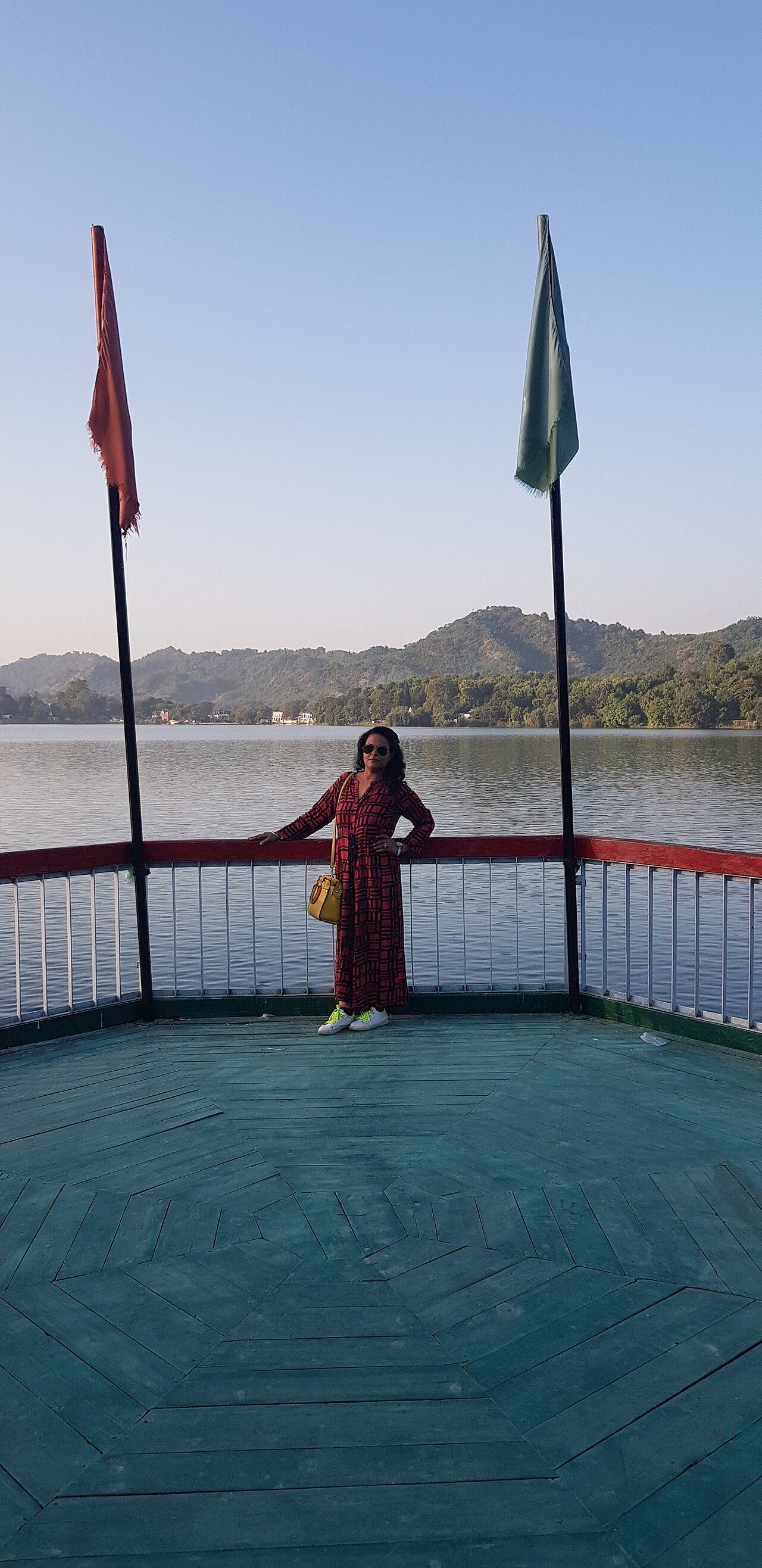
The Route from Katra for Pilgrims
If you are coming straight from Vaishno Devi base camp in Katra, you do not need to backtrack all the way into Jammu City. The cross-country road cuts through Udhampur district and links up via smaller rural connectors.
This alternative route saves you about fifteen kilometres, but the surface is patchier. Expect potholes after the winter rains and steep gradients that test your clutch control if you are driving a small hatchback.
The landscape on this northern approach is greener, with terraced fields and small brick kilns puffing grey smoke into the morning haze.
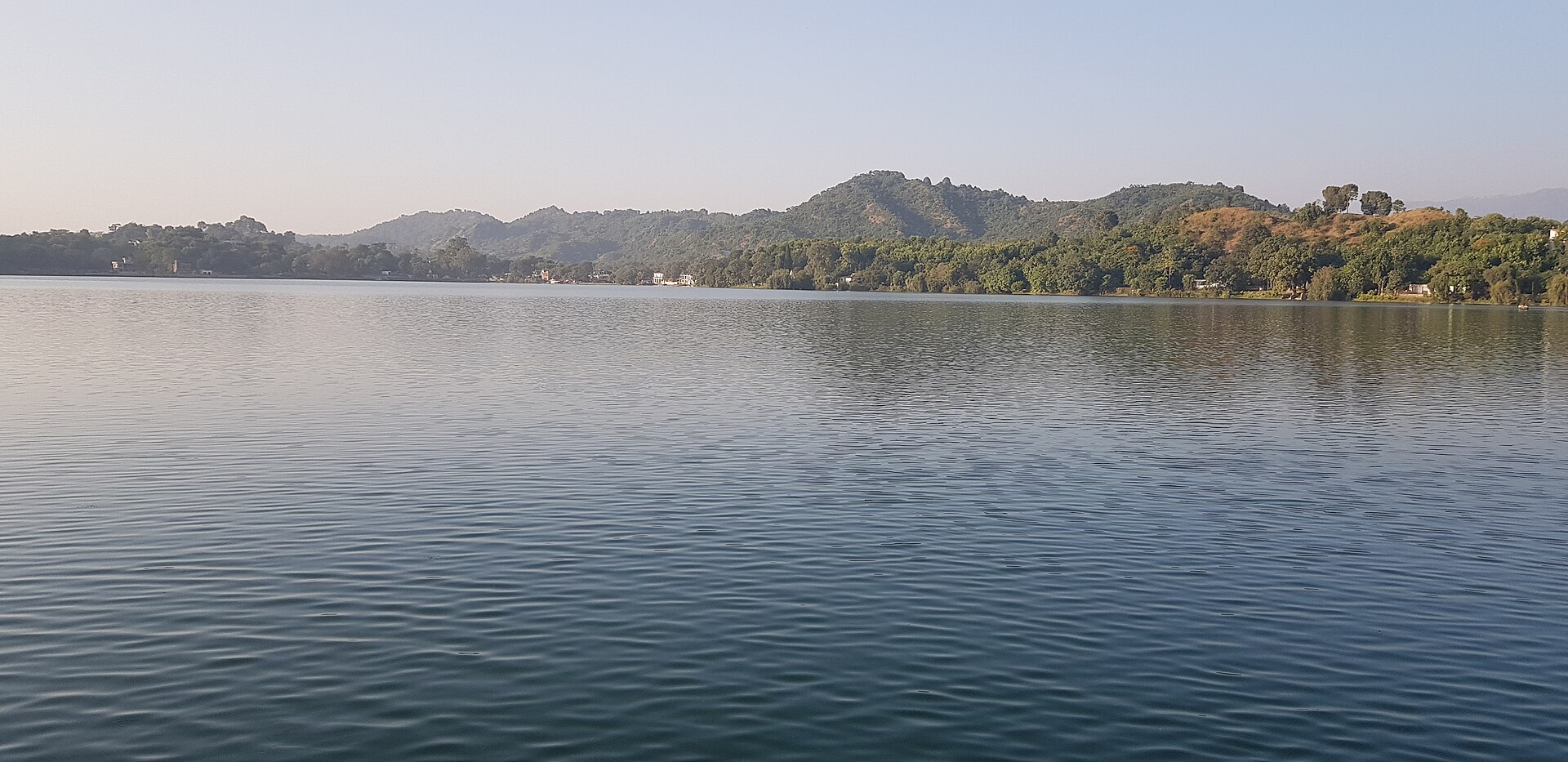
The last twenty kilometres are winding and demand your full attention.
Key Landmarks Along the Way
Driving the mansar lake route gives you a chance to see parts of Jammu that most tourists miss. As you leave the highway at Samba, keep an eye out for the old fort ruins perched on the low ridges.
About ten kilometres before you reach the water, the road passes through thickets of bamboo and wild bushes. This is where the temperature drops slightly, even in late May.
If you have extra time, you can easily combine this trip with a stop at the nearby twin water body by taking the diversion toward Surinsar Lake.
Passing Through Samba
Samba is famous for its traditional calico printing and block-printed textiles. If you have time to spare on your way out, pull over near the main market to browse the local shops.
The Final Ascent
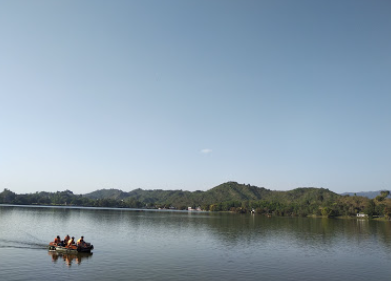
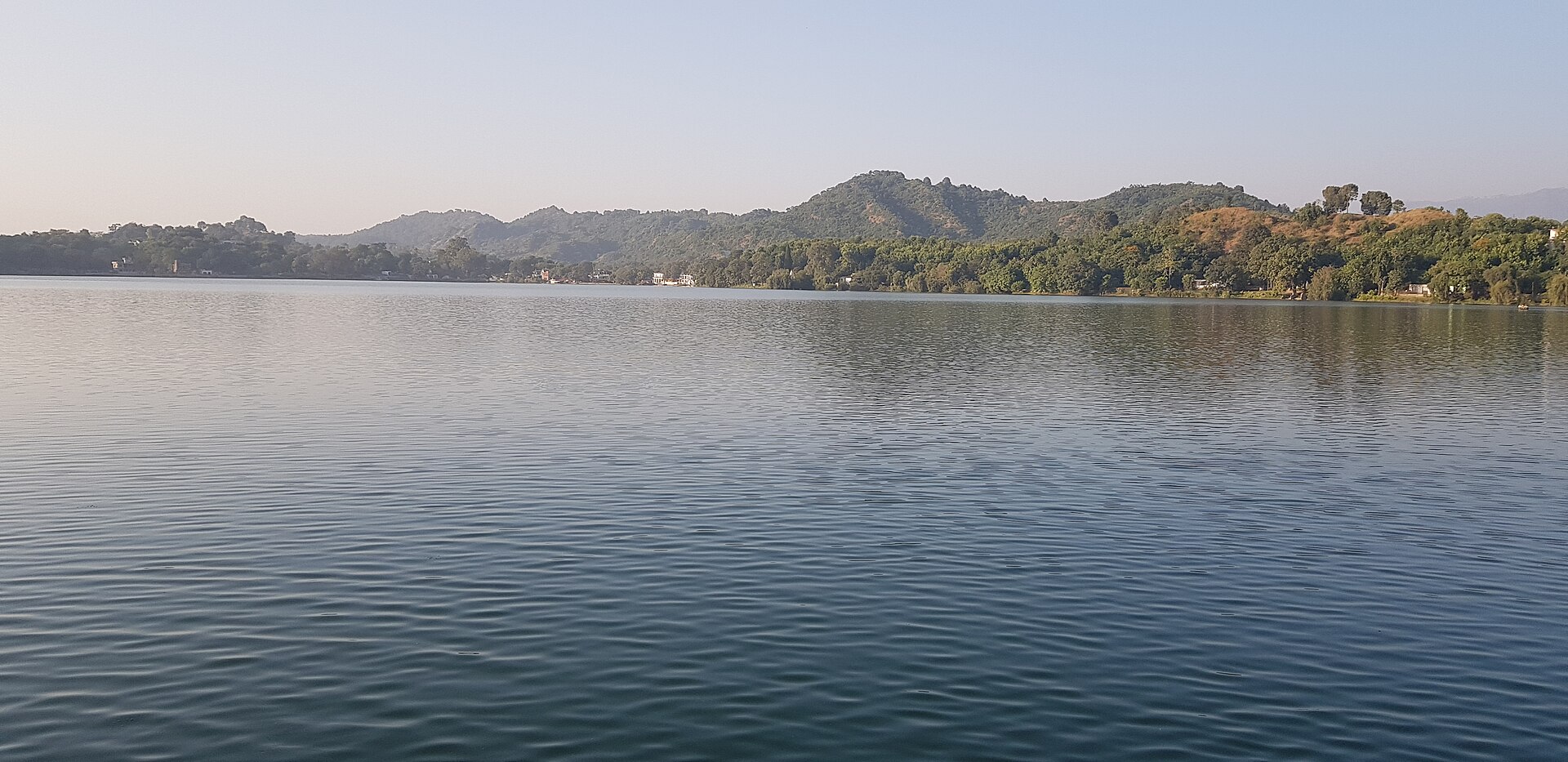
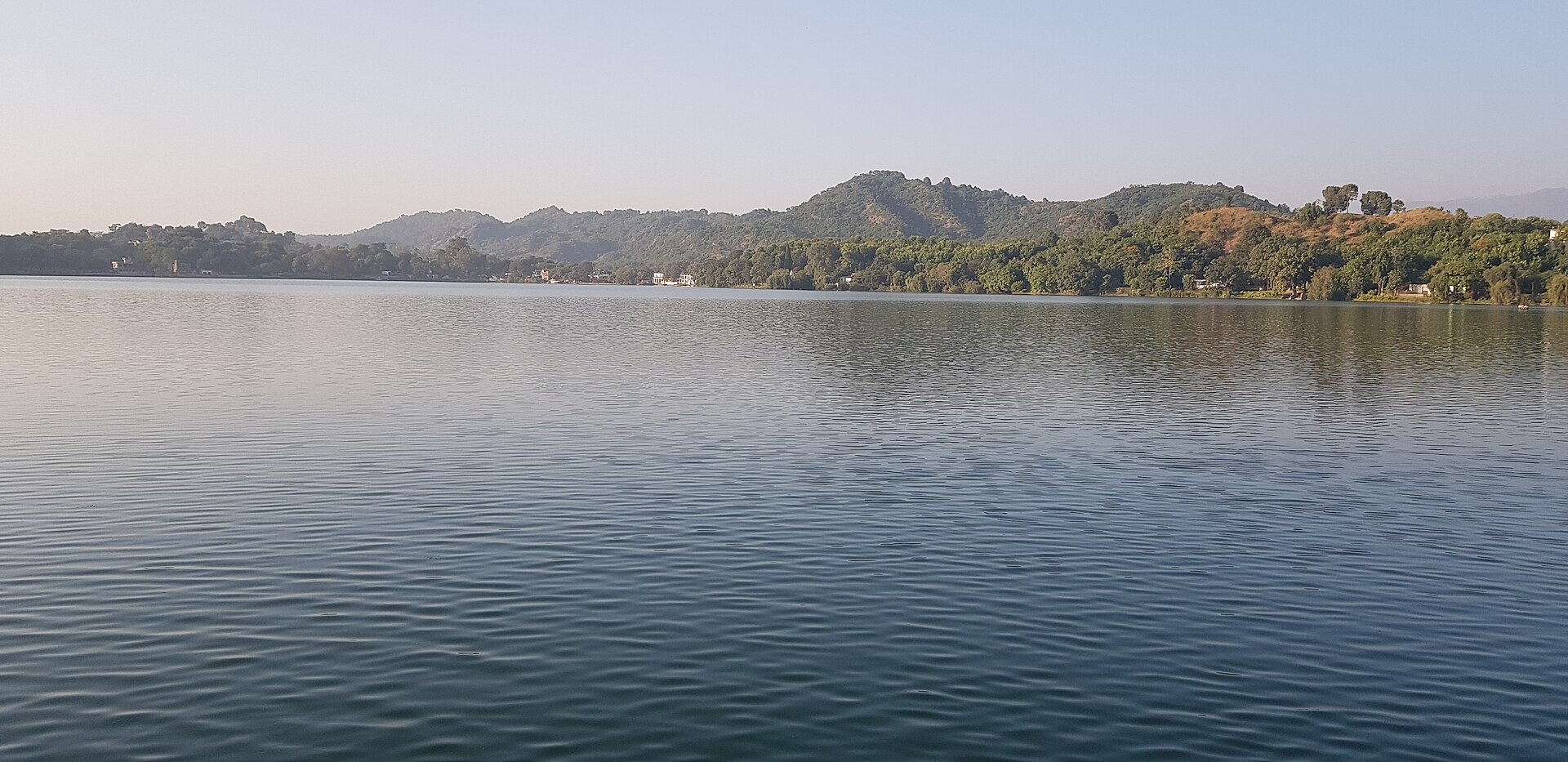
The last five kilometres involve a series of sharp hairpin bends. As you crest the final ridge, the deep green water of the lake suddenly appears below the tree line.
Public Transport vs Private Taxi
Getting to the water without your own vehicle requires some planning. State-run buses and shared sumos operate from the Jammu General Bus Stand, but schedules are erratic.
A shared sumo costs roughly 150 rupees per seat, but you will wait until the vehicle is completely full before it departs. This can add an hour or more to your morning schedule.
Booking a private taxi from Jammu gives you complete flexibility. Expect to pay between 2,000 and 2,500 rupees for a full-day return trip that includes waiting time at the site.
Tips for a Smooth Road Trip
Mobile network coverage can be spotty once you drop into the basin around the water body. Download your offline maps before leaving Jammu City.
Petrol stations are scarce once you leave the main highway at Samba. Fill your tank completely before making the turn off National Highway 44.
Pack a light jacket even in summer, as the breeze off the water can turn chilly once the sun dips behind the surrounding hills.
Before you book
Navigating the roads to this quiet water body is straightforward as long as you plan your departure time and fuel stops correctly. The journey itself offers a wonderful glimpse into the rural landscapes of the Shivalik hills.
Whether you want to explore further or need help arranging reliable transport, we are always here to assist. Feel free to contact our local team in Jammu and Srinagar for personalized travel advice.
Plan Your Jammu Road Trip With Us
Let our local team handle your transport, permits, and itinerary planning so you can simply enjoy the drive.
Get in TouchCaption for your own post
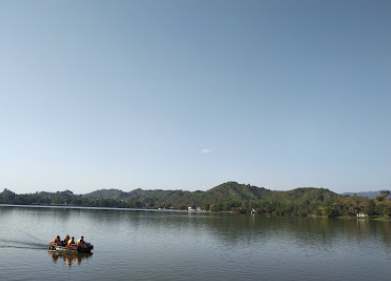
Taking the winding road through the Shivalik foothills toward the quiet waters of Mansar Lake.
Written by
Kashmir, Jammu & Ladakh specialists
We plan and run trips across Kashmir, Jammu and Ladakh every week of the year. Everything here comes from routes we drive, stays we inspect and questions our travellers actually ask.
Written by our Jammu transport lead who drives these hill roads twice every week.
Quick answers
Questions we get asked
What is the total driving distance from Jammu to Mansar Lake?
The distance is approximately 60 kilometres via Samba. The drive usually takes an hour and a half depending on traffic conditions on the highway.
Are there petrol pumps on the mansar lake route?
There are plenty of fuel stations along the Jammu-Pathankot highway near Samba, but very few once you take the turnoff toward the water. Fill up before heading inland.
Can I visit Mansar Lake as a day trip from Katra?
Yes, many travellers staying in Katra visit the lake as a day trip. The drive takes about two hours through rural Udhampur district roads.
Is public transport reliable for this route?
Shared sumos and buses run from Jammu, but they do not follow strict timetables. Renting a private cab is much more reliable for families.
Is the road safe for self-drive cars?
The road is generally safe and paved, but the final stretch has steep climbs and sharp bends. Drive cautiously and ensure your car brakes are in good condition.
Photography credits
- Photo: Yashpalkatal · CC BY-SA 3.0
- Photo: Drharleen · CC BY-SA 4.0
- Photo: Drharleen · CC BY-SA 4.0
- Photo: Unknown author Unknown author · Public domain
- Photo: Ms0801 · CC BY-SA 4.0
- Photo: Unknown author Unknown author · Public domain
- Photo: Ms0801 · CC BY-SA 4.0