What is Mansar Lake and How to Plan Your Visit
Curious about what is mansar lake? From the ancient history of the Sheshnag temple to practical tips for your Jammu trip, we have you covered.
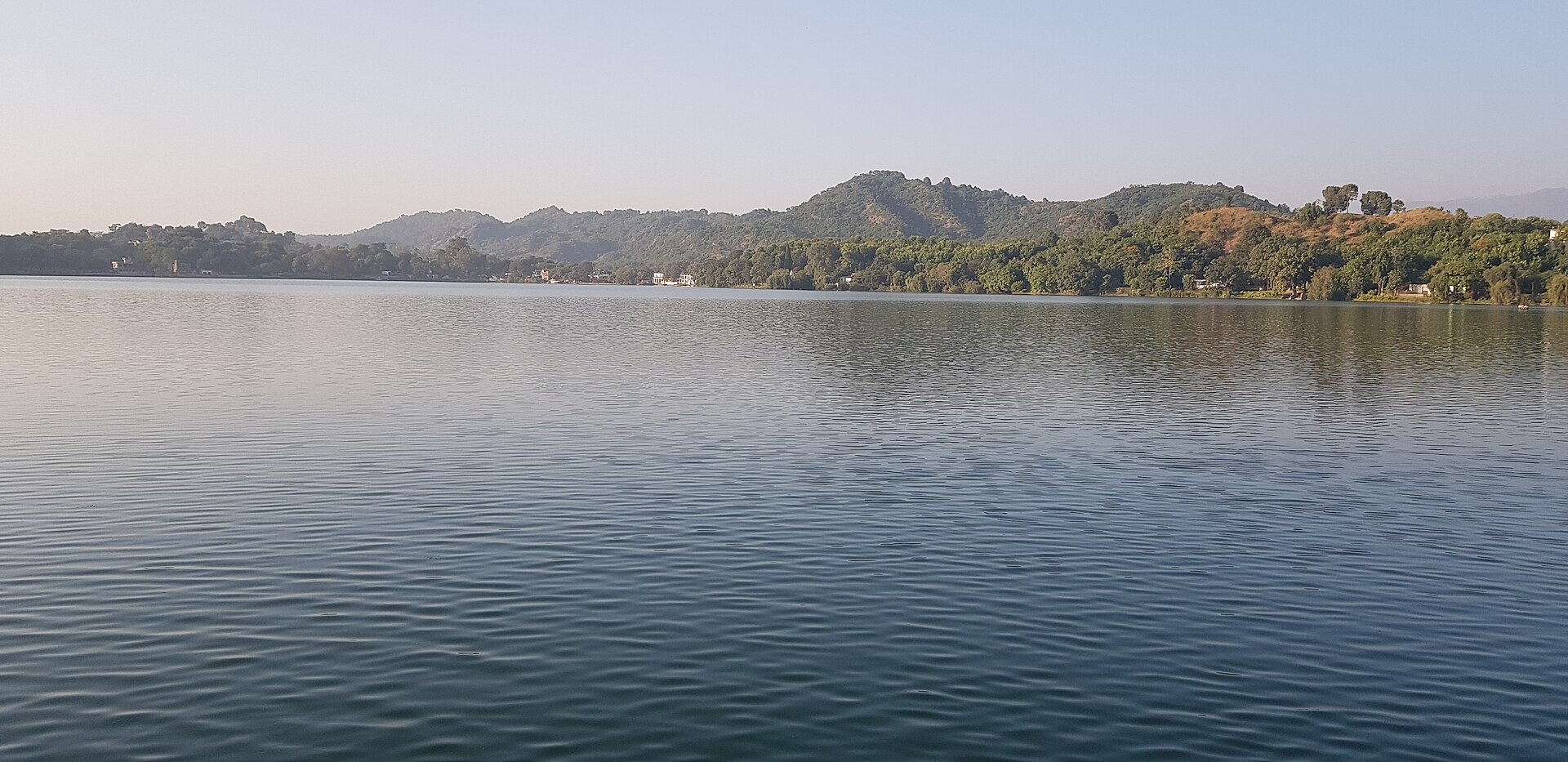
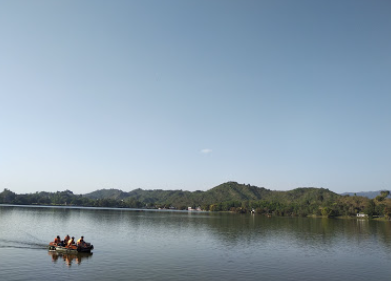
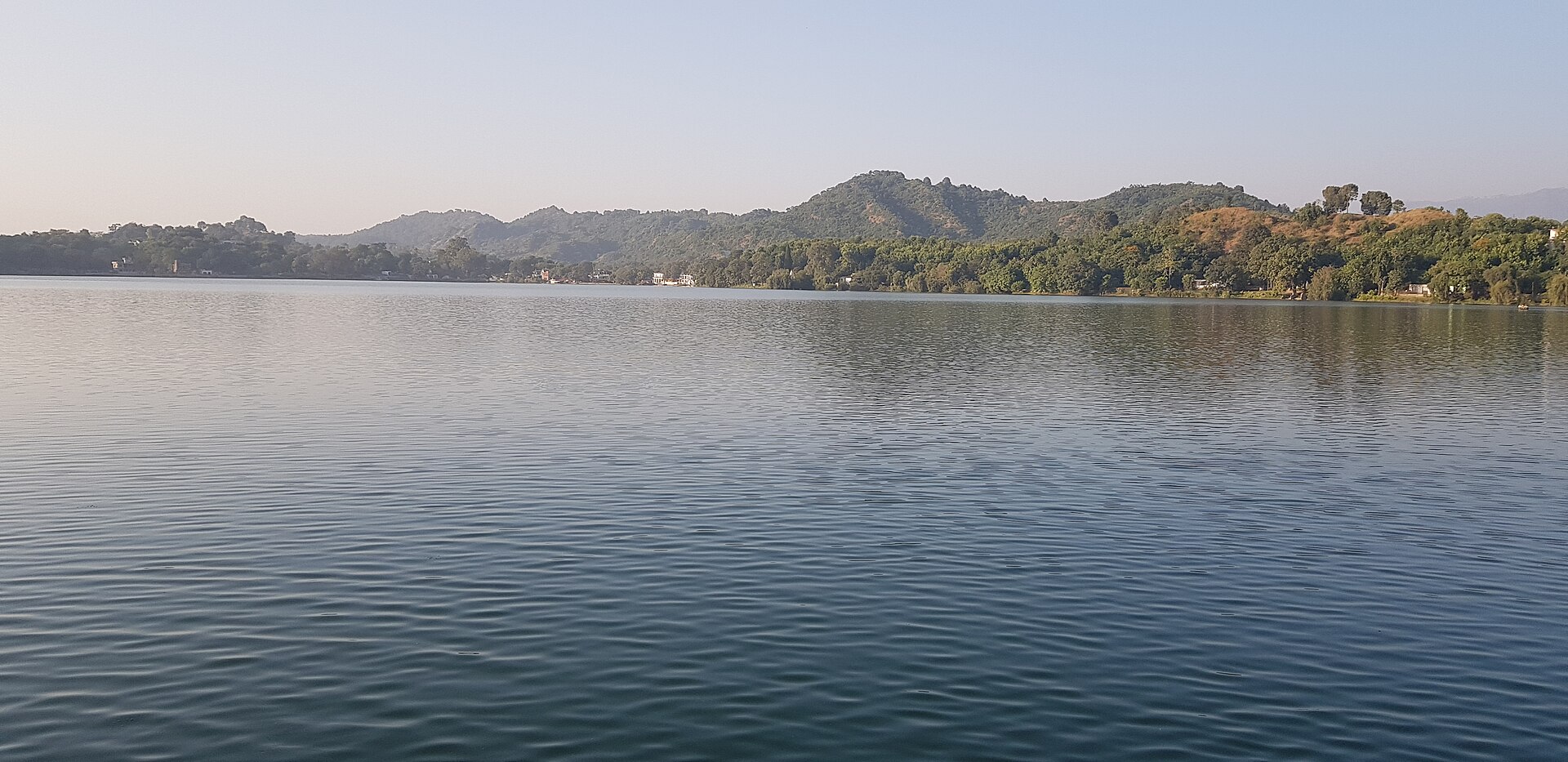
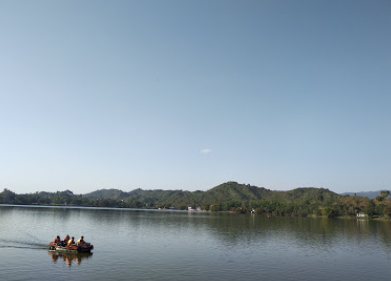
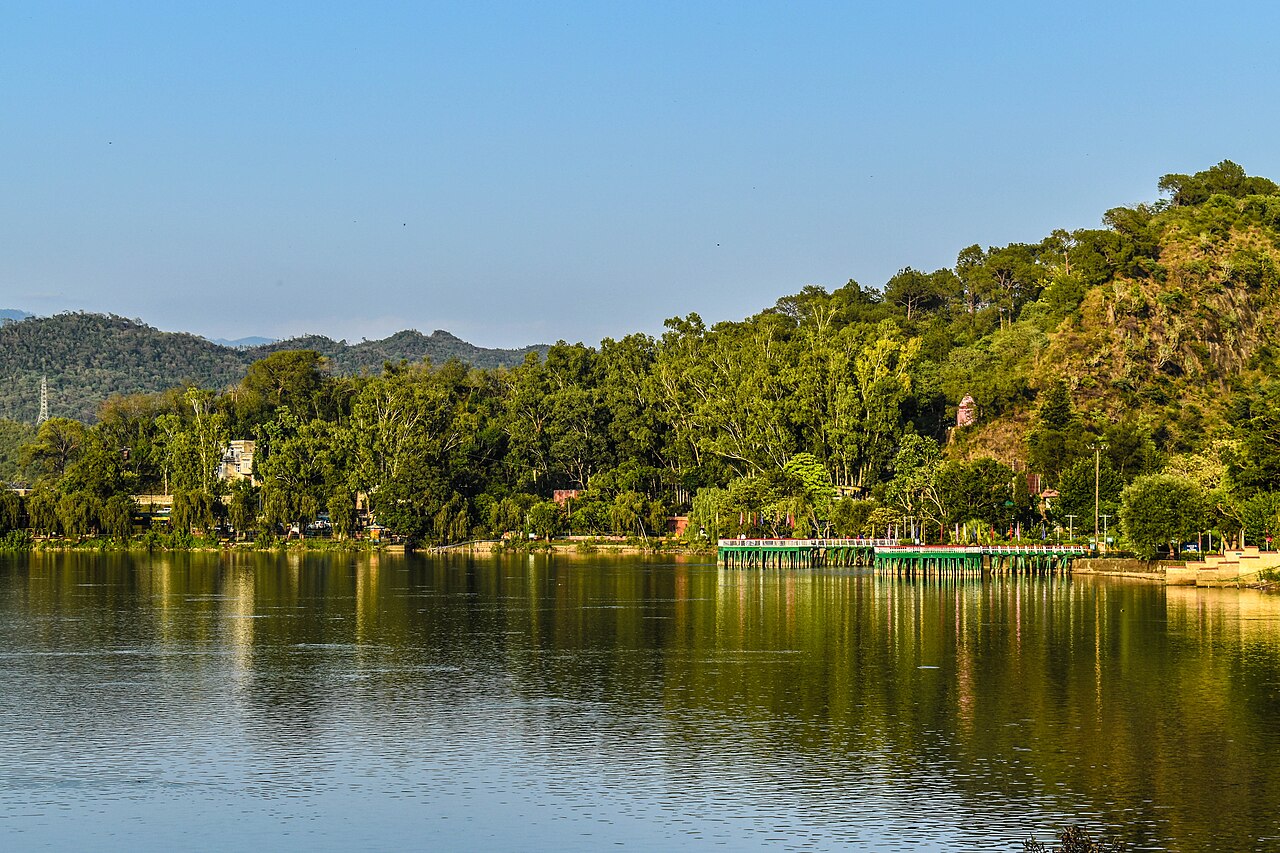
The unique circular shape of Mansar Lake makes it a striking feature in the landscape.Photo: Drharleen · CC BY-SA 4.0
Many travelers heading into Jammu focus purely on the religious sites of the city, but when you ask a local where they go to clear their head, they point toward Mansar.
If you are asking what is mansar lake, it is more than just a body of water. It is a site of significant cultural weight, tied to the Mahabharata, and a rare spot where the forest actually touches the shore. Here is what you need to know to make your visit count.
The History and Legend of the Lake
Local tradition says that Mansar Lake was formed by an arrow shot by Arjun, the legendary archer from the Mahabharata. Whether you look at it through the lens of geology or mythology, the lake has been a central gathering point for centuries.
It is one of the few places in the region where you can still feel the weight of history. The architecture around the banks has been restored over the years, but the core energy of the site remains tethered to those ancient stories.
Cultural Significance of the Sheshnag Temple
Sitting right at the edge of the lake is a shrine dedicated to Sheshnag, the serpent deity. Visitors often stop here before or after completing the circuit of the lake. It is a small structure, humble and worn by the weather, but it receives a constant stream of locals.
When you visit, be respectful of the space. It is not just a tourist attraction; it is an active site of worship. People come to tie threads and offer prayers, so keep your voice low and avoid using your camera directly inside the shrine interior.
Geological Insights: How Deep is the Lake
Geologically, the lake is fascinating because it is a closed basin. It relies on rainwater and underground springs rather than a river inflow. This makes its water level quite sensitive to annual rainfall.
People often ask about the depth. While it varies by season, the lake is fairly deep in its center. Swimming is strictly prohibited here, not just for safety, but because the water is considered sacred. Respect the boundaries marked by the authorities.
Local Etiquette for Temple Visitors
The etiquette here is straightforward: modesty is key. Wear clothing that covers your shoulders and knees. This is standard across almost all traditional sites in Jammu and shows respect to the families who visit alongside you.
If you want to make an offering, you can buy flowers or sweets from the small stalls leading up to the temple. These vendors have been operating for generations and rely on the local pilgrimage cycle.
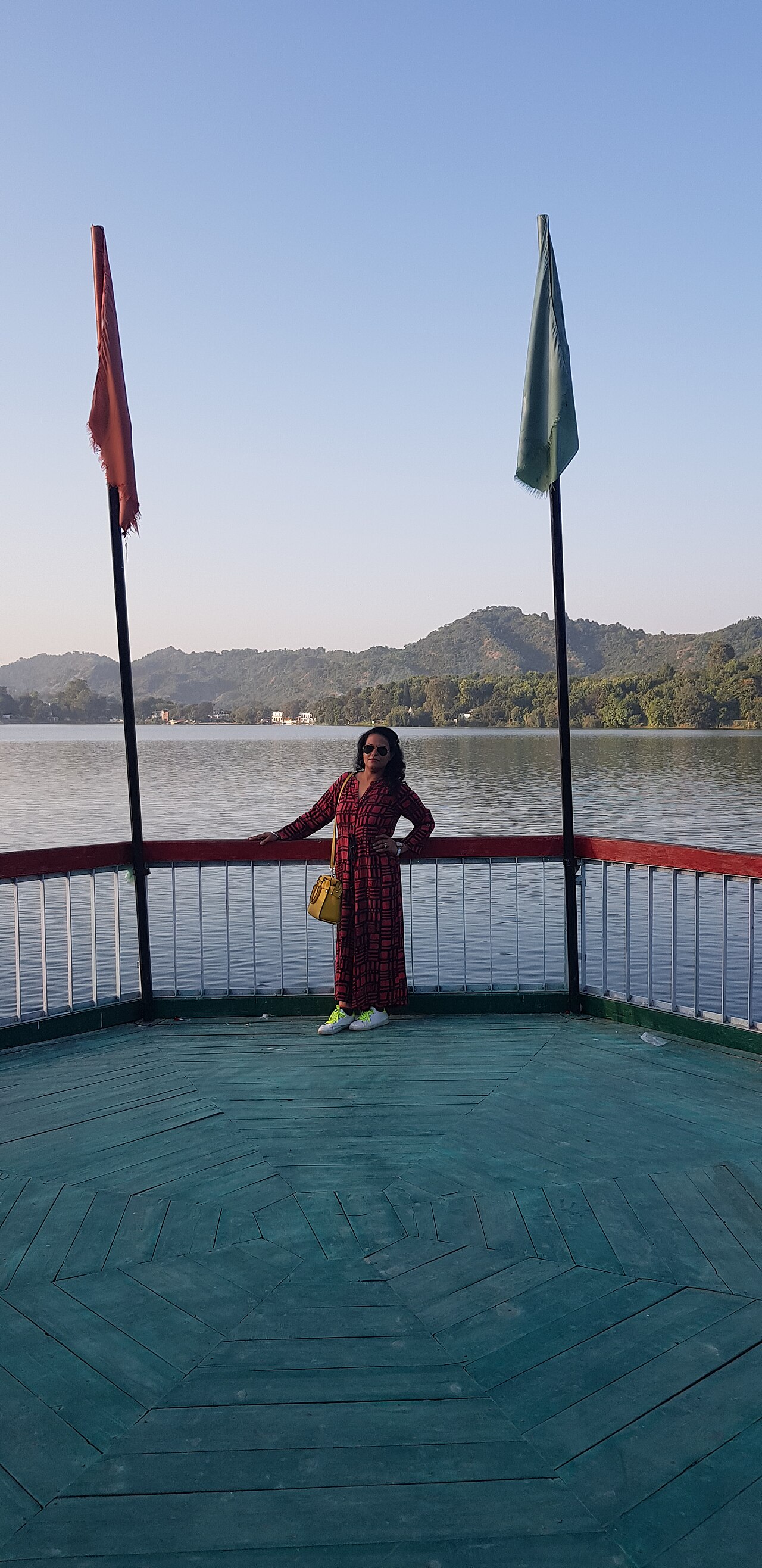
Preparing for a Half-Day Trip
A half-day is the perfect amount of time to see everything without rushing. We suggest arriving by 9:00 AM. This gives you time to walk the perimeter path—a loop that takes about 45 to 60 minutes depending on how many photos you take.
Stop at the local food stalls for a cup of tea or a quick snack. The food here is basic but honest. If you are hungry for a proper lunch, the forest guest houses nearby offer the best vantage point of the water while you eat.
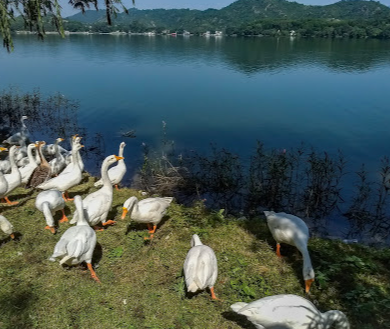
Essential Packing List for Jammu Sightseeing
Don't overpack for Mansar. You want to be mobile. A comfortable pair of walking shoes is more important than anything else, as the paths around the lake are paved but uneven.
Bring a good water bottle, a pair of sunglasses, and a light scarf. Even in the warmer months, the breeze off the water can be cool if the sun goes behind a cloud. Sunscreen is essential, as the light reflects off the lake surface quite strongly.
Before you book
Mansar Lake is one of those places that rewards the patient visitor. It isn't a high-adrenaline destination; it is a place to walk, observe the wildlife, and perhaps find a moment of quiet in your Jammu itinerary.
If you are still figuring out where to slot this into your trip, or if you need help finding a driver who knows the route well, get in touch. We are happy to help you coordinate your visit so you can just enjoy the view.
Ready to visit the lake?
Contact us today for travel advice, transport, or assistance with your Jammu itinerary.
Get in TouchWritten by
Kashmir, Jammu & Ladakh specialists
We plan and run trips across Kashmir, Jammu and Ladakh every week of the year. Everything here comes from routes we drive, stays we inspect and questions our travellers actually ask.
Quick answers
Questions we get asked
What is the best way to get to Mansar Lake?
The most reliable way is by hiring a private taxi from Jammu city. The drive takes about 90 minutes to two hours depending on traffic.
Can I eat at the lake?
Yes, there are small shops serving tea, snacks, and basic meals. There are also designated rest areas where you can sit and enjoy the view.
Is there an entry fee?
There is usually a small parking or environmental fee for vehicles entering the area, but the lake grounds themselves are accessible.
How deep is Mansar Lake?
The depth varies by season due to its dependence on rainfall. It is deep enough that swimming is restricted for safety and religious reasons.
Are there hotels near Mansar Lake?
Yes, there are government-run tourist bungalows and a few private guest houses. Booking in advance is recommended during holiday weekends.
Photography credits
- Photo: Drharleen · CC BY-SA 4.0
- Photo: Yashpalkatal · CC BY-SA 3.0
- Photo: Ms0801 · CC BY-SA 4.0
- Photo: Pranavmagotra03 · CC BY-SA 4.0
- Photo: Zamsam · CC BY-SA 3.0
- Photo: Drharleen · CC BY-SA 4.0
- Photo: Ms0801 · CC BY-SA 4.0