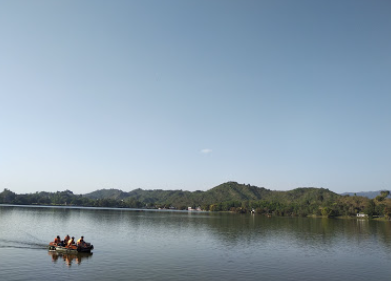
Where is Mansar Lake Located and How Was It Formed?
Wondering where is mansar lake located? Explore the geography, origins, and the thriving wetland ecosystem of this Jammu gem.
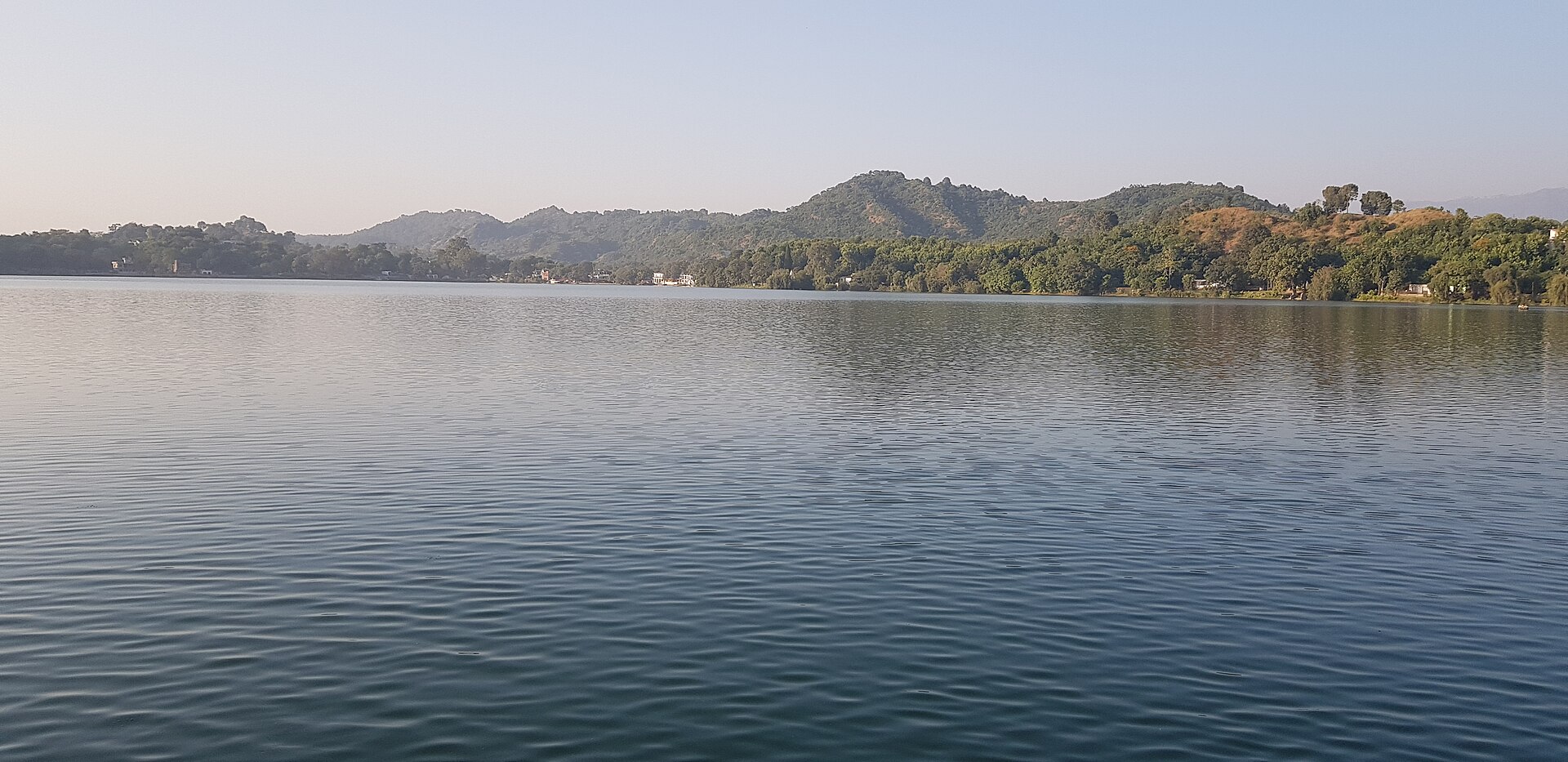
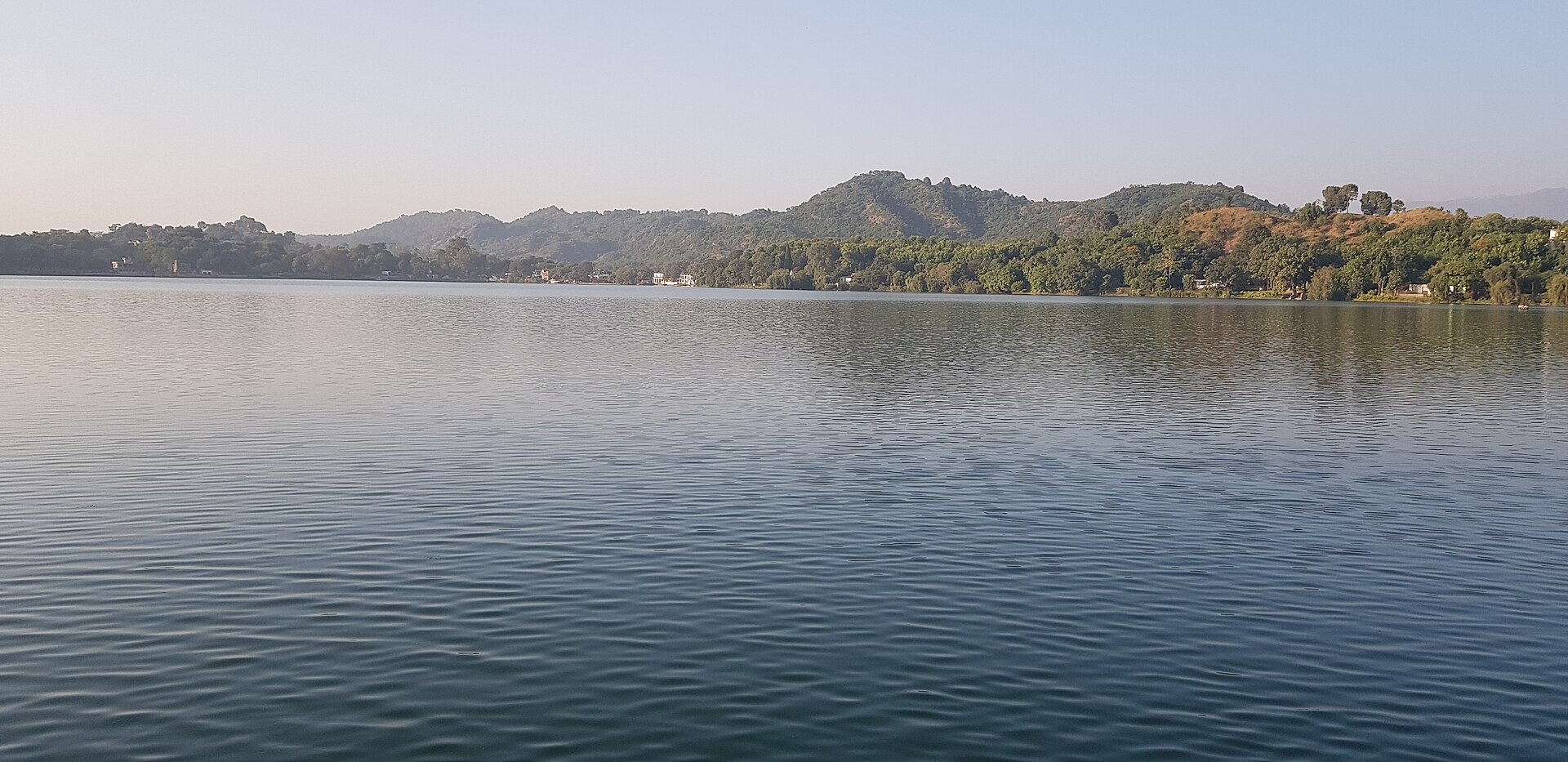
Mansar Lake is positioned within the quiet forests of the Samba district.Photo: Vinayaraj · CC BY-SA 3.0
When you look at a map of Jammu and Kashmir, you see the massive mountain ranges drawing all the attention, yet there are treasures tucked away in the lower foothills that often go unnoticed. If you are asking where is mansar lake located, you have to look toward the quiet Samba district.
It is a spot that serves as a vital transition point between the urban sprawl of Jammu city and the rugged slopes leading into the Himalayas. Understanding the geography of this place helps you appreciate why it remains so lush and vibrant.
Geographic Location in the Samba District
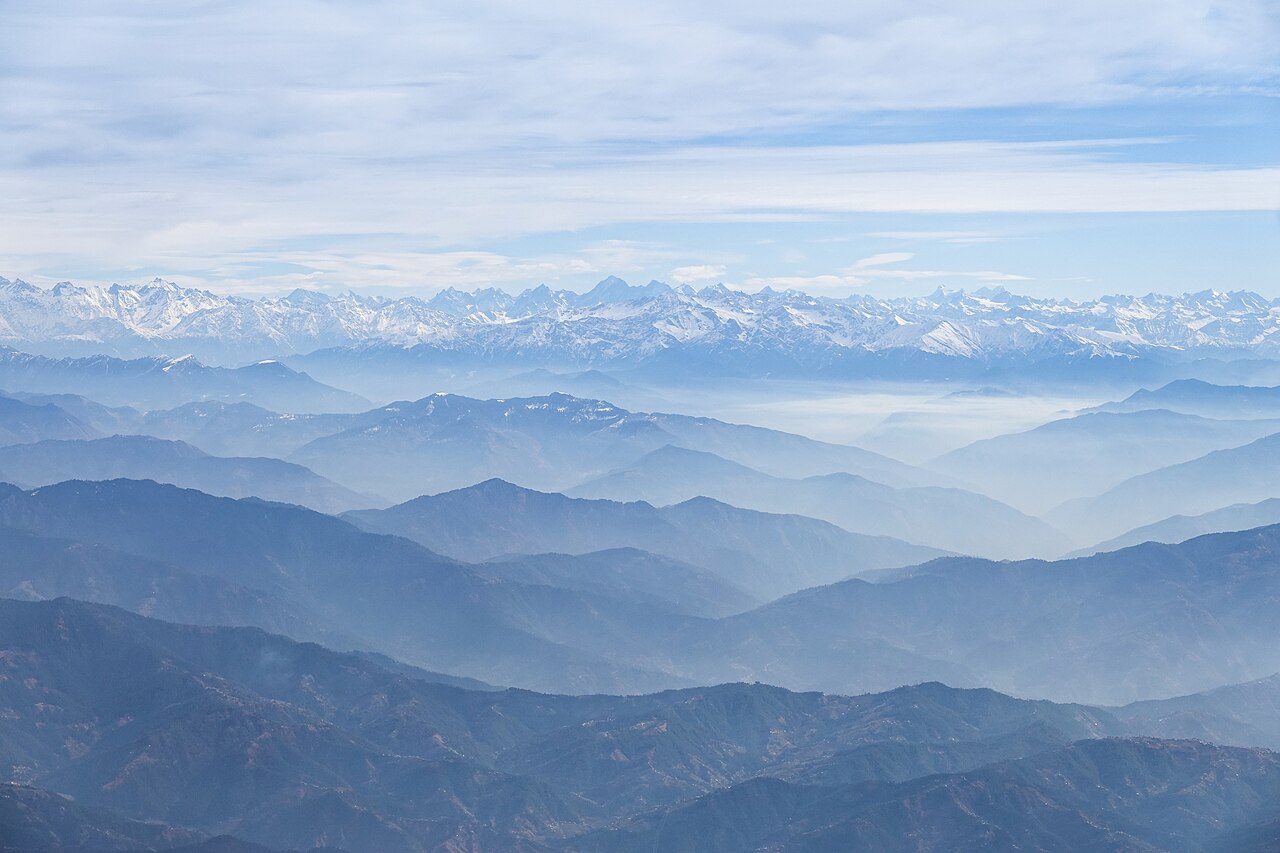
Mansar Lake is located approximately 60 kilometers from Jammu city. It sits within the Samba district, sheltered by the lower Shivalik hills. To get here, you drive through winding forest roads that seem to cut through an entirely different world from the plains you just left behind.
The location is strategic. It sits at a crossroads of the regional ecology. Because it is somewhat remote from the main highway traffic, it maintains a level of tranquility that is rare to find so close to a major city.
The Formation and Legend of the Lake
Geologically, the lake is part of an ancient drainage system. The Shivalik range here is soft, consisting of sedimentary rock that has been carved over millennia. This basin is natural, sustained by rainfall and natural groundwater seepage.
Culturally, the origin stories are just as rich. The legend of the arrow shot by Arjun is central here. The local people see the lake as having a divine origin, which is why it has been protected and preserved by the community for as long as anyone can remember.
The Mansar-Surinsar Wetland Ecosystem
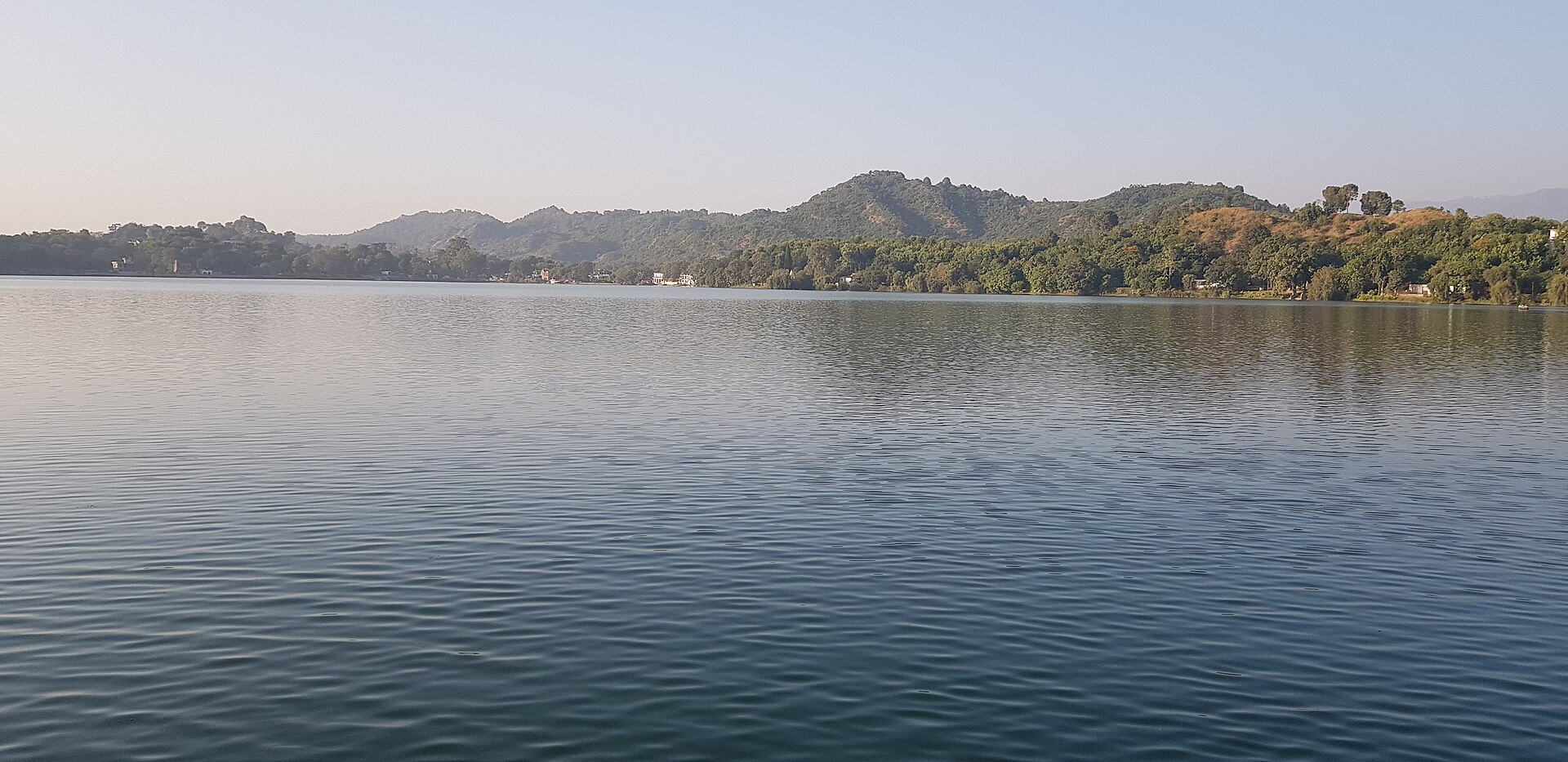
Mansar isn't alone. It is part of a twin-lake system, with Surinsar Lake located just a short distance away. Together, these two create a major wetland ecosystem. They are officially designated as Ramsar sites, which highlights their global importance for biodiversity.
The water from the surrounding catchment area drains into these basins, filtering through the soil and forest floor. This keeps the water relatively clean and supports a variety of aquatic life and migratory birds that visit during the winter months.
Why the Region is a Biodiversity Hub
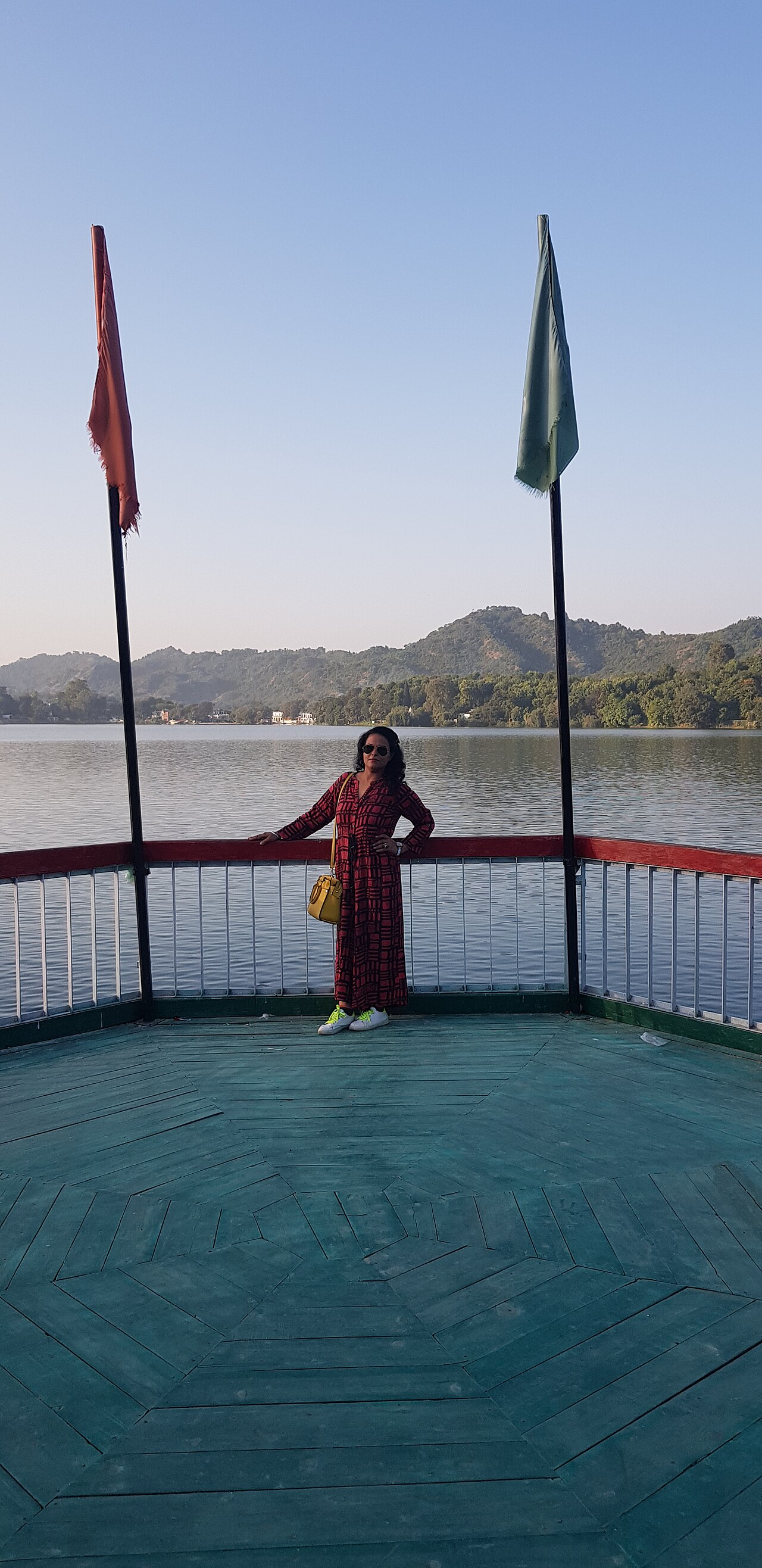
Because the lake is a protected area, the forest around it has been allowed to flourish. You will find native species of trees like Kikar and Shisham, which provide a home for local bird populations and smaller mammals.
If you sit quietly near the water, especially in the early morning, you might spot kingfishers or various species of waterfowl. The balance here is delicate, which is why there are strict regulations regarding littering and motorboats.
Landscape and Surroundings
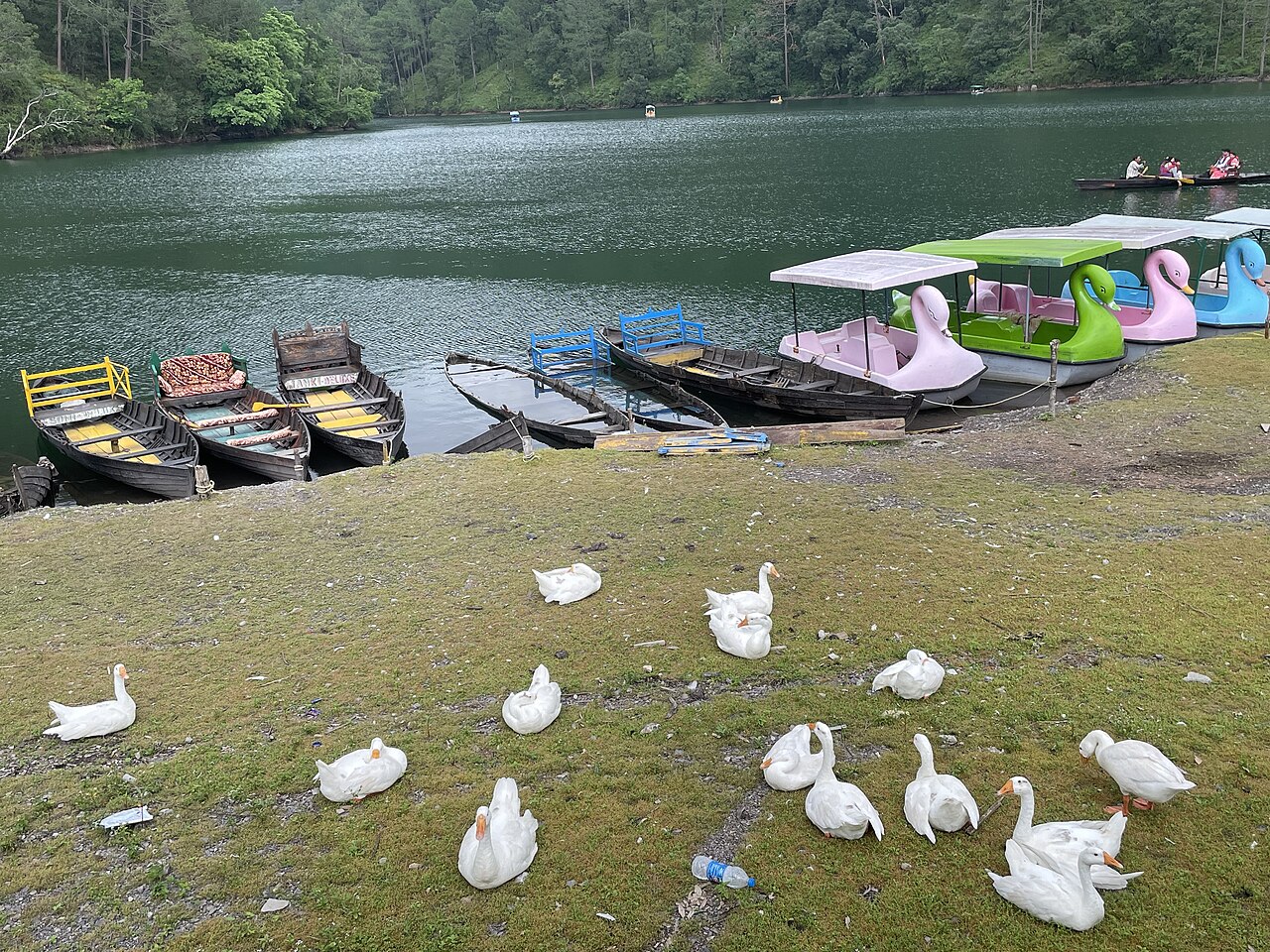
The landscape around Mansar is defined by these gentle, rolling hills. Unlike the jagged, snow-capped peaks further north, these hills are rounded and green, carpeted with thickets and forest patches.
Walking around the lake provides a different vantage point at every turn. You are constantly shifting from shaded forest paths to open, sunlit stretches of the bank. It is this variety in the immediate terrain that makes the area so engaging for a day trip.
Before you book
Knowing where is mansar lake located and understanding its natural history makes a visit much more than just a sightseeing stop. It is a chance to see how the ecology of the Shivalik foothills supports a diverse and vital wetland system.
If you are planning to visit and want to know the best route from Jammu, or if you need tips on how to combine this with a visit to Surinsar, just send us a message. We are here to help you get the most out of your time in the region.
Planning your route through Jammu?
Let us help you coordinate your transportation to ensure you see the best of the Samba district’s natural beauty.
Ask for Travel AdviceWritten by
Kashmir, Jammu & Ladakh specialists
We plan and run trips across Kashmir, Jammu and Ladakh every week of the year. Everything here comes from routes we drive, stays we inspect and questions our travellers actually ask.
Quick answers
Questions we get asked
Where is Mansar Lake located exactly?
It is located in the Samba district of the Jammu region, about 60 kilometers to the east of Jammu city.
Is Mansar Lake connected to other lakes?
Yes, it is part of a twin-lake system with Surinsar Lake, both of which are protected as important wetlands.
Why is this area a biodiversity hub?
Its status as a protected wetland ensures that the flora and fauna are preserved, providing a refuge for migratory birds and local wildlife.
Can I visit both Mansar and Surinsar in one day?
Yes, they are relatively close to each other. With a private car, you can comfortably visit both in a single day trip from Jammu.
What is the geology of the area?
The area consists of sedimentary rock from the Shivalik foothills, shaped over thousands of years by natural drainage patterns.
Photography credits
- Photo: Vinayaraj · CC BY-SA 3.0
- Photo: Drharleen · CC BY-SA 4.0
- Photo: This Photo was taken by Timothy A. Gonsalves . Feel free to use my photos, but please mention me as the author. I would much appreciate if you send me an email tagooty@yahoo.com or write on my talk page , for my information. Please contact me before commercial use. Please do not upload an edited image here without consulting me. I would like to make corrections only at my own source to ensure that the changes improve the image and are preserved. Otherwise you may upload an edited image with a new name. Please use one of the templates derivative or extract . · CC BY-SA 4.0
- Photo: Ms0801 · CC BY-SA 4.0
- Photo: Drharleen · CC BY-SA 4.0
- Photo: Wikinivii · CC BY-SA 4.0
- Photo: Ms0801 · CC BY-SA 4.0