Nagon ki Bhoomi: Understanding Why Bhaderwah Is Called the Land of Snakes
Uncovering the ancient serpent folklore, traditional wooden temples, and cultural roots that gave this Jammu valley its legendary title.
Explore why Bhaderwah is known as the land of snakes, diving into its ancient Nag temples, mountain folklore, and cultural history.
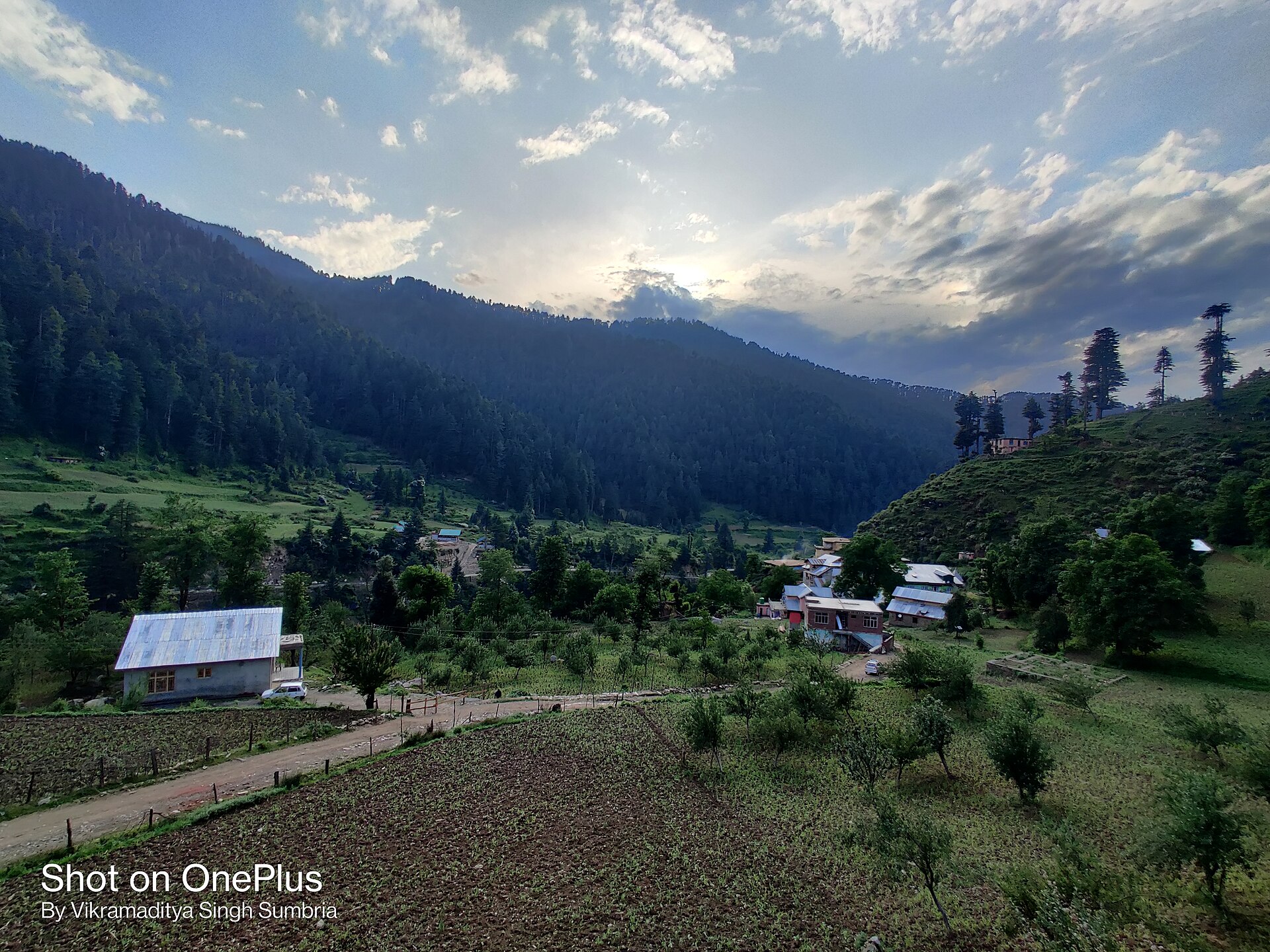
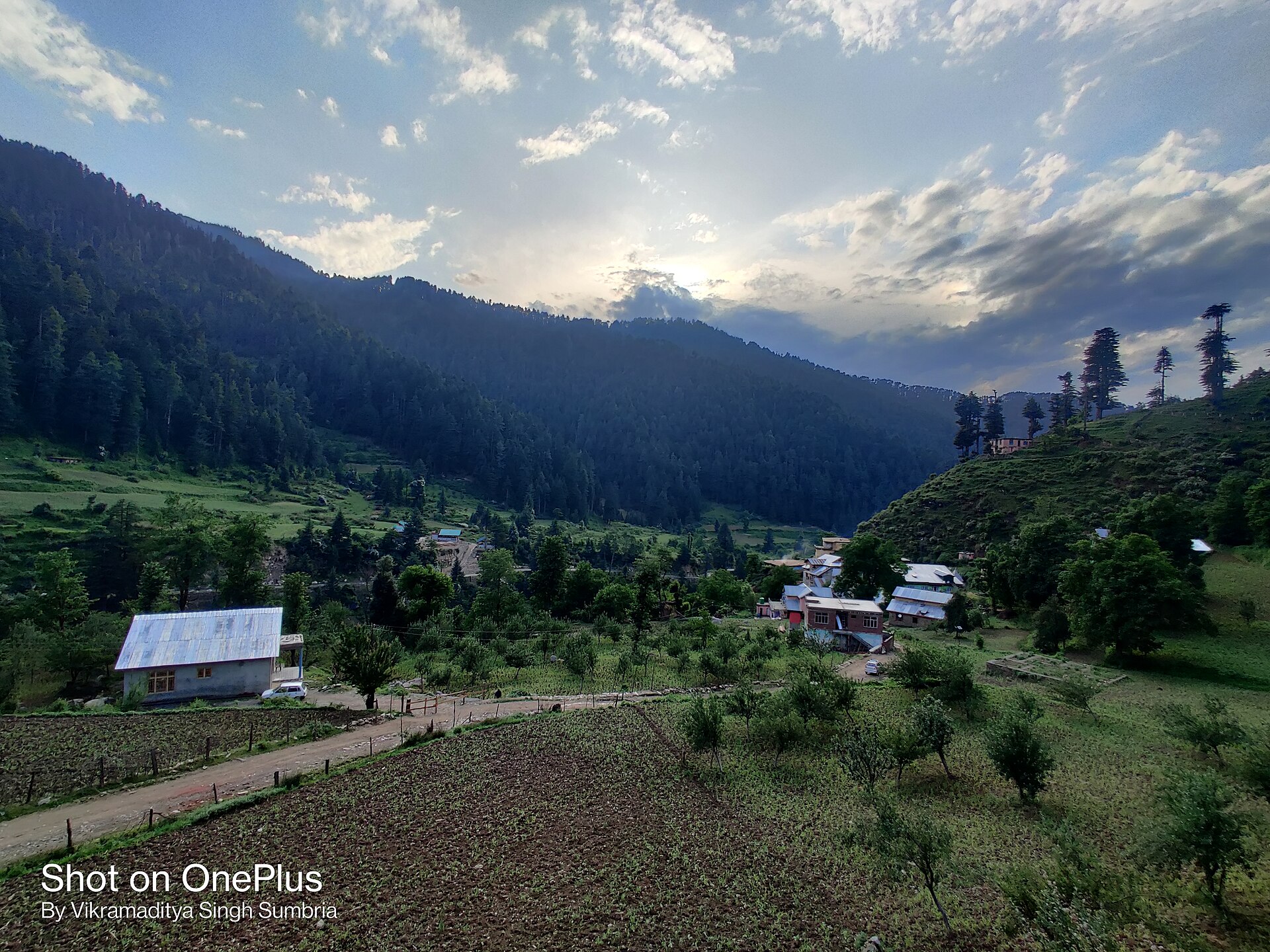
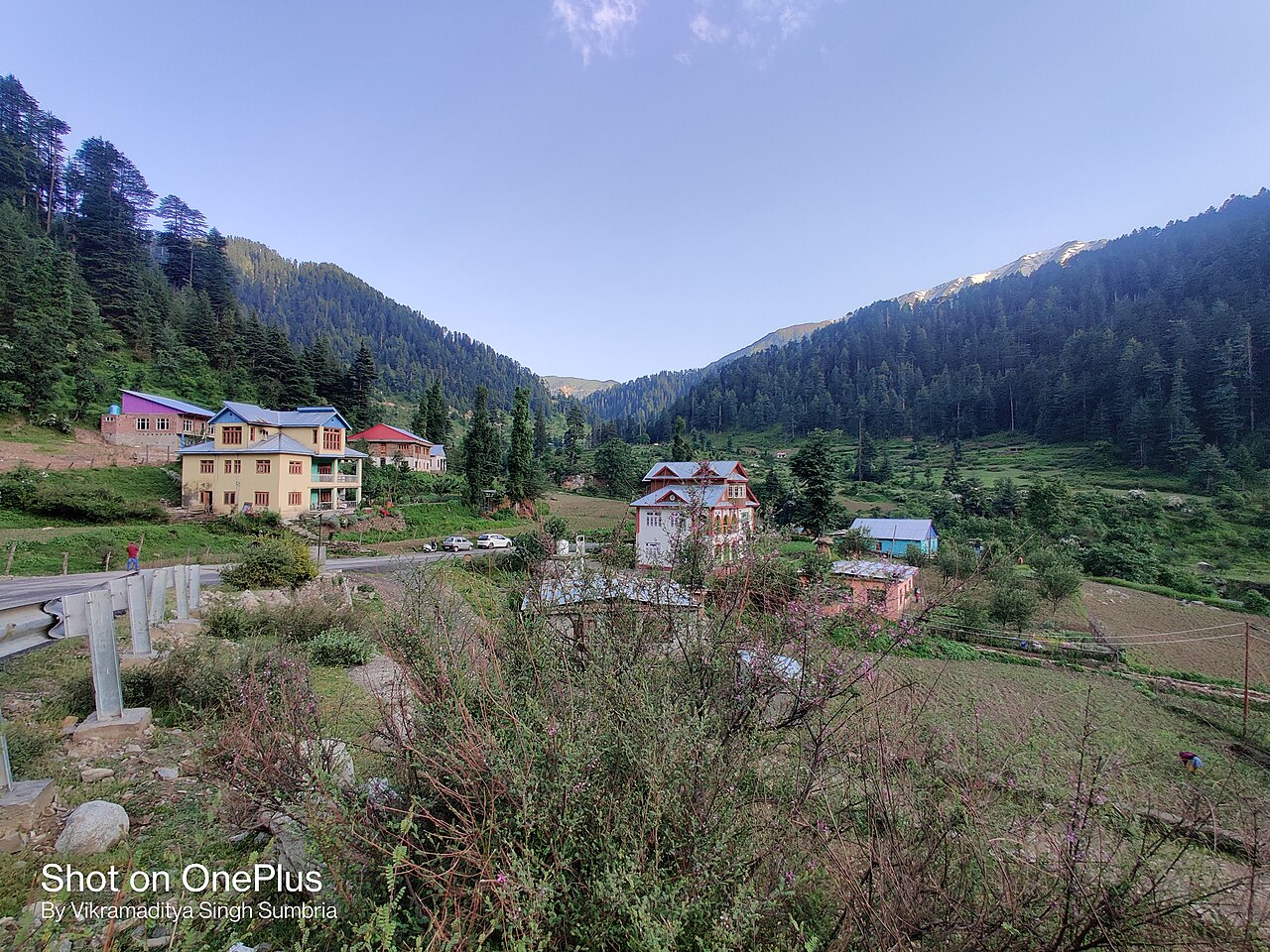
The rolling green landscapes of Bhaderwah have sheltered ancient serpent legends for centuries.Photo: Sumbria.vikramaditya · CC BY-SA 4.0
The first time an elder in Bhaderwah pointed toward a rocky outcrop and casually mentioned that the mountain belonged to Vasuki Nag, I looked down at my walking boots with sudden, heightened alertness. Travellers arriving here for the first time often wonder why is bhaderwah called land of snakes, expecting sensational tales or dramatic encounters. The reality is far more poetic, woven deeply into the agricultural calendar, ancient architecture, and the spiritual geography of the Chenab valley.
Far from being a place of fear, this valley treats serpents as divine protectors of water sources, forests, and harvests. Long before tarmac roads connected Jammu to these high ridges, local communities organized their entire social fabric around sacred serpent deities. Understanding this heritage requires looking past the standard tourist itineraries and examining the living traditions that have survived intact for centuries.
The Legend of Nagon ki Bhoomi and Ancient Roots
Historical texts and local ballads refer to Bhaderwah as 'Nagon ki Bhoomi', meaning the land of the serpents. According to regional mythology, the valley was once a vast lake drained by Vasuki Nag, the mythical king of serpents, who made it his permanent abode. This foundational myth mirrors geological shifts in the Pir Panjal range, where ancient glacial lakes gradually receded to form fertile alluvial valleys.
Generations of chroniclers have documented how early settlements clustered around water bodies, naturally associating springs and streams with divine serpent guardians. When you walk through villages like Gatha or Bhalla, you notice that nearly every water stream has an associated shrine. The serpents are not viewed as venomous threats here, but as custodians of the ecosystem who regulate rainfall and protect livestock from disease.
- Ancient oral traditions trace the name back to mythological drainage of a primeval lake.
- Serpents are traditionally viewed as guardians of freshwater springs and alpine pastures.
- Historical manuscripts from the Dogra era reference the valley's distinct spiritual identity.
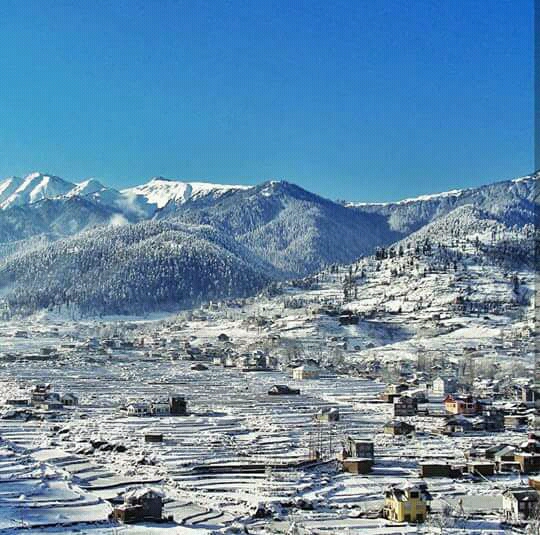
Significant Nag Temples to Visit Across the Valley
The most prominent architectural evidence of this heritage is found at the ancient Vasuki Nag temple in Bhaderwah town. Built using interlocking cedar logs and heavy slate stone roofs—a vernacular style designed to withstand heavy winter snow—the temple exudes an austere, timeless dignity. Inside, brass and stone idols depict the serpent deity in various forms, often accompanied by complex iconography.
Another notable shrine sits near Gatha, surrounded by towering deodar trees and clear mountain runoff. Visiting these temples requires a quiet respect for local customs, such as removing shoes well outside the timber courtyards and keeping voices low. Priests here can spend hours recounting the genealogies of local deities, connecting individual families to specific serpent clans.
Architecture of the Wooden Shrines
The traditional architecture employs a technique called 'Dhajji dewari', combining timber frames with stone infill. This makes the structures earthquake-resistant, a crucial engineering feat in a seismic zone. The carved wooden pillars often feature subtle serpent motifs intertwined with floral patterns.
Rituals and Daily Offerings
Locals regularly bring milk, fresh butter, and wild flowers to the shrines, particularly on auspicious Tuesdays. These offerings are modest, reflecting a lifestyle deeply attuned to pastoral rhythms rather than opulent display.
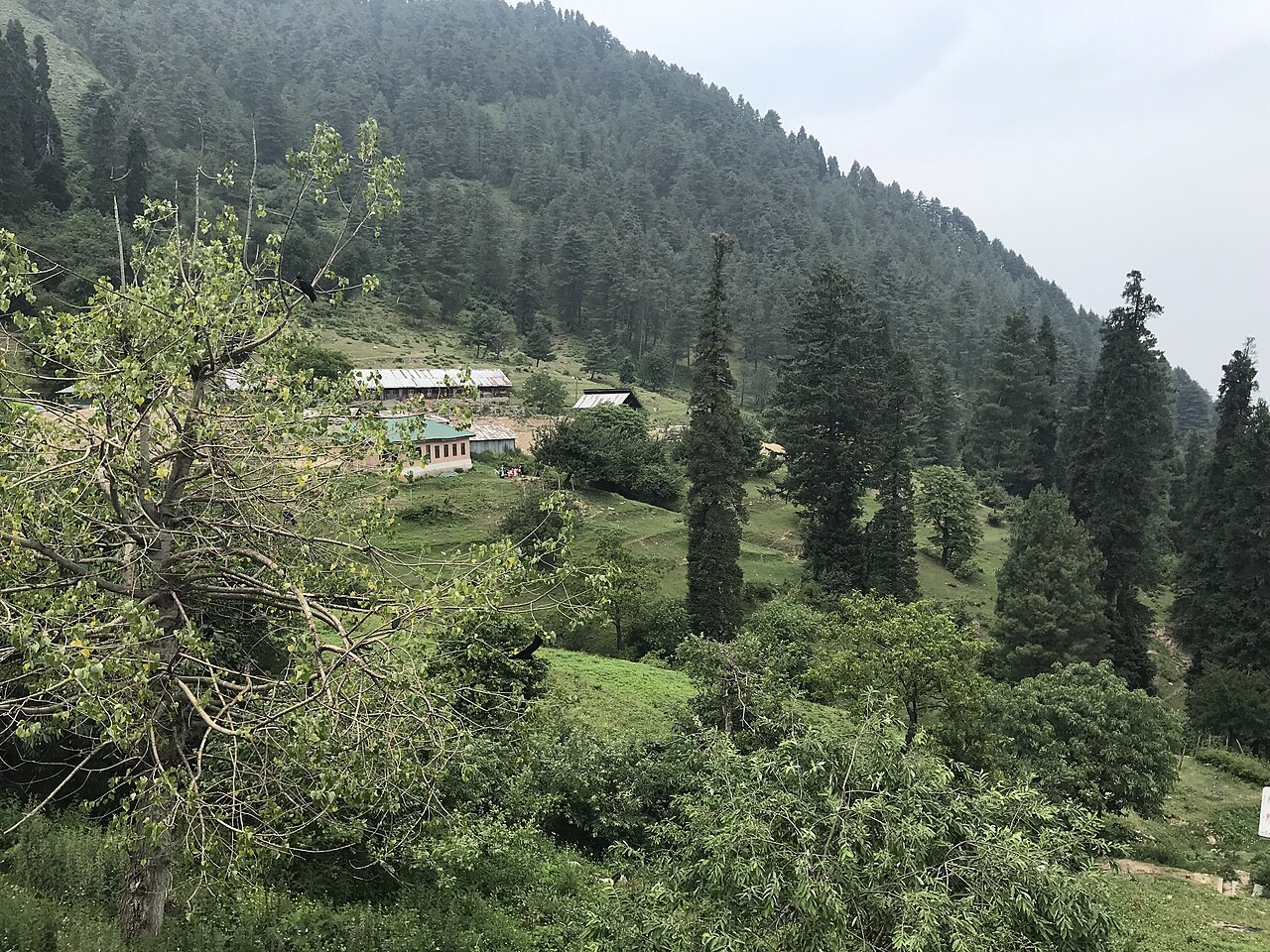
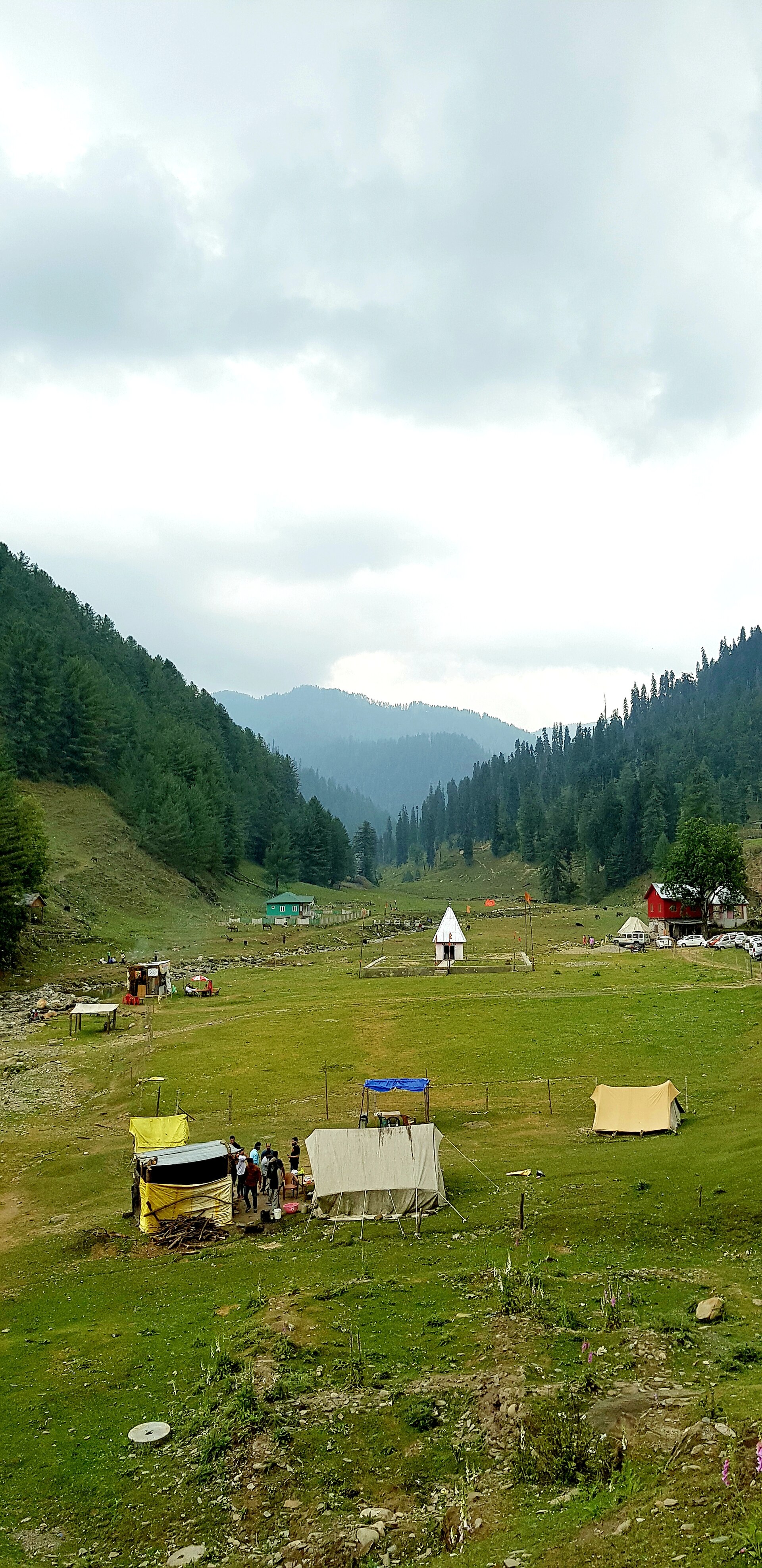
The serpents are not viewed as venomous threats here, but as custodians of the ecosystem who regulate rainfall and protect livestock.
Cultural Importance of Snake Worship in Daily Life
Snake worship in Bhaderwah is not confined to antiquity; it dictates modern social interactions and agricultural practices. During the annual Kailash Yatra, thousands of pilgrims trek to high-altitude glacial lakes, carrying silver maces representing Vasuki Nag. The atmosphere on these treks is less about ascetic rigor and more about community bonding, complete with communal kitchens and folk poetry.
Farmers traditionally leave the first portion of their maize and rajma harvest as an offering to the Nag deities before consuming or selling the produce. This reciprocal relationship between humans and the divine fosters a profound conservation ethic. Cutting live deodar trees near sacred groves remains strictly taboo, which explains why the forests surrounding these shrines remain remarkably pristine.
Preserving Local Heritage and Folklore in the Modern Era
As modern infrastructure creeps into the mountains, preserving this intangible heritage becomes increasingly urgent. Younger generations, exposed to digital media and urban migration, sometimes view traditional beliefs with detached amusement. However, community elders and local historians are actively documenting oral histories, recording folk songs, and maintaining the wooden shrines.
Tourism, when managed sensitively, can support these preservation efforts. Visitors who take the time to understand the cultural backstory help validate the importance of local traditions. When you book a cultural walk through our curated routes, you directly support the caretakers who maintain these historic sites.
How History Shapes Modern Bhaderwah
Today, the history of Nagon ki Bhoomi permeates every aspect of a modern journey through the region. When you stop to buy local Bhaderwah rajma from a roadside vendor, you are participating in an agricultural economy shaped by centuries of sustainable farming practices blessed by the land's spiritual guardians. The past is never truly distant here.
Whether you are planning to explore the meadows of Patnitop, drive across Sanasar, or venture further toward Sinthan Top, taking a few days to understand Bhaderwah's serpent folklore transforms a standard holiday into a genuine cultural immersion. You begin to see the landscape not just as scenery, but as a living storybook.
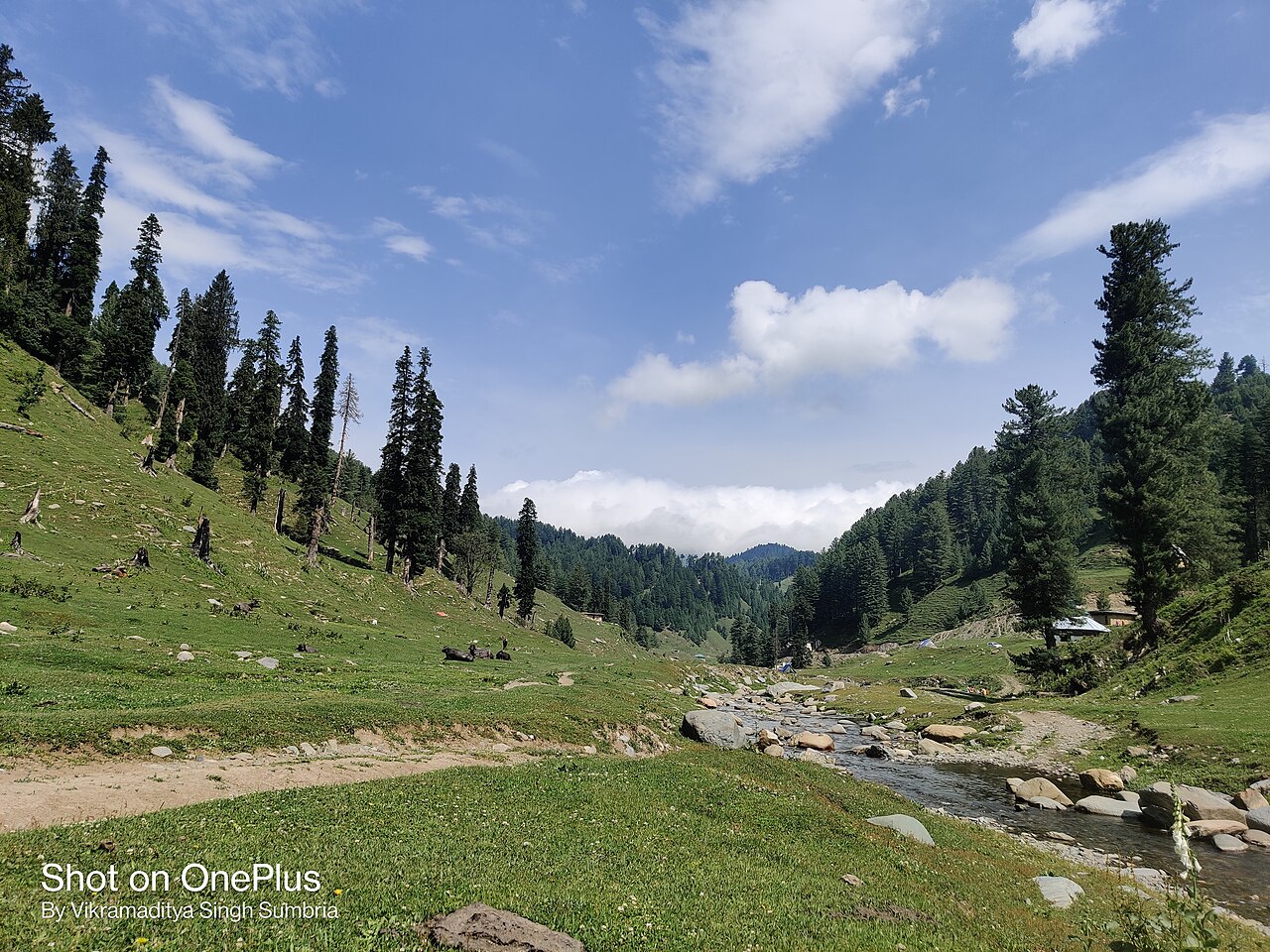
Before you book
Travelling through Bhaderwah offers a rare glimpse into a world where mythology and daily existence remain seamlessly intertwined. The stories of Vasuki Nag and the sacred springs provide an anchor for a community that has guarded its mountain home for centuries.
If you wish to explore these historic trails and temples with people who know every valley and elder, reach out to us to plan your journey through our Jammu and Kashmir travel routes.
Ready to Explore Bhaderwah's Ancient Roots?
Let our local experts craft a custom itinerary that connects you with the authentic history and culture of the region.
Plan Your Cultural TripCaption for your own post
Step into the ancient legends of Nagon ki Bhoomi. From wooden Nag shrines to misty deodar forests, Bhaderwah's history runs deep. #Bhaderwah #JammuDiaries #MountainFolklore
Written by
Kashmir, Jammu & Ladakh specialists
We plan and run trips across Kashmir, Jammu and Ladakh every week of the year. Everything here comes from routes we drive, stays we inspect and questions our travellers actually ask.
Written after countless conversations with village elders and historians across the Chenab valley.
Quick answers
Questions we get asked
Why is Bhaderwah called the land of snakes?
Bhaderwah is called the land of snakes due to ancient legends involving Vasuki Nag, the mythical king of serpents, and a rich history of serpent worship tied to local water sources and agriculture.
Are there actual snakes everywhere in Bhaderwah?
No, the title is primarily cultural and mythological rather than a reflection of high snake populations. While snakes do exist in the wild as they do in any mountain region, encounters are rare.
What is the main temple dedicated to Vasuki Nag?
The primary shrine is the historic Vasuki Nag Temple located in Bhaderwah town, known for its traditional wooden architecture and slate roofing.
When is the best time to experience local cultural festivals?
The summer months, particularly during the annual Kailash Yatra pilgrimage season, offer the best opportunities to witness traditional rituals and folk gatherings.
How can I explore Bhaderwah's historical sites responsibly?
Hire local guides, respect sacred groves, remove footwear before entering timber shrines, and purchase local handicrafts directly from artisans.
Photography credits
- Photo: Sumbria.vikramaditya · CC BY-SA 4.0
- Photo: Pranav.jain25 · CC BY-SA 4.0
- Photo: The Chenab Times · CC BY-SA 4.0
- Photo: Huzaif Imtiyaz khan · CC BY-SA 4.0
- Photo: Rohit Sharma · CC BY-SA 4.0
- Photo: Sumbria.vikramaditya · CC BY-SA 4.0
- Photo: Sumbria.vikramaditya · CC BY-SA 4.0