10 Essential Things to Do in Bhaderwah
Discover the high-altitude meadows and cultural depths of Jammu's best-kept mountain secret.
Looking for the best things to do in Bhaderwah? From purple lavender fields to ancient temples, here is your essential guide to the valley.
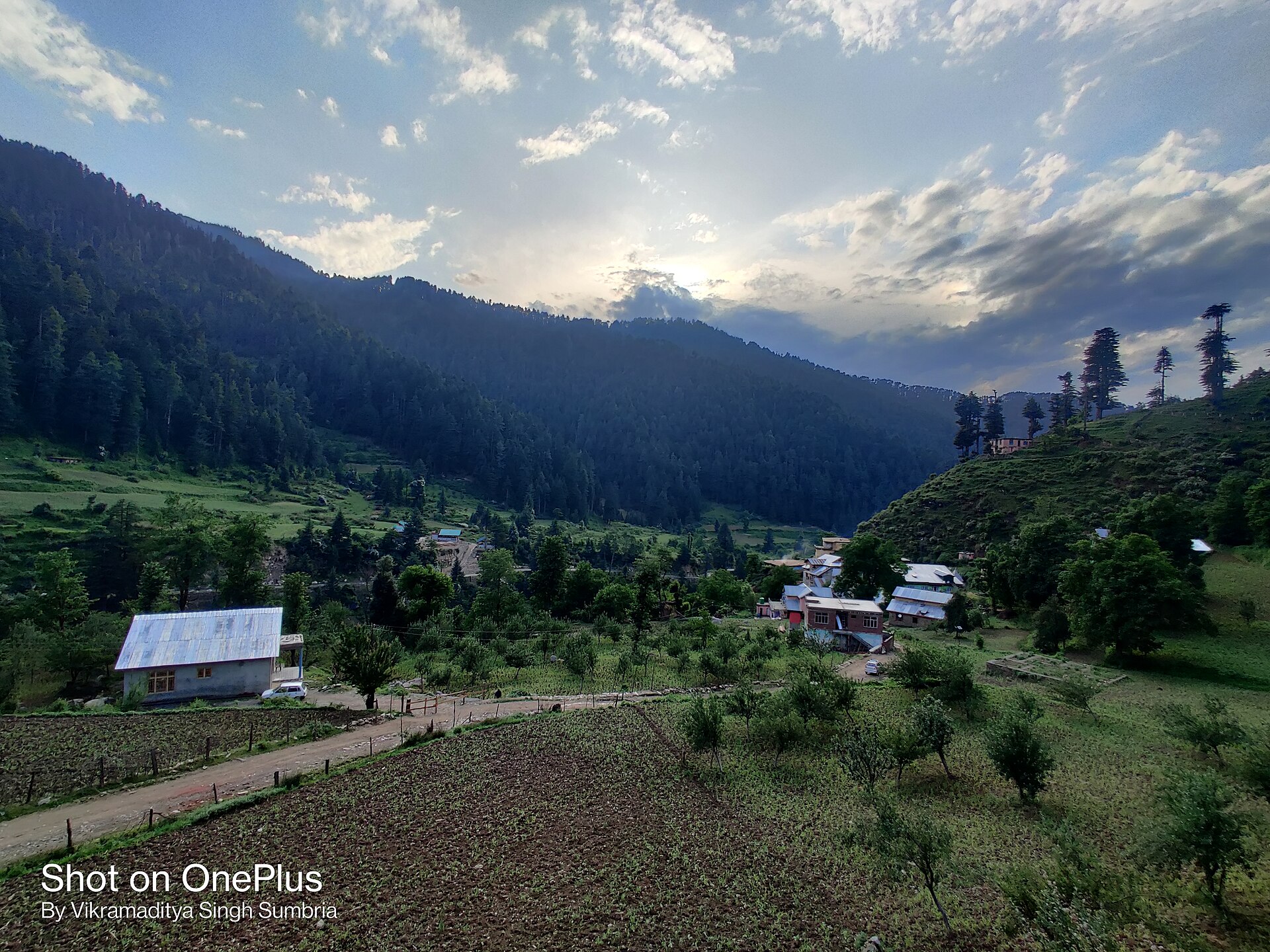
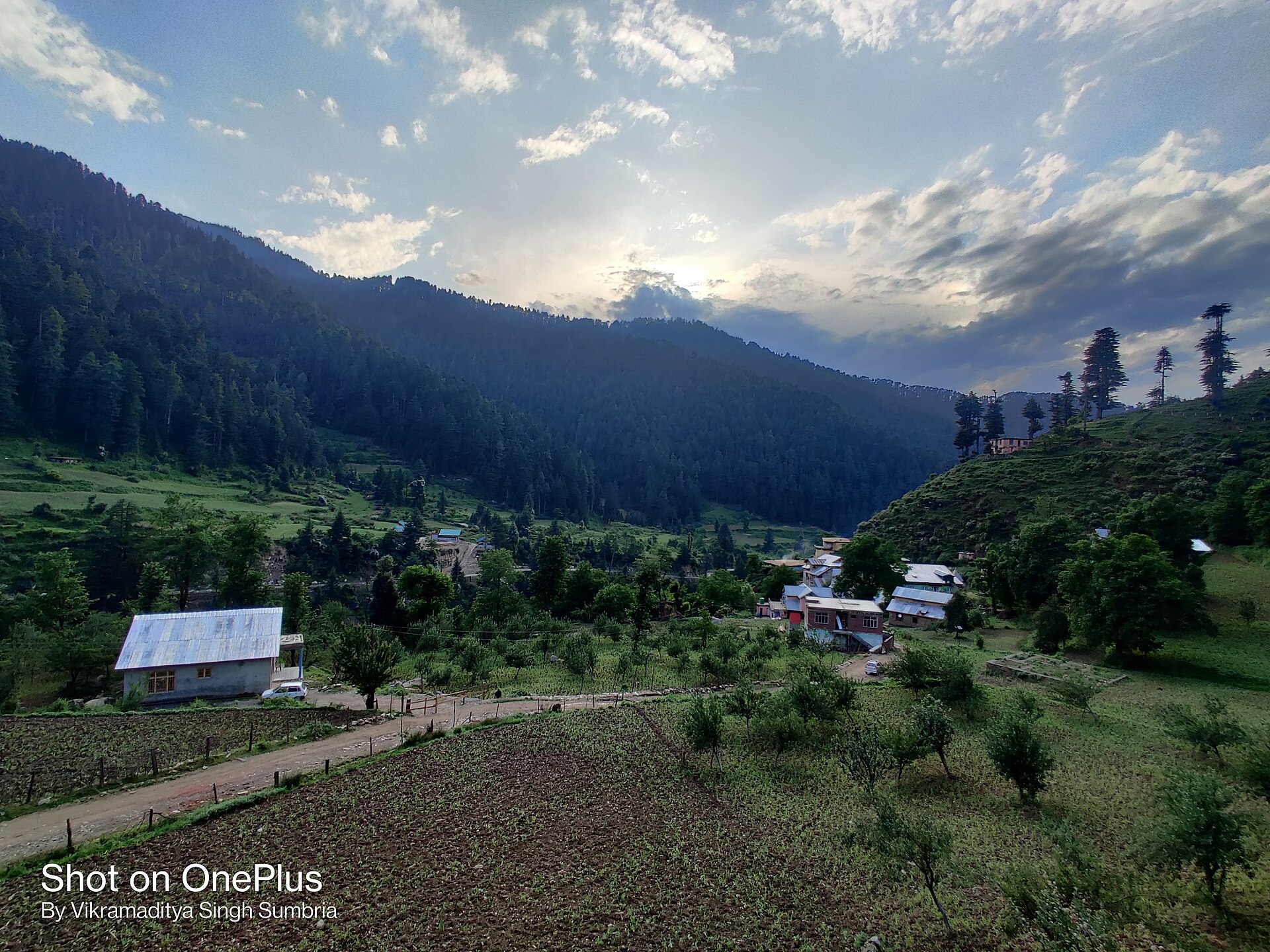
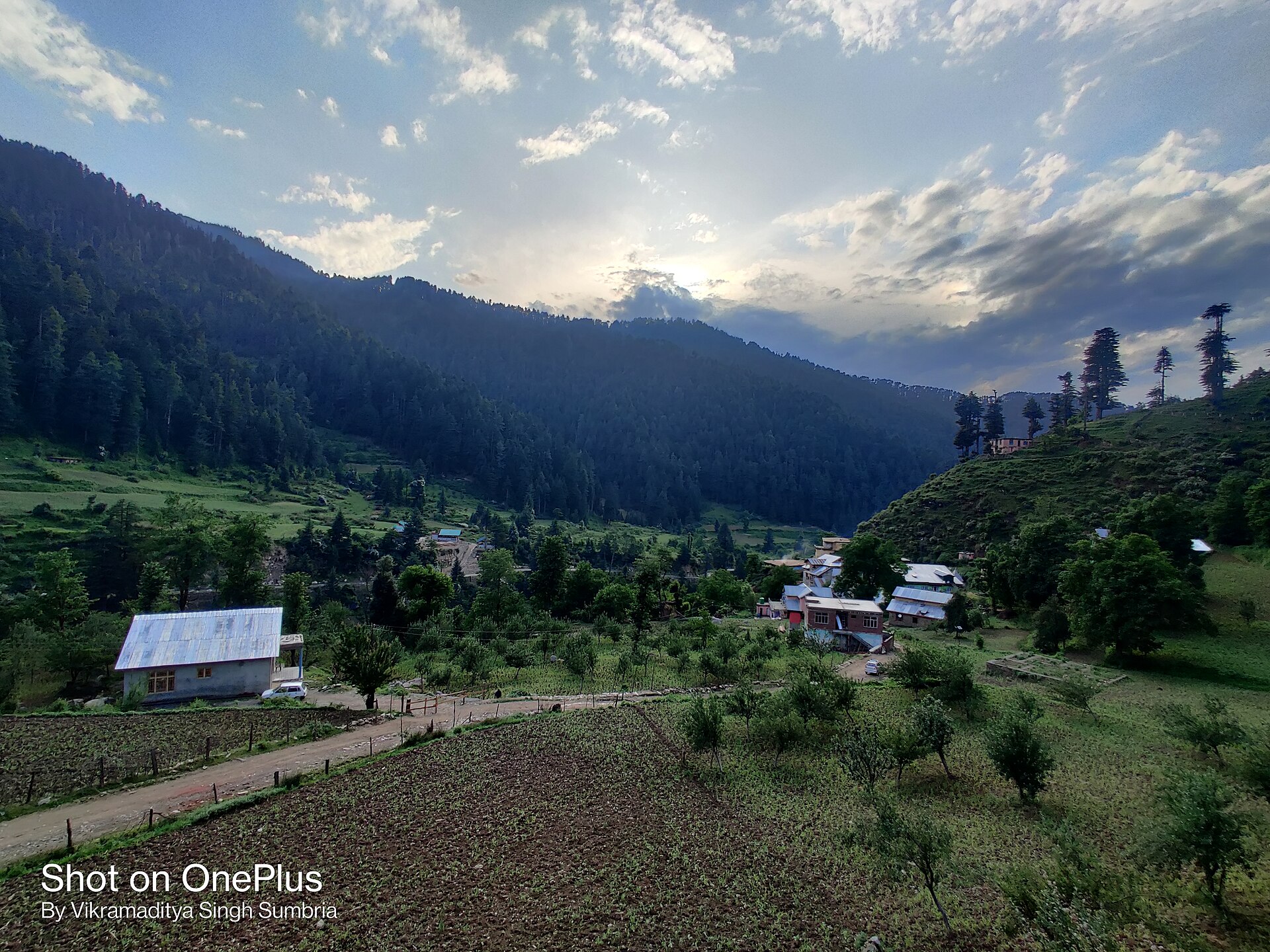
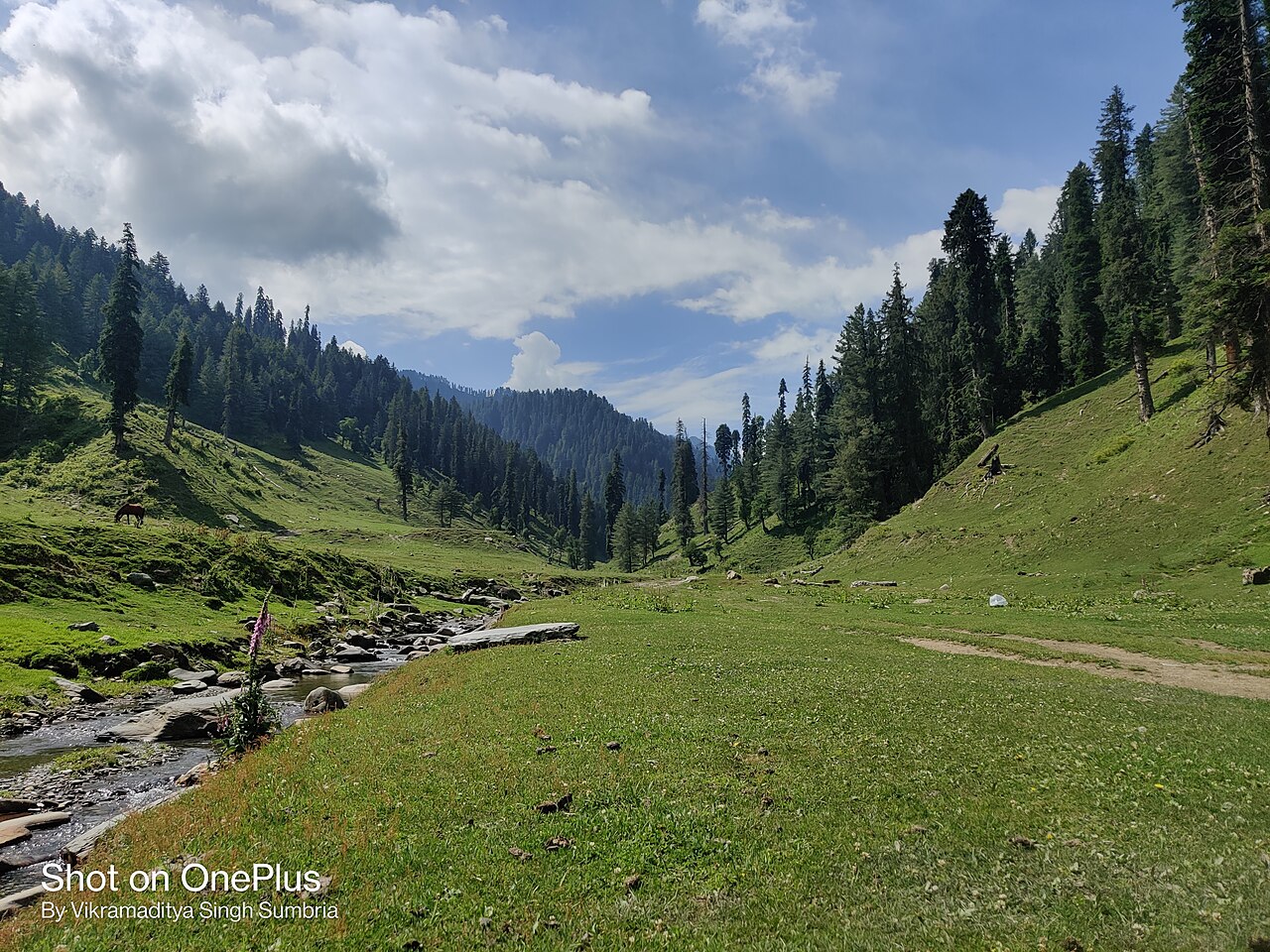
The wide, green expanses of the Bhaderwah valley in mid-summer.Photo: Sumbria.vikramaditya · CC BY-SA 4.0
The road to Bhaderwah isn't for the faint of heart, but the moment you crest the final ridge and see the Chenab river tributaries weaving through the floor of the valley, the engine strain fades from memory.
I have driven this route many times, and it never gets old. Bhaderwah is different from the more polished circuits of the north. It feels untamed, quiet, and deeply rooted in the slow rhythm of the Chenab valley. You don't come here to tick off a checklist of tourist traps; you come here to spend a week watching the light change across meadows.
If you are planning your itinerary and wondering about the best things to do in Bhaderwah, keep in mind that the magic here is in the movement. You need to get out of the main town and into the surrounding reaches, where the air smells of pine resin and wet stone. Here are ten ways to spend your time.
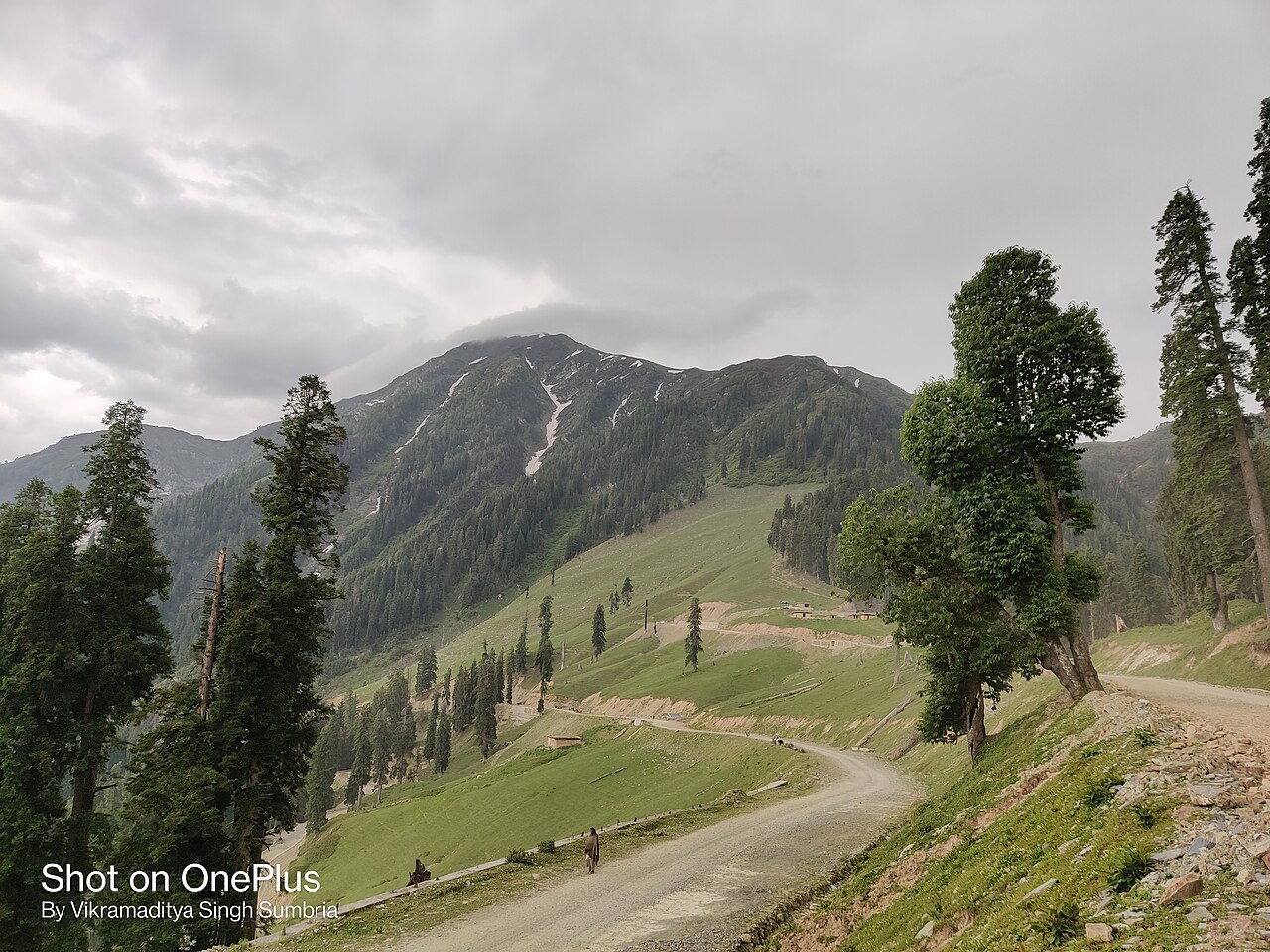
Trek the High Pastures of Jai Valley
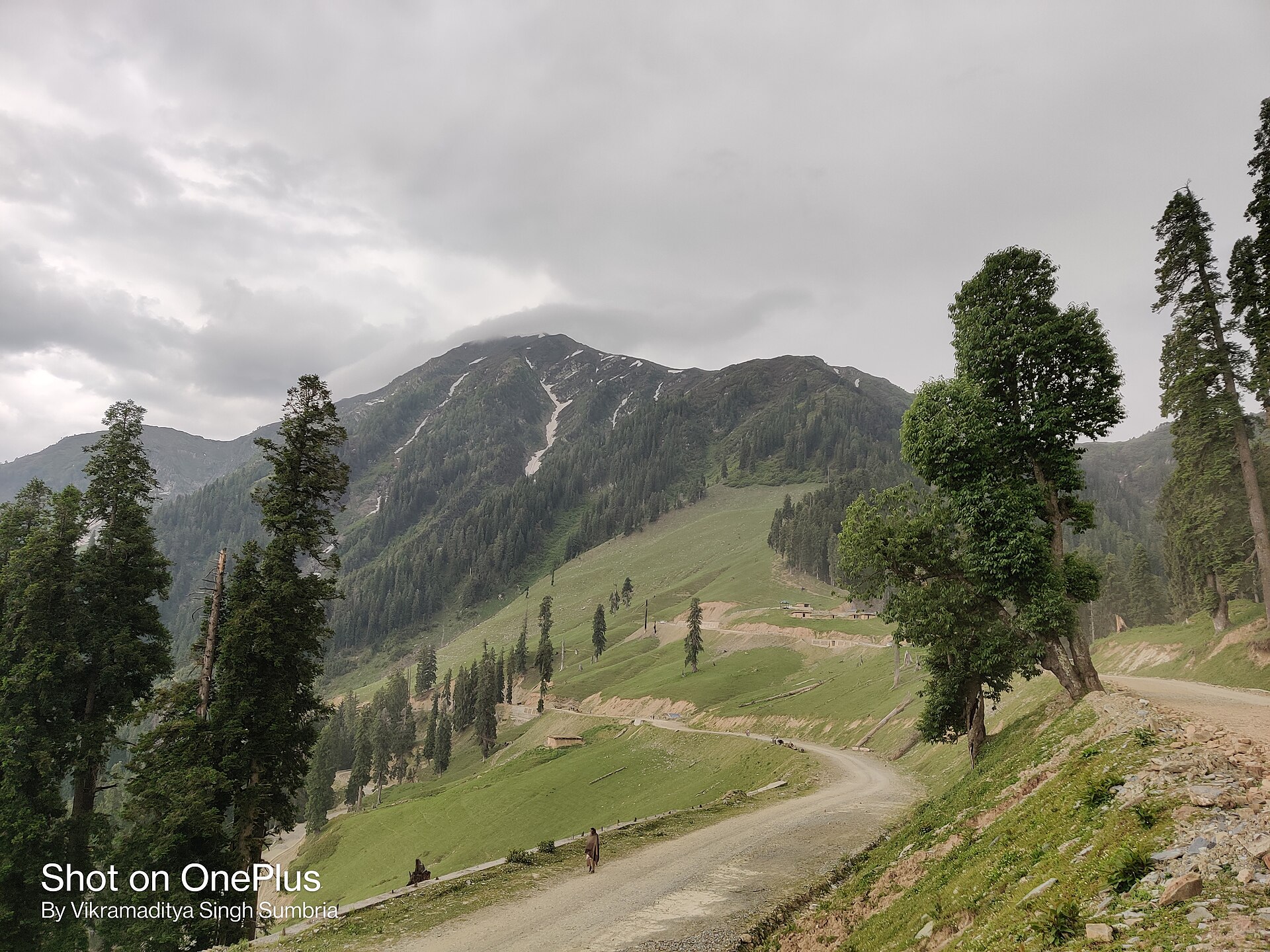
Jai Valley is about 30 kilometres from the town, and it is where you find the open, rolling landscapes that make the region famous. Most visitors stop at the first clearing, but I suggest you walk further. The path turns into a narrow goat track that climbs toward the higher ridges.
It is a moderate trek, taking about three to four hours return. The best time to go is mid-morning, when the dew has lifted but the heat hasn't yet forced you to shed your jacket. The silence up there is absolute, broken only by the sound of distant cowbells.
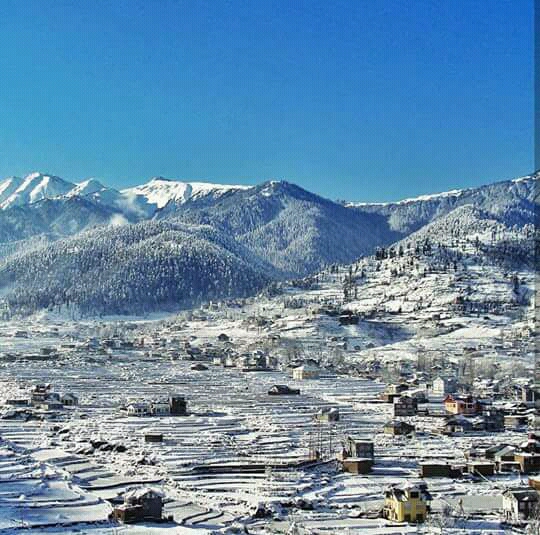
Experience the Lavender Fields in Bloom
Bhaderwah has transformed itself into India’s lavender capital, and standing in a field when they are in full bloom in June or July is something quite singular. The scent is heavy and sweet, and the bees are everywhere.
You do not need to walk far to find these plots; many small farms are dotted along the road toward the higher settlements. I usually encourage clients to just pull over where they see the violet patches. The farmers are generally happy to let you walk the perimeter if you are respectful.
Visit the Ancient Nag Temples
The architecture in this part of the Chenab Valley is distinct. The Vasuki Nag temple is the heart of the town, and it is a fascinating piece of history. The wood carving and the grey stone masonry tell a story that feels thousands of years old.
The temple is not just a building; it is the center of the local social and spiritual life. Go early in the morning when the brass bells are being rung. It is a quiet, meditative experience that contrasts sharply with the busier temple complexes in other parts of Jammu.
Drive the Switchbacks to Padri Top
Padri Top is the high mountain pass connecting Bhaderwah to Chamba. It is the highest point you can easily reach by car. The road is steep and winding, requiring a driver who is comfortable with high-altitude terrain.
When you get to the top, you are essentially standing on a ridge that separates two different worlds. You can look down into the green valley of Bhaderwah on one side and the rocky landscape of Himachal Pradesh on the other.
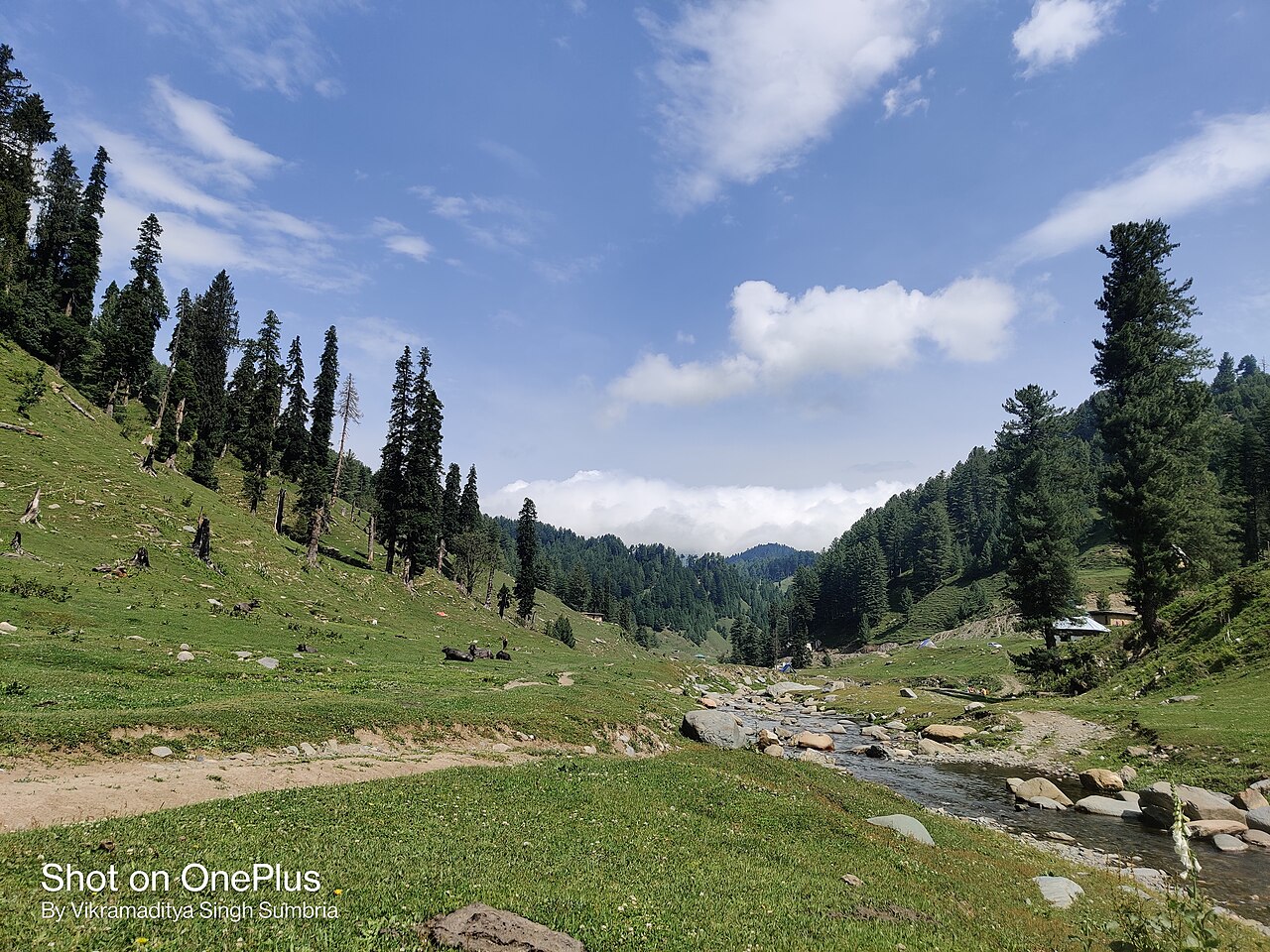
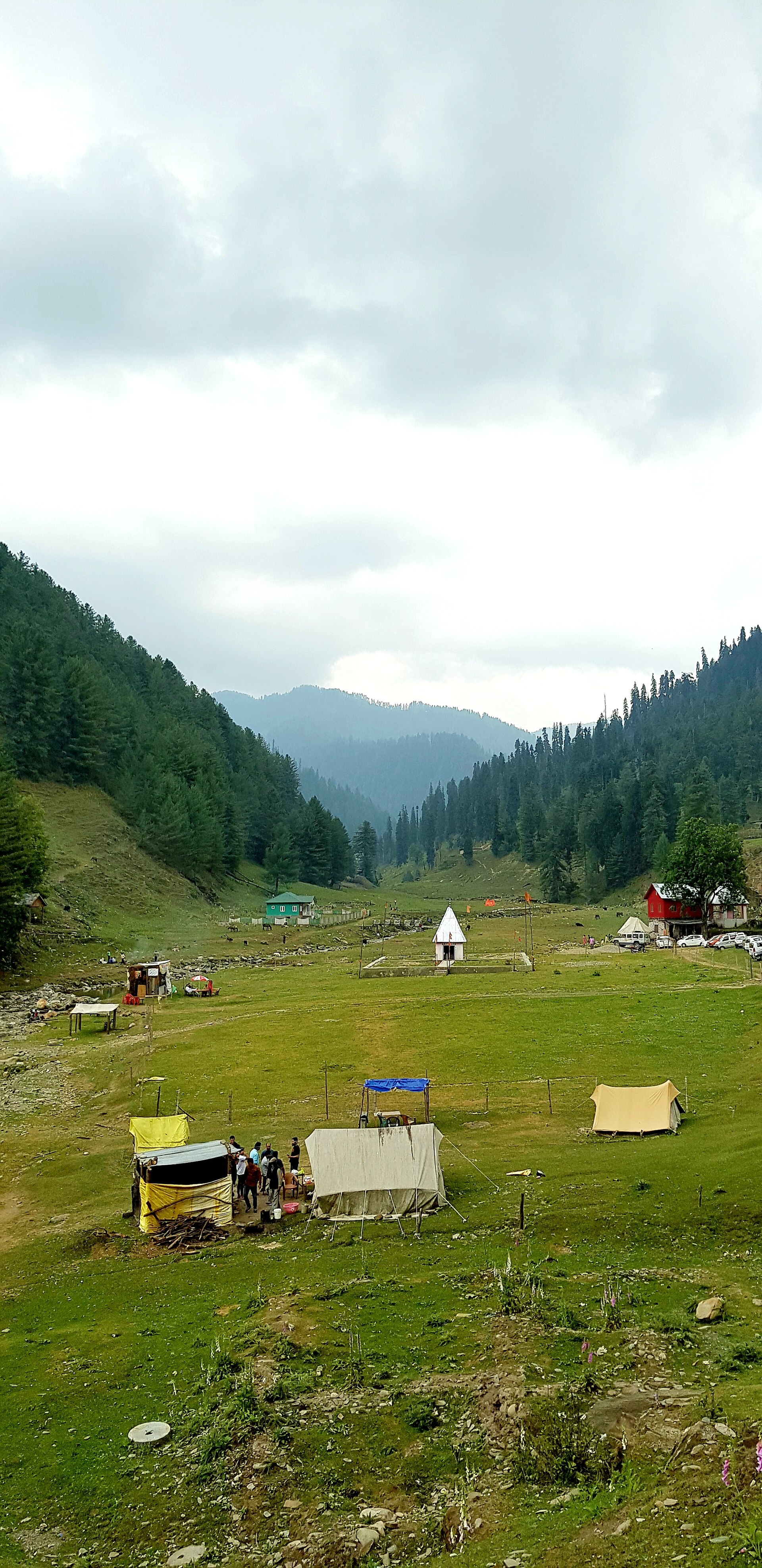
Relax in the Meadows of Chinta Valley
Chinta Valley is where I tell people to go if they want to do absolutely nothing. It is a bowl-shaped meadow surrounded by dense cedar forests. There are no major attractions here, which is exactly why it remains a favourite.
Bring a book, a thick sweater, and a thermos. The temperature drops fast as soon as the sun dips behind the ridge, even in summer. It is the perfect place to watch the shadows stretch across the grass.
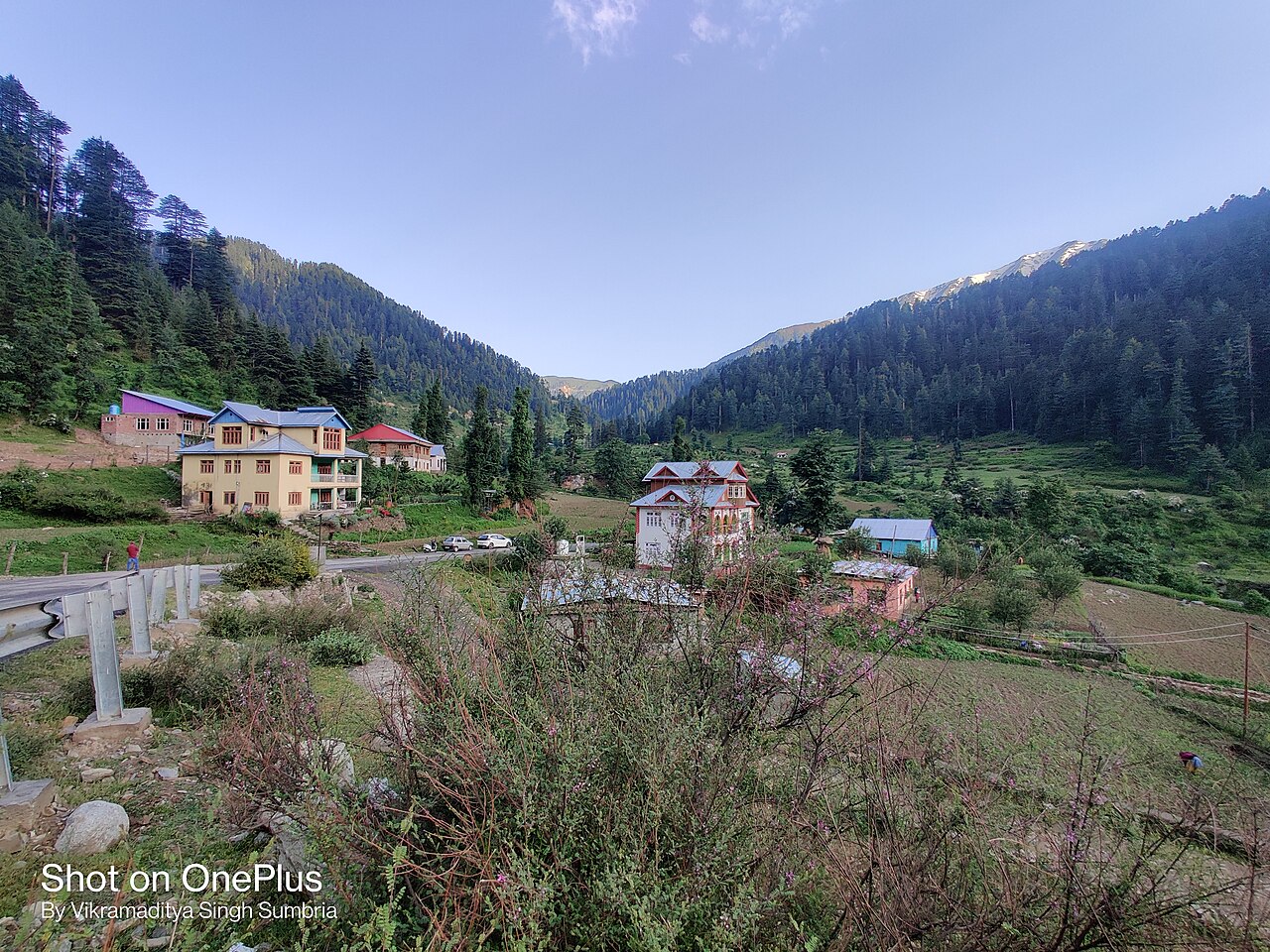
Walk the Banks of the Neeru River
The Neeru stream runs through the town and provides the soundtrack to life in Bhaderwah. Walking along its banks, especially in the evening, is a simple pleasure. You will see local families and workers heading home as the light fades.
The water is ice-cold, fed by the glacial melts from the surrounding peaks. If you have the energy, follow the stream toward its source outside the town limits for clearer water and more secluded spots.
Observe the Local Craft and Weaving Traditions
The wool produced in the higher reaches of the valley is exceptionally warm. If you look closely at the shops in the main bazaar, you can find hand-knitted sweaters and blankets that haven't been touched by mass production.
Talk to the shopkeepers. Many of them work directly with the nomadic pastoralists who bring the wool down from the high summer camps. It is a piece of the local economy that supports the traditional lifestyle of the region.
Take a Day Trip to Seoj Dhar
Seoj Dhar is a massive, high-altitude meadow that offers some of the best views of the Kailash Kund. It is a bit of a hike, so be prepared for a long day. You start early, usually by 7 AM.
The path is well-worn, but the altitude will catch up with you. Drink plenty of water and don't rush. The sight of the endless green grass stretching into the crags of the Kailash range is worth every step.
Explore the Architecture of the Old Town
The old parts of Bhaderwah town feature wooden houses with sloping slate roofs, built to withstand heavy snowfall. They are rapidly disappearing, so walk the narrow lanes to see these remaining structures.
It is a labyrinth of alleyways where life feels like it hasn't changed much in a century. Keep your camera ready, but more importantly, keep your eyes open for the intricate wooden balconies.
Sample Local Cuisine at a Village Dhaba
You haven't really visited the valley until you have eaten a meal prepared over a wood fire. Look for the small roadside dhabas that serve rajma chawal and freshly baked rotis.
The rajma grown in these hills is famous for its taste. It is simple, hearty food, perfect for the climate. It is not gourmet, but it is the most honest meal you will have on your entire trip.
Before you book
Bhaderwah requires a bit of effort to reach, and even more to explore properly. You won't find the aggressive commercialisation here that you see in more popular hill stations, and that is its greatest strength. It remains a place where you can still feel the scale of the mountains.
If you are planning your visit and need help arranging transport or finding a place to stay that fits your pace, just reach out. Whether you want a quiet corner to write or a guide to help you find the best trails, we are here to help.
Need help planning your Bhaderwah trip?
We know these mountain roads better than anyone. Get in touch for advice on routes, reliable drivers, and the best local guesthouses.
Contact our teamWritten by
Kashmir, Jammu & Ladakh specialists
We plan and run trips across Kashmir, Jammu and Ladakh every week of the year. Everything here comes from routes we drive, stays we inspect and questions our travellers actually ask.
Quick answers
Questions we get asked
How many days do I need in Bhaderwah?
Plan for at least three to four days. One day for the town and nearby temples, and two to three days for trips out to the meadows like Jai, Chinta, and the pass at Padri Top.
Is Bhaderwah good for families?
It is, but it requires patience. The roads can be rough, and there are few 'child-friendly' tourist parks. If your family enjoys walking and quiet nature, you will love it.
Do I need a special permit to visit?
No special permits are required for Indian citizens to visit Bhaderwah. Ensure you have a valid government-issued photo ID with you at all times, as there are checkposts along the main roads.
Can I reach Bhaderwah by train?
No, the nearest major railhead is in Jammu Tawi. From there, you will need to hire a private taxi or take a shared cab, which takes about six to seven hours.
Is it possible to visit in winter?
Yes, but be prepared for heavy snow. Many of the higher meadows become inaccessible by vehicle. It is a time for skiing and staying in the town, not for extensive trekking.
Photography credits
- Photo: Sumbria.vikramaditya · CC BY-SA 4.0
- Photo: Pranav.jain25 · CC BY-SA 4.0
- Photo: The Chenab Times · CC BY-SA 4.0
- Photo: Sumbria.vikramaditya · CC BY-SA 4.0
- Photo: Sumbria.vikramaditya · CC BY-SA 4.0
- Photo: Sumbria.vikramaditya · CC BY-SA 4.0
- Photo: Sumbria.vikramaditya · CC BY-SA 4.0