Leh to Nubra Valley Route: Planning Your Drive
Navigating the world's highest motorable pass
The journey from Leh to Nubra Valley is a rite of passage. Here is everything you need to know about the road conditions, the pass, and the timing.
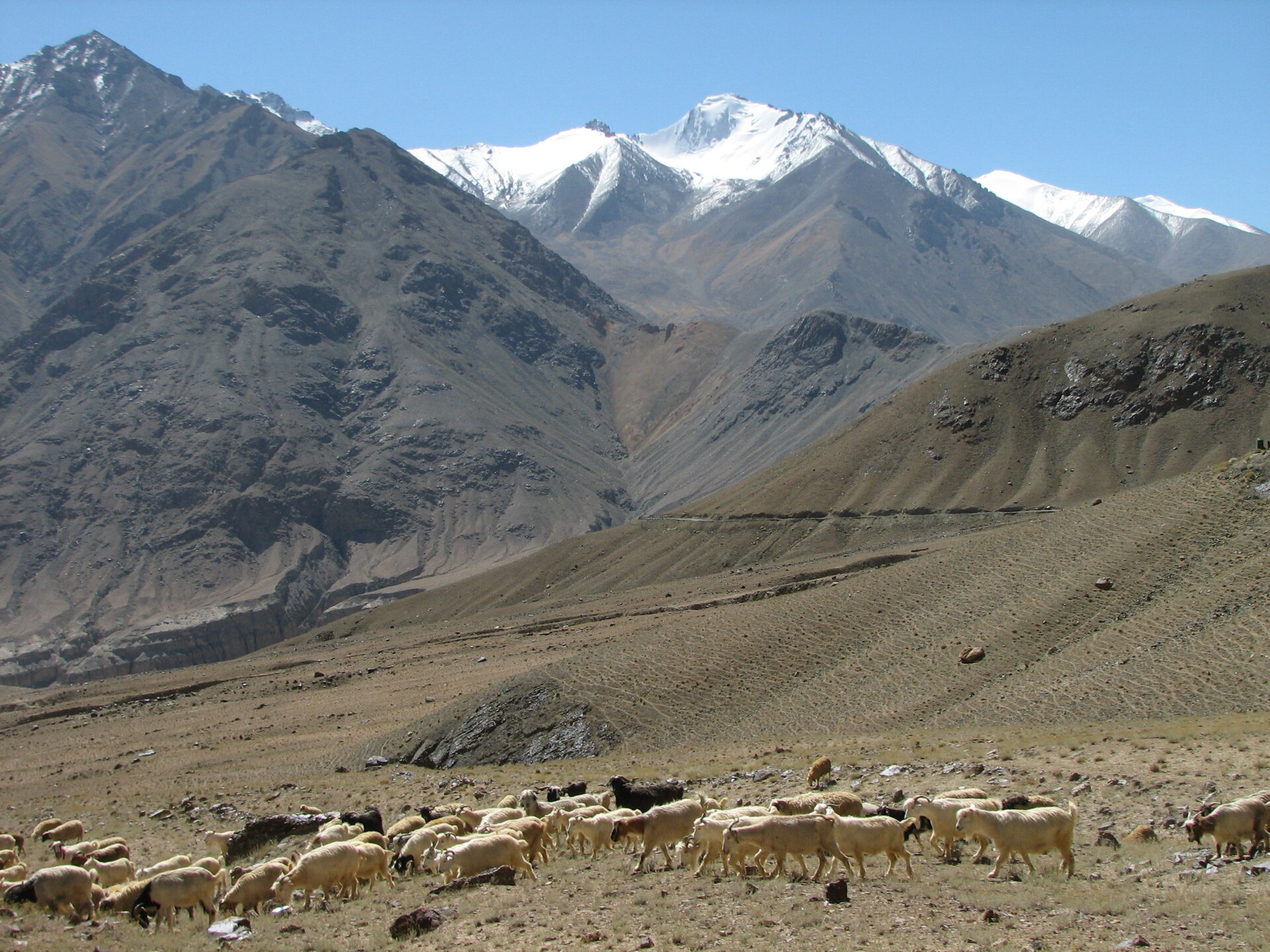
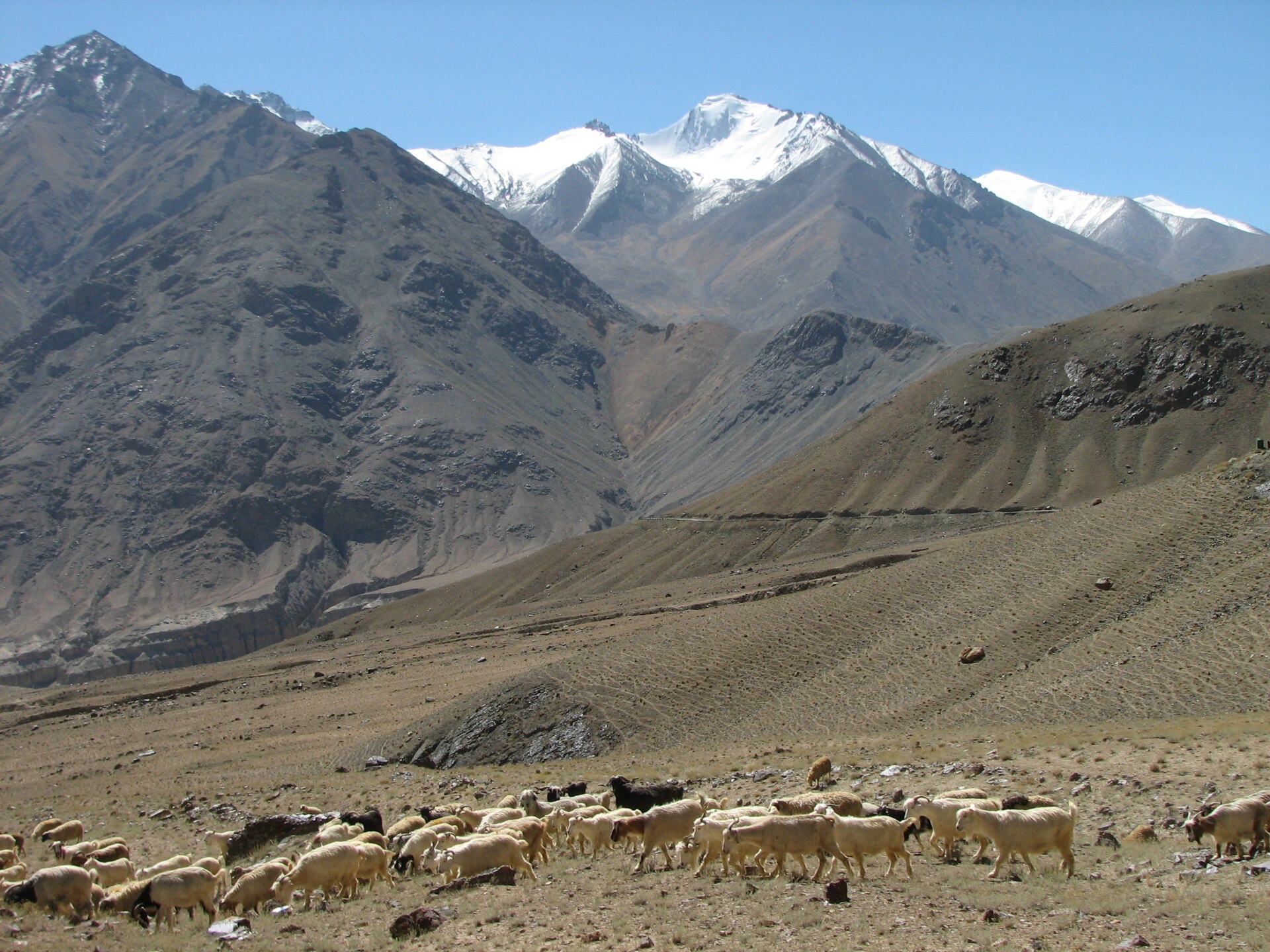
The climb to Khardung La is the most anticipated part of the trip.Photo: Henk Monster · CC BY 3.0
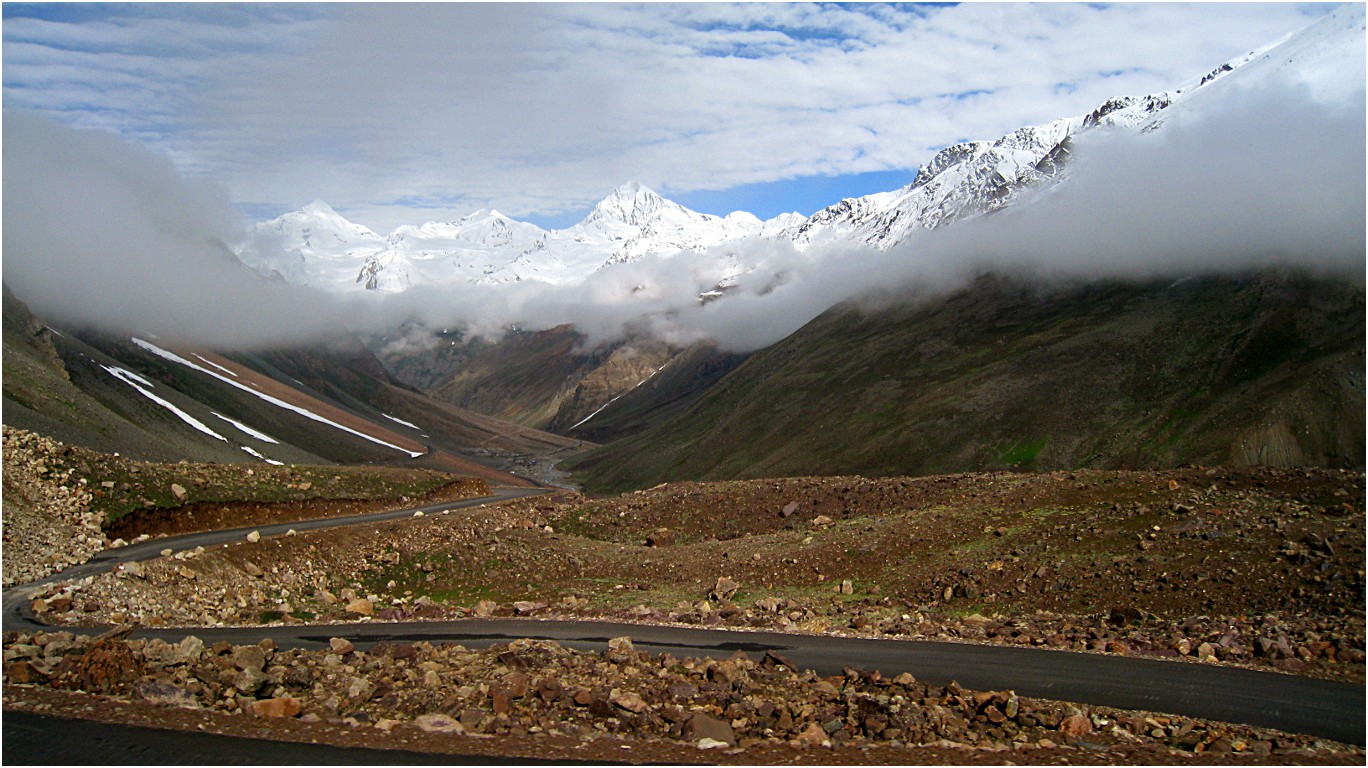
When you leave Leh, the air is already thin, but nothing prepares you for the climb that begins the moment you hit the North Pullu checkpoint. The road doesn't just go up; it twists into the sky, pulling you into the clouds.
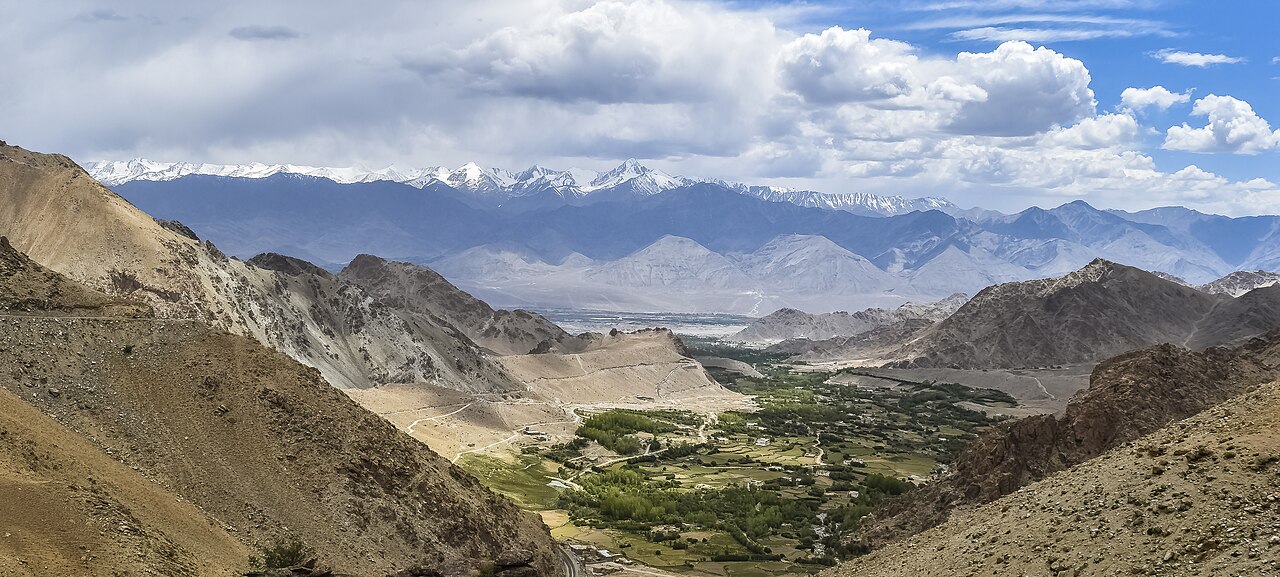
Driving from Leh to Nubra Valley is one of the most significant segments of any trip to Ladakh. You are not just covering distance; you are traversing a mountain pass that has been mythologized by every traveler who has ever owned a camera. The transition from the settled streets of Leh to the stark, windswept heights of Khardung La is a shift that demands your full attention.
In the summer months, the route is manageable, but 'manageable' is a relative term at 17,000 feet. You need to account for traffic, unpredictable weather, and the physical toll of the altitude. Having navigated this stretch more times than I can count, I have learned that the key to a successful drive is not just a good car, but the right approach to timing and safety.
Crossing Khardung La
Khardung La is the climax of the journey. It is often cited as one of the world's highest motorable passes, and for a short moment at the top, you feel like you are on the roof of the world. Expect to spend no more than 15-20 minutes here. The lack of oxygen is real, and moving around too much can bring on a sudden headache.
In the summer, the top is usually clear, but snow can fall even in June or July. The traffic here can be chaotic, with lines of trucks and tourist SUVs all vying for space. Patience is your greatest asset. Do not let the excitement of the height distract you from the fact that the road surface can be loose and uneven.
The Drive into the Valley
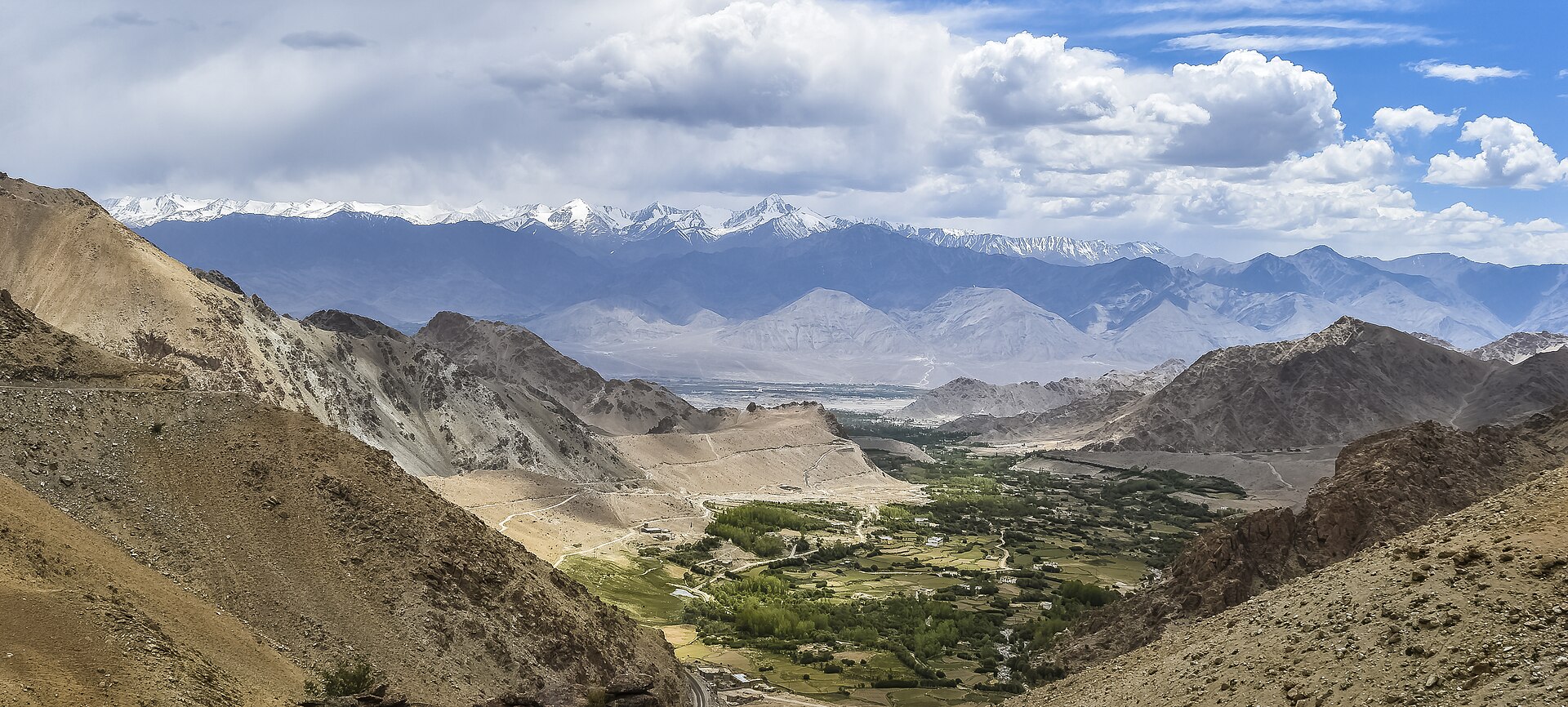
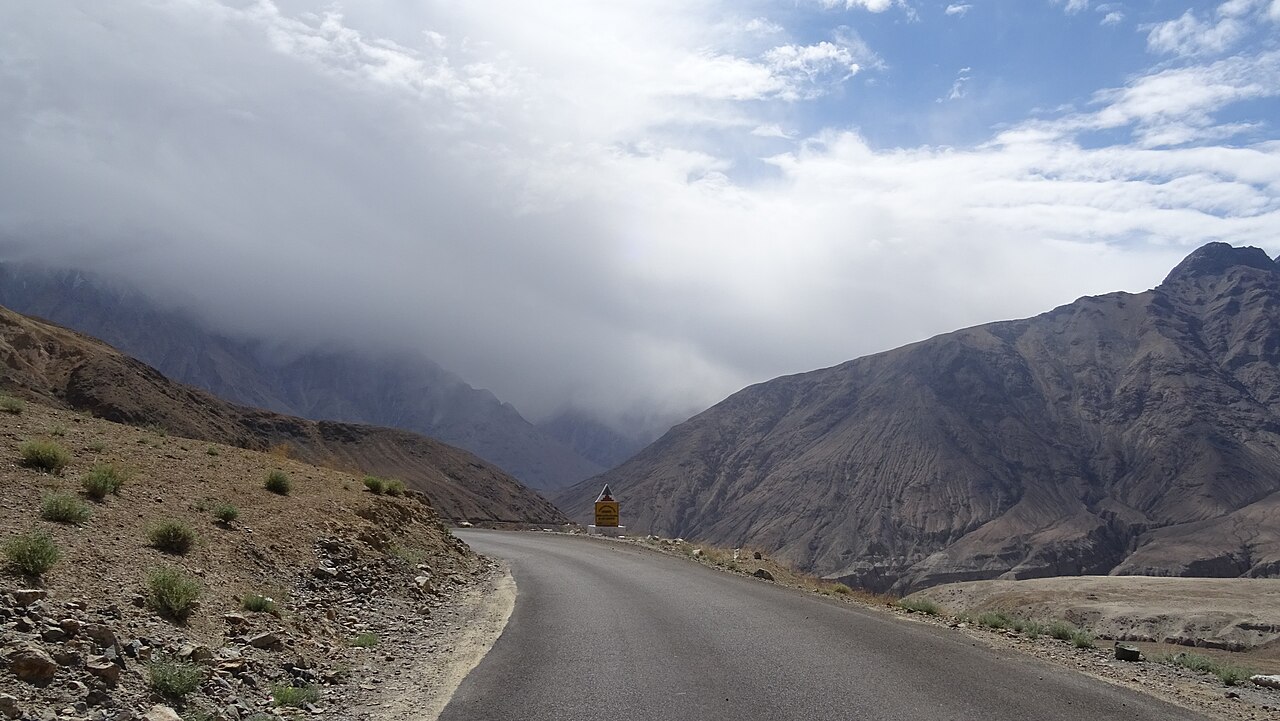
Once you descend the northern side of the pass, the landscape transforms. The climb was all about jagged rocks and snow, but the descent brings you into the Khardung village area and eventually the wide, sweeping valley floor. The road here is generally better paved than the ascent, but it is steep and requires careful use of gears.
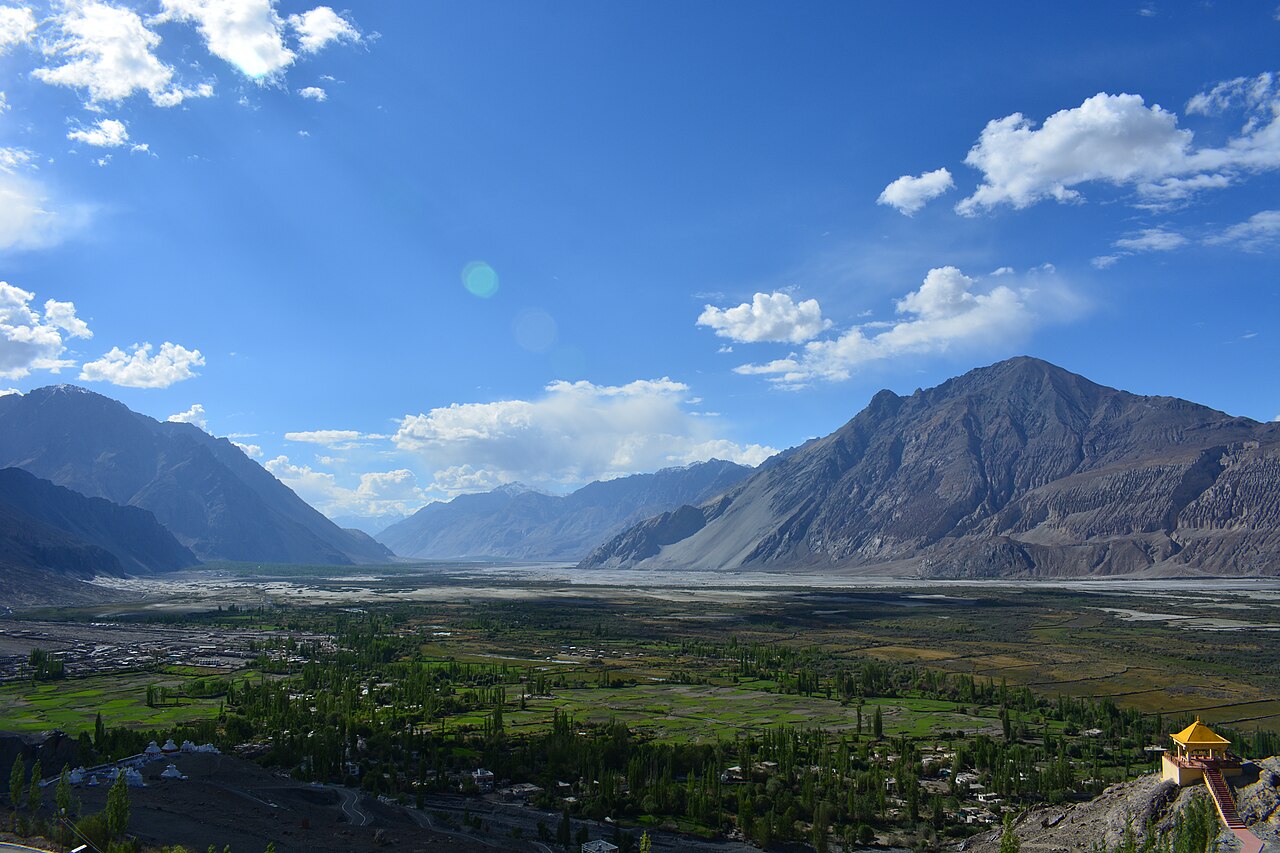
As you reach the valley floor, the river Shyok appears. It is a massive, shifting presence that defines the geography of the entire region. The drive along the river toward Diskit is arguably the most relaxing part of the day, as the intensity of the pass gives way to the vast, open spaces of the desert.
Essential Stops on the Route
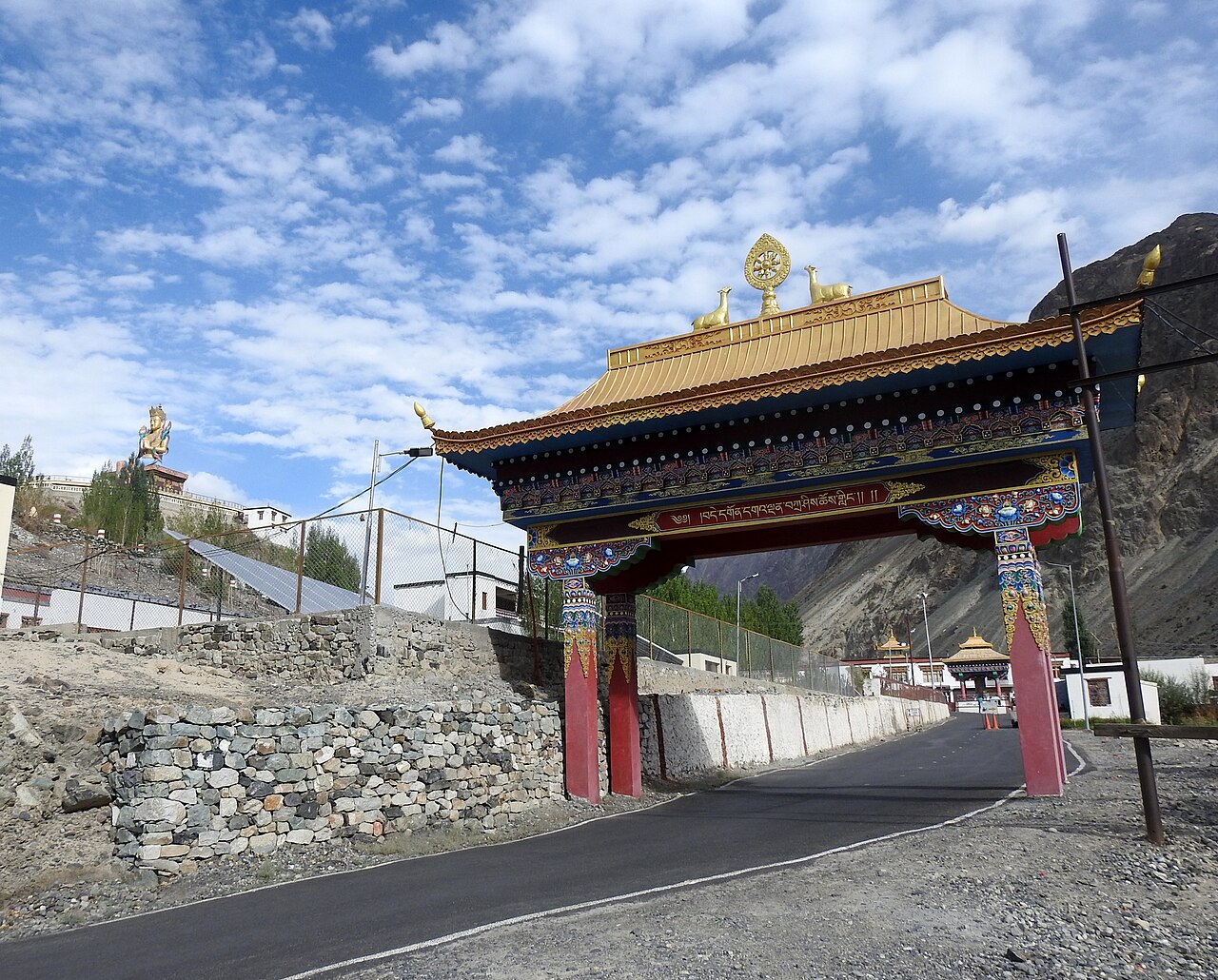
Don't just drive through; there are spots that deserve a ten-minute break. The South Pullu checkpoint is your first formal stop for document verification. Keep your Inner Line Permit handy. Further down, after crossing the pass, the village of North Pullu offers a chance to settle your nerves with a hot cup of tea.
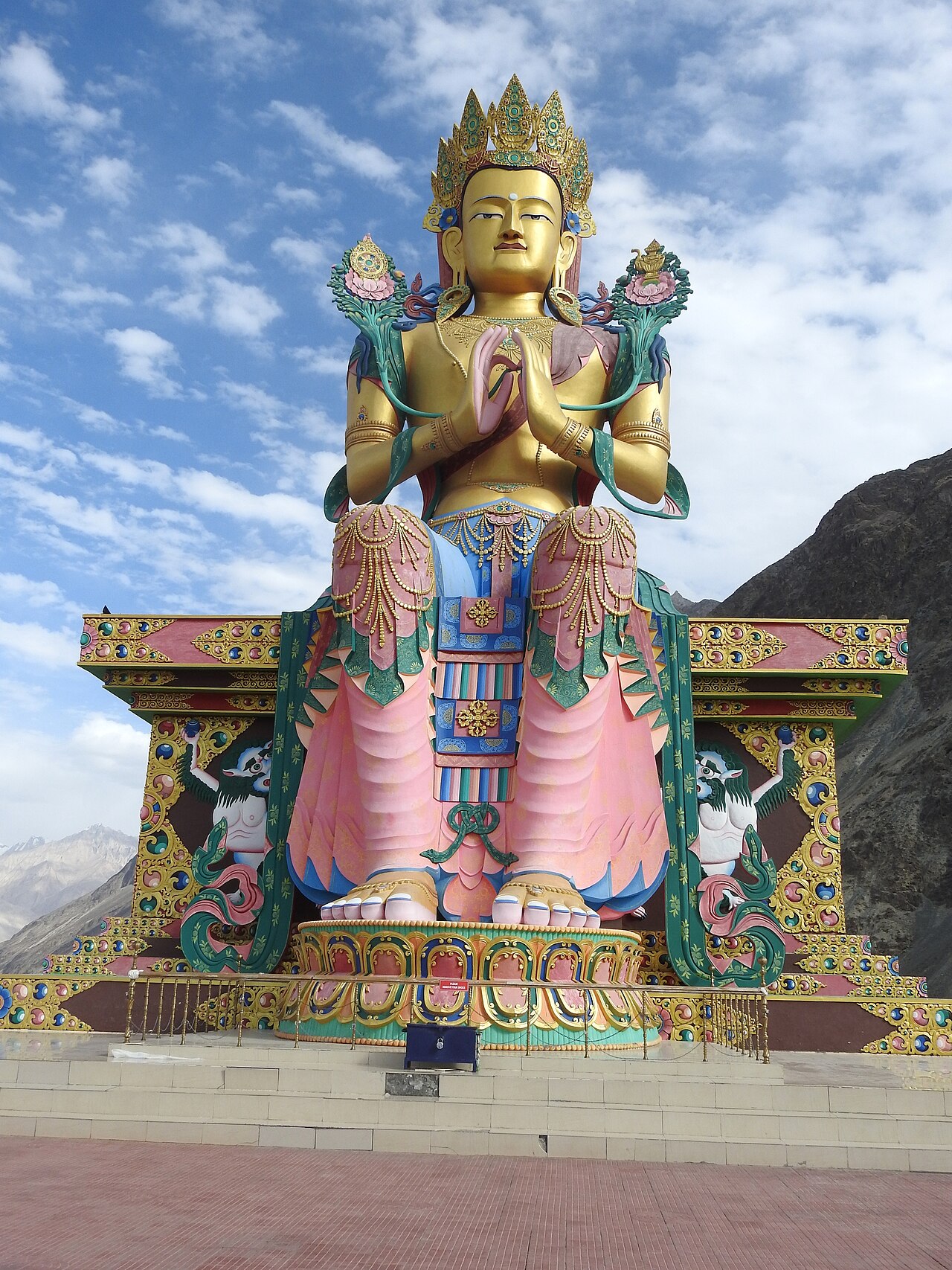
Many travelers also stop at the Diskit Monastery before heading to their final hotel. Standing at the base of the giant Maitreya Buddha statue looking back over the valley gives you a sense of scale that you miss while sitting inside a vehicle. It is a perfect way to break up the final hour of your transit.
Road Conditions and Weather Safety
Summer road conditions are generally good, but you must stay alert for 'black ice' in the early morning if there has been overnight precipitation. Landslides are the bigger concern. Even when the sky looks clear, the mountains above can shift, scattering debris onto the road.
We always advise starting early from Leh—usually by 6:00 AM or 7:00 AM. This gets you over the pass before the mid-day sun turns the snow to slush and before the heaviest traffic from the other side arrives. Weather in the high altitudes can turn in minutes, so always keep a windproof jacket within reach inside the cabin.
Why Professional Transport is Recommended
I often get asked if it is a good idea to rent a car and drive oneself. While possible, I strongly advise against it unless you are highly experienced with high-altitude mountain driving. The road to Nubra demands knowledge of how to handle vehicles on steep inclines and thin air.
Our local drivers know every turn, every dip in the road, and most importantly, they know how to interact with the Border Roads Organisation trucks that dominate the route. Letting a local drive allows you to actually look at the mountains instead of focusing on the road ahead. It is the difference between a stressful ordeal and a scenic tour.
Before you book
The road from Leh to Nubra Valley is more than a transit route; it is the most dramatic introduction to Ladakh you could ask for. By respecting the altitude and preparing your logistics in advance, the drive itself becomes a highlight of your trip.
If you are planning your journey and want to ensure you are in safe, experienced hands, we would be happy to organize your transport. Let us know your travel dates, and we can handle the logistics for you.
Planning your drive to the valley?
We specialize in secure, comfortable transport across the most demanding passes in Ladakh.
Contact UsWritten by
Kashmir, Jammu & Ladakh specialists
We plan and run trips across Kashmir, Jammu and Ladakh every week of the year. Everything here comes from routes we drive, stays we inspect and questions our travellers actually ask.
Quick answers
Questions we get asked
How long does it take to drive from Leh to Nubra?
It typically takes 5 to 7 hours. The duration depends heavily on traffic at the Khardung La pass and how often you stop for photos.
Do I need a special permit for the drive?
Yes, you need an Inner Line Permit (ILP) to enter the Nubra Valley, as it is a protected region. We can help you secure this before you arrive in Leh.
Is the road to Nubra dangerous?
It is challenging. While the roads are paved, the altitude and the sheer drops make it a route that requires a seasoned driver and a well-maintained vehicle.
Can I get altitude sickness on this route?
It is common. The rapid gain in altitude can cause headaches or nausea. It is essential to acclimatize in Leh for at least two full days before attempting this drive.
Is public transport available?
There are local buses, but they are infrequent and very crowded. For tourists on a schedule, a private or shared taxi is the only reliable way to travel.
Photography credits
- Photo: Henk Monster · CC BY 3.0
- Photo: Stephane Viau · CC BY-SA 4.0
- Photo: Avantika1988 · CC BY-SA 4.0
- Photo: Harvinder Chandigarh · CC BY-SA 4.0
- Photo: Harvinder Chandigarh · CC BY-SA 4.0
- Photo: Addy6697 · CC BY-SA 4.0
- Photo: Always urs0509 · CC BY-SA 4.0