Where Is Kargil Located? Understanding Its Place in India and Ladakh
A clear look at the geography, borders, and administrative position of Kargil town.
Wondering if Kargil is in India or Pakistan? Read our clear geographic guide to understand its borders, Ladakh district overview, and role as a travel hub.
Kargil town nestled along the rushing waters of the Suru River.Photo: Rajani Gairshail · CC BY-SA 4.0
Standing on the terrace of a small hotel in Kargil town at six in the morning, the air bites with a crispness that stays with you all day. Below, the Suru River rushes past, its glacial grey waters cutting deep through the rock. If you are looking at a map for the first time, you might wonder about the political boundaries here. To answer the most common question directly: yes, is kargil in india?
Kargil is a distinct district within the Union Territory of Ladakh, administered entirely by the Government of India. It sits right on the Line of Control, which explains why travelers often search for its exact political standing. When we plan itineraries for clients traveling from Srinagar to Leh, Kargil is the natural midway stop. Understanding its geography helps clear up any confusion before you pack your bags.
The town acts as a vital commercial and administrative hub for the region. It is surrounded by towering mountains and connects major valleys like Zanskar and Suru. Far from being just a transit point, Kargil holds a unique place in the high-altitude landscape of the northern Himalayas.
The Administrative Position of Kargil
Kargil is the headquarters of the Kargil district, which is one of the two districts making up the Ladakh region, the other being Leh. Following the reorganization of Jammu and Kashmir in 2019, Ladakh became a separate Union Territory governed directly by New Delhi. The town itself lies approximately 204 kilometres west of Leh and 200 kilometres east of Srinagar along the National Highway 1.
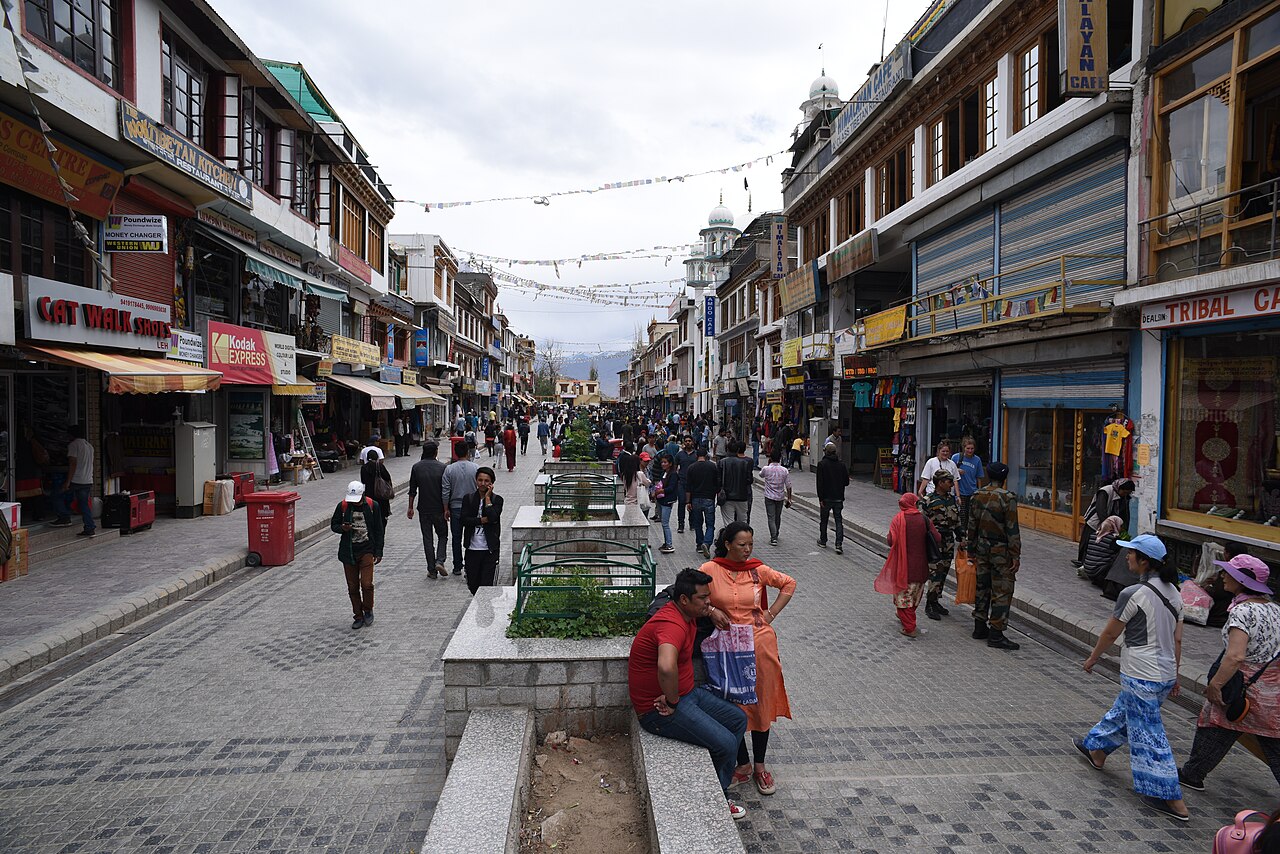
Because of its proximity to the Line of Control, you will see a strong presence of the Indian Army throughout the district. Checkpoints are common on the highways, and travellers must carry valid identification at all times. Despite its strategic sensitivity, the town operates normally with bustling markets, local bakeries, and busy transport hubs.
- District headquarters of Kargil in the UT of Ladakh
- Located along National Highway 1 connecting Srinagar and Leh
- Strong administrative and military presence due to border proximity
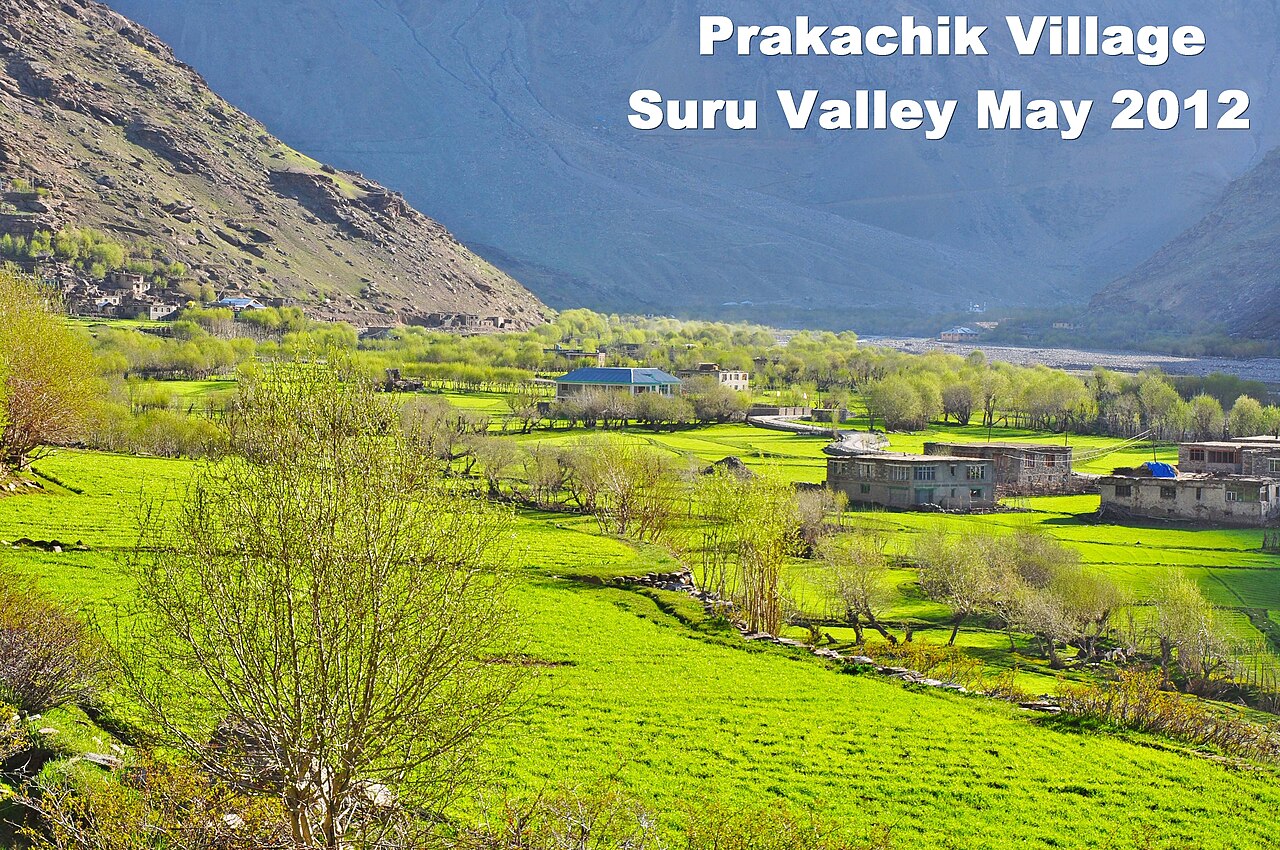
Kargil as a Crucial Gateway to Ladakh
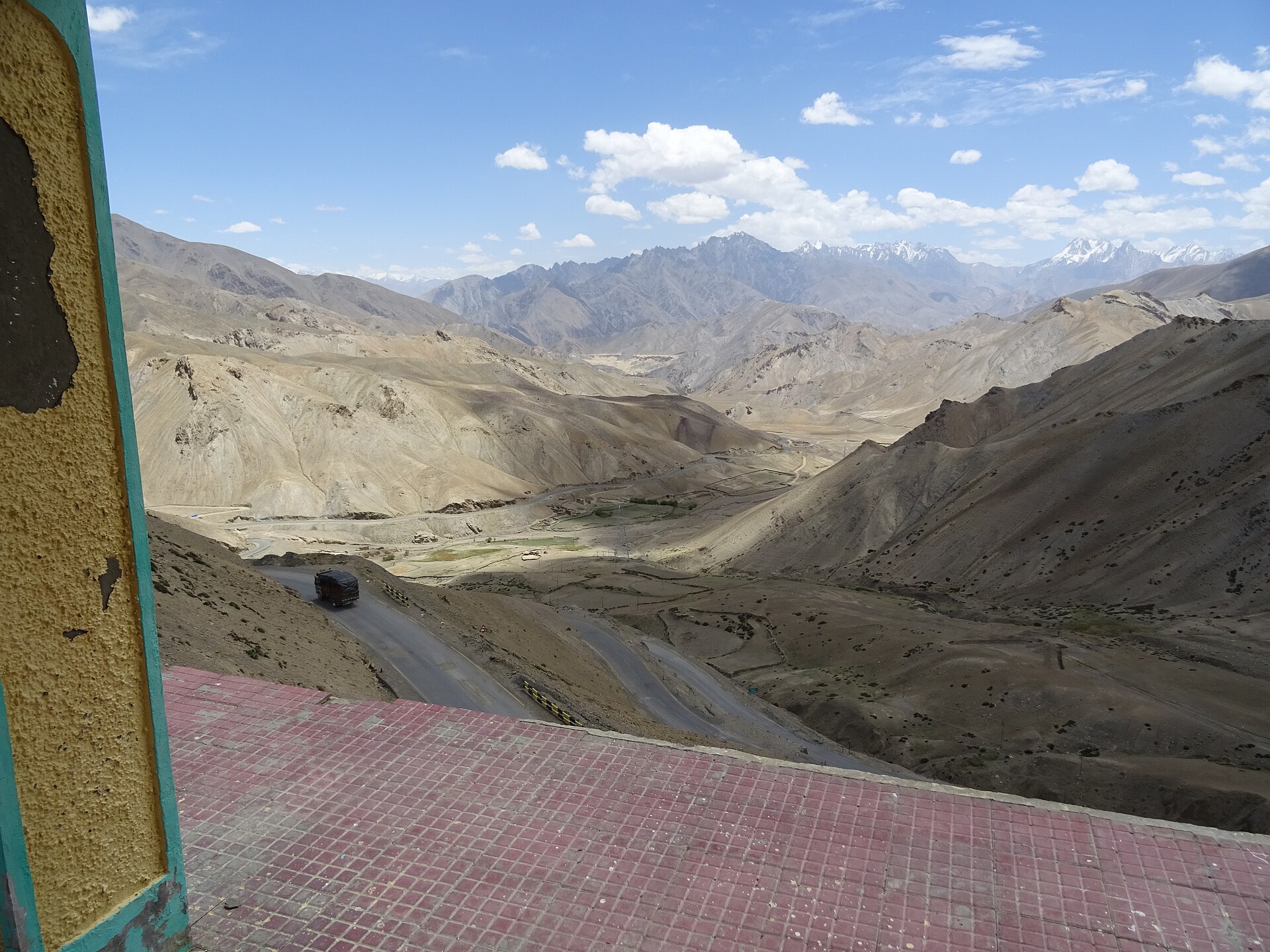
Most road travellers discover Kargil out of sheer necessity. The drive from Srinagar involves crossing the Zoji La pass, a rugged mountain crossing that tests both drivers and suspension. Once you drop down into the Drass valley—known as the second coldest inhabited place on earth—you are practically at Kargil's doorstep. It provides the first major oxygen-rich environment after high mountain passes.
From Kargil, the road splits or continues onward. You can head east towards Lamayuru and Leh, or you can turn south into the rugged interiors of the Zanskar Valley. We often advise clients to spend a full night here to acclimatise properly before tackling higher elevations further east.
Connecting to Zanskar and Suru
The newly paved roads through the Suru Valley begin right outside Kargil. This makes the town the undisputed starting point for any expedition heading deep into Zanskar.
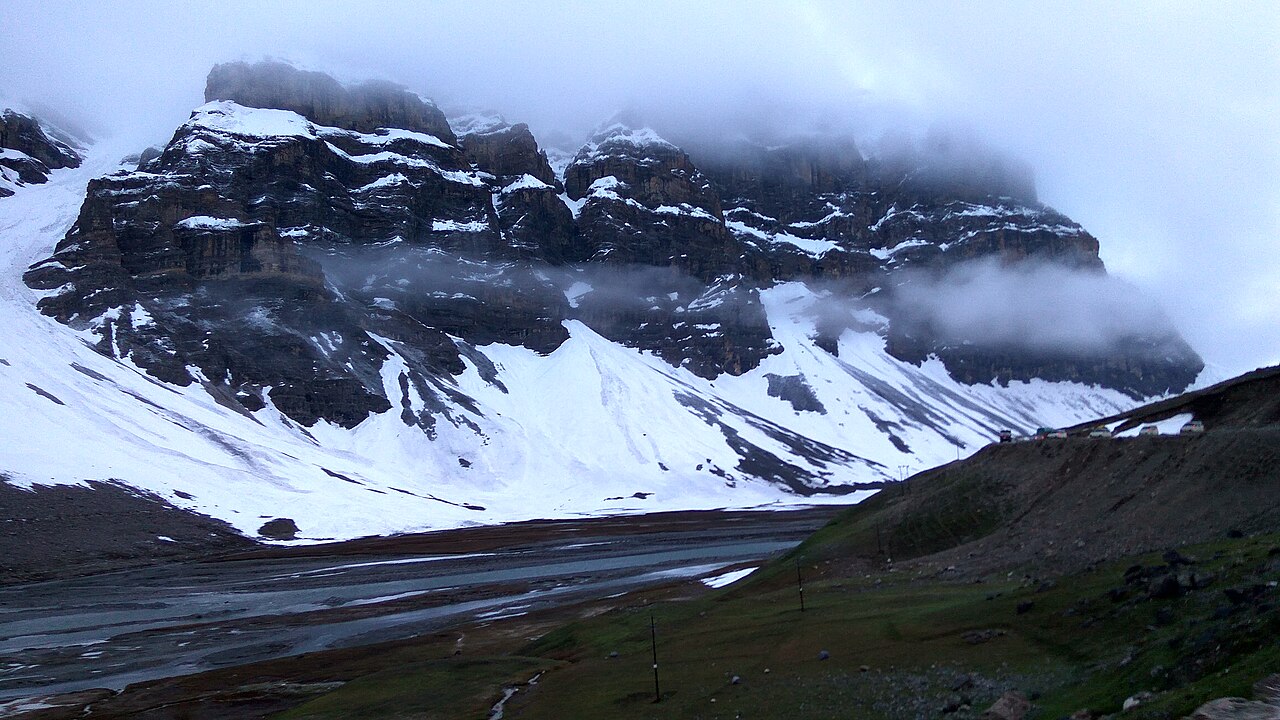
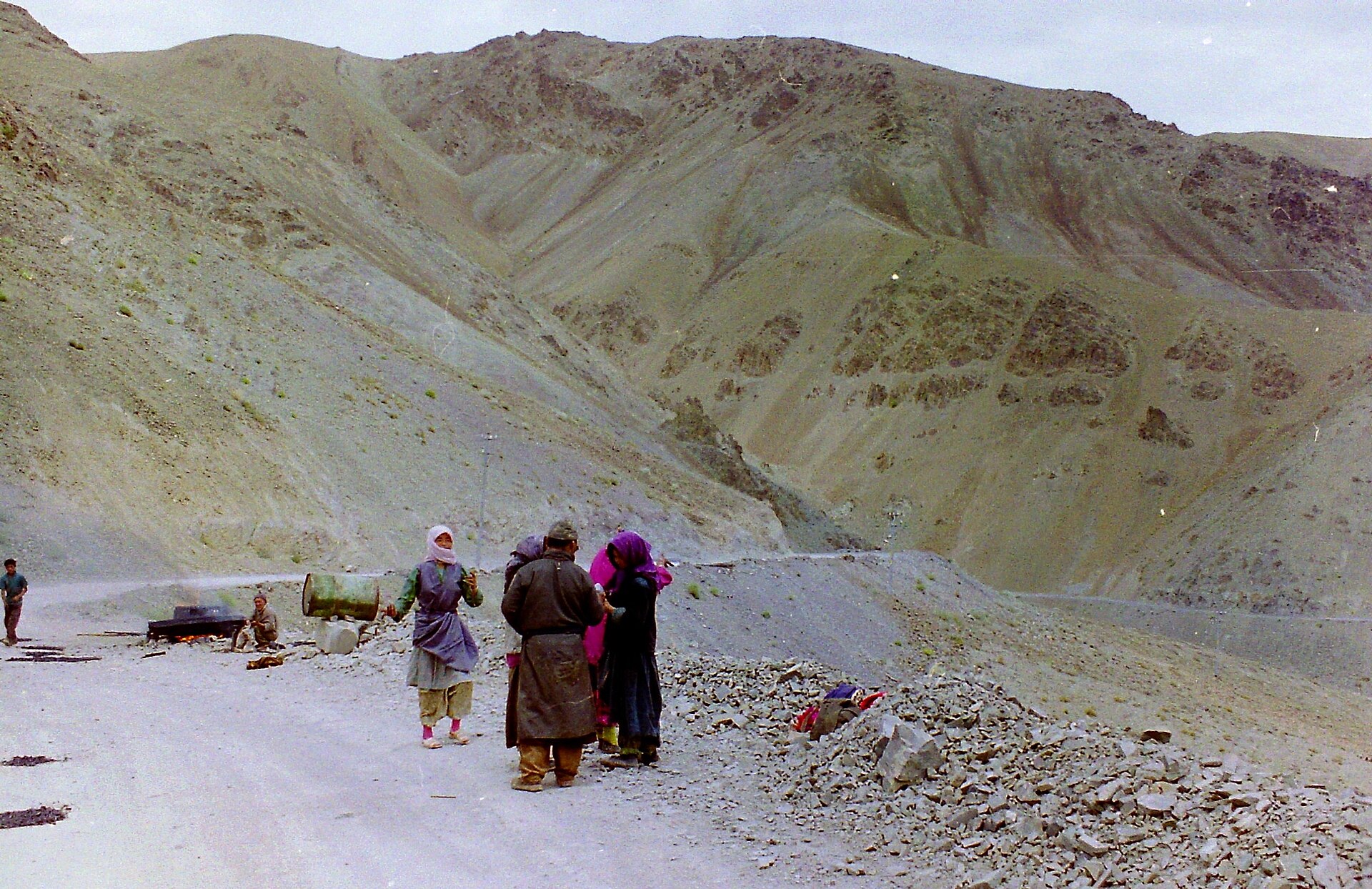
Kargil is far from just a transit point; it holds a unique place in the high-altitude landscape of the northern Himalayas.
Navigating the Region's Boundaries and Terrain
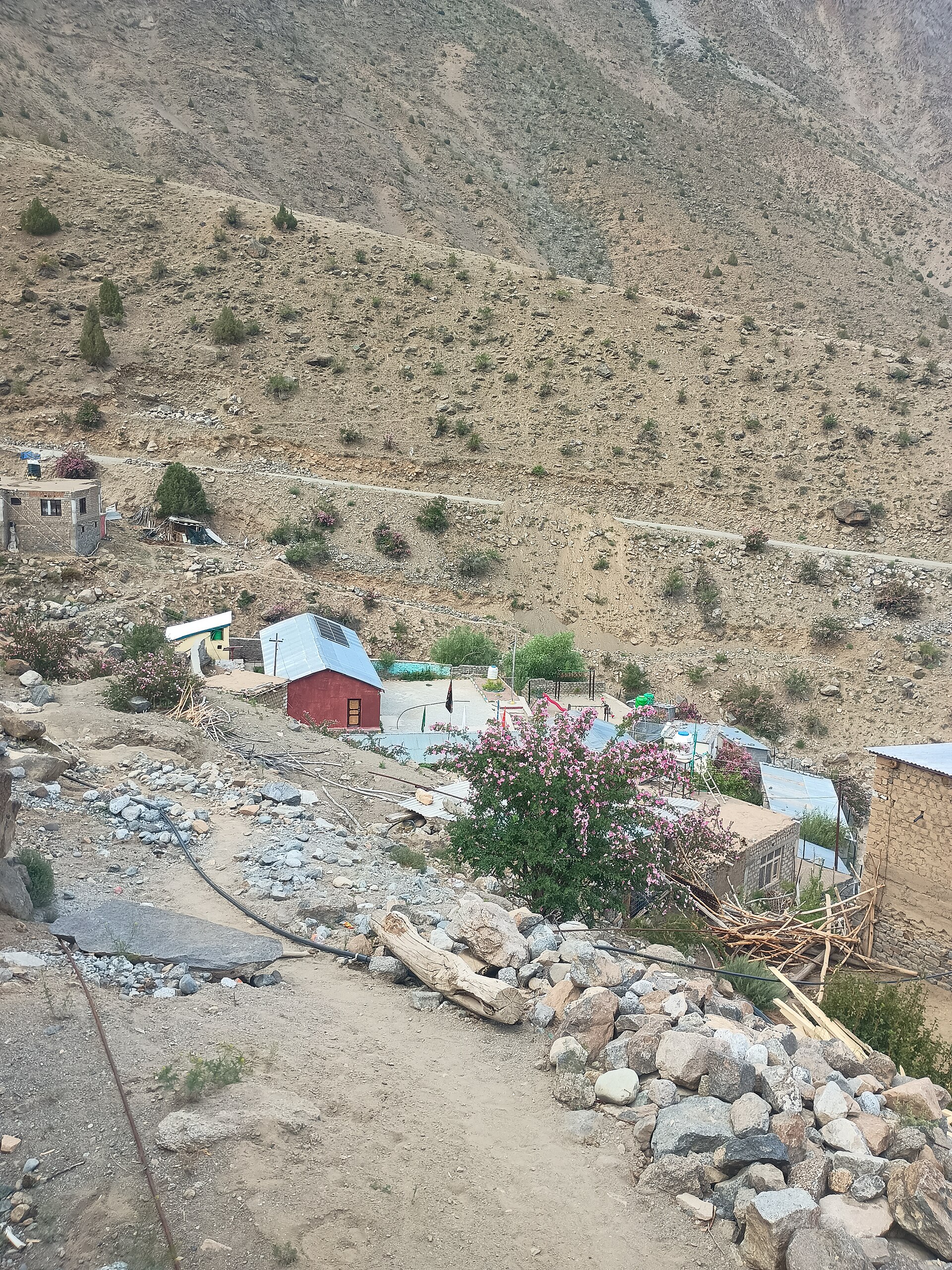
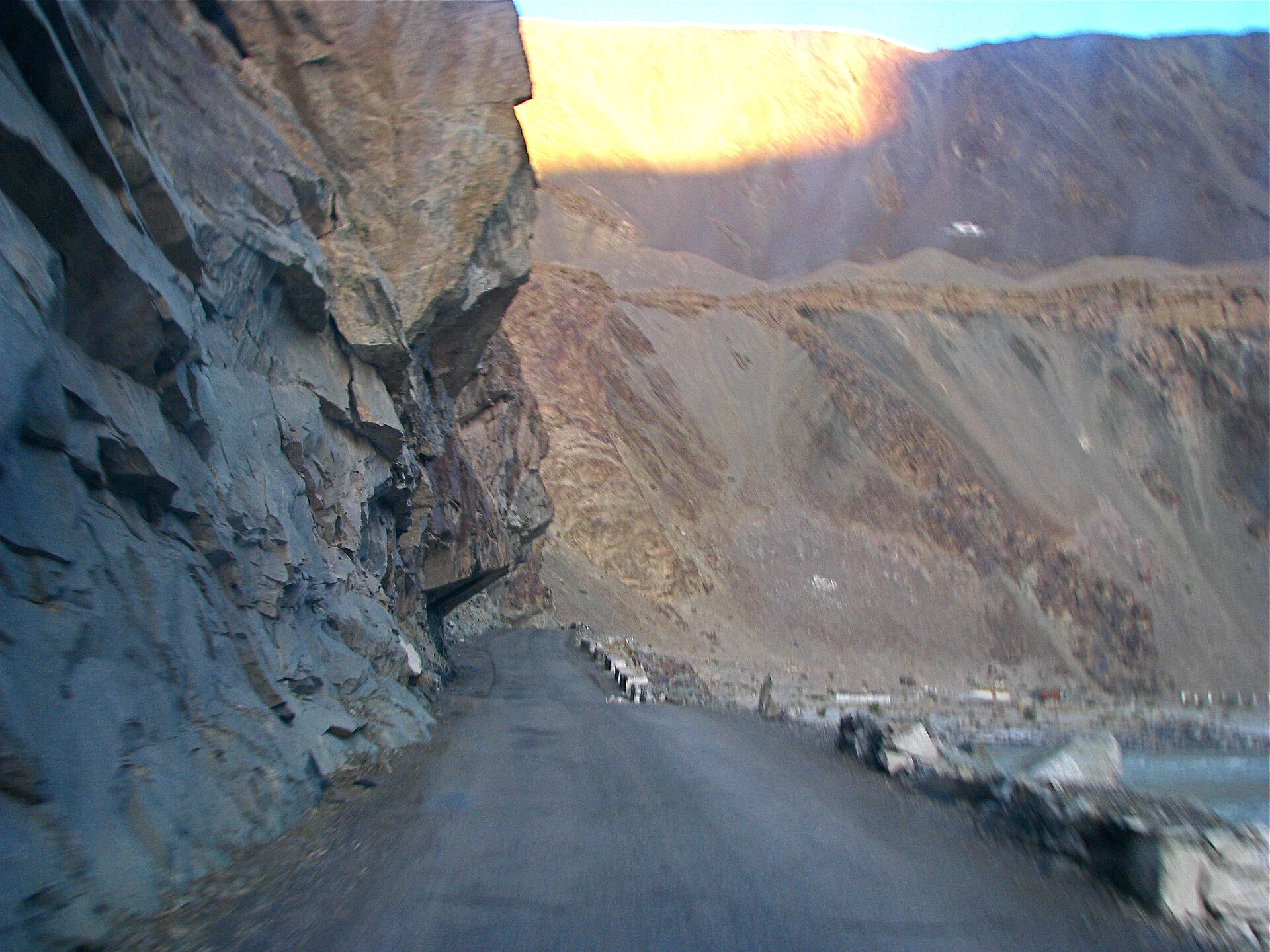
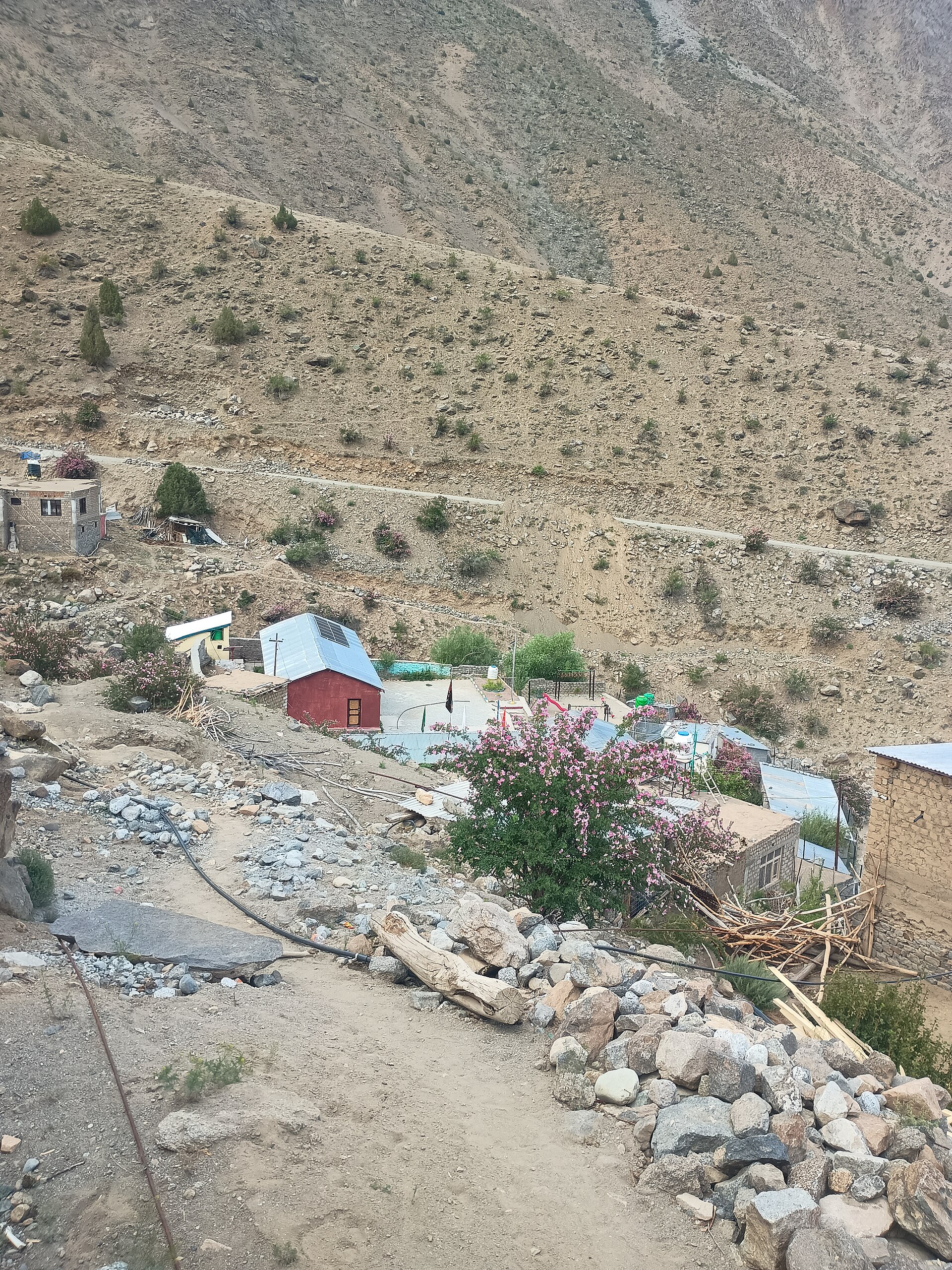
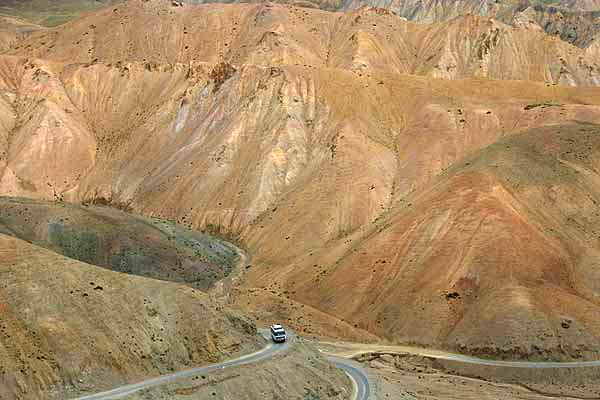
The geography here is defined by stark contrasts. Deep river valleys carved by the Suru and Drass rivers sit below jagged, barren peaks that rarely see vegetation. The terrain is high desert, typical of the broader Ladakh region, though the western parts receive slightly more winter snow than Leh.
When travellers ask about borders, they are usually trying to visualize the landscape. The Line of Control runs north and west of the district, separating Indian-administered Ladakh from Pakistan-administered territories. The civilian areas open to tourism are entirely secure, peaceful, and welcoming.
- High altitude desert terrain with deep river gorges
- Surrounded by the Zanskar mountain range
- Bordered by Gilgit-Baltistan to the west and Leh district to the east
Why Travellers Make Kargil a Stopover
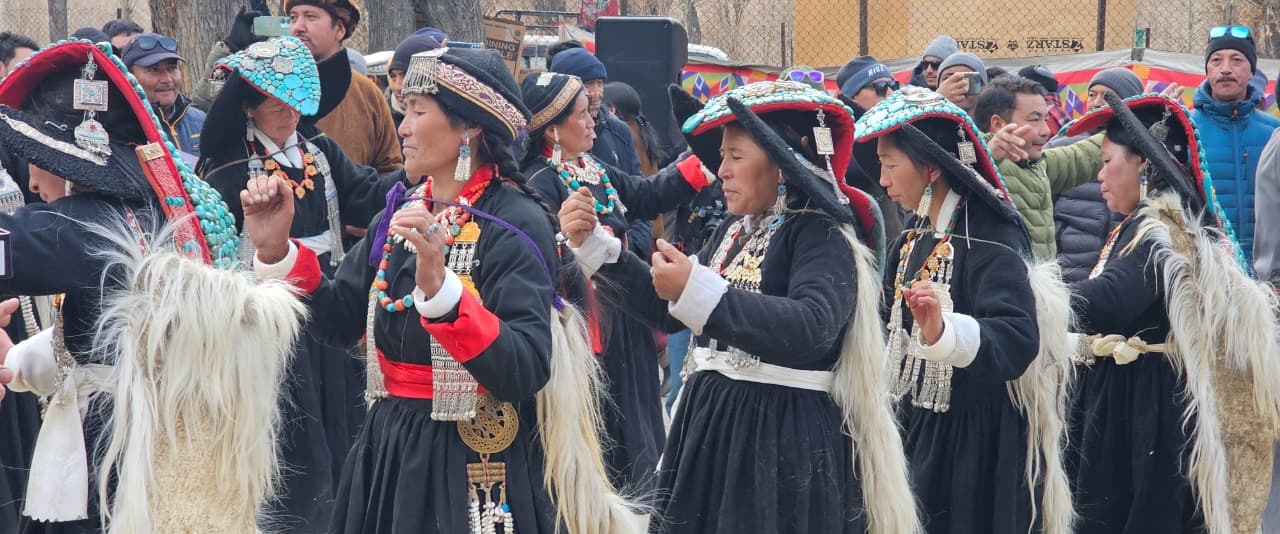
Beyond its strategic importance, Kargil offers a fascinating cultural shift. While Leh is predominantly Buddhist, Kargil district has a majority Shia Muslim population. This brings a distinct architectural style to the villages, with graceful mosques alongside traditional Ladakhi stone houses.
The local hospitality is exceptional. Small family-run guesthouses serve warm butter tea and hearty local meals. Stopping here breaks up the gruelling ten-hour journey between Srinagar and Leh, turning a transit day into a cultural discovery.
Planning Your Journey Through Kargil
If you are designing your own route, timing is everything. The highway from Srinagar via Sonmarg and Drass is typically open from May to November, depending on winter snowfall. Winter travel requires careful planning and experienced drivers who know how to handle black ice on mountain roads.
We recommend booking accommodations in advance during peak summer months, as options in the town centre fill up quickly with overland bikers and trekking groups.
Before you book
Understanding where Kargil sits on the map removes any uncertainty about travelling through this historic frontier. It is much more than a military checkpoint; it is a vibrant mountain town with deep cultural roots and dramatic natural scenery.
Whether you are passing through on your way to Leh or using it as a base to explore remote valleys, Kargil rewards curious travellers with genuine hospitality and unforgettable landscapes.
Plan Your Ladakh Road Trip With Us
Let our local team handle the permits, transport, and lodging for your journey through Kargil and beyond.
Get in TouchCaption for your own post
Morning light over the Suru River in Kargil. A vital stop on the road through Ladakh.
Written by
Kashmir, Jammu & Ladakh specialists
We plan and run trips across Kashmir, Jammu and Ladakh every week of the year. Everything here comes from routes we drive, stays we inspect and questions our travellers actually ask.
Written by Farooq, who has driven the Srinagar-Leh highway in every season over the last twelve years.
Quick answers
Questions we get asked
Is Kargil inside Indian territory?
Yes, Kargil is an integral part of India, administered as a district within the Union Territory of Ladakh.
Can tourists visit Kargil safely?
Absolutely. Kargil is open to domestic and international tourists, with standard security checkpoints along the major highways.
How far is Kargil from Leh?
Kargil is about 204 kilometres west of Leh, a drive that typically takes between six to seven hours by car.
What is the best time of year to visit Kargil?
The summer months from May to September offer the most stable weather and fully open mountain roads.
Photography credits
- Photo: Rajani Gairshail · CC BY-SA 4.0
- Photo: © Pierre André · CC BY-SA 4.0
- Photo: Narender9 · CC BY-SA 4.0
- Photo: Bikram.3458 · CC BY-SA 4.0
- Photo: Steve Evans · CC BY 2.0
- Photo: FAYAZ SHUJA · CC BY 4.0
- Photo: Chris Hunkeler from Carlsbad, California, USA · CC BY-SA 2.0