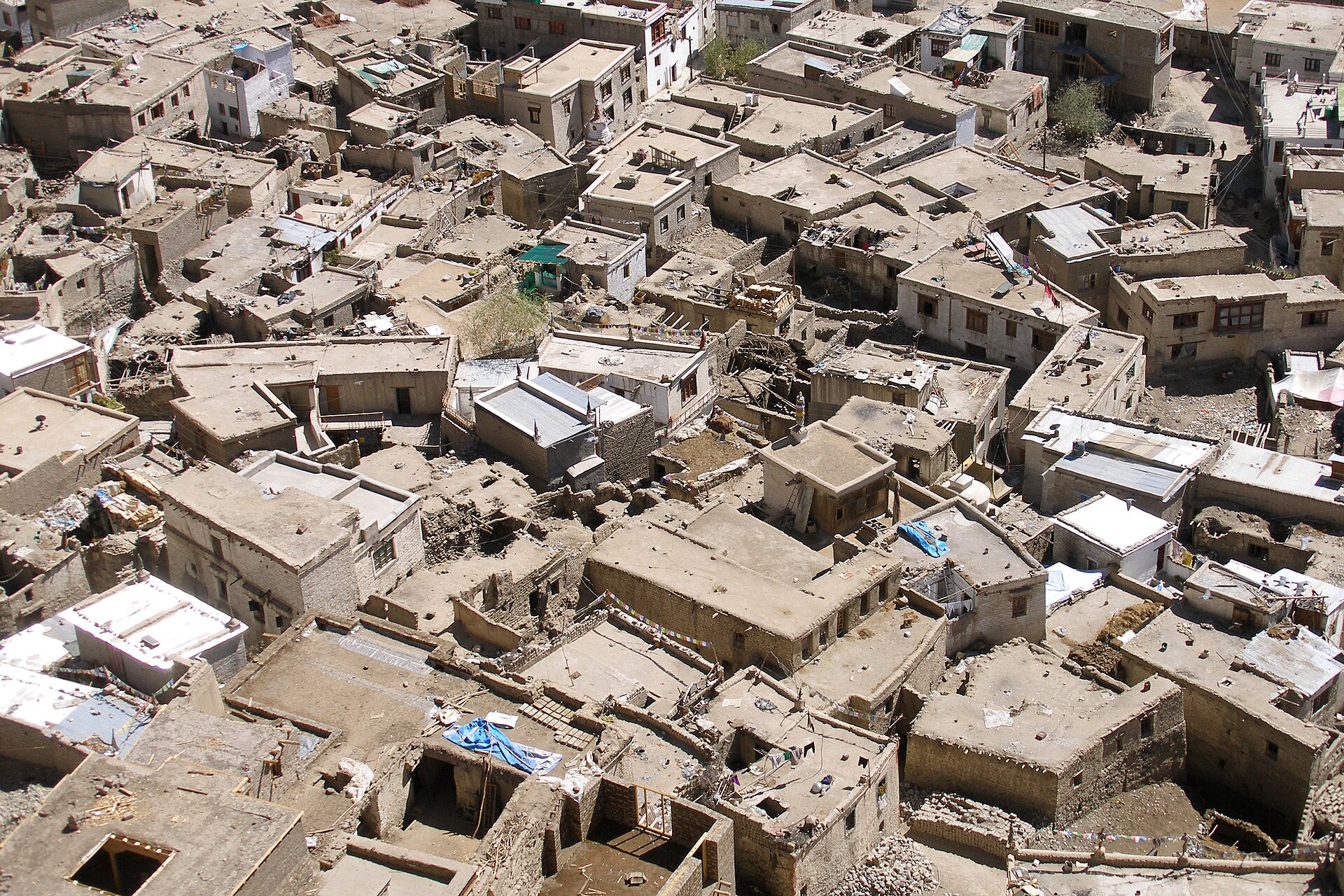
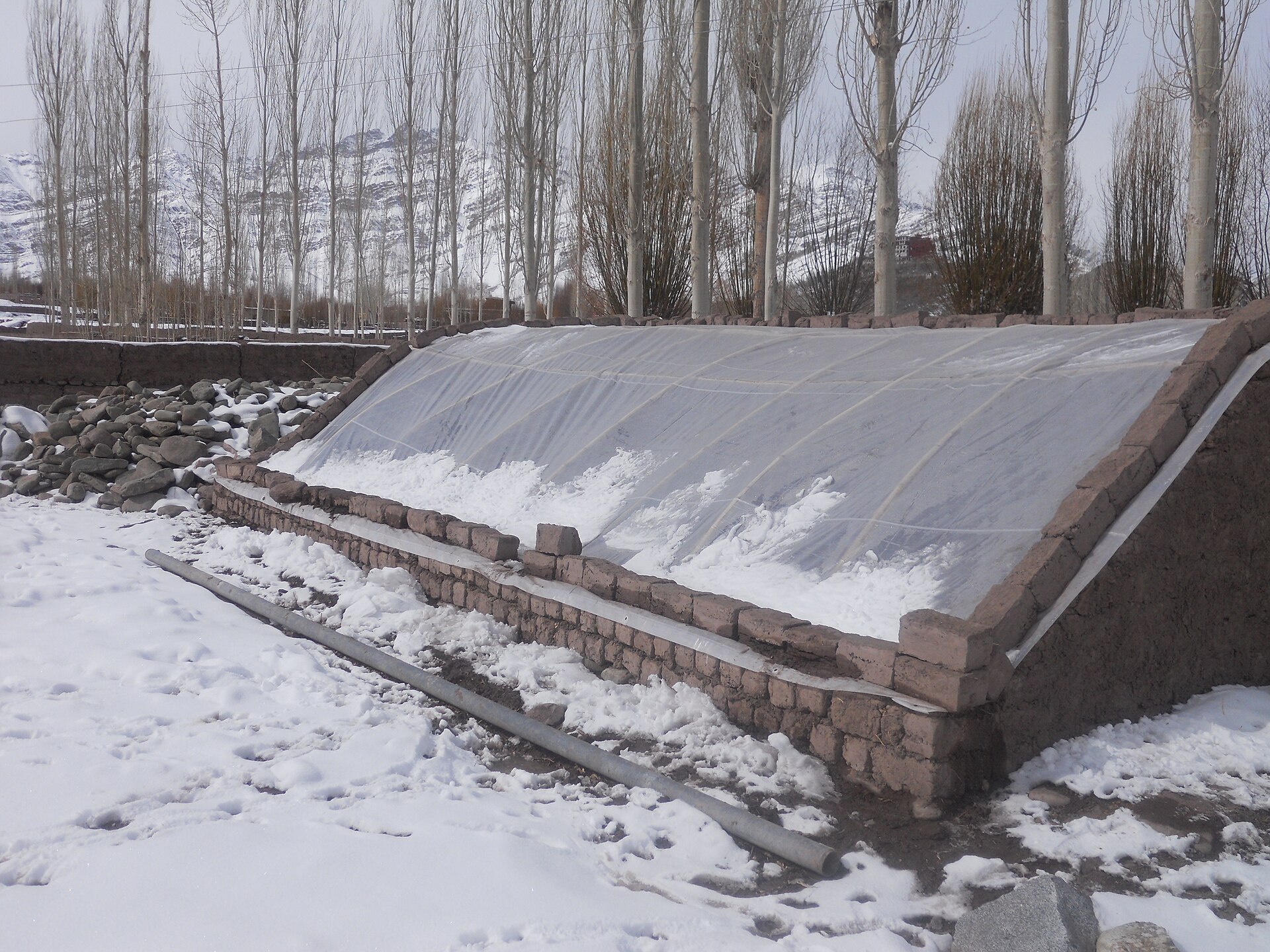
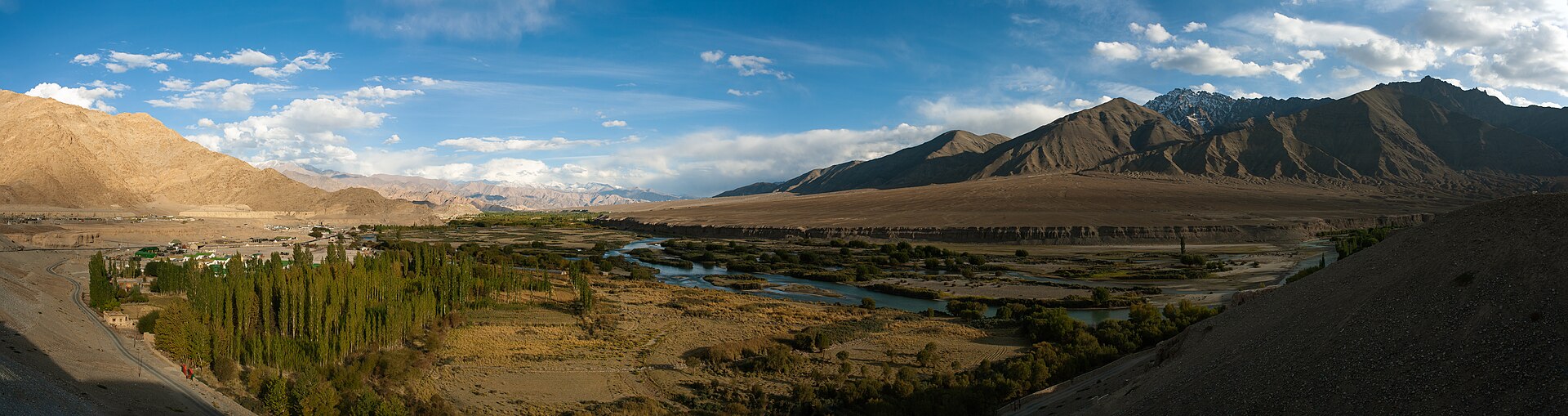
Is Leh Safe to Travel? A Practical Guide for Tourists
Navigating the high-altitude challenges and local customs with confidence.
Wondering if it is safe to travel to Leh? Our guide breaks down health, climate, and safety concerns to help you plan your trip.
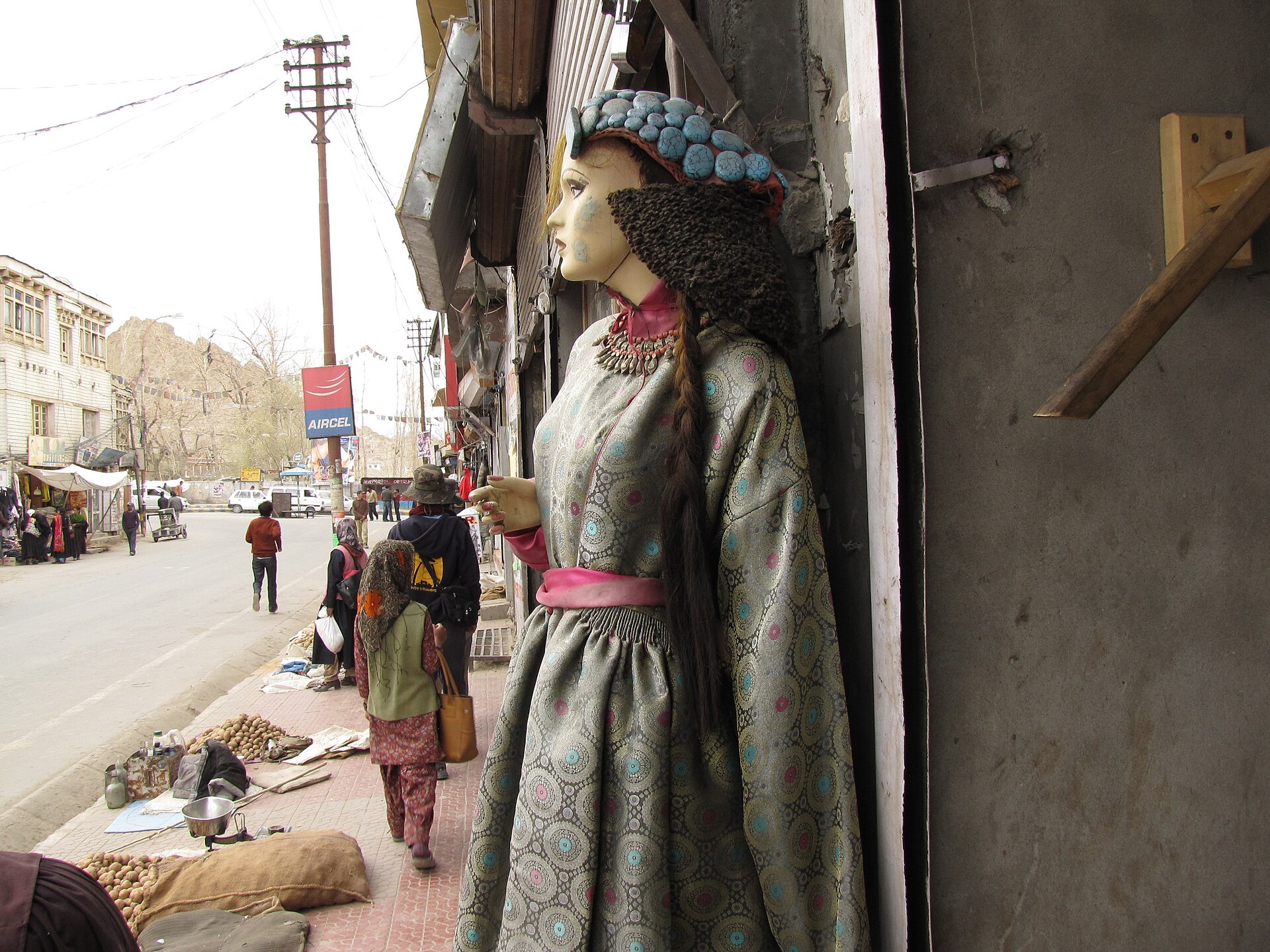
The main streets of Leh are safe, vibrant spaces where local life and tourism meet.Photo: Christopher John SSF from Stroud, NSW, Australia · CC BY 2.0
I have been asked, 'is leh safe to travel,' at least a hundred times, and my answer is always the same: it is one of the most welcoming places I know, provided you respect the geography. Safety here isn't about crime; it is about the thin air and the sheer, unforgiving verticality of the landscape.
Leh is a peaceful town, anchored by a deep-rooted cultural tradition. When people question the safety of the region, they are often missing the real risks—which are almost always tied to physiology rather than society. If you understand how to manage the altitude, you are halfway to a successful, incident-free trip.
Understanding Safety in Leh and Ladakh
In terms of social safety, Leh is generally very secure. The local population is deeply invested in the tourism economy, and the pace of life is slow and polite. Unlike some major metropolitan areas, you won't find yourself worrying about petty crime. That said, as a visitor, the usual common sense applies. Don't leave valuables in plain sight in rented cars, and always keep your documents in a secure, dry place.
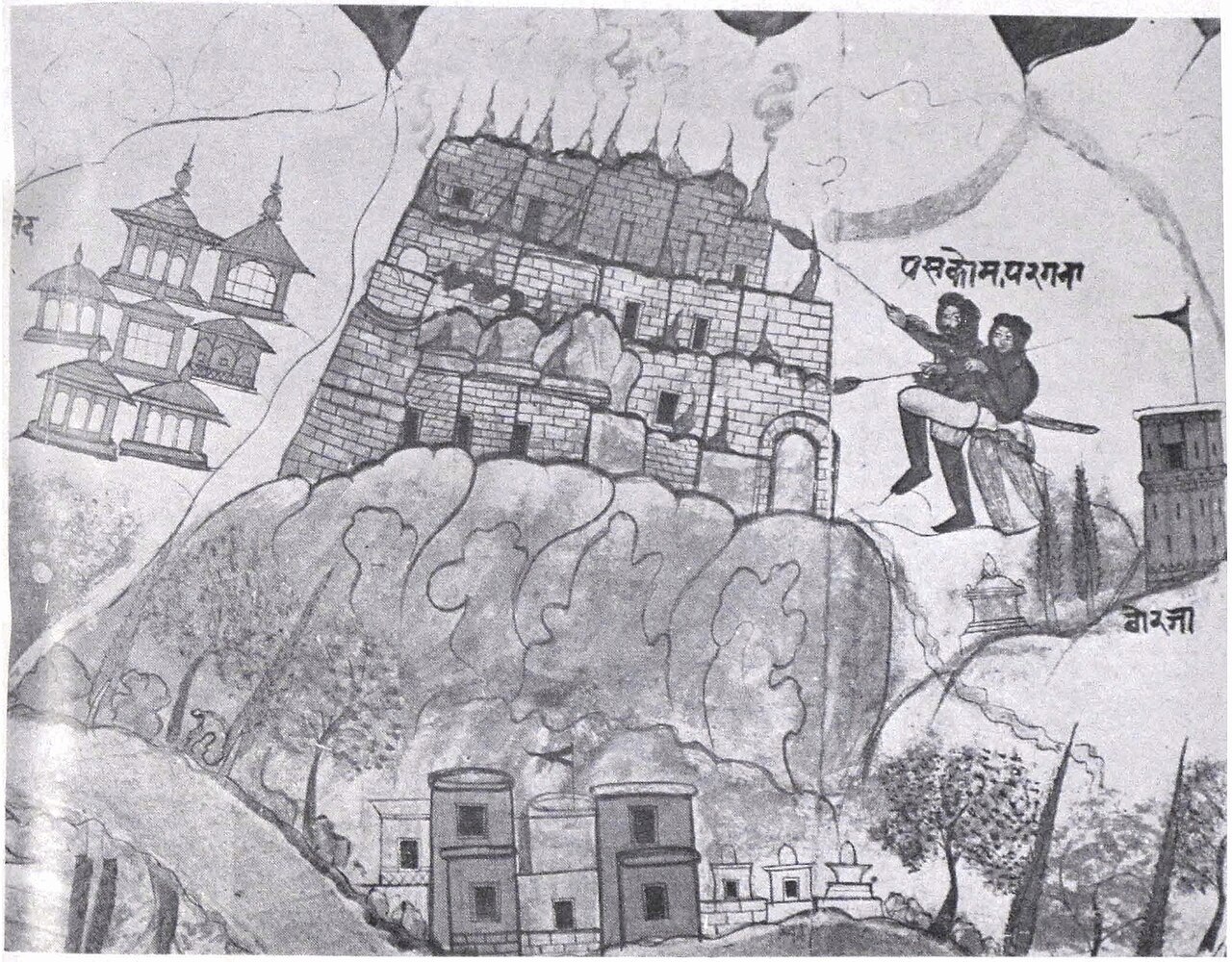
The main 'danger' is the environment itself. The sun is incredibly strong at this altitude, and the weather can flip from bright blue skies to a biting wind in minutes. Respecting the local customs, such as dressing modestly when visiting monasteries like Hemis or Thiksey, will keep you out of social friction as much as it will earn you the respect of the local communities.
High-altitude Health and Safety Tips
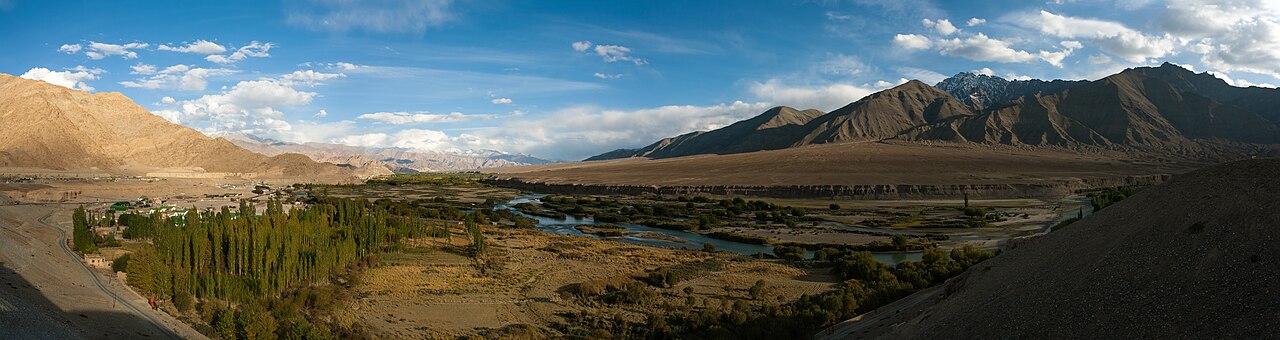
The most common issue travelers face is Acute Mountain Sickness (AMS). You are landing at an airport roughly 3,500 metres above sea level. Your body will feel it. The first 48 hours are not for sight-seeing; they are for resting. If you step off a plane and immediately drive to Khardung La, you are almost asking for a headache that will ruin your next three days.
I have seen far too many people try to 'power through' their first day. It never works. Take the first day to just walk slowly, drink water, and let your body catch up to the oxygen levels. If you start feeling nauseous or dizzy, speak up. It is not something to be embarrassed about; it is basic human biology adjusting to an extreme environment.
Local Customs and Respectful Travel
Ladakh is a region defined by Buddhism and a strong sense of community. When you enter a prayer room, remove your shoes and walk in a clockwise direction. Do not touch the statues or the offerings. These are small, simple acts, but they define your presence in the region.
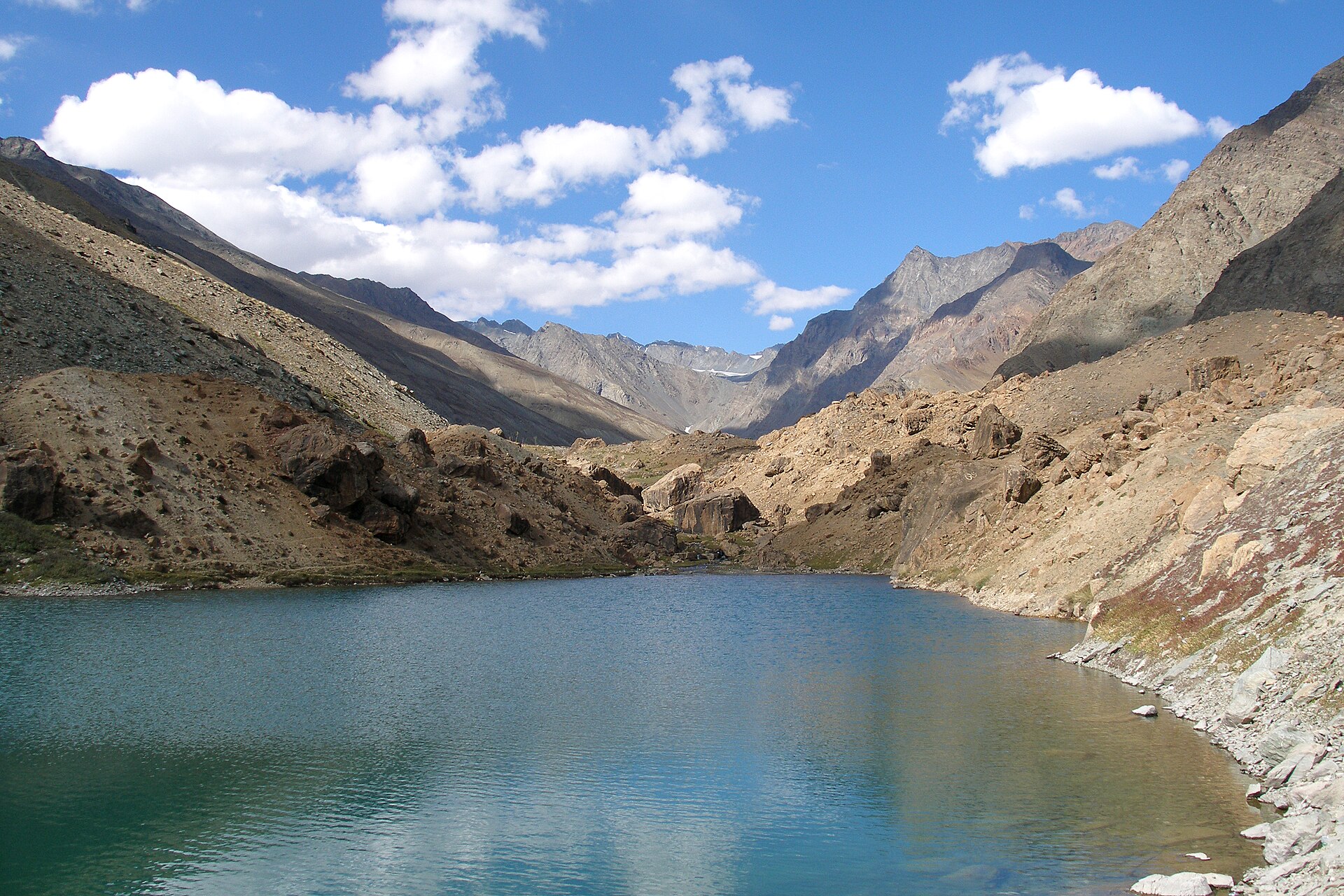
Be mindful of the water usage. Ladakh is a desert. Water is precious. Don't leave taps running, and try to minimise your plastic waste. The local community works hard to maintain the environment, and they appreciate visitors who do the same. If you are ever unsure about a cultural practice, ask your local guide or homestay host.
Navigating the Region Securely
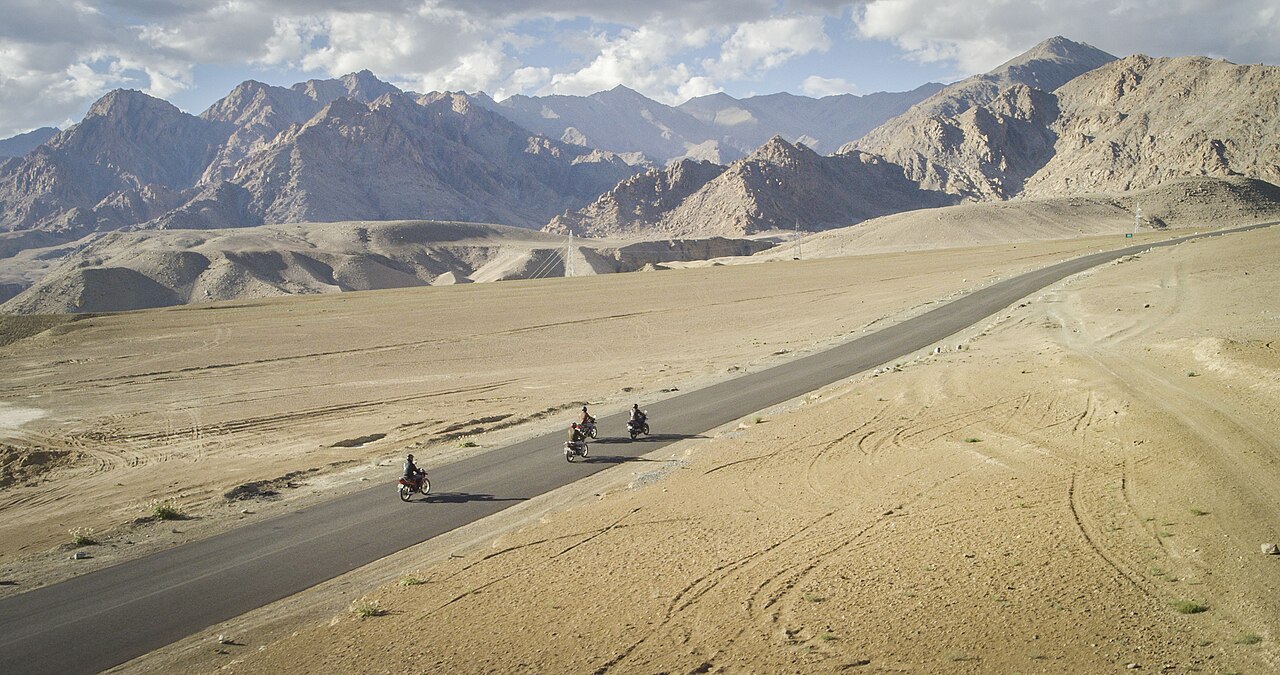
When you are travelling between valleys, ensure you are using reputable transport. I strongly suggest hiring drivers who know the mountain roads intimately. These aren't motorways; they are narrow, cliff-hanging tracks where the weather can create washouts or rockfalls. A local driver knows when to wait out a storm and when to push through.
If you are planning to go to remote areas, always inform your hotel or your guide of your itinerary. Mobile network connectivity is spotty outside of the main town of Leh, and satellite phones are restricted. Being predictable in your movements is a safety feature.
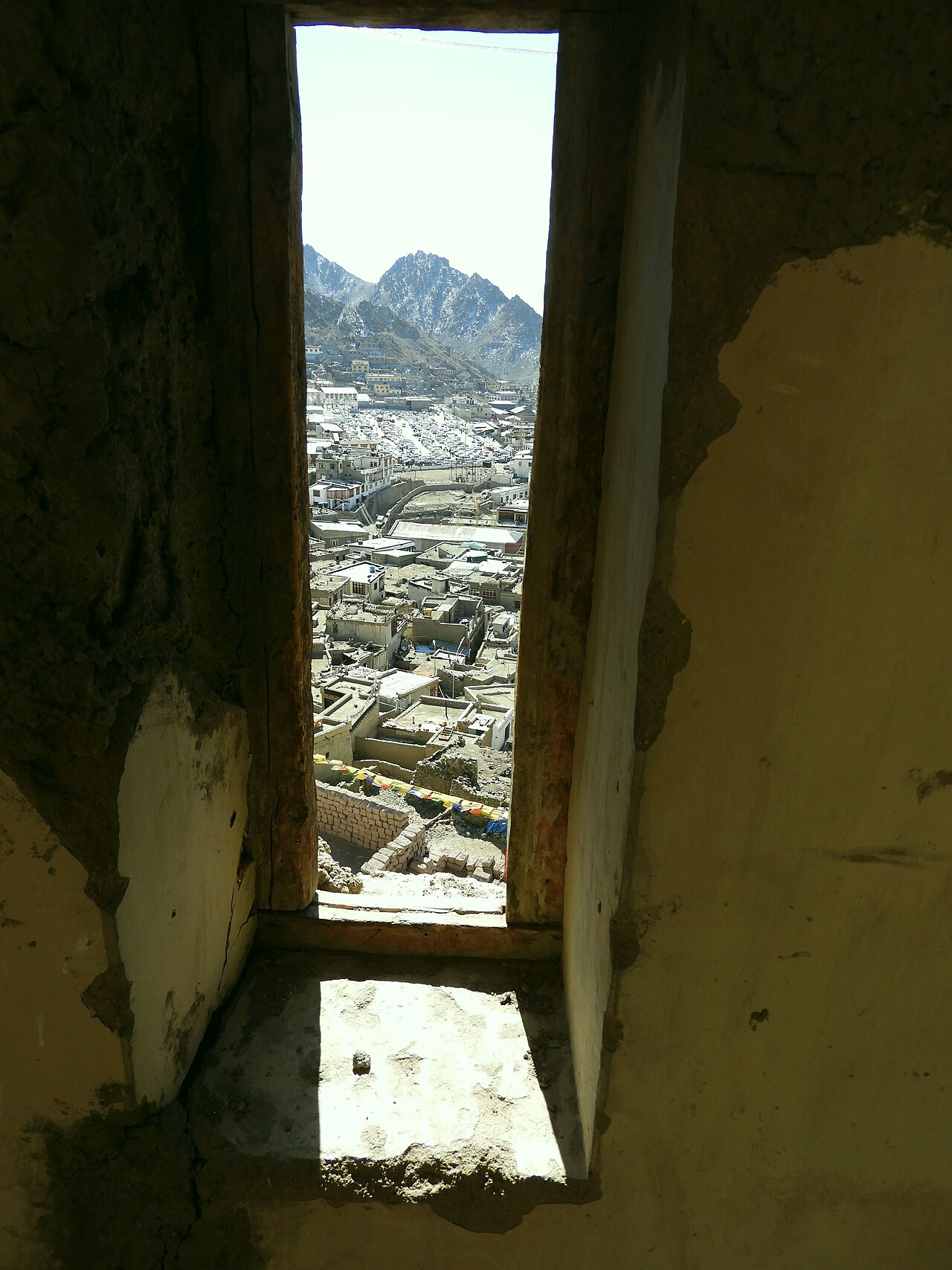
When to Consult Local Authorities
If something does go wrong—a medical emergency or a lost item—don't hesitate to reach out to the local administration. The Leh police and the medical facilities are well-equipped to handle tourists. They are accustomed to altitude-related issues and have standard protocols for evacuations and basic treatment.
If you feel unwell beyond simple fatigue, seek a clinic immediately. There is no prize for being the bravest tourist; there is only the risk of serious health complications. Know the location of the nearest medical centre wherever you are staying.
Before you book
Travel is always about managing risk, and in the case of Leh, the risks are entirely manageable with patience and preparation. It is a region of immense kindness and resilience, and you will find that the people here go out of their way to make sure visitors are looked after.
If you take the time to prepare—both your gear and your body—you will find the region not just safe, but deeply rewarding. If you have questions about specific routes or safety protocols, we are always here to help.
Safety and planning go hand-in-hand.
Need advice on your specific itinerary or transport safety? Reach out to us, and we'll help you build a secure, well-planned trip.
Contact UsWritten by
Kashmir, Jammu & Ladakh specialists
We plan and run trips across Kashmir, Jammu and Ladakh every week of the year. Everything here comes from routes we drive, stays we inspect and questions our travellers actually ask.
Quick answers
Questions we get asked
Is Leh safe to travel for families?
Absolutely. It is a wonderful place for families, provided you ensure children are acclimatised slowly and protected from the strong mountain sun.
Do I need special permits for Leh?
Foreign nationals often require an Inner Line Permit for restricted areas. Indian nationals generally just need to register at entry points, though this can change based on regional security.
Is it safe to drive my own car to Leh?
Only if you are highly experienced with mountain driving. The roads are challenging, and navigation in high-altitude terrain requires specific technical skills.
Are there good hospitals in Leh?
Leh has functional hospitals that are accustomed to dealing with tourists and altitude-related health concerns.
What is the biggest safety tip you have?
Acclimatise. Do not rush. Listen to your body and never hesitate to stop or descend if you feel unwell.
Photography credits
- Photo: Christopher John SSF from Stroud, NSW, Australia · CC BY 2.0
- Photo: Vyacheslav Argenberg · CC BY 4.0
- Photo: possibly Ganga Ram 'Nakashi' (alt. spelt as Ganga Ram 'Naqqashi') · Public domain
- Photo: KennyOMG · CC BY-SA 3.0
- Photo: Ville Hyvönen · CC BY-SA 2.0
- Photo: Goutam1962 · CC BY-SA 4.0
- Photo: Lane, E. W. (Edward William), 1801-1876 · CC BY-SA 2.5