Understanding Daksum Temperature and Climate Across the Seasons
A month-by-month guide to planning your journey through the forests and alpine meadows of South Kashmir.
Plan your trip to South Kashmir with our complete seasonal guide detailing daksum temperature changes, snowfall, spring blooms, and summer warmth.
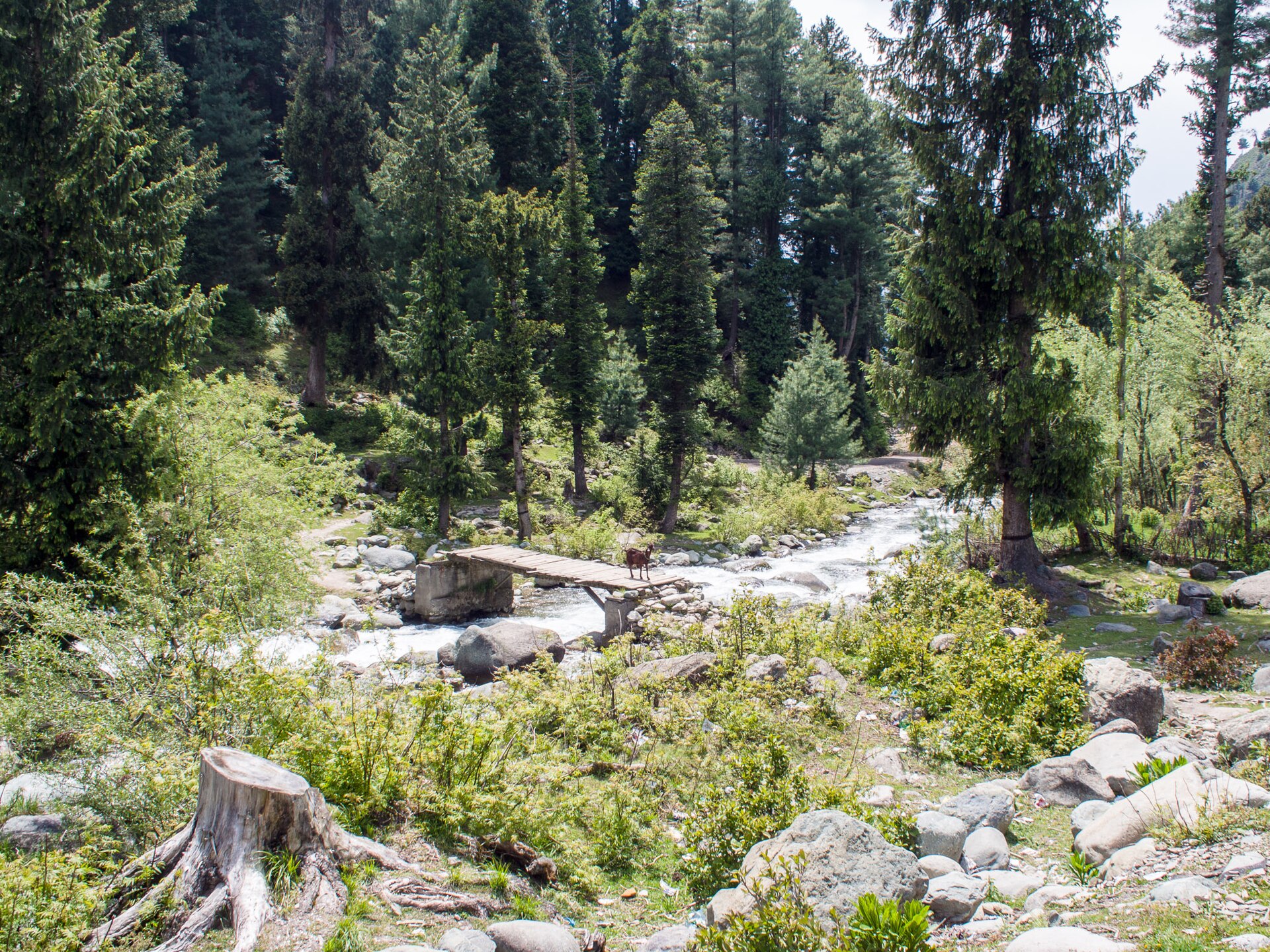
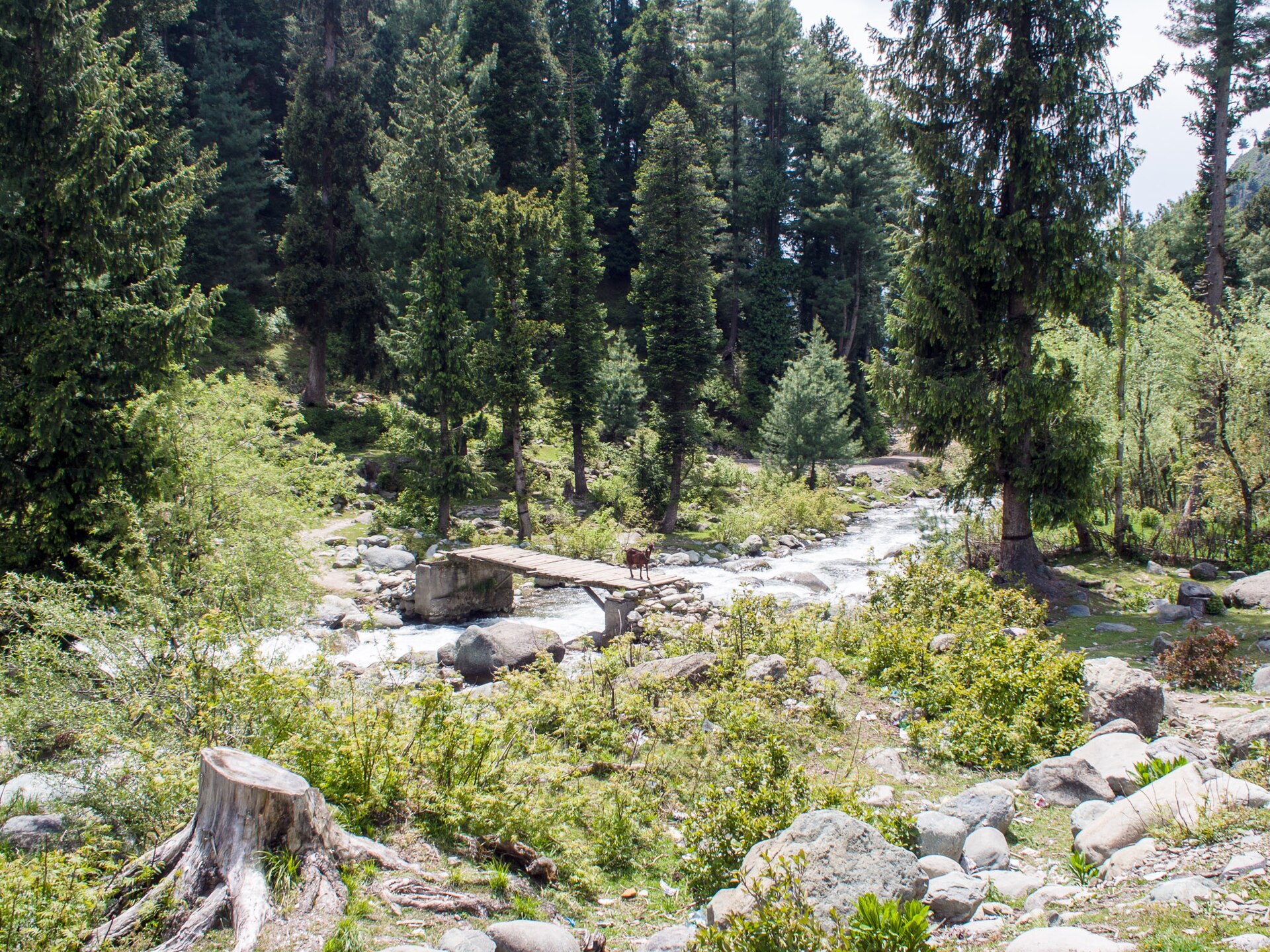
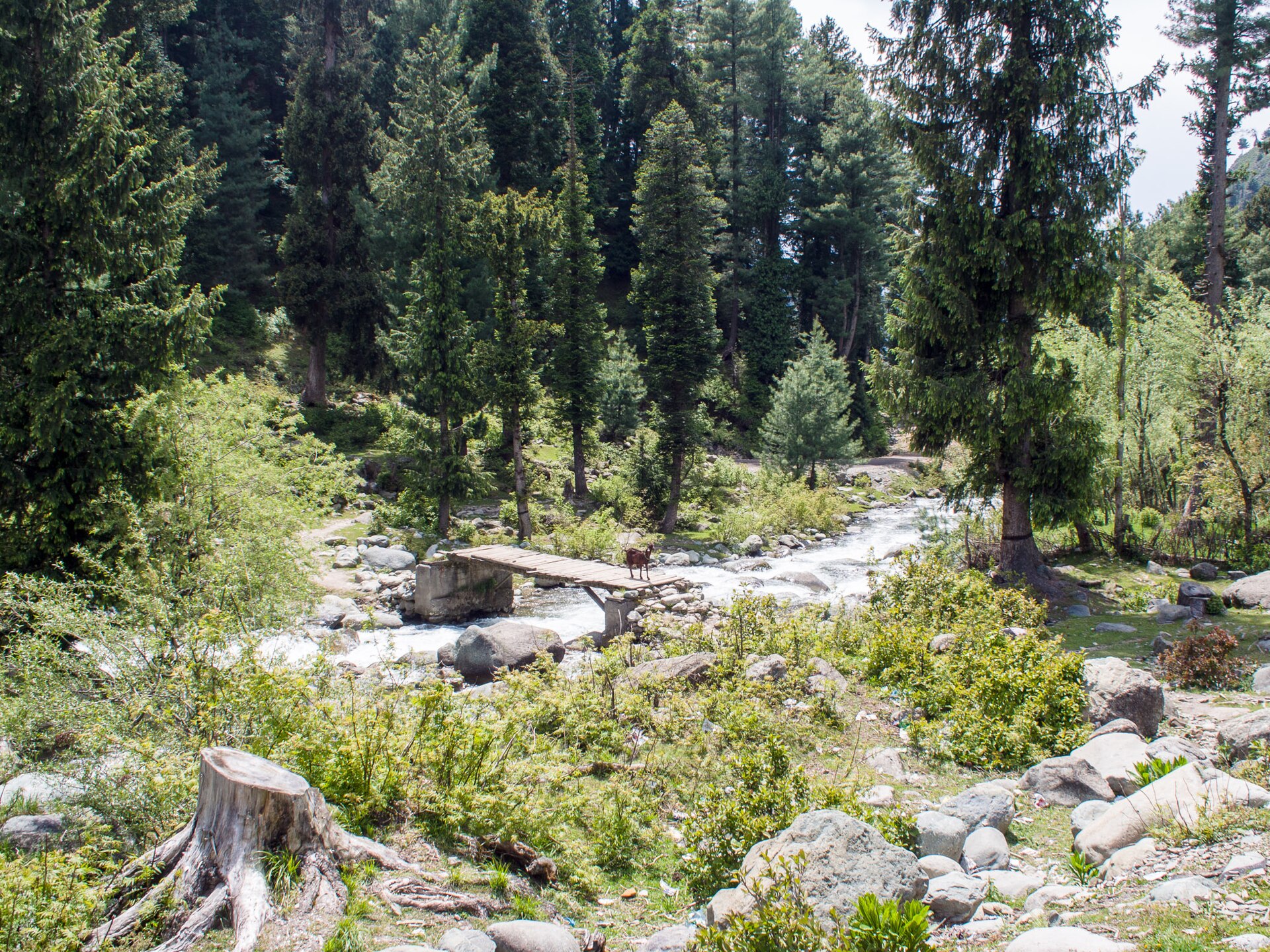
The forested slopes of Daksum awakening after the winter snow.Photo: Mike Prince from Bangalore, India · CC BY 2.0
The first time I drove up the Bringhi valley toward Daksum in early April, the air smelled entirely of damp pine needles and melting river ice. It was cold enough to warrant two layers of wool, yet the afternoon sun carried a distinct promise of warmth that convinced me the long winter was finally releasing its grip. Weather in this part of South Kashmir changes character with every hundred metres of elevation gain.
If you are planning to spend time walking the forested trails around our daksum properties, understanding how the climate shifts from month to month is essential. A clear morning can turn into an alpine downpour by mid-afternoon, and knowing what to pack prevents minor discomforts from cutting your walks short.
Understanding the Climate of Daksum Through the Year
Daksum sits in a deep wooded valley where the air stays significantly cooler than the plains of Jammu or Srinagar. Because dense coniferous forests canopy most of the walking routes, direct sunlight takes hours to warm the valley floor on any given morning. When travellers ask us about the typical daksum temperature, we always explain that altitude dictates everything here.
Rainfall is spread fairly evenly across the months, though spring and late autumn bring the most noticeable precipitation. Summer days are remarkably pleasant, rarely pushing past the mid-twenties in Celsius, while winter nights plunge deep below freezing. If you prefer long walks without thermal gear, your window narrows to a specific few months.
- Spring brings crisp days and cold nights with sudden mountain showers.
- Summer offers steady warmth ideal for extended hiking and valley exploration.
- Autumn transforms the foliage with dry, cool air and crisp evening temperatures.
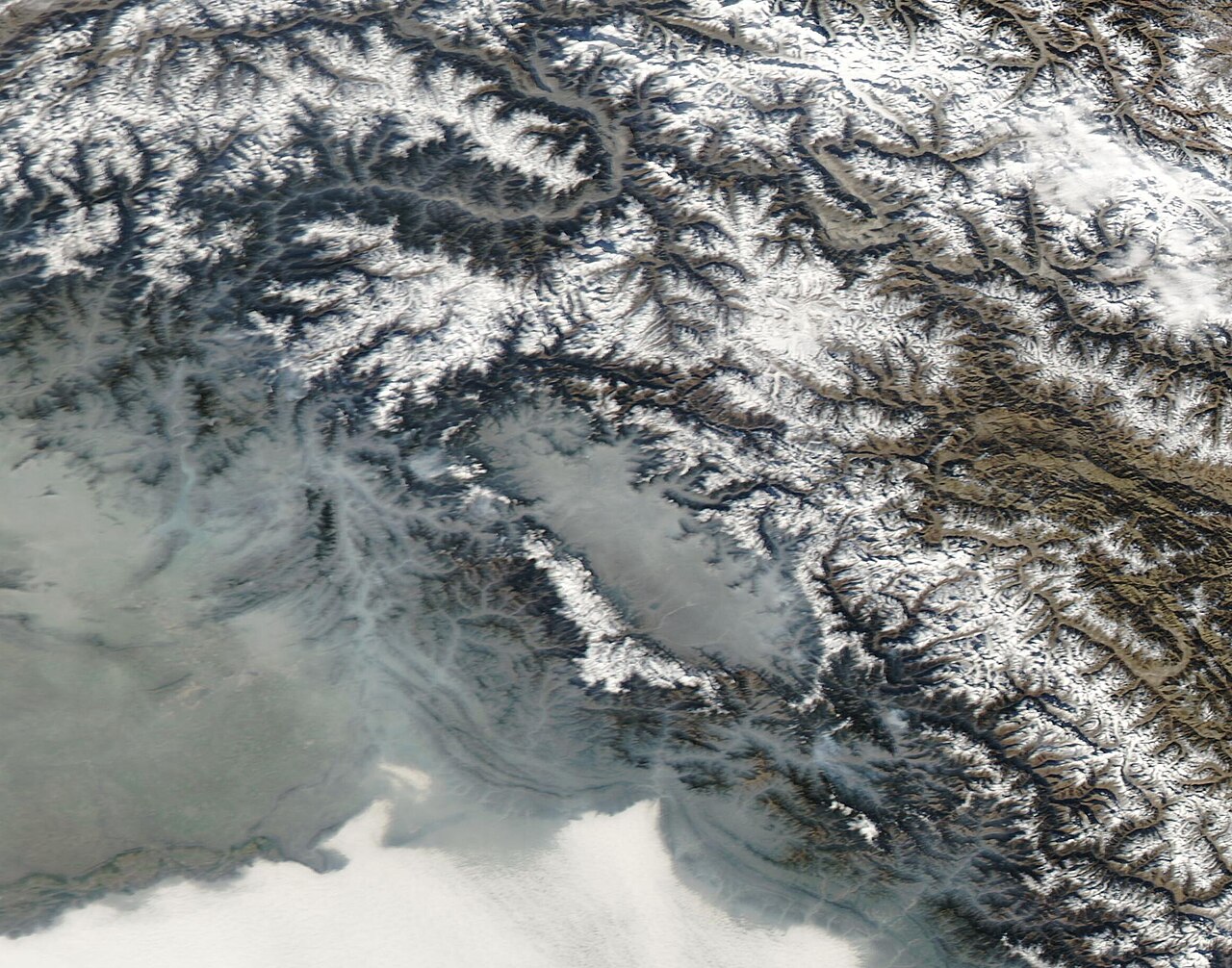
Visiting During the Spring Bloom and Gentle Thaw
April and May mark the transition from heavy winter isolation to vibrant life across the Bringhi valley. Daytime temperatures hover around 12 to 16 degrees Celsius, but the moment the sun drops behind the ridge, the thermometer falls rapidly toward zero. Wildflowers begin pushing through the damp leaf litter along the riverbanks, and migratory birds return to the forest canopy.
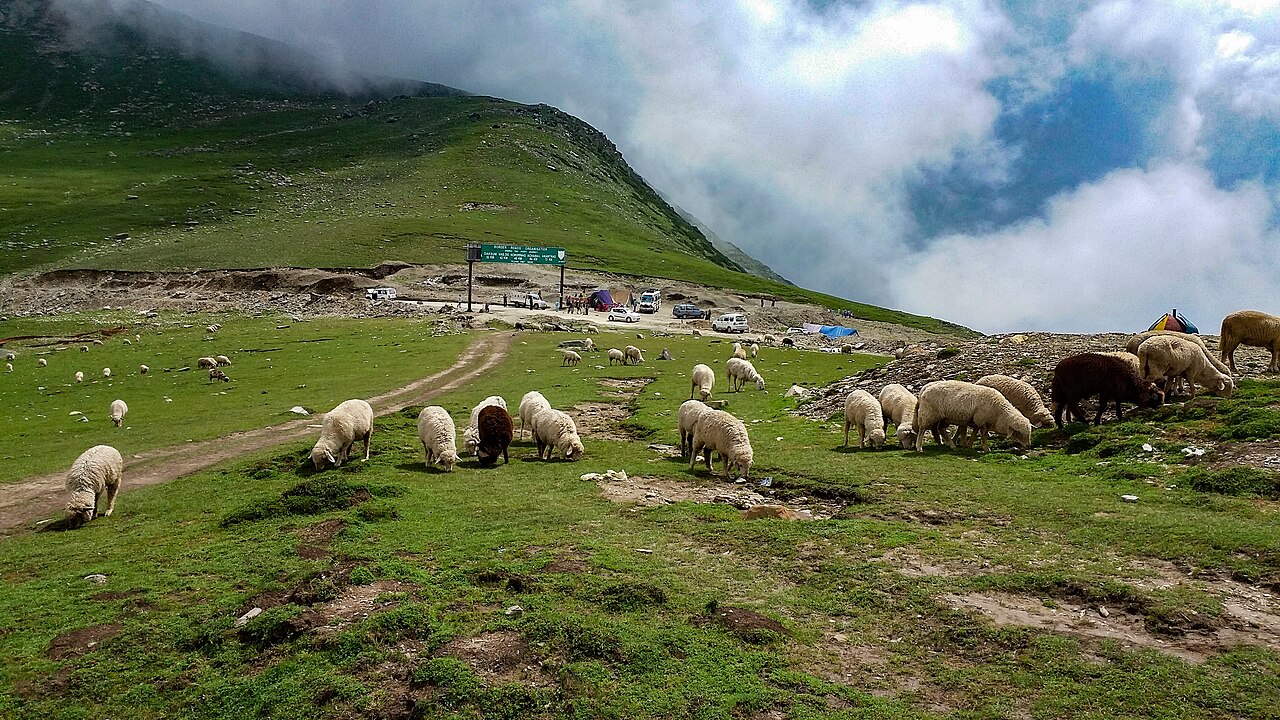
During these months, you will want heavy woollens for the evenings and sturdy, waterproof boots for the trails. The snow line retreats up toward Sinthan Top, leaving the lower walking paths muddy but entirely passable for anyone equipped with a proper pair of walking poles.
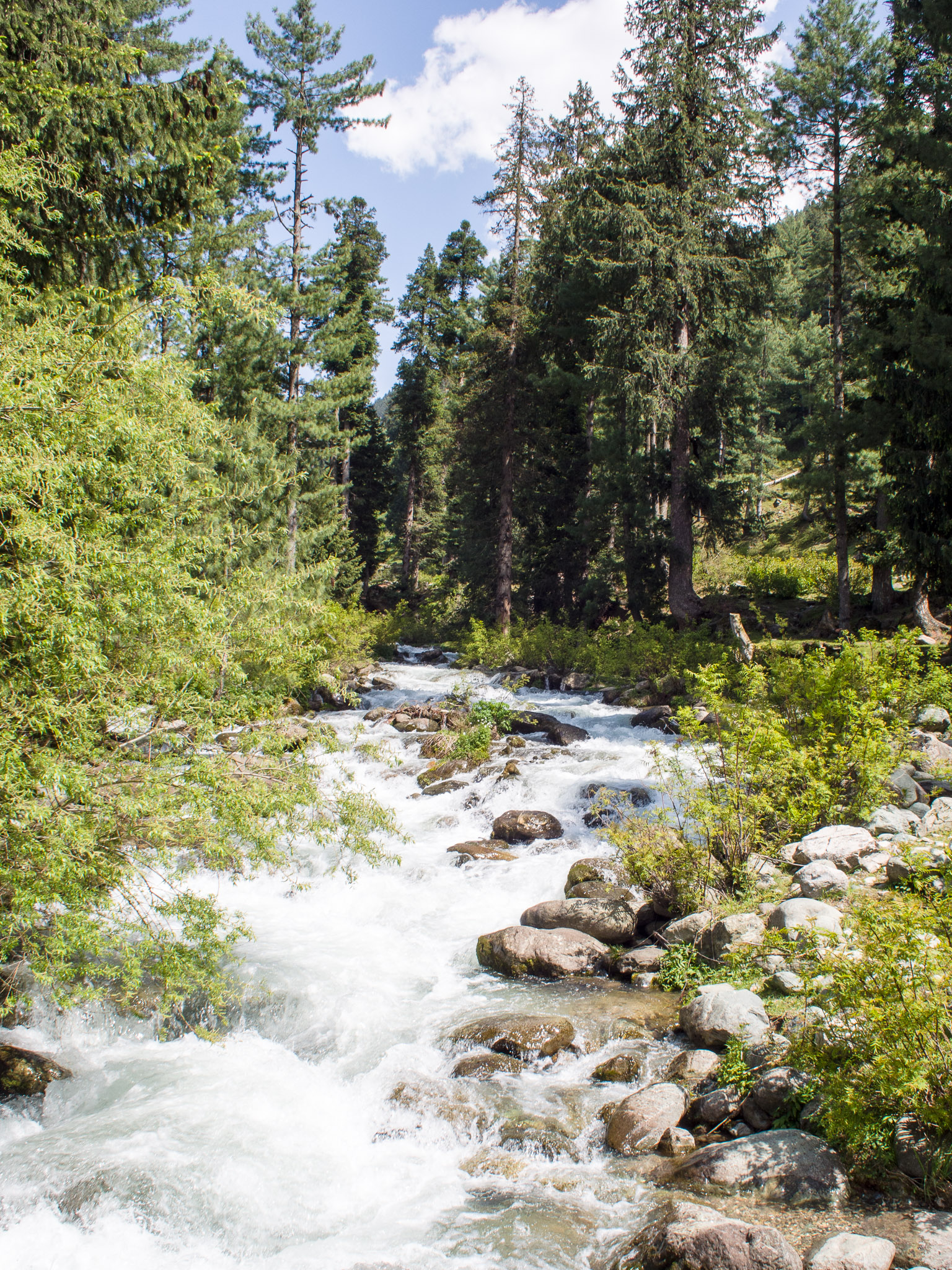
The air smells entirely of damp pine needles and melting river ice.
Summer Temperatures in the Valley and Forest Trails
June through August represents the peak season for travellers looking to escape the stifling heat of the Indian plains. Daytime readings typically reach 20 to 24 degrees Celsius, providing ideal conditions for exploring the surrounding orchards of kokernag and the manicured lawns of achabal without breaking a sweat.
Evenings in July drop to a comfortable 10 or 12 degrees, making a light jacket necessary after sunset. This is the period when we run most of our walking itineraries through the valley, as the tracks are dry and the river currents run clear and predictable over the rounded river stones.
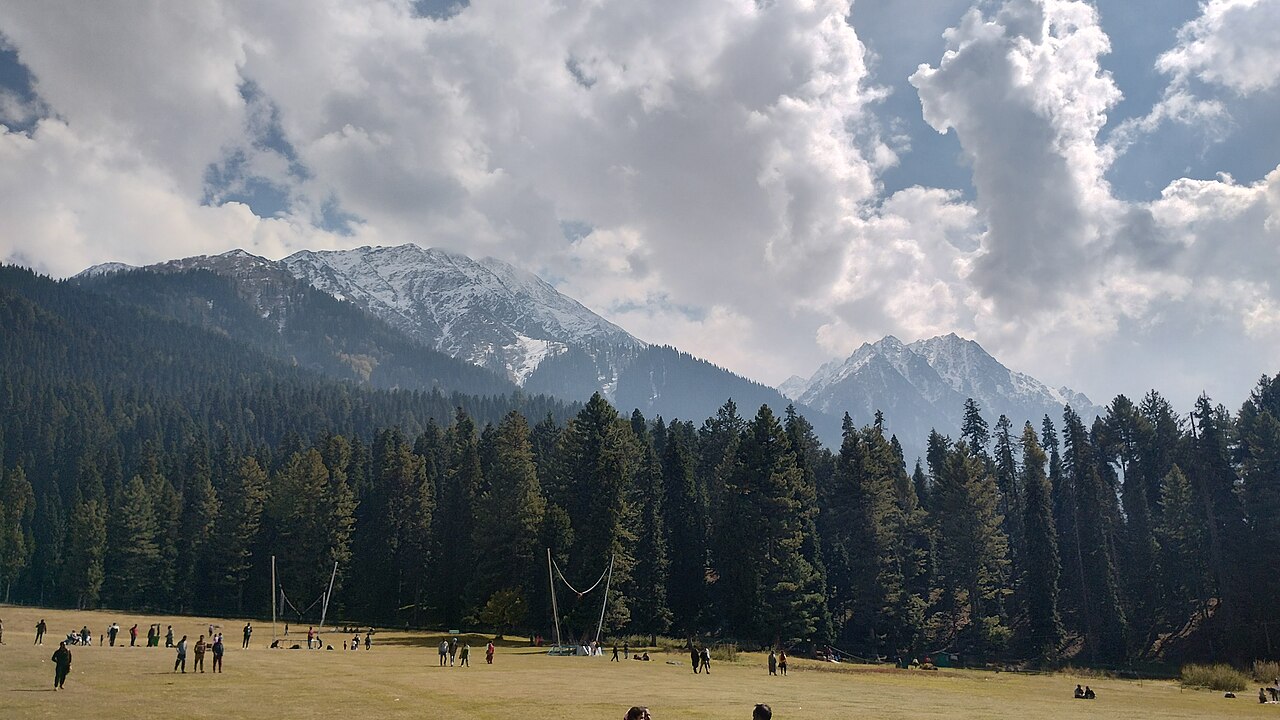
What to Expect in Autumn and the Falling Leaves
September and October bring crisp, golden light to the Daksum landscape. The walnut trees shed their green husks, and the leaves on the maple and poplar trees turn brilliant shades of copper and rust. Daytime temperatures begin to contract, settling around 15 degrees Celsius by late September and dropping sharply as October progresses.
Rain is relatively rare during these months, making autumn one of the most reliable times for photography and quiet contemplation along the forest trails. You will need fleece layers and a warm hat for early morning walks when the grass is stiff with frost.
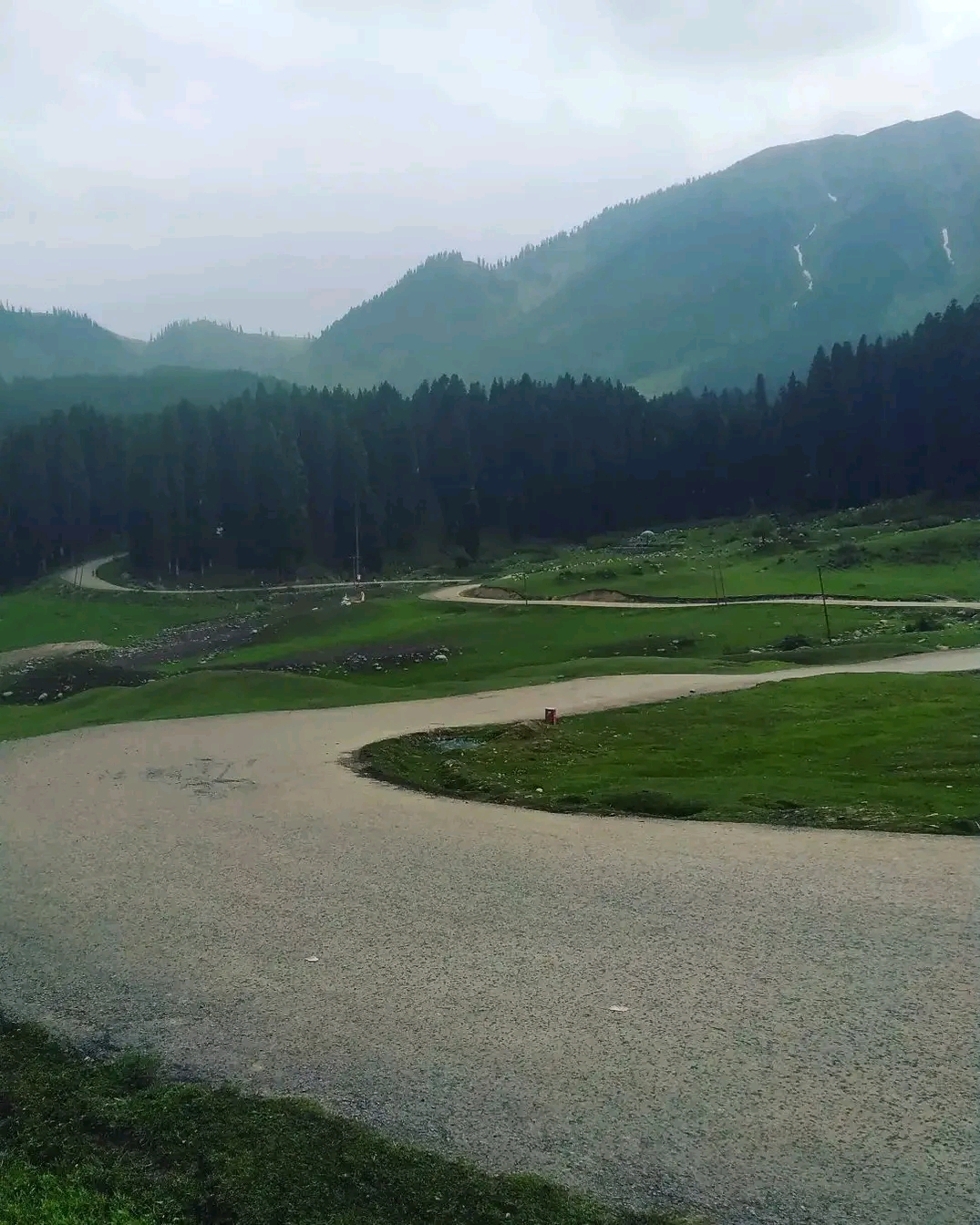
Winter Conditions in the High Altitude Forest
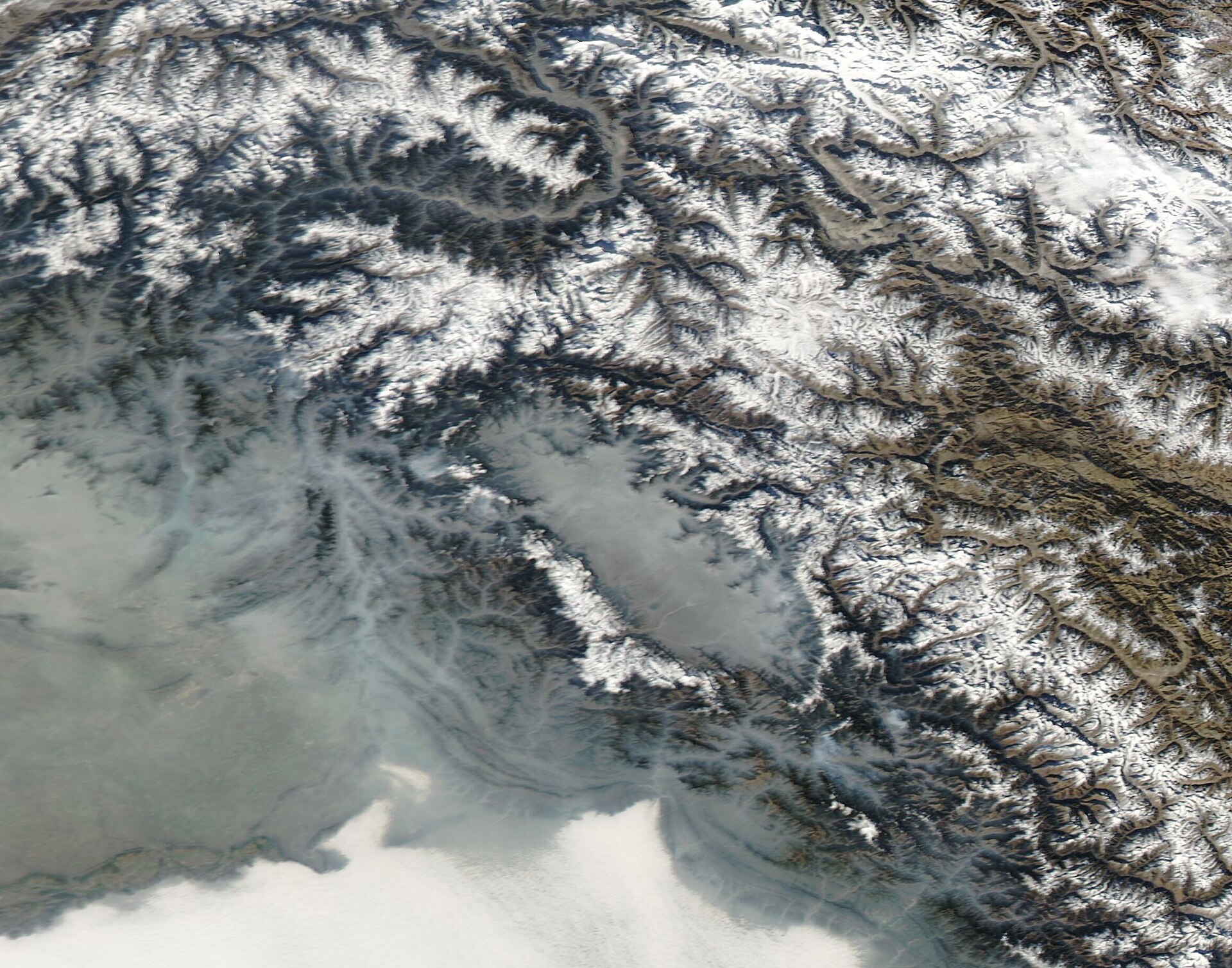
From November through February, Daksum experiences heavy snowfall that transforms the dense pine forests into a silent, monochrome landscape. Daytime temperatures rarely climb above freezing, and night readings can drop to minus 10 degrees Celsius or lower. The road leading onward toward Sinthan Top closes entirely due to deep drifts.
For those who make the journey during this deep winter period, the reward is absolute solitude. Log fires burn continuously in the local guesthouses, and the only tracks in the snow belong to stray red foxes and wandering sheep.
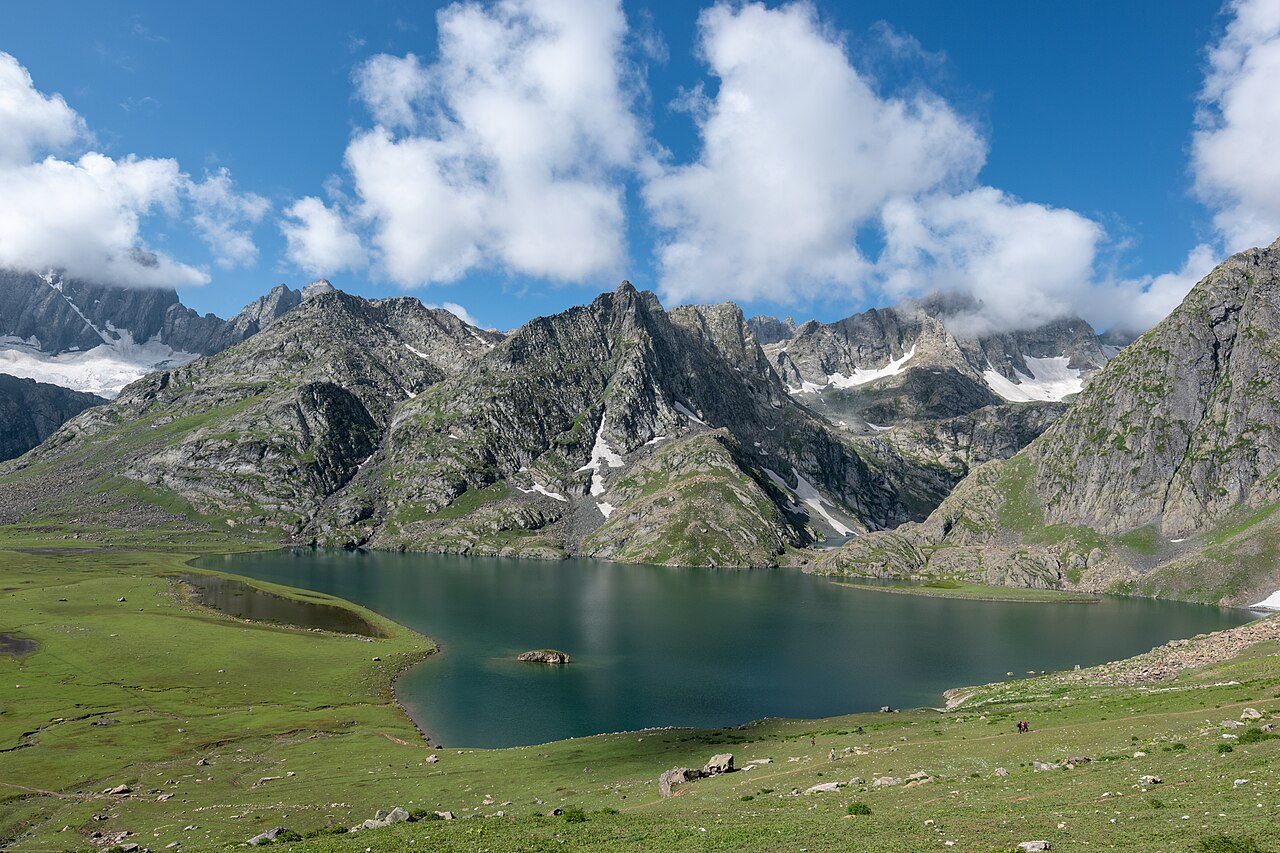
Before you book
Choosing when to travel depends entirely on the kind of landscape you wish to witness. Whether you prefer the bright green shoots of spring or the silent snowscapes of January, understanding the local climate helps you pack the right gear and set realistic expectations for your daily explorations.
If you would like help planning your itinerary around the seasonal weather patterns of South Kashmir, reach out to our team. We can advise you on road conditions and seasonal availability before you finalise your travel dates.
Plan Your Seasonal Journey
Speak with our local specialists in Srinagar to craft an itinerary tailored to the best weather windows in Daksum.
Contact Our TeamCaption for your own post
Morning mist rising through the pine canopy in Daksum. A complete guide to understanding mountain weather across every season.
Written by
Kashmir, Jammu & Ladakh specialists
We plan and run trips across Kashmir, Jammu and Ladakh every week of the year. Everything here comes from routes we drive, stays we inspect and questions our travellers actually ask.
Written by a Skywale editor who has navigated the Bringhi valley in every month of the calendar.
Quick answers
Questions we get asked
What is the average summer temperature in Daksum?
Summer temperatures in Daksum typically range between 18 and 24 degrees Celsius during the day, dropping to a comfortable 10 to 12 degrees at night.
Does Daksum receive snowfall in winter?
Yes, Daksum receives substantial snowfall from December through February, turning the valley into a snowbound winter landscape with sub-zero temperatures.
When is the best time to visit Daksum for pleasant weather?
The months from May to September offer the most reliable weather, combining sunny days with mild temperatures ideal for outdoor walking.
Photography credits
- Photo: Mike Prince from Bangalore, India · CC BY 2.0
- Photo: Mike Prince from Bangalore, India · CC BY 2.0
- Photo: MODIS Land Rapid Response Team, NASA GSFC · Public domain
- Photo: Madhumita Das · CC BY-SA 4.0
- Photo: Hellohappy · CC BY-SA 4.0
- Photo: Keshuseeker · CC BY-SA 4.0
- Photo: Rohit Sharma · CC BY-SA 4.0