What to Expect: Yusmarg Temperature and Weather Guide
A practical look at mountain climates, seasonal shifts, and packing for the meadows.
Understand yusmarg weather patterns across all four seasons, average monthly temperatures, and what to pack for your Kashmir mountain trip.
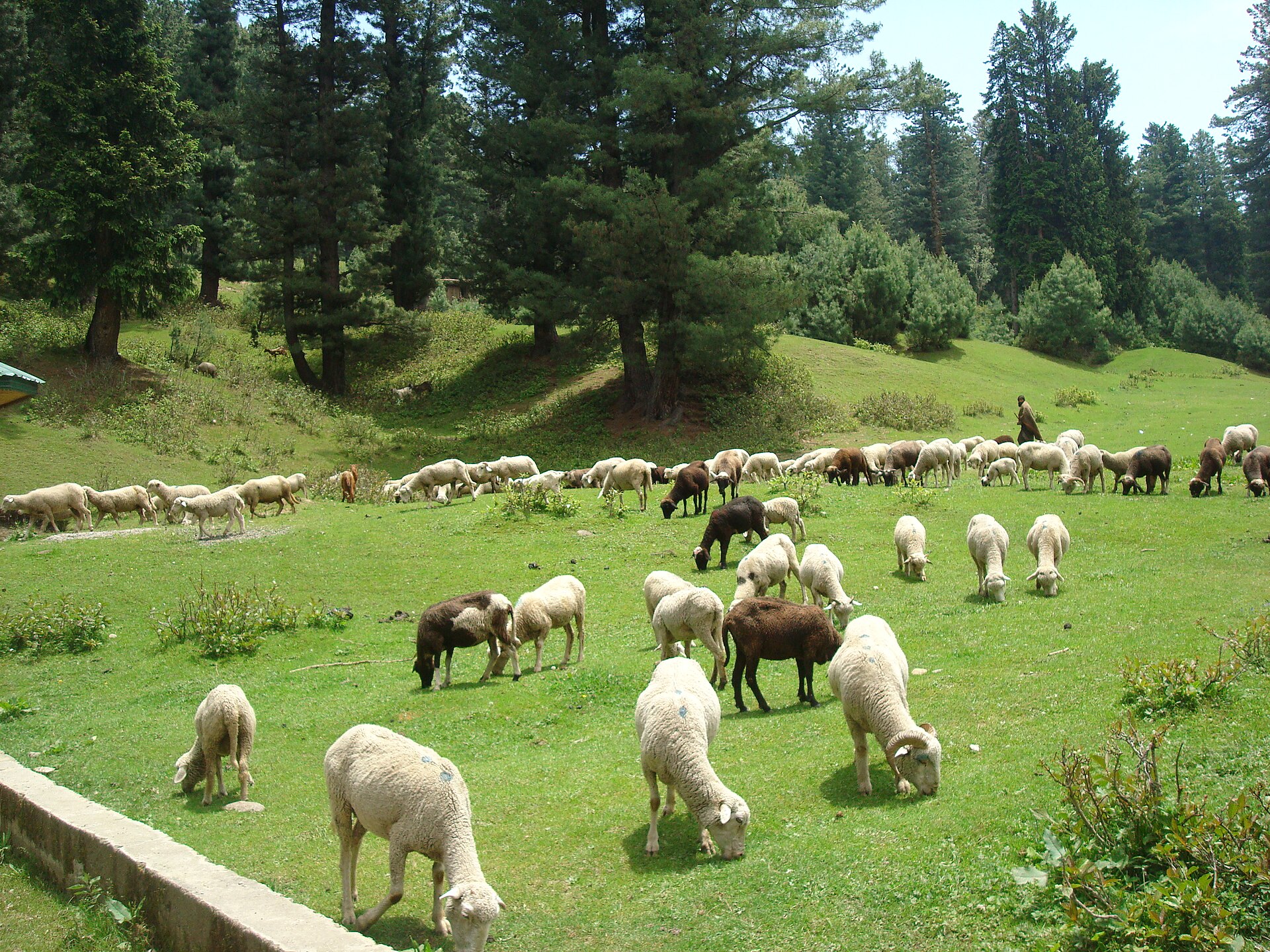
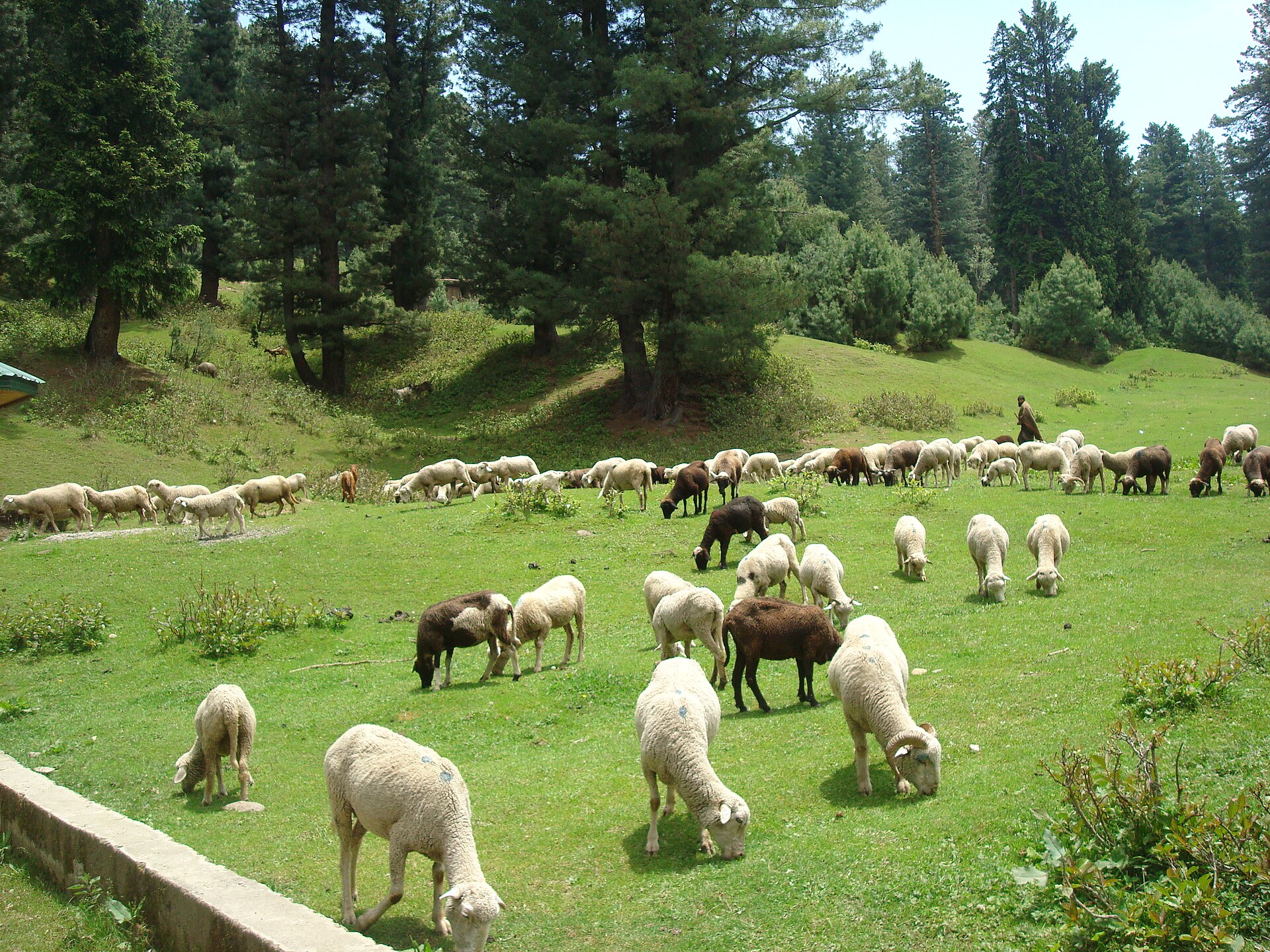
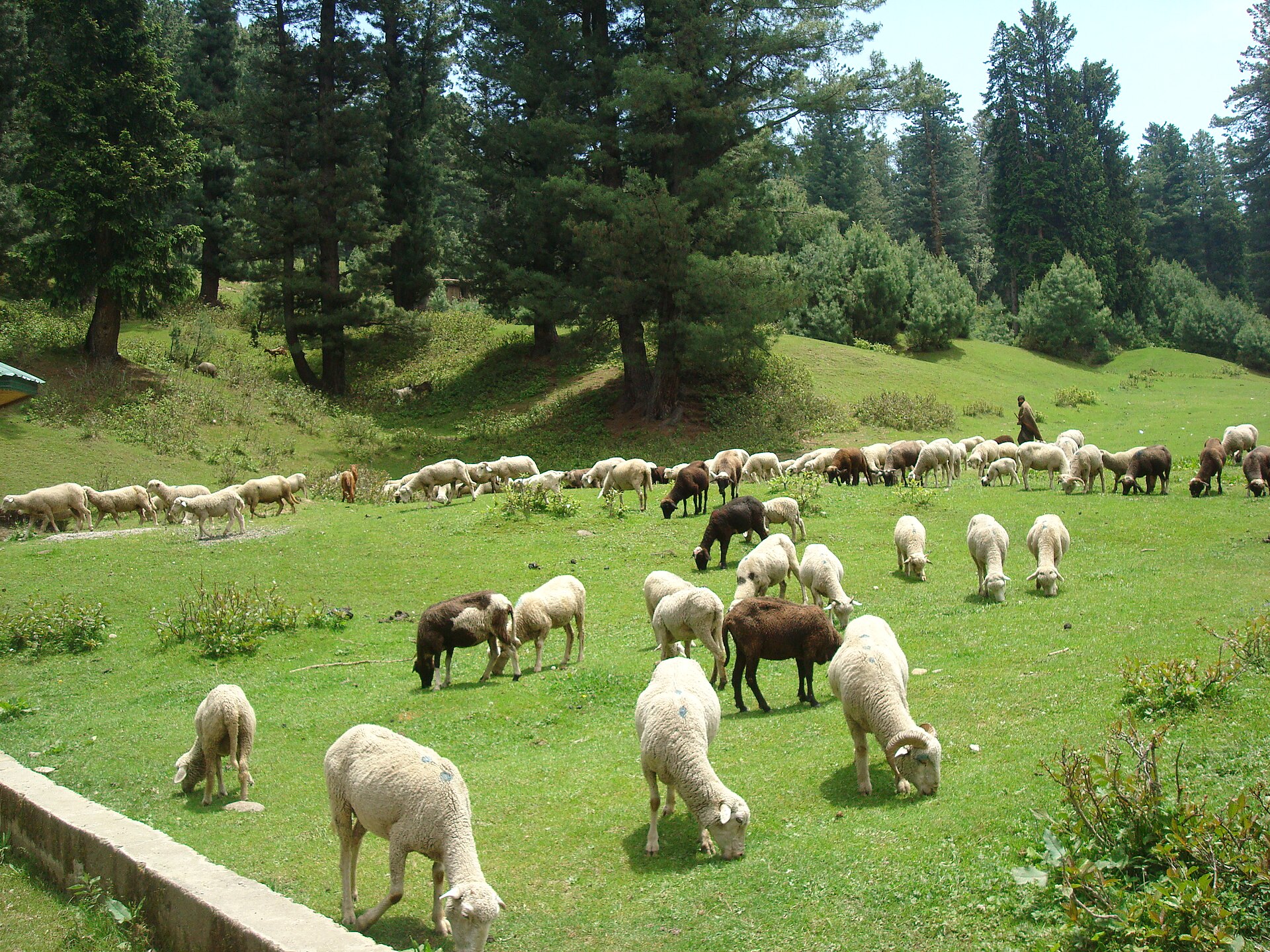
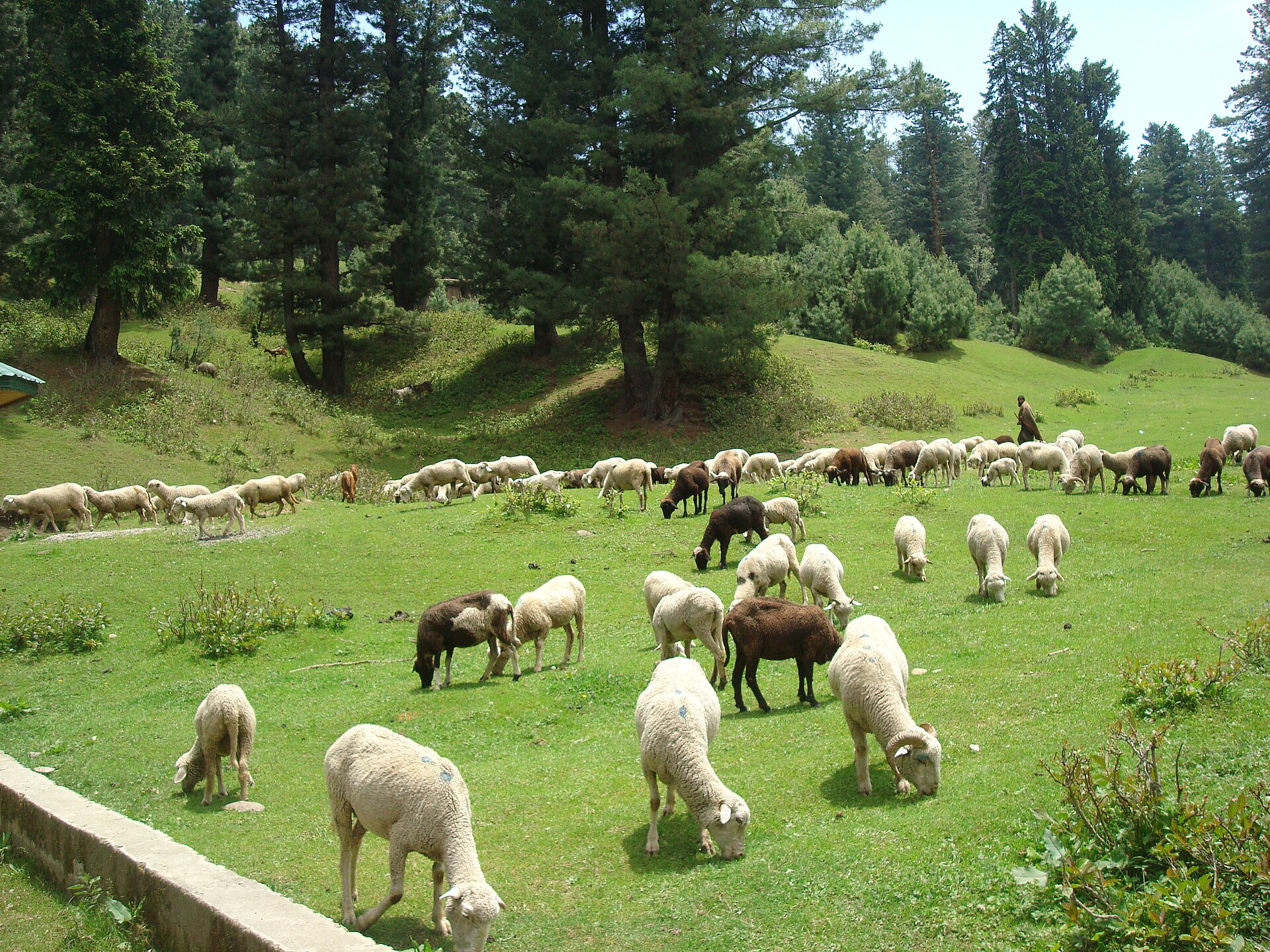
Mountain weather across the Pir Panjal range can change within minutes.Photo: Debashritaiitmandi · CC BY-SA 4.0
Standing in the middle of the Yusmarg meadows in July, you might catch a sudden alpine breeze that instantly requires you to pull a fleece out of your backpack. Mountain weather here moves fast, defying the heavy heat down in the Srinagar valley just a few dozen kilometres away.
Understanding yusmarg weather is essential whether you are planning an active summer hiking trip or hoping to see the snow-laden landscape in the dead of winter. Because the altitude sits higher than the main city, conditions can shift from bright sunshine to a sudden afternoon cloudburst within minutes.
We spend our entire year operating tours across these valleys. Here is our honest, month-by-month guide to what the thermometer actually reads and how to pack for it.
Average Temperatures Throughout the Year
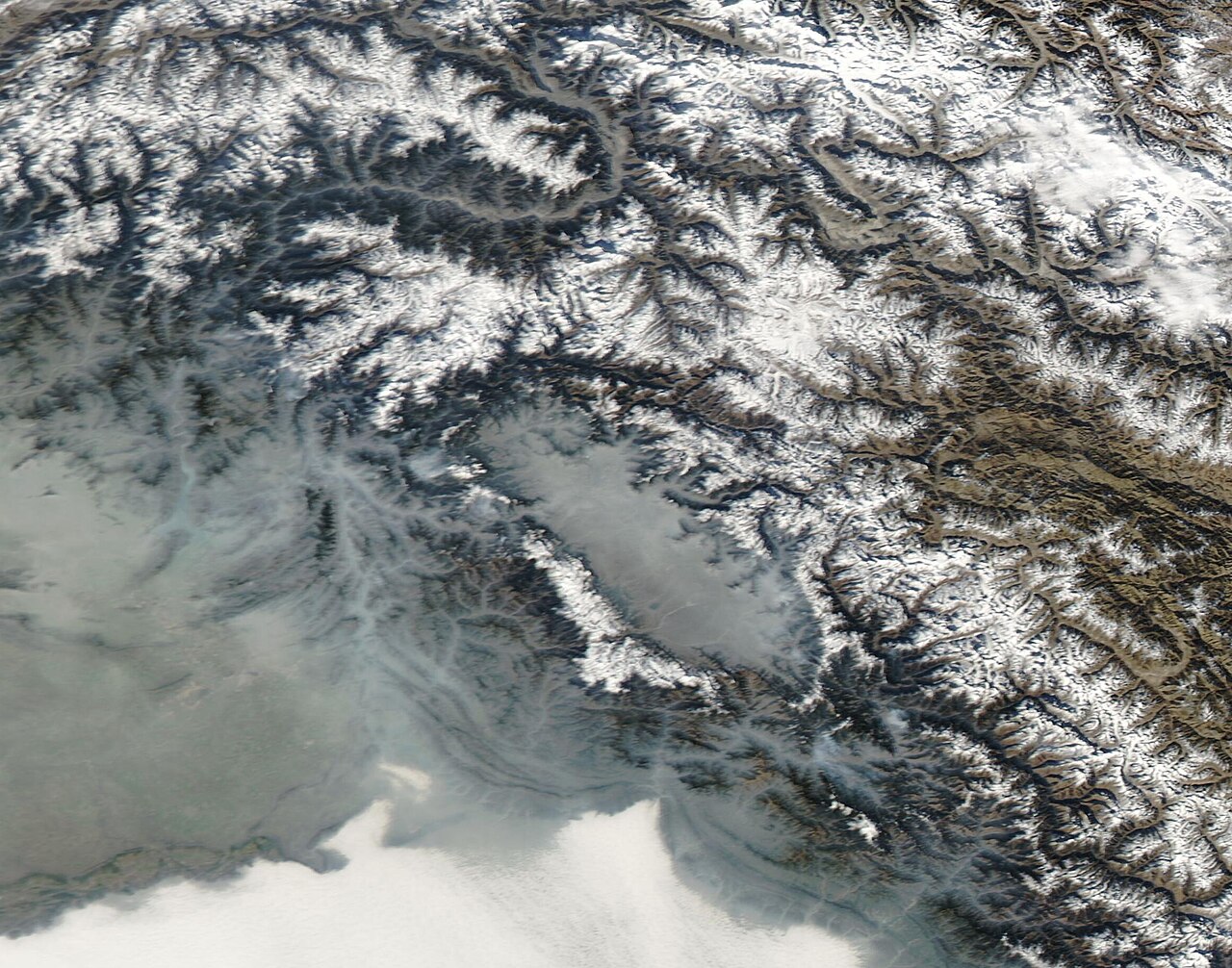
Yusmarg experiences four distinct seasons, each bringing completely different moods to the landscape. Summer daytime temperatures usually hover around a pleasant 20 to 25 degrees Celsius, making it a popular escape from the roasting plains of northern India.
Once autumn arrives in October, daytime highs drop sharply to around 12 degrees, and nights regularly dip below freezing. By January, the entire basin is buried under heavy snow, with daytime temperatures struggling to stay above zero.
Spring brings a muddy, transitional thaw in March and April. While wildflowers start appearing by May, the air retains a crisp bite that reminds you you are still high in the Pir Panjal range.
- Summer (June - August): Pleasant days (20°C - 25°C), cool nights.
- Autumn (September - November): Crisp days, freezing night temperatures.
- Winter (December - February): Heavy snow, sub-zero conditions.
Seasonal Weather Expectations by Quarter
During the peak summer months of June through August, yusmarg weather is at its most stable. Mornings are brilliant and clear, perfect for walking down to the Doodhganga river or horse riding across the turf.
September and October offer some of the clearest photography light of the year, though you will need heavy woollens as soon as the sun dips behind the ridge at 5:00 PM.
Winter visits require serious preparation. Roads from Srinagar can close temporarily after heavy snowfalls, and local tea shacks shutter until the spring melt begins in April.
The Monsoonal Anomaly
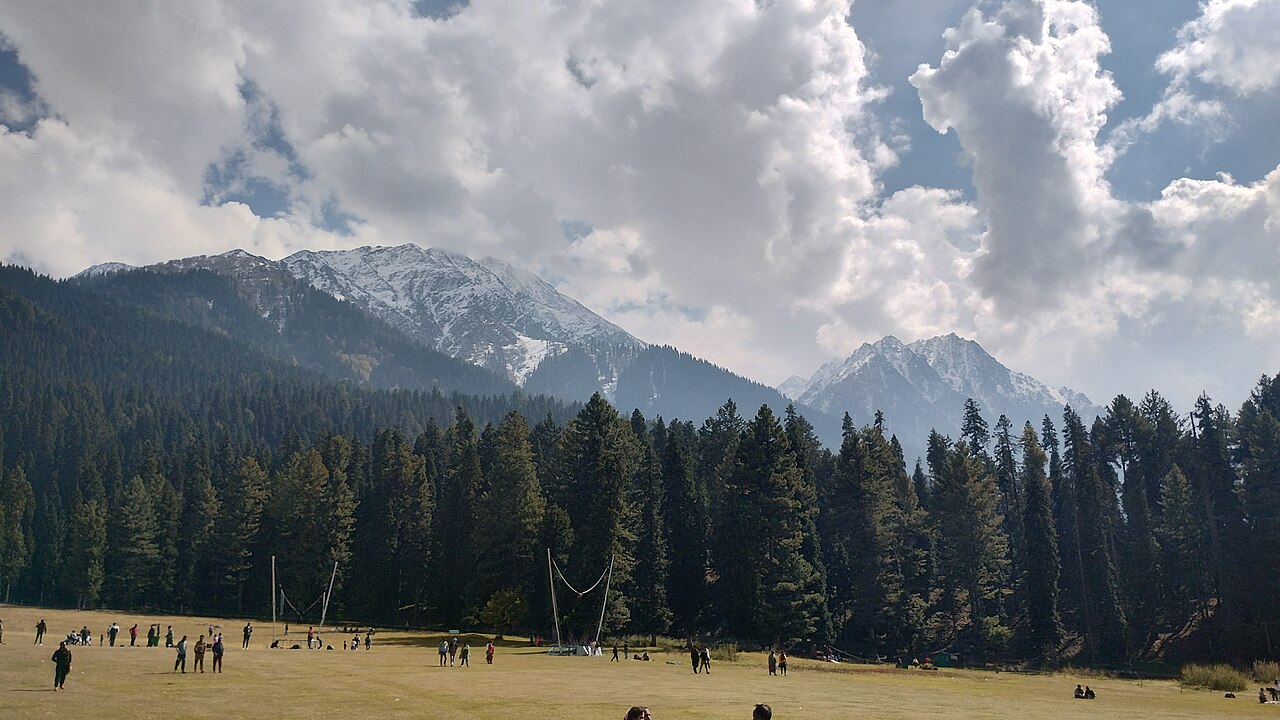
While much of India experiences heavy monsoon rains in July and August, Kashmir sits in a rain-shadow zone. Yusmarg gets passing showers rather than torrential downpours, but afternoon mountain mists are common.
How High Altitude Affects Your Experience
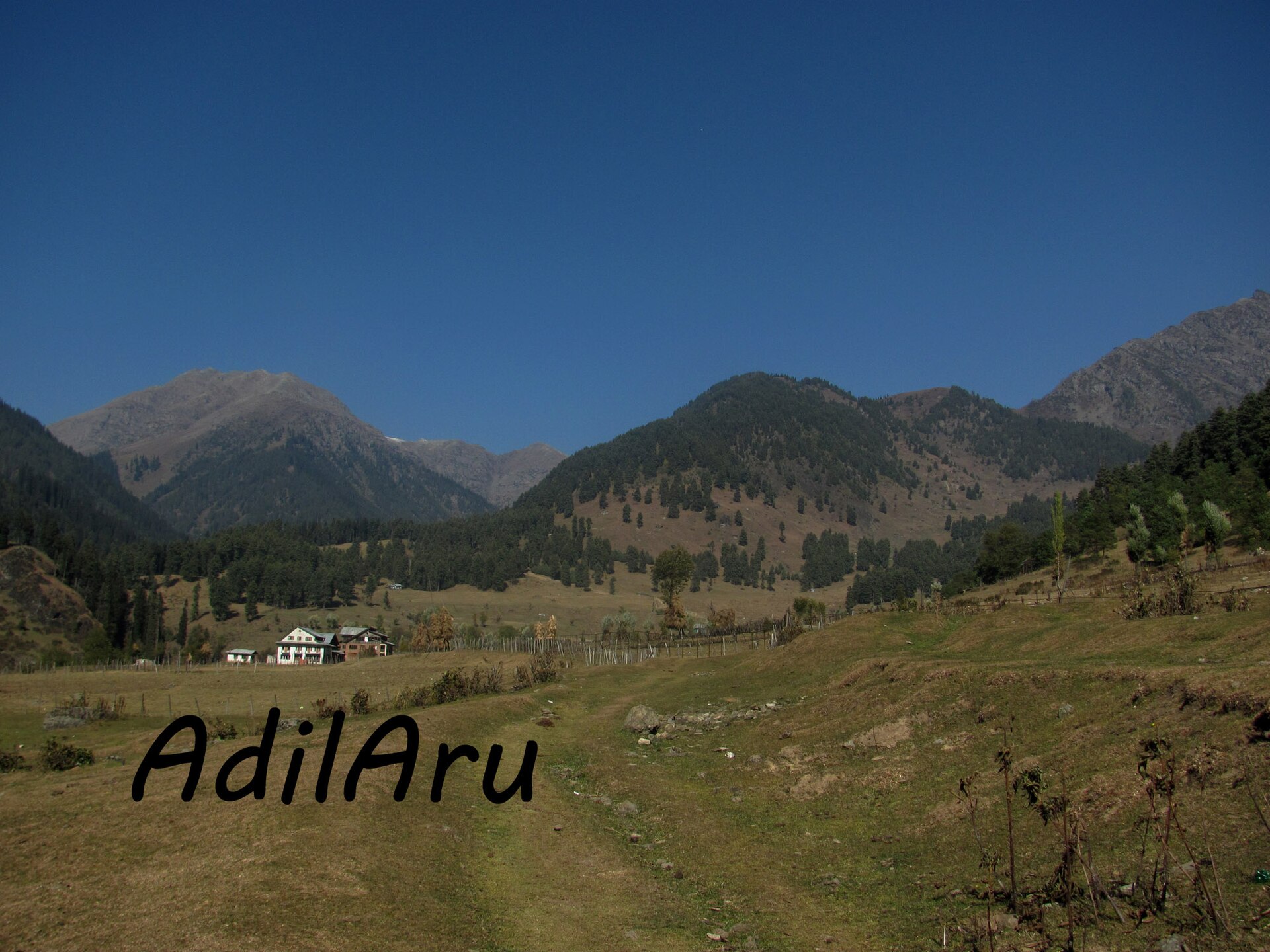
Yusmarg sits at an elevation of roughly 2,396 metres above sea level. While this is not high enough to cause severe altitude sickness for most healthy travellers, the thin air means the sun feels noticeably harsher.
Sunburn happens twice as fast here than it does down in Srinagar. Even on a cool, breezy September day, ultraviolet rays bounce off the open grass and exposed skin burns quickly.
Hydration is your best defense against mild altitude fatigue. Drink plenty of bottled or filtered water throughout your day walks in the meadows.
Packing Essentials for Mountain Climates
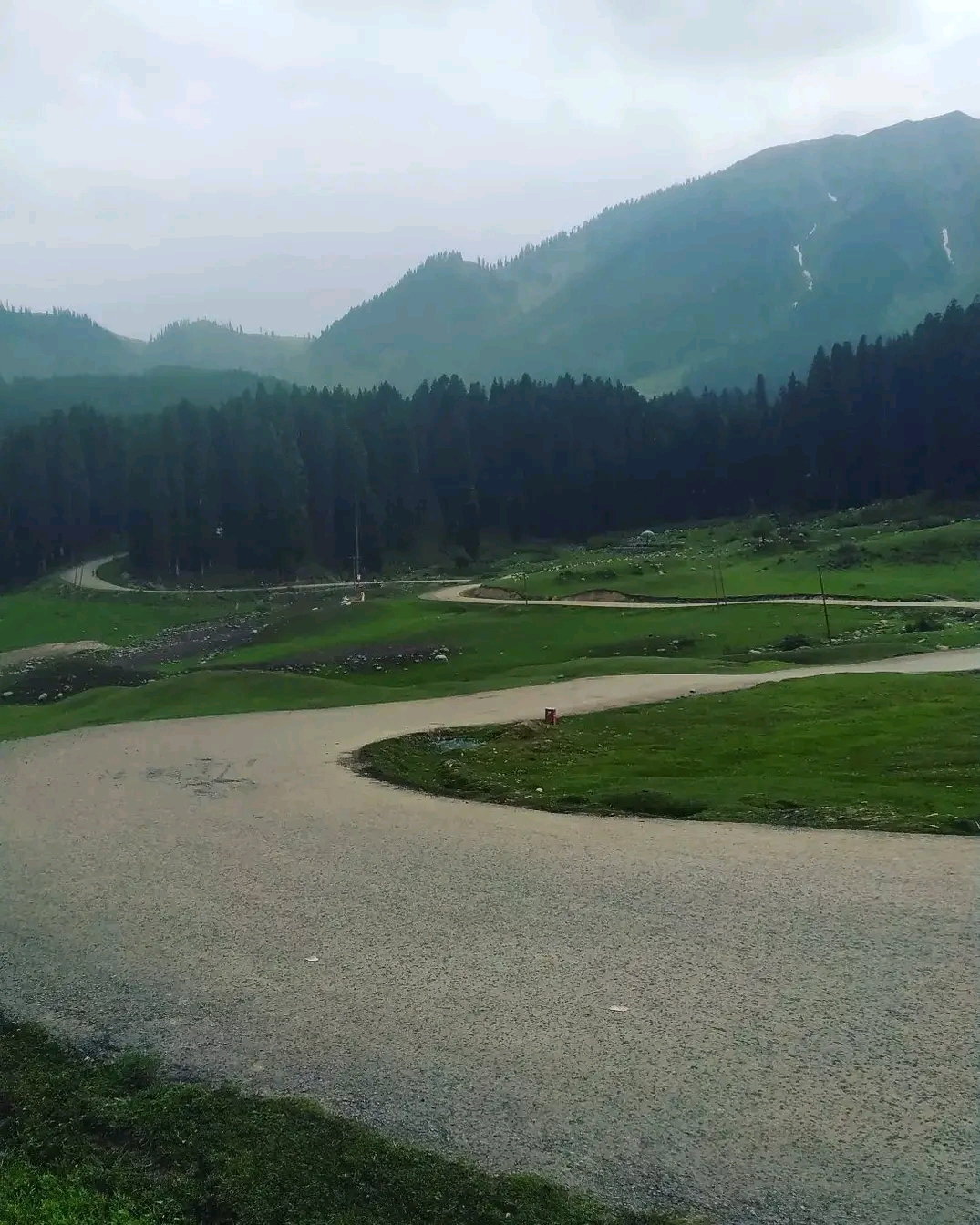
Layering is the golden rule for any trip to Yusmarg. A basic outfit should consist of a moisture-wicking base tee, a warm fleece mid-layer, and a windproof, waterproof outer shell.
Sturdy walking shoes with good grip are mandatory if you plan to walk down the steep dirt tracks leading to the river gorge. Smooth-soled sneakers will slip on the loose gravel and damp morning grass.
Do not forget sunglasses, lip balm with SPF, and a good sun hat. If you visit in winter, thermal innerwear, waterproof snow boots, and thick woolen gloves are non-negotiable.
- Breathable base layers and warm fleece jackets.
- Waterproof and windproof outer shell.
- Sturdy hiking boots with ankle support.
- High-SPF sunscreen and polarized sunglasses.
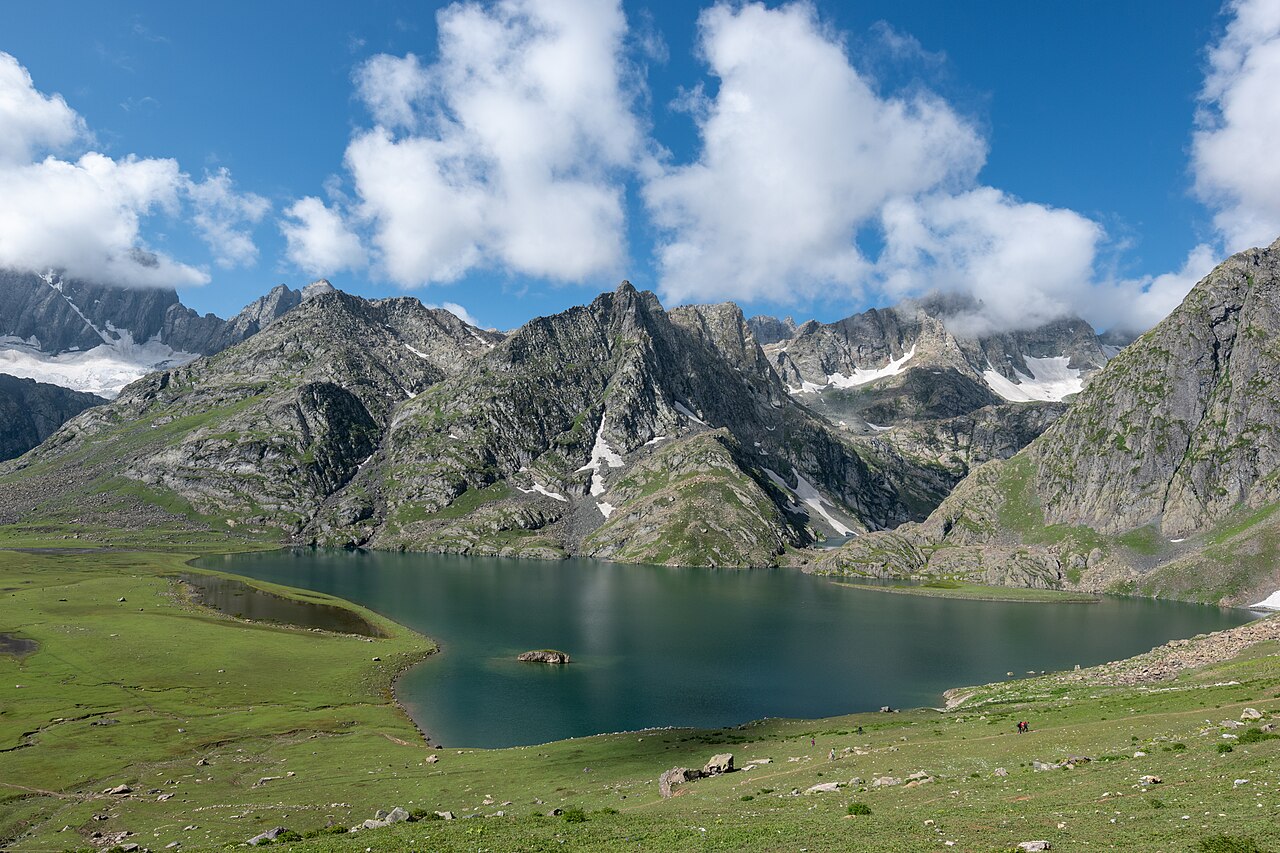
Best Weather for Outdoor Activities
If your primary goal is trekking, horse riding, and exploring remote corners like Nilnag lake, aim for the window between late May and early September. The weather is predictable, trails are dry, and daylight hours are long.
Photographers often prefer late October when the surrounding deciduous trees turn brilliant shades of gold and amber against the dark green pine forests.
Check local forecasts with our team at Skywale before heading out from Srinagar so we can adjust your itinerary if a rare unseasonal storm is rolling across the range.
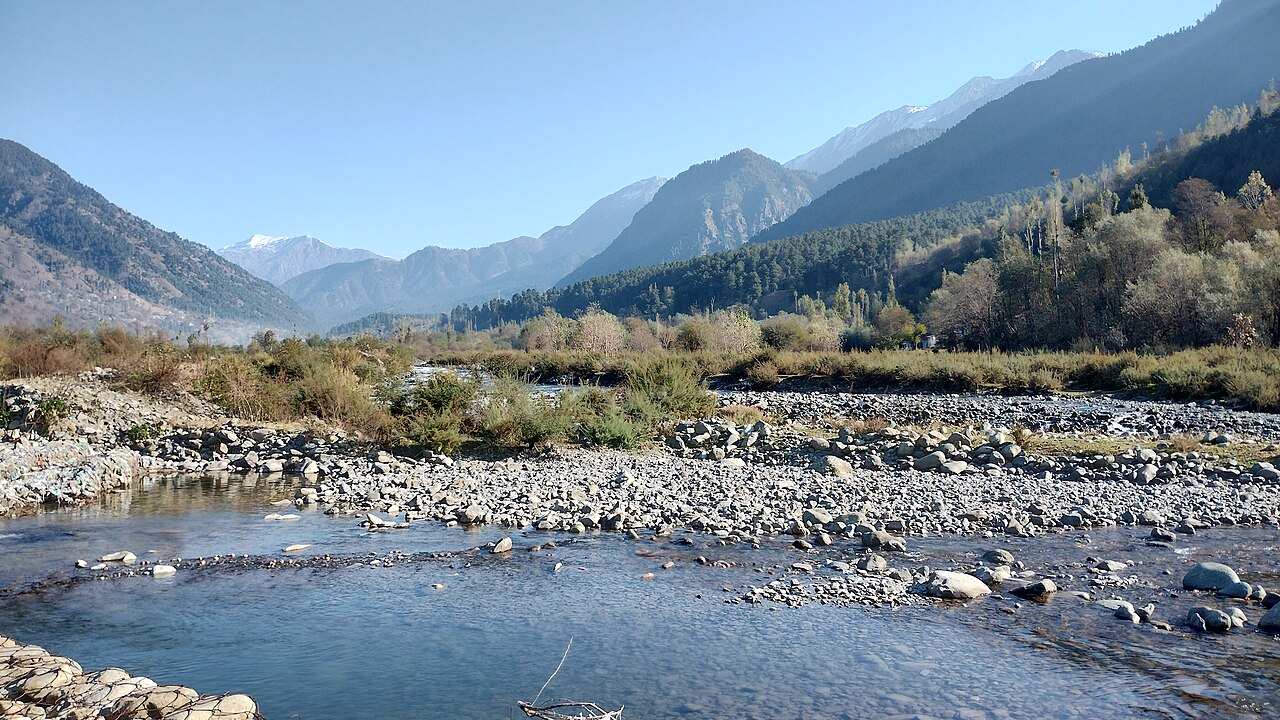
Weather Safety in the Higher Valleys
Mountain weather can turn from calm to severe in less than an hour. If thunder begins to echo off the canyon walls near Doodhganga, move away from open meadows and tall solitary trees immediately.
Always let your driver or tour coordinator know your exact walking route if you decide to wander away from the central tourist parking area.
Our local guides monitor regional meteorological alerts daily to ensure our guests never encounter hazardous trail conditions during sudden spring storms.
Before you book
Respecting the mountain climate ensures your time in Yusmarg remains comfortable rather than challenging. By packing the right layers and keeping an eye on afternoon weather shifts, you can enjoy the meadows in any season.
If you have questions about current trail conditions or seasonal packing lists, feel free to contact us at Skywale Packages. We are always happy to help you prepare properly.
Plan Your Seasonal Trip With Us
Get up-to-date weather advice and tailored itineraries for your upcoming Kashmir holiday.
Get in TouchWritten by
Kashmir, Jammu & Ladakh specialists
We plan and run trips across Kashmir, Jammu and Ladakh every week of the year. Everything here comes from routes we drive, stays we inspect and questions our travellers actually ask.
Quick answers
Questions we get asked
What is the temperature in Yusmarg during summer?
Summer daytime temperatures typically range from 20 to 25 degrees Celsius, dropping down to a cool 10 to 12 degrees at night.
Does it snow in Yusmarg in winter?
Yes, Yusmarg receives heavy snowfall from December through February, turning the meadows into a deep white landscape and often closing access roads.
Is altitude sickness common in Yusmarg?
At roughly 2,400 metres, severe altitude sickness is rare. However, visitors may experience mild fatigue or quicker dehydration due to the thinner mountain air.
What clothes should I pack for an autumn trip?
Pack heavy woollens, a windproof jacket, thermal undergarments, sturdy walking boots, and sunglasses for bright autumn days.
Photography credits
- Photo: Debashritaiitmandi · CC BY-SA 4.0
- Photo: AdilAru · CC BY-SA 3.0
- Photo: MODIS Land Rapid Response Team, NASA GSFC · Public domain
- Photo: Hellohappy · CC BY-SA 4.0
- Photo: Keshuseeker · CC BY-SA 4.0
- Photo: Rohit Sharma · CC BY-SA 4.0
- Photo: Hellohappy · CC BY-SA 4.0