How to Reach Betaab Valley by Car Without Any Fuss
Everything you need to know about driving roads, parking, and transport choices from Pahalgam.
Planning to reach betaab valley by car? Here is our practical guide covering road conditions, local union rules, and parking tips.
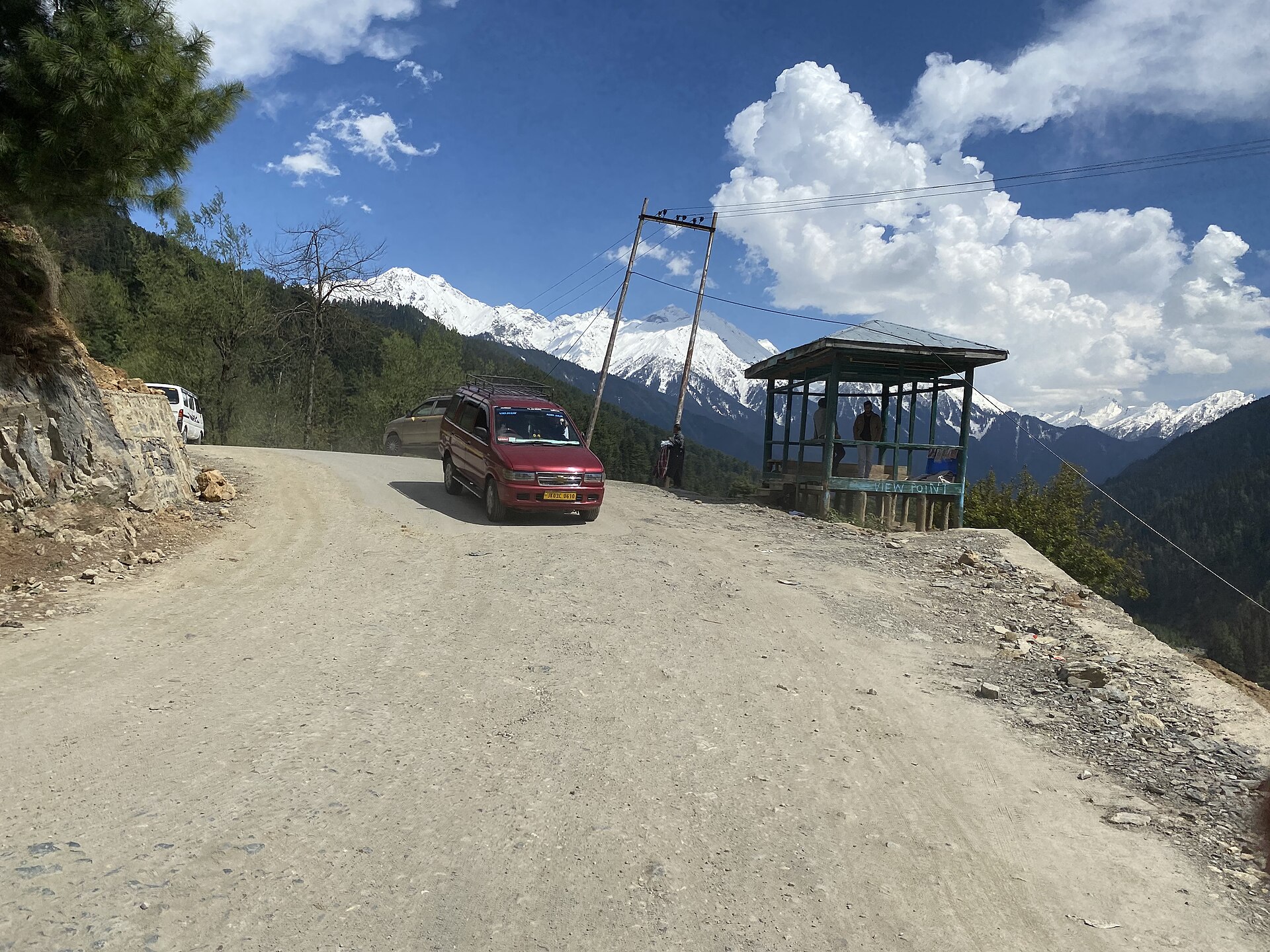
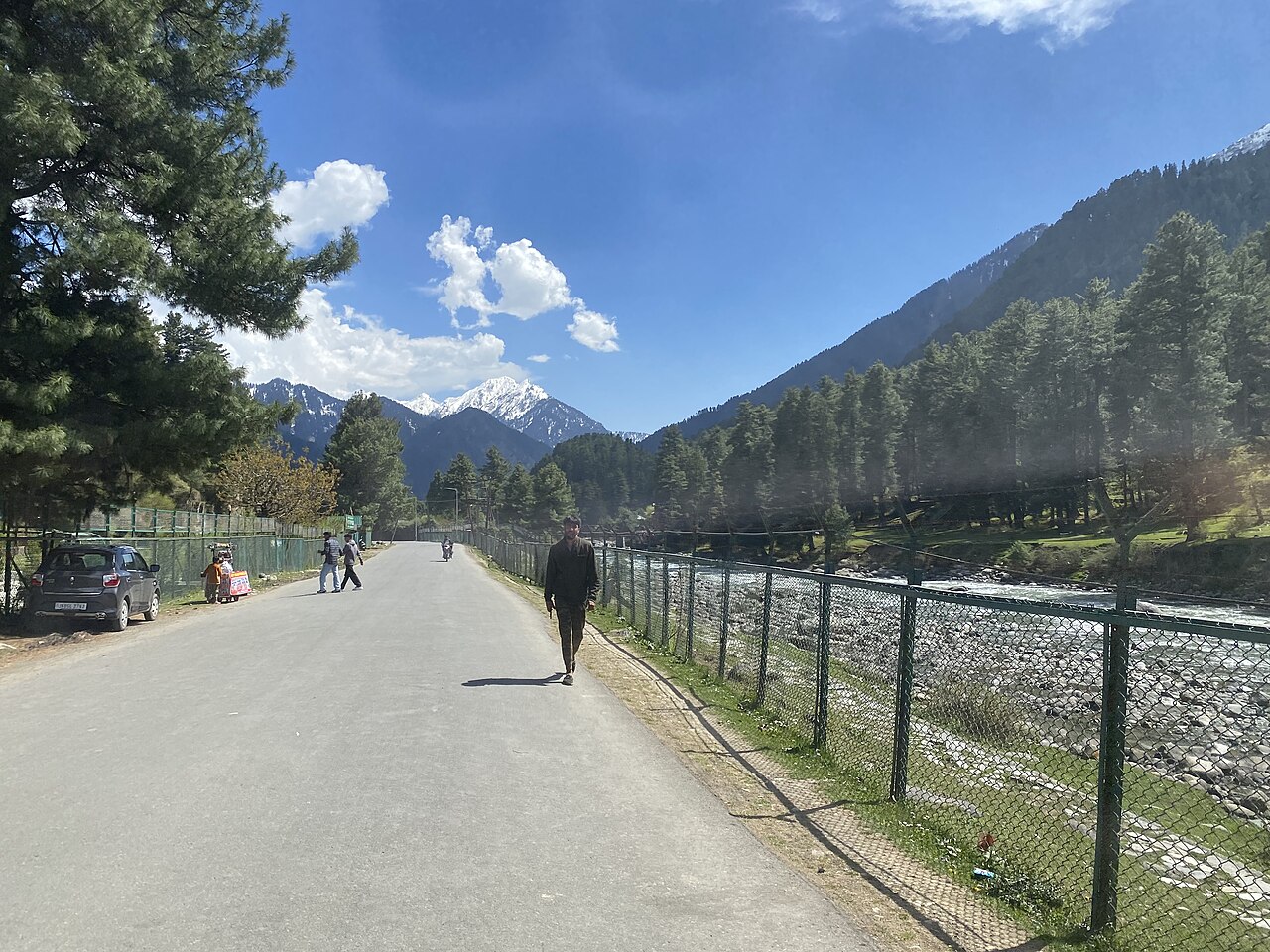
The winding roads leading out of Pahalgam toward the valley.Photo: Vinayaraj · CC BY-SA 4.0
The first time I tried to drive my own rental hatchback straight up to the gates of Betaab Valley, a polite local union driver flagged me down at the town checkpoint and explained why that plan had to change.
Travelers often assume they can hop into any vehicle and cruise right up to the famous willow trees and stream banks. In reality, local transport regulations shape how every visitor must approach this stretch of the Lidder Valley.
Whether you are planning a self-drive holiday or relying on hired cabs from Srinagar, understanding the road logistics saves you time, arguments at checkpoints, and unexpected fees. Let us break down how transport actually works on the ground.
Driving From Pahalgam to the Valley Gates
The distance from central Pahalgam to Betaab Valley is roughly seven kilometres. It is a short run on paper, usually taking about twenty minutes if traffic behaves.
You start by heading northeast out of the main market area, keeping the Lidder River on your right hand side. The tarmac winds past pine groves and scattered guest houses before opening up into wider valley views.
Local union rules mean that outside tourist vehicles or self-drive rentals from outside Anantnag district are sometimes restricted beyond specific town points. Most travelers park their long-distance cabs at the town stand and hire a local Pahalgam union cab for the final leg.
- Distance: Approximately 7 km from Pahalgam market.
- Standard drive time: 15 to 25 minutes depending on season traffic.
- Road surface: Mostly paved single-lane highway with occasional rough patches.
Understanding Local Transport Unions and Rules
Kashmir has a well-established system of local transport unions designed to protect local livelihoods and manage traffic congestion on narrow mountain routes. Pahalgam is no exception.
If you arrive in a cab booked from Srinagar or Jammu, that driver may drop you at the Pahalgam taxi stand. From there, you transition to a local union vehicle to visit Betaab Valley, Chandanwari, and Aru Valley.
It can feel slightly inconvenient if you just want a seamless point-to-point ride, but it keeps the mountain roads orderly. Rates for these local union cabs are fixed by the tourist office, so you do not need to haggle aggressively.
What to Budget for Local Cabs
Expect to pay around 1,500 to 2,500 rupees for a return union cab trip that covers Betaab Valley and gives you an hour or two of waiting time.
Always confirm if the waiting charges are included in the initial quote so you are not surprised when the driver asks for extra money after you finish your walk.

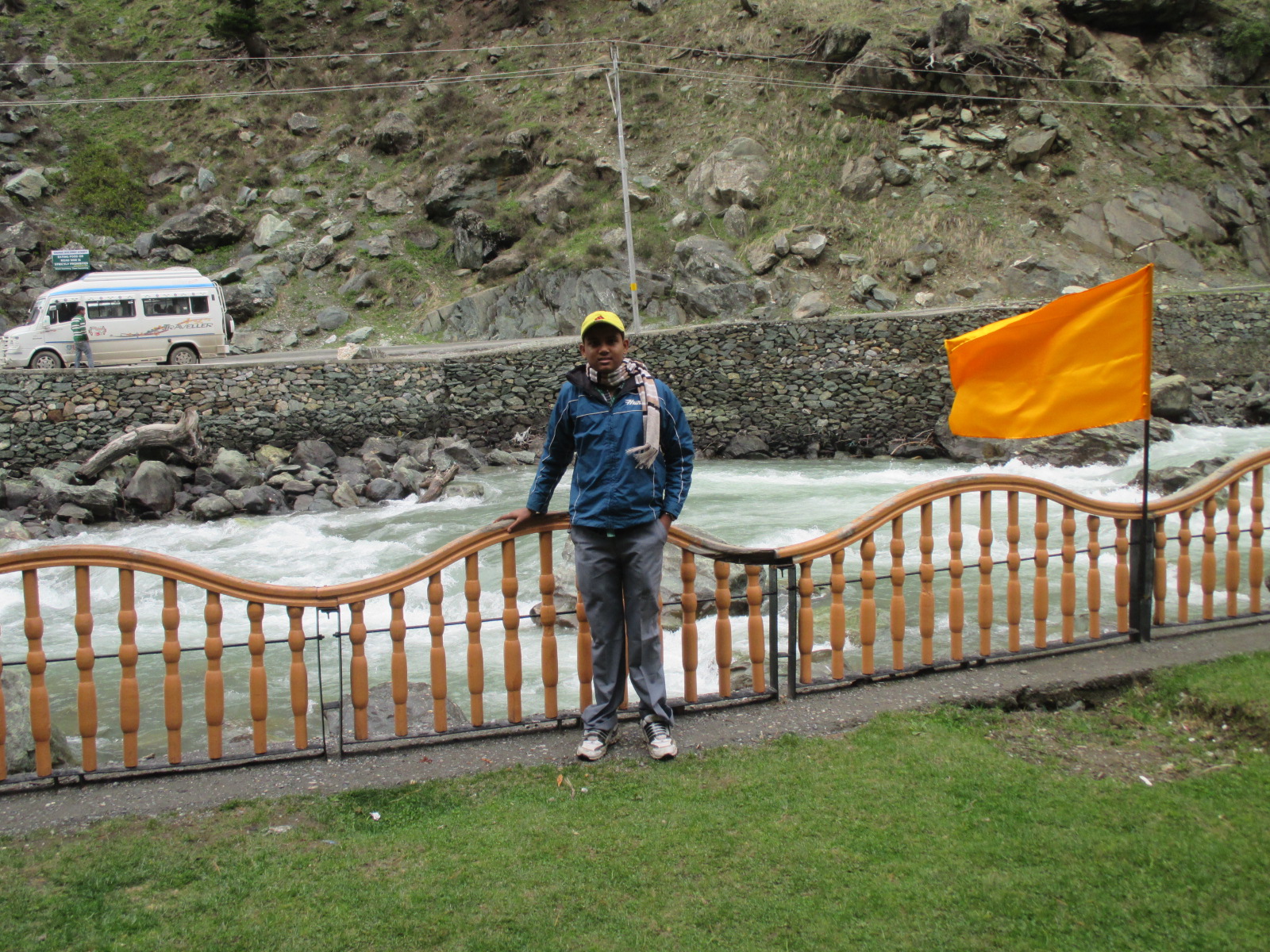
Local union rules mean that outside tourist vehicles are sometimes restricted beyond town checkpoints.
Parking Facilities at the Entrance
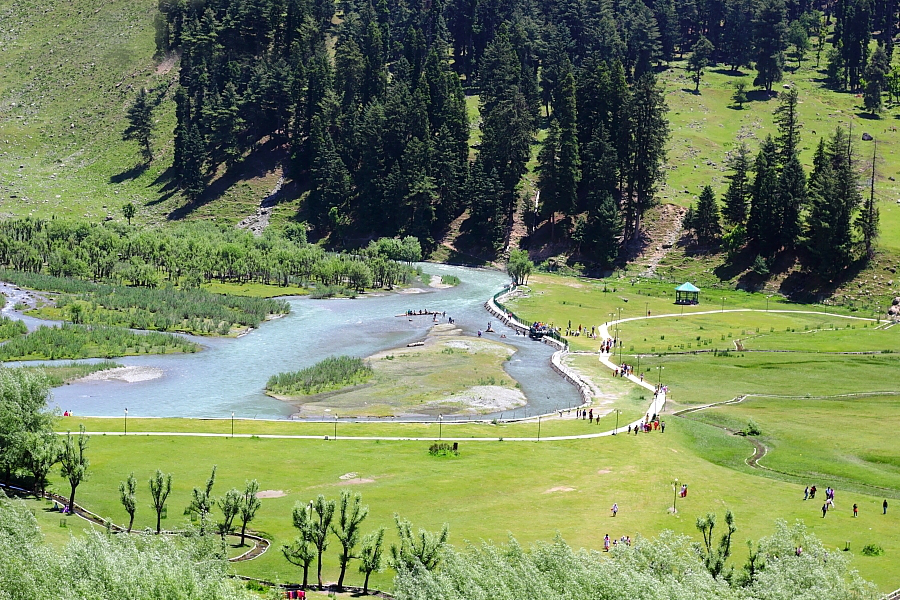
If you do manage to bring a permitted vehicle or a local union cab all the way to the main entrance, you will find a designated parking area just outside the turnstile gates.
The parking lot is essentially a wide dirt and gravel clearing managed by local attendants. Space gets tight during peak summer months like June and July, leading to double-parking and short tempers.
If you arrive past noon on a sunny weekend, your driver might have to park a few hundred metres down the road and walk back up. Early mornings remain the easiest window for hassle-free parking.
Public vs Private Transport Options
Can you take a bus or shared transport to Betaab Valley? Regular public buses do not run right up to the park gates.
Buses and shared Sumo jeeps generally stop at the main Pahalgam taxi stand. From that stand, you must either walk the remaining distance—which takes over an hour along the river road—or hire a private cab.
Most families and couples prefer hiring a dedicated cab for the day. It gives you flexibility, shelter if sudden mountain showers roll in, and a reliable way to carry picnic baskets or extra layers.
Why Road Conditions Matter Year-Round
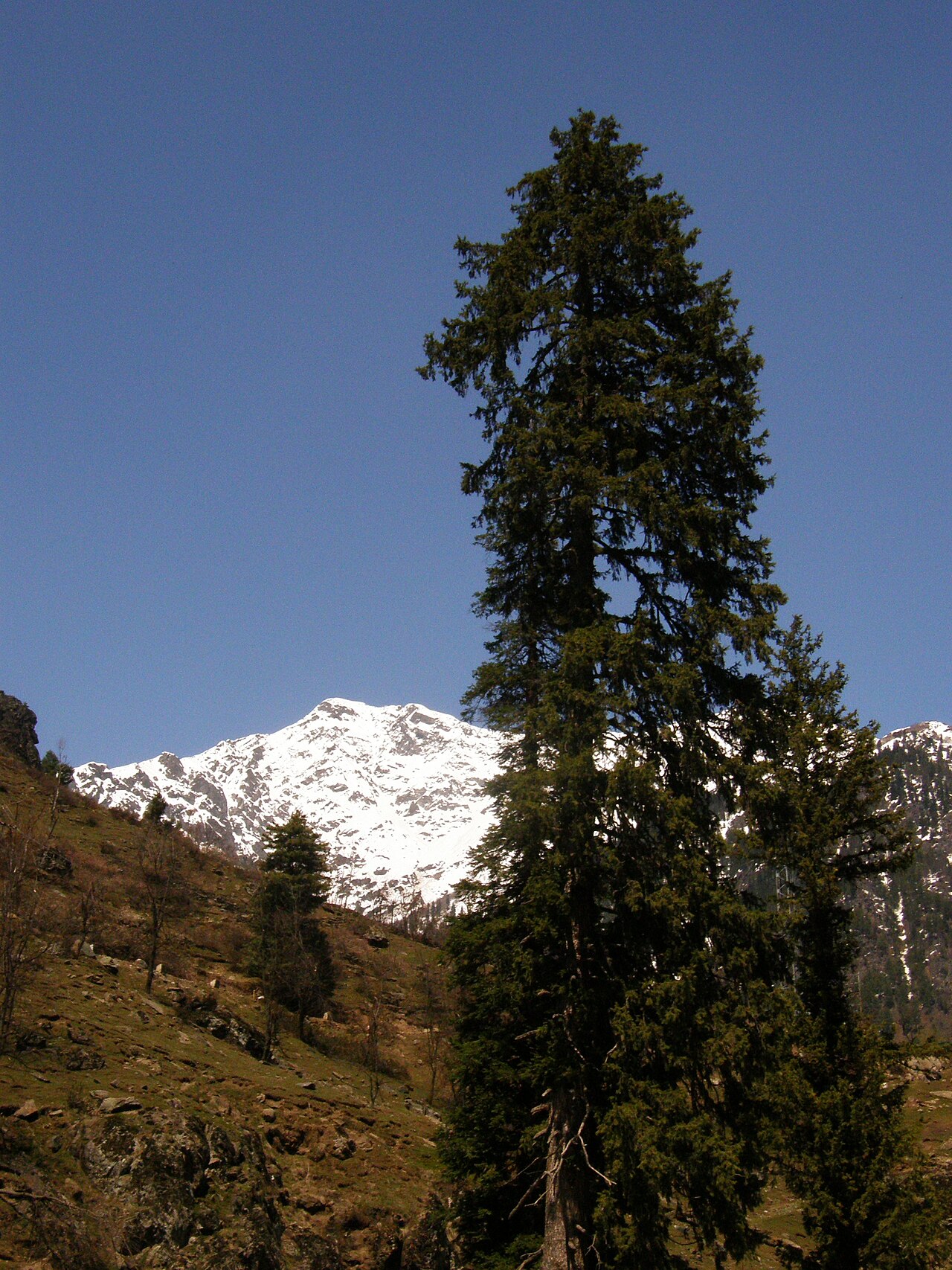
The road leading toward the valley is generally well-maintained because it also serves as part of the Amarnath Yatra route toward Chandanwari. However, mountain weather dictates everything.
During winter months from December to February, heavy snowfall can slick the tarmac. Even when the main roads are cleared, black ice forms in shaded bends where the sun fails to reach.
In spring, melting snow brings minor rockfalls and muddy run-off across the asphalt. Having a driver experienced with these specific road quirks is worth every single rupee.
Driving in Winter Snow
If you visit when snow blankets the valley floor, ensure your vehicle has good tread or snow chains if venturing beyond standard tarmac limits.
Most local drivers carry chains in their boots during January and February precisely for this reason.
Practical Tips for a Comfortable Drive
Keep motion sickness tablets handy if anyone in your group reacts poorly to winding mountain bends. The road is short, but it twists continuously along the Lidder.
Carry small change in cash for the entry tickets at the gate and for roadside tea stalls. Digital payments work in Pahalgam town, but network connectivity drops near the valley entrance.
Plan your return journey before dusk sets in. Street lighting along the rural stretches is sparse, and driving back down the valley in pitch darkness requires extra caution.
Before you book
Navigating your way to Betaab Valley is straightforward once you understand how local transport customs work. A little advance planning prevents minor transport hiccups from souring your morning.
If you would rather let someone else manage the cabs, permits, and schedules, our team at Skywale Packages can arrange seamless private transport for your entire Kashmir itinerary.
Let Us Handle Your Kashmir Transport
Reach out to our Srinagar office to plan a smooth, stress-free trip across Pahalgam, Aru, and Betaab Valley.
Contact Our Travel TeamCaption for your own post
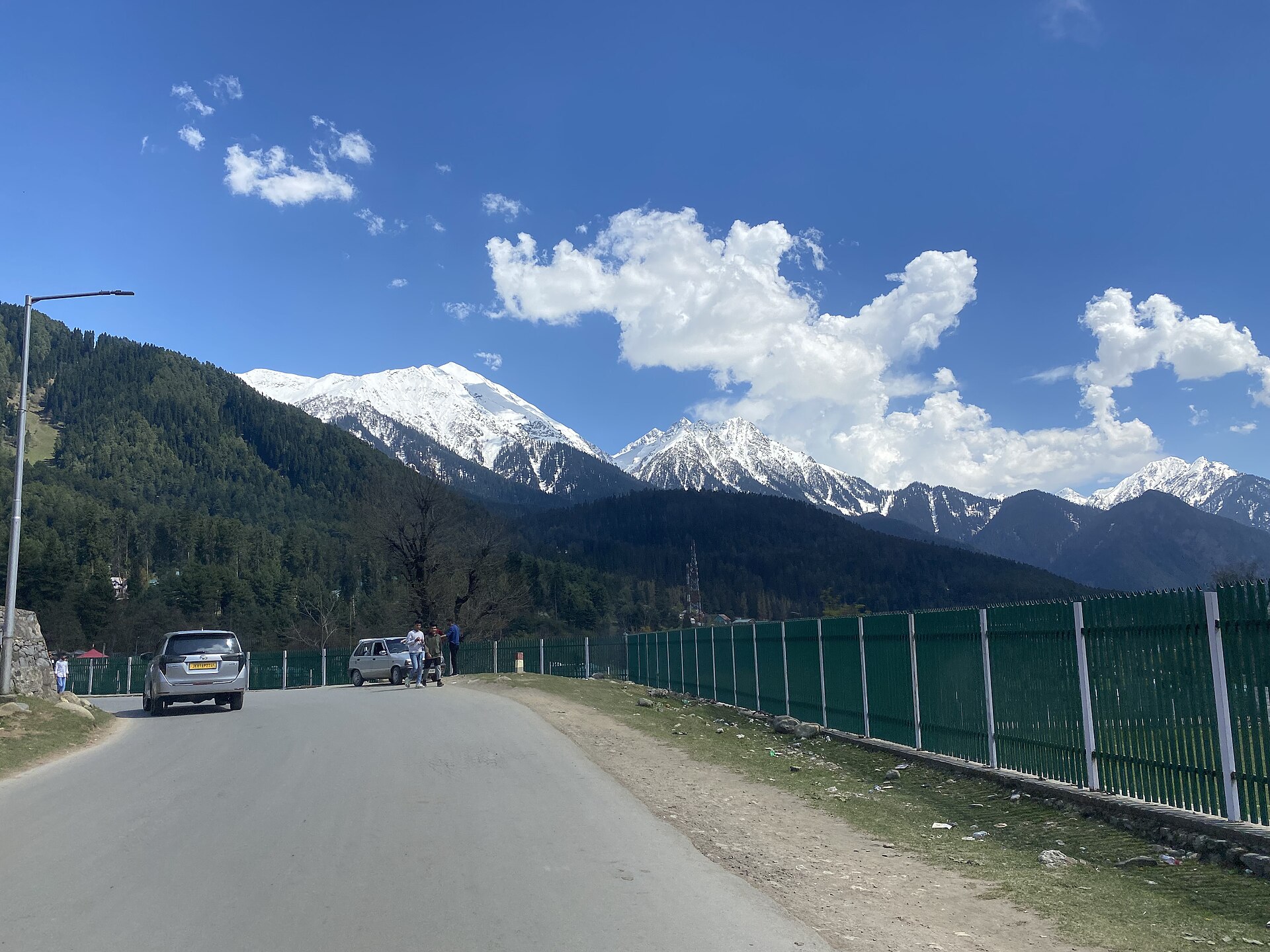
Winding roads along the Lidder River leading up to Betaab Valley. Here is our transport guide for your next trip.
Written by
Kashmir, Jammu & Ladakh specialists
We plan and run trips across Kashmir, Jammu and Ladakh every week of the year. Everything here comes from routes we drive, stays we inspect and questions our travellers actually ask.
Written by a Skywale travel editor who has navigated Pahalgam's taxi stands in every season.
Quick answers
Questions we get asked
Can I drive my own private car directly into Betaab Valley?
While self-drive cars can reach Pahalgam, local union regulations sometimes restrict outside tourist vehicles from operating on local sightseeing routes. You may need to park in town and hire a local union cab.
How much time does it take to drive from Pahalgam to Betaab Valley?
The drive takes roughly 15 to 25 minutes each way, covering a distance of about seven kilometres along a paved road running parallel to the Lidder River.
Is parking available near the entrance gates?
Yes, there is a designated gravel parking area right outside the entry gates. It fills up quickly during peak summer months and weekends, so arriving early is recommended.
Are shared jeeps available from Pahalgam to the valley?
Shared transport generally stops at the central Pahalgam taxi stand. Most visitors prefer booking a private return cab for the trip to ensure comfort and flexible waiting times.
Is the road open during winter months?
The road is typically kept open year-round, though temporary closures can happen during heavy snowfalls until snow-clearing crews clear the tarmac.
Photography credits
- Photo: Vinayaraj · CC BY-SA 4.0
- Photo: Billjones94 · CC BY-SA 4.0
- Photo: Vinayaraj · CC BY-SA 4.0
- Photo: Basharat Shah · CC BY 2.0
- Photo: Narender9 · CC BY-SA 3.0
- Photo: Harshruti · CC BY-SA 4.0
- Photo: Adam Jones from Kelowna, BC, Canada · CC BY-SA 2.0