Things to Do in Dal Lake: What Is Actually Worth Your Time
Cutting through the tourist fluff to find the genuine moments on the water.
An honest guide to experiencing Dal Lake beyond the standard souvenir shops and crowded piers.
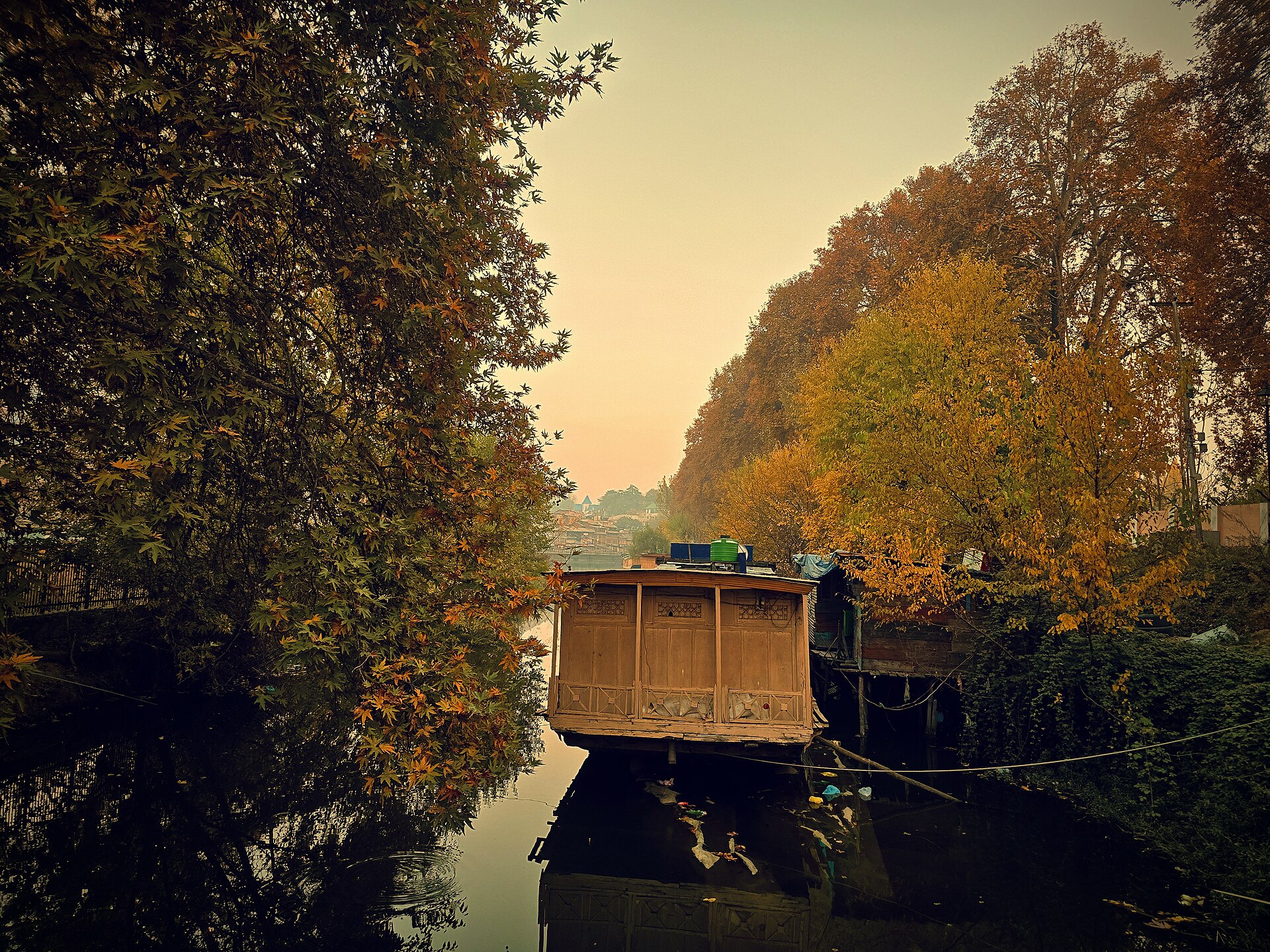
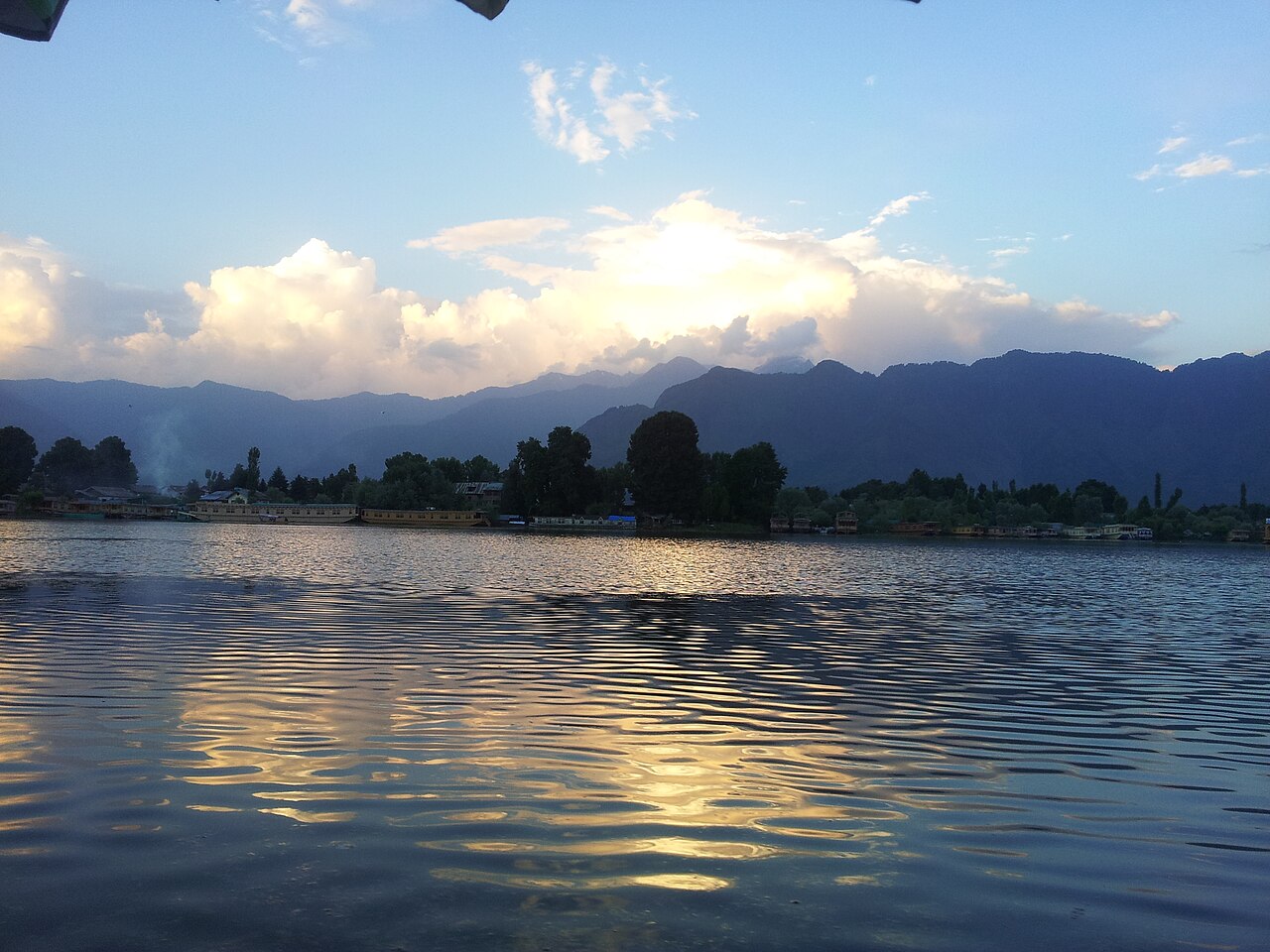
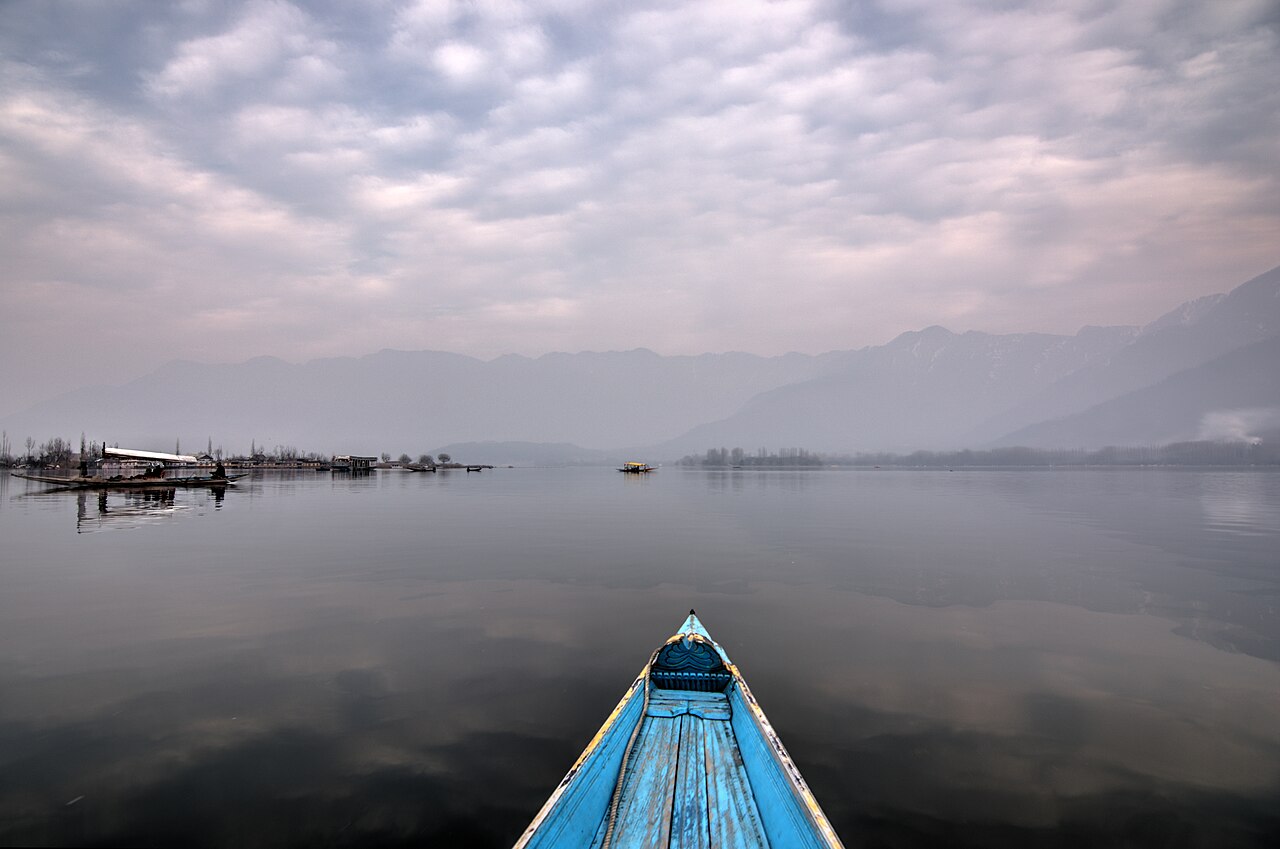
Early morning light breaks across the quiet waters of Dal Lake.Photo: Billjones94 · CC BY-SA 4.0
Most visitors arrive at Dal Lake with a mental image formed by old postcards and movie scenes. When you actually stand on the boulevard at six in the morning, the reality is much quieter and far more interesting. Figuring out the best things to do around dal lake srinagar means looking past the floating emporiums that try to sell you papier-mâché boxes and focusing on the living ecosystem of the water.
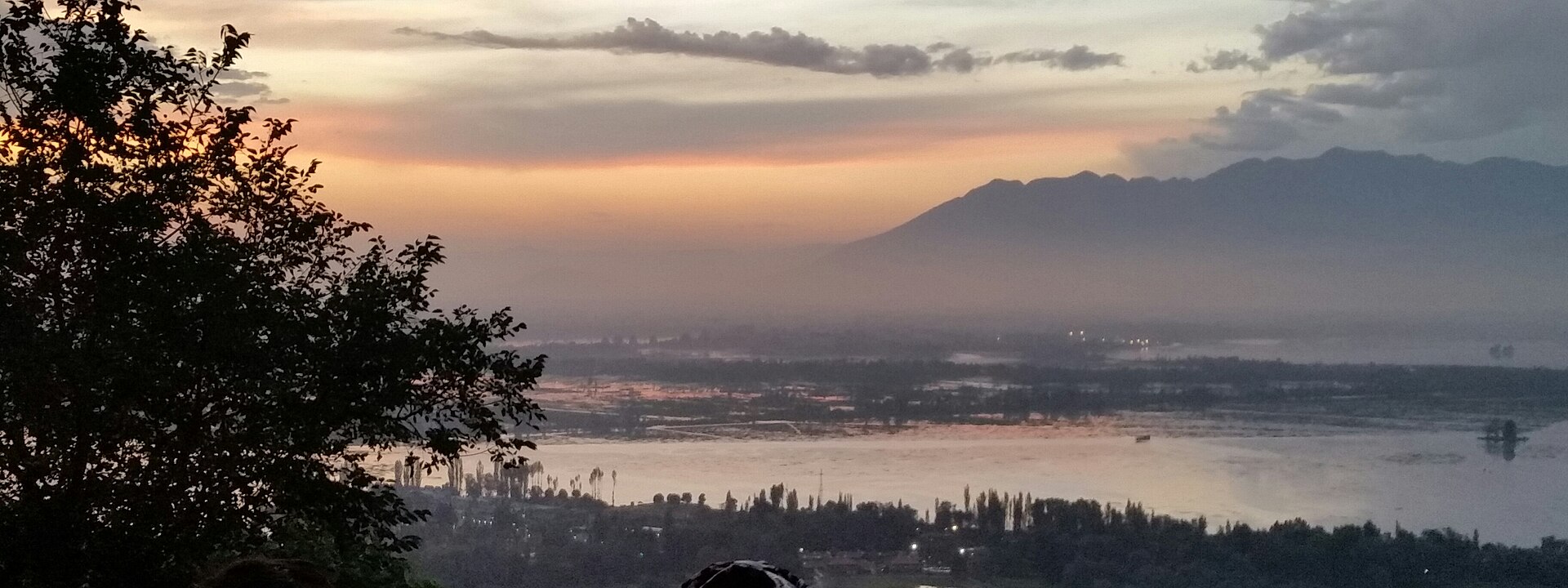
The lake is divided into interconnected basins—Lokut Dal, Bod Dal, Gagribal, and Nigeen—each offering a different atmosphere. Whether you are browsing a dal lake tour package or putting together an independent itinerary, knowing where to go and when to be there changes your entire experience from a standard sightseeing tick-box into something memorable.
Taking an Early Morning Shikara Ride
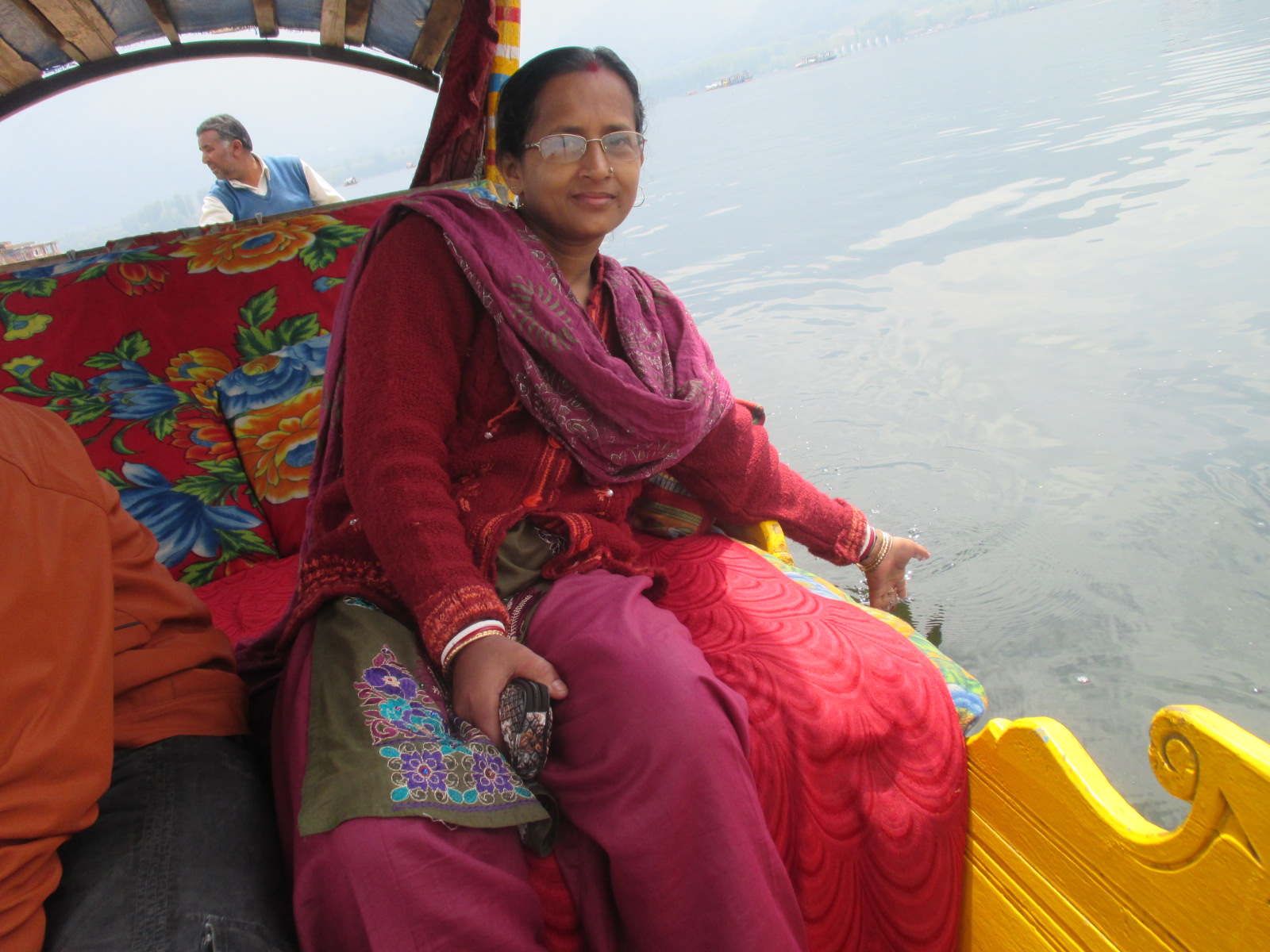
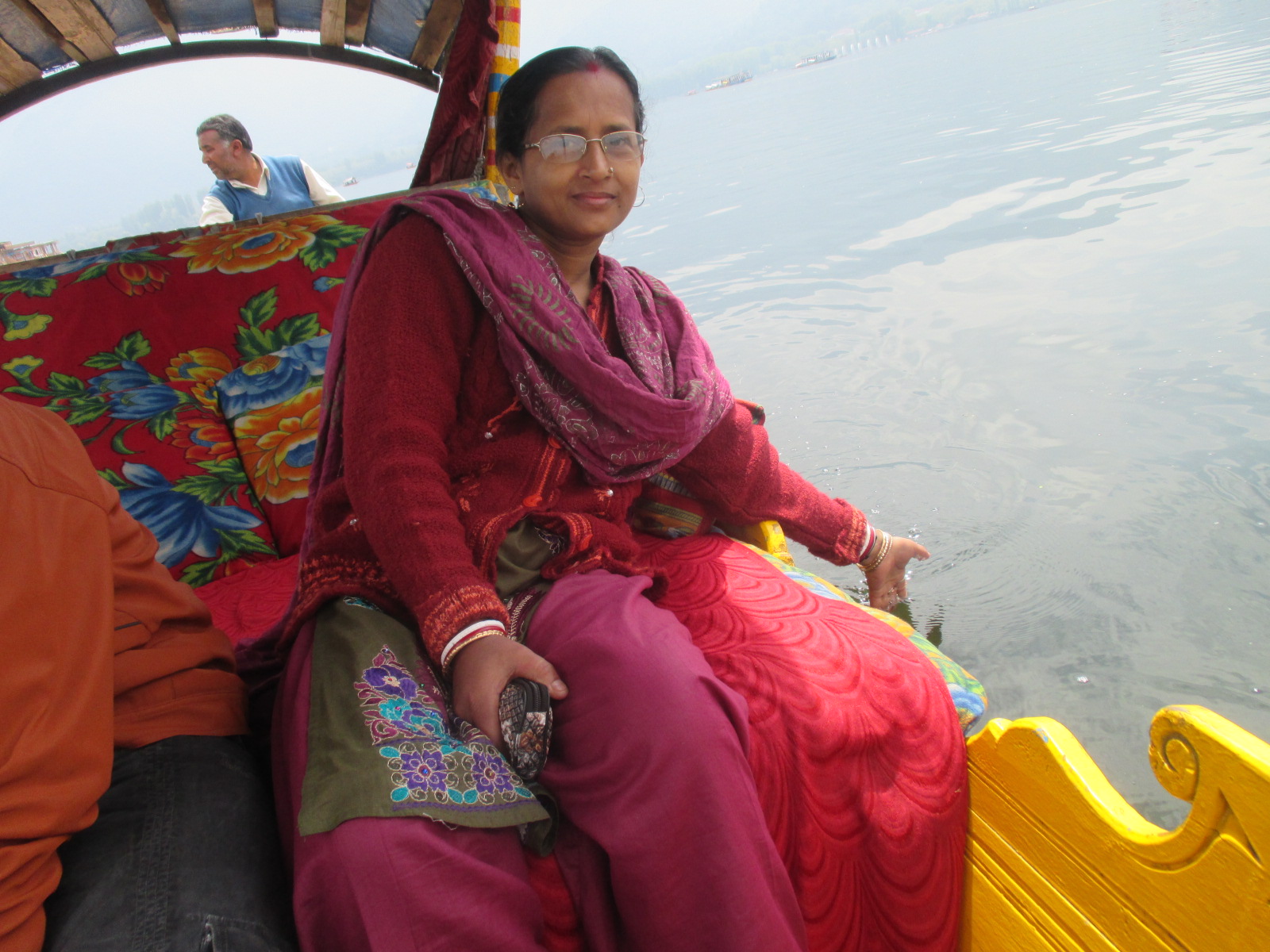
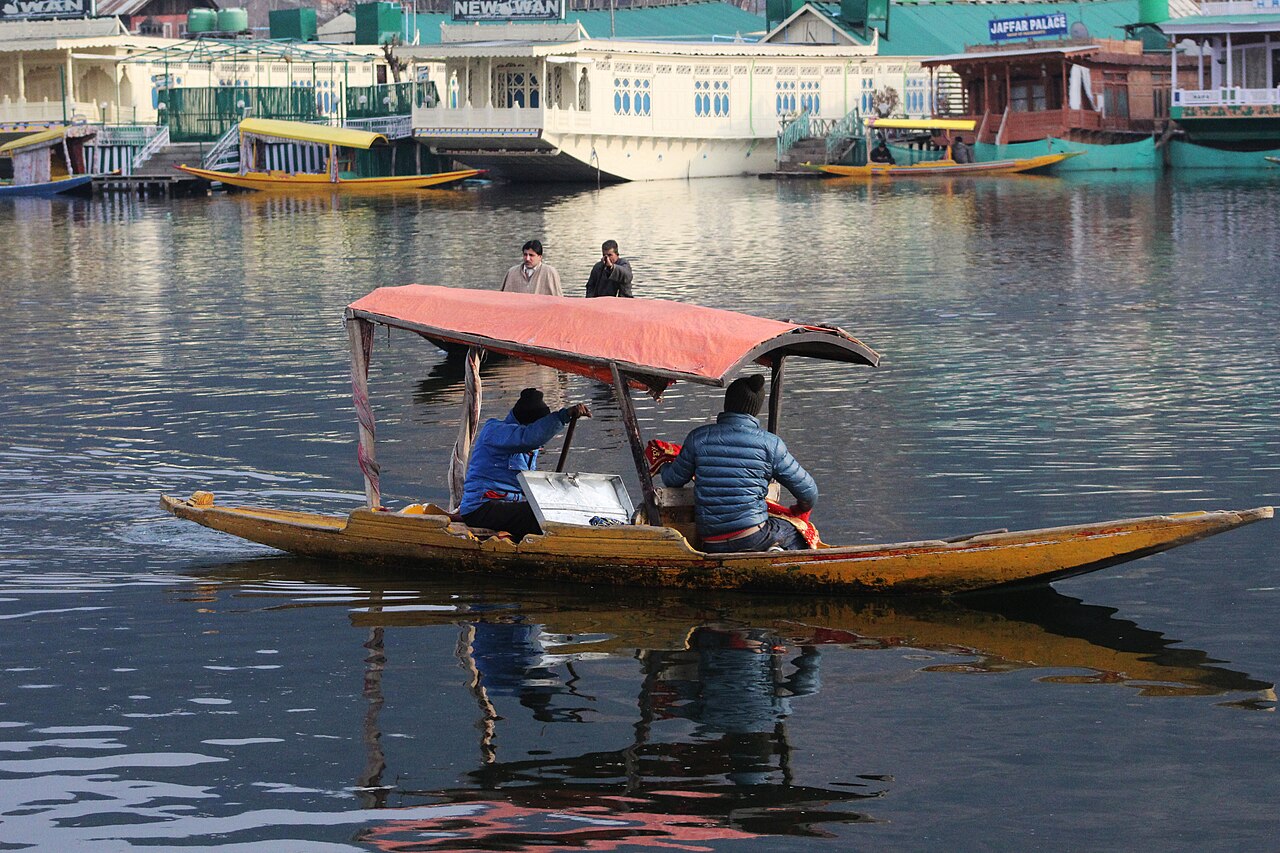
The single best activity on the water happens before the rest of the city wakes up. Renting a shikara at 5:30 AM lets you glide through the mist when the surface acts like a mirror reflecting the Zabarwan hills. Your paddler will steer you through narrow canals where willow branches brush against the canopy of your boat.
This is the hour when you can visit the floating vegetable market deep inside the interior waterways. Local farmers paddle out in flat-bottomed boats loaded with greens, radishes, and turnips, conducting quiet wholesale trades before heading into the main markets on shore.
- Hire your shikara from quieter ghats like Ghat 14 or Nigeen Lake.
- Negotiate rates in advance based on hourly duration rather than vague routes.
- Dress warmly in layers because the morning breeze off the water is crisp.
Exploring the Floating Gardens and Lotus Fields
The lake is not just an open sheet of water; it is a working agricultural zone. Farmers cultivate floating gardens known as 'rad', made from dense mats of aquatic vegetation anchored to the lakebed with poles. Tomatoes, cucumbers, and melons grow remarkably well in this nutrient-rich medium.
If you visit during July and August, the shallow bays bloom with vast patches of pink lotus flowers. Paddling through these natural gardens offers a peaceful contrast to the busier boulevard edges where tourist boats cluster in the afternoon.
The single best activity on the water happens before the rest of the city wakes up.
Visiting Nehru Park and the Interior Islets
Nehru Park sits on a small island in the middle of Lokut Dal and is accessible only by shikara. While parts of it show age, it remains a pleasant spot to sit on the grass and watch the activity across the water. Further out, islands like Sona Lank and Rupa Lank carry historical significance dating back to Mughal rule.
These island shrines feature ancient Chinar trees that turn a brilliant copper color in October. Stopping here for a brief walk gives you a sense of the lake's layered history without needing to join a crowded tour group.
Sampling Local Lake Cuisine and Street Snacks
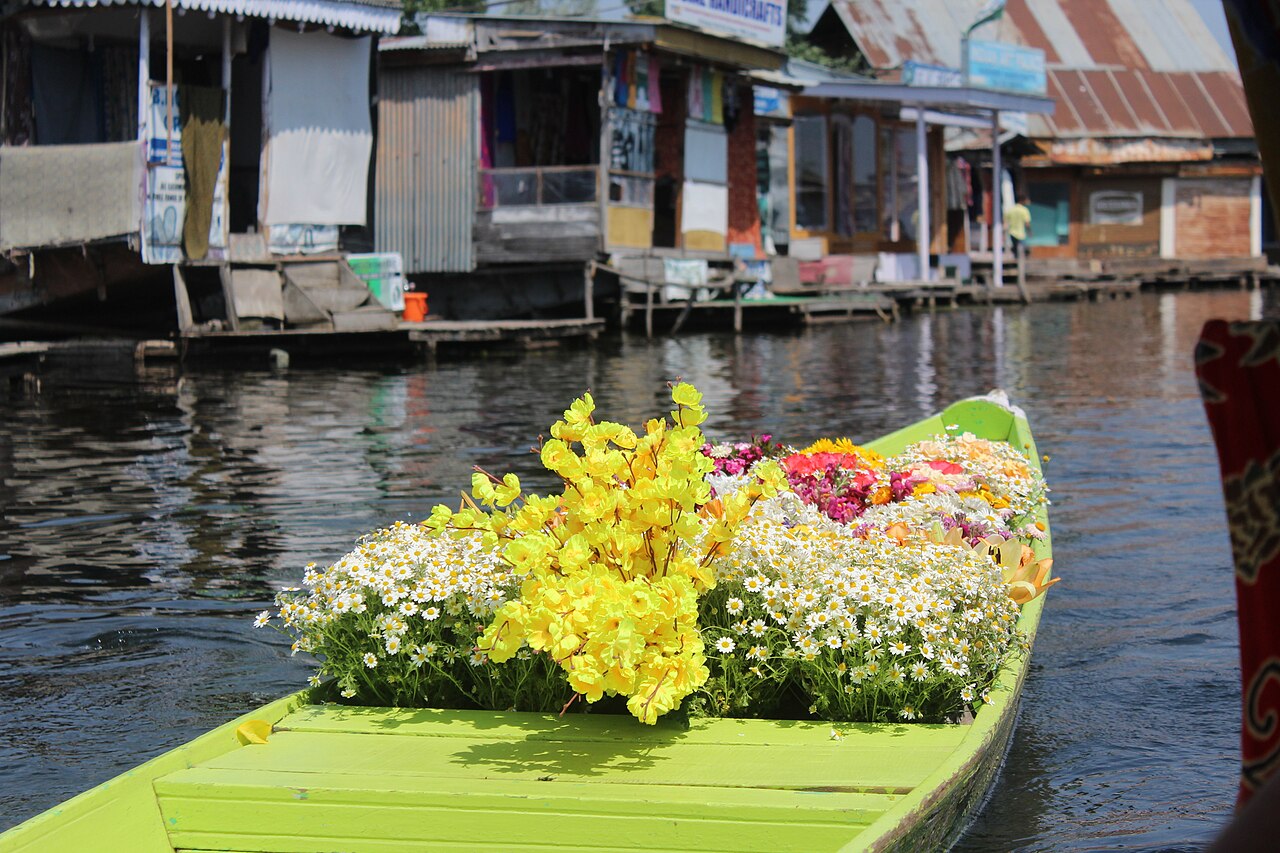
You cannot spend time on the water without trying local snacks sold directly from floating vendor boats. Vendors paddle up to your shikara offering roasted lotus stems (nadur), hot saffron tea, and freshly baked girda bread.
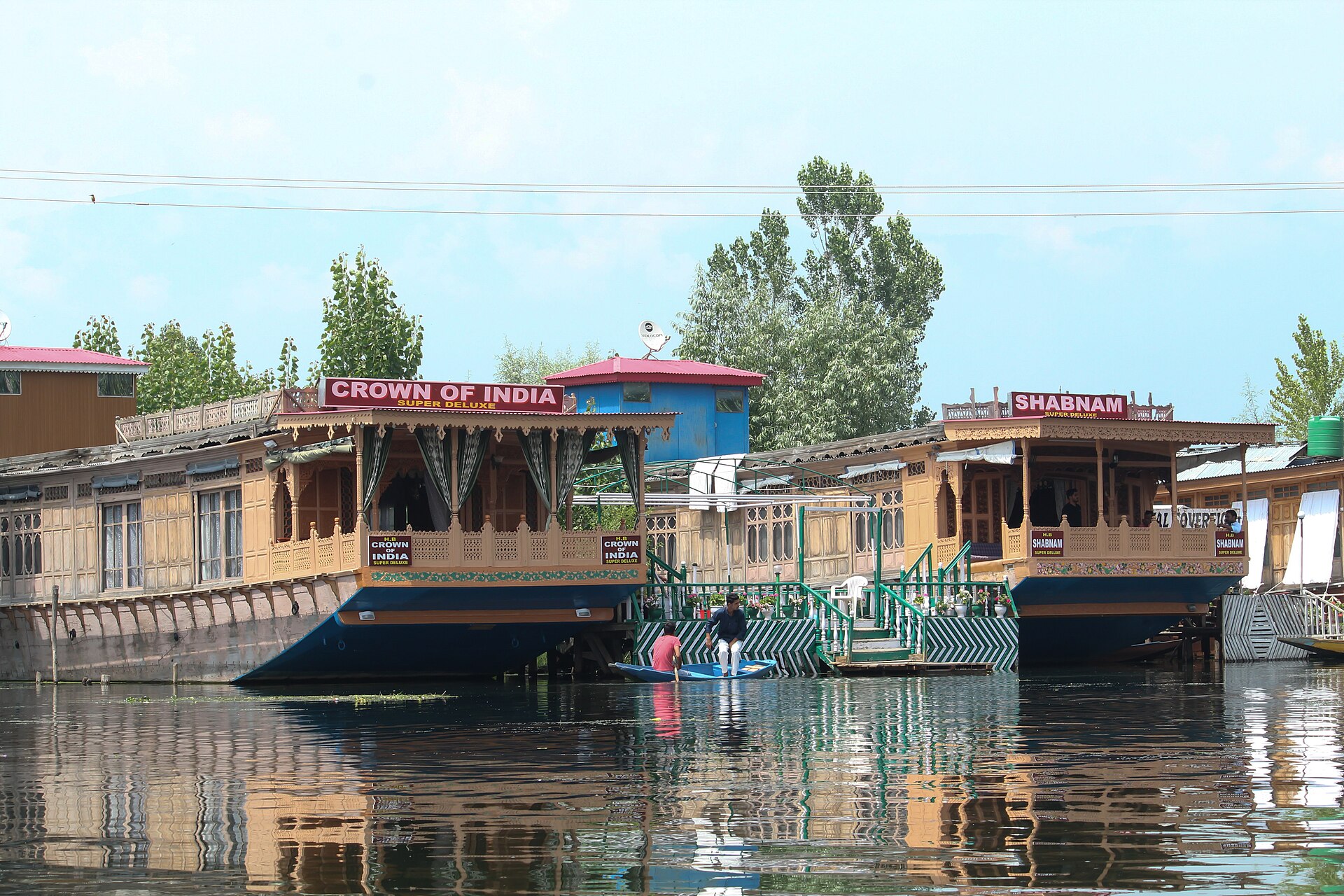
For a fuller meal, many houseboats and lakeside restaurants serve traditional Kashmiri wazwan or simple home-style vegetarian dishes featuring lake-harvested lotus root. Ask for 'nadur yakhni', a delicate yogurt-based lotus stem curry that represents local cooking at its finest.
Avoiding Common Tourist Traps on the Water
The biggest trap on Dal Lake is the unsolicited shopping tour. Some boatmen receive commissions for steering you toward floating emporiums that sell carpets, shawls, and jewelry at inflated prices. If you do not want to shop, make your intentions clear before stepping into the boat.
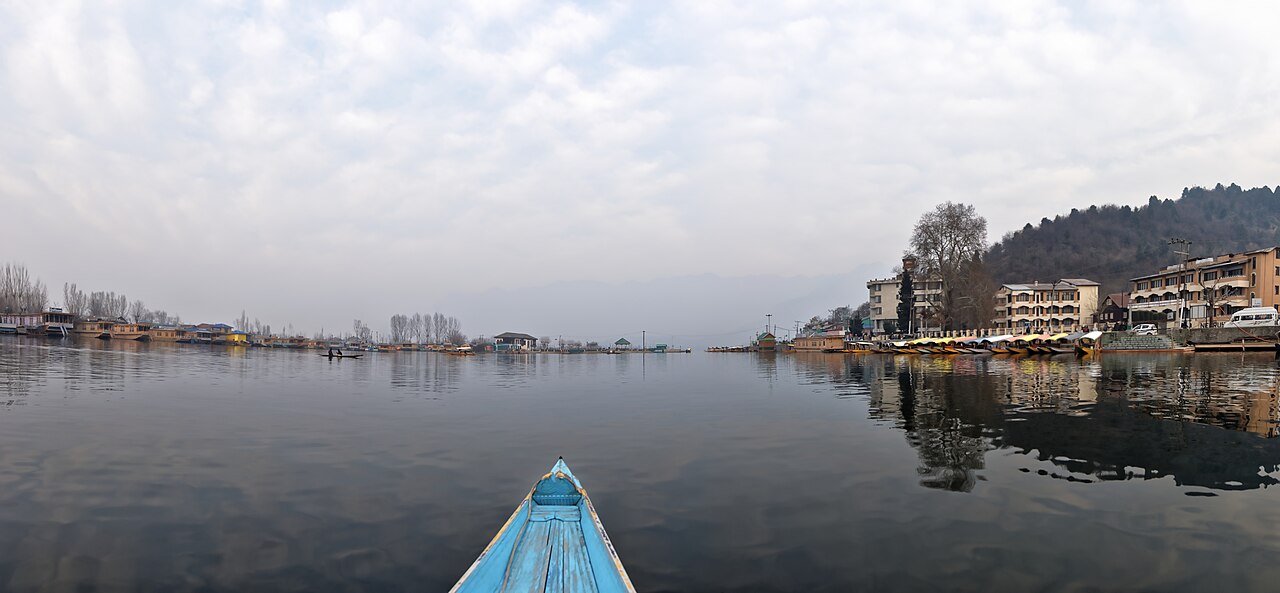
Another pitfall is visiting during peak afternoon hours when motorized boat traffic churns up the water and creates noise pollution. Stick to early mornings and late evenings for the authentic, tranquil atmosphere the lake is known for.
How Skywale Can Help Plan Your Dal Lake Experience
We believe that experiencing Dal Lake should feel personal and unhurried. Our team works with trusted local boatmen and heritage houseboat owners who respect the ecosystem and prioritize your comfort over commission-driven shopping detours.
Whether you need help selecting a quiet mooring spot or want a complete dal lake travel guide tailored to your family, we are here to assist. Get in touch with us to design a peaceful water-based itinerary.
Before you book
Dal Lake is a living, breathing community that rewards curiosity and patience. By stepping away from the crowded piers and venturing into the quiet canals at dawn, you experience a side of Srinagar that most quick-stop tourists miss entirely.
Let us help you arrange a thoughtful visit to the water. Reach out to our Srinagar team whenever you are ready to plan your next escape.
Plan Your Stay on the Water
Talk to our local experts to design a customized itinerary featuring the best houseboats and authentic lake experiences.
Get in TouchCaption for your own post
Morning mist rising off the water during an early shikara ride on Dal Lake.
Written by
Kashmir, Jammu & Ladakh specialists
We plan and run trips across Kashmir, Jammu and Ladakh every week of the year. Everything here comes from routes we drive, stays we inspect and questions our travellers actually ask.
Written by a local editor who spends mornings exploring the quieter channels of Srinagar.
Quick answers
Questions we get asked
Can I swim in Dal Lake?
Swimming is generally not recommended or practiced in Dal Lake due to boat traffic and conservation efforts aimed at preserving the water ecosystem.
How much does a standard shikara ride cost?
Rates are regulated by the tourism department on an hourly basis, typically ranging between 500 to 900 rupees depending on the duration and route.
Are houseboats connected to electricity and running water?
Yes, heritage houseboats have modern plumbing, electricity, and hot water, though occasional power backups are used due to municipal grid fluctuations.
Is Nigeen Lake cleaner than Dal Lake?
Nigeen Lake is generally quieter, less commercialized, and has clearer water because it restricts heavy motorboat traffic.
What is the best month for lotus blooming on the lake?
July and August offer the peak blooming season for pink lotus flowers across the shallow basins of the lake.
Photography credits
- Photo: Billjones94 · CC BY-SA 4.0
- Photo: Dashrathgoyal85 · CC BY-SA 4.0
- Photo: Vijay Tiwari09 · CC BY-SA 4.0
- Photo: Niyati Sharma 1505 · CC BY-SA 4.0
- Photo: Amoghamahale · CC BY-SA 4.0
- Photo: Slyronit · CC BY-SA 4.0
- Photo: Slyronit · CC BY-SA 4.0