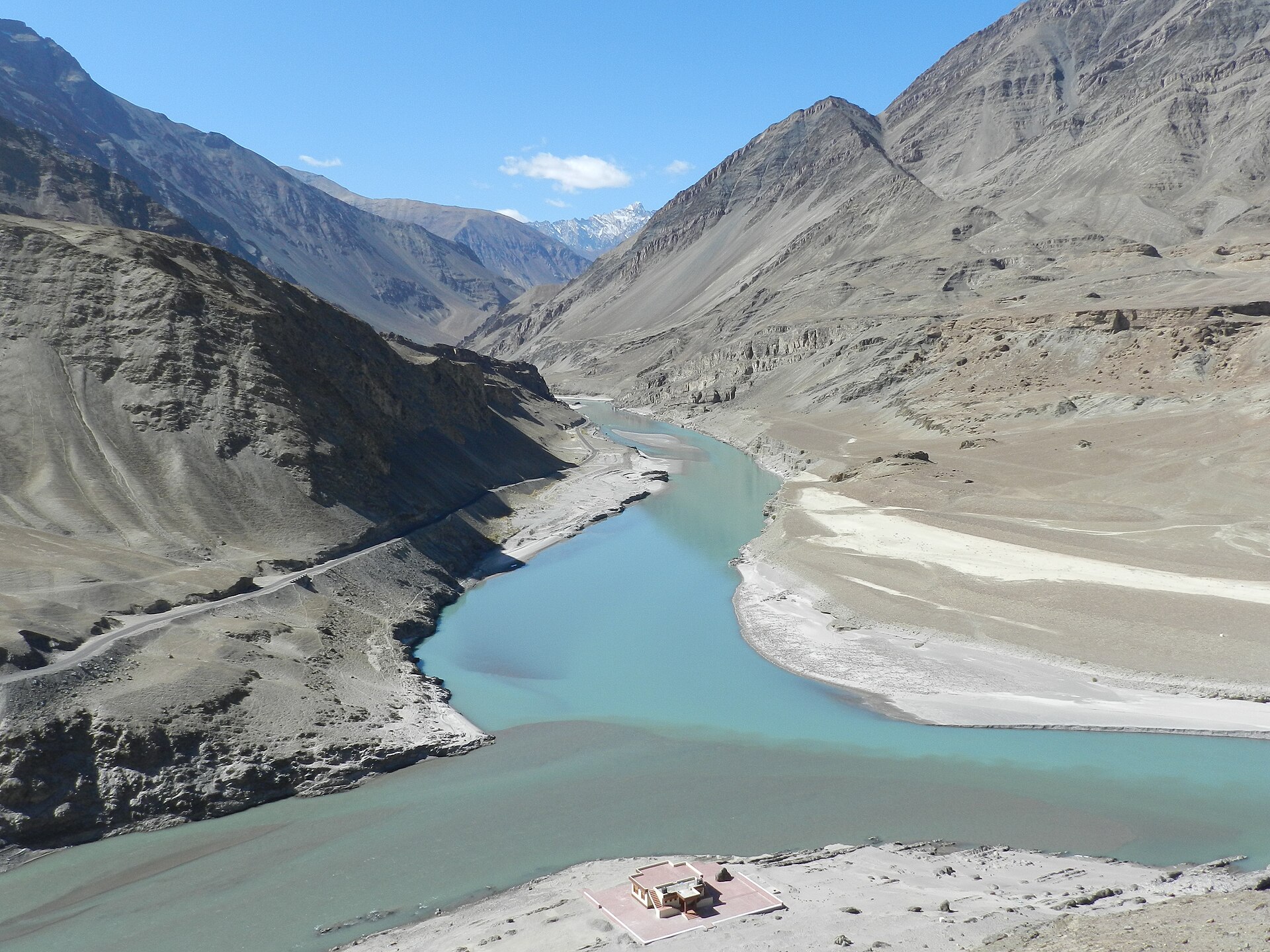
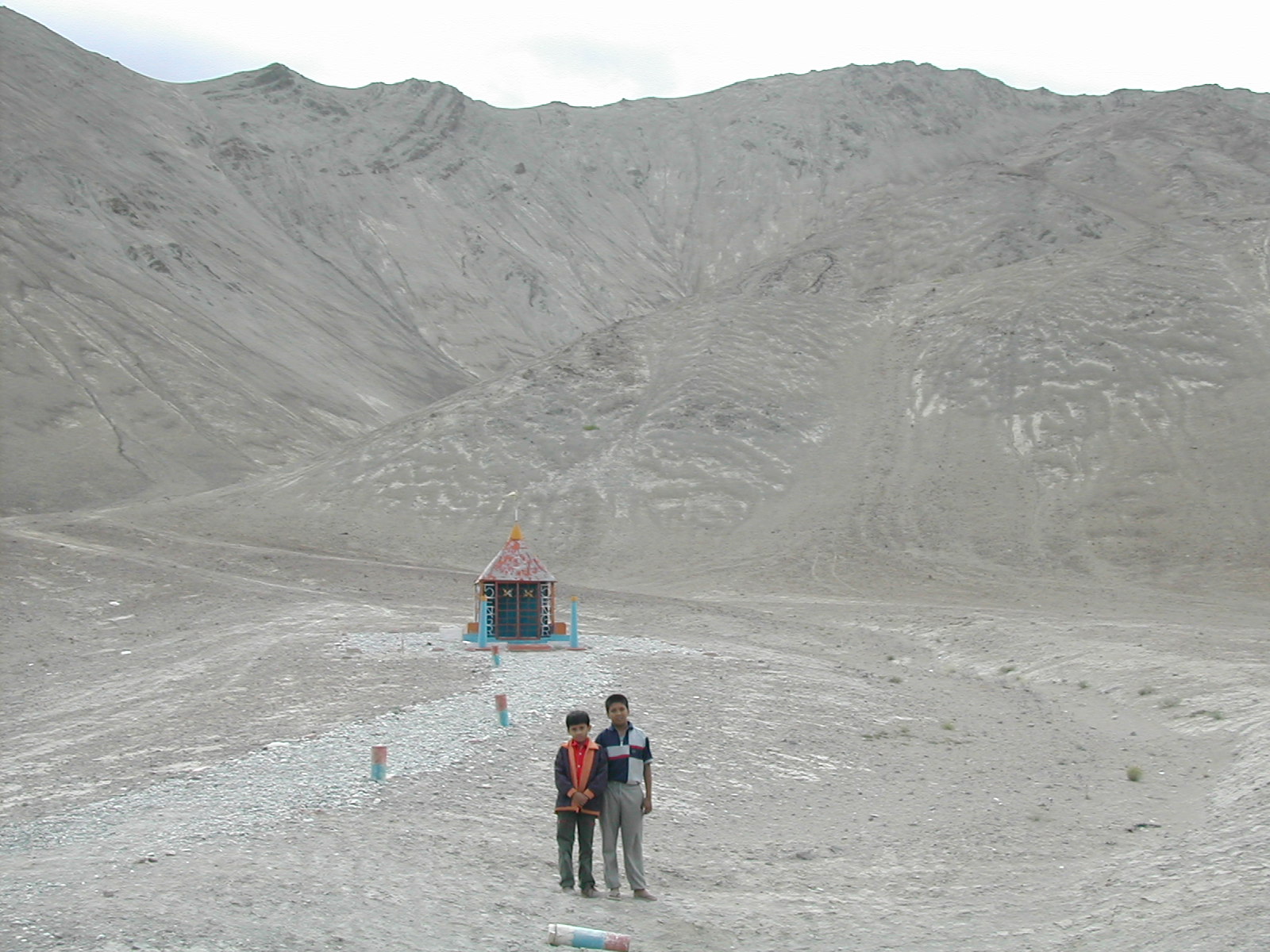
How Do Magnetic Hills Work? The Science of Gravity
Uncovering the illusion behind the world's most famous 'uphill' roads
Is it magnetism or just a trick of the eye? We break down the phenomenon behind Magnetic Hill and how optical illusions shape our travel experiences.
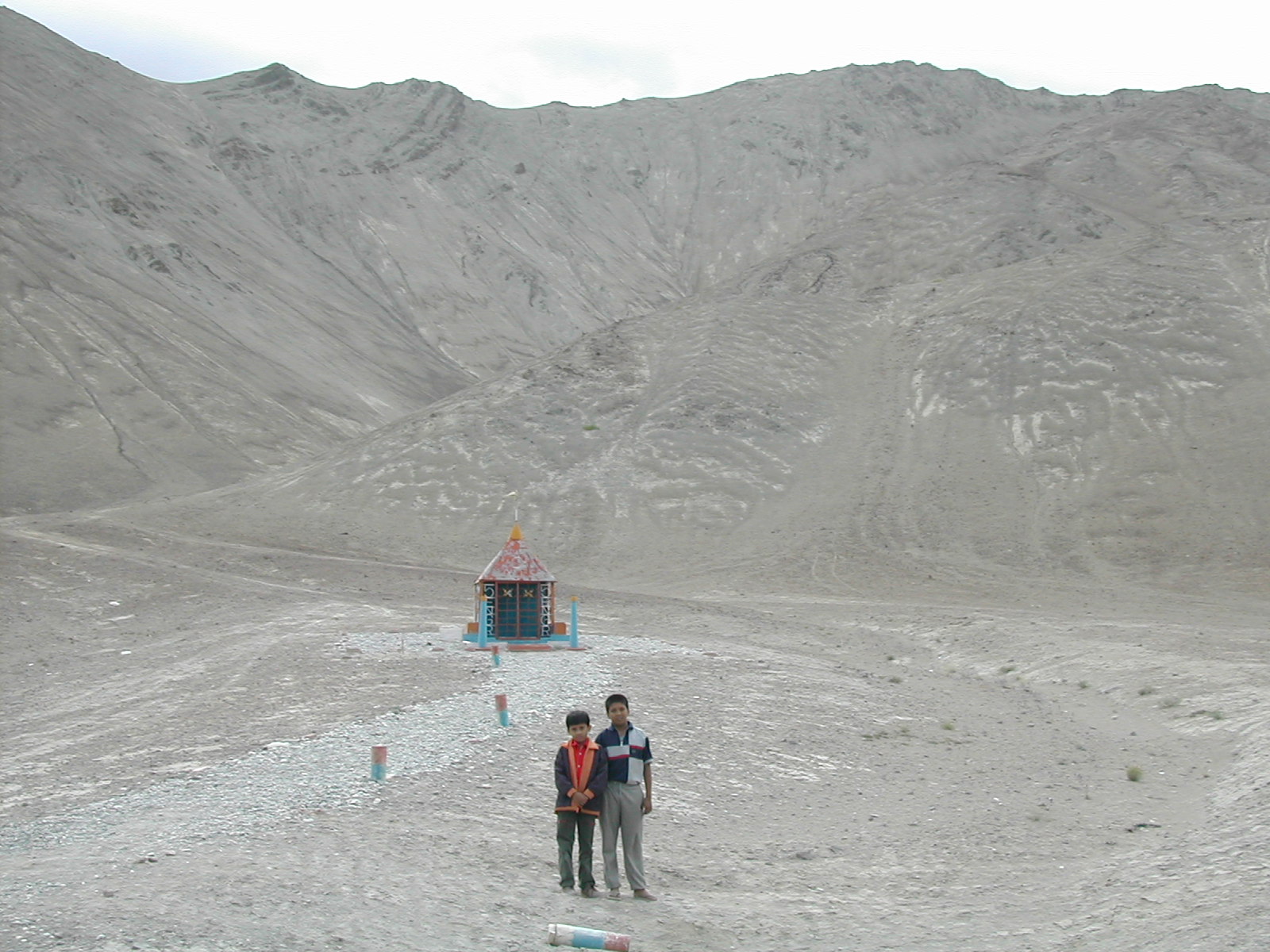
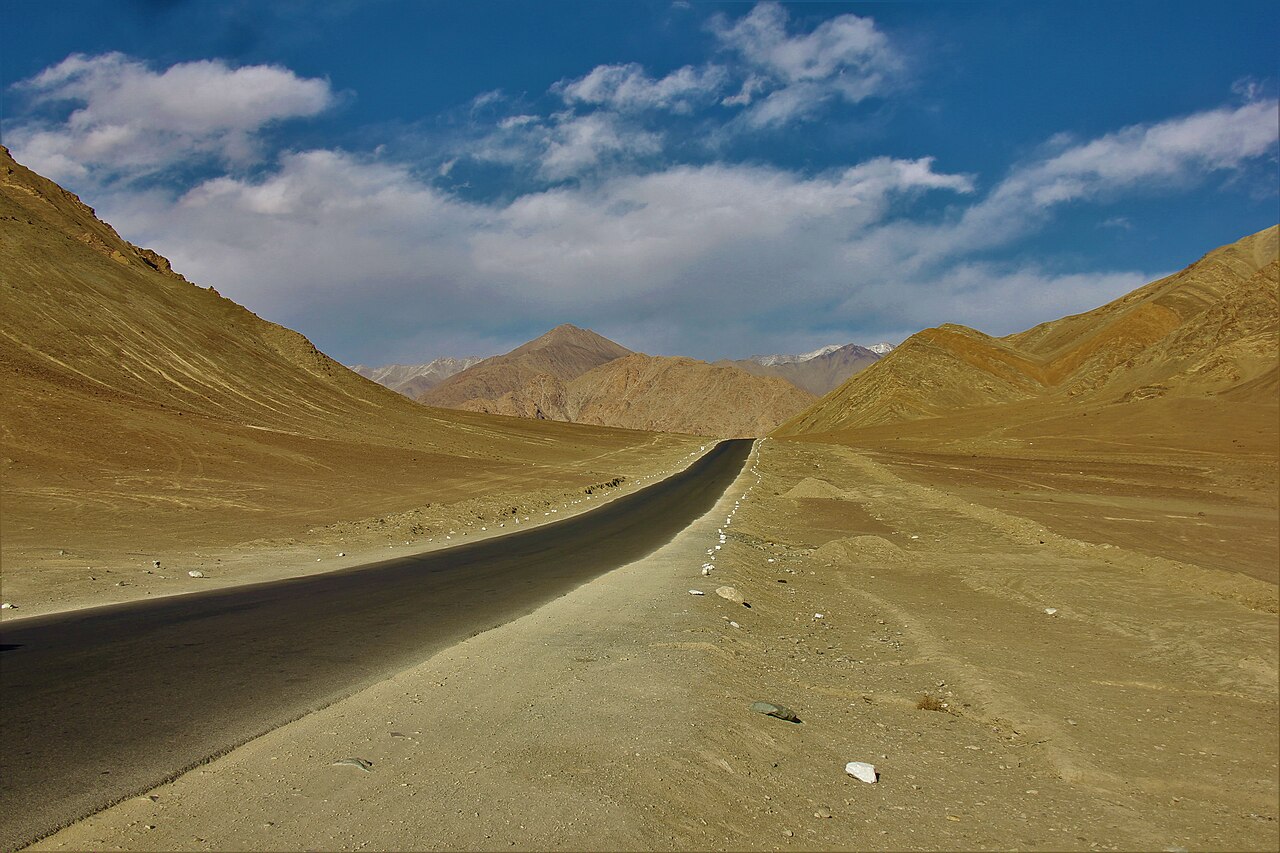
The surrounding topography creates the perfect environment for the optical illusion.Photo: Gktambe at English Wikipedia · Public domain
I have driven up to that white mark dozens of times, and every single time, I watch the same look of confusion cross the faces of my passengers. They take the car out of gear, lift their foot off the brake, and then—before they can even gasp—the car is rolling forward. It feels like the laws of physics have decided to take a holiday.
But once you step out of the car, the feeling shifts. You realize the road isn't behaving; it’s your senses. Understanding how magnetic hills work requires looking past the local legends and into the way our brains interpret a horizon line.
The Master of Optical Illusions
The 'magnetic' effect is almost entirely an optical illusion known as a gravity hill. When you are sitting in a car, your brain relies on the surrounding landscape to determine which way is 'level.' If the trees, the hills, or the horizon are slanted, your brain assumes they are vertical and uses them as a frame of reference.
At Magnetic Hill in Ladakh, the horizon is obscured or tilted by the surrounding mountain walls. Because you cannot see a true level line, your brain gets it wrong. It interprets a gentle downhill slope as an uphill climb. When you see your car rolling, you think it is moving against gravity, but it is actually just obeying the laws of nature by rolling down a shallow slope.

Why Vehicles Appear to Roll Uphill
It's a perfect storm of geometry. The road is built into a valley where the surrounding slope creates a skewed perspective. When you are inside the vehicle, you don't have the external cues needed to realize you are on a decline.
I have tried to beat the illusion by walking the road myself. Even on foot, it is incredibly difficult to judge the slope. You feel like you are walking on a slight incline, but if you poured a bottle of water on the road, you would see the liquid rush away from you. The brain's reliance on visual frames of reference is so strong that even knowing it is an illusion doesn't make it feel any less real.
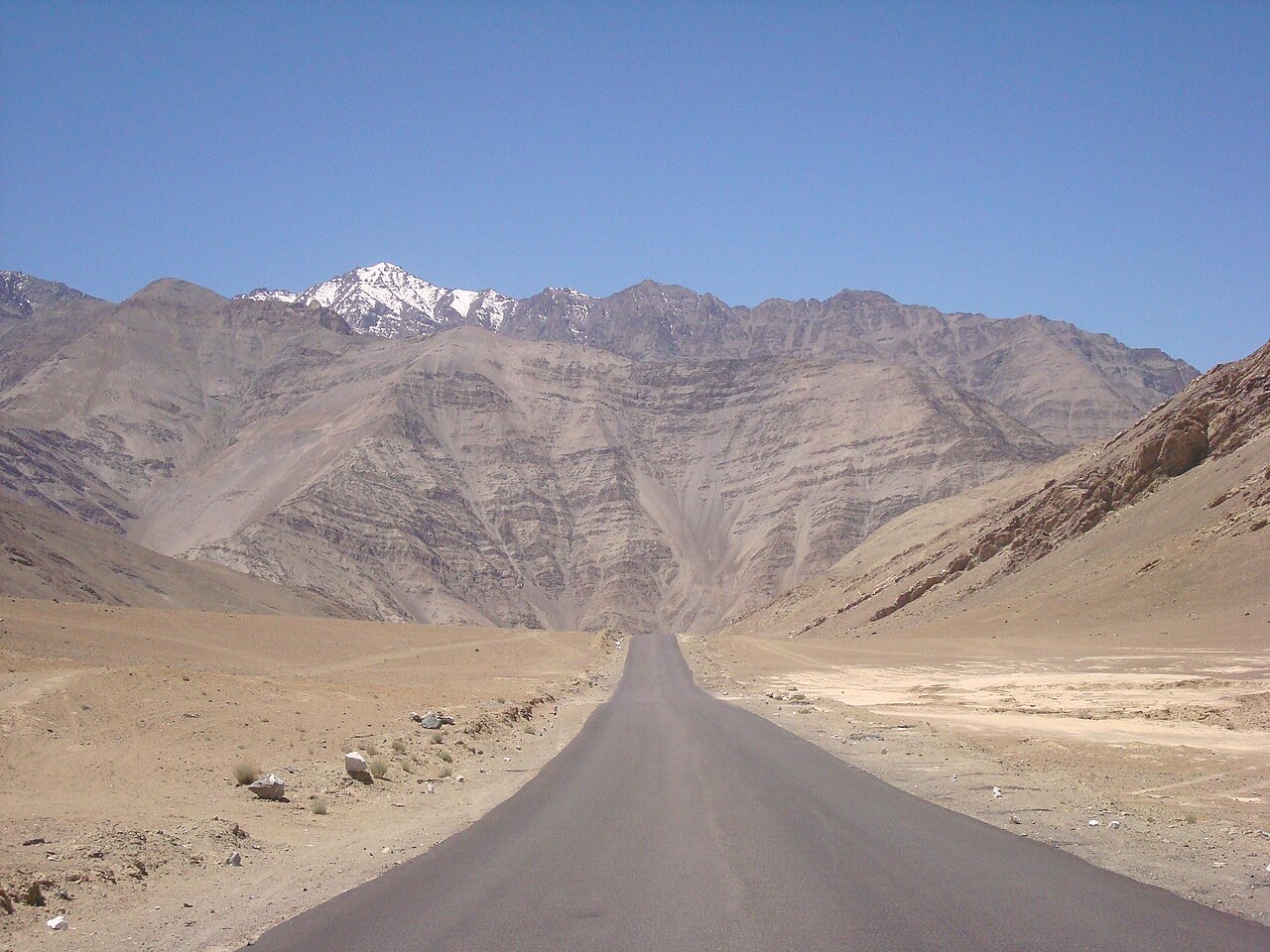
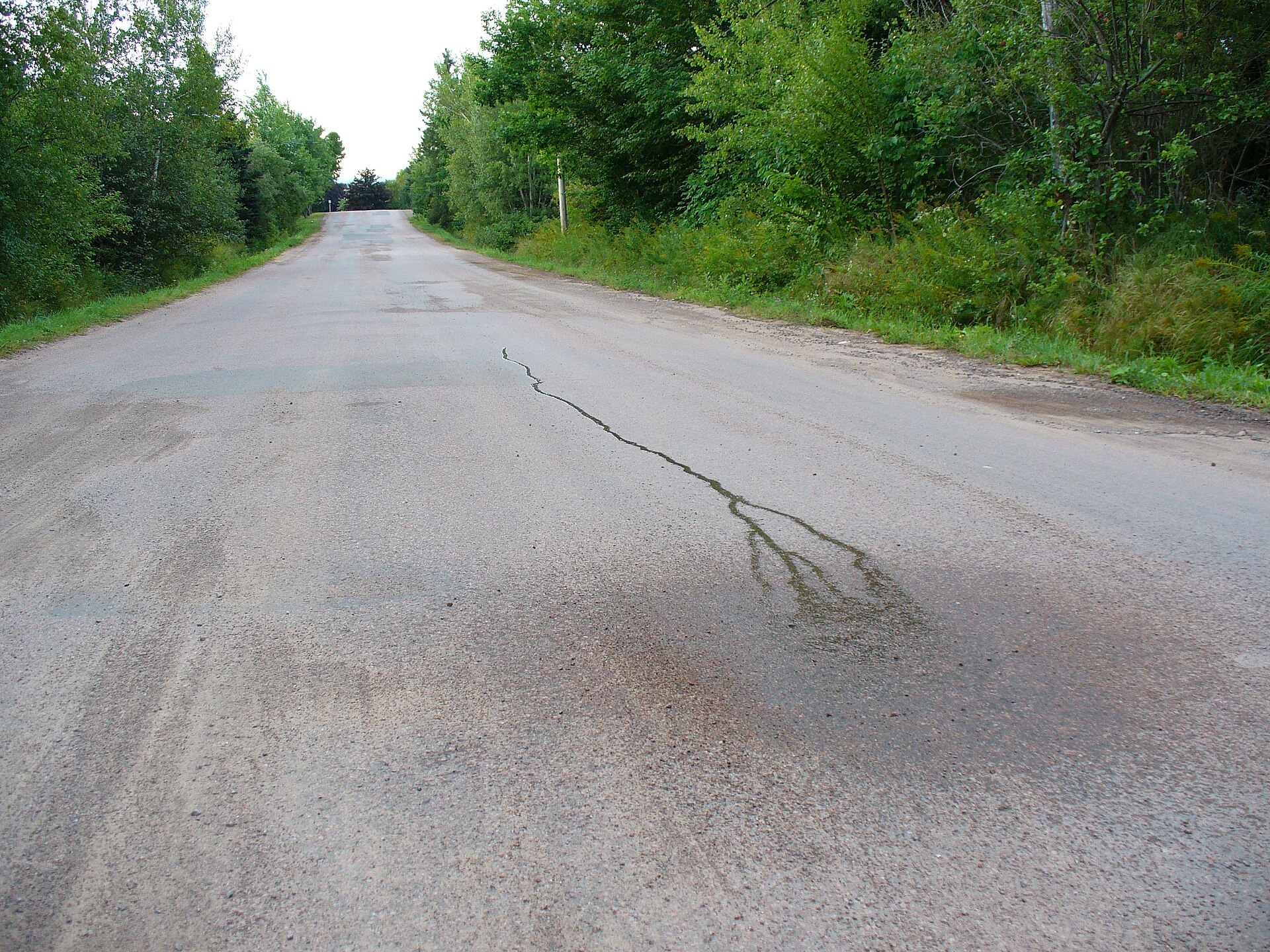
Magnetic Hills Around the Globe
Ladakh is not the only place with this quirk. There are 'gravity hills' scattered all over the world. From Magnetic Hill in New Brunswick, Canada, to similar sites in South Korea and Australia, they all share common characteristics. They are almost always found in areas with limited horizon visibility and specific topographical features.
In every one of these locations, the local folklore insists on mysterious magnetic forces or haunted spirits pulling vehicles. It is a testament to how much we love a good story. People would rather believe in an unseen, mystical force than accept that their eyes are susceptible to a simple trick of perspective.
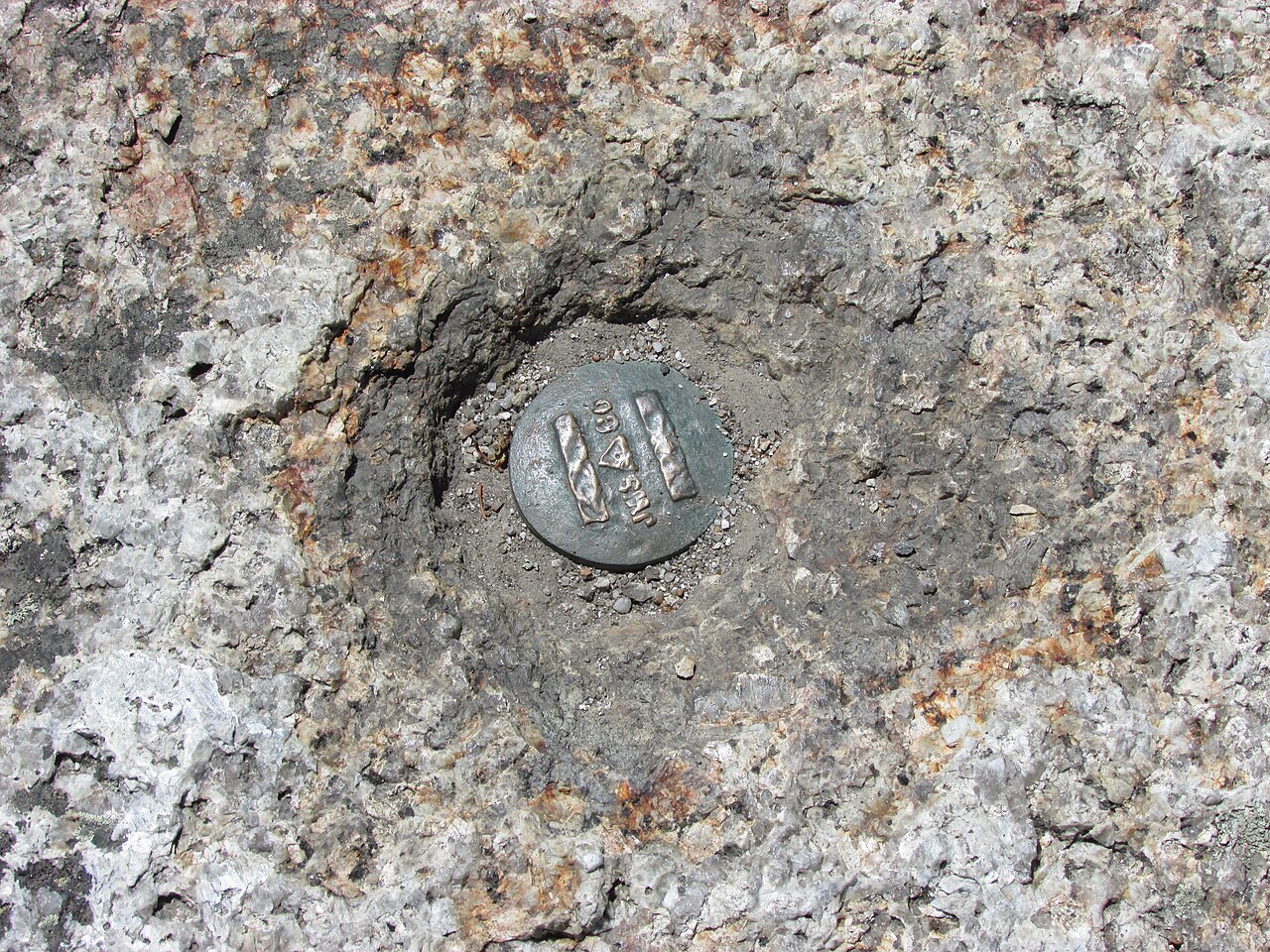
The Geophysical Reality
There is no credible scientific evidence suggesting that high-density magnetic rock in the region is powerful enough to pull a two-ton SUV. If the force required to move a car actually existed, it would be causing severe interference with navigation equipment, mobile phones, and even your pacemaker.
The 'magnetic' label is really just a placeholder for the mystery. Geologists have surveyed many of these sites and have consistently found no anomalous magnetic fields. The slope is always there—measured by standard surveying equipment—and the horizon line is always the culprit behind the trick.
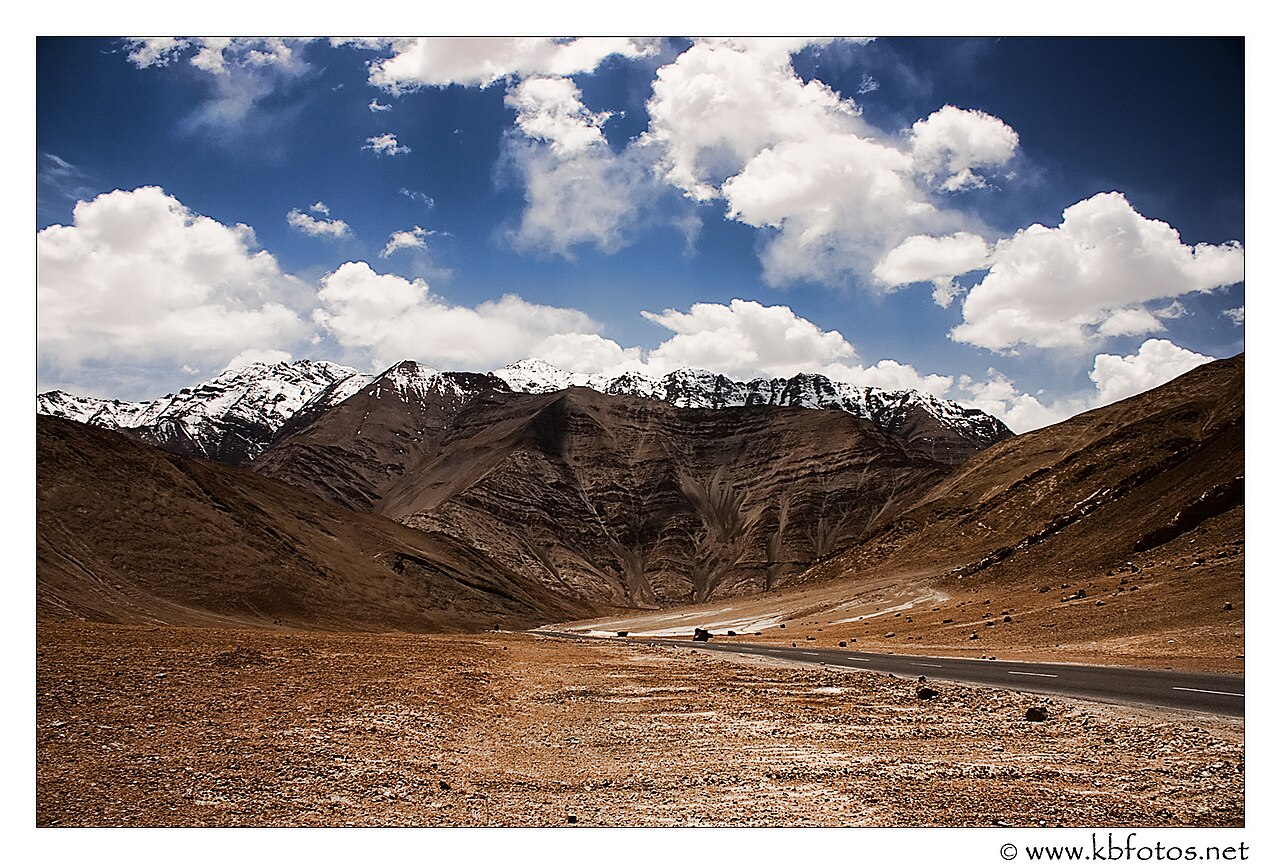
Debunking the Magnetic Myths
Does it ruin the experience to know it is just physics? Not at all. In fact, it makes the site more interesting. When you stand there and try to trick your brain into seeing the real slope, you are engaging in a fascinating cognitive exercise.
We tell our guests to look at the surrounding mountains instead of the road. If you find a flat, horizontal line in the distance, use that to align your eyes. Suddenly, the 'uphill' road will flatten out, and the illusion will vanish. It is a moment of clarity that reminds us how much of what we see is a construction of our own minds.
Before you book
Magnetic Hill is a beautiful reminder that our perception of the world is not always accurate. It shows us how easily we can be convinced of the impossible if the setting is right.
If you are traveling through Ladakh, this stop is worth it for the perspective shift alone. We can help you integrate this into a larger tour of the region’s natural wonders. Let us know if you want to explore more of what the high desert has to offer.
Ready to experience the mystery yourself?
We specialize in showing travelers the true character of Ladakh, from the scientific to the sublime. Contact us to start planning your visit.
Start PlanningWritten by
Kashmir, Jammu & Ladakh specialists
We plan and run trips across Kashmir, Jammu and Ladakh every week of the year. Everything here comes from routes we drive, stays we inspect and questions our travellers actually ask.
Quick answers
Questions we get asked
Is there really a magnetic force at the hill?
No. Scientists and geologists have confirmed that the hill lacks any magnetic properties capable of moving heavy vehicles. It is purely an optical illusion.
Why do locals call it 'Magnetic Hill'?
The name is a popular term applied to gravity hills worldwide, likely coined to capture the mystery of the experience for tourism purposes.
Can I prove it's an illusion?
Yes. If you use a spirit level or a simple app on your phone, you will see that the road is actually on a gentle downward slope.
Are there other magnetic hills in the world?
Yes, there are several, including sites in Canada, Italy, South Korea, and various other countries, all sharing the same optical-illusion-based phenomenon.
Is the effect real enough to move a neutral gear car?
Absolutely. On a slight downhill slope, any car in neutral will roll forward. The illusion is that your eyes convince you that you are rolling in the wrong direction.
Photography credits
- Photo: Gktambe at English Wikipedia · Public domain
- Photo: Laurie Piskun · CC BY-SA 3.0
- Photo: Arindam Das · CC BY 3.0
- Photo: Debashritaiitmandi · CC BY-SA 4.0
- Photo: DrStew82 · CC BY-SA 4.0
- Photo: Kartikey Brahmkshatriya · CC BY-SA 3.0
- Photo: AKS.9955 · CC BY-SA 4.0