The Legend Behind the Name: Yusmarg
Exploring folklore, local history, and the mystical heritage of the Meadow of Jesus.
Curious about yusmarg meaning and its connection to local folklore? Discover the history, legends, and cultural heritage behind Kashmir's Meadow of Jesus.
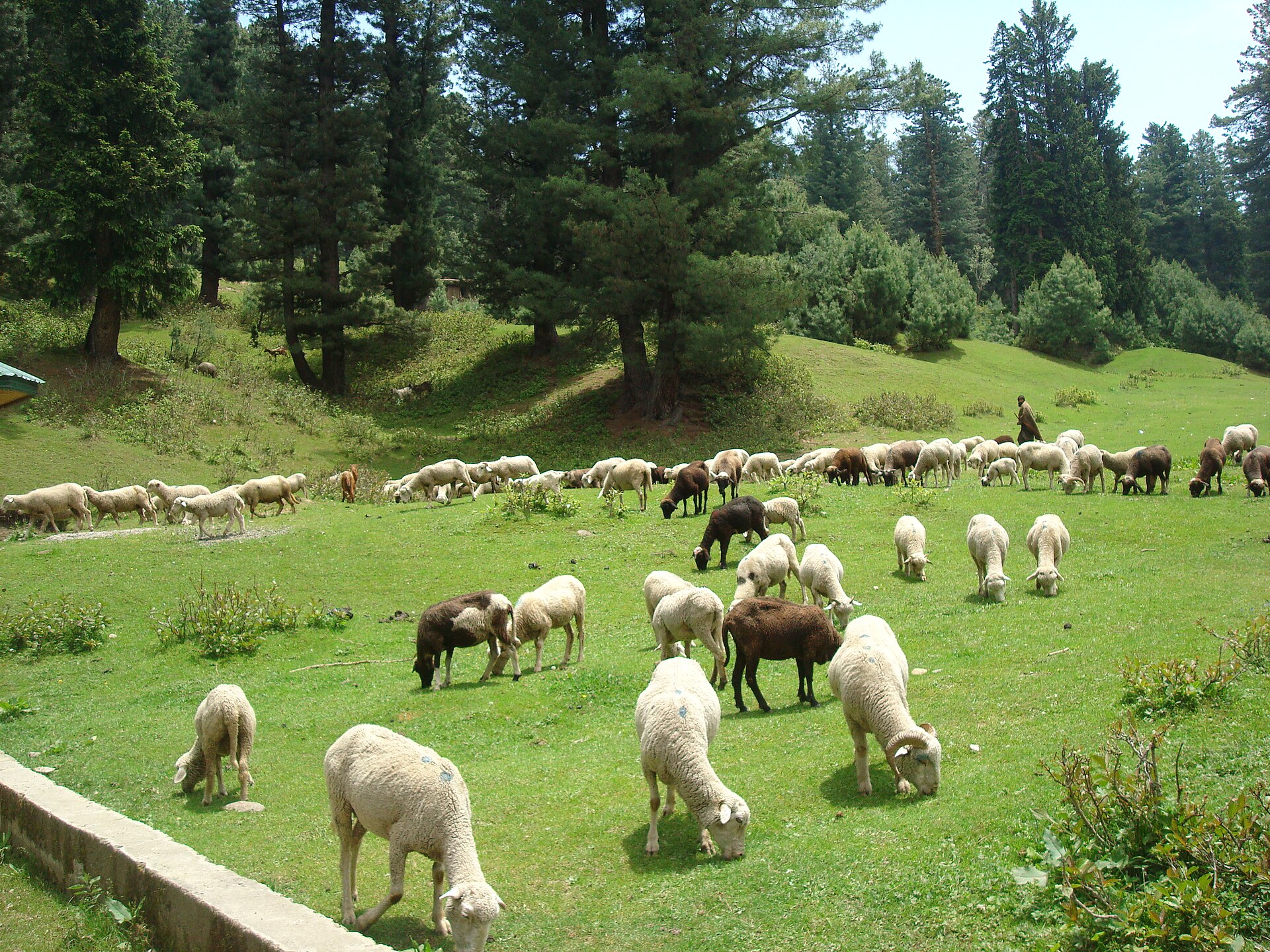
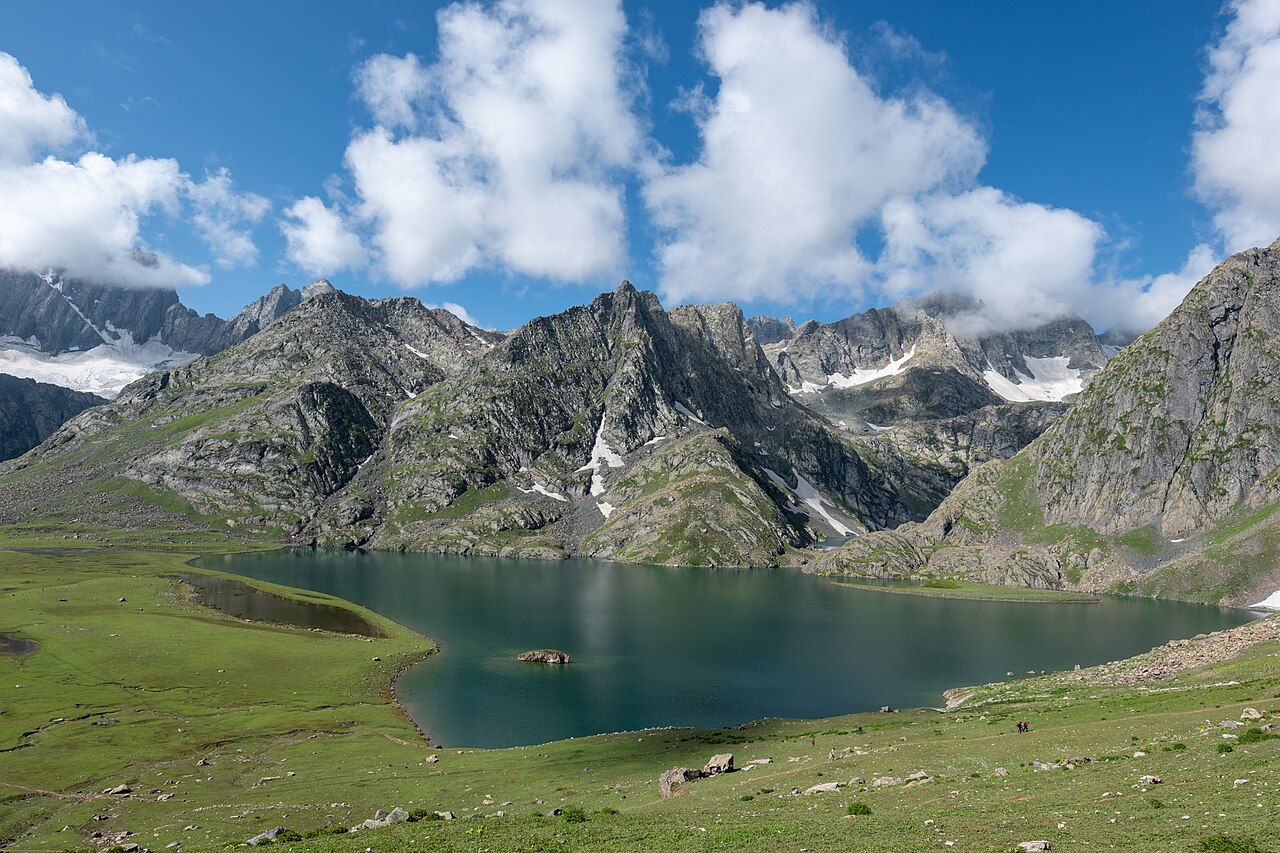
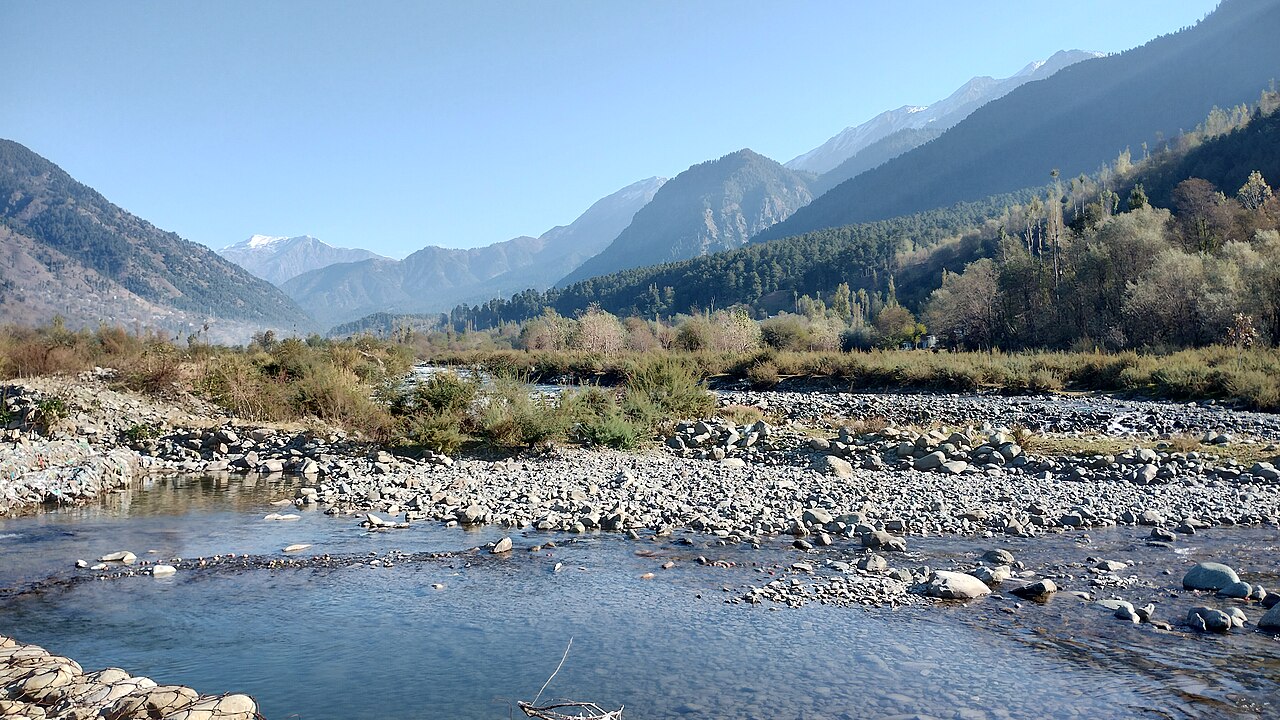
The mystical high-altitude bowl of Yusmarg has inspired folklore for centuries.Photo: Debashritaiitmandi · CC BY-SA 4.0
Standing at the edge of the Doodhganga river as mist clings to the pine trees, it is easy to understand why ancient travellers imbued these silent meadows with sacred mythology.
For centuries, local shepherds and village elders have passed down stories explaining the yusmarg meaning—translating directly to 'Meadow of Jesus' in the Kashmiri language. Unlike the commercialized tourist hubs elsewhere in the valley, this high-altitude bowl in Budgam district retains an aura of ancient mystery.
Historians, folklorists, and curious travellers have long debated the origins of these oral traditions. Let us step back in time and explore how a remote grazing ground earned its legendary place in Kashmiri history.
The Origin of the Name: Decoding Yusmarg
To understand the name, we must look at the linguistics of the Kashmiri language. 'Yus' is widely believed by local historians to be a shortened local variation of 'Yuz', the Kashmiri name for Jesus (Isa al-Masih). 'Marg' translates simply to meadow or pasture across the Pir Panjal range.
According to regional folklore, Jesus of Nazareth travelled eastward during his 'lost years', journeying through Persia and into the Kashmir Valley to preach to the lost tribes of Israel. Oral tradition maintains that he spent time resting and grazing flocks in this exact highland basin.
While modern academic historians debate the physical journey of Jesus to Kashmir, the cultural weight of the legend remains firmly embedded in local nomenclature. To the people of Budgam, the name is not a metaphor; it is an enduring historical record passed down through fifty generations of herdsmen.
- Yus stands for Yuz or Jesus in traditional Kashmiri oral histories.
- Marg refers to high-altitude alpine pastures used for summer grazing.
- The legend connects Budgam to a wider network of ancient Silk Road pilgrimage routes.
Historical Legends and Sacred Sites Across the Valley
The narrative surrounding Yusmarg does not exist in isolation. It forms a fascinating chapter in a broader tapestry of Kashmir folklore that places the valley at the crossroads of ancient religious migrations and mystical traditions.
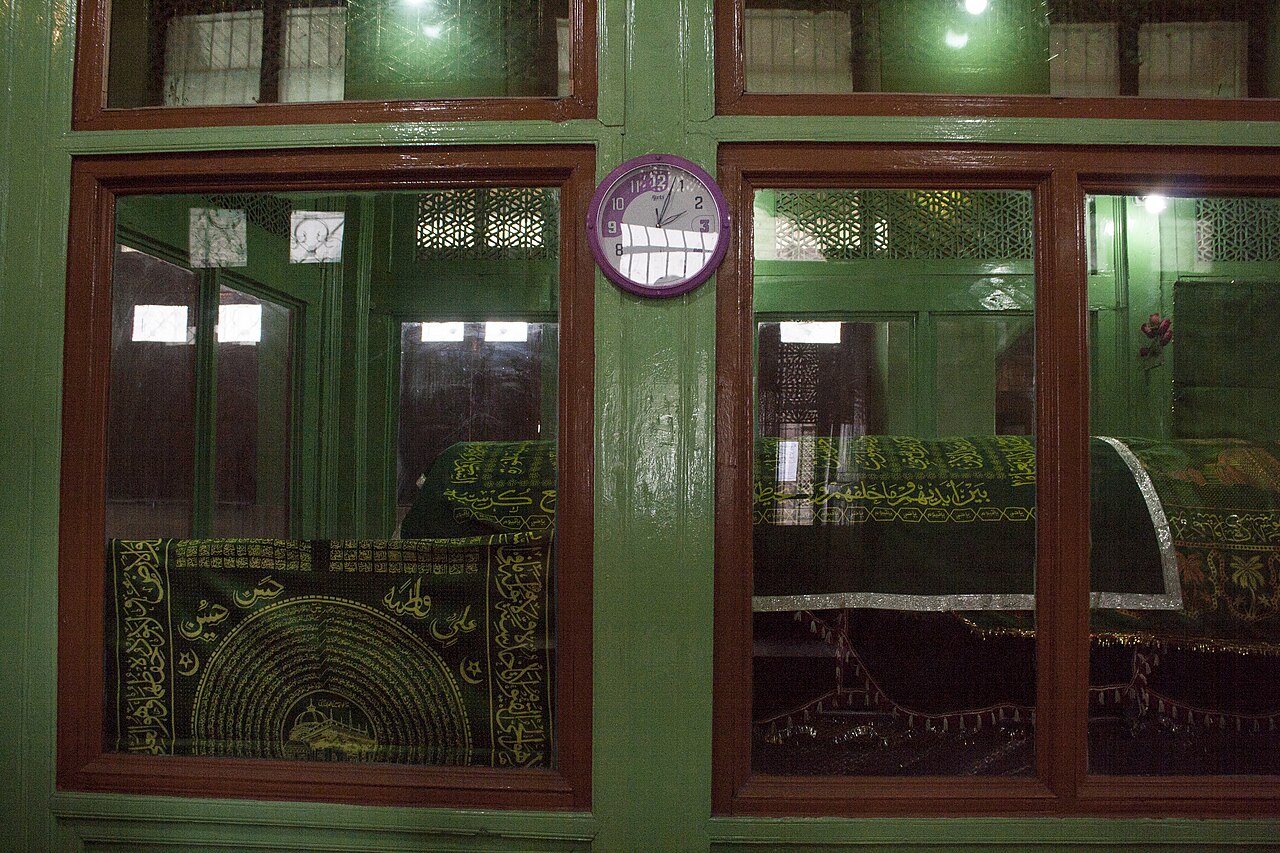
Just a few hours away in Srinagar stands Roza Bal, the shrine that many local historians and independent researchers claim houses the tomb of Yuz Asaf—identified by proponents as Jesus who survived the crucifixion and lived to old age in Kashmir.
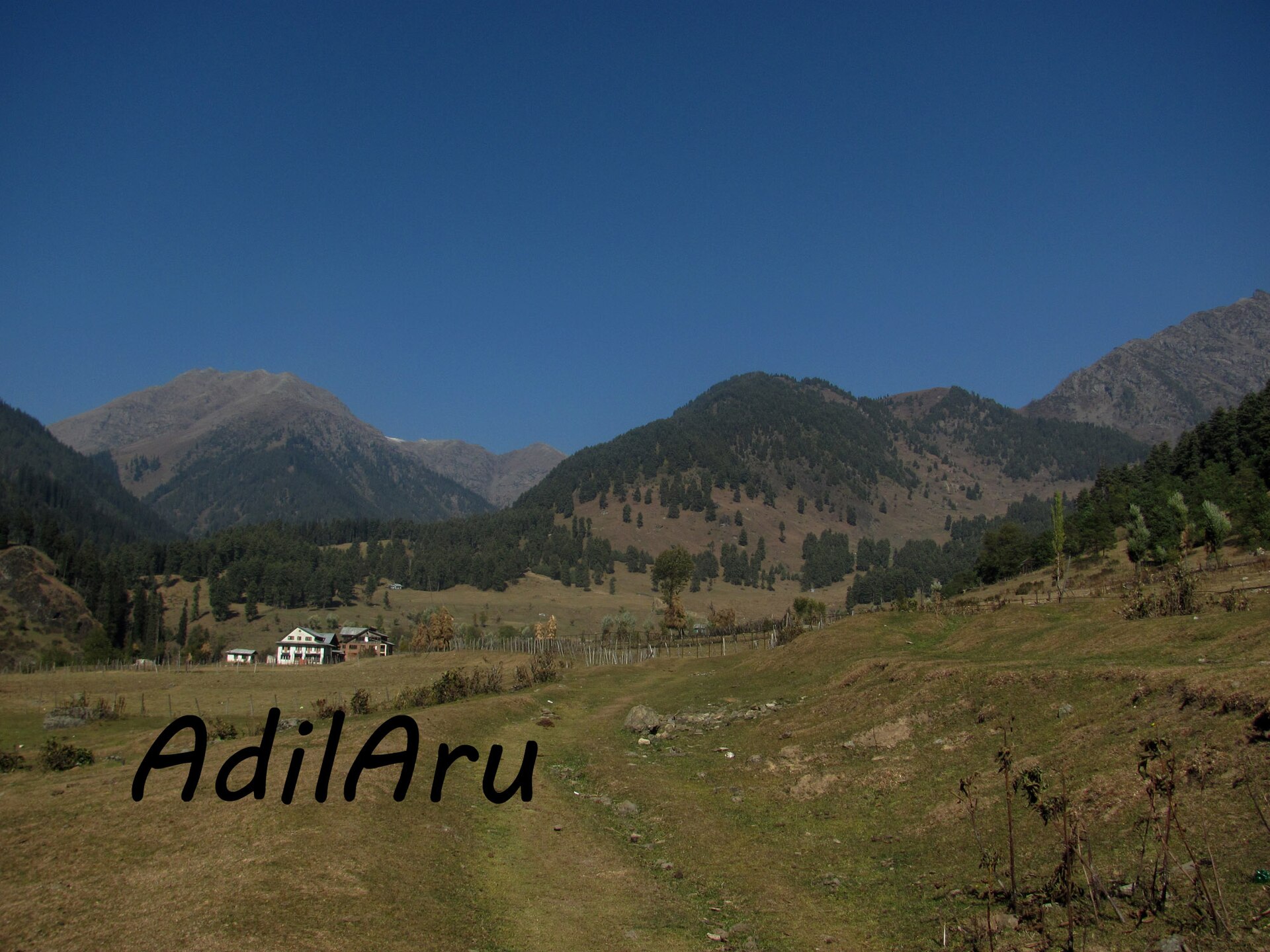
When you travel from Srinagar up through Charar-e-Sharif to reach Yusmarg, you are moving through a landscape dotted with shrines dedicated to Sufi saints like Sheikh Noor-ud-Din Wali. These spiritual geographies overlap seamlessly, blending Islamic mysticism with older folkloric memories.
To the people of Budgam, the name is not a metaphor; it is an enduring historical record passed down through fifty generations of herdsmen.
Significance of the Location in Traditional Kashmiri Folklore
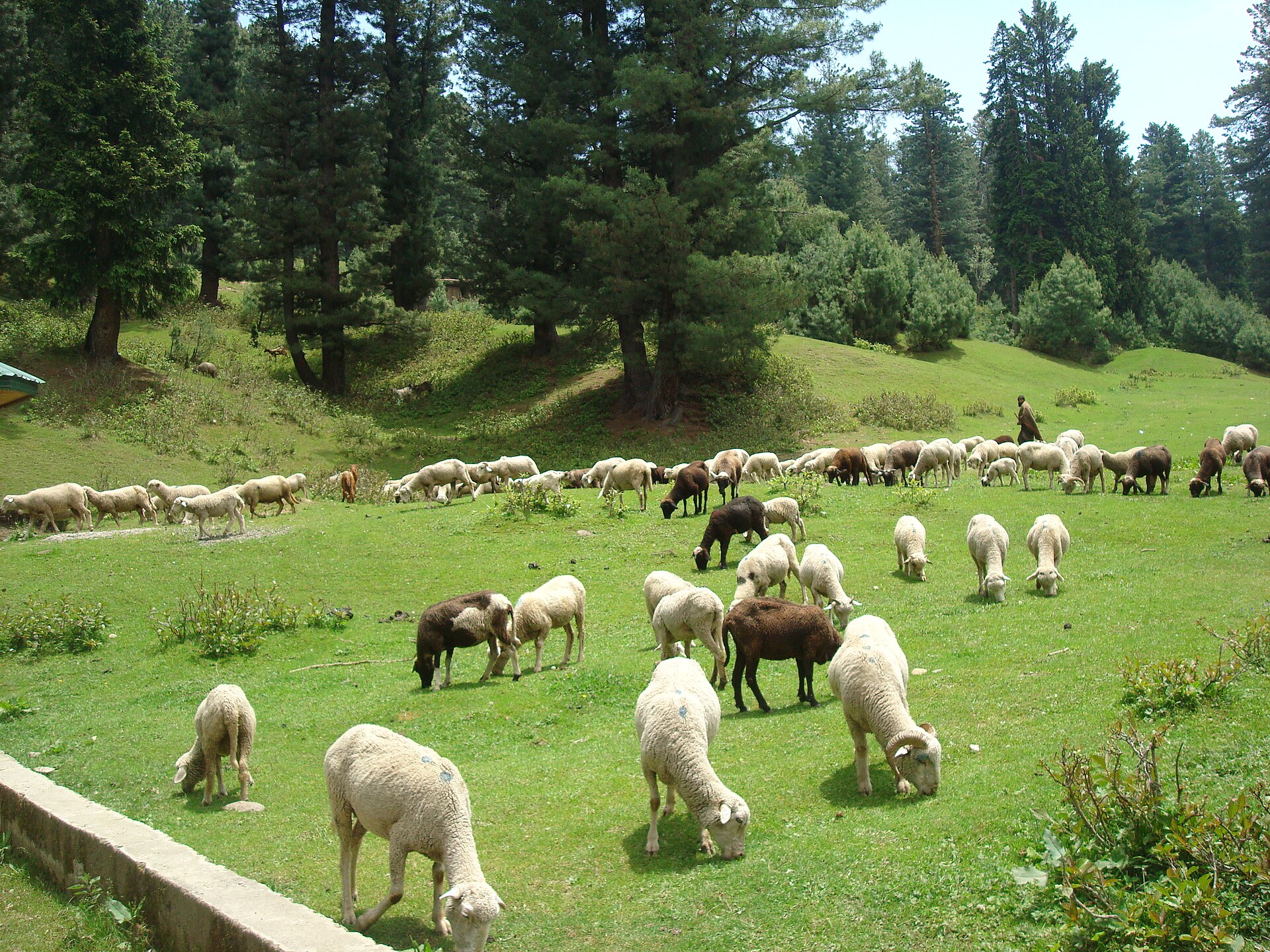
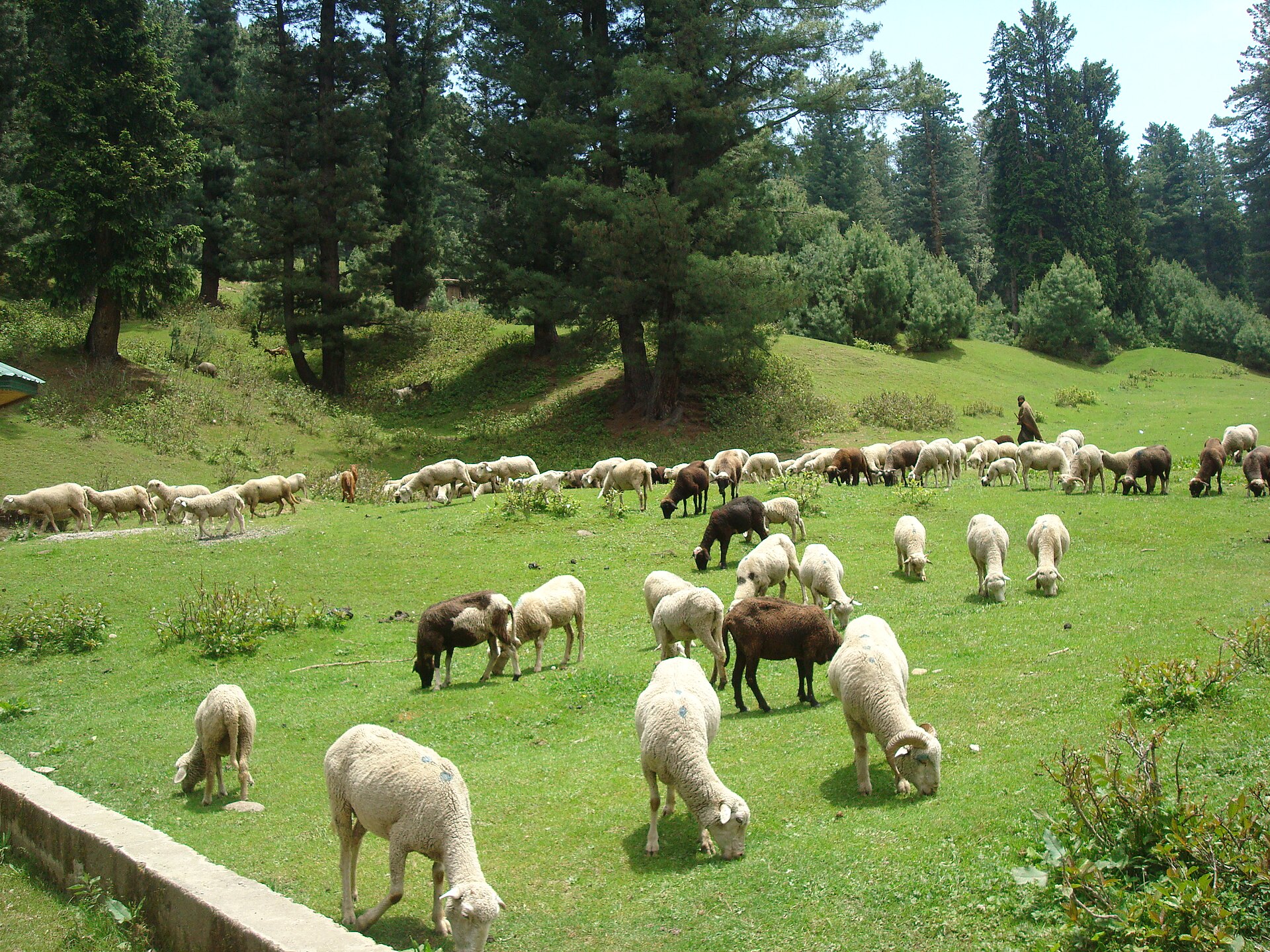
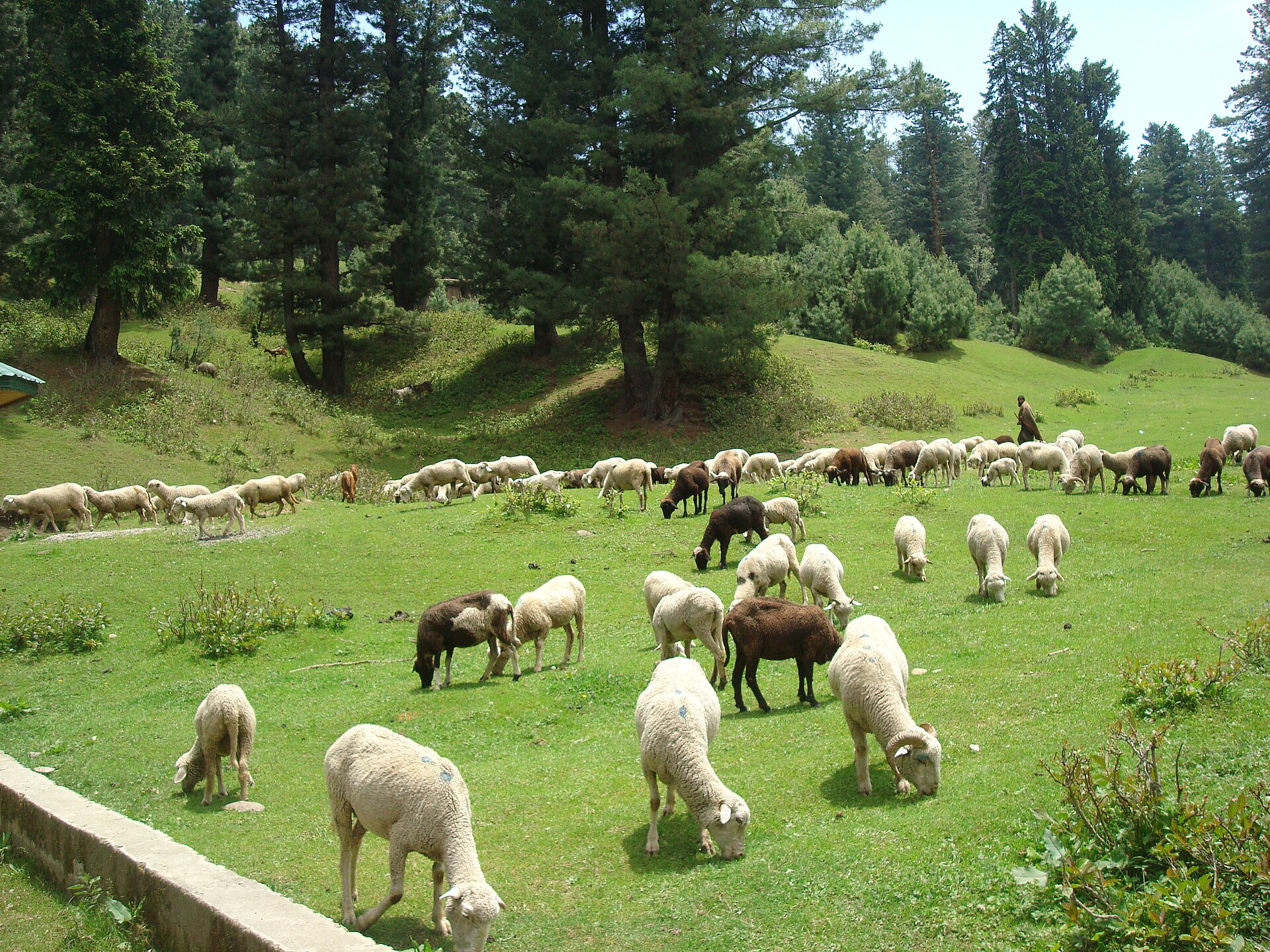
Long before tourism boards printed glossy brochures, Yusmarg was valued solely for its geography. It served as a vital summer destination for nomadic Bakerwal and Gujjar tribes driving their livestock up from the plains to escape the blistering heat.
Folklore in these mountains often personifies nature. Stories told around shepherd fires describe the meadows as a place of sanctuary where spiritual figures found peace away from worldly chaos. The absolute silence of the basin, broken only by the roar of the distant Doodhganga, fostered an atmosphere conducive to meditation.
Elderly residents in nearby villages still speak of mysterious lights and unexplainable peace felt near the tree line at dusk, attributing the unique energy of the place to its ancient sacred visitors.

Cultural Heritage of the Budgam Region
Budgam district itself is a treasure trove of ancient heritage that often gets overshadowed by the more famous monuments of Anantnag or Srinagar. The region bridges the Srinagar plains and the rugged Pir Panjal mountains.
The architecture of the old wooden houses in villages surrounding Yusmarg reflects a carpentry style refined over centuries to withstand heavy winter snowfalls. Traditional crafts, including intricate walnut wood carving and wool weaving, are preserved in these rural pockets.
When you walk through the meadows, you are walking across land managed through centuries-old community grazing rights. The local culture here is fiercely protective of the natural environment, viewing the landscape as a living heritage passed down by ancestors.
The Role of Nomadic Herders in Preserving Oral History
The Gujjar and Bakerwal families who camp in Yusmarg during summer months are the true custodians of local history. Sitting by their temporary mud-brick and canvas tents, you hear stories that have never been written down in history books.
They maintain an intimate knowledge of every stream, ridge, and cave in the surrounding hills, keeping alive the ancient oral traditions that give the Meadow of Jesus its enduring cultural identity.
Exploring the Mystical History of the High-Altitude Meadows
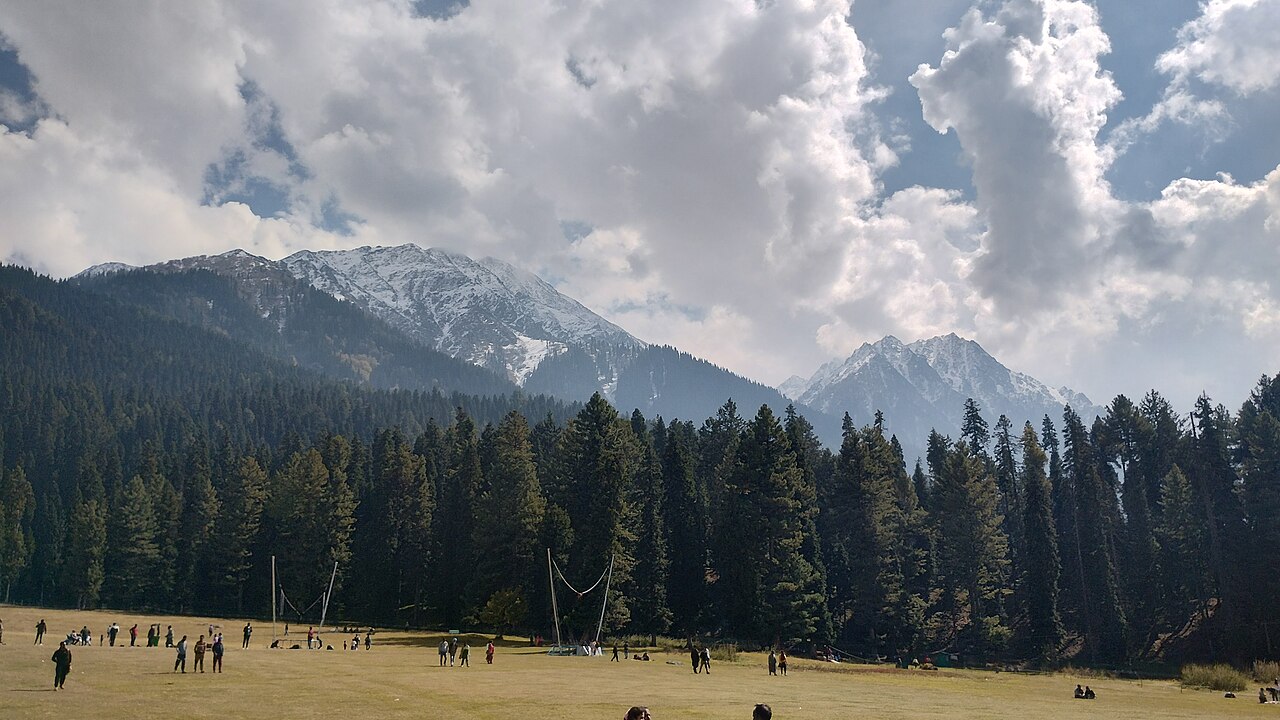
Visiting Yusmarg today offers a rare opportunity to connect with a landscape that feels largely untouched by modern commercialism. While horse tracks and tea shacks have multiplied, the core spirit of the valley remains serene.
If you hike up toward Nilnag or explore the alpine bowl behind the forest rest house, take a moment to sit quietly. Think about the merchants, holy men, and shepherds who walked these exact mountain paths two thousand years ago.
Understanding the history transforms a simple sightseeing trip into a deeply immersive cultural journey through the soul of the Kashmir Valley.
- Visit in spring when wildflowers bloom across the legendary grazing grounds.
- Take a guided trek to trace the historical shepherd trails toward the higher ridges.
- Combine your historical tour of Budgam with a visit to the shrine at Charar-e-Sharif.
Before you book
Names in the Kashmir Valley are rarely random labels; they are archives of memory, myth, and migration. Uncovering the history behind Yusmarg reminds us that every mountain and stream holds stories waiting to be heard by those willing to listen.
Whether you are drawn by the legends of ancient wanderers or simply the pristine alpine air, our team can help you design a journey that connects the dots across Budgam's rich cultural landscape.
Discover the Legends of Yusmarg With Local Experts
Let our knowledgeable guides take you beyond the standard viewpoints to explore the deep history and hidden trails of Budgam district.
Plan Your Historical JourneyCaption for your own post
Unravelling the legends of Yusmarg. Here is the fascinating history behind the Meadow of Jesus in Budgam district.
Written by
Kashmir, Jammu & Ladakh specialists
We plan and run trips across Kashmir, Jammu and Ladakh every week of the year. Everything here comes from routes we drive, stays we inspect and questions our travellers actually ask.
Written after listening to oral histories shared by elderly shepherds around evening campfires in Budgam.
Quick answers
Questions we get asked
What is the exact yusmarg meaning in Kashmiri?
In Kashmiri, 'Yus' is a short form of Yuz (Jesus) and 'Marg' means meadow. Together, the name translates to Meadow of Jesus, reflecting centuries of local oral folklore.
In which district is Yusmarg located?
Yusmarg is located in the Budgam district of Jammu and Kashmir, approximately 47 kilometres southwest of Srinagar city centre.
Is there historical proof that Jesus visited Yusmarg?
There is no academic or archaeological proof, but the connection is deeply rooted in Kashmiri folklore, regional texts, and oral traditions maintained by local village elders for generations.
How do I get from Srinagar to Yusmarg?
The journey from Srinagar takes roughly two hours by car, passing through Budgam town and the historic town of Charar-e-Sharif via a scenic mountain highway.
What is the best time of year to explore Yusmarg's history?
Summer and early autumn (May to October) offer clear weather for exploring the meadows, talking with local shepherds, and hiking the historical trails without snow blockages.
Photography credits
- Photo: Debashritaiitmandi · CC BY-SA 4.0
- Photo: AdilAru · CC BY-SA 3.0
- Photo: Rohit Sharma · CC BY-SA 4.0
- Photo: Indrajit Das · CC BY-SA 4.0
- Photo: MODIS Land Rapid Response Team, NASA GSFC · Public domain
- Photo: Hellohappy · CC BY-SA 4.0
- Photo: Hellohappy · CC BY-SA 4.0