The Indira Gandhi Tulip Garden Experience: Beyond the Usual Stops
A deep look at the logistics, timing, and sensory reality of the Srinagar Tulip Festival, perfect for those planning their Kashmir spring tour.

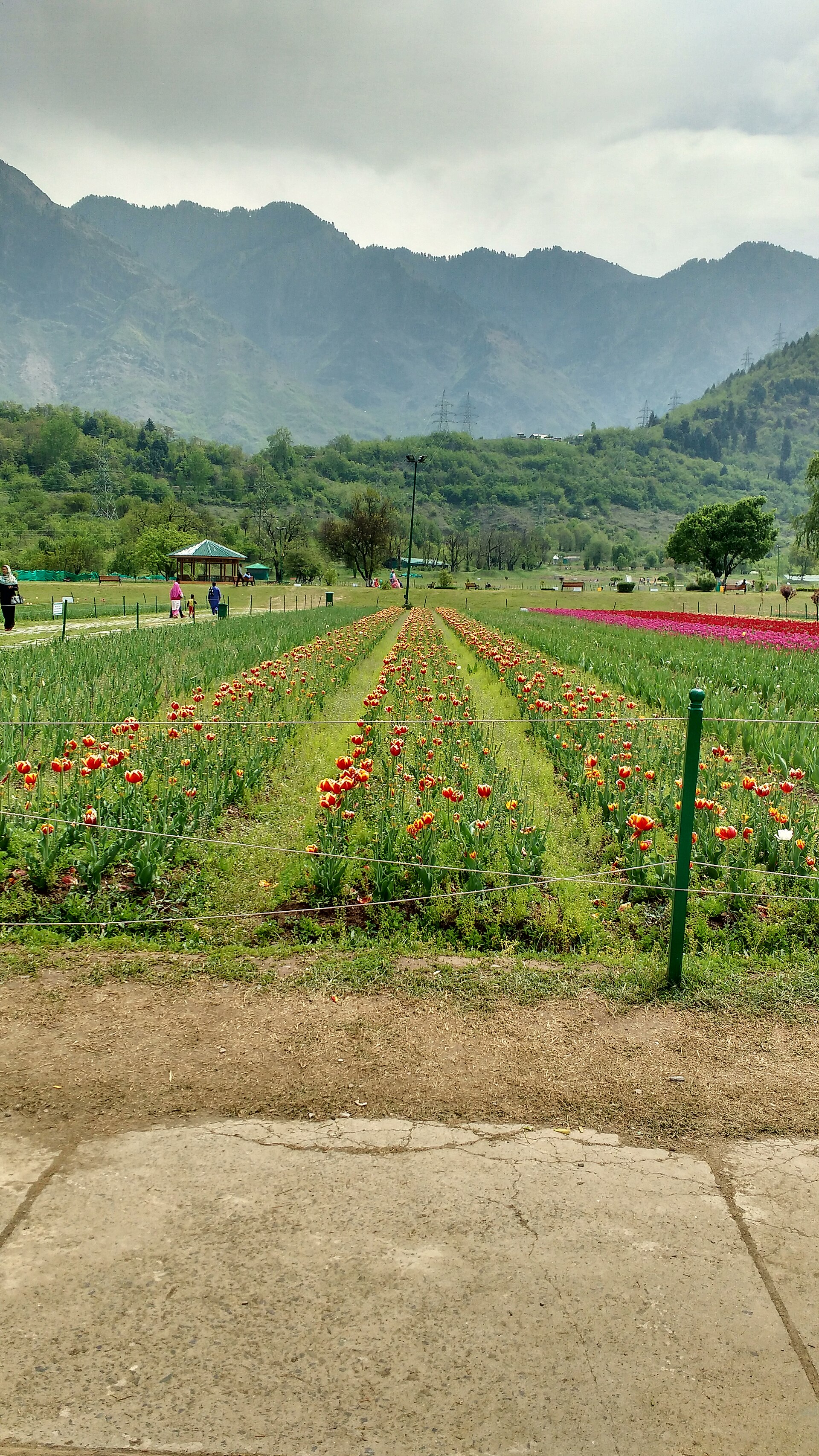
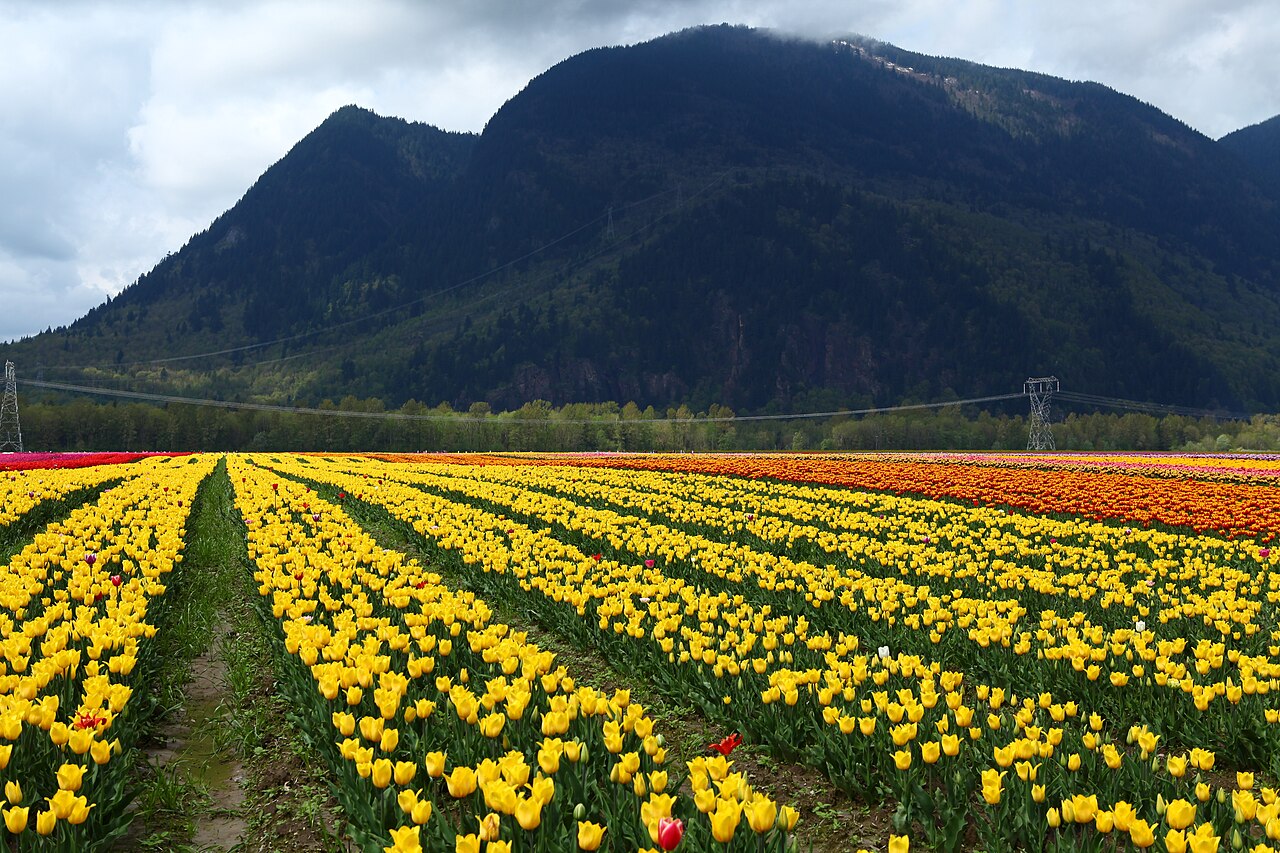
The garden creates a vibrant contrast against the snow-capped Zabarwan Range.Photo: Abdars · CC BY-SA 3.0
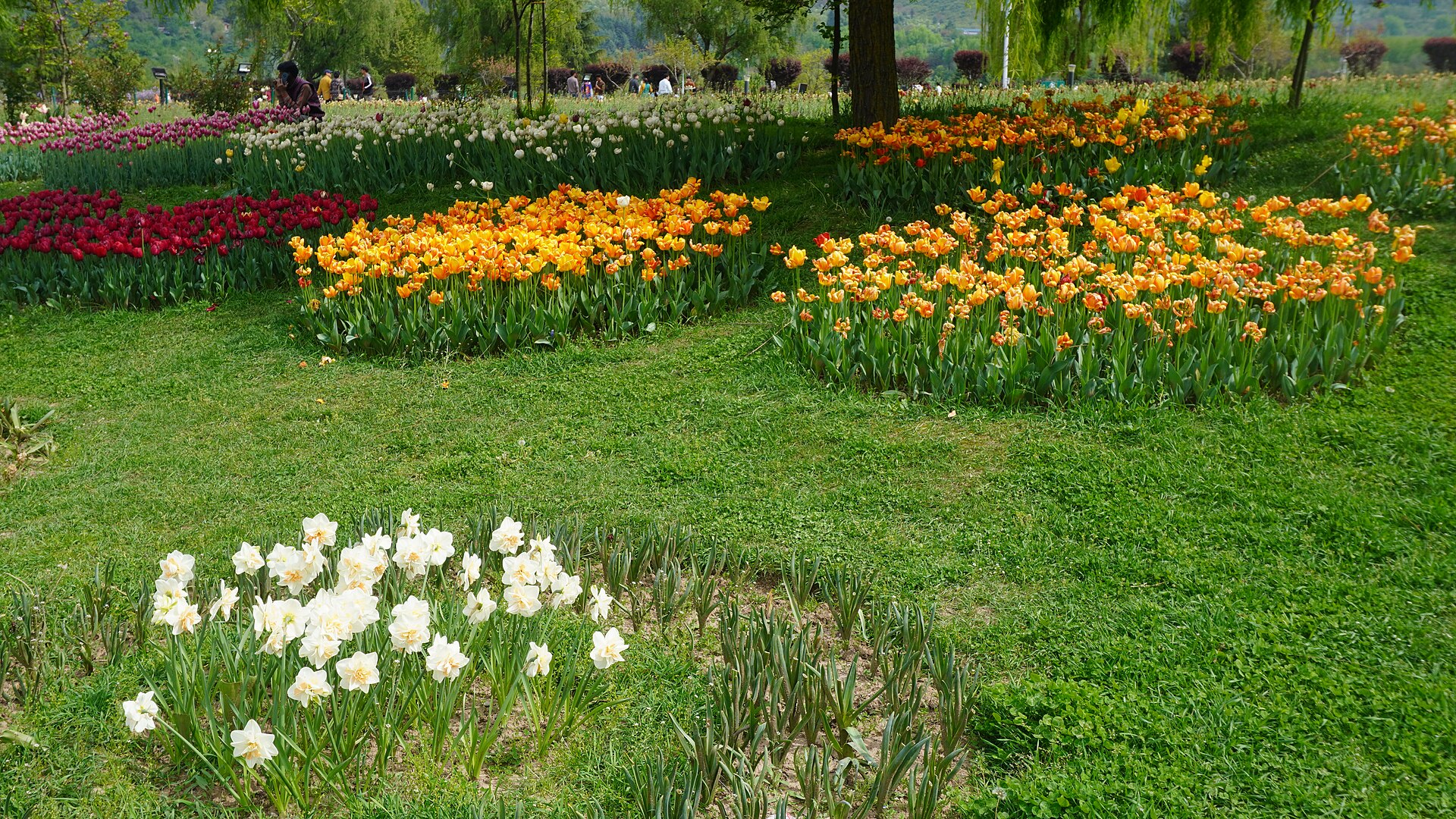
The first time I stood at the gates of the Indira Gandhi Tulip Garden, the sheer scale of the colour—rows of red, yellow, and deep purple stretching toward the Zabarwan foothills—made me forget the morning traffic in Srinagar.
Most visitors rush through the main gates, take their photos near the entrance, and leave within the hour. But the true Indira Gandhi Tulip Garden experience is found by walking the full perimeter, where the light hits the petals differently and the crowds thin out. If you are looking for a Kashmir Tulip Festival group tour package, it pays to understand what happens beyond the initial walk-through.
Why this site demands more than an hour
Many travellers view the garden as a quick pitstop between Dal Lake and the Mughal Gardens. This is a mistake. The garden spans roughly 30 hectares, and the design changes year by year as the horticultural team introduces new varieties. When you move past the first two terraces, you find the quieter paths where the tulips are often denser and better maintained.
I suggest carving out at least three hours. Bring a light jacket, even if it feels warm near the entrance; as you gain elevation on the higher terraces, the wind coming off the mountains turns chilly. The contrast between the formal, arranged beds and the wild, snow-dusted slopes of the Zabarwan Range is the real reason people return annually.

Essential logistics for your visit
The garden is only open for about 20 to 30 days every spring. Because the bloom depends entirely on the temperature, the opening date is never set in stone. We generally advise clients to aim for mid-April. This is when the majority of the hybrids are in full, robust bloom.
Entry tickets are usually priced around 60 to 100 rupees for adults, which you can purchase at the gate or through a pre-arranged tour. Queues can be long, particularly on weekends. If you are part of a larger group, we always coordinate entry times to hit the gate just as it opens at 9:00 AM. This gives you a clear hour before the coaches arrive from the city.

What the research says travellers ask
People consistently ask if they can bring tripods for photography. Professional equipment is often restricted, but for a standard DSLR or mobile phone, you are fine. Just remember to stay on the designated paths. The soil is soft, and stepping into the flower beds is strictly prohibited to protect the bulbs for the following season.
Another frequent question is about refreshments. There are small kiosks selling tea and light snacks inside, but the quality varies. I prefer carrying a bottle of water and a few local snacks from the city, then heading to a reliable spot in the Mughal Gardens area for lunch once the walk is finished.
Planning your daily routine
Do not try to do too much in one day. Start your morning at the tulip garden, then take a short drive to the nearby Mughal Gardens like Nishat or Shalimar in the afternoon. The proximity allows you to see the contrast between the seasonal tulips and the permanent, grander architecture of the Mughal sites.
If you are travelling with a group, keep the logistics simple. Stick to one central vehicle for the day. Trying to manage local taxis or shared transport between these spots can lead to wasted time waiting on roadsides, which is rarely a good start to a holiday.

Avoiding common mistakes
The biggest mistake is visiting at midday. The sun is harsh, the light is flat for photography, and the crowd density is at its peak. You end up waiting behind people for every single photo. By 1:00 PM, the garden often feels claustrophobic.
Another pitfall is ignoring footwear. You will be walking on loose gravel and inclined slopes for several hours. Leave the formal shoes or heels in your hotel. A pair of broken-in sneakers or sturdy walking shoes is non-negotiable here.
How Skywale can help
We handle the planning so you can focus on the walk. Our Kashmir Tulip Festival group tour packages are designed to bypass the worst of the crowds by adjusting arrival times based on real-time traffic updates. We don't just book your entry; we ensure you have a local guide who knows where the best clusters are blooming on that specific day.
Whether you need transport from Srinagar airport or help with full-itinerary coordination, we are here. A good tour package is about removing the friction of travel so you actually enjoy the place you spent so much time dreaming about.
Before you book
The Indira Gandhi Tulip Garden is a testament to the effort required to make the Kashmir valley bloom in early spring. It is a place that rewards patience and early starts, offering a unique perspective on the region's dedication to its natural heritage.
If you are ready to plan your trip, we are here to handle the details. Reach out and let us help you arrange a visit that respects the landscape and fits your schedule.
Need help planning your spring trip?
We specialise in custom Kashmir itineraries that include the best of the tulip season without the usual rush.
Contact UsWritten by
Kashmir, Jammu & Ladakh specialists
We plan and run trips across Kashmir, Jammu and Ladakh every week of the year. Everything here comes from routes we drive, stays we inspect and questions our travellers actually ask.
Quick answers
Questions we get asked
Is the garden wheelchair accessible?
Parts of the lower garden are flat and paved, but the upper terraces involve significant climbing on gravel paths, which is difficult for wheelchairs.
Are there washrooms inside?
Yes, there are basic public washrooms near the entrance, but they can be busy. It is often better to use facilities at your hotel or a nearby restaurant before arriving.
Can I buy tulip bulbs there?
No, the sale of bulbs is not permitted within the garden premises. The garden is strictly for viewing and conservation purposes.
How long is the walk?
To see the entire collection at a relaxed pace, you will likely walk 2-3 kilometres. Ensure you are prepared for incline walking.
What happens if it rains?
The garden stays open, but the paths get muddy. It is best to have a waterproof jacket and check local weather forecasts on the morning of your visit.
Photography credits
- Photo: Abdars · CC BY-SA 3.0
- Photo: Freefotopia · CC BY-SA 3.0
- Photo: JyotiPN · CC BY-SA 4.0
- Photo: Deepank Ranka · CC BY-SA 4.0
- Photo: Famartin · CC BY-SA 4.0
- Photo: Illyas Ahmed · CC BY-SA 4.0
- Photo: GoToVan · CC BY 2.0