Surinsar vs Mansar: Why You Need Both on Your Itinerary
Often confused, Surinsar vs Mansar lake are distinct experiences. Read our guide on how to combine both for a complete Jammu tour.

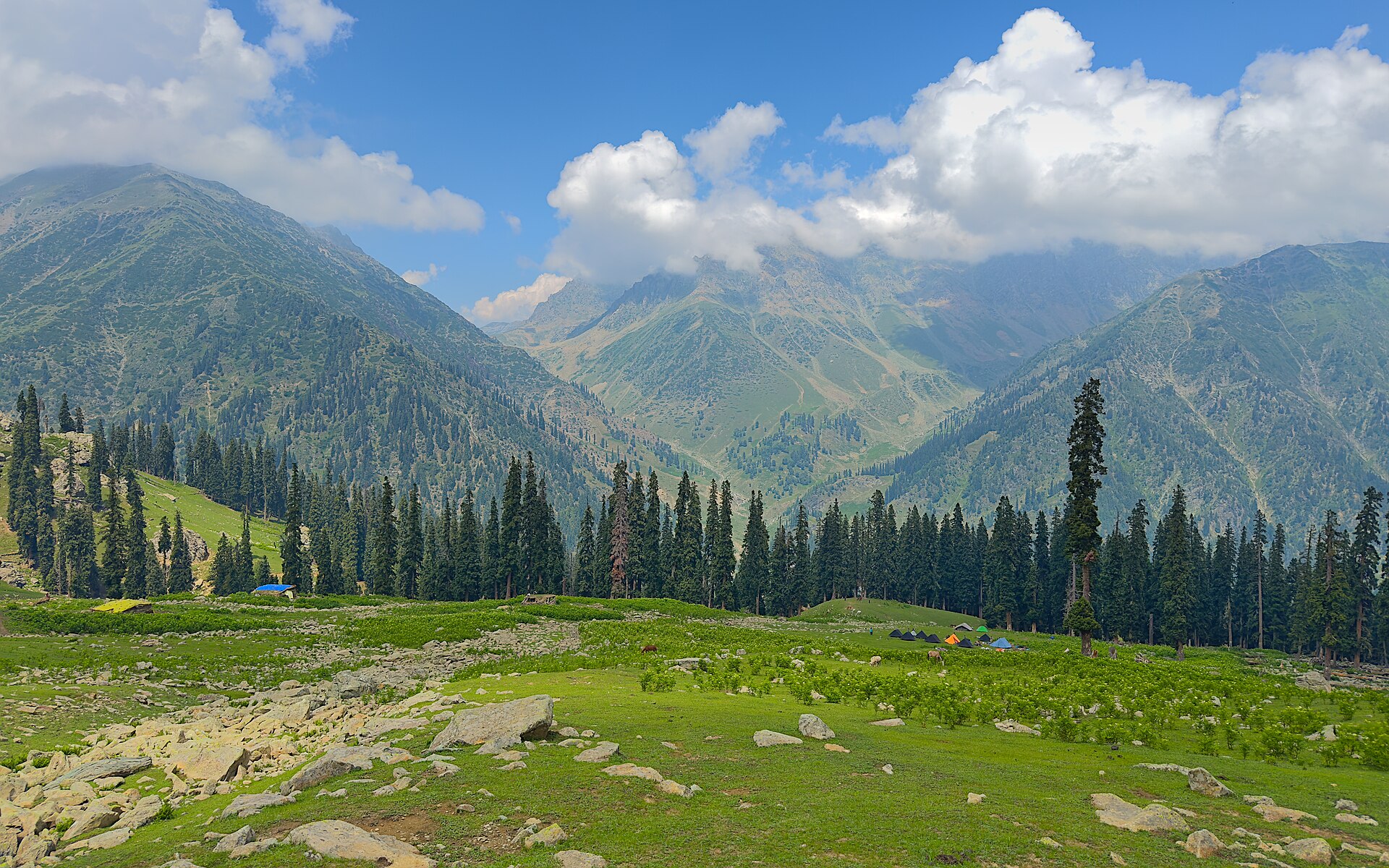
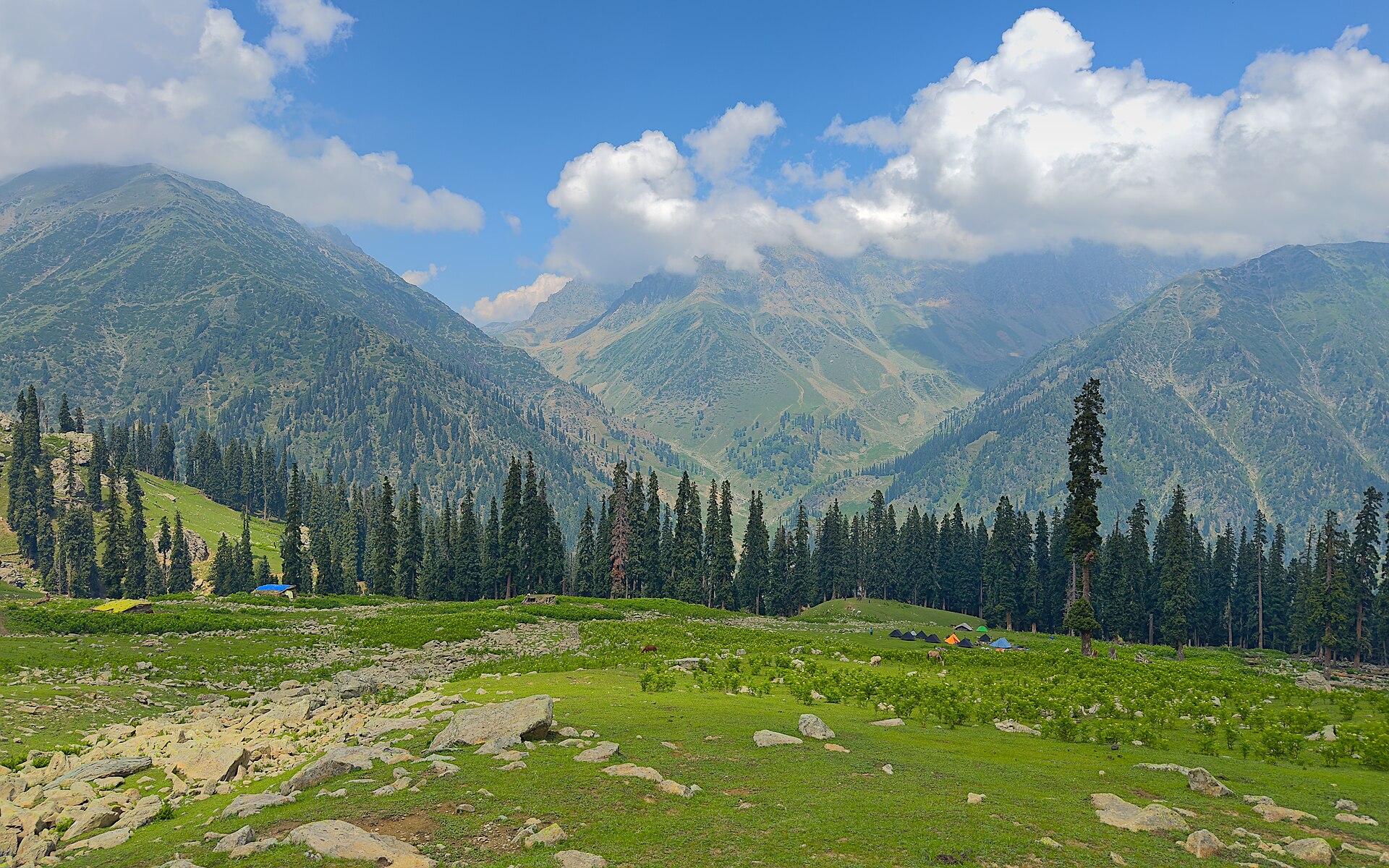
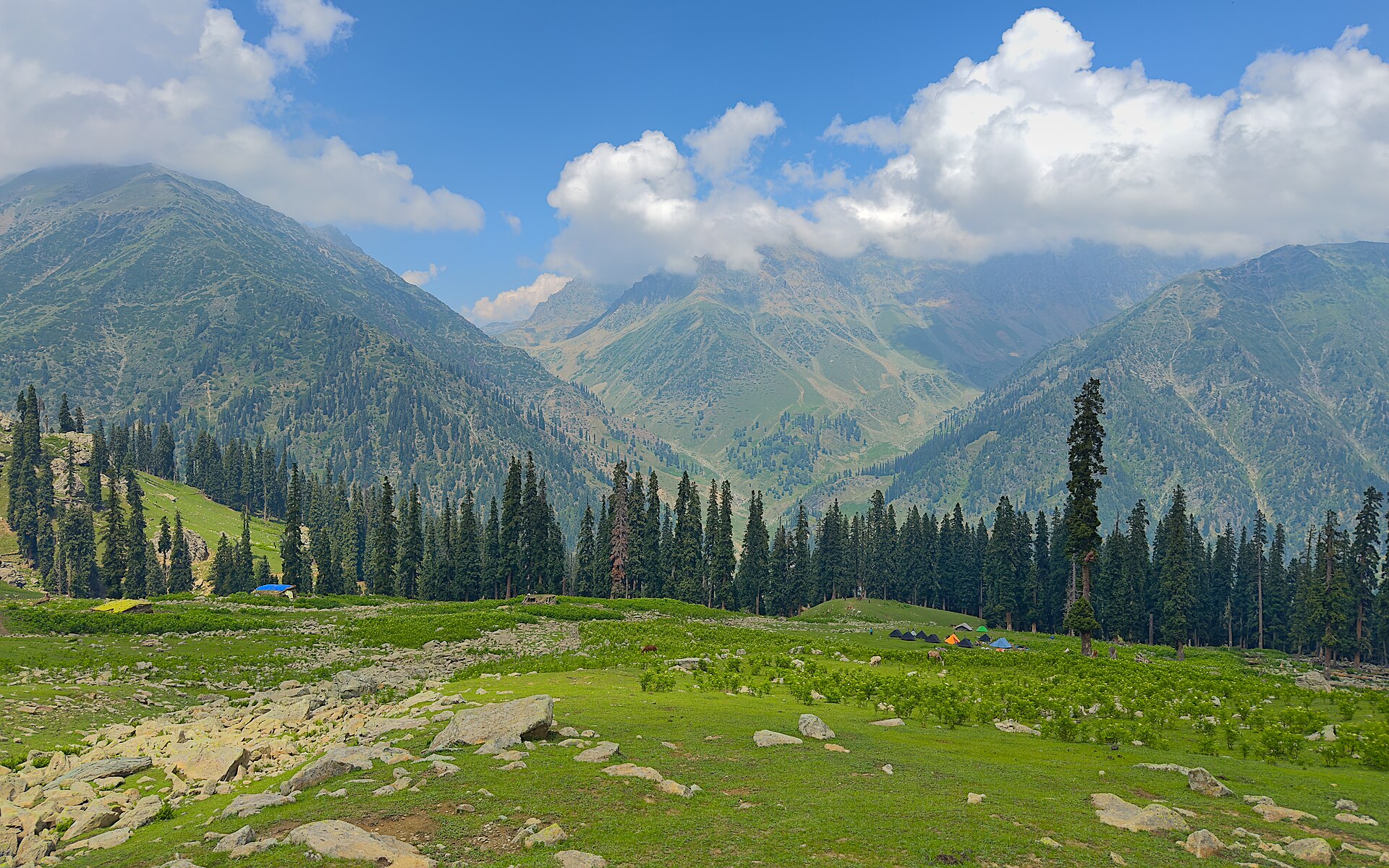
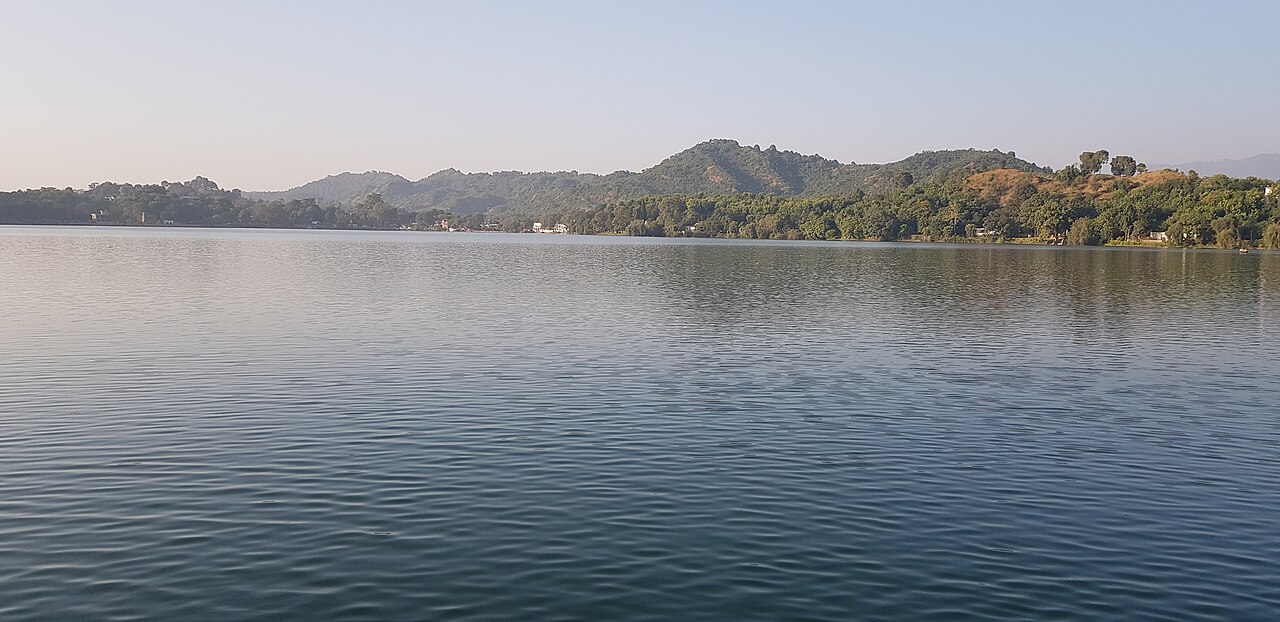
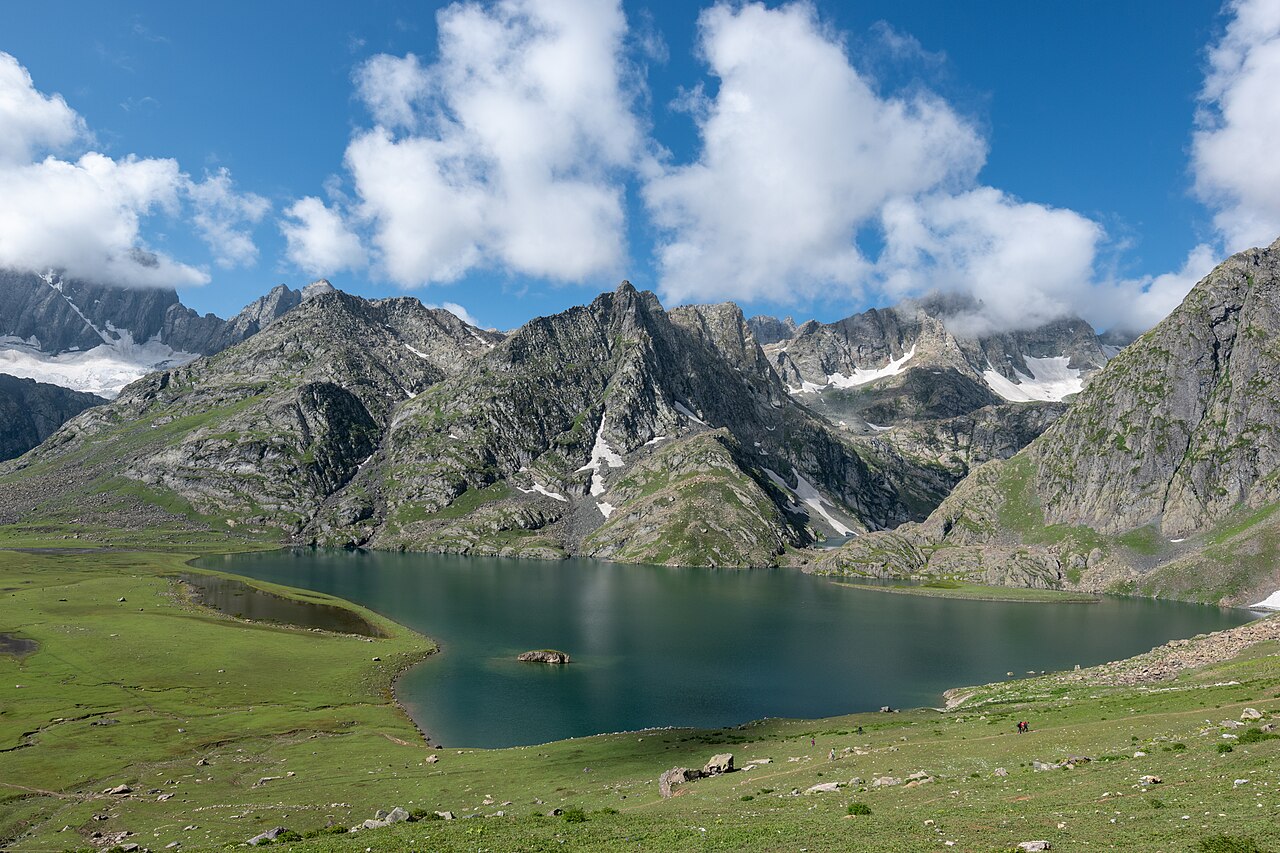
Both lakes share the same landscape but offer very different experiences to visitors.Photo: Original: KennyOMG Derivative work: UnpetitproleX · CC BY-SA 4.0
I have spent hours watching people try to figure out the map in the Jammu tourist office, pointing back and forth between Surinsar and Mansar as if they were identical twins. They are close, yes, and they share a similar legend, but the experience of standing at each is fundamentally different.
When comparing surinsar vs mansar lake, it is easy to get caught up in the geography. However, the real value lies in the atmosphere. One is often a place for a quiet, meditative walk; the other feels more structured and established. You do not need to choose between them—the best way to experience the Jammu lake circuit is to see how they complement one another.
Differences in Landscape and Legend
Both lakes are connected by local folklore, often centered around their creation in the Mahabharata, but their physical character differs. Mansar is the larger of the two, with a more developed shoreline that includes a prominent temple dedicated to Sheshnag. The energy here is more ceremonial.
Surinsar, on the other hand, feels a bit more withdrawn. It is smaller and lacks the intense development you find at Mansar. If you want to find a quiet corner to watch the water without too much activity, Surinsar is usually the winner.
Comparing the Visitor Experience
At Mansar, the experience is built around the temple and the paved walkways. You will find families, pilgrims, and a steady stream of tourists. It is vibrant, noisy, and full of the bustle of daily life. It is perfect if you like places with plenty of amenities and a sense of history.
Surinsar offers a more passive experience. It is a place for observation—watching the light shift across the water or listening to the wind through the trees. Many of our guests use Surinsar as a decompression stop after the busier, more frantic energy of Mansar.
Why They are Often Booked Together
They are located only about 9 kilometers apart, making it illogical to visit one without the other. If you make the drive out from Jammu, you are already halfway there; extending the trip to cover the second lake adds only a small fraction of time to your day.
We treat them as a pair in our itineraries. We start at Mansar to catch the early morning energy and the temple rituals, then move on to Surinsar for a peaceful afternoon lunch. It provides a balanced day that hits both the cultural and the natural high points.
The Value of a Combined Day Tour
A combined tour gives you a sense of scale. You get to see how the landscape changes over the short distance between them. It is a cost-effective way to use your transport budget, too; since you have already paid for the driver and vehicle for the day, visiting both lakes is much cheaper than doing two separate trips on different days.
There is also the logistical convenience. You have one point of contact, one pickup time, and a planned route that covers both sites. You don't have to worry about finding transport between the two lakes, which can be difficult if you are relying on public options.
Logistical Pros of a Guided Trip
Navigating the roads between the two lakes requires a bit of local knowledge. The route isn't just a straight line, and having a guide who knows the turns prevents you from losing time. They also know where to park at both locations—a massive advantage on busy weekends.
A guided trip also provides context. The history of the area is rich, and there are small viewpoints between the lakes that you would likely drive past without realizing their significance. A local guide ensures you stop at the right places.
Which Lake Fits Your Travel Goals?
If you are short on time and can only do one, choose based on your mood. If you want culture, temples, and activity, head to Mansar. If you want peace, nature, and a slower pace, choose Surinsar. But if you have the full day, do not try to choose.
The combination is the real highlight of the region. It turns a simple drive into an exploration of the Shivalik foothills. We always recommend setting aside a full day to ensure you don't feel rushed at either location.
Before you book
Comparing surinsar vs mansar lake is not about picking a winner; it is about recognizing that they form a complete picture of the Jammu foothills. One provides the heartbeat of the community, while the other offers a quiet space to breathe.
If you want to experience the best of both, we can help you structure an itinerary that ensures you aren't rushing. Reach out to us, and let’s put together a day that lets you explore both without any of the stress.
Written by
Kashmir, Jammu & Ladakh specialists
We plan and run trips across Kashmir, Jammu and Ladakh every week of the year. Everything here comes from routes we drive, stays we inspect and questions our travellers actually ask.
Quick answers
Questions we get asked
Are Surinsar and Mansar the same lake?
No, they are two distinct lakes located about 9 kilometers apart. While they share similar folklore, their physical layouts and visitor experiences are quite different.
Can I visit both in one day?
Absolutely. In fact, we recommend it. It is the most efficient use of your time and allows you to experience the full character of the region.
Which lake is better for children?
Mansar often appeals to families more due to the temple activity and developed walkways. Surinsar is usually better suited for those who prefer a quieter environment.
Do I need a guide to visit both?
While not strictly required, a guide is highly recommended. They handle transport logistics, parking, and provide the historical context that makes the trip meaningful.
How long does a combined tour take?
A comfortable day tour including both lakes typically takes 8 to 10 hours from your departure in Jammu to your return in the evening.
Photography credits
- Photo: Original: KennyOMG Derivative work: UnpetitproleX · CC BY-SA 4.0
- Photo: UnpetitproleX · CC BY-SA 4.0
- Photo: Akigupta131 · CC BY-SA 4.0
- Photo: Drharleen · CC BY-SA 4.0
- Photo: UnpetitproleX · CC BY-SA 4.0
- Photo: UnpetitproleX · CC BY 4.0
- Photo: Rohit Sharma · CC BY-SA 4.0