Planning Your Route to Betaab Valley From Pahalgam
Map out your sightseeing day with key landmarks, timing advice, and nearby stops.
Mapping out the betaab valley route? Follow our practical itinerary guide covering key road landmarks, Chandanwari links, and timing tips.
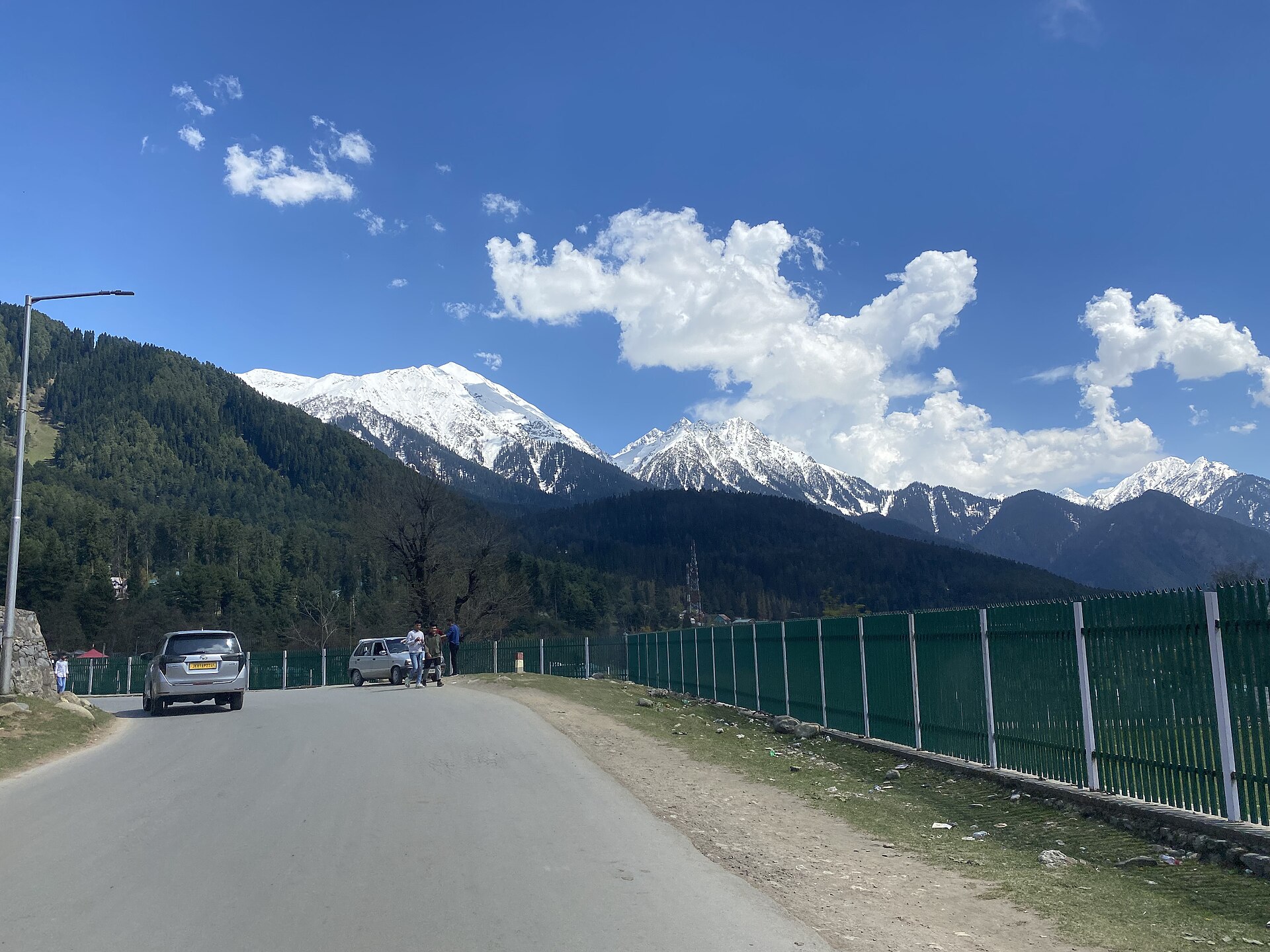
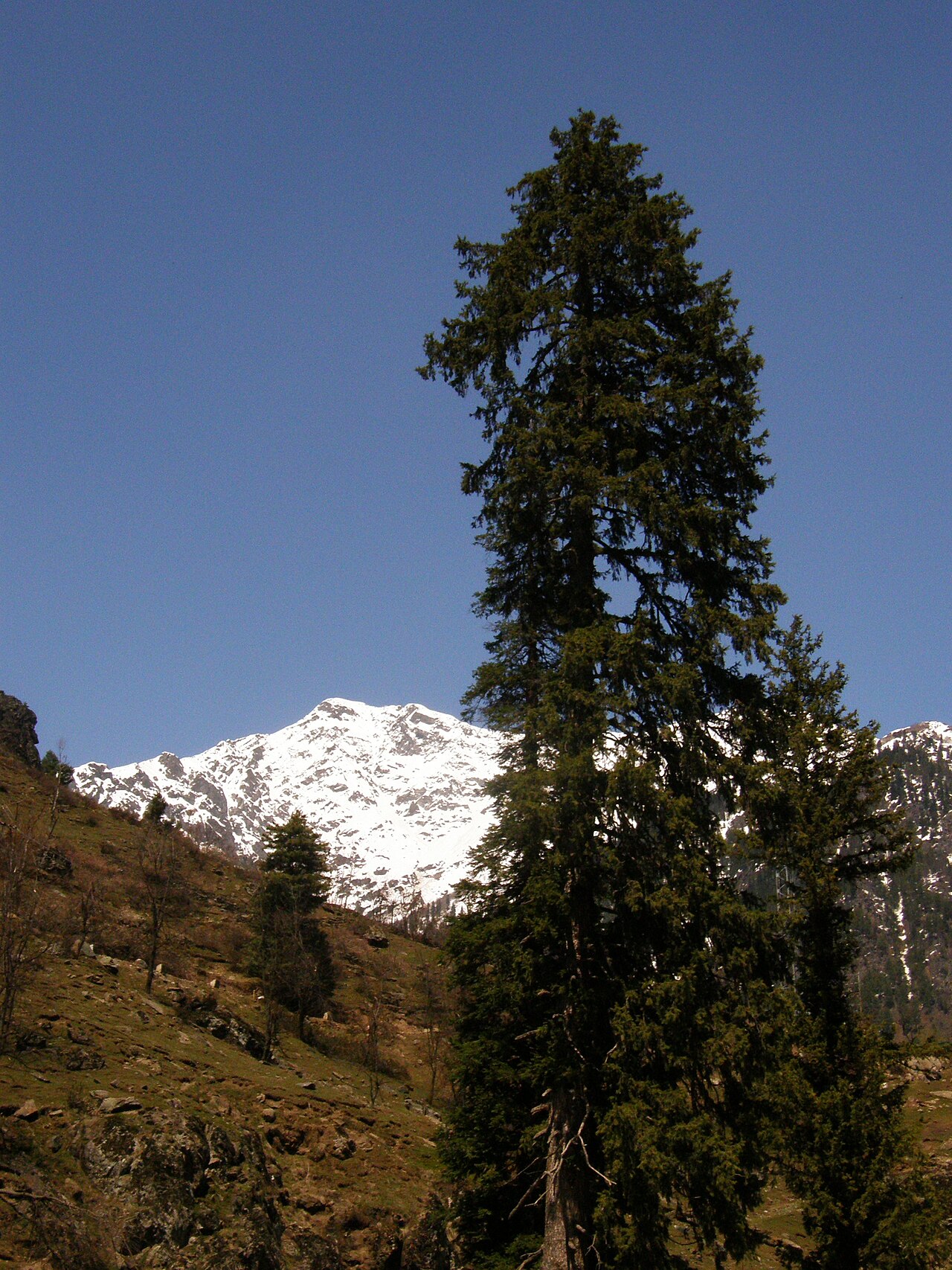
The scenic vistas along the upper valley road.Photo: Harshruti · CC BY-SA 4.0
When visitors ask me how to structure a day exploring the landscapes around Pahalgam, I always tell them to treat the road upward not just as a transfer, but as the main event.
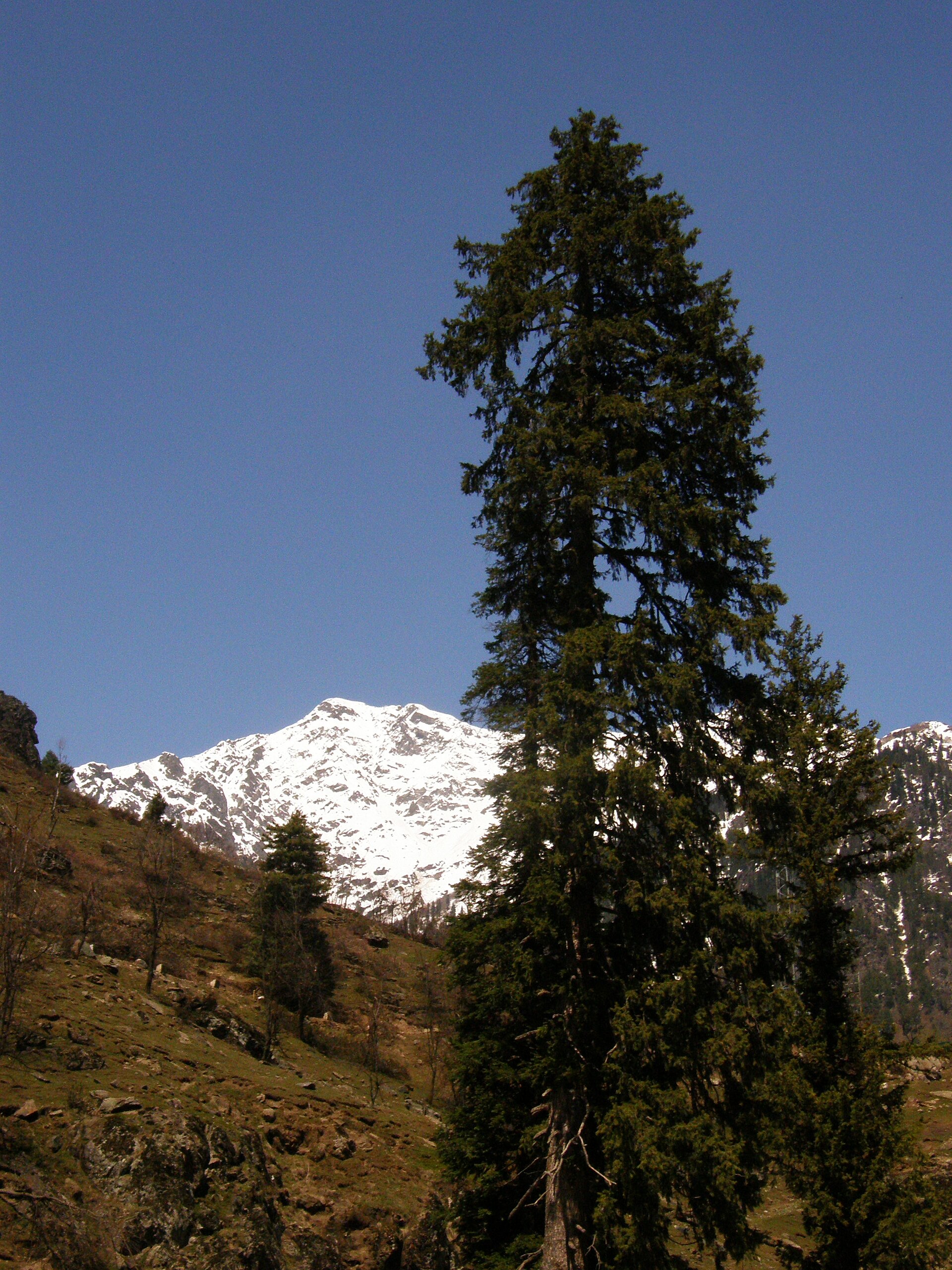
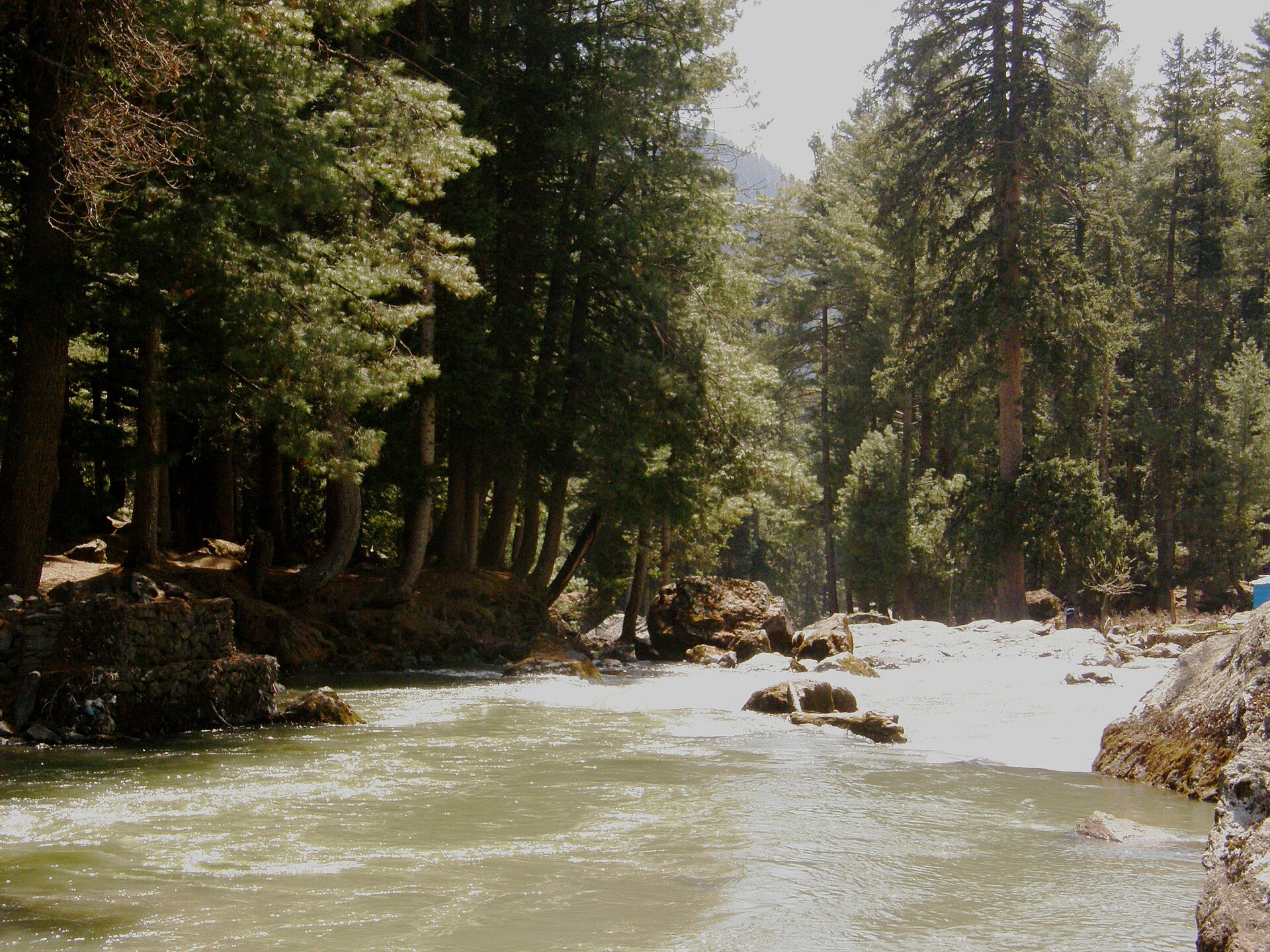
The betaab valley route takes you deeper into the upper Lidder Valley, passing through pine forests, boulder-strewn riverbeds, and historic bridges that have featured in classic cinema for decades.
Structuring this day right means you avoid backtracking, make time for hot kahwa breaks, and combine your stop smoothly with other mountain highlights like Chandanwari.
Starting Your Journey From Pahalgam Town
Your morning should begin early in central Pahalgam, ideally by 9:00 AM. Starting early beats the afternoon tour bus clusters and gives you softer morning light on the peaks.
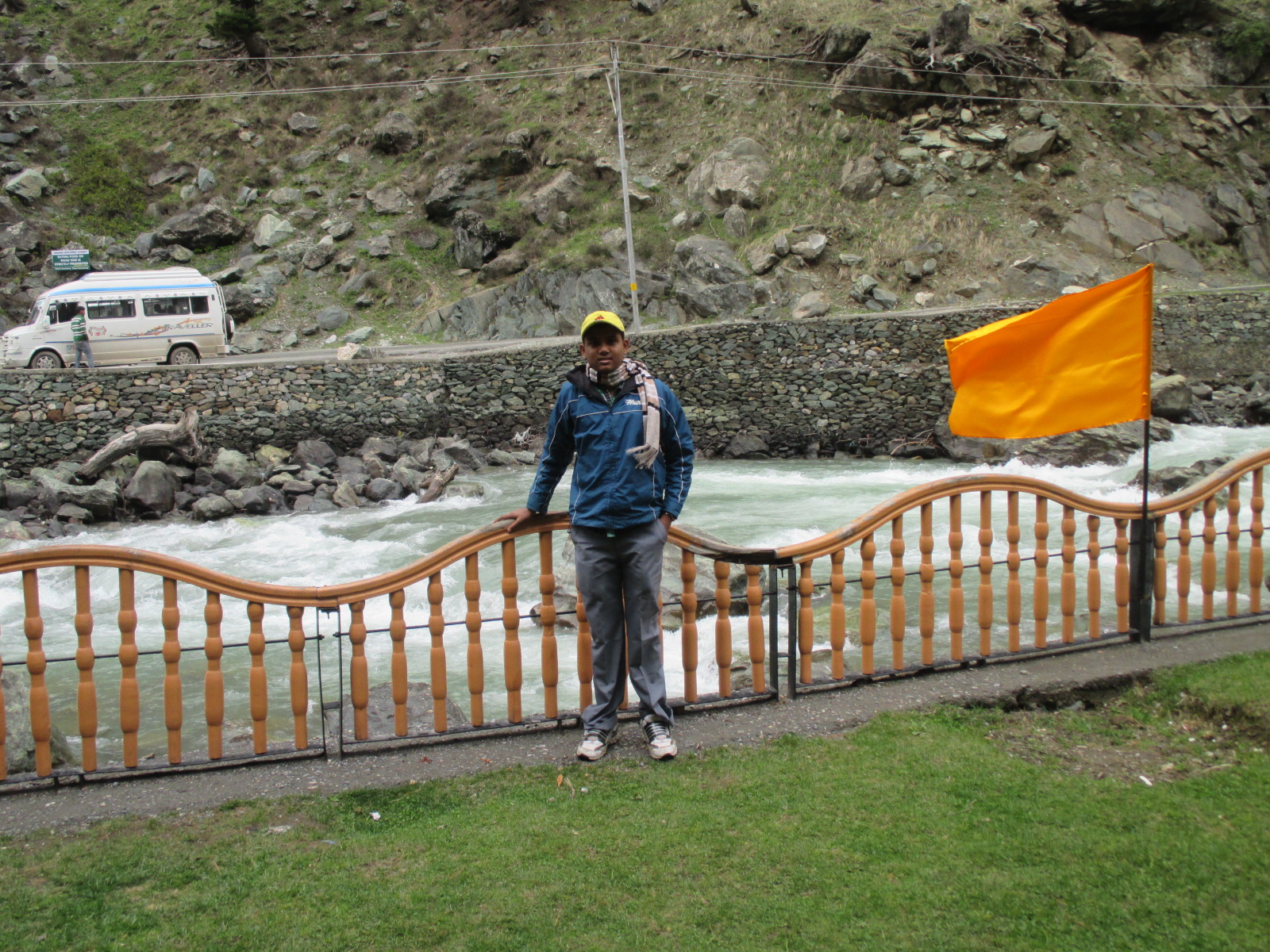
As your cab pulls away from the main market, you cross the bridge over the roaring Lidder River. The air here smells distinctly of damp pine needles and woodsmoke from local breakfast hearths.
The first couple of kilometres take you past rambling hotels and horse stables where local handlers wait for morning clients.
- Recommended start time: 9:00 AM from Pahalgam hotels.
- First landmark: Lidder bridge crossing.
- Atmosphere: Quiet morning mist lifting off the river.
Key Junctions and Road Landmarks
About three kilometres out of town, the road reaches a notable fork where signs point toward Aru Valley on the left and Betaab Valley and Chandanwari straight ahead.
You will want to stay right, following the uphill grade toward the northeast. The tarmac narrows slightly here, flanked by towering deodar trees that cast long morning shadows.
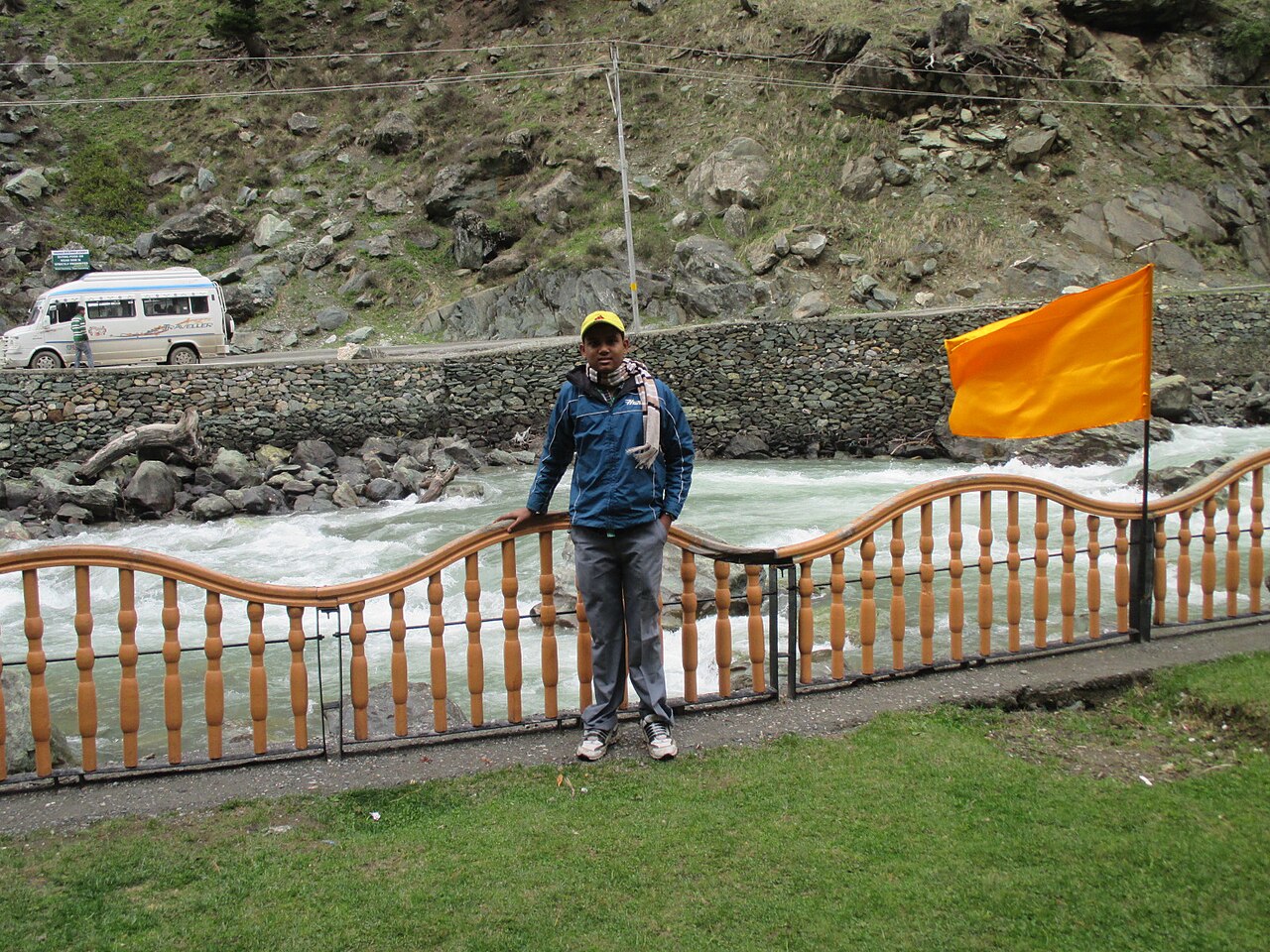
Keep an eye out for local wooden bridges crossing turbulent glacial streams feeding into the main river below. These make wonderful quick photo stops if your driver pulls over safely.
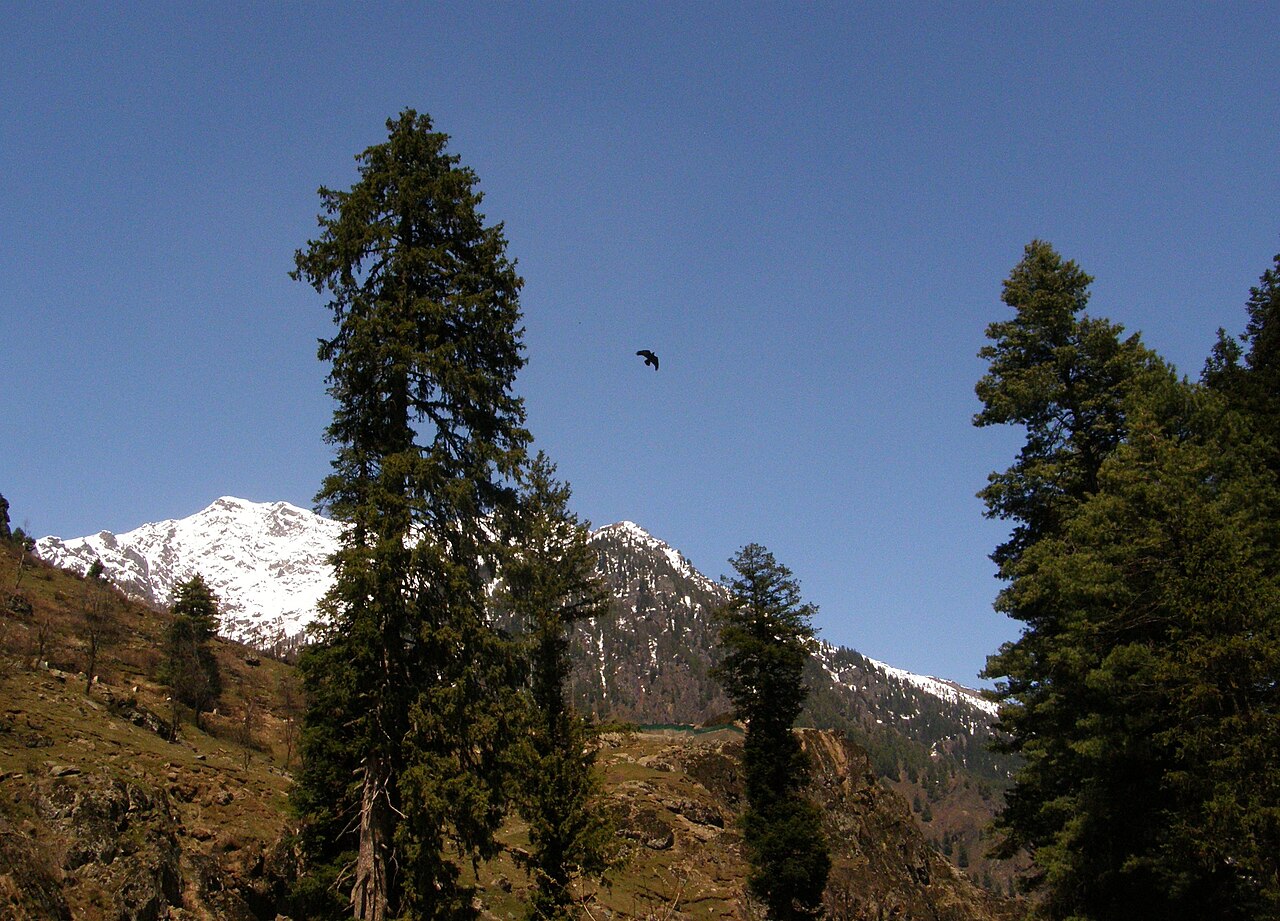
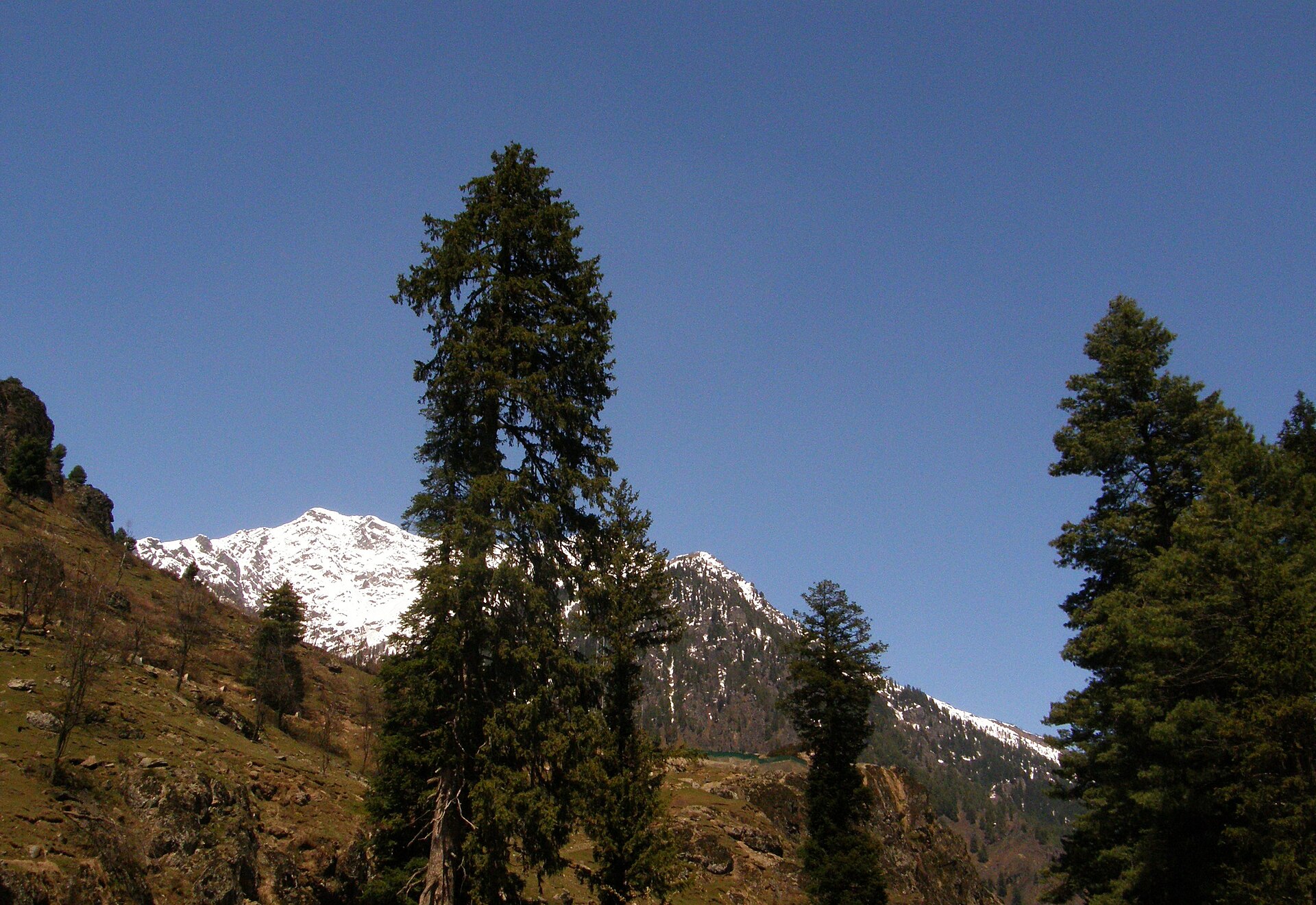
Treat the road upward not just as a transfer, but as the main event.
Combining Your Visit With Chandanwari
Most seasoned travelers pair Betaab Valley with a trip further up the same road to Chandanwari, which marks the trailhead for the holy Amarnath Yatra.
Chandanwari sits roughly nine kilometres past Betaab Valley at a noticeably higher altitude. The terrain changes dramatically here, turning rugged and alpine with permanent snow bridges spanning the river.
The most efficient route is to drive past Betaab Valley in the morning when you are fresh, head all the way up to Chandanwari to see the glaciers, and then stop at Betaab Valley on your drive back down.
How Much Time to Allocate for the Route
If you are only visiting Betaab Valley, allow about two hours total: forty minutes for the return drive and an hour and a half to walk around the park grounds, cross the suspension bridge, and take photos.
If you are combining Betaab Valley with Chandanwari, you need a full half-day block of roughly four to five hours. This gives you time for mountain switchbacks, security checkpoints, and slow strolls.
Rushing this route defeats the purpose. The beauty here is in sitting on a smooth river rock and watching the clouds drift across the upper ridge.
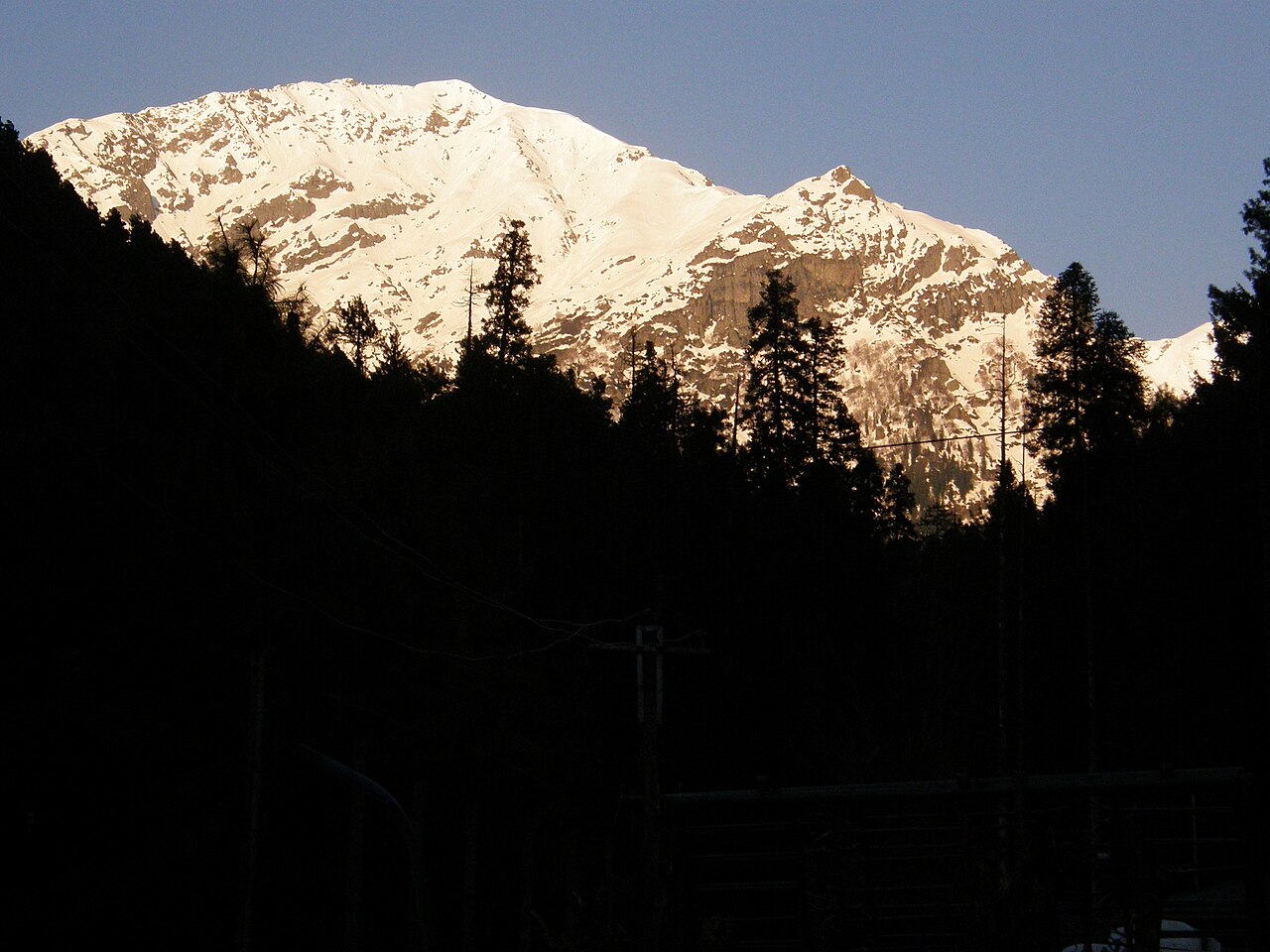
Navigating the Scenic Drive
The road itself is paved but demands attention from your driver. Sharp hairpins emerge unexpectedly behind rock walls, and local cattle often wander across the asphalt.
Window seats on the right side of the vehicle offer prime views of the Lidder River rushing over white boulders during the climb upward.
Cell phone reception begins to fade near the upper stretches of this route, so download any maps or digital tickets beforehand.
Dealing With Changing Mountain Weather
Weather in the upper Lidder Valley shifts without warning. Even if it is sunny in Pahalgam town, a chilly drizzle can catch you near Chandanwari.
Always toss an extra windbreaker and an umbrella into the back of the car before you leave your hotel.
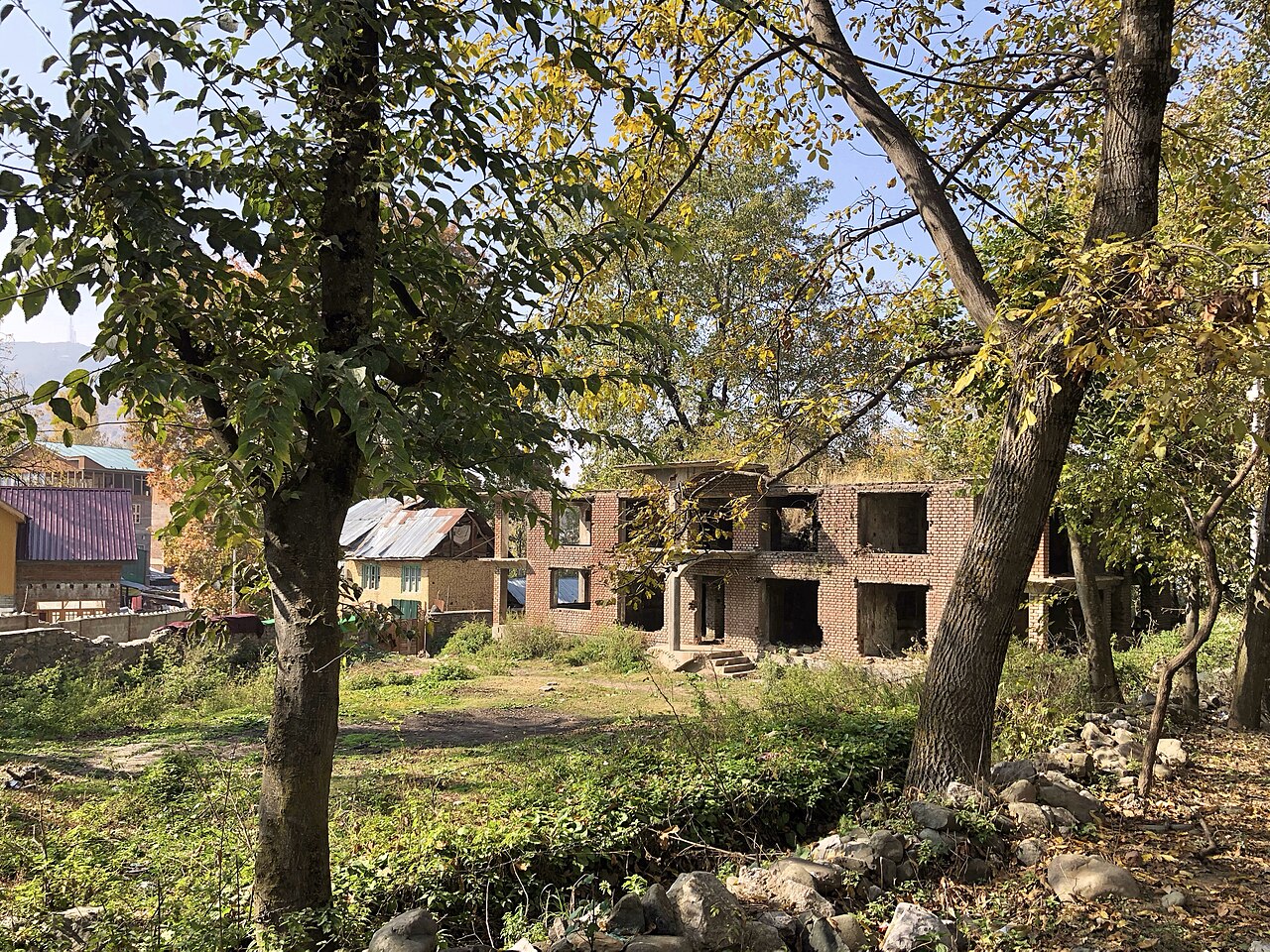
Refueling and Refreshments Along the Route
You will not find upscale restaurants once you leave Pahalgam market, but you will find wonderful rustic tea stalls.
Look for small wooden sheds boiling kettles of noon chai or serving instant noodles and boiled eggs to shivering travelers.
Packing a light picnic lunch to eat on the manicured lawns inside Betaab Valley is a long-standing tradition among local families.
Before you book
Mapping out your travel day with a clear sense of geography turns a standard sightseeing drive into an effortless alpine excursion. Taking your time on these winding river roads lets you appreciate why this corner of Kashmir holds such enduring appeal.
If you want help crafting a balanced daily itinerary that blends Pahalgam, Aru, and Betaab Valley without feeling rushed, our travel planners at Skywale Packages are always happy to assist.
Plan Your Kashmir Itinerary With Us
Tell us your travel dates, and we will build a custom day-by-day sightseeing plan tailored to your pace.
Design My TripCaption for your own post
Following the upper Lidder River route toward the snow-fed heights of Chandanwari and Betaab Valley.
Written by
Kashmir, Jammu & Ladakh specialists
We plan and run trips across Kashmir, Jammu and Ladakh every week of the year. Everything here comes from routes we drive, stays we inspect and questions our travellers actually ask.
Written by a Skywale travel editor who has driven every mile of the Pahalgam valley routes.
Quick answers
Questions we get asked
Can I visit Betaab Valley and Aru Valley on the same day?
Yes, but they sit on opposite sides of Pahalgam. You will need a full day, visiting Aru Valley in the morning and Betaab Valley in the afternoon, returning to Pahalgam town between the two legs.
How far is Chandanwari from Betaab Valley?
Chandanwari is about nine kilometres further up the road past Betaab Valley, taking roughly 20 to 30 minutes of driving through increasingly rugged alpine terrain.
Is walking the entire route from Pahalgam feasible?
Walking is possible for seasoned hikers, covering about seven kilometres one-way along the river road. However, most travelers prefer hiring a cab due to vehicle traffic and narrow shoulders.
What time does Betaab Valley close for visitors?
The park gates generally close around sunset, typically by 5:00 PM to 6:00 PM depending on the season and daylight hours.
Do I need permits for the drive up to Chandanwari?
Standard tourist travel does not require special permits for day visits outside the Amarnath Yatra pilgrimage window, though security checks operate at key points.
Photography credits
- Photo: Harshruti · CC BY-SA 4.0
- Photo: Harshruti · CC BY-SA 4.0
- Photo: Harshruti · CC BY-SA 4.0
- Photo: Harshruti · CC BY-SA 4.0
- Photo: Billjones94 · CC BY-SA 4.0
- Photo: Harshruti · CC BY-SA 4.0
- Photo: UnpetitproleX · CC BY-SA 4.0