The Complete 7-Day Journey: Leh and Magnetic Hill
An unhurried look at how to spend a week acclimatising, driving, and exploring the high altitude desert of Ladakh.
Plan your week in Ladakh with our tested 7-day magnetic hill ladakh itinerary, balancing proper acclimatisation with desert drives and ancient monasteries.
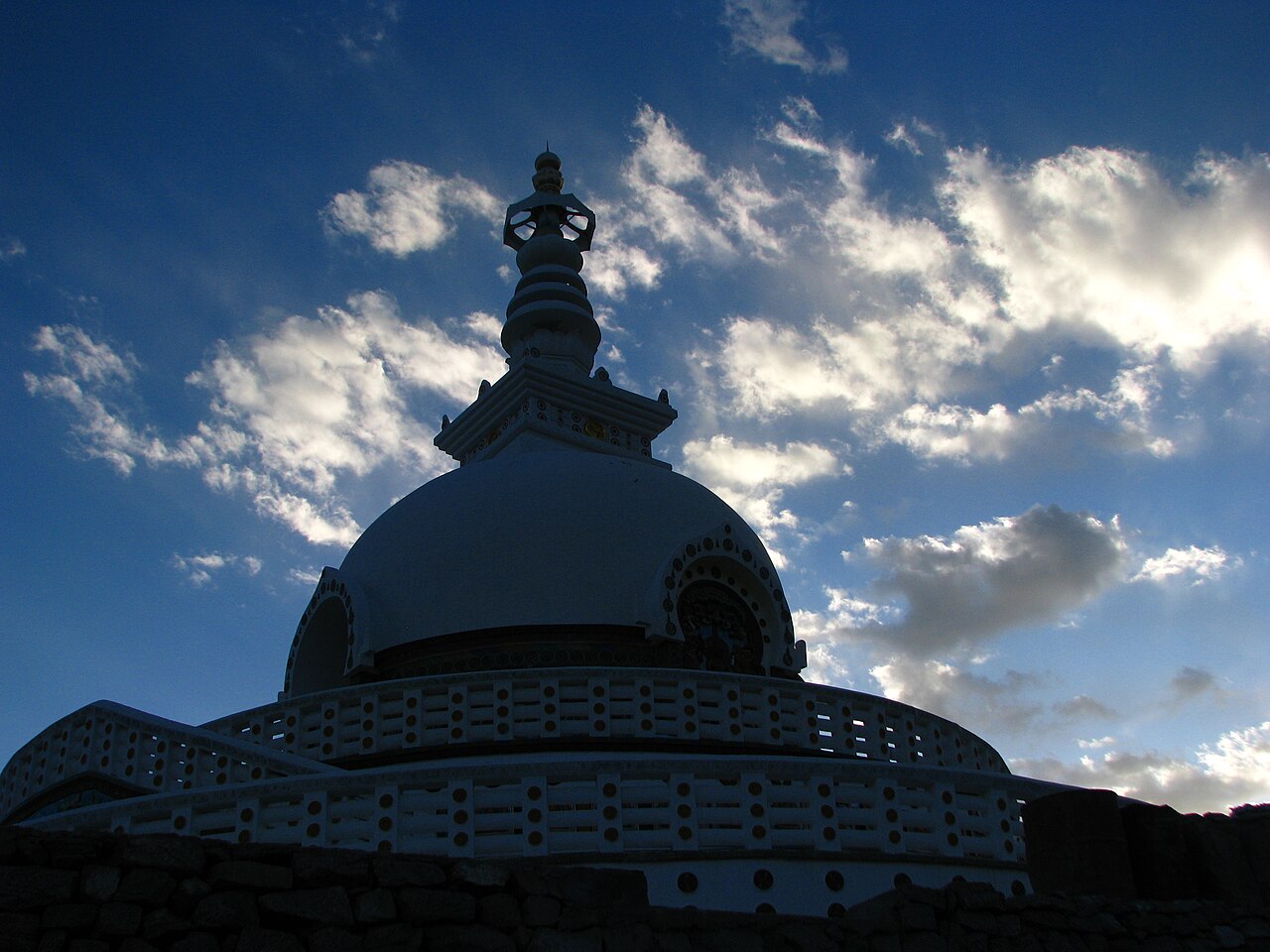
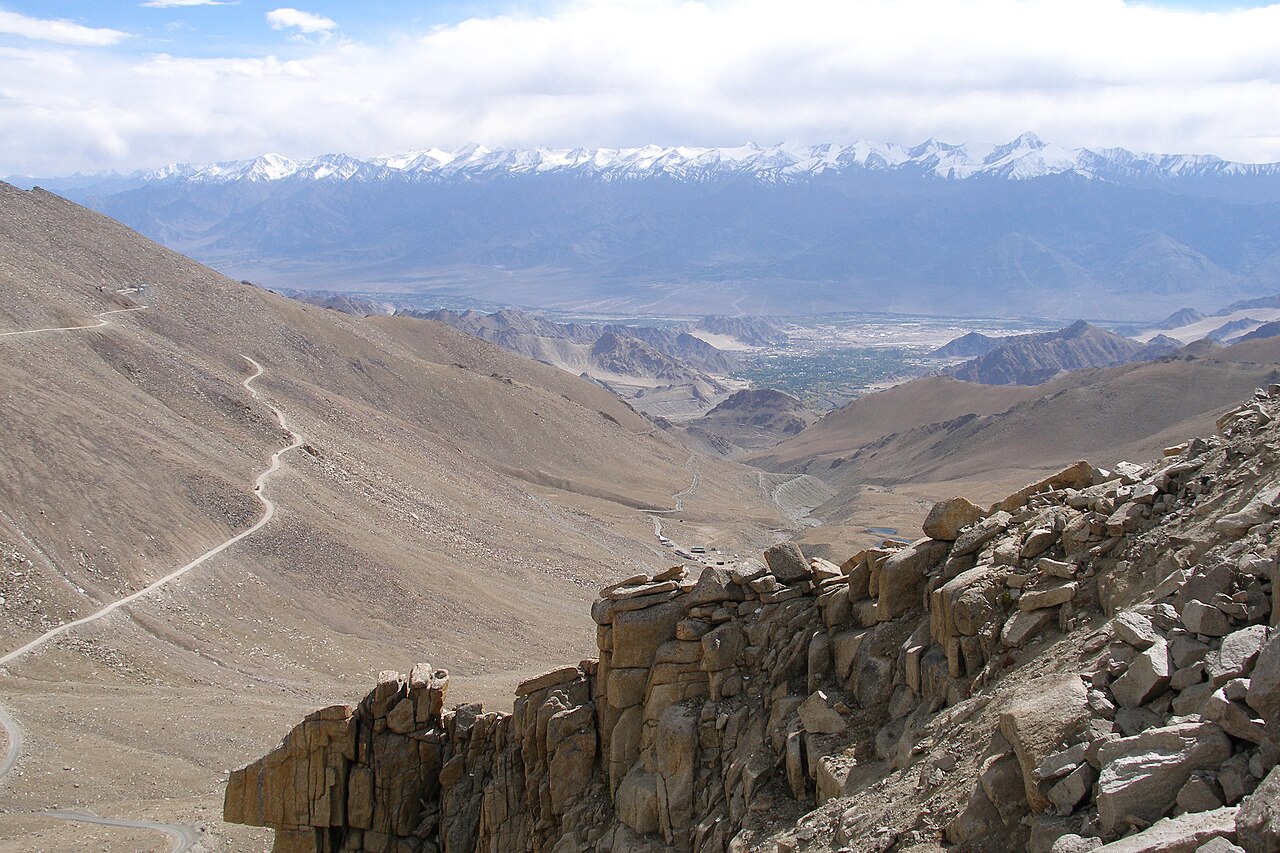
Leh serves as your primary acclimatisation base before heading out toward high mountain passes.Photo: Sumbria.vikramaditya · CC BY-SA 4.0
The tea in your cup stays lukewarm for barely three minutes when you sit outside in Leh at 3,500 metres. The air is so thin that your first flight down from Delhi feels like stepping into another planet entirely. Most travellers make the mistake of rushing out to conquer mountain passes on their very first afternoon, only to spend the next two days shivering in a hotel bed with a splitting headache.
A well-structured magnetic hill ladakh itinerary requires patience above all else. When we plan a 7 day Ladakh tour for clients, the golden rule remains absolute: do nothing strenuous for the first forty-eight hours. Once your lungs adjust to the lack of oxygen, the roads open up to gravity-defying optical illusions, deep river valleys, and centuries-old prayer wheels spinning in the wind.
This guide lays out a realistic, road-tested week across Leh and its surrounding valleys. It accounts for engine stalls on steep climbs, permits needed at checkpoints, and the simple reality of how your body reacts when the barometer drops. Let us walk through the days as we actually run them on the ground.
Days 1 and 2: Respecting the Altitude in Leh
Your plane touches down at Kushok Bakula Rimpochee Airport, framed by stark brown walls of earth that look carved with a knife. Step off the aircraft slowly. Walk across the tarmac without jogging, and check into your hotel in the old town. The air is crisp, dry, and sharp enough to make your nostrils sting with every breath.
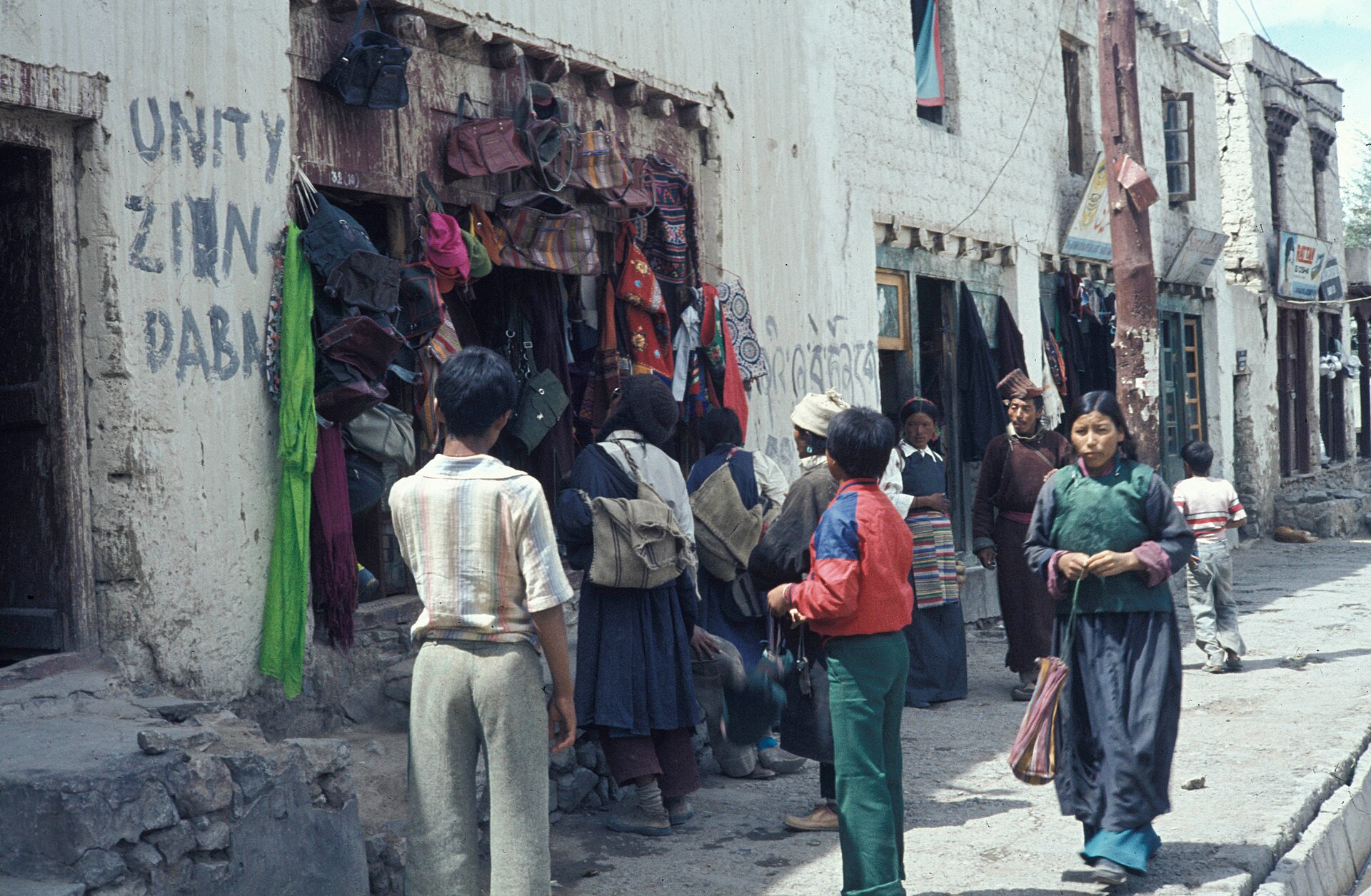
Spend these first two days entirely within Leh town. Walk down the main bazaar at a flat, unhurried pace, picking up a woollen scarf or drinking hot ginger lemon tea at a small café. In the late afternoon, take a slow walk up the stone steps toward Shanti Stupa for your first panoramic view over the town below.
Avoid heavy meals and alcohol completely during these initial forty-eight hours. Drink at least four litres of water laced with local electrolytes. If you feel a mild dull ache behind your eyes, lie down immediately. Your red blood cells need this quiet window to multiply before you tackle higher altitudes like Khardung La.
- Keep physical exertion to an absolute minimum.
- Drink warm water continuously throughout the day.
- Explore the local Leh market without rushing.
Day 3: The Magnetic Hill and Indus Confluence Loop
By your third morning, your breathing should feel steady enough to venture out for a proper drive. Hire a reliable local cab for the afternoon and head west out of Leh along the Srinagar highway. The road hugs the right bank of the Indus River, cutting through pale sand dunes that contrast sharply with the dark blue mountain backdrop.
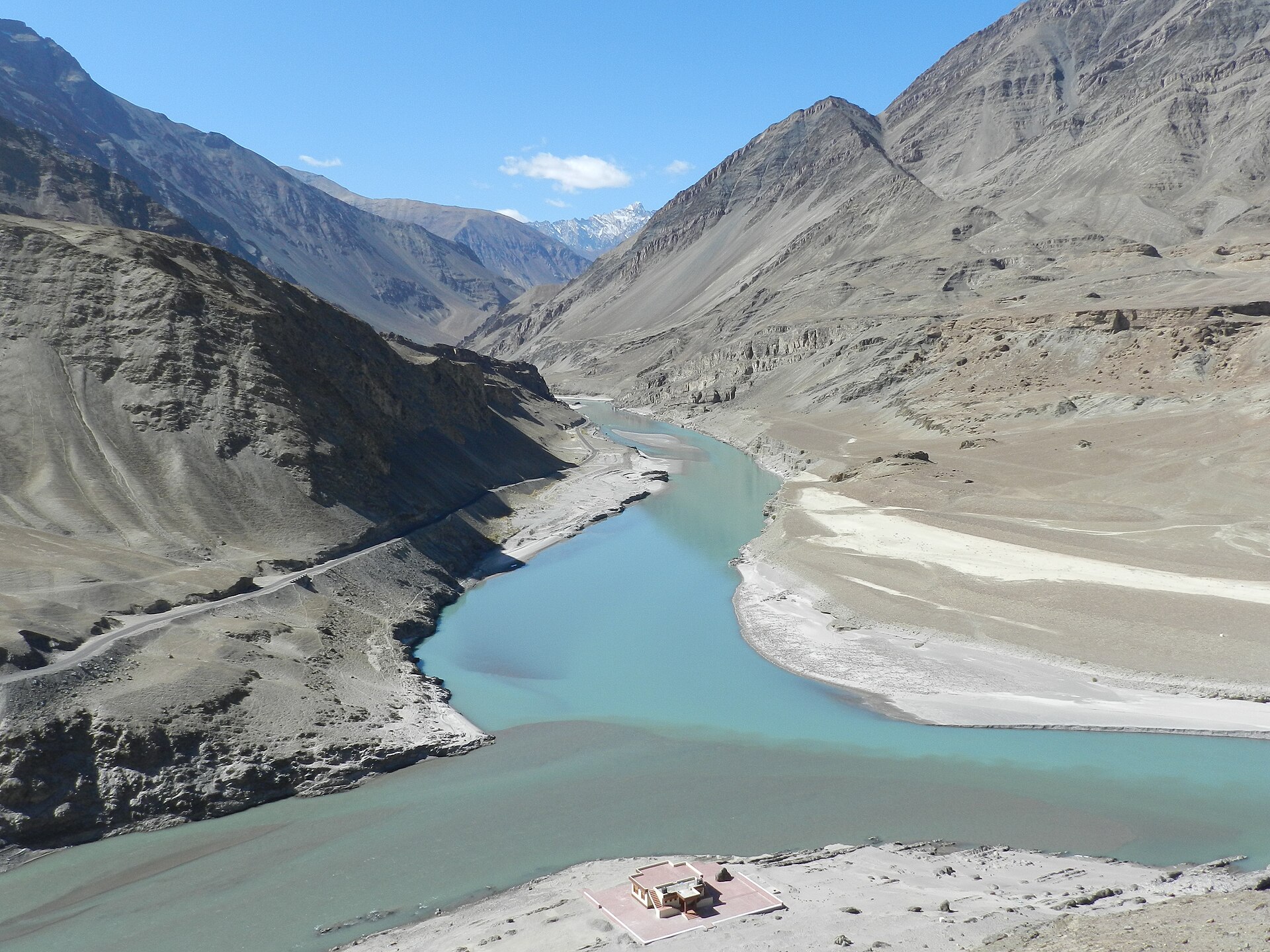
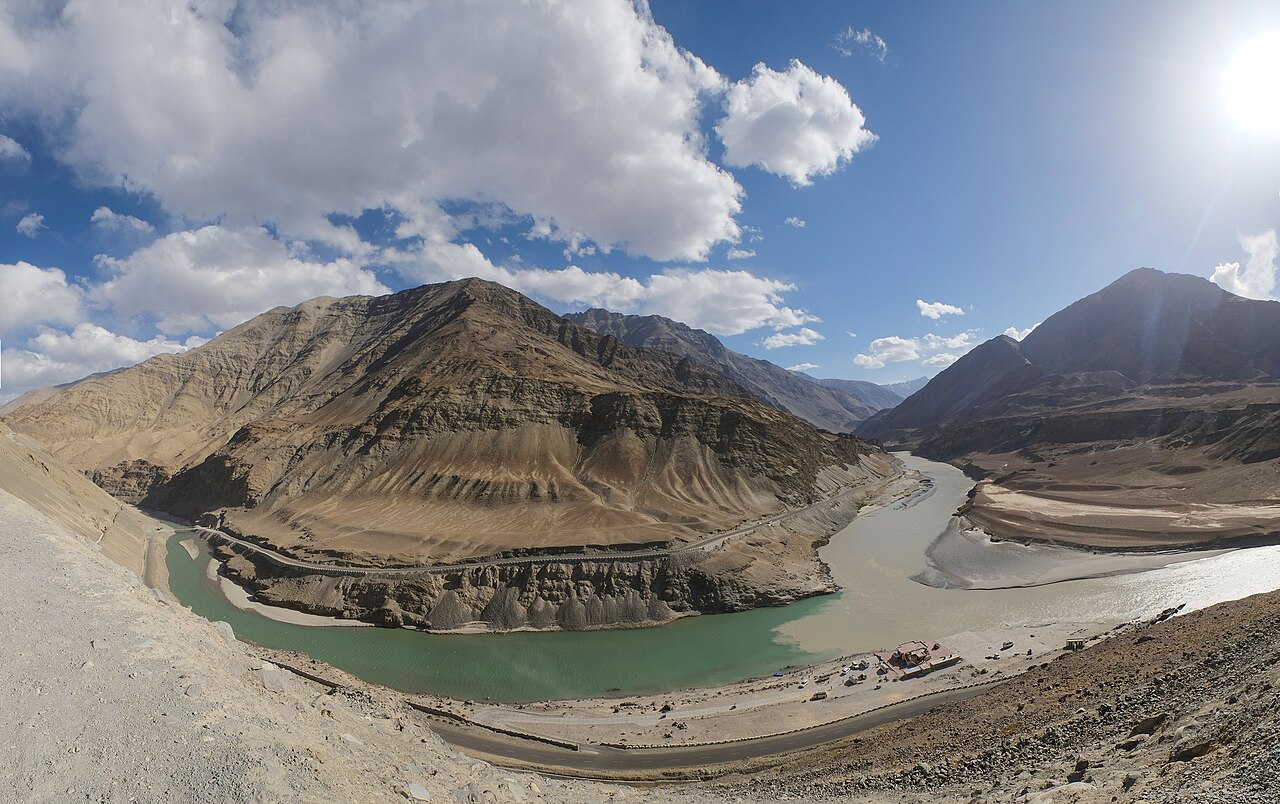
Stop briefly at Nimmu to watch the muddy waters of the Zanskar River crash into the clear emerald stream of the Indus. The contrast line where the two bodies of water refuse to mix for several hundred metres is worth a long pause. From there, drive another few kilometres uphill until you reach the famous stretch where vehicles appear to roll uphill in neutral gear.
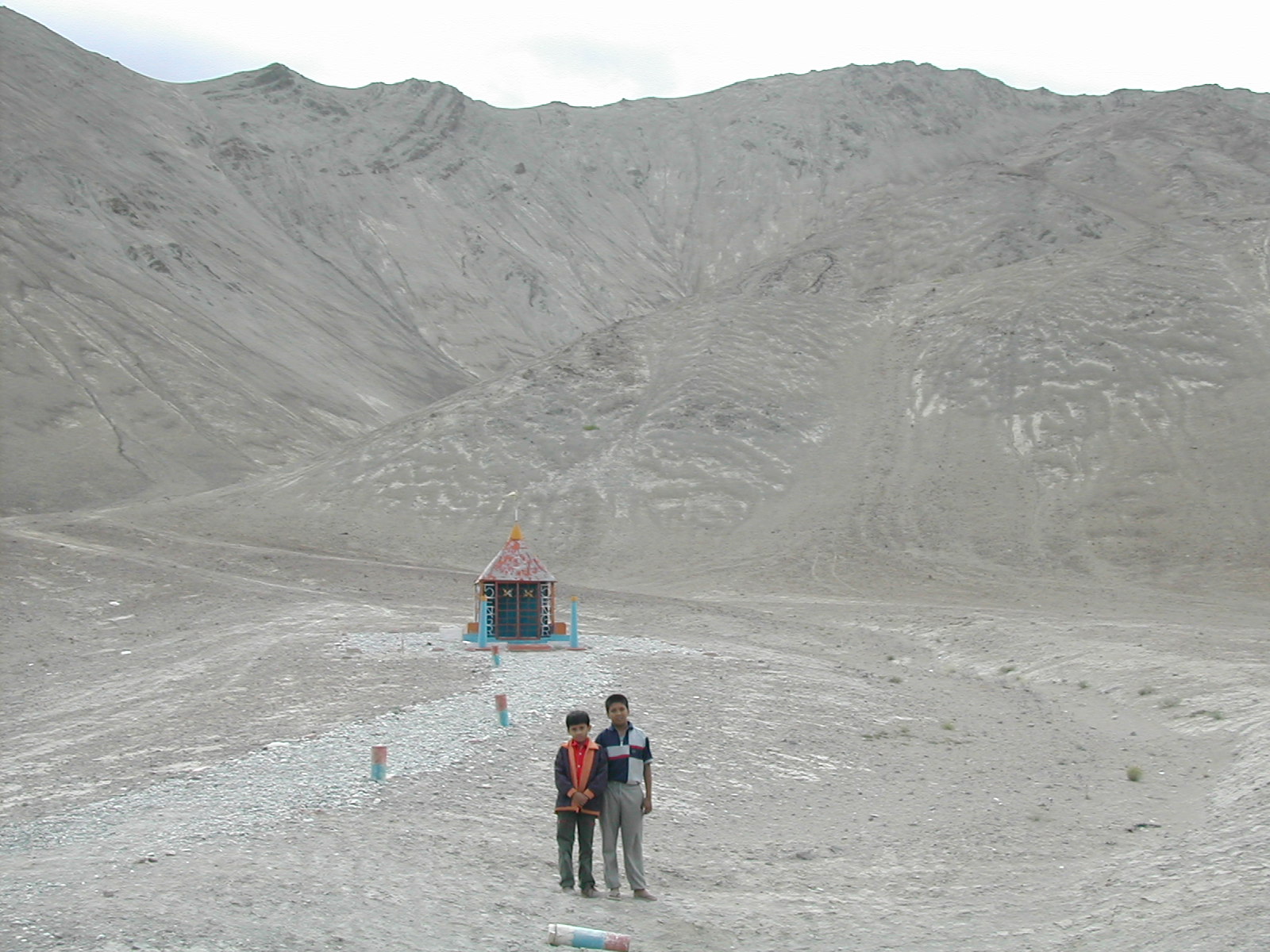
The science behind this phenomenon is simply an optical illusion created by the sloping topography of the surrounding terrain. Even so, watching your vehicle coast upward with the engine turned off brings a genuine sense of wonder. Spend an hour here taking photos before driving further down to visit the striking white-and-red structures of Alchi Monastery.
What to Expect at the Optical Illusion Point
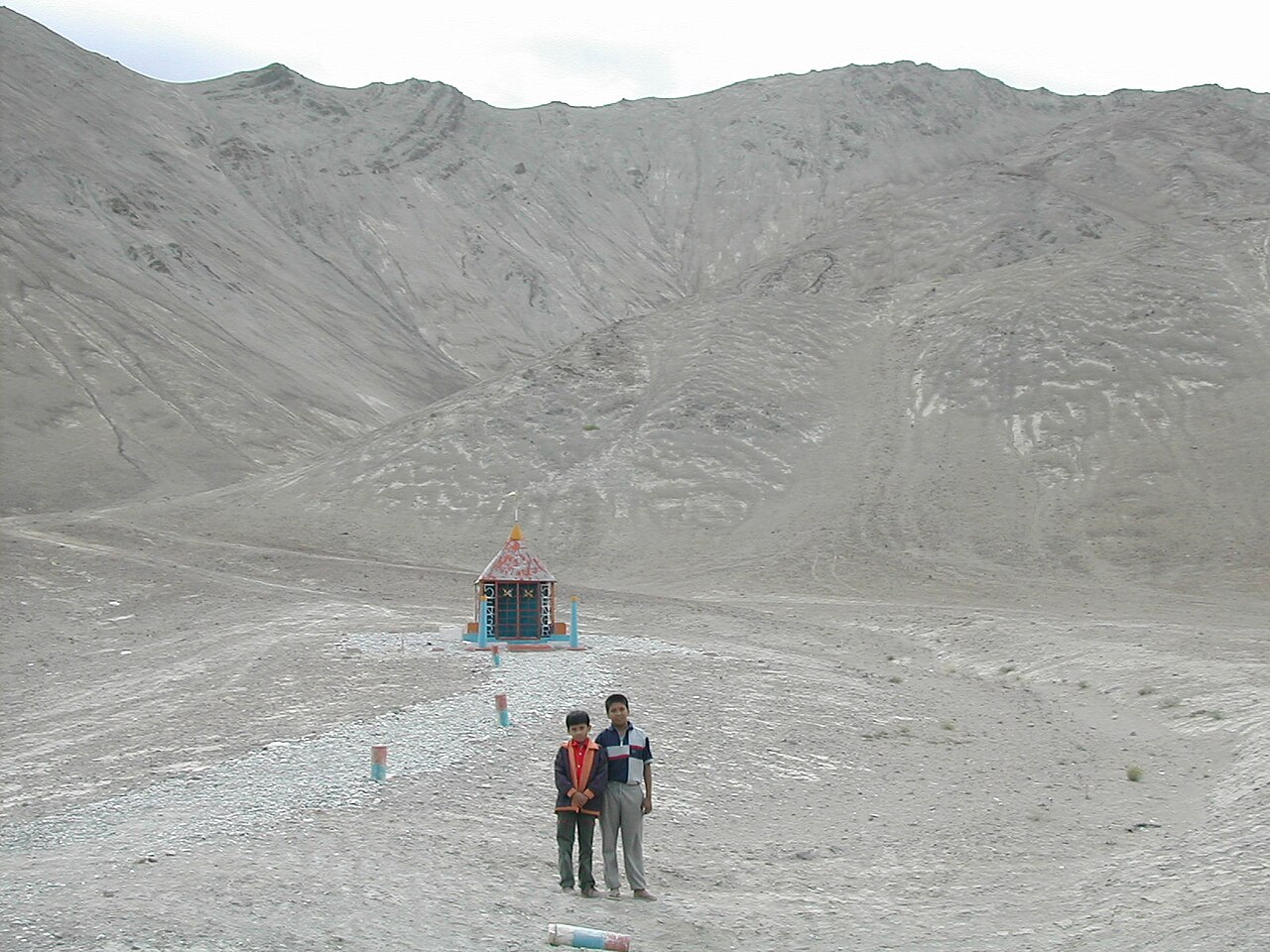
There is a painted yellow box on the tarmac where you are supposed to park your car in neutral. Locals and fellow tourists gather here constantly with cameras rolling. Take your foot off the brake slowly and watch the speedometer creep up to twenty kilometres per hour while gravity seems to reverse itself.

A well-structured itinerary requires patience above all else. Do nothing strenuous for the first forty-eight hours.
Day 4: Deep Dive Into the Zanskar River Canyons
Day four takes you deeper into the geological history of the region by following the winding road toward Lamayuru. The landscape shifts dramatically here into what geologists call moonland, where wind and ancient lake deposits have carved jagged, golden-yellow clay pillars that stretch across the valley floor.
Lamayuru Monastery sits perched precariously on a high cliff overlooking these formations. Walk through the assembly hall where young monks chant their morning prayers over steaming copper pots of butter tea. The quiet dignity of this place offers a stark contrast to the dust and wind outside on the open highway.
The return journey to Leh takes roughly two and a half hours each way. Make sure your driver checks the oil and brake fluid before starting back, as the continuous descent puts heavy pressure on vehicle brake pads. Stop at small roadside tea tents for instant noodles and warm conversation with drivers hauling goods across the mountains.
Day 5: Culture, Frescoes, and Living Heritage
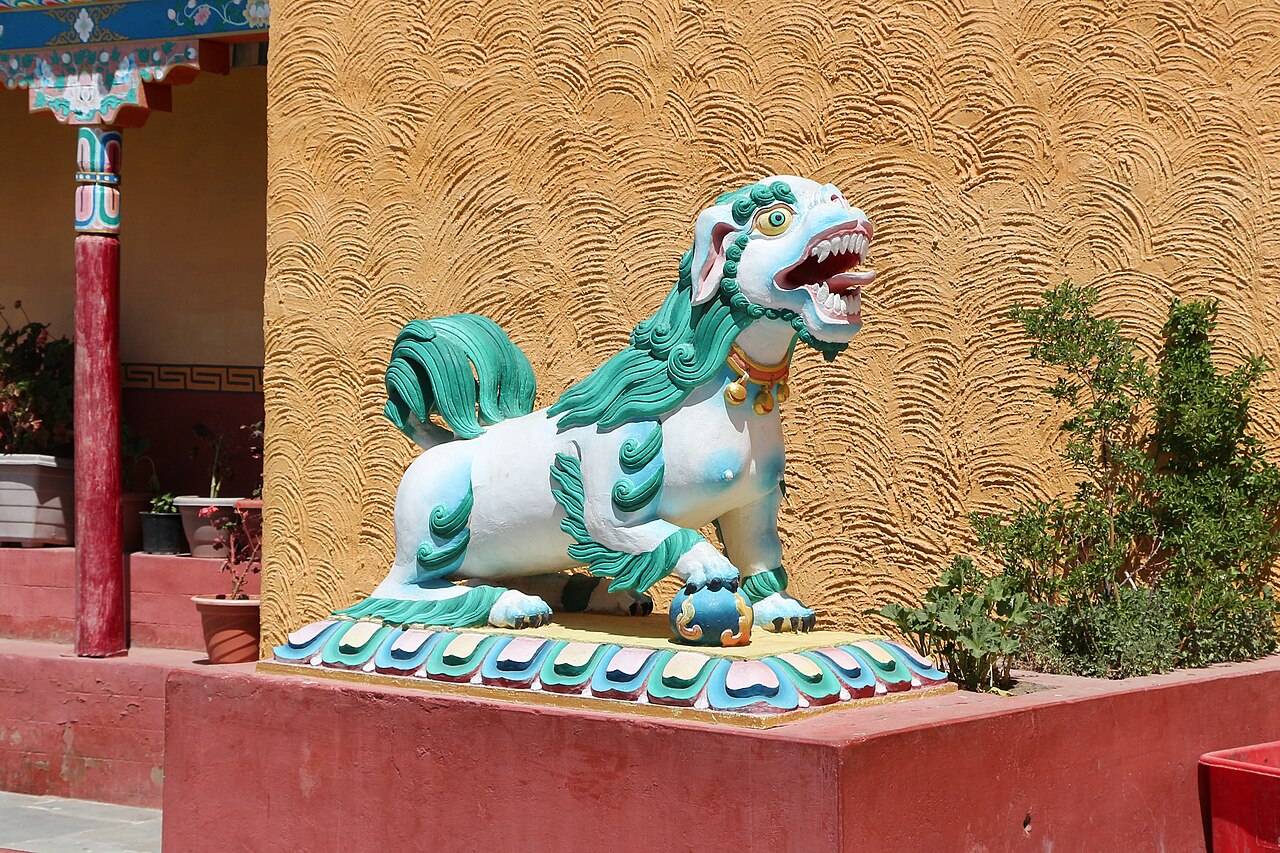
Spend your fifth day exploring the architectural masterpieces that line the Indus Valley closer to Leh. Start early at Thiksey Monastery, which mirrors the structural layout of Potala Palace in Lhasa. Arrive just before morning prayers begin at seven o'clock to hear the deep, resonant drone of copper horns echoing down the valley.
In the afternoon, drive past poplar plantations to visit Shey Palace and its massive copper-gilded gold-plated statue of Shakyamuni Buddha. The interior rooms are dark, smelling faintly of old juniper incense and yak butter lamps that have burned for centuries in iron bowls.
End your cultural circuit at Hemis Monastery, tucked away in a quiet side glen about forty-five kilometres from Leh. The museum inside houses ancient thangkas, silver ritual items, and royal artefacts collected by the local monastic order over generations of patronage.
Days 6 and 7: Conquering High Passes and Final Departures
Your final two days test your lungs one last time with a drive up toward Khardung La, one of the world's highest motorable passes. Leave Leh by six in the morning to beat the tourist traffic and the melting afternoon snow slush on the unpaved stretches near the top. The air at 5,359 metres is bitterly cold, and most visitors limit their stay at the summit to twenty minutes.
On day seven, pack your bags with a heavy heart while listening to the morning call to prayer echoing from the local mosque mixed with Buddhist chants. Pick up dried apricots and walnut kernels from the women selling goods near the main taxi stand. Head to the airport with plenty of time to spare, knowing your body has adapted just in time to leave.
Our team frequently helps travellers string these exact days together without frantic scheduling. A well-paced week lets you remember the sound of the wind through prayer flags rather than the blur of a rushed car window.
Before you book
A week in Ladakh moves at a different cadence than any standard holiday. The dry mountain air, the stark rock faces, and the deep green river valleys stay with you long after your boots are cleaned of trail dust. By keeping your schedule flexible and respecting the altitude, you give yourself space to absorb the genuine rhythm of the mountains.
If you want help arranging permits, experienced drivers, and comfortable stays for your upcoming trip, reach out to us directly through our /contact page. We would be glad to share current road conditions and help design a custom itinerary that fits your pace.
Ready to Plan Your Week in Ladakh?
Let our local team handle the permits, transport, and hotel logistics while you focus on the journey.
Get in Touch With UsCaption for your own post
Standing at 3,500 metres where the air is thin and every mountain ridge tells a story of ancient trade routes. #LehLadakh #TravelGuide
Written by
Kashmir, Jammu & Ladakh specialists
We plan and run trips across Kashmir, Jammu and Ladakh every week of the year. Everything here comes from routes we drive, stays we inspect and questions our travellers actually ask.
Written by Stanzin Dorjay, operations lead at Skywale Packages, who has driven every mountain pass in Ladakh more times than he can count.
Quick answers
Questions we get asked
Is Magnetic Hill worth visiting on a short trip?
Yes, it sits conveniently on the highway toward Nimmu and Alchi, making it an easy half-day excursion from Leh that requires very little extra travel time.
Can I drive a rented self-drive car to Magnetic Hill?
Self-drive cars rented outside Ladakh are generally not permitted by local union rules. It is best to hire local Leh-registered taxis for all your daily sightseeing trips.
What is the best month to follow this 7-day itinerary?
June through September offers clear skies, open mountain passes, and manageable road conditions across all major valleys without extreme winter freezing.
Photography credits
- Photo: Sumbria.vikramaditya · CC BY-SA 4.0
- Photo: Arindam Das · CC BY 3.0
- Photo: McKay Savage from London, UK · CC BY 2.0
- Photo: Didini Tochhawng · CC BY-SA 4.0
- Photo: Gktambe at English Wikipedia · Public domain
- Photo: Bernard Gagnon Canon EOS REBEL T4i · CC BY-SA 4.0
- Photo: Vyacheslav Argenberg · CC BY 4.0