Best Seasonal Packages for Visiting Surinsar Lake
Wondering about the surinsar lake weather for travel? Discover the best months to visit, what to pack, and why our spring packages are a local favourite.
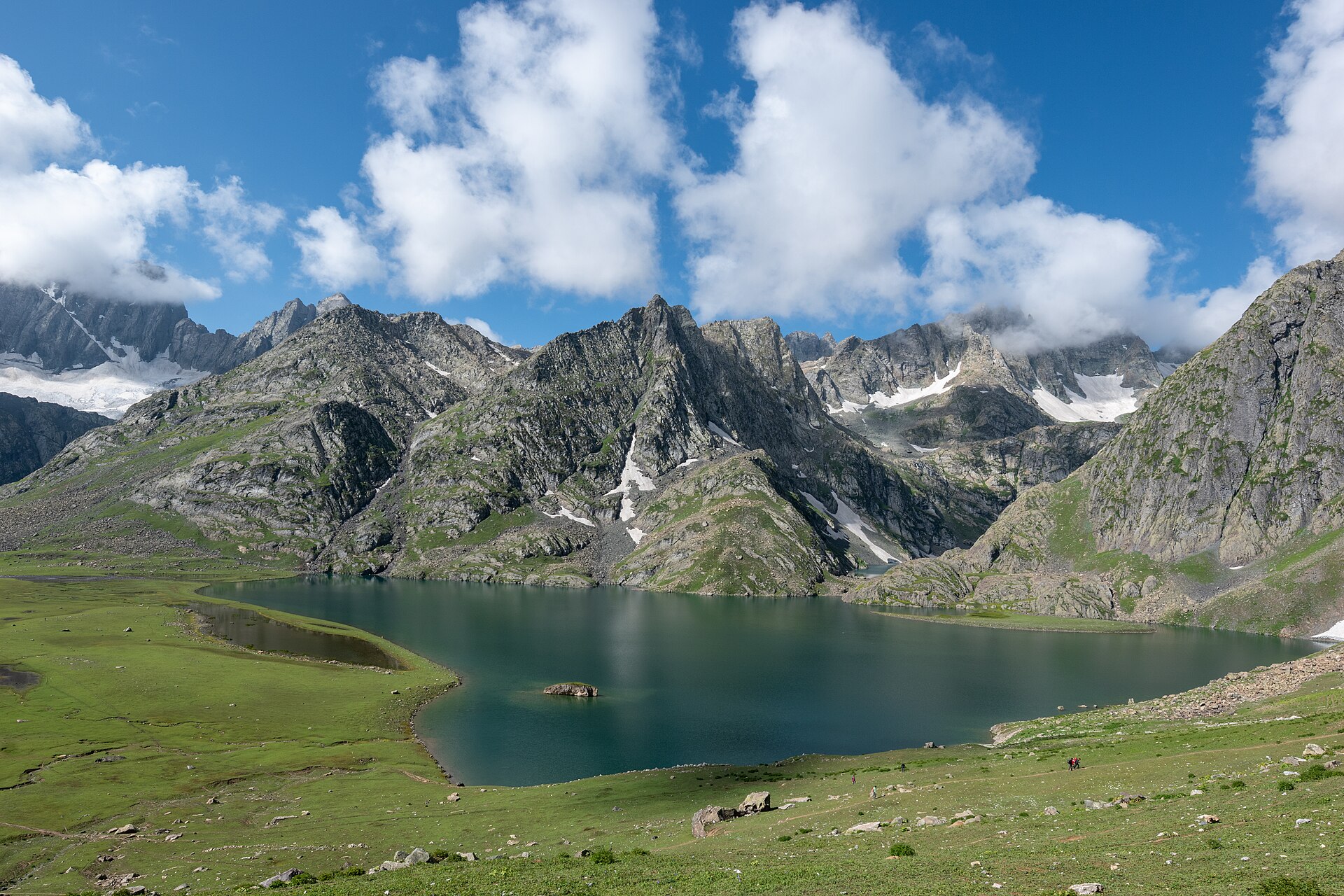
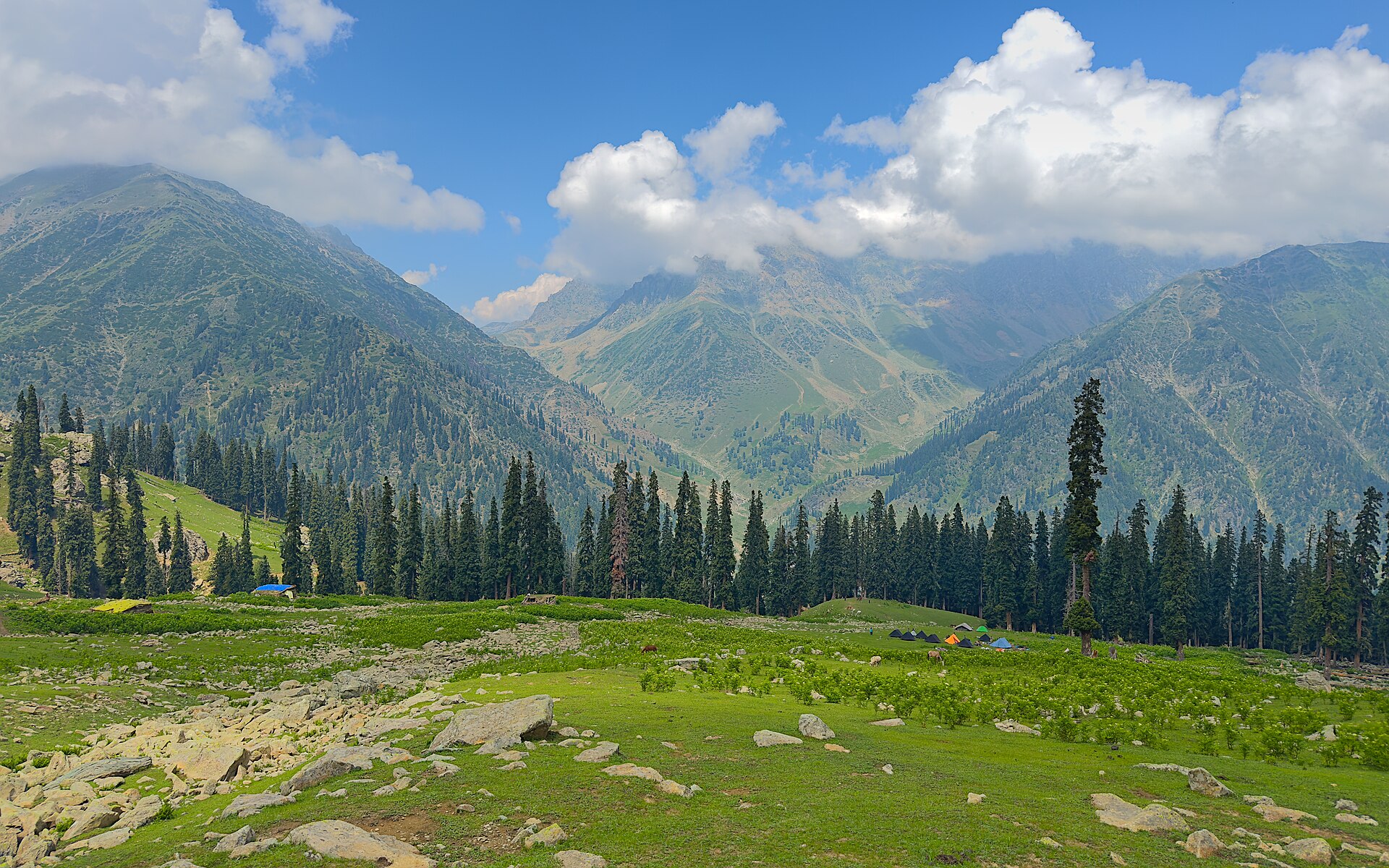
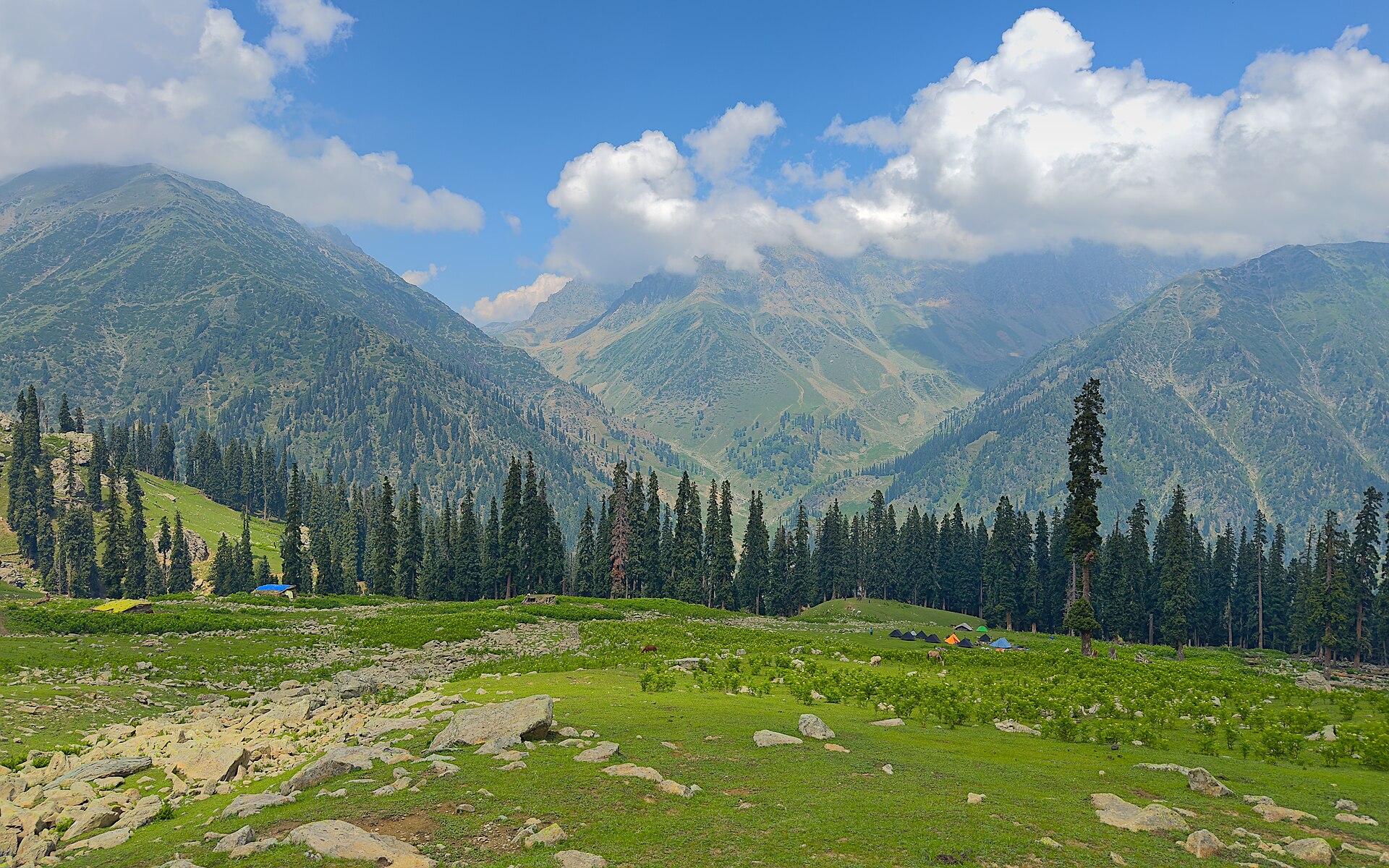
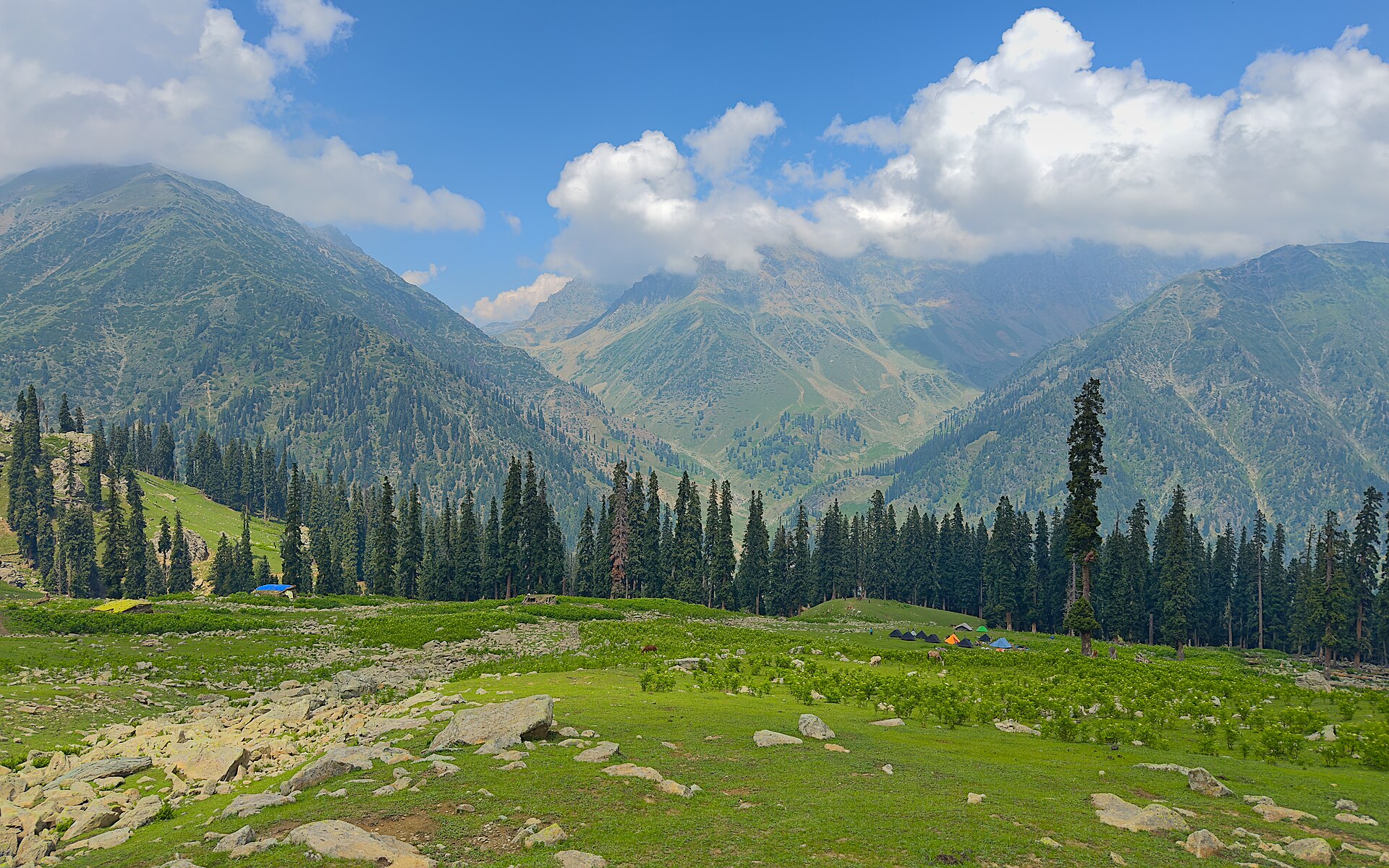
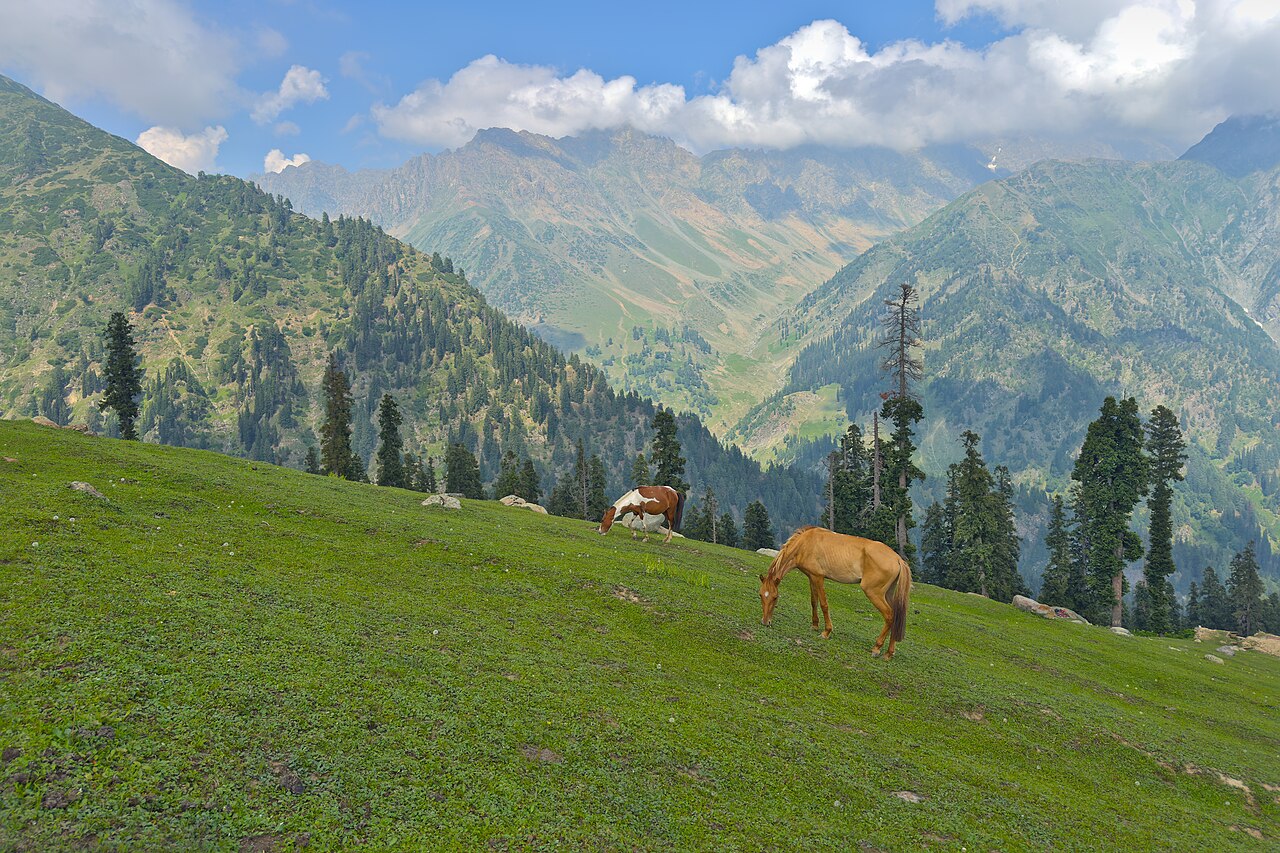
Spring brings vibrant life to the edges of the lake, perfect for a quiet day out.Photo: Rohit Sharma · CC BY-SA 4.0
I remember standing by the edge of Surinsar Lake in late April, where the humidity was low and the air carried the faint scent of wild jasmine. It is a moment that feels entirely different from the heavy, dusty heat of a mid-July afternoon or the crisp, sharp bite of a January morning.
Understanding the surinsar lake weather for travel is not just about checking a forecast; it is about knowing how the season changes the landscape itself. When you align your travel dates with the right climate, you turn a standard sightseeing trip into something much more vivid.
Understanding Jammu’s Climate Profiles
Jammu experiences a pronounced shift in weather throughout the year. The summer months—May through early July—can see temperatures push well above 35°C. During these days, the midday sun at the lake can be intense, making shaded areas the most popular spots to sit.
In contrast, the winter months bring a drop that makes the lake feel isolated and quiet. Temperatures hover between 5°C and 15°C, requiring layers if you plan on spending significant time walking the perimeter. The early morning mist during winter is legendary, though it can obscure the hills.
The Prime Window: Why Spring Wins
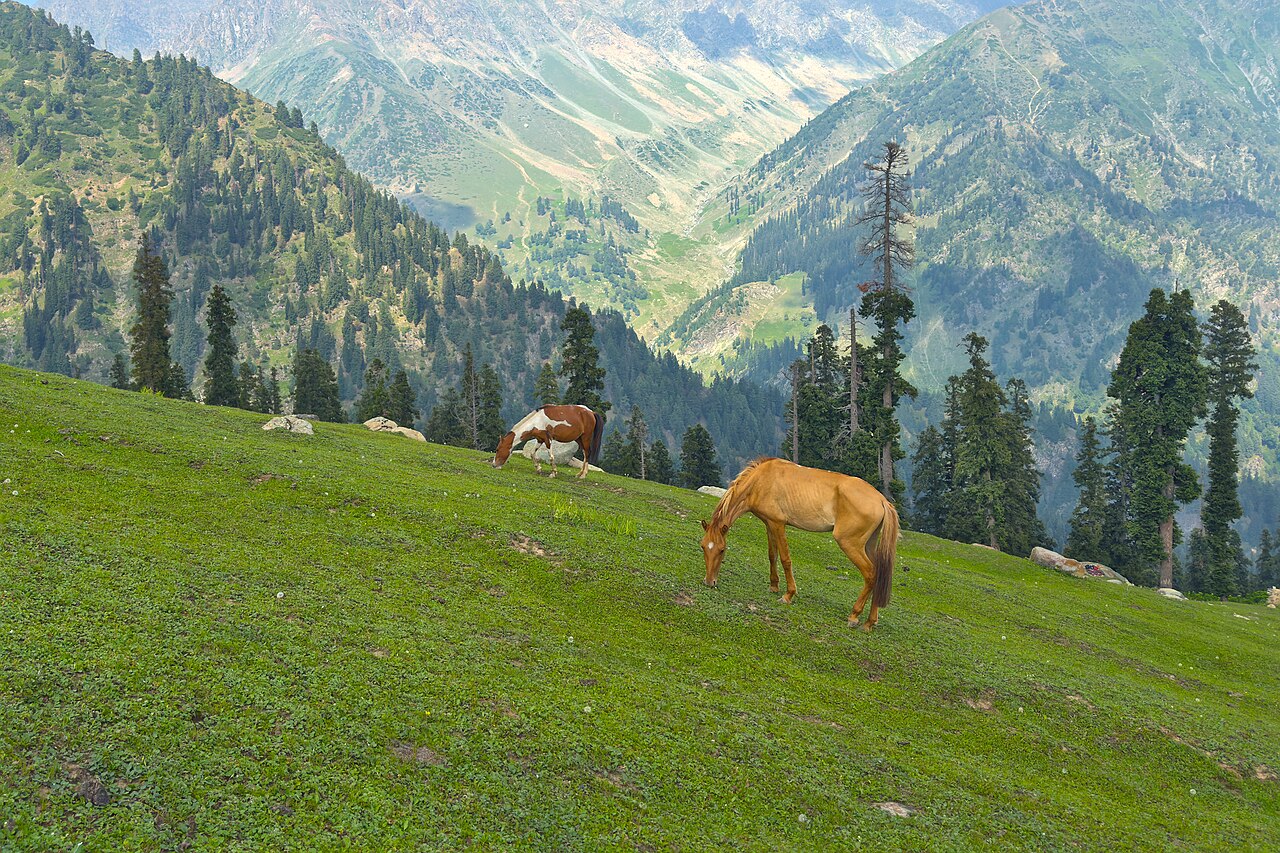
If I had to pick one season, spring (mid-March to April) is objectively the best time for a visit. The landscape wakes up, the temperature is moderate, and the humidity is non-existent. You can walk around the entire lake without breaking a sweat, which is almost impossible in the summer.
Our spring travel packages are designed to take advantage of these conditions. We include more outdoor activities—like nature walks—that simply wouldn't be comfortable when the mercury rises later in the season.

When to Book for Birdwatching
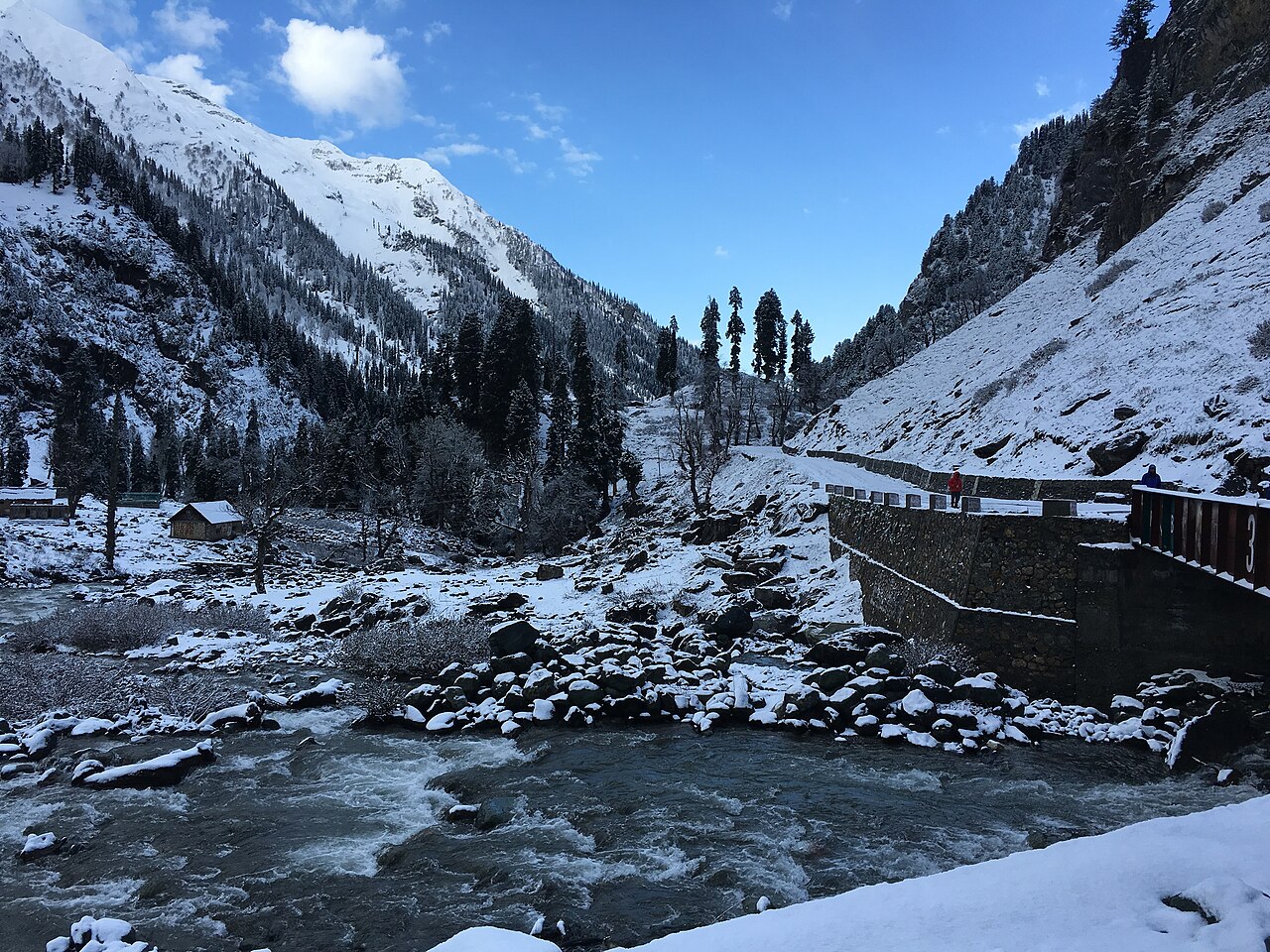
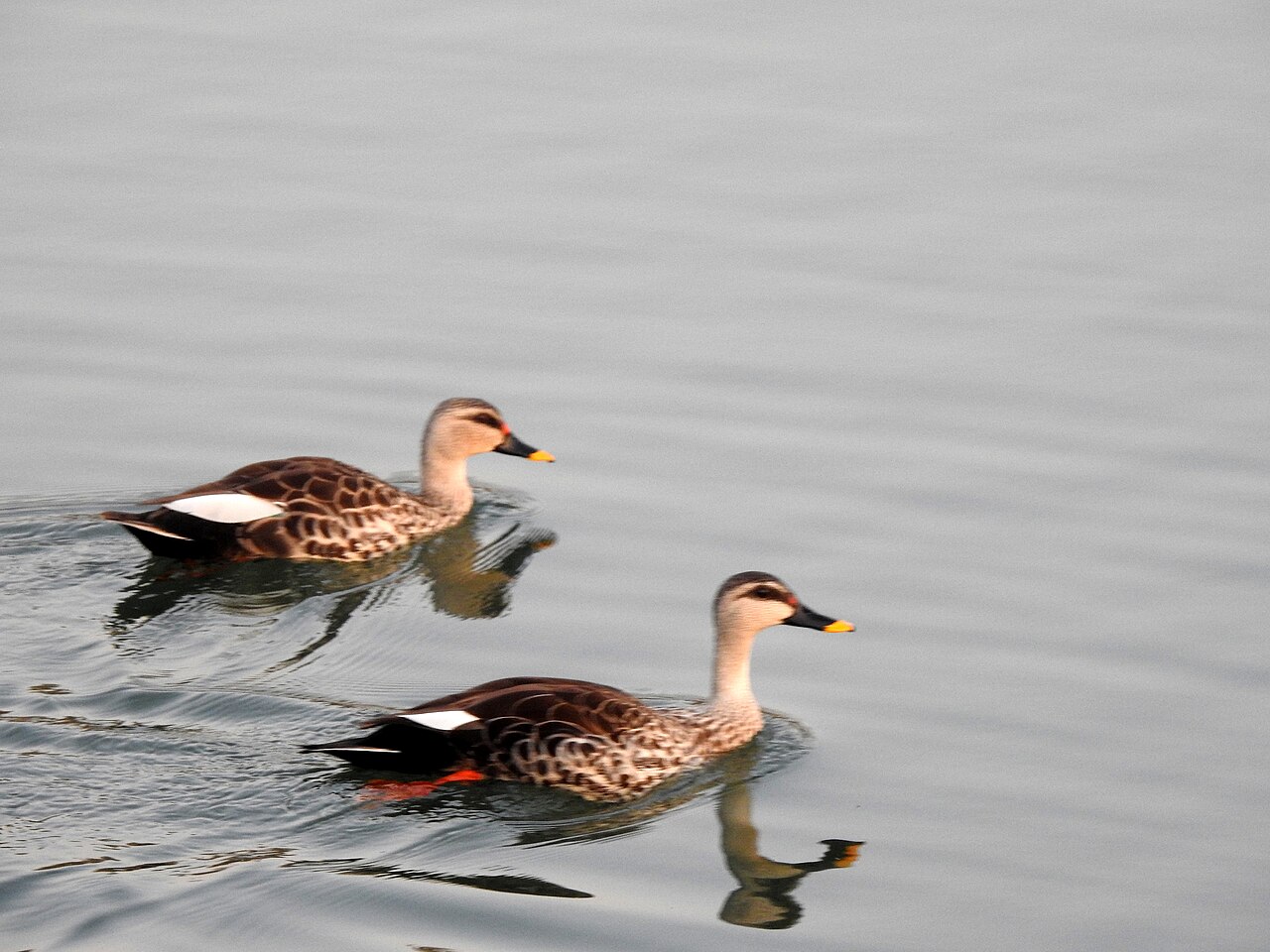
The winter months are quiet, but they are also the most active time for bird life. Migratory birds seek refuge at the lake, turning the surface into a sanctuary. If you are a photography enthusiast, this is when you should book your tour.
You will need to pack a thermos and a heavy windbreaker. The wind coming off the water can be biting, but the sheer volume of activity on the lake surface is worth the cold. We advise booking these trips at least two months in advance to secure the best guides who specialize in local flora and fauna.
Practical Packing for Your Jammu Trip
Packing for Jammu requires foresight because the city and the lake are different environments. In spring, a light jacket for the morning and a t-shirt for the afternoon is the perfect combination. Always carry comfortable walking shoes; the paths around Surinsar are not always perfectly paved.
For summer, prioritize high-quality sunglasses, a hat, and breathable linen or cotton fabrics. In winter, thermal under-layers are essential. Regardless of the season, a portable power bank and a camera with a good zoom lens will serve you better than anything else in your bag.
Seasonal Inclusions in Our Packages
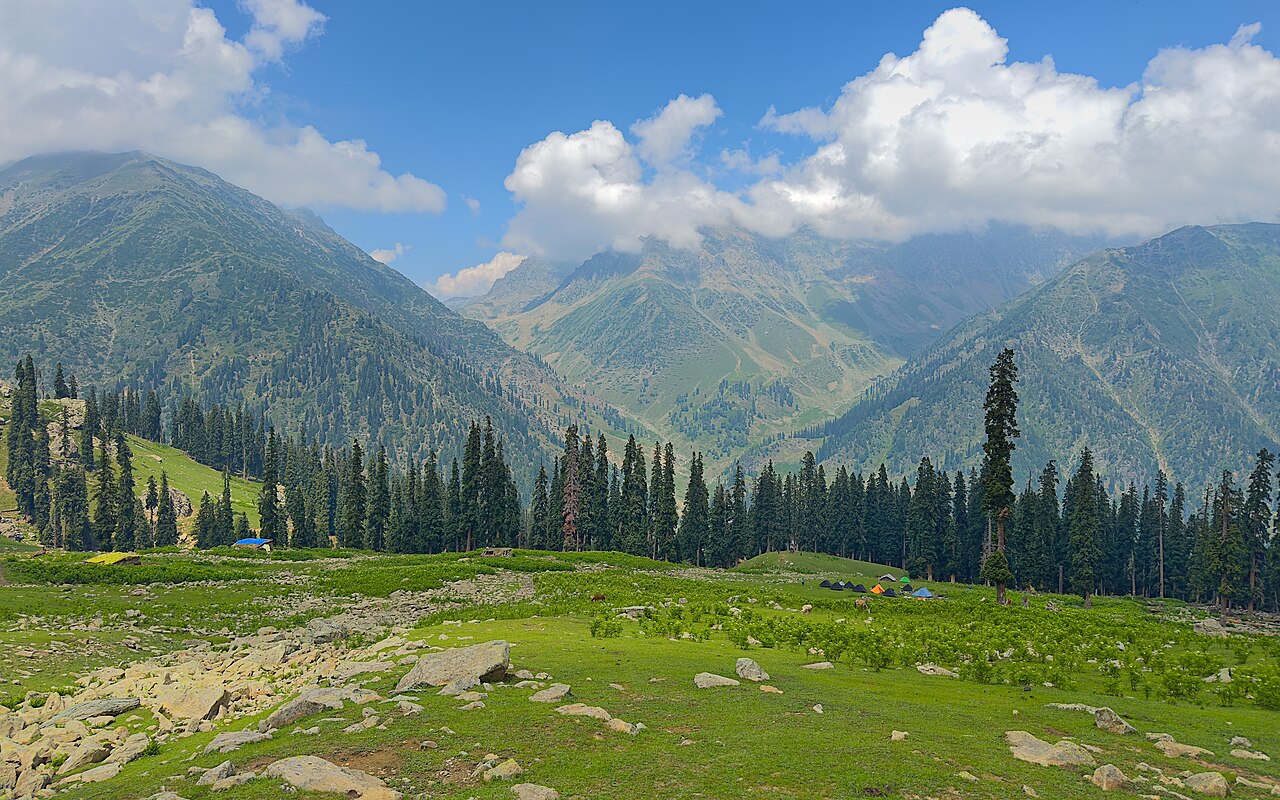
We change our tour inclusions based on the calendar. In the spring, we focus on longer outdoor tours and provide picnic-style lunches near the lake. In the summer, we ensure our transport vehicles have powerful AC and we schedule visits for the early morning or late afternoon to avoid the peak heat.
Our winter packages focus on comfort. We book hotels with reliable heating and schedule shorter, more intense blocks of sightseeing so you aren't stuck standing in the cold for too long.
Making the Most of Your Chosen Season
The best way to enjoy Surinsar is to accept the limitations of the season you choose. Do not try to plan a 10-mile hike in the middle of summer, and do not expect a warm, balmy day in January. Each season offers a different version of the landscape.
Talk to us before you set your dates. We can tell you exactly what the conditions have been like for the last few years and help you build an itinerary that fits the reality of the weather rather than a generic brochure promise.
Before you book
The beauty of Surinsar Lake shifts with the calendar. By choosing your timing well and packing with the season in mind, you set yourself up for a much more rewarding visit than someone who shows up unprepared.
We are here to help you navigate these seasonal differences. If you want to know what next month looks like at the lake, just reach out—we would be happy to share our honest take.
Written by
Kashmir, Jammu & Ladakh specialists
We plan and run trips across Kashmir, Jammu and Ladakh every week of the year. Everything here comes from routes we drive, stays we inspect and questions our travellers actually ask.
Quick answers
Questions we get asked
What is the best month to visit Surinsar Lake?
March and April are widely considered the best months. The temperature is mild, the air is clear, and the surroundings are lush.
Is it worth visiting in the winter?
Yes, especially if you are interested in migratory birdwatching. Just be prepared for colder temperatures and bring appropriate winter clothing.
How do you handle the summer heat in your tours?
We adjust our schedules to avoid the midday sun, use climate-controlled transport, and provide flexible itineraries that allow for plenty of rest.
Do I need special gear for walking around the lake?
Sturdy, comfortable walking shoes are the most important item. The paths can be uneven, and you will likely spend significant time on your feet.
Does the weather change suddenly?
Like any location near the hills, weather can shift. We recommend layering your clothing so you can adapt throughout the day.
Photography credits
- Photo: Rohit Sharma · CC BY-SA 4.0
- Photo: Original: KennyOMG Derivative work: UnpetitproleX · CC BY-SA 4.0
- Photo: UnpetitproleX · CC BY 4.0
- Photo: Akigupta131 · CC BY-SA 4.0
- Photo: Harvinder Chandigarh · CC BY-SA 4.0
- Photo: UnpetitproleX · CC BY-SA 4.0
- Photo: UnpetitproleX · CC BY-SA 4.0